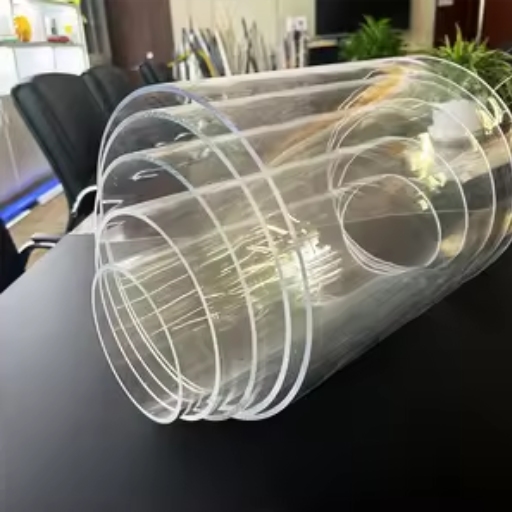

Cutting the acrylic sheets might be referred to as a huge problem, especially when you’re dealing with the prefers of the right tool that cuts properly, no cracking, and no splintering at all. Whether you’re a home improvement geek or a professional woodworker, knowing the proper tools, techniques, and safety measures will lead to the cleanest and most accurate cuts of the material without its wastage. The guide provides you with tips and expert advice to teach you the saw to the acrylic sheets, giving you the solution to the difficulties faced. At the end, you will not only feel self-assured about your method but will have the basic know-how to carry out your projects with style and speed.
Understanding Acrylic Sheet
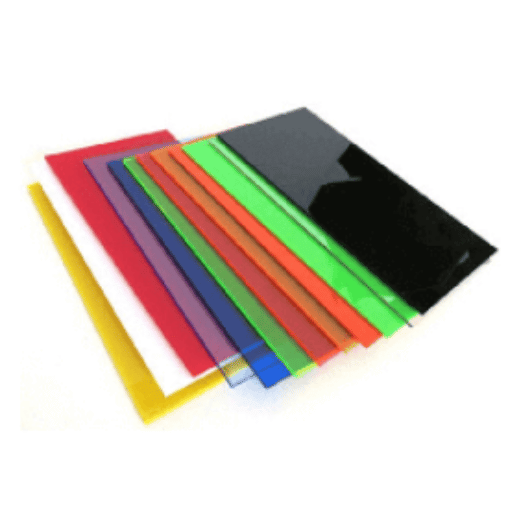
Acrylic sheet, also known as acrylic glass, is a thin, shatterproof, and cost-effective material that is often used instead of glass. It is made from polymethyl methacrylate, a kind of plastic, and it provides strong transparency, durability, and resistance to various weather conditions. Acrylic sheets are very useful, and industries like construction, design, and manufacturing use them a lot because they can be easily cut, shaped, and installed. They come with different thicknesses and finishes, so they can be used for different applications like making signs, display cases, DIY projects, and finally, protection barriers.
What is Acrylic and Its Properties?
Acrylic, which goes by the name of polymethyl methacrylate (PMMA), is a super plastic that is both very light and very difficult to break. It has high optical clarity among other features. Furthermore, it has high resistance to abrasion and bad weather and UV light which is why it is suitable for both indoor and outdoor applications.
Acrylic’s qualities include easy processing (shaping, cutting and molding) thus offering a wide range of use in numerous industries. Its properties such as transparency, impact resistance, and resistance to yellowing have turned it into a favorite material among manufacturers of signboards, display cases, barrier protection, and decorative items.
Common Uses of Acrylic Sheets
- Signage Manufacturing
Providing clear and long-lasting visual communication for business and public areas - Display Cases
Protecting items while maintaining excellent visibility - Protective Barriers
Sneeze guards and partition panels utilizing impact resistance properties - Artistic Applications
Furniture, wall panels, and artistic designs benefiting from ease of molding
All these factors combine to make acrylic sheets the best choice for a variety of functional and creative projects, both from a practical and aesthetic point of view.
Differences Between Acrylic and Plexiglass
Although the terms acrylic and plexiglass are frequently considered the same, there are minor distinctions. Acrylic refers to a broader category of thermoplastic materials made from polymethyl methacrylate (PMMA), whereas Plexiglass is a particular brand of acrylic. In short, every Plexiglass is acrylic, though not every acrylic is Plexiglass. Moreover, Plexiglass is associated with its superlative quality and long-lasting use, thus being regarded as a high-end option. In contrast, the two materials have almost the same characteristics like being transparent, light construction, and easy processing which enables the use of both in different applications to the same extent.
Preparing to Cut Acrylic

Acrylic cutting should be done with the right tools and in a clean place. Scoring knives for thin sheets or circular saws with fine-tooth blades for thicker materials are some of the common cutting tools. Always measure and mark your cutting line with a ruler and marker for precision. Firmly secure the acrylic sheet to avoid movement during cutting which can cause the sheet to crack. It is advisable to wear safety goggles and gloves for protection against debris. Smooth the edges with sandpaper or a file after cutting to have a nice finish.
Tools Needed for Cutting Acrylic Sheets
- Scoring knife – Suitable for thin sheets
- Circular saw with fine-toothed blade – For thick sheets
- Ruler and marker – For accurate measurements
- Sandpaper or file – For edge finishing
- Safety goggles and gloves – For safety protection
Safety Precautions When Cutting Acrylic
⚠️ Important Safety Guidelines:
Cutting acrylic should always be done in a ventilated area to minimize the inhalation of fumes and dust. To protect your eyes from dust and debris, and to prevent cuts, you should always wear safety goggles and gloves. It is important to secure the acrylic sheet properly so that it does not move during cutting, and to use the proper tools for the material to avoid breaking. Lastly, it is always a good practice to follow the manufacturer’s instructions for your tools in order to get the safest and most effective results.
Choosing the Right Method to Cut Acrylic
When picking a technique for acrylic cutting, first take into account the material thickness, as well as the tools you have. For very thin sheets, cutting with a knife and breaking off the piece along the cutting line are possible ways. In case of thicker parts, a jigsaw, a circular saw or a laser cutter might be employed, however, it is important that the saw blade is especially designed for cutting plastics and has fine teeth. Each method provides different levels of accuracy and also has its own speed; thus, you can decide according to your project’s requirements.
Methods for Cutting Acrylic Sheets
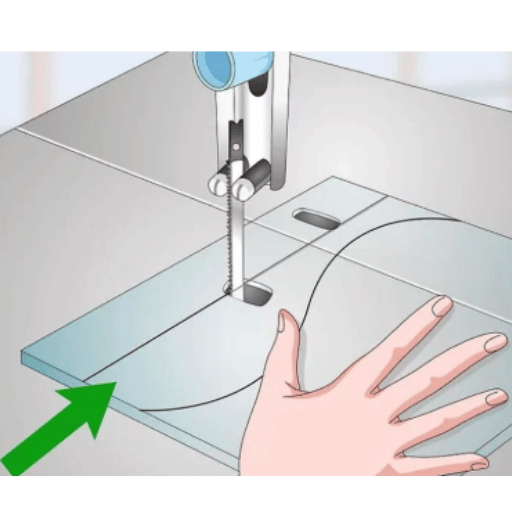
Different cutting methods are suitable for various project requirements and material thicknesses. Here are the most effective approaches:
1. Using a Scoring Knife
The easiest and most efficient way of cutting straight lines on thin acrylic sheets. Use a scoring knife to make several passes along the cutting line until a deep groove can be clearly seen. The next step is to place the sheet on a level surface with the groove right at the edge and then slowly apply pressure until the sheet breaks off cleanly.
2. Using a Jigsaw
If you are to cut any other shapes besides straight lines, a jigsaw with a fine-toothed blade is the one to go for. Make sure the blade is for plastics so as not to get any chipping and control the speed to get smoother cuts by slowing it down if necessary.
3. Using a Table Saw or Circular Saw
For the cases of thick acrylic sheets, such tools give straight cuts that are very precise. Always use a blade specially designed for acrylic or plastics cutting and make sure to keep the feed rate steady so as not to cause any melting of the edges or roughness.
4. Using a Laser Cutter
When letting precision and cleanness of cut be the deciding factors, go for a laser cutter. It is a fact that this method is mostly used in professional or industrial functioning and makes it possible for complicated designs to be done with minimum effort.
5. Using a Router
Where precise edges and intricate cuts are required, a router comes in handy as the most effective power tool especially with the thicker acrylic sheet. Select a bit that is suited for plastics and apply a guide for the most precise results.
Practical solutions can be derived from each of these methods depending on the acrylic sheet’s thickness and the intended finish.
Using a Table Saw for Cutting Acrylic
An outstanding tool for cutting acrylic sheets is the table saw, which delivers cutting results that are both accurate and clean. For the best result, a plastic-specific blade should be used, and the suggested one would be a carbide-tipped blade with fine and evenly spaced teeth. The sheet should be tightly secured, and the blade height should be adjusted to slightly exceed the thickness of the acrylic. For safety and accuracy, cut at a steady feed rate and do not push the material through the blade because that can lead to chipping or melting. It is essential to wear proper safety gear like goggles and gloves when operating the table saw.
How to Cut Acrylic with a Circular Saw
When using a circular saw to cut acrylic, make sure to utilize a blade that is specifically made for plastics like a carbide-tipped, fine and well-spaced teeth blade. Properly secure the acrylic sheet to avoid any movement and adjust the blade depth a little deeper than the thickness of the material. Cutting speed should be uniform so that there won’t be an occurrence of chipping or overheating, and thus, do not hurry the operation. It is a must to wear safety goggles and gloves for protection during the process.
Laser Cutting Acrylic: Pros and Cons
Techniques for Cutting Without Cracking

To avoid cracking while cutting acrylic, it is essential to use these methods:
- Use the Right Blade: Minimize stress on the acrylic using a fine-toothed blade especially for plastics.
- Secure the Material: By clamping the acrylic sheet firmly, you stop vibrations that might cause cracking while cutting.
- Cut at an Appropriate Speed: Heat generation should be avoided by cutting at a slow and steady speed and not too fast.
- Score and Snap for Thin Sheets: For thin acrylic sheets, the method of scoring and snapping can be applied for a clean break by making a few scores with a utility knife first and then snapping along the scored line.
- Cool the Material: During the cutting process, keep the acrylic cool with either water or compressed air because the heat created during cutting can make the material weak and increase the chances of forming cracks.
With these techniques, one can make cuts that are clean and precise without the acrylic being damaged.
Tips for Achieving a Straight Line Cut
- ✓ Use a Straightedge
A straightedge or a guide should be securely clamped or attached to the acrylic so that the cutting path is precise - ✓ Mark Clearly
A fine-tipped marker should be used to draw the clear and accurate cut lines - ✓ Work Slowly
When cutting, apply steady and even pressure in order not to go off the line - ✓ Check Alignment
It is important to check often that the tool is properly lined up with the guide - ✓ Practice First
Before starting on the main project, practice on a scrap piece to master your straight cut technique
Best Practices for Cutting Clear Acrylic
- Use Proper Tools: Depending on the thickness and kind of acrylic, use scoring knife, jigsaw or laser cutter as tools.
- Protect the Surface: To avoid scratches, do not remove the protective film on the acrylic until cutting is done.
- Maintain Consistency: Use the same amount of pressure all through cutting to get clean, smooth edges.
- Finish the Edges: After cutting, give the edges a smooth finish with fine-grit sandpaper.
How to Avoid Breaking Acrylic While Cutting
In the process of cutting acrylic, it is recommended to take utmost care and use the right tools such as a scoring knife or a fine-toothed blade to prevent the material from breaking. Make sure to clamp the acrylic firmly in such a way that there is no chance of movement or vibrations. The cutting should be done slowly and steadily to minimize the stress on the material and at the same time avoid using too much force. Another tip is to keep the protective film in place until the cutting is finished which will also help to keep the acrylic intact.
Frequently Asked Questions (FAQs)
Reference Sources
- SendCutSend – How to Cut Acrylic Sheets Like a Pro: Presents methods for cutting acrylic sheets without any cracks, along with tool recommendations and tricks.
- FLAcrylic – How to Cut Acrylic Sheets Without Cracking Them: Stability and correct tools are emphasized as the main factors for avoiding cracks during cutting.
- WeeTect – Cutting Acrylic Sheet: A Complete Guide: Offers a detailed guide about the different methods to cut acrylic sheets, including the use of a laser.
- SendCutSend – How to Cut Acrylic Sheets (Alternative Guide): Looks at six various ways of cutting acrylic sheets using or not using laser cutters.
- Inventables Community Forum – Acrylic Cutting Tips: Gives very useful cutting acrylic tips with the main focus on the quality of edges and the prevention of breakage.
Conclusion
Mastering the art of cutting acrylic sheets without cracking requires a combination of the right tools, proper techniques, and careful attention to detail. Whether you’re working with thin sheets using a scoring knife or tackling thicker materials with power saws and laser cutters, understanding the properties of acrylic and following best practices will ensure clean, precise cuts every time. Remember to always prioritize safety by wearing protective gear and working in well-ventilated areas. By securing your material properly, maintaining consistent cutting speeds, and using blades specifically designed for plastics, you can achieve professional-quality results on all your acrylic projects. With the knowledge and techniques outlined in this guide, you’re now equipped to confidently tackle any acrylic cutting task, transforming your creative visions into reality with precision and efficiency.