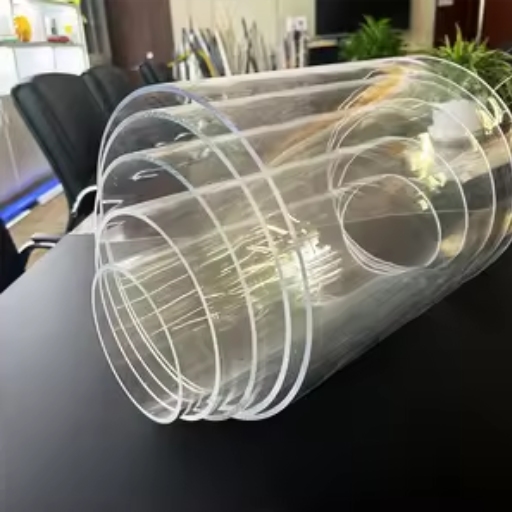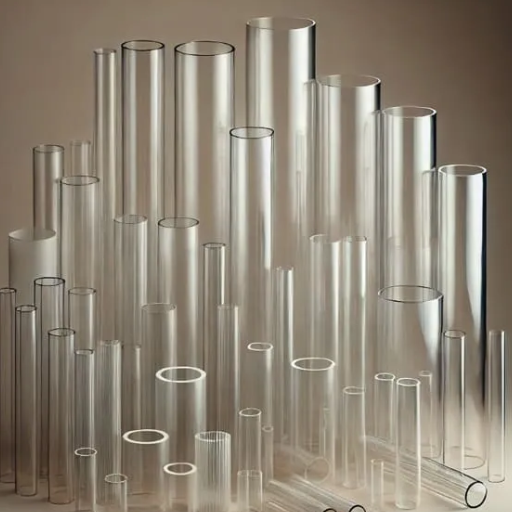

Acrylic tubing has established its extended usefulness because of its capacity to serve different industries while maintaining strong performance. Biocompatible acrylic tubing provides a unique combination of strength, transparency, and safety, which makes it essential for various medical applications. The material holds great importance because it enables fluid management and functions as a fundamental part of medical equipment. The article presents the main advantages of biocompatible acrylic tubing through its important features and shows the material’s value as a dependable option for medical technology development. The material will show you its potential to drive future progress in patient care and medical research whether you work in medicine or have a passion for technology.
Understanding Acrylic and Its Properties
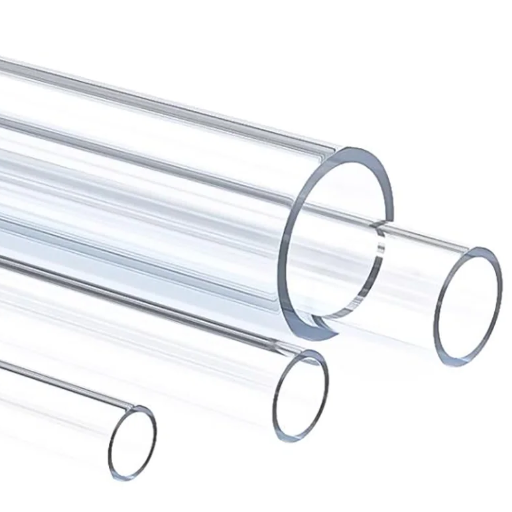
What is Acrylic Tubing?
Acrylic tubing functions as a transparent thermoplastic material which provides both lightweight and durable properties. The material has found extensive applications across multiple industries because of its high optical clarity which enables users to see through liquids and gases and other materials that move through the tubing. The product demonstrates exceptional resistance against weather elements and ultraviolet light and physical impacts, which makes it suitable for use in high-demand situations. The material with biocompatible properties has become the top choice for medical and laboratory environments because these fields require highly safe and dependable materials. The development of new manufacturing methods has produced acrylic tubing, which now comes with multiple size options and custom features that cater to modern requirements while maintaining its established performance standards.
Advantages of Acrylic Tubing in Medical Use
Acrylic tubing delivers multiple benefits which make it highly appropriate for use in medical settings. Its transparent properties provide complete visibility which doctors need to observe fluid movement through medical equipment. The material’s lightweight design decreases equipment stress while the material remains strong enough to endure multiple cycles of sterilization. Acrylic maintains its chemical composition because it resists both corrosive substances and chemical reactions which allows its use with various medical materials. The material’s biocompatibility allows safe contact with human tissues and fluids which makes it suitable for use in catheters and IV systems and laboratory equipment. The combination of these attributes improves medical operations by providing better efficiency and safer environments and higher operational performance which meet the industry requirements for medical environments.
Comparison with Other Medical Plastics
Advanced medical plastics demonstrate distinct property combinations which enable them to outperform PVC and polyethylene and other materials. Polyether ether ketone (PEEK) demonstrates exceptional strength and thermal resistance which makes it suitable for high-performance implant applications. The higher cost of PEEK restricts its adoption because people prefer to use economical materials which include polypropylene that offers lower weight and cheaper price but does not match PEEK’s chemical and temperature resistance. Silicones serve as the preferred material for applications that need both flexibility and biostability in long-term implant usage although they do not maintain the same structural strength as thermoplastics such as PEEK. Medical plastics achieve their designated functions through specific design elements which match their intended application needs by integrating three essential factors which include biocompatibility and durability and cost-effectiveness.
The Biocompatibility of Acrylic Tubing

Defining Biocompatibility in Medical Applications
Biocompatibility describes how materials succeed at their medical functions without creating harmful reactions to living organisms. Medical devices require this vital characteristic because it protects patients from not having their health endangerment through acrylic tubing and other materials which medical devices use. The testing process for biocompatibility evaluation requires materials to undergo multiple tests which assess their ability to cause cytotoxic effects and skin sensitization and skin irritation to human users. The study assesses how materials interact with human fluids and how they break down in the body and how their original functions change with time. Material science advancements continue to improve biocompatibility standards which result in better medical solutions and enhanced patient treatment.
How Acrylic Tubing Meets Biocompatibility Standards
The material known as acrylic tubing has gained widespread acceptance in medical use because it satisfies both biocompatibility requirements and medical material standards. The material maintains its safety for use with biological tissues because its components do not create toxic or harmful reactions through direct tissue contact or body fluid exposure. Current material engineering methods enable scientists to develop materials that maintain their protective abilities against chemical attacks, which results in dependable material performance throughout laboratory testing and medical equipment usage. The exceptional clarity of acrylic tubing enables users to monitor fluid flow, which serves as a vital requirement for intravenous systems and diagnostic equipment. The combination of these properties together with complete testing and strict compliance to regulatory requirements demonstrates that acrylic tubing serves as an effective solution for developing safe and efficient medical technologies.
Case Studies on Biocompatible Acrylic Use
The usage of biocompatible acrylic materials during the last few years has enabled multiple medical technology advancements. The first case study involved developing custom acrylic tubing which medical professionals used for intravenous (IV) therapy systems. The study demonstrated that the material delivered outstanding transparency together with chemical resistance because it fulfilled rigorous biocompatibility requirements. Medical professionals could monitor fluid delivery while detecting obstructions through the clear visual pathway, which increased patient safety during their medical work. The study demonstrated that acrylic components remained intact after undergoing sterilization, which proved their dependability for use in actual healthcare settings.
The dental field provides another strong demonstration of biocompatible acrylics which dental professionals used for restorative work through denture and dental implant applications. The studies proved that these materials were suitable for human use because they maintained human tissue compatibility while being lightweight and durable with wear resistance. The new system enabled patients to experience better treatment results because it decreased discomfort while providing longer-lasting dental restorations. Researchers developed better acrylic fabrication methods which enabled them to create customized solutions that provided improved fit and operational efficiency.
Biocompatible acrylics show their ability to adapt through medical testing which demonstrates their value across different fields of medicine. Scientists and engineers establish new solutions for healthcare problems through their ongoing work to enhance material attributes and production methods.
The Extrusion Process for Acrylic Tubing
Overview of the Acrylic Extrusion Process
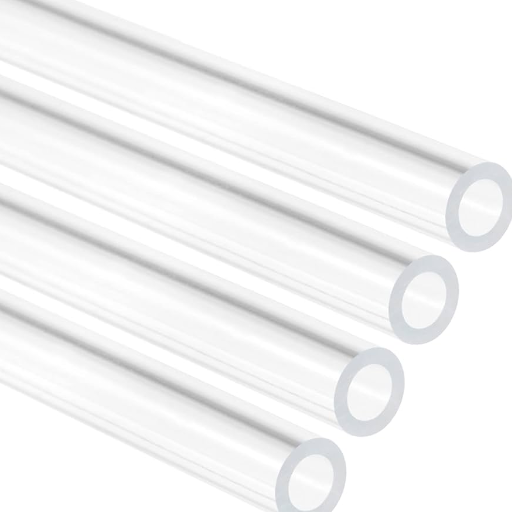
The acrylic extrusion process is a meticulously controlled method for creating versatile tubing with high precision. The process starts with the introduction of acrylic resin which manufacturers usually provide in pellet or granule form into an extruder. The extruder uses heating to melt the materials which then proceed through a die for shaping and diameter production. The process involves rapid cooling of molten acrylic which results in solidification that maintains its original shape and transparent appearance. Extrusion technology advancements have brought about better operational performance together with more options for customized production methods. The latest industrial and medical applications utilize modern techniques which enable them to control product specifications through exact wall thickness and length and internal diameter measurements. The new technologies maintain product quality at a constant level while they decrease production defects and waste materials. The acrylic extrusion process enables production of lightweight and strong and biocompatible products which continue to serve essential functions in industries that depend on trustworthy and versatile materials.
Factors Affecting the Quality of Extruded Acrylic Tubing
The quality of extruded acrylic tubing depends on multiple factors which must be understood to achieve the best results. The material quality serves as a primary factor because high-purity acrylic resin production leads to transparent and strong and uniform final products. The extrusion process requires precise temperature control because this method enables operators to stop defects like bubbles and warping and discoloration from developing during the production process. The calibration of machinery becomes essential because properly maintained equipment enables precise measurement of dimensions while reducing all possible measurement errors. The extrusion speed requires careful consideration because production at excessive speeds leads to structural damage while slower speeds permit complete processing of materials. The performance and visual characteristics of extruded acrylic tubing depend on the environmental conditions which include humidity levels and the cleanliness of production spaces. The manufacturers can create high-quality tubing through their solutions which fulfill the various requirements of different applications.
High Impact Resistance in Extruded Acrylic Tubing
The exceptional impact resistance of extruded acrylic tubing makes it a widely used material throughout multiple industrial applications. Acrylic presents a safer and longer-lasting option because it can endure substantial impacts without breaking, unlike conventional glass materials. The material achieves high impact resistance because its molecular structure enables it to maintain toughness while keeping its transparent and lightweight features. The tubing demonstrates complete operational dependability in extreme conditions present in chemical processing plants and outdoor construction sites and areas with heavy foot traffic. The development of acrylic manufacturing techniques has resulted in stronger acrylic materials that comply with enhanced safety and performance requirements. The combination of durability and visual appeal makes extruded acrylic tubing an effective material choice for various applications.
Applications of Acrylic Tubing in the Medical Field

Common Medical Devices Utilizing Acrylic Tubing
The medical field uses acrylic tubing because it offers three main benefits which include transparent visibility and lightweight weight and strong durability. The medical diagnostic equipment needs clear tubing because it enables users to see the fluids or gases that pass through the system. Acrylic tubing serves as the measurement and monitoring solution for blood analyzers and respiratory machines. The material serves two essential purposes because it functions as the main component for IV delivery systems and as the basic element for syringe systems which control fluid movement while remaining safe for medical sterilization. The material combines biocompatibility with chemical resistance to create an ideal solution for applications which require clinical hygiene and safety standards. The material has characteristics which make it essential for medical technology advancements.
Innovative Uses of Acrylic Tubing in Healthcare
Acrylic tubing has become an essential component of modern medical imaging systems which provide better patient outcomes through enhanced visual clarity. The transparent material lets users see through diagnostic equipment which includes endoscopes and light-guided surgical instruments. The flexible design of acrylic tubing makes it suitable for use in advanced drug delivery systems which include implantable devices because it maintains its structural integrity across different environmental conditions. The healthcare industry requires materials that meet its needs for accurate measuring equipment and durable products and safe medical devices which drive these material demands. The expanding applications of acrylic tubing show how crucial this material has become for upcoming medical technology advancements.
Future Trends in Acrylic Tubing Applications
Acrylic tubing applications will advance through upcoming material science innovations and rising environmental sustainability requirements. The main trend at present involves manufacturers using acrylic materials that come from renewable sources and can break down naturally. Researchers develop environmentally friendly acrylic tubing products which meet green manufacturing standards while maintaining their operational strength and long-lasting properties. The medical field would gain from these innovations while they create new market possibilities which include consumer goods and food packaging and high-end tubing requirements in various industries.
The development of customized acrylic tubing products will expand through new technological advancements in 3D printing and advanced laser cutting which create precise manufacturing capabilities. Manufacturers can create tubing products which match their detailed application requirements through these technologies which deliver exact dimension and material property specifications. Smart technologies which include sensor systems embedded within acrylic tubing products will transform healthcare operations through their ability to provide continuous diagnostic and monitoring data.
I expect material scientists and engineers and designers to work together more to solve the changing needs of industries which depend on acrylic tubing. The partnerships between these organizations will create new materials that can function in extreme conditions while providing safe and dependable performance. The combination of sustainable practices with new ideas will sustain acrylic tubing as a core element in groundbreaking technologies which operate across various sectors.
Maintenance and Safety of Acrylic Tubing
Best Practices for Maintaining Acrylic Tubing
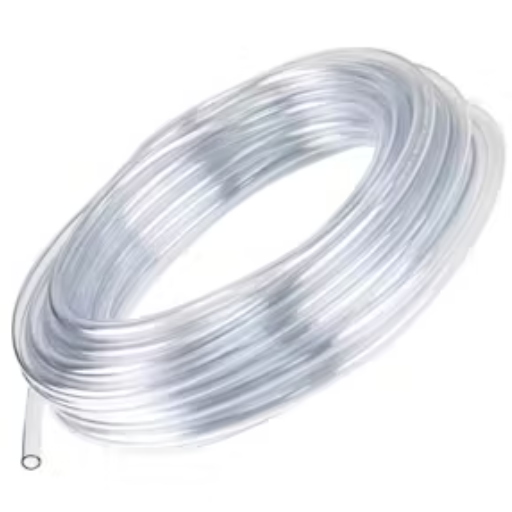
The proper maintenance of acrylic tubing requires a specific set of best practices which must be followed to achieve its maximum operating lifespan and peak performance. First, acrylic tubing must be cleaned with a soft lint-free cloth together with a mild non-abrasive soap solution which needs to be mixed with water. The use of harsh chemicals and abrasive cleaning agents must be avoided because these products will create scratches which damage the surface. The tubing requires inspection to detect any signs of wear and cracks and discoloration, which must be addressed immediately, because any delays will result in further damage.
Acrylic tubing requires protective gloves for handling purposes, because users must prevent the transfer of oils and dirt which would lead to surface degradation. The tubing requires storage in a cool, dry location, which must be protected from direct sunlight and extreme temperature conditions, because those factors will lead to warping and discoloration. The tubing requires proper support during use to avoid creating excessive material stress which could damage the material. Acrylic tubing requires chemical resistance grades which must be selected for environments with high chemical exposure while users should follow all manufacturer care guidelines.
Safety Considerations When Using Acrylic Tubing
Acrylic tubing requires safety measures during handling because these measures protect users and preserve material strength. Workers must use personal protective equipment which includes gloves and safety goggles to protect themselves from potential injuries caused by sharp edges and debris during cutting and installation work. Acrylic tubing should not be exposed to extreme temperatures and direct flame because these conditions cause it to melt and warp under high heat. When working with adhesives and solvents which are used with acrylic materials, workers must ensure proper ventilation because adhesive and solvent fumes create health risks. The risk of stress cracks will decrease when you tighten fittings and clamps only to the correct point and maintain proper alignment during the assembly process. The tubing specification must meet required pressure ratings to ensure safe operation in high-pressure applications. The safety measures you implement will enable you to achieve better acrylic tubing performance while maintaining a secure work environment.
Regulatory Compliance for Medical Acrylic Products
The manufacturing process and operational activities of medical acrylic products require organizations to comply with all applicable regulations. The materials used in this product need to meet all applicable safety requirements and performance standards that FDA and ISO establish. The compliance process requires complete testing of all material properties which include testing chemical resistance and mechanical integrity and sterilization compatibility to verify material performance in healthcare environments.
Manufacturers need to follow Good Manufacturing Practices (GMP) requirements which assist them in maintaining product quality standards while tracking material movement during the manufacturing process. Organizations need to provide complete documentation which includes material certifications and performance testing results to show that they comply with these regulatory requirements. The current focus on environmental sustainability has increased the need to examine acrylic product lifecycles which now require organizations to adopt environmentally friendly production techniques and recycling programs as mandatory compliance requirements for medical-grade materials.
Reference Sources
Hemocompatibility of Chitosan/Poly (Acrylic Acid) Grafted Polyurethane Tubing
Relevance: This study explores the biocompatibility and hemocompatibility of modified acrylic-based tubing for medical applications.
Organic Polymer Biocompatibility and Toxicology
Relevance: A detailed study on the biocompatibility and toxicological aspects of organic polymers, including acrylic materials.
Biocompatible Silver Nanoparticles Incorporated in Acrylic Resin for Dental Application
Relevance: This research evaluates the antimicrobial and biocompatible properties of acrylic resin enhanced with silver nanoparticles.
Frequently Asked Questions (FAQs)
Is biocompatible acrylic tube suitable for medical applications?
Medical applications require biocompatible acrylic tubes which satisfy regulatory biocomability requirements and undergo manufacturing through controlled processes. Polymethyl methacrylate (PMMA) also known as methyl methacrylate-based acrylic resin provides medical tubing and specific medical components through its exceptional biocompatibility and optical clarity. Acrylic plastic tubes demonstrate better light transmission and abrasion resistance than PVC tubing and polycarbonate for specific applications although they need testing to confirm their safety during contact with bodily fluids and extended medical use. Material selection needs to assess mechanical strength and tensile properties together with the ability to withstand sterilization through irradiation and standard sterilization methods. Medical-grade acrylic tubing which manufacturers supply for life science research and medical environments comes with processing documentation and material certification.
How does acrylic tubing compare to PVC and polycarbonate in chemical resistance and toughness?
Acrylic tubing provides superior optical clarity and lower molecular weight compared to certain other materials yet its chemical resistance and toughness properties depend on the specific copolymer or PMMA formulation used. Acrylic (polymethyl methacrylate) demonstrates strong chemical resistance against various solvents and chloride-based solutions but it remains vulnerable to attacks from powerful solvents and specific chlorinated substances. Polycarbonate delivers better impact resistance and superior high-temperature performance compared to polyvinyl chloride (PVC) which offers flexibility for use in flexible tubes needed for applications that require pliability. For multiple applications, including higher temperatures or high pressure systems, consider mechanical strength, higher tensile strength, and whether a copolymer or acrylic resin cure has been optimized for abrasion resistance. The control of processing conditions and material waste is necessary because material flow during plastic extrusion or injection molding determines the final properties of the product.
What sterilization methods are appropriate for acrylic medical tubing?
The acrylic tubing can withstand multiple common sterilization procedures but requires testing to determine which procedures are suitable for each grade because they use irradiation and ethylene oxide and specific low-temperature methods. The process of high temperature sterilization together with UV light exposure creates changes in elemental properties which require monitoring to avoid material degradation and warpage. PMMA shows lower resistance to high temperature steam autoclaving compared to other rigid plastics, which makes it necessary to select sterilization techniques based on the thermal characteristics and curing stage of the acrylic resin. The life science and medical industry requires organizations to document their sterilization validation processes together with their research on how these processes impact mechanical strength and biocompatibility. When planning sterilization, include considerations for material flow and any connectors or assemblies that will be joined by solvent or adhesive processes.
Can acrylic tubes be used to create advanced medical parts and connector systems?
Acrylic tubing provides simple processing capabilities which enable the production of different plastic components through cutting and solvent bonding and machining and thermal forming techniques. The optical clarity of PMMA combined with its minimal electrostatic properties makes it suitable for components which require both visibility and cleanliness. Plastic parts are commonly produced through injection molding and plastic extrusion processes. Medical environments require compatible adhesives or solvent welding for connectors and assemblies and all bonding agents need to have their cure time considered. Acrylic tubes provide excellent performance for applications which need light transmission and visual inspection of fluids. For flexible tubes or high-pressure connectors, material selection needs to reconsider higher tensile strength options and copolymer usage needs to be assessed. The fabrication processes should focus on two goals which include reducing material waste and maintaining dimensional stability to produce dependable medical tube assemblies.
How do processing methods like plastic extrusion and injection molding affect acrylic tubing properties?
The final properties of acrylic tubing which plastic extrusion or injection molding produces depend on processing conditions like temperature and die design and material flow. The specific thermal properties and melt flow control method operates to maintain constant wall thickness and optical clarity and mechanical strength while preventing molecular weight degradation and internal stress build-up which would result in toughness loss. Complex parts and connectors with precise tolerances can be produced through injection molding whereas extrusion efficiently creates continuous acrylic tube lengths which can be shipped in various plastic sizes. The two processes require optimization to minimize material waste while achieving proper abrasion resistance and dimensional stability for parts that undergo sterilization or UV light exposure. The coordination between material suppliers and fabricators enables the selection of PMMA and copolymer and blend grades that provide excellent chemical resistance and high tensile strength needed for the specific application.