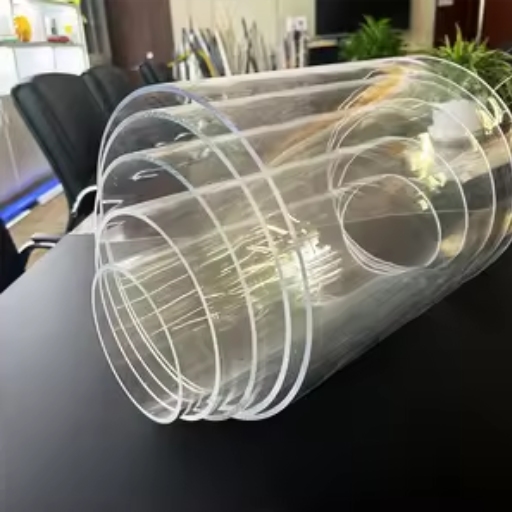

Running the complex and rewarding world of the reef aquarium mandates precision, dedication, and correct equipment. Within the arsenal of the avid aquariumist, nothing ranks higher than acrylic protein skimmer, an indispensable system in removing organic waste from the water column as well as in eliminating impurities. Whether you are an old-hand in reefkeeping or are a novice making for the breathtaking world of marine aquariums, knowing how a protein skimmer can benefit you and why you should have one is the way to a show-stopper aquatic environment. Content of these articles weaves the basic academic principles of acrylic protein skimmers, their role in water quality maintenance, and the factors to consider while selecting the right skimmer for your tank.
The Importance of Protein Skimmers in Aquariums
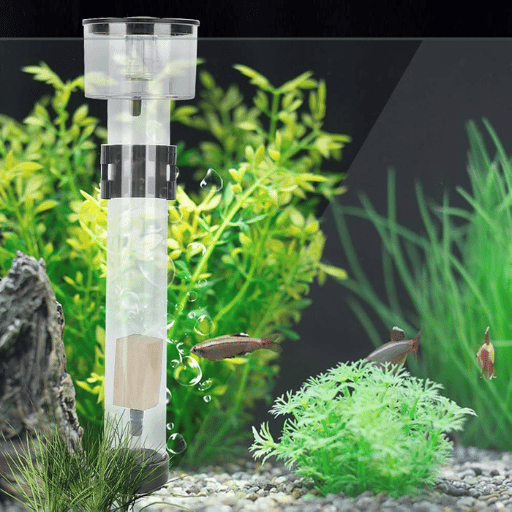
Protein skimmers are essential for the health of marine life within the confines of an aquarium, mostly those in a reef environment. They achieve this by cutting down and efficiently removing organic waste, such as dead food, fish feces, and other dissolved organic compounds, before they break down and pose to the tank various spoilages such as air quality deterioration, high ammonia, and very high nitrates. This, in turn, helps maintain the correct chemistry of the water, all without overworking the biological and mechanical filtrations. By ensuring the continuous removal of contaminants, the skimmer acts to create a healthier and more stable environment for marine life.
What is a Protein Skimmer?
Protein skimmers, also called foam fractionators, are utilized in aquariums to eliminate organic pollutants from the water, a process known as foam fractionation. A skimmer operates by creating fine bubbles and creating a thick foam, whereby it collects molecules of dissolved organics, and proteins and waste particles prior to them becoming a part of the water column. Thereby, in marine or reef aquaria this becomes critical to water quality, minimizing toxic compounds such as ammonia and nitrates, and easing the load on other filtration systems.
How Protein Skimmers Benefit Your Reef Tank
Protein skimmers serve a vital function in maintaining the balance of the ecosystem in a reef tank. Due to effective removal of dissolved organic matter before it decomposes into dangerous substances such as ammonia and nitrites, skimmers maintain water chemistry and reduce nutrient loads that fuel nuisance algae growth. They have added value in increasing oxygenation by improving gas exchange with the surface of the water that boosts fish, corals, and other marine life’s habitat. This improvement in water quality also happens to serve in prolonging the life of any other filtration system making protein skimmers indispensable for a successful thriving reef.
Key Features of Effective Protein Skimmers
1. Productive Air-Water Blending
A high-performing protein skimmer uses advanced needle-wheel or venturi technology to provide optimal mixing between the air and water to obtain the maximum number of tiny microbubbles created to remove wastes most effectively.
2. Long-lasting Construction Materials
Best skimmers are constructed from robust, marine-grade materials such as acrylic or reinforced plastics and thus can withstand saltwater’s corrosive effects and provide both long-lasting use and durability.
3. Adjustability and Finer Tuning
Skimmer settings, like water and air intake, can be adjusted with greater precision, enabling customization and enhanced performance for the unique conditions of the aquarium.
4. Energy Efficiency
To save on energy and, in turn, reduce running costs for the aquarist, protein skimmers rely on energy-saving technologies which hold together high flow rates.
5. Noise Reduction Features
Advanced designs operate with noise dampening to have quiet working particularly significant for a home or work area.
6. Ease of Maintenance
Good design assignments of a skimmer include parts designed to be undemanding clean like access; with cup clears that ensure rapid cleaning for consistent long-term use.
With the need for protein skimmers to perform ideally and be part of a healthy equilibrium aquatic environment, these features together would be seen to provide this.
Acrylic vs. Other Materials for Protein Skimmers
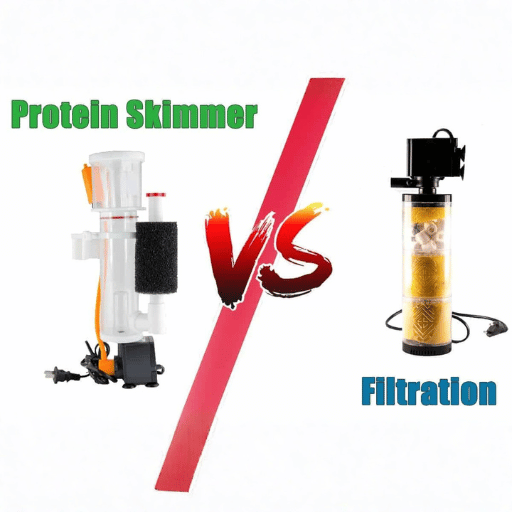
Durability, clarity, and resistance to corrosion make acrylic the most favored material in the construction of protein skimmers. Unlike glass, acrylic breaks less easily under pressure and can withstand salty seawater exposition without weakening. It is also light, making its installation easier in reef tank systems. Comparatively, even less expensive other forms of plastic lack the strength and long-term reliability of acrylic, thereby making them impractical to utilize. In conclusion, for construction of protein skimmers, acrylic serves as the best material balance in terms of strength, longevity, and performance.
Advantages of Acrylic in Skimmer Design
Acrylic boasts extraordinary strength-to-weight ratios that make it durable enough for operation and still easy to handle. Chemical and salt-water corrosion-resistant gives it the edge when maintaining greater life expectancy, especially in marine environments. It’s also the clearest of all materials, making inspection of the skimmer imperative for it to perform best. Extrusion is incredibly flexible in making it possible to engineer down to tiny features ensuring wonderfully efficient wide space applications. This is why acrylic is the most favored material for professional protein skimmers.
Comparative Analysis: Acrylic vs. Glass and PVC
In the evaluation of acrylic, glass, and PVC for protein skimmers, acrylic stands out because it balances durability, clarity, and versatility. Glass, with the best scratch resistance, is heavier and tends to shatter, thus reducing its practicality for complicated skimmer design. PVC, with its bulk, offers affordability and durability, and yet it lacks the optical clarity essential for real-time observation of skimmer operation. Acrylic extrudes the best of both out, hence offering high impact resistance, extreme transparency, and extrinsic flexibility to achieve very complex geometries during fabrication of the efficient, reliable professional-grade protein skimmers.
Durability and Maintenance of Acrylic Components
The high impact resistance and resistance to the harsh aquatic environment make acrylic parts very long-lasting; the material begins to lose its properties rather subtly. To maintain the performance with the best of clarity, those acrylic components need to be treated with careful cleaning with periodic good, non-abrasive products to avoid surface scratching. Periodic inspection for the weakest links provides peace of mind about the permanence and functionality of commercial equipment right from the start. Proper storage away from a high UV environment can extend the arrested service life of acrylic materials when applied to a challenging work environment.
Maintenance and Cleaning of Protein Skimmers

Protein skimmers necessitate periodic pit-cleaning to dodge the collection of waste on and around skimmer’s surface or pump. Thus, the collection cup should ideally be cleaned weekly. Take it out and empty it, pour the contaminants down the drain, then wash it off thoroughly with warm water. Every two to four weeks, examine the skimmer body and pump. Take them apart and clean them with a gentle brush or sponge to remove accumulated organic matter. Make sure the impeller is clean and has no blockages that can restrict water flow. Avoid harsh chemicals, as they may destroy the skimmer or affect the quality of the aquarium. Regularly washing your skimmer would make it better in the removal of dissolved organic compounds, making your aquaria maintain a healthy and stable environment.
Essential Tools for Skimmer Maintenance
To maintain the best skimmer efficiency and to safeguard it from unfortunate malfunctions, skimmers must have some necessary tools ensuring your skimmer an extended life span:
- 1. Soft Brushes and Sponges
Soft-bristled brush and sponges are the ones that should be utilized most often to delicately clean any part of the skimmer without causing damage. - 2. Pipe Cleaners
They are ideal due to their length and ability to reach some narrow tubing or difficult-to-reach areas. - 3. Microfiber Cloths
Whenever needed, these microfibers might be used to wipe the outside surfaces and prevent limescale or fingerprint deposition. - 4. Non-Abrasive Cleaning Solutions
In the case where necessary, a detergent that won’t ruin the marine organisms and tanks may be used to get rid of scum that otherwise defiles on some key parts. - 5. Inspection Flashlight
Good for observing impairment in almost any nether part and sometimes a main component inside like tubing or impeller. - 6. Replacement O-Rings and Seals
This is for substitution anytime that is required as often as possible, assuming that there’s no need to seal liquid leaking.
As long as the above-mentioned tools are used correctly and consistently, the skimmer will work accordingly, and this will increase the skimmer’s efficiency, longevity, and aid in the creation of a healthy habitat for marine creatures.
Step-by-Step Cleaning Guide for Acrylic Skimmers
Step 1: Power Down and Unplug
Start by powering off the Skimmer and removing its connection to an electrical outlet to keep maintenance safe.
Step 2: Disassemble the Skimmer
Most of the parts you need to disassemble are easy to remove, like the collection cup, impeller, or any tubing present, to make sure you clean it.
Step 3: Clean by Rinsing With Freshwater
You may want to wash every component with freshwater to ensure sparkling cleanness, focusing on the various areas that attract waste residues such as those present on the collection cup and impeller housing.
Step 4: Wear and Damage Inspection
Use the inspection light to look for cracked O-rings or seals in the critical parts or for blockages happening inside. Quick change-out of any of the worn parts or O-rings can ensure that water cannot soak the Vienna top and bottom with the skimmer operating optimally.
Step 5: Eradicating Mineral Deposits
In situations where any deposits are seen to be laid in the area, soaking the component in a water-and-vinegar-based solution will help remove some of these deposits without harming the acrylic.
Step 6: Reassembly and Testing
Assemble back the skimmer, seeing that all relevant parts are aligned in the appropriate manner, and then connect to the power supply. Turn it on for trial of workings.
Important Note: Assiduously following this self-help walkthrough in a regular upkeep regimen spares the skimmer in its potential to work for a protracted period while sustaining a balanced aquatic setting.
Common Issues and Troubleshooting Tips
1. Reduced Skimming Efficiency
Cause: Accumulation of debris or blockages in the air intake or pump.
Solution: Check and clean the air intake, impeller, and pump to remove any obstructions. Regular maintenance prevents this issue.
2. Excessive Foam Production
Cause: Introduction of oil-based substances or additives such as aquarium treatments into the water.
Solution: Perform a water change to dilute the contaminants and clean the skimmer thoroughly to remove any residue.
3. Air Bubbles in Display Tank
Cause: Improper adjustment of the skimmer’s air-to-water ratio or damaged seals.
Solution: Adjust the air intake valve settings and inspect seals for wear or damage. Replace faulty parts as needed.
4. Skimmer Overflowing
Cause: Newly introduced skimmers or unstable water parameters, such as salinity fluctuations.
Solution: Just let the skimmer break in for a few days and stabilize water conditions to a properly defined range.
The initiation of solutions to these issues allows for better performance and longevity of the equipment and also allows the users to get a better system performance.
Conclusion: Maximizing Your Reef Aquarium’s Health

To maintain the health of a reef aquarium, several factors must be managed, including the care of the water quality, lighting, and hygiene of equipment. The water must undergo regular testing to make sure that the parameters are within the tolerable range for life as per requirement. pH levels, salinity, and nutrient levels are most critical to monitor. Always use top-quality equipment such as protein skimmers and filters while also concentrating on keeping them clean for far better operations. Provide the best lighting, suited for coral growths and for reproducing natural reef-like conditions. Most important at all, has a schedule for observing the aquarium’s inhabitants, as possible early notice of any change can nip larger problems in the bud. Observing the best practices for your aquarium and staying ahead of nature are the steps that will take your reef system to a place where it has accomplished stability of life.
Final Thoughts on Protein Skimmer Selection
When selecting a protein skimmer, you should consider the requirements of good efficiency, compatibility, and ease of maintenance. For this reason, choose enough skimmer size for your tank that would maintain good nutrient export without overloading the total system. Assess the skimmer on performance values such as pump power, noise level, and energy consumption among others, as per the requirements of particulars in-house needs of your reef inhabitants. Investing in a reputable high-quality well-respected brand, one with a reputation for being reliable and honest, will eventually save time and effort and add to the better health and stability of the invertebrates in the reef tank.
The Role of Skimmers in Coral Health
It is tremendously important to have water of such fine quality as is required by coral health and growth, which is the scientific principal role of protein skimmers. They help at nutrient reduction by pre-conditioning their dissolved organic compounds, extra proteins or bad substances, besides all the others, thus further reducing the nitrate and phosphate levels in the water, the elevation of which promotes growth of algae and degrades the water quality. By managing nutrient supplies in the aquarium, the system is held in a sort of steady-state ecosystem under low-nutrient conditions similar to what reef-building corals would thrive in. By so doing, whenever the protein skimmer is performing well, oxygen levels are increased and the water is left clear, essential for light penetration and good gas exchange on photosynthetic corals. A highly efficient method of protein separation guarantees longterm balance in the system and the beneficial health of reef inhabitants.
Future Trends in Skimmer Technology
A shift to automation, effectiveness, and ecology characterizes future skimmer technology. New sensor technology is allowing skimmers to adjust themselves according to water conditions in real-time such that nutrient export is maximized for the lowest energy use. Material innovations, such as high-tech composites, are enhancing the skimming performances and durability. Emerging skimmers are working to minimize the floor area, in order to accommodate the nano and smaller tank populace, whilst not compromising on overall skimmer efficiency. Also, with a rising demand for energy-efficient technologies, the succeeding generation of skimmers will most likely integrate smart-connectivity capabilities like app-monitoring and controlling to enrich their accessibility and user experience. All of these actions are ushering-in a very favorable trend to cater to the anticipated growth in sustainable and adaptive reef tank solutions.
Reference Sources
Manta Systems – The One-Size-Fits-All Protein Skimmer Buying Guide for Saltwater Aquariums
It elaborates the functionality and importance of protein skimmers for maintaining water quality in your saltwater aquarium.
Waterbox Aquariums – Protein Skimmer and Their Importance in the Aquarium
The lowdown of how protein skimmers do their role of extracting waste from the waters, maintaining the surroundings of a healthy aquarium.
Pentair AES – XFLO Protein Skimmers
Descriptions of construction materials are laid in as far as protein skimmers go, inclusive of acrylic tubes for the reaction chamber.
Frequently Asked Questions (FAQs)
What is an acrylic tube when fitted into a protein skimmer?
This makes part of the protein skimmer and is particularly made from high quality acrylic used in constructing the reaction chamber for filtering organic waste from the aquarium water.
Why is acrylic used in protein skimmer tubes?
Acrylic is deemed suitable for use in aquarium accessories because it is very weightless, so immune to wear and tear, and unharmed by salt in water.
How does the protein skimmer work?
It uses the process of air stripping or bubble contacting the water in the acrylic tube to remove any dissolved organic waste, unabsorbed food, and any other debris.
What are the benefits of using a protein skimmer?
Increases water health, lowers algal expansion, and encourages a better environment for aquatic life.
Can you replace acrylic tubes in a protein skimmer?
Yes: some of these skimmers may have the potential of replacing the acrylic tubing if the said tubes ever become damaged or shabby.