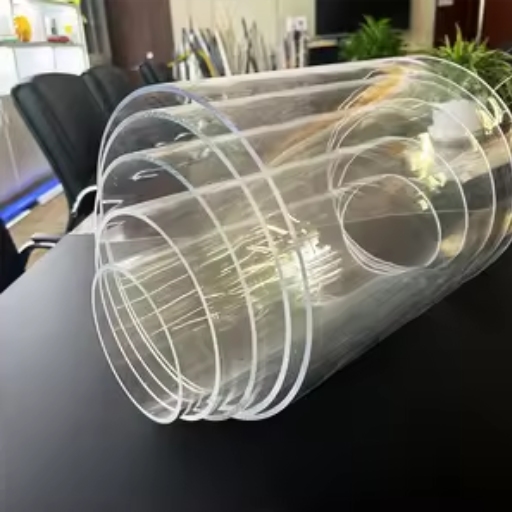

To attract and maintain the lively birds that bring life to your garden, keeping your bird feeder in excellent condition is essential. Over time, acrylic tubes in feeding systems can become cloudy, cracked, or damaged, reducing both efficiency and aesthetic appeal. That’s where acrylic tube replacement becomes crucial. This comprehensive guide walks you through replacing acrylic tubes for your bird feeder, from identifying signs that demand replacement to understanding the benefits of timely maintenance. Whether you’re an experienced birdwatcher or a backyard hobbyist, this information will prove invaluable in your efforts to attract and maintain the company of these delightful creatures throughout the year.
Introduction to Acrylic Feeder Tubes
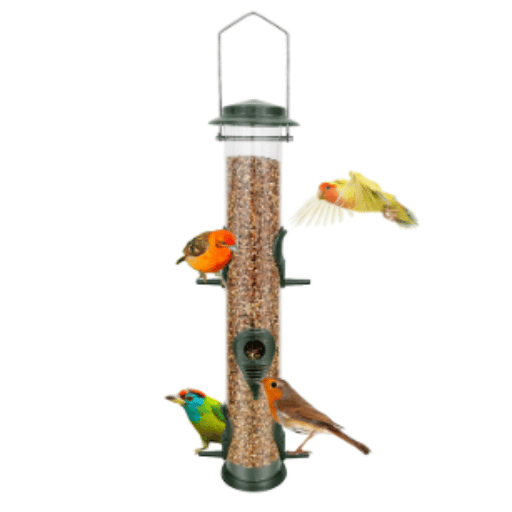
Acrylic feeder tubes rank among the top bird feeder materials chosen by users due to their exceptional durability, transparency, and weather resistance. These tubes allow birdwatchers to monitor seed levels easily while enjoying an unobstructed view of feeding birds. Lightweight yet remarkably strong, acrylic tubes are perfect for long-term outdoor use. With proper maintenance, acrylic tubes can last for extended periods in outdoor environments, though they will eventually require replacement due to wear and tear, cracks, or cloudiness. Maintaining your acrylic tube properly creates a more inviting and safe feeding area for local birds.
🐦
What are Acrylic Feeder Tubes?
Acrylic feeder tubes are crystal-clear, long-lasting, and strong containers designed to hold birdseed in feeders. The transparent material enables easy monitoring of seed levels, while their lightweight nature and resistance to adverse weather make them suitable for outdoor use in various conditions.
Design and Functionality of Acrylic Feeding Tubes
Acrylic feeding tubes are engineered with both durability and practicality in mind. Their transparent construction allows easy observation of seed levels without disturbing feeding birds. The lightweight design facilitates simple installation and handling, while weather-resistant properties prevent cracking and cloudiness, making them a reliable long-term solution for outdoor bird feeding. Their sleek, modern appearance adds functional value while remaining virtually unnoticeable in natural settings, providing both utility and aesthetic appeal.
Purpose of Using Acrylic in Feeders
Acrylic is chosen for feeders because of its unique ability to combine functionality with longevity. This material withstands challenging weather conditions without cracking or clouding, providing feeders with extended lifespans.
Clear Visibility
Transparent solution enables easy seed level monitoring
Lightweight Design
Easy handling and installation for all users
Elegant Aesthetics
Stylish design harmonizes with natural surroundings
Benefits of Acrylic Feeder Tubes
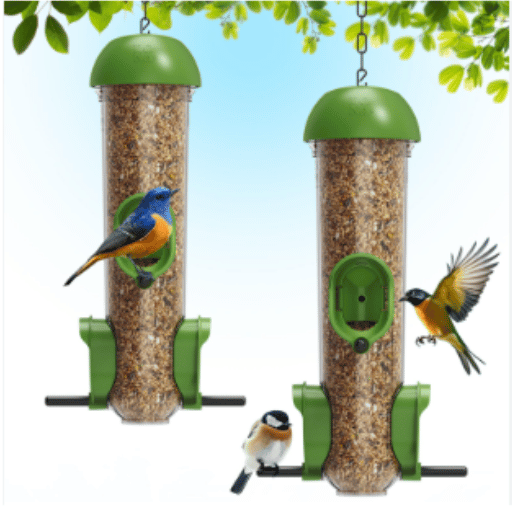
Acrylic feeder tubes offer numerous advantages that make them the preferred choice for bird enthusiasts and aquarium owners alike. Understanding these benefits helps appreciate why acrylic remains the material of choice for feeding applications.
1. Durability
Acrylic is a strong, weather-resistant material perfect for outdoor conditions and extended exposure to the elements, maintaining integrity over time.
2. Lightweight
Despite excellent durability, acrylic feeder tubes remain lightweight, making them exceptionally easy to handle, clean, and install.
3. Clarity
Amazing transparency allows both birds and birdwatchers to view seeds clearly, significantly enhancing the feeding experience.
4. Versatility
Adaptable material can be designed in various configurations to meet the needs of different bird species and feeding preferences.
5. Low Maintenance
Easy to clean and stain-resistant, acrylic helps maintain a consistently clean and sanitary feeding area for birds.
Durability and Longevity of Acrylic
Acrylic is exceptionally durable and long-lasting, making it the optimal choice for bird feeders. This material can endure impacts, weather variations, and UV light exposure, maintaining strength and clarity even after prolonged outdoor use.
💪 Impact Resistance
Withstands physical impacts without cracking or breaking
☀️ UV Protection
Resists degradation from prolonged sunlight exposure
💧 Moisture Defense
Non-porous surface prevents moisture absorption and degradation
Transparency and Visibility of Feed
Acrylic’s exceptional transparency makes bird feed highly visible, providing dual advantages: birds can easily locate food, while owners can monitor seed levels effortlessly. The feeder is professionally designed to be both functional and efficient, offering users an optimal birdwatching experience without visual obstructions through the feeding tube.
Lightweight Properties for Easy Handling
The lightweight nature of acrylic provides significant advantages for handling, installing, or repositioning bird feeders as needed. Despite being light, acrylic remains very strong, combining portability with toughness for both practical applications and long-lasting durability.
Common Uses of Acrylic Feeder Tubes
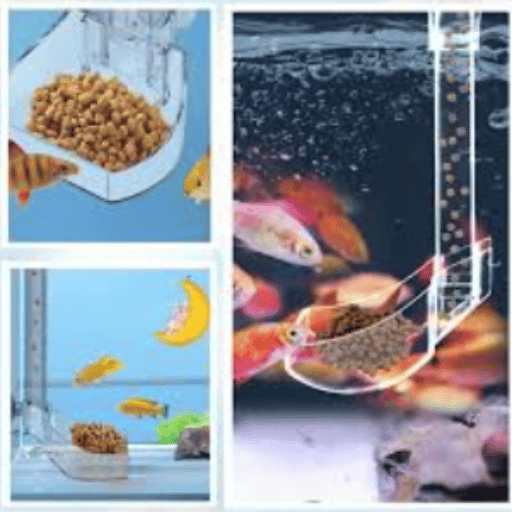
Acrylic feeder tubes serve multiple purposes across different feeding applications, demonstrating remarkable versatility for various bird species and feeding methods.
1. Seed Feeders
Most seed feeders utilize acrylic tubes that provide optimal clarity for dispensing seeds and attracting various bird species to feeding stations.
2. Suet Feeders
Acrylic tubes create effective suet feeding systems, offering a clean and durable method for delivering high-calorie nutrition to birds.
3. Nectar Feeders
Transparent acrylic tubes are ideal for nectar feeders, allowing easy level monitoring while attracting hummingbirds effectively.
4. Specialty Feeders
Custom-designed feeders for specific species like finches or woodpeckers utilize acrylic for its strength, visibility, and accessibility.
Applications in Bird Feeding
Acrylic bird feeders provide versatile and practical solutions for diverse bird feeding needs. Their durability and transparency facilitate food level monitoring while accommodating different bird species. Whether dispensing seed, suet, or nectar, acrylic feeders are built to last while providing easy access for birds. Customizable features enable species-specific designs, enhancing the overall birdwatching experience.
Utilization in Aquariums and Fish Tanks
Acrylic is among the most popular materials for aquariums and fish tanks due to its lightweight, durable, and exceptionally clear characteristics. It provides crystal-clear views of fish and other underwater life while withstanding impacts and remaining virtually unbreakable, making it significantly safer than glass.
🐠 Crystal Clear Views
Enables excellent visibility of aquatic life
🔨 Impact Resistant
Much safer alternative to traditional glass tanks
🎨 Design Flexibility
Easily molded into unique aquarium configurations
🌡️ Thermal Insulation
Helps maintain stable water temperatures
Other Industries and Scenarios
Beyond aquariums and bird feeders, acrylic finds extensive use in various sectors including construction, automotive, and retail. Its shatter-resistant properties make it ideal for skylights and shop coverings, while its lightweight nature proves essential for automotive components like windshields. Additionally, acrylic’s clarity and customizability make it highly desirable for signage and display cases requiring both durability and visual appeal across different applications.
Comparison with Other Materials
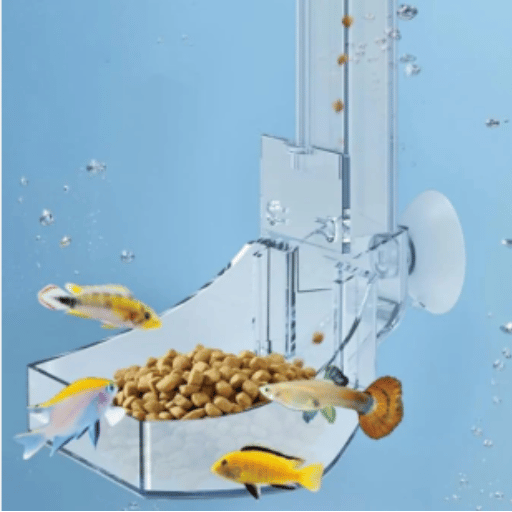
Acrylic stands out compared to other materials like wood, metal, and glass due to its unique properties. Understanding these comparisons helps make informed decisions about feeder tube materials.
🆚 Acrylic vs. Wood
Rot-resistant and moisture-free, acrylic excels for outdoor applications unlike wood, which degrades over time.
🆚 Acrylic vs. Metal
Acrylic is lighter, won’t corrode, and offers lasting durability with minimal maintenance compared to heavier metal alternatives.
🆚 Acrylic vs. Glass
While glass offers excellent clarity, acrylic is more impact-resistant, less likely to break, making it both safer and more versatile.
Acrylic vs Glass: Pros and Cons
| Material | Advantages | Disadvantages |
|---|---|---|
| Acrylic |
|
|
| Glass |
|
|
Acrylic vs PVC: Cost and Performance
Comparing acrylic and PVC involves weighing cost and performance as critical criteria. Due to excellent optical clarity and versatility, acrylic is typically priced higher than PVC. However, for applications not demanding visual perfection, PVC offers a highly affordable alternative.
💎 Acrylic Advantages
- Superior optical clarity
- Most weather-resistant
- Highly versatile applications
- Premium durability
💰 PVC Advantages
- More affordable pricing
- Excellent chemical protection
- Withstands rough conditions
- Ideal for utility applications
⚖️ Budget limits and project performance requirements ultimately determine the optimal choice
Longevity and Maintenance Differences
Acrylic consistently demonstrates superior longevity due to better resistance to UV exposureand weathering compared to PVC. However, PVC may experience faster degradation when exposed to prolonged sunlight. Conversely, acrylic requires more maintenance to prevent scratches and maintain transparency, while PVC is easier to clean and less susceptible to surface damage, making it suitable for locations with tight maintenance budgets.
Maintenance Tips for Acrylic Feeder Tubes
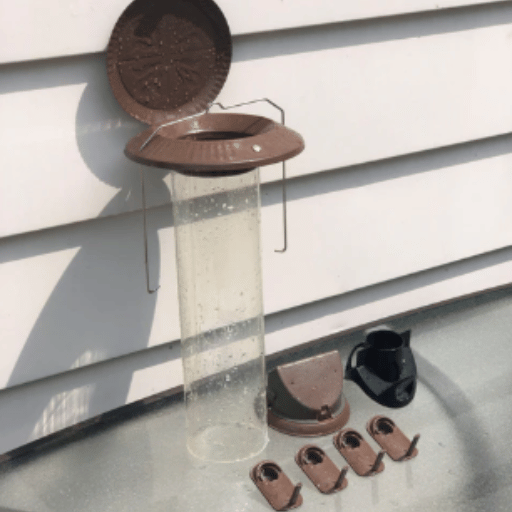
Proper maintenance ensures your acrylic feeder tubes remain functional, attractive, and safe for birds. Following these essential care practices extends the life of your feeders significantly.
Essential Maintenance Practices
1. Clean Regularly
Wash feeder tubes with warm water and mild soap to keep them debris-free. Use non-abrasive scrubs to preserve acrylic transparency and prevent surface damage.
2. Inspect for Damage
Check frequently for cuts or scratches that might cause leaks. If cracks are substantial, replace the tube promptly rather than risking feeder failure.
3. Avoid Harsh Chemicals
Keep away from solvents like ammonia and avoid alcohol-based cleaners, as they can fog surfaces or cause permanent damage.
4. Protect from Extreme Temperatures
Avoid placing tubes in direct, intense sunlight or freezing conditions, as both extremes can lead to warping or brittleness.
5. Use Soft Tools
During cleaning, choose soft brushes or microfiber cloths to keep acrylic surfaces scratch-free and maintain optimal clarity.
Cleaning Methods for Acrylic Tubes
Proper cleaning techniques preserve the quality and appearance of acrylic tubes while preventing damage. Follow this step-by-step approach for optimal results:
- 1
Initial Rinse: Begin by rinsing tubes with lukewarm water to effectively remove loose dirt and debris.
- 2
Soap Application: Mix mild dish soap with water and use a soft microfiber cloth or sponge to gently clean surfaces.
- 3
Gentle Cleaning: Avoid hard scrubbing that causes scratches. Use light pressure and circular motions.
- 4
Thorough Rinsing: Rinse very well to remove all soap residue completely from surfaces.
- 5
Proper Drying: Dry tubes with a lint-free cloth to prevent water spots and maintain clarity.
- 6
Stubborn Stains: For tough smudges, apply plastic cleaner made specifically for acrylic surfaces.
⚠️ Always handle tubes gently to preserve transparency and structural integrity
Best Practices for Care and Maintenance
To preserve the quality and durability of your acrylic items, implement these recommended best practices consistently:
🧼 Proper Materials
Use only non-abrasive cleaning materials and avoid harsh chemicals that cause damage
🧤 Clean Handling
Use clean hands or gloves when handling to prevent fingerprints and stains
🏠 Proper Storage
Store tubes in dust-free locations away from direct environmental exposure
🔄 Regular Maintenance
Clean and inspect regularly to maintain clarity and structural strength
How to Prolong the Life of Your Feeder Tubes
- ✓
Regular Washing: Clean tubes with mild soap, warm water, and soft cloths or sponges to prevent scratches - ✓
Complete Drying: Dry tubes thoroughly before storage to prevent moisture-related damage - ✓
Protected Storage: Keep tubes in cool, dry locations away from direct sunlight to prevent UV degradation - ✓
Careful Handling: Treat tubes gently to avoid unnecessary stress or impact damage - ✓
Regular Inspections: Check frequently for damage and address problems quickly to prevent escalation
💡 Proper care and maintenance ensure tubes perform optimally for extended periods
Reference Sources
1. Amazon – Transparent Acrylic Feeder Tube
Comprehensive description of acrylic feeder tubes and their intended applications, particularly for feeding fish and shrimp in aquatic environments.
Source: Amazon Product Listing
2. Aquasabi – Feeding Tube with Acrylic Holder
Discussion of acrylic feeding tube utilization in aquariums for targeted feeding applications, emphasizing precise food placement capabilities.
Source: Aquasabi Product Information
3. DHGate – Transparent Acrylic Feeding Tube
Exploration of targeted feeding methods for small fish and shrimp, highlighting minimal food waste through precise delivery systems.
Source: DHGate Marketplace
4. Taobao – Recommended Acrylic Fish Tank Feeding Tube
Analysis of acrylic feeding tube advantages in aquariums for scientific and directed feeding methodologies.
Source: Taobao Product Recommendations
5. Walmart – Fish Feeder Wide Mouth Acrylic Tube
Presentation of reusable, transparent acrylic feeding tubes specifically manufactured for home aquarium applications.
Source: Walmart Product Catalog