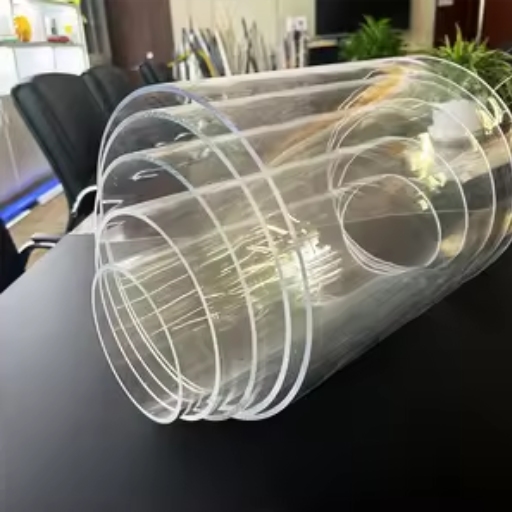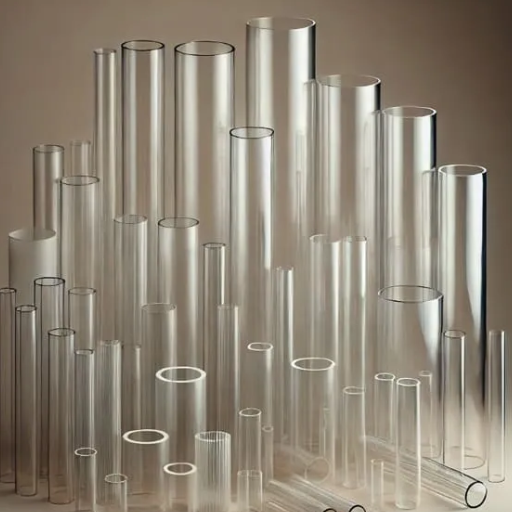

For many industries, from art framing to car parts, different acrylic materials have played a crucial role due to their exceptional transparency, strength, and flexibility. However, the most often asked question is: Does acrylic yellow over time? In this detailed overview, the aim is to explain why acrylic yellows, what effects it as well as how to avoid it and how to keep acrylic articles without any discoloration.
Understanding Acrylic: The Science Behind the Material

What is Acrylic?
Acrylic, or polymethyl methacrylate (PMMA), is a thermoplastic polymer that is characterized by transparency, flexibility, and resistance to breaking. The majority of such synthetic materials are used as a substitute for glass, owing to more desirable features and ease of application as compared to glass.
Key Acrylic Properties
- Optic Clarity: Light transmission is up to 92%.
- Impact Resistance: Glass Becomes 10 To 20 Times Stronger
- Weatherability: Very Good Ultraviolet Stability Provided Proper Formulation
- Chemical Resistance: Can Not Be Compromised By Making Contact With Many Acids And Alkalis
- Thermal Characteristic: Approximately 105°C For The Glass Transition Temperature
Chemical Composition and Structure
Polymethylmethacrylate, commonly abbreviated as PMMA, is composed of linear long chains of methyl methacrylate units or monomers. Such a backbone poly (methyl methacrylate) is considered typical and thus stable. Besides, under the influence of different environmental factors, chemical changes can occur in the material, and this in turn causes a change in color with time.
| Component | Function | Impact on Yellowing |
|---|---|---|
| PMMA Base Polymer | Primary structural component | Inherently stable |
| UV Stabilizers | Protect against UV degradation | Prevent yellowing |
| Thermal Stabilizers | Prevent heat-induced degradation | Reduce thermal yellowing |
| Processing Aids | Improve the manufacturing process | Variable impact |
| Impurities | Unintended contaminants | Can accelerate yellowing |
The Truth About Acrylic Yellowing
Does Acrylic Actually Yellow?
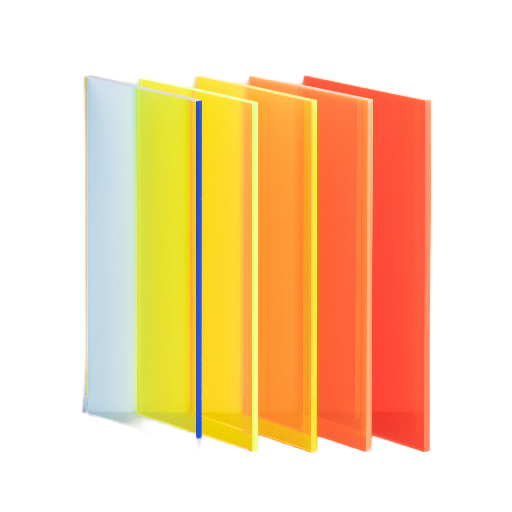
The simple reply to the question of whether acrylic yellow over time is that it varies. Premium quality acrylic products, especially those intended for either exterior services or lasting use will not turn yellow for many years. Yet, average acrylics or even better grade ones, but subjected to harsh conditions,s will over time show some Yellowing after a period of time.
Factors That Determine Yellowing Susceptibility
- The polymer substrate manufacturing quality
- Chemical stabilizers for UV radiation
- The process used to manufacture, including controls therein
- Conditions of the external environment
- The length of shelf-life and storage conditions of the given material
Types of Acrylic and Yellowing Resistance
| Acrylic Type | Yellowing Resistance | Typical Applications | Expected Lifespan |
|---|---|---|---|
| UV-Stabilized Acrylic | Excellent (10-30 years) | Outdoor signage, skylights | 20-30 years |
| Museum-Grade Acrylic | Superior (30+ years) | Display cases, conservation | 50+ years |
| Standard Cast Acrylic | Good (5-15 years) | Indoor applications | 15-25 years |
| Extruded Acrylic | Moderate (3-10 years) | General purpose | 10-15 years |
| Low-Grade Acrylic | Poor (1-5 years) | Temporary applications | 5-10 years |
Primary Causes of Acrylic Yellowing
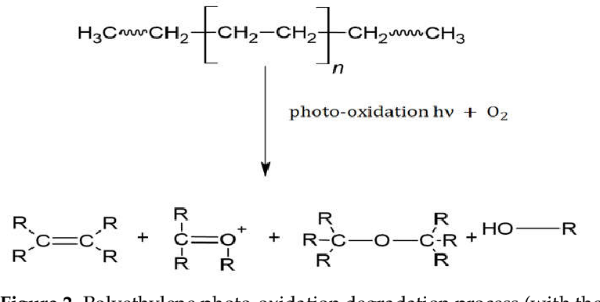
1. Ultraviolet (UV) Radiation
The most common reason for acrylic yellowing is UV radiation. Polymer chains can absorb UV photons and undergo chemical bond cleavage, which generates free radicals, resulting in oxidative degradation accompanied by the formation of molecules containing chromophores, which are seen as yellow.
UV-Related Yellowing Process:
- Photon Absorption: Penetration of ultraviolet rays through the surface of acrylic.
- Bond Breaking: High-energy photons eliminate some polymer chains.
- Free Radical Formation: Excised chains yield reactive chemicals.
- Oxidation: The free radicals interact with the oxygen molecules.
- Chromophore Development: The oxidized materials end up absorbing the visible rays of light, which gives a yellowish tint.
2. Thermal Degradation
Derogatory changes can be relatively rapid with high temperatures. The process is faster when the polymer is additionally exposed to UV. This is because heat leads to polymer degradation through bond cleavage and cross-linking. One of the results of these processes is the change of color.
3. Chemical Exposure
A number of chemicals may cause acrylic to yellow or otherwise change color. They do include the following:
- Concentrated acidic or basic solutions
- Clear oils
- Some types of detergents
- Man-made contaminants
- Too much ozone
4. Manufacturing Defects
Yellowing may be enhanced in the event that improper or unmonitored production techniques result in some impurity incorporation or some surface or internal deformity.
Expert Insight: Museum Applications
Acrylic display cases are often used in numerous museums, as acrylic does not crust quickly because premium acrylic is resistant to yellowing for several decades. However, it all depends on the purpose for which these were designed, as in the case of object handling, it is prohibited to use ordinary acrylic, and fine, high-quality materials have been specially formulated for restoration.
Environmental Factors That Accelerate Yellowing
Climate and Weather Conditions
| Environmental Factor | Impact Level | Yellowing Risk | Mitigation Strategy |
|---|---|---|---|
| Direct Sunlight | High | Very High | UV-stabilized materials, shading |
| High Temperature (>40°C) | Moderate | Moderate | Ventilation, thermal barriers |
| High Humidity (>80%) | Low | Low | Proper drainage, ventilation |
| Salt Spray (Coastal) | Low | Low | Regular cleaning |
| Industrial Pollution | Moderate | Moderate | Protective coatings, filtering |
| Thermal Cycling | Moderate | Moderate | Flexible mounting, expansion joints |
Indoor vs. Outdoor Exposure
The rate of yellowing is largely dictated by environmental conditions. Yellowing rates are generally faster for indoor applications, primarily because of the absence of UV light and temperature conditions that are less turbulent.
Interior Aspects:
- Natural lighting through windows
- Artificial lights (in some cases, UV rays are also emitted)
- AC and/ or heating
- Quality of ventilated air
Outdoor Factors:
- Direct UV radiation
- Temperature extremes
- Weather exposure
- Atmospheric pollutants
Prevention Strategies and Best Practices
Acrylic Yellowing Prevention Checklist
- Opt for UV-stabilized acrylic extrusions provided for outdoor use
- Check that the materials meet the standards and have obtained relevant quality certifications
- Provide shade or cover from sun rays, where applicable
- Adequately ventilate protected areas to reduce the accumulation of heat
- Thermal expansion mounting systems should be engaged with caution
- Ensure regular cleaning and maintenance.
- There is a need to check weather conditions and how the material reacts and works.
- Save and consolidate all the installation records as well as the warranty files.
- Teach all maintenance personnel how to properly clean and care for acrylic.
- Have a plan for replacing the components if they do not last as expected.
Material Selection Guidelines
1. Quality Specifications
Always go with the products or materials that have full quality assurances and, more importantly, performance assurances when buying acrylic materials.
| Specification | Minimum Requirement | Premium Standard | Testing Method |
|---|---|---|---|
| UV Transmittance | < 5% at 280-380nm | < 1% at 280-380nm | ASTM D1003 |
| Yellowness Index (Initial) | < 2.0 | < 1.0 | ASTM D1925 |
| Haze | < 3% | < 1% | ASTM D1003 |
| Light Transmission | > 90% | > 92% | ASTM D1003 |
| Weather Resistance | 5,000 hours | 10,000+ hours | ASTM G155 |
2. UV Stabilization Technologies
Novel types of resin-based polymethacrylate have several options and their resistant mechanisms:
- Ultraviolet Light Applauders: Anti-UV molecules or anti-solar molecules that absorb UV to destroy it and appear as heat.
- HALS: These are light stabilizers that react with free radicals, thus ensuring the chains are not broken.
- Protective Layers Co-extruded in the Pack: Surface layers or inner paints that will take a beating but not allow the UV radiation to touch the material.
- Special Coating: adding protection is covering the surface with films or special hard coats that block UV light.
Installation Best Practices
Professional Installation Tips
- Thermal Expansion: Provide allowance for temperature-induced movement at the joints of the mounts
- Edge sealing: Provide a proper sealing of the cut edges to reduce their degradation potential
- Drainage: Prevent water retention within the covering systems
- Ventilation: Hinder the accumulation of heat by ensuring that there are places where air can circulate freely
- Support: Make sure the loading is distributed properly to avoid particular areas from overstressing
Maintenance and Care Procedures
Regular Cleaning Protocol
Proper maintenance significantly extends the life of acrylic materials and helps prevent premature yellowing.
Recommended Cleaning Schedule:
| Environment | Cleaning Frequency | Inspection Frequency | Deep Clean Frequency |
|---|---|---|---|
| Indoor, Low Traffic | Monthly | Quarterly | Annually |
| Indoor, High Traffic | Weekly | Monthly | Semi-annually |
| Outdoor, Protected | Bi-weekly | Monthly | Semi-annually |
| Outdoor, Exposed | Weekly | Bi-weekly | Quarterly |
| Marine/Industrial | Bi-weekly | Weekly | Quarterly |
Cleaning Materials and Methods:
Approved Cleaning Materials
- Mild solution of soap (pH 6-8)
- Microfiber cloths that are soft to the touch
- Soft rubber blade squeegees
- Final rinse should be done using distilled water
- Approved cleaning products for acrylic
- Solutions for cleaning surfaces without creating static
Materials to Avoid
- Ammonia-formulated cleaning agents
- Scrub pads or other types of abrasives
- Isopropyl-based solutions
- Scrubbing tissues or those with similar harsh fibers
- Pressurized water cleaner systems do an acrylic yellow over time
Monitoring and Assessment
Regular check-ups assist in recognizing the tendencies of yellowing at an early stage, making it possible to plan maintenance or changes ahead of time if necessary.
Key Performance Indicators:
- Visual Inspection: Contrast the existing look with the pictures taken earlier.
- Yellowness Index Measurement: Measurement of color intensity
- Light Transmission Testing: Assess retention of optical transparency
- Surface Condition Evaluation: Inspect for the presence of cracks, crazing, and defects.
- Environmental Data Logging: Monitor all the readings associated with UV, temperature, and humidity.
Treatment Options for Yellowed Acrylic
Surface Restoration Techniques
There are restoration methods that can be used when mild yellowing occurs, though it is not always possible to fully restore the items.
| Restoration Method | Effectiveness | Applicable Conditions | Cost Level |
|---|---|---|---|
| Surface Polishing | Moderate | Surface-only yellowing | Low |
| Chemical Treatment | Limited | Specific contaminants | Moderate |
| UV Bleaching | Poor | Not recommended | Low |
| Surface Removal | Good | Thick materials only | High |
| Complete Replacement | Excellent | All conditions | High |
When to Replace vs. Restore
The decision to restore or replace yellowed acrylic depends on several factors:
Replace When:
- The consistent yellowing is present throughout the entire thickness of the material
- The material’s condition is prone to brittle or surface cracking
- The transparency has significantly decreased
- More restoration will be required overshooting replacement
- When safety or structural stability becomes compromised
Consider Restoration When:
- Loss of color is only found in the top layers
- Material continues to be mechanically sound
- Due to budget restrictions, it seems more sensible to consider restoration
- There is a historical or sentimental significance that is attached to it
- Prolonging the service life for a short period of time is an option
Industry Applications and Case Studies
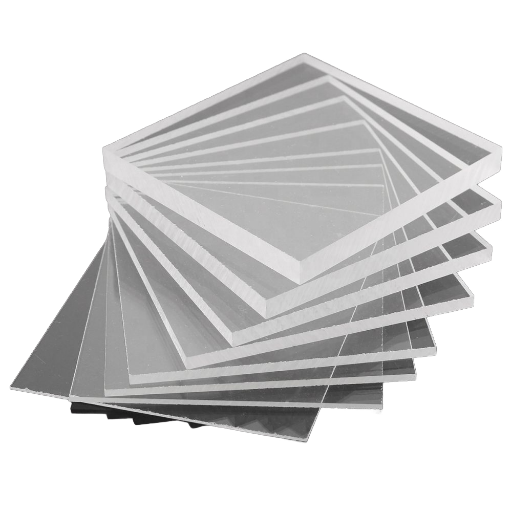
Museum and Conservation Applications
The application of acrylic in museums is quite a challenge since the properties of the materials used in the displays need to be clear and steady for years.
Museum Case Study: Long-term Performance
In 1985, a large city’s museum fitted out exhibition cases with UV-stable acrylics. It has been three decades and five more years since use began, and the cases are not much yellowed (with an increase in the YI of less than 2.0), which proves the use of quality products and the observance of standards in maintenance.
Architectural Glazing
In commercial and residential structures fitted with acrylic glazing systems, there are challenges distinctively separate from those faced in the use of acrylic in museums.
Performance Factors:
| Application Type | Expected Lifespan | Primary Concerns | Maintenance Requirements |
|---|---|---|---|
| Skylights | 15-25 years | UV exposure, thermal cycling | Annual inspection, cleaning |
| Curtain Walls | 20-30 years | Weather resistance, clarity | Bi-annual cleaning, sealing |
| Canopies | 10-20 years | Impact resistance, yellowing | Quarterly inspection |
| Windows | 25-35 years | Optical clarity, thermal performance | Regular cleaning |
Automotive and Transportation
The glassy plastic is a common material in cars for different purposes, and this is because of a variety of parts with different operational requirements.
Standard Applications:
- Headlights: Permissible only in case of perfect UV resistance.
- Interior Trimmings: Attention to scratch and chemical protection
- Roofing Sizing: Optimized transparency, mechanical properties, and heat characteristics.
- Screens of security: Focuses on the impact resistance property as well as clarity.
Future Developments and Technologies
Advanced UV Stabilization
Studies and development for better UV stabilizers go on as well. The following are a few possibilities:
- Nanoparticle Additives: More Effective Devices for High UV Resolution without Causing Opacity
- Adaptive Coatings: Transformative Performance Under Varied Conditions
- Multifunction There-Assurting Mechanisms: Hybrids
- Green Stabilizers: Biologicals are also Being Examined
Alternative Materials
Development of new polymer formulations aims to overcome traditional acrylic limitations:
| Material Type | Key Advantages | Current Limitations | Development Status |
|---|---|---|---|
| Fluoropolymer Acrylics | Superior UV resistance | Higher cost | Commercial |
| Nanocomposite Acrylics | Enhanced properties | Processing complexity | Development |
| Bio-based Acrylics | Environmental benefits | Performance gaps | Research |
| Self-healing Acrylics | Autonomous repair | Limited effectiveness | Research |
Key Takeaways Summary
- Quality Is Crucial: The highest quality of acrylic that is UV stabilized does not yellow over time or for many decades.
- Conditions Matter: Discoloration of acrylic as a result of environmental factors, such as the sun’s ultraviolet rays, is the most prevalent.
- Polices and Procedures: There is little that should be done if the right materials are chosen and properly installed to ensure durability that would avoid discoloration.
- Upkeep Increases Longevity: Cleaning and checking a gutter regularly tends to affect the life span by a great margin.
- Replace As Necessary: Restoration versus replacement phase understanding is crucial in order that it does not become self-defeating.
- Industries Are Different: Different performance levels are suitable across different applications.
- Innovation Keeps Pace: Innovations in the pipeline are expected to enhance performance.
Conclusion
This is quite a controversial question for some people. Does yellowing of acrylic occur over time? The simple answer is no. The fact of the matter is that the development of yellowing is an effect that mostly depends on how well architects choose, install, and maintain the materials they use. The judicious use of endorsed acrylic armed with UV protection ensures the material’s thirty-year clear outlook without blemishes, stains, or tears.
The important thing is to understand the whole process that leads to the development of yellowing and implement it immediately. However, building a museum display case or any other glass structure, including architectural needs investment in good quality units, and the measures described should be carried out if effective usage over the years is desired.
With progress in technology, we can hope for more advanced acrylic materials that would have better resistance to yellowing or any other damaging effects of the environment. One such application that I shall mention requires an answer to the basic question: Does acrylic yellow over time? No, and by understanding and implementing these techniques, acrylic materials can and will be depended upon for such scenarios with long-lasting requirements of optical versatility and durability.
Frequently Asked Questions (FAQs)
Q: Does Acrylic Yellow Over Time Due to UV?
A: Yes, over time, acrylic may yellow, especially with constant exposure to sunlight. Ordinary acrylic has a higher tendency to turn yellow over time compared to the UV-resistant acrylic sheet, which is manufactured in such a way that eliminates any yellowing due to sunlight and UV rays.
Q: Why does the clear acrylic sheet turn yellow?
A: The change of clear acrylic to yellow is normally caused by elements such: constant exposure to direct sunlight, environmental pollution, and degradation in the polymer chemicals. Such degradation is common in low-quality grades of acrylic, and thus, optical clarity is lost, resulting in a yellowish appearance on the surface.
Q: How do I avoid yellowing acrylic?
A: The most effective way of ensuring that your tik, along with purple, does not undergo yellowing is to choose acrylic that is of very high quality and that is able to resist UV. Moreover, when storing your acrylic, do not expose it to the sun as it develops yellow discoloration; cover the sheet with a pet screen and clean it properly with non-abrasive soap and an acrylic cleaner for maintenance.
Q: How prone is acrylic to yellowing, and the impact of the environment have on the distortion of the appearance of acrylic?
A: It is true to say that yellowing can actually occur, as the fluctuations in the temperature and humidity, as well as chemical action on any object in the environment that a drum has, may change color with time. It can be avoided by keeping the plastic in a controlled environment and avoiding aggressive cheering agents.
Q: Does UV-stabilized acrylic have an advantage over ordinary acrylic?
A: It certainly does. Standard acrylate upon exposure to light turns yellow or discolored faster compared to its UV-stabilized counterparts because the UV-stabilized acrylic sheet has extra provisions to protect against the sunlight, which enables it to remain colourless for longer.
Q: What is the best cleaning product for cleaning clear plastic sheets? What else can be done?
A: The best way to clean and maintain clear plastic sheets is by specifically available acrylic cleaner and a soft cloth. Refrain from using harsh chemicals or any type of abrasive substances, as this will damage the clear surface by causing scratches and, in some cases, even clouding over does acrylic yellow over time.
Q: Can little cracks occur in acrylic after extended exposure to UV light?
A: Yes, even if the acrylic is several years old, long-term exposure to UV rays can cause the material to gradually degrade, causing today’s micro-cracks at some age. It not only degrades the mechanical strength of the acrylic, but it may also make it cloudy or yellow.
Q: What if my acrylic surface has turned yellow already?
A: Consider using an acrylic surface cleaner available on the market to attempt to clear the yellowish tint of the acrylic, if it has turned yellow. Unfortunately, excessive discoloration that causes a loss of transparency and looks may call for the replacement of the unit in more than average conditions.
Q: Does acrylic yellow over time?
A: The natural transparency of acrylic does change to a few degrees over the years, especially when exposed to sunlight, and this is because it yellows. When acrylic becomes old, yellowing is a reaction, and sunlight accelerates this phenomenon.
Q: What is the best way to clean a clear acrylic sheet?
A: The best method to clean a clear acrylic sheet is to use a soft damp cloth with drops of detergent or soapy water, making a soapy solution, and not solvents as alcohol or acetone will attack acrylics. One should avoid abrasive cleaning materials, as they will create micro scratches on the material.
Reference Sources
1. Headings: Marine Pellets: Yellowing, Weathering, and Interactions with Chemical Pollutants
- Researchers: Belén Abaroa-Pérez and collaborators
- Periodical: Polymers
- Date: 24th March 2022
- In-Text Citation Style: (Abaroa-Pérez et al., 2022)
Abstract:
- The present research focuses on the degradation of the marine polymer microplastics, precisely, polyethylene pellets, which are subjected to yellowing and weathering. Yellowing of substances is determined by the Yellowness Index (YI), and the study considers the changes this proposes on the adsorption of such organic pollutants. Results revealed that aging of the microplastics resulted in drastic structural and functional alterations responsible for higher pollutant uptake. The study also uses FTIR analysis to describe the chemical changes that cause yellowing.\
2. Title: Assessing Color Stability of Two Differing Acrylic Resins: A Review of Cold Curing CAD/CAM and Hot Cured CAG/PRG Mechanically Milled and Created Through 3D Printing
- Authors: M. Dimitrova et al.
- Journal: Journal of Composites Science
- Publication Date: July 8, 2022
- Citation Token: (Dimitrova et al., 2022)
Summary:
- This paper reviews the color stability of acrylic resin used in CAD/CAM milled and 3D printed bases for dentures. The basis of the paper is the evaluation of different methods of assessing color stability and describing which of the factors (either intrinsic or extrinsic) are responsible for color changes with time. They describe the need for the alliance to ensure the color stability for cosmetic reasons in Dentistry and, critically, the approaches found in published work on monitoring color change and some spectral measurements as well.