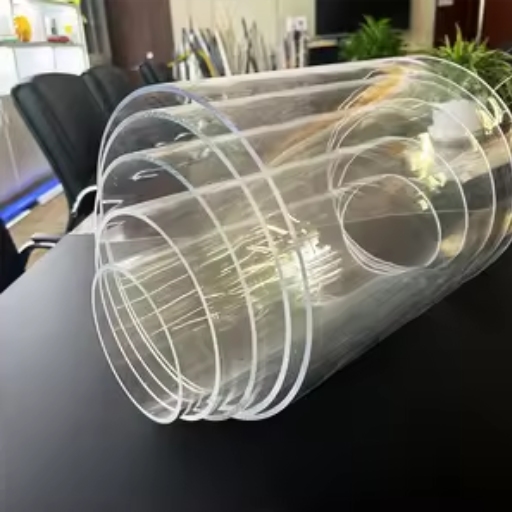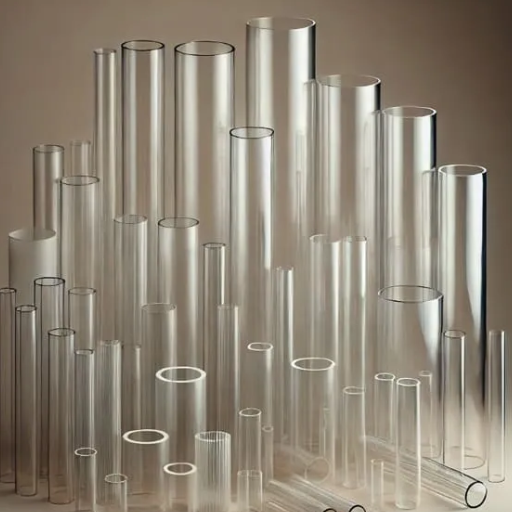

Acrylic sheets are versatile materials used in almost every industry, valued for their durability, light weight, and exceptional transparency. From construction to interiors, from automotive manufacturing to DIY projects, acrylics have been the choice of the professionals and the hobbyists alike. However, not all acrylics are the same. Knowing the various types of acrylics available and their properties can go a long way in determining the right fit for any job. A comprehensive guide will follow, exploring the various types of acrylic sheets, their key features and benefits, and the optimal conditions for their application. Whether you are an architect, designer, or creator, this resource will guide you in making informed decisions about using acrylic to bring your project to life.
Introduction to Acrylic
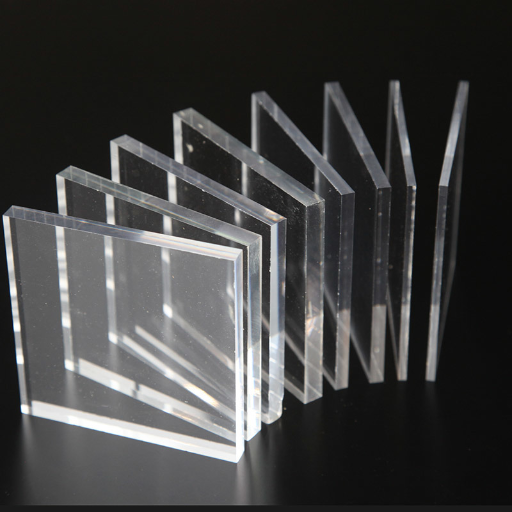
Acrylic is another name for polymethyl methacrylate (PMMA). It is a lightweight plastic that is durable in application and widely used as a substitute for glass. High transparency, impact resistance, and aerobic weathering capabilities are valued in acrylic materials, which are used in the manufacture of signs, display stand materials, window materials, and various types of protective barriers. Acrylic sheet materials are available in multiple finishes, including clear, colored, frosted, or mirrored, offering complete design freedom for both functional and aesthetic applications. Furthermore, it is easy to cut, shape, and fabricate; hence, it is favored in both artistic and industrial applications.
What is Acrylic?
Acrylic, chemically known as polymethyl methacrylate (PMMA), is a transparent thermoplastic that finds widespread use in many industrial and commercial applications. The multipurpose nature of acrylic materials allows them to be polymerized from acrylic acid and its derivatives into durable and weather-resistant sheets or products. Acrylic offers a very high degree of optical clarity, with transparency rated around 92%, making it an excellent light transmitter, even on par with glass in some respects. Acrylic, weighing half as much as glass, is less than half the weight and possesses impact resistance several times greater, making it a very viable and reliable option in adverse working environments.
With the advancement of modern acrylic technology, various enhancements have been introduced, including UV-resistant coatings, scratch-resistant surfaces, and enhanced thermal stability. Its working versatility allows the acrylic to be precision-machined, laser cut, and thermoformed. Applications are thus extensive, including architectural glazing, aquariums, safety shields, medical devices, and high-quality optical lenses. Acrylic is also recyclable, therefore supplementing its profile in sustainability matters that are a significant concern today. This combination of characteristics continues to make it highly sought after as a material choice.
Importance of Acrylic in Various Industries
With its adaptable properties, acrylic remains a vital component in numerous industrial applications. During manufacture, drywall panels, skylight coverings, and noise barriers are all excellent examples of products that require high levels of impact resistance and transparency on the construction site. In the automotive industry, acrylics are used to create lightweight yet durable parts, such as headlamp covers and interior features, thereby enhancing fuel efficiency and product design. From there, acrylics are used in the construction of incubators, medical trays, and dental prosthetics due to their biocompatibility and ease of sterilization. Acrylic is also used creatively in retail visual display and signage sectors: proper use of its optical clarity and customizability ensures effective brand communication. The plethora of applications illustrates how acrylic has become the backbone of innovation and increased efficiency in many areas.
Overview of Different Types of Acrylic
Cast Acrylic
Cast acrylic is made by pouring a liquid acrylic into a mold, allowing for greater thickness options and superior optical clarity. It exhibits high durability, scratch resistance, and weathering resistance, characteristics that make it the perfect acrylic to use for applications that demand good finishes.
Extruded Acrylic
Extruded acrylic is manufactured by continuous extrusion. It therefore costs less and has a uniform thickness. Being able to machine it with greater ease makes it ideal for mass production projects or those that require tight tolerances.
Each acrylic type has functional and economic roles, which allows the applications to be used across industries, including construction, retail, medical, and design.
Types of Acrylic Sheets
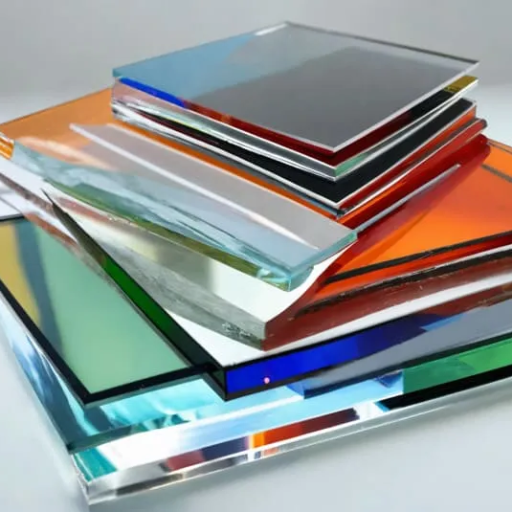
There are five primary types of acrylic sheets, including cast acrylic, extruded acrylic, impact-modified acrylic, colored acrylic, and textured acrylic.
Cast Acrylic
An acrylic cast is a type of polymer made by casting. Liquid acrylic is poured into molds and allowed to harden. This provides the product with super crystal clarity and resistance. Cast acrylics resist scratches much better than other types of acrylic. It finds greater use where chemical resistance and strength are required. High-end displays, aquariums, and optical lenses are just a few examples of the applications of cast acrylic. Due to its clarity and weathering properties, its uses are varied. It employs a detailed production process, which results in a more expensive process, but the highest-grade one is quite worth the cost.
Extruded Acrylic
Extruded acrylic is formed through a system that is amenable to higher automation and is less costly than cast acrylic, thereby lowering the overall price. Extruded acrylic has a bit less optical clarity and scratch resistance than cast acrylic but offers uniform thickness in the extrusion process and is easier to shape and fabricate. Extruded acrylic is, therefore, considered a solution for applications that require precise uniformity and low cost, such as signage, protective barriers, and point-of-sale display stands. However, it is worth noting that it will not perform as well under conditions that require high chemical resistance or optical precision.
Specialty Acrylic Sheets
Specialty acrylic sheets cater to a range of applications, meeting specific functional or aesthetic requirements that exceed those fulfilled by the standard option. These include impact-resistant acrylic designed with additives to provide added strength, preventing the product from breaking. The acrylic is suitable for use in high-traffic areas and offers protection systems. Anti-static acrylic sheets are designed to dissipate electricity generated from static buildup and are preferred in cleanrooms or areas where electronic components are handled. And when the acrylic needs to block UV rays from harming displays or artwork exposed to sunlight, the option stands true. Other specialty choices include abrasion-resistant types with a hard coating for extended wear, as well as frosted or textured sheets, designed for added privacy while maintaining a visually appealing appearance. Therefore, the specialty options make acrylics suitable for a wide range of industries while simultaneously preserving the key characteristics of lightweight durability and ease of fabrication.
Unique Properties and Features of Acrylic
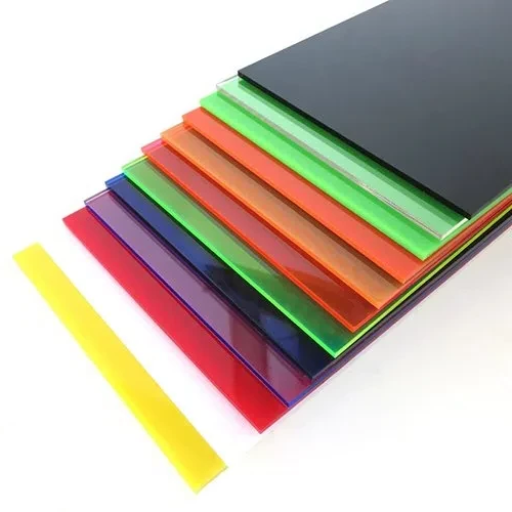
🔍 High Optical Clarity
Acrylic provides excellent transparency, with up to 92% light transmission, thus representing glass-equivalent replacement in several applications requiring clear visibility.
💪 Lightweight Yet Durable
Whereas acrylic weighs significantly less than glass, it provides considerable mechanical strength, making it easier to handle and resistant to impact damage.
🌤️ Weathering Resistance
Acrylics possess the weathering resistance to withstand UV radiation, temperature changes, and moisture, ensuring longevity on the exposed side.
⚙️ Fabrication Convenience
Acrylics allow accommodation of cuts, drills, molding, and shape-making without sacrificing their structural integrity; hence, they adapt easily to intricate and customized designs.
🧪 Chemical Resistance
It exhibits resistance to a wide variety of chemicals, including dilute acids and bases, thereby enhancing its suitability for industrial and scientific laboratory environments.
Durability and Strength
Acrylic exhibits one key quality: the word of durability and strength in mechanical applications. It has high resistance to impact, approximately seventeen times greater than glass, and resists breaking under various stresses. Being lightweight, acrylic does not lose its shape even under severe external stress, for instance, harsh weather. Being UV-proof means it cannot develop yellowing or cracking after prolonged exposure to sunlight, allowing it to remain clear for an extended period. It is through this strength and resistance to weather challenges that acrylic is fit for many indoor and outdoor uses.
Clarity and Light Transmission
One of acrylic’s major selling points stems from its excellent clarity and the way it transmits light, which is even better than that of other types of glass. Approximately 92% of visible light passes through this, making it the perfect choice when transparency and brightness are paramount, whether for display cases, windows, or signage. Advancements in manufacturing processes have allowed for the production of acrylic that can resist glare and reflections. These special characteristics serve to enhance visibility under various lighting conditions. Given its high optical properties and resilience, acrylic takes its place in architecture, retail, and automotive design. It retains clarity even after exposure to harsh sunlight and weather, thereby fostering quality performance and aesthetic appeal that never fades with time.
Resistance to UV and Weathering
Acrylic is primarily designed to resist UV radiation and weathering, which are key elements affecting its long-term durability and performance. From the molecular viewpoint, the material can withstand the degrading effects of prolonged sunlight exposure without losing its clarity or mechanical strength. Nevertheless, various advances in ultraviolet-absorbing additives have been introduced to the formulations of acrylic to increase its resistance to discoloration, cracking, or surface degradation.
Studies reveal that when good-grade acrylic is exposed to harsh conditions over several years, comprising heat, cold, and humidity, almost no yellowing or brittleness occurs. Thus, it is an ideal product for use outdoors, where ultimate performance and pleasing aesthetics over time are the primary requirements, such as in signage, skylights, and protective barriers.
Common Uses of Acrylic in Various Industries
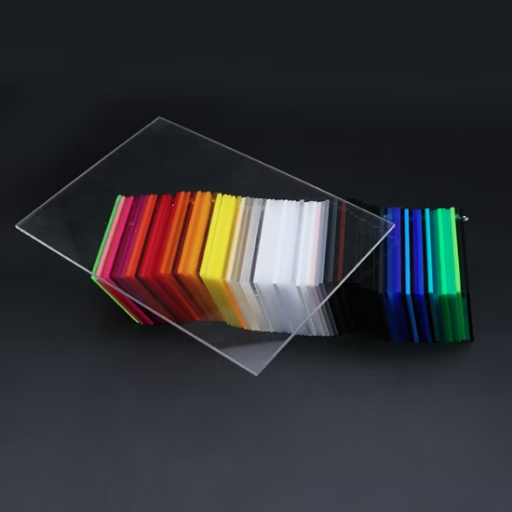
🏗️ Construction and Architecture
Due to its exceptional durability and optical clarity, acrylic finds applications in construction, including skylights, windows, and light diffusers. The UV resistance of the material helps maintain its appearance for both aesthetic and functional purposes.
🪧 Signage and Advertisements
The transmission of light offered by this substance is ideal for illuminated signs, display boards, and packages. It withstands environmental conditions and retains its luster.
🚗 Automobile and Transportation
Used in automotive applications like headlight lenses, interior panels, windows for aircraft, and trains. Its lightweight and impact-resistant properties provide safety and efficiency to the application.
🏥 Medical and Healthcare
Acrylic, being non-reactive, clear, and easy to sterilize, is used for medical devices, laboratory equipment, and protective barriers to meet all demanding healthcare standards.
🏠 Consumer goods and Home Decor
Known for its versatility, aesthetic appeal, and ability to substitute glass while remaining more rigid and lightweight, it is used in creating aquariums, furniture, and home decor items such as picture frames and shelves.
Acrylic in Construction and Architecture
Due to its attributes of durability, weather resistance, and aesthetic freedom, acrylic finds applications in modern construction and architecture. Whenever the need arises for something lightweight, transparent, and impact-resistant, acrylic is applied in the design of skylight systems, canopies, and facade systems. This material exhibits good weatherproofing properties and does not significantly age when subjected to prolonged UV exposure. Thus, it can be used for both exterior and interior purposes. Acrylic also offers architects color choices, textural options, and finishes, allowing them to engage in highly artistic, site-specific expression while providing a sound framework. With recent advances, technology can offer a seamless sheet of acrylic that can fit into any high-profile architectural project. It is with this versatility that this material has the potential to drive further innovations in sustainable and efficient design and construction practices worldwide.
Acrylic in Automotive Applications
Acrylic, also known as polymethyl methacrylate (PMMA), is highly used in the automotive industry. It finds application on exterior and interior parts such as headlight covers, taillight lenses, and instrument cluster displays. Due to its resistance to UV rays and weathering, it can perform satisfactorily in any environmental condition; therefore, it is suitable for automotive applications that require longevity and reliability. Furthermore, it is said to be moldable into complex shapes so that manufacturers need not compromise on any design for strength. The recycling possibilities of acrylic also significantly support the sustainability issues of the automotive industry, which serve to evolve industry standards and environmental laws.
Acrylic in Art and Interior Design
Acrylic is a ubiquitous material in painting and interior design due to its great adaptability and attractive features. Its properties include clear transparency, affording a glass-like appearance while being lighter and more resistant; all these have made it suitable for use in modern furniture, decorative panels, and lighting. Acrylic paints offer the artist great flexibility because they dry very quickly, bond well to various surfaces, and come in a wide range of vibrant colors. Moreover, its resistance against UV light and moisture ensures the longevity of its applications, both indoors and outdoors. With that capability of being so durable and offering so much scope for artistic expression, acrylics now naturally led the way in these fields.
Choosing the Right Type of Acrylic
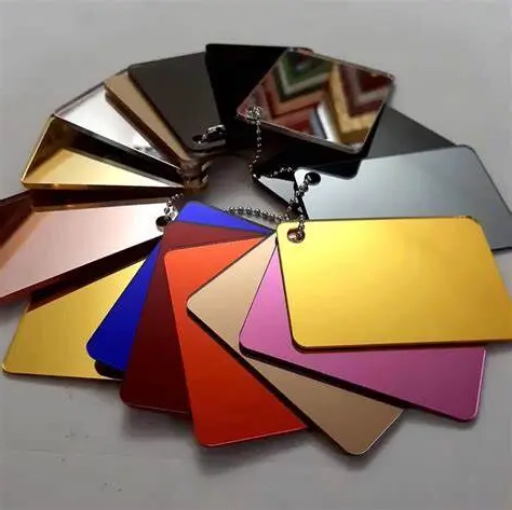
Select the appropriate acrylic type based on its intended application, environmental conditions, or the specific performance requirements it demands. For architectural/industrial applications, cast acrylic is the preferred product due to its superior optical clarity and higher resistance to scratching. Extruded acrylic, being slightly less durable, is less expensive and, therefore, more suitable for non-structural applications such as signage or displays. For artistic applications, ensure compatibility between the acrylic paint or medium and the surface, as well as the desired finish, which can be matte, gloss, or textured. Also, check for UV resistance or moisture tolerance of the material, depending on whether it is for indoor or outdoor use.
Factors to Consider: Durability and Cost
When selecting the right acrylic material for your project, durability and price are key factors that must ultimately align with your project’s specific needs. Cast acrylic is the preferred choice when strength, impact resistance, and optical clarity are required. Its molecular structure makes it more resistant to surface wear and environmental dual testing, a feature that justifies its higher price for structural or high-end applications. On the contrary, extruded acrylic is a cost-effective alternative, affording little sacrifice in terms of functionality in decorative or low-stress applications, such as inside displays or light fixtures.
Being of lower density and faster to produce, extruded acrylic is relatively cheaper; however, it offers limited consistency in thermoforming and surface finish quality. Choosing, then, should be informed by the project’s working conditions, the expected environmental exposure, and budgetary considerations. UV resistance, for instance, should be seriously considered for outdoor applications to prevent discoloration, while the indoor department has the luxury of choosing among many options.
Appearance: Clear, Colored, and Textured Acrylic
Clear Acrylic
Offers close-to-glass clarity and is the clear choice where transparency and lightness are essential.
Colored Acrylic
Available in opaque and semi-translucent options, this material opens up new vistas for creativity, ranging from loud signs to artistic architectural treatments.
Textured Acrylic
Diffuses light or maintains privacy while ensuring durability. Includes frosted, patterned, or embossed surfaces.
The selection among these options should prioritize the project’s needs in terms of aesthetics, functionality, and lighting.
Application-Specific Recommendations
- Display Cases & Protective Barriers: Clear cast or extruded acrylic for optical precision and transparency
- High-Impact Applications: Impact-modified acrylic for durability and resistance
- Privacy & Decoration: Textured or frosted acrylic for light diffusion and aesthetic appeal
Frequently Asked Questions (FAQs)
-
Reference Sources
-
Types of Acrylic Sheets – Ultimate Guide to the Different Types – A comprehensive guide on the durability and aesthetic features of acrylic sheets.
-
Acrylic Features, Types, and Applications – Detailed information on various types of acrylic sheets, including cast acrylic, frosted plexiglass, and more.
-
What Are The Different Types Of Acrylic Sheets? | Weacrylic – A breakdown of different types of acrylic sheets, such as cast, extruded, clear, and colored acrylic sheets.
-
The Three Types of Acrylic Sheeting – Plexiglass Types – A guide to understanding the differences between cell cast, continuous cast, and extruded acrylic sheets.
- Guide for Patterned Acrylic Sheets