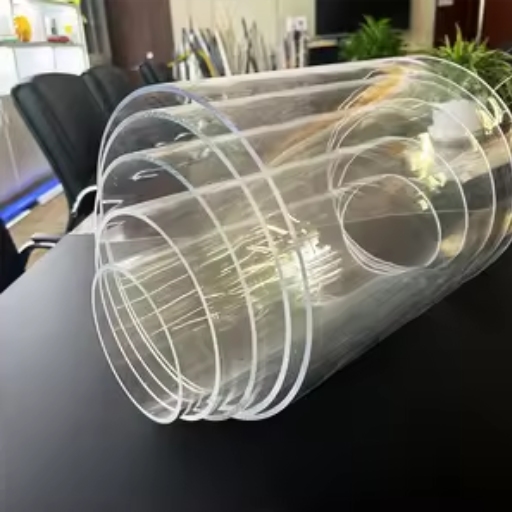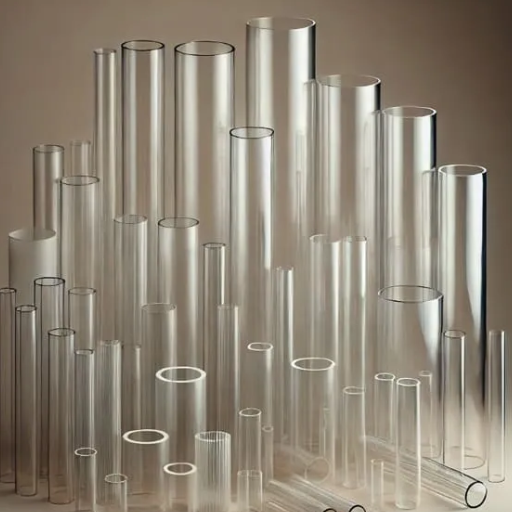

Greenhouses are necessary for cultivating plants in controlled atmospheres, but the glazing materials could greatly influence their efficiency and working. Acrylic greenhouse panels have gained prominence as the preferred choice due to their enhanced strength, thermal insulation, and light transmission compared to glass. This article examines why acrylic panels have revolutionized the greenhouse industry, highlighting their advantages in improving plant growth, reducing energy costs, and mitigating environmental degradation. Therefore, whether a commercial grower or a gardening enthusiast, understanding these advantages can serve them well in creating a thriving and sustainable greenhouse environment.
Introduction to Acrylic Greenhouse Panels
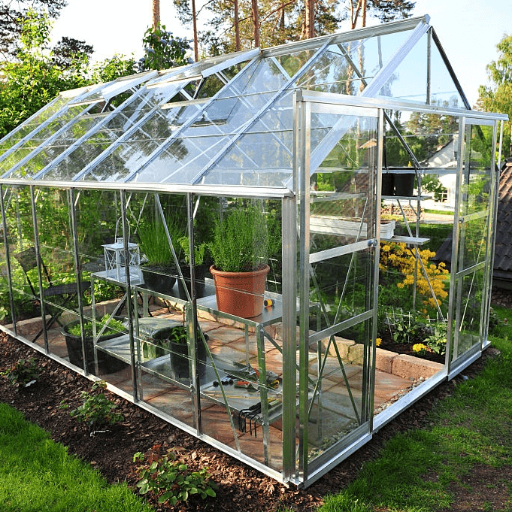
Choose acrylic greenhouse panels over glass or other materials; acrylic provides various support systems to the modern greenhouse construction. These panels are lightweight, sturdy, and highly resistant to force, ensuring protection in inclement weather. An acrylic panel has excellent light transmission properties, allowing sufficient sunlight for plants to grow ideally. The panels have thermal insulation capabilities that help maintain a regular inner environment temperature, reduce power consumption, and enhance plant sustainability. For such features, acrylic panels are the best-suited choice, offering efficiency, economy, and sturdiness in any dimension of greenhouse design.
What are Acrylic Greenhouse Panels?
Acrylic greenhouse panels are transparent construction materials designed to strike a balance between light transmission, durability, and insulation, thereby providing optimal growth conditions for plants. These panels are primarily made from polymethyl methacrylate (PMMA), a lightweight and shatter-resistant thermoplastic renowned for its exceptional optical clarity. Recent data have shown that gardeners and commercial growers increasingly prefer acrylic panels due to their ability to transmit nearly 92% of sunlight, which is essential for photosynthesis. This material offers higher efficiency and longevity compared to polycarbonate or glass as greenhouse cover materials. Being UV-stable, acrylic panels do not undergo yellowish discoloration or degradation due to sunlight, thereby increasing their lifespan. With proper care, these panels can last over 10 years. Additionally, acrylic panels, with their excellent thermal insulating properties, help replenish cost savings by minimizing energy usage for heating and cooling, and contribute to environmental conservation. From small garden greenhouses to large agricultural complexes, acrylic greenhouse panels continue to present an edge in technology, a dynamic that has evolved in response to modern horticultural needs.
Benefits of Using Acrylic for Greenhouse Glazing
1High Impact Resistance
Acrylic panes are often stronger than glass and excel at resisting breakage, making them less prone to damage in adverse weather conditions.
2Light Transmission
Light transmission of acrylic can be as high as 92%, meaning more sunlight reaches the plants and ensures healthier growth, as well as further Promotes Photosynthesis.
3Thermal Insulation
With the excellent thermal insulation quality of acrylic glazing, internal temperatures can be regulated more effectively, thereby reducing unnecessary energy consumption in heating or cooling.
4UV Resistance & Durability
Being resistant to UV deterioration, acrylic panels can remain clear and functional for up to 10 years, providing long-term performance and value for money.
5Lightweight Installation
Acrylic panels are lightweight compared to glass, making installation easier and expanding design versatility in the greenhouse.
Comparison with Polycarbonate and Glass
Acrylic, polycarbonate, and glass differ primarily in terms of durability, transparency, weight, thermal insulation, UV resistance, and cost.
Understanding Greenhouse Glazing Options

When selecting any cold glazing materials for greenhouse construction, the following must be carefully considered: durability, light transmission, thermal resistance, UV resistance, and cost. Acrylic offers excellent transparency and UV resistance, providing the best possible alternative for those who prioritize light quality and longevity. Polycarbonate ranks second in terms of durability and thermal resistance. It is said to have very high resistance to impact and can maintain steady interior temperatures, making it apt for harsher climates. Although glass is less durable and more expensive, it is also considered the traditional choice, given its supreme transparency and social appearance. Given these factors, the final choice would be guided by environmental conditions, budget considerations, and the requirements associated with the plant’s growth.
Acrylic vs. Polycarbonate: Which is Better?
While weight is a consideration when selecting between acrylic and polycarbonate, it heavily depends on the intended application, environmental conditions, and the specific performance requirements. It is mainly preferred for its sharper clarity and ultraviolet resistance; thus, it becomes a fine choice for any project that requires optical quality on one end and durability to withstand exposure to the sun or harsh weather on the other. The item would also be considerably lighter and less expensive when compared to glass, and it is better at resisting scratches than polycarbonate. However, it might not be suitable for applications where high impact or stress occurs, as it tends to crack due to its brittle nature.
Conversely, polycarbonate is almost unbreakable and thus has an impact resistance 250 times that of glass and 30 times that of acrylic. This particular specification makes polycarbonate suitable for applications in which safety and durability are key factors, including greenhouse panels, protective barriers, and industrial safety equipment. It is also quite good at reflecting and confining heat, and can withstand very high and low-temperature conditions without warping. However, it can be scratched quite easily and is vulnerable to UV radiation. These setbacks could be tackled with special coatings.
Ultimately, acrylic is established as a suitable material in situations where aesthetics, optical clarity, and UV stability are preferred. Polycarbonate is best suited when high impact, temperature resistance, and safety are considered. Both materials offer their own set of benefits, and the selection must directly relate to the functional and environmental requirements facing the job.
Advantages of Acrylic Sheets in Greenhouse Applications
- ✓
High Optical Clarity: Plants require optimal light intensity for their growth; therefore, acrylic sheets are considered excellent due to their high light transmission, making them an ideal choice for this purpose.
- ✓
UV Resistant: Acrylic sheets, by virtue of their intrinsic UV-resistant properties, will not yellow with time in the manner other materials might-doing what they should for years on end.
- ✓
Durability: Given that acrylic offers considerable resistance to weathering, it is well-suited for applications in settings that subject it to harsh environmental conditions over extended periods.
- ✓
Lightweight Material: Acrylic is significantly lighter than glass yet capable of providing an almost equivalent level of optical clarity. Hence, such an advantage would give the flexibility of lowering the structural load and making the installation easier.
- ✓
Thermal Insulation: Maintaining a constant temperature in the greenhouse through thermal insulation works further within the sheets with acrylic, which provides better energy efficiency and optimal conditions for plant health.
Standard Sizes and Custom Options for Acrylic Panels
Acrylic panels are available in various standard sizes to meet the specifications commonly required by the industry. Typically, standard sizes range from 4 ft by 8 ft to larger sizes, such as 5 ft by 10 ft, with various thicknesses available, from 0.06 in. to 1 in. or even more. In these sizes, applications range from small projects in village houses to large industrial applications.
If one needs acrylic panels for a specific purpose, they can be custom-made to suit that purpose. In most cases, manufacturers offer precision cutting services, allowing panels to be further customized in terms of size, shape, or edge finish. Beyond that, they can be further customized with specialty coatings, such as UV-resistant or anti-glare, thereby enhancing the effectiveness of these panels in harsh environments. This versatility enables acrylic panels to be fabricated according to the precise design specifications of a project, ensuring both proper functionality and aesthetic design.
Installation of Acrylic Greenhouse Panels

The installation of acrylic greenhouse panels requires careful planning and meticulous execution to achieve optimal performance and service life. First, measure the frame to ensure it is clean, level, and free from obstructions. Cut the panels to their correct dimensions while paying attention to thermal expansion; the gap should be approximately 1/8 inch for every linear foot of material. Mount the panels with compatible hardware, picking non-corrosive types of screws and washers, and remember not to over-tighten so as not to cause just cracking. The edges must be sealed with the flexible, UV-resistant silicone sealant to keep moisture out while improving durability. The best results in warranty compliance are achieved by following the manufacturer’s directions consistently during installation.
Step-by-Step Installation Guide
-
1
Prepare for Installation by Measuring the Mounting Area
Begin by carefully measuring the dimensions of the mounting area where you plan to install the acrylic glazing. Verify that the surface has been cleaned and is dry, free from debris or obstructions that could prevent a proper installation. Mark the installation points clearly to prevent any confusion during mounting.
-
2
Cutting the Acrylic Panels
Cut the acrylic panels using an excellent-tooth saw or laser cutter to the desired sizes, keeping in mind the recommended allowance for thermal expansion, which is typically 1/8 inch per linear foot. Always wear protective gear when cutting and set the acrylic on a stable surface for accurate cutting.
-
3
Drill Mounting Holes
Drill holes of the appropriate size at the pre-marked mounting points on the acrylic panels. Use a drill bit for plastic material designed to avoid cracking and be sure that the holes are just a little bigger than the screws for thermal movement.
-
4
Install the Mounting Hardware
Mount the acrylic panels into the structure using non-corrosive screws and washers on the surface to evenly distribute the pressure. Do not overtighten the screws as fine cracks may develop in the acrylic. Make sure to place the mounting hardware at even intervals for good secure holding.
-
5
Apply Sealant to Edges (Optional)
If an installation requires waterproofing or extra toughness, apply a flexible, UV-resistant silicone sealant along the edges of the acrylic panels. Even out the sealant using a tool or a gloved finger.
-
6
Inspect and Give Adjustments
Once the panels are mounted, inspect the entire framework for proper alignment, stability, and fastening; adjust as necessary for a flawless installation.
-
7
Clean and Finish
Cleaning the surface of the acrylic glazing with a soft, lint-free cloth and a cleaning solution specifically designed for acrylic will help prevent staining or residue. Make all-important checks to ensure everything is fastened securely and the installation is set as desired.
Tools and Materials Needed for Installation
The installation will require several tools/materials:
- Measuring tape to measure dimensions accurately
- A level tool to guarantee proper alignment
- A drill with the correct bits to ensure the attachments are secure
- Screwdrivers for tightening with less effort
- Soft, lint-free cloth to clean the surface of acrylic
- Acrylic-safe cleaning liquid, which will not cause damage
- The fasteners and mounting brackets are provided to suit the exact installation requirements
- Safety equipment, such as gloves and safety glasses to protect during the process
Common Mistakes to Avoid During Installation
- The measurements are taken incorrectly – Failing to take accurate measurements can result in an installation that is either misaligned or improper, leading to issues with structural stability or aesthetics.
- Ignoring Surface Preparation – Installing on an unclean or uneven surface can result in poor adhesion, leading to a loss of the installation’s durability.
- Over-Tightening Fasteners – Applying too much force while fastening screws or bolts may result in cracking or defects in the acrylic materials.
- Wrong Tool Usage – Using tools inappropriate for the job or material may cause inefficiency, mistakes, or damage to the installation’s components.
- Ignoring Safety Precautions – Failing to follow safety measures, such as wearing gloves and eye protection, can lead to injuries that are easily avoidable during installation.
Maintenance Tips for Acrylic Greenhouse Panels

Regular Cleaning
Clean the panels periodically with a soft cloth or sponge and mild soap and lukewarm water to remove dirt and debris, which can reduce light transmission. Avoid using abrasive cleaners or harsh chemicals, as they can damage the surface.
Inspect for Cracks or Damage
Conduct routine inspections for cracking, chipping, or other signs of wear, and address them promptly to prevent significant deterioration of the panels.
Protect Against Scratches
Avoid mortaring or cleaning panels with any material that can scratch the surface, as this weakens the panel and reduces its transparency.
Inspect Seals and Fasteners
Ensure the seals and fasteners used during assembly are regularly checked to verify they are still functioning adequately. Any weathered or damaged ones must be replaced to ensure the panels remain stable and weather-tight.
Avoid Prolonged UV Exposure
While acrylic panels are designed to resist UV degradation, prolonged exposure to intense sunlight can still lead to slight discoloration over time. The application of a UV-protective coating or film, if recommended by the manufacturer, certainly aids in maintaining the clarity and longevity of the panels.
Cleaning and Care for Longevity
To maintain and preserve acrylic panels from degradation, constant cleaning is essential. When cleaning, use only a microfiber cloth with a soft texture, combined with an ammonia-free cleaning solution. Avoid abrasive pads or harsh chemicals, since they can scratch or degrade the surface. After cleaning, rinse thoroughly with lukewarm water to remove all residues. This should be followed by drying with a clean cloth to prevent spotting. Regular maintenance using the recommended materials will prevent wear on the panels and maintain their integrity over time.
How to Repair Minor Damage on Acrylic Panels
The initial steps for repairing minor damage on acrylic sheets involve evaluating the affected area to determine the severity of the damage. For very light scratches, use a special acrylic polish or a scratch removal compound on a clean, lint-free cloth, applying it in a circular motion to diminish the scratch. For medium-depth scratches, gently sand the surface with fine-grit sandpaper (600 to 1200 grit) and then polish for clarity. I ensure that the panel surface is cleaned and thoroughly dried before working so as not to cause any further staining. This process will work exceedingly well in restoring a smooth and transparent surface to the panel.
Enhancing Insulation and Durability
Multi-walled design principles can be employed to provide enhanced insulation to acrylic panels for a greenhouse. The air-like pockets between layers in a multi-wall acrylic sheet significantly increase thermal insulation against heat loss from the inside to the outside, helping to maintain a steady internal temperature. Insulation coatings, including low-e coatings, can be employed for further enhancements, as they reflect infrared heat while allowing visible light to pass through.
For durability enhancement, one considers protective measures in addition to proper maintenance. UV-resistant coating protects acrylic panels from prolonged sun exposure, which would otherwise lead to degradation and discoloration of the panels. With reinforced edges using strong framing material, one has further protection from stress cracks caused by environmental attacks such as wind loading or temperature variations. The panels shall remain structurally sound and performing for a reasonable time if combined with regular checks to identify damage at an early stage and other advanced methods.
Impact on Plant Growth and Health

Acrylic greenhouse panels have a significant impact on plant growth and health, as they transmit light while protecting plants from harmful environmental factors. Because of the high light transmission, the plants can receive ample natural sunlight necessary for photosynthesis. Conversely, the panels hinder unkind UV rays from reaching the plants, thereby setting an ideal and controlled environment for growth. From the point of view of thermodynamics, acrylic panels, with their high insulation capacity, ensure that internal temperature fluctuations are moderate, thereby reducing the temperature variations that might cause stress. These characteristics, in synergy, promote healthier growth with improved yields and provide ideal conditions for a wide variety of plants.
Light Transmission and Its Effect on Plant Development
Photosynthesis and, consequently, plant growth heavily rely upon light transmission. The salubrity or death of a plant greatly depends upon how much light a medium allows to pass through it for photosynthesis and photomorphogenesis. With perfect light transmission, acrylic sheets allow sunlight to pass through along with blue and red wavelengths that are absorbed by chlorophyll for energy production. According to scientific research, plant growth can be much more efficient through biomass production and flowering when light penetration stays optimally between 85% and 92%. Additionally, light diffused evenly through the acrylic sheet is unlikely to cause shading, ensuring that all exposure is fairly accounted for and eliminating unevenness in growth frequency. These materials support precision horticulture and yield predictability by providing a stable light environment tailored to a particular plant species.
UV Protection Benefits of Acrylic Greenhouse Panels
- 🛡️
High UV Filtration: Acrylic greenhouse panels filter out harmful ultraviolet radiation while allowing the optimum visible light to reach the plants, enabling them to absorb the wavelengths required for photosynthesis and avoid damage caused by UV exposure.
- 💪
Durability Against UV Degradation: As a UV-resistant material, acrylic prevents the panels from yellowing, cracking, or breaking down over time, thereby preserving their structural strength and light transmission efficiency.
- 🌱
Protection for Plants: By reducing UV radiation, these panels shield plants from stress, sunburn, and degradation of UV-sensitive crops, promoting healthier and more uniform growth.
- 👷
Enhanced Safe Conditions for Workers: By blocking UV rays, these panels create a safer work environment by limiting workers’ exposure to UV rays during greenhouse operations.
- ⚙️
Longer Lifespan of Equipment and Materials: It protects the greenhouse interior by blocking UV radiation and this will save you a lot from maintenance costs.
Optimizing Growing Conditions with Acrylic Glazing
As the third element of the composition, acrylic glazing enhances the greenhouse’s controlled environment, improving light transmission, thermal regulation, and structural efficiency. These panels are designed with the highest clarity in mind, allowing up to 92% of visible light to enter the greenhouse directly toward the plants, thereby enhancing photosynthesis. Such a high level of light transmission yields uniform plant growth and higher yield potential for a diversified range of crops. The advanced thermal attributes of acrylic glazing help maintain a constant interior temperature by reducing heat loss during colder periods, thereby decreasing the need for heating while keeping plants safe.
Being lightweight and stiff, installation has become easier, placing less stress on the greenhouse structure, also making construction or retrofitting projects more efficient. Advanced UV-blocking technology is implemented to prevent scorching of plant leaves and the deterioration of greenhouse materials, thereby enhancing sustainability. With the use of acrylic glazing, operators can maintain their growing environment at an optimal state, balancing production and operational efficiency.
Reference Sources
-
The Benefits of Using Acrylic Sheets for a Greenhouse | SP
This source discusses the excellent light transmission, durability, lightweight nature, and UV resistance of acrylic sheets. -
Why Acrylic (Perspex) and Polycarbonate Outperform Glass for Greenhouse Glazing | Simply Plastics
Highlights the ease of installation and structural benefits of acrylic panels compared to glass. -
Polycarbonate or Acrylic: Which Is Best for Greenhouse Panels? | Canada Plastics
Explores the light clarity, UV exposure effects, and suitability of acrylic panels for maximizing natural light. -
Acrylic Sheets for a Greenhouse: Uncover Their Top Benefits | FL Acrylic
Focuses on the light transmission, durability, insulation, and temperature stability provided by acrylic sheets.
Frequently Asked Questions (FAQs)
Ready to Transform Your Greenhouse?
Acrylic greenhouse panels offer the perfect combination of durability, light transmission, and cost-effectiveness for your growing needs. Make the smart choice for your plants and your budget today!