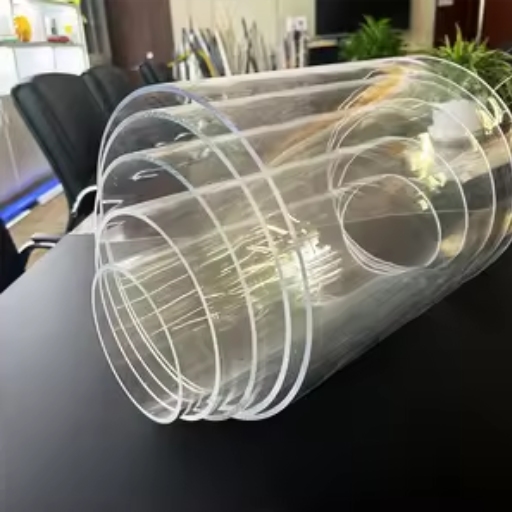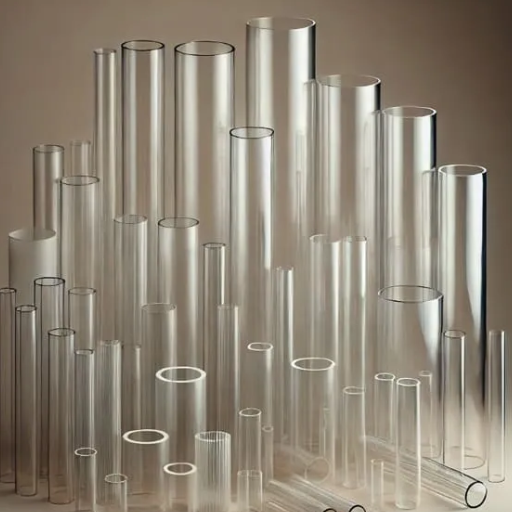

Bending Plexiglass, or acrylic, is a skill that few people master, but it is of utmost importance for creating custom shapes and designs for a myriad of uses. From architectural/structural use to decorative craftworks and industrial applications, the choice of acrylic is driven by its versatility and durability. Creating the perfect bend requires specific techniques and tools to prevent cracking, warping, or other types of damage. The guide will walk you through the fundamental processes of bending plexiglass, whether for a DIY project or a professional one. By the time you finish reading this article, one familiarization with the methods, tools, and safety issues will have given you all the confidence needed to execute this task.
Understanding Plexiglass and Its Applications

Plexiglass, also called acrylic or PMMA, is a lightweight and break-resistant alternative to glass. Being highly durable, optically unblemished, and relatively easy to fabricate, it finds numerous applications in various industries. With its most common applications including windows, display cases, signage, protective barriers, and automotive components, it remains a versatile material for both commercial and domestic projects, particularly when its weather resistance and custom shaping capabilities are considered.
What is Plexiglass?
Plexiglass is a transparent, lightweight plastic that is often used as a substitute for glass. It is named for its strength and shatter resistance: polymethyl methacrylate (PMMA). Plexiglass is chosen among others due to its clarity, durability, and versatility in such applications as windows, protective barriers, and display cases. Plexiglass, being weather-resistant and easy to shape into proper forms, appears as an excellent option for different outdoor and indoor purposes.
Common Uses of Acrylic Sheets
- Windows and Skylights: Acrylic sheets are ideal for building windows and skylights, offering excellent visibility and weather protection due to their transparent and durable nature.
- Protective Barriers: Acrylic sheets are used as barriers against impact and for clarity, employed in settings like offices, retail counters, or health care areas.
- Signage and Displays: Acrylic is a popular material for creating signs, store displays, and advertising panels, valued for its lightweight nature and customizable design capabilities.
- Aquarium Tanks: The strength and optical clarity of acrylic sheets make them ideal for constructing aquarium tanks and other water containment systems.
- Furniture and Decor: Its versatility allows acrylic to be shaped into modern furniture and decorative items, combining aesthetics with functionality.
Benefits of Bending Plexiglass
- Customizable Designs: Bending plexiglass enables the shaping of a myriad of forms, allowing for elaborate and bespoke designs meant for defined applications.
- Durability: Even when bent, the material retains its strength and resistance to impact, so it may leverage in heavy-duty.
- Space Efficiency: Curved or bent designs can optimize space usage, especially in furniture, displays, or architectural elements.
- Aesthetic Appeal: A bent plexiglass surface can create smooth, elegant lines, adding a modern and professional look to any project.
- Cost-Effectiveness: Bending eliminates the need for additional components or connectors, reducing material and assembly costs.
Safety Precautions for Bending Acrylic
Essential Safety Gear
Whenever someone bends acrylic or plexiglass, proper safety equipment must be used to protect against hazards of any kind, including heat, sharp edges, or airborne particles. The following is a detailed breakdown of the essential safety equipment necessary for the process:
⚠️ Important: Correct safety gear that minimizes the risk of accidents also guarantees industrial standards of safety when handling acrylic materials. Always check to see whether any item of equipment is damaged before use and expeditiously discard the use of anything that is worn out or defective, guaranteeing full-level protection.
Workspace Safety Tips
Organized Work Environment
Maintain a clean and accident-free workplace to minimize accidents. Workcenter organization improves efficiency and lessens the probability of tripping, falling, and equipment-related accidents.
Proper Ventilation
Ensure sufficient ventilation when using materials that emit hazardous fumes. Good ventilation reduces toxic exposure by almost 90% reducing the risk to life.
Adequate Lighting
Appropriate lighting, which would prevent worker errors and eye strain, must be supplied in the workspace. Typically, at least 500-1000 lux of evenly distributed illumination is recommended for tasks requiring high visual detail.
Correct Tool Storage
Tools, instruments, and equipment can be stored using pegboards or labeled compartments. It is said that more than 25% of injuries are owing to poor storage.
Emergency Equipment
Verify that first aid kits, fire extinguishers, and emergency exits are clearly marked and easily accessible. Regular checks should be conducted to ensure all equipment meets industry standards.
Ergonomic Workstations
The ensuing ergonomic workstations provide opportunities to reduce strain-related injuries. Ergonomic interventions have been said by research to help reduce musculoskeletal disorders by around 60%.
Handling Hot Materials
Proper handling of hot materials is vital to ensure workplace safety and prevent burn or heat-related injuries. Hence, should burns occur, they can account for approximately 5% of all workplace injuries, according to occupational safety studies. The need for stringent protocols and protective considerations becomes vital in such cases.
- Use of Protective Equipment: Workers handling materials at high temperatures must wear protective gear, such as heat-resistant gloves, face shields, and flame-retardant clothing, to serve as a barrier against direct thermal exposure.
- Temperature Monitoring: The implementation of non-contact infrared thermometers or thermal cameras must enable the accurate measurement of surface temperatures of hot materials. Devices equipped with alarm systems may alert workers when the safe temperature threshold is exceeded.
- Designated Handling Tools: Use specially designed tongs, clamps, or insulated carriers to handle the heated materials, minimizing contact with the operator.
- Safe Work Area Design: A designated zone for handling and cooling hot materials, equipped with all necessary ventilation and heat dissipation amenities, can prevent accidental exposure.
- Training and Emergency Protocols: Regular training sessions help raise awareness of hazards and instruct workers on how to handle procedures in the event of a thermal incident.
Tools Required for Bending Plexiglass
Essential Tools Overview
The right tools enable precise, safe, and efficient bending of acrylic (also known as plexiglass). Among the essential tools are the following:
Key Features to Consider:
- Temperature Range: Plexiglass requires specific heat levels to become malleable without causing warping or bubbling. A heat gun with adjustable temperature settings, ideally ranging from 120°F to 1200°F, enables flexibility for various applications.
- Airflow Control: Air speed must be controlled to prevent damage to the surface. Have heat guns with multiple settings for customizing the airflow to suit various thicknesses.
- Durability and Build Quality: A good heat gun is made from durable materials and features components such as ceramic heating elements, ensuring longevity and smooth operation.
- Ergonomic Design: A heat gun featuring an ergonomic handle and a lightweight design enables users to hold the tool for extended periods without fatigue. Several models have a carry stand that lets them function hands-free.
- Special Features: Nowadays, heat guns come with additional features, such as frictionless digital displays for displaying temperatures and memory functions that store presets.
The top brands producing heat guns include DeWalt, Bosch, and Wagner, now adding some beautifully advanced capabilities to the list. A worthy investment would be a durable and feature-rich heat gun that addresses your project needs. The results will be rewarding, and manipulating plexiglass will be much easier.
Using a Jig for Precision Bending
A jig is a tool used to produce a precise bend in plexiglass, allowing for the same angle to be repeatedly achieved for numerous pieces. The first step is to create or select a jig that matches the angle or shape of the bend. Jigs are often made of metal or wood, both of which can serve as stable and sturdy materials under repeated use.
To render the bending more accurate, locking the plexiglass in the jig to ensure no movement during the heating and bending phases is paramount. Under research, heating the plexiglass to its optimal bending temperature of approximately 315°F (157°C) softens the material just enough to bend without risking deformation or fracture. Using an adjustable heat gun allows you to direct heat precisely on the area to be bent, avoiding the heating of adjacent sections that could cause damage.
With a jig, preheating the plexiglass uniformly along the bending line provides for consistency and prevents the formation of stress marks or cracks. In production environments, the use of clamping systems in concordance with jigs yields better precision, particularly with complex designs. Such techniques reduce material waste and improve overall bending efficiency.
Step-by-Step Instructions on Bending Methods
Method 1: Bending Plexiglass with a Heat Gun
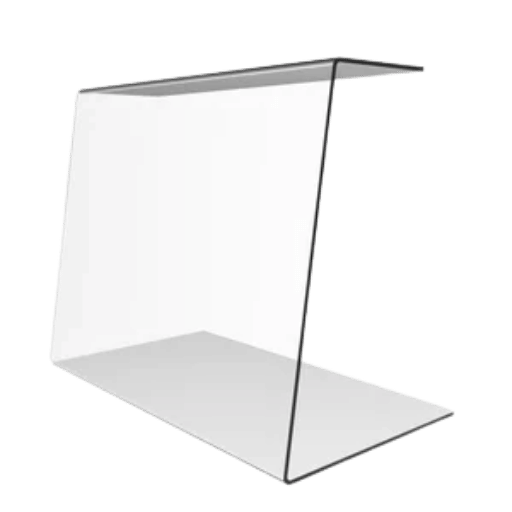
The use of an electric hair dryer or heat gun provides a precise and controlled method for bending plexiglass with unwavering accuracy. This process requires a little preparation and a systematic approach; otherwise, you might find imperfections or damage to the plexiglass. Instructions for its best provision are as follows:
- Material Preparation: Place the clear plastic or plexiglass in position for bending, marking the bending line with a wax pencil or non-permanent marker. The marked area should be clean and dust-free, as contamination may disrupt the heating process.
- Securing the Plexiglass: Position the plexiglass sheet on a steady, heat-resistant surface. Handy clamps or weights may be used to hold the plexiglass in place, ensuring the region surrounding the bending line remains free to allow even heat distribution.
- Preheating the Heat Gun: Set the heat gun’s temperature to medium, between 300°F and 340°F. Avoid excess temperature, as it will cause bubbling on the plexiglass or scorching. Allow the heat gun to reach its working temperature before applying heat to the plexiglass.
- Applying Heat: Hold the heat gun at a distance of approximately 2 to 3 inches from the plexiglass surface, moving it continuously along the bending line. Heat the line evenly so that softening occurs evenly. It may take anywhere from 2 to 3 minutes to soften the heat-bend line on a standard 3mm or 4mm plexiglass sheet; if the panes are thicker, more time is needed.
- Bending the Plexiglass: When sufficiently pliant, gently flex the material along the bend line, using a jig or by hand with gloves for added safety precaution. Apply increasing pressure gradually until the desired shape is achieved, being careful not to overbend. If the bends are tight, use a bending mold that will hold the material in position during the softening process.
- Cooling Process: After the bend is achieved, hold the plexiglass at full bend until sufficiently cooled and solidified. Cooling usually takes anywhere from 5 to 10 minutes, depending on the material’s thickness and prevailing environmental conditions. Avoid practices such as rapidly cooling by splashing cold water or using compressed air, as these sudden temperature changes can create stresses within and potentially result in cracking.
- Final Touches: Check the bent parts for imperfections or stress marks. It may be possible to do some minor corrections by reheating areas and gently reworking the curvature.
💡 Pro Tip: This technique yields repeatable results with nearly no defect possibilities, while maintaining the integrity of the plexiglass. When transitioning to larger-scale production, using a heat gun in combination with jigs and templates can make the work much easier and more repeatable.
Method 2: Using an Oven for Acrylic Sheets
The best way to ensure even, uniform heating of acrylic sheets is to heat them in an oven. It usually varies with acrylic thickness. E.g., it can vary between 275°F and 300°F. It is best to place the sheet on a clean, flat surface, such as a metal baking tray, ensuring it is supported evenly to prevent warping.
The acrylic is heated quite slowly, with monitoring, of course, until it starts to soften and become flexible enough to mold. Once it reaches the desired pliability, use heat-resistant gloves to remove the sheet from the oven and then mold it. Allow it to cool thoroughly in its new shape before further handling with the material.
This particular method is best suited for handling larger sheets and, simultaneously, reducing the risk of localized overheating that other methods may cause.
Method 3: How to Use a Strip Heater
The strip heater is a highly accurate and efficient tool for heating acrylic over a thin line, making it ideal for bending or angling purposes. To prepare for use, place the strip heater on a sturdy table or counter with a surface that can withstand heat; then plug it into a power source that is known to be safe. Adjust the temperature of the strip heater according to the type and thickness of the acrylic being used. For thin sheets, use relatively low temperatures, while higher temperatures are necessary for thicker sheets.
Draw a line on the acrylic where the bend should be and place this marked area directly under the heating element. Maintain a safe distance from the heat source while closely monitoring the material. For best results, keep the heating on and off, allowing the acrylic to cool slightly and then reheat it, to enable the heat to distribute evenly from one side to the other.
Once sufficiently softened and pliable, move it aside using heat-resistant gloves or an appropriate tool. Carefully bend the acrylic along its heated line at the desired angle, then place it in a jig or similar mold so it can set in that shape as the acrylic cools. Thoroughly cool the acrylic in the mold before removing the item to ensure a clean and stable bend.
⚠️ Safety Note: This technique works well for cleanly controlled angles in thicker acrylic sheets while minimizing the possible damage to the adjacent acrylic sheets or areas. Safety glasses and heat-resistant gloves should be worn at all times during the process. Work in a well-ventilated area to prevent inhaling fumes from the heated acrylic.
Innovative Uses of Bent Plexiglass

Architectural Applications
The architecture of contemporary buildings largely depends on bent plexiglass, given the material’s versatility, durability, and attractiveness. Being lightweight and offering impact resistance, it is commonly used as a substitute for glass in various applications. One instance includes curved windows and skylights, where it can be heat-formed to exact coordinates to facilitate the design of smooth, aesthetically appealing structures, maximizing natural light while retaining structural integrity.
Additionally, bent plexiglass is widely used in the fabrication of custom interior partitions, balustrades, and other furniture pieces. With a selection of finishes such as frosted, tinted, or clear, architects and designers have the freedom to create design elements that are both functional and visually stimulating.
Key Benefits in Architecture:
- Acrylic is approximately 50% lighter than glass of the same thickness
- Offers up to 17 times more impact resistance than traditional glass
- Will retain its value through recycling and repurposing, which otherwise might go to waste in construction activities
- Compatible with UV-resistant coatings and insulating layers for energy efficiency
Sustainability is another aspect that must be considered in the architectural use of the material. Plexiglass is recyclable and can also be repurposed in many instances, hence reducing waste in construction projects. The good durability of the material thus greatly increases its eco-friendly profile. However, when used in conjunction with modern technologies, such as UV-resistant coatings or insulating layers, bent plexiglass becomes an integral element in creating and implementing energy-efficient and cutting-edge architectural solutions.
Creative DIY Projects
Plexiglass opens a whole new world for DIY projects as it is versatile, precise, and sturdy. Some of the standard applications are:
Custom Picture Frames
Plexiglass sheets are lightweight, shatter-resistant, and offer excellent transparency in contrast to traditional glass. These sheets can be laser-cut or shaped into intricate designs to enhance the beauty of any frame.
Modern Furniture
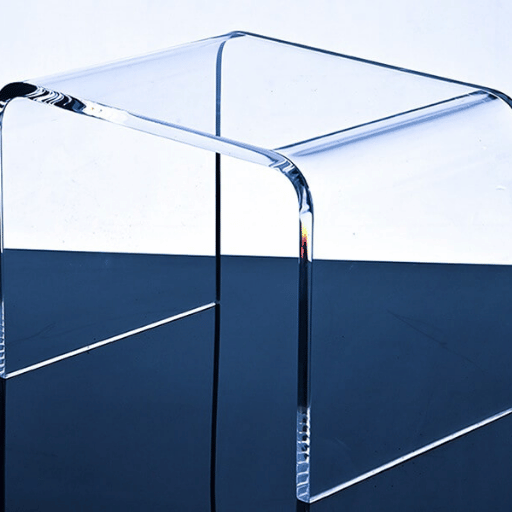
Plexiglass coffee tables, shelves, or desk organizers can be custom-built to exact dimensions, achieving a modern appearance. The capacity to bend and the array of colors available comprise the ultimate ingredients for unusual designs that function as artwork.
Protective Device Cases
Tech enthusiasts can create protective cases for electronic devices, such as single-board microcontroller housings, where visibility and durability are essential for function and form.
Home Organization
To achieve functionality coupled with minimalist elegance ideal for modern home interiors, consider modular storage units or wall-mounted shelves made of plexiglass.
Sustainability Tip: Data indicates that plexiglass has garnered much attention for its versatility, wrapping ecological values in the DIY arena. Using scraps and leftover sheets from prior projects promotes less waste and innovates design, in tune with sustainability trends in craftsmanship.
Environmental Considerations in Plastic Use
Plastics, while versatile and durable, tend to contribute significantly to potential waste and pollution issues internationally. According to the United Nations, approximately 400 million tons of plastic waste are generated yearly, and only about 9% of it is somehow managed to be recycled. Non-biodegradable plastics tend to lie in landfills and ocean environments, posing grave dangers to ecosystems and wildlife.
Developments in the field of biodegradable plastics and recycling technology have been outlined to address the concerns above. Perhaps polylactic acid (PLA), derived from renewable raw materials such as cornstarch, can be a promising alternative to traditional petroleum-based plastics. There is a growing sophistication in mechanical recycling, pyrolysis (chemical recycling), and other methods, providing avenues to treat plastic waste as raw materials again. Yet, the crucial issues in their implementation remain the scale and energy efficiency.
In the matter of the environmental impact of plastics, conservation through the reuse and repurposing of plastic materials must be considered. In this way, the industry and individual consumers would minimize ecological harm and maximize utility. Otherwise, because balancing these efforts requires global cooperation and innovative design, it loses its appeal, considering design-based pragmatism and increased awareness.
Frequently Asked Questions (FAQs)
Q: How do I bend plexiglass sheets effectively?
A: To bend plexiglass sheets effectively, you need to heat the acrylic along the bend line using a heat source such as a heat gun or a torch. Ensure the area is flat and use a bending jig to help maintain a precise angle.
Q: What is the best heat source to use for bending acrylic?
A: The best heat sources for bending acrylic include heat guns and torches. A heat gun allows for better control, while a torch can provide more intense heat, making them suitable for different applications in bending flat acrylic. Whichever method you choose, keep the heat source moving to heat the plexiglass evenly along the bend line.
Q: How do I prepare my work surface for bending a plastic sheet?
A: The work surface should be officially declared heat-safe and should at least be cleaned and made flat for such a process. You can also decide to remove any protective film from the plexiglass to avoid melting or damage from heat, making it ready to bend.
Q: Can I use a bending jig for bending thicker plastic sheets?
A: Using a bending jig is highly recommended for bending thicker plastic sheets. It ensures the bend is uniform and at the proper angle, which is what makes humanizing easy.
Q: What thickness of plastic is suitable for bending?
A: Depending on the thickness of your plastic sheet, it will be easier or harder to bend. Consequently, one can easily bend plastic sheets up to 1/4 inch thick. Thicker plastics require a bend with a larger radius to avoid cracking.
Q: How can I achieve a straight bend in my plexiglass?
A: Mark accurate bend lines on the plexiglass where you want to bend it. Then, use a straight edge and a bending jig to ensure the bend is even and consistent. Heat the plexiglass locally on the bend line until it softens enough for bending.
Q: What should I do if my plexiglass isn’t bending easily?
A: If you don’t bend the plexiglass easily, maybe the heat was not enough. Ensure the heat gun is kept moving and heats the plexiglass evenly along the bend line. If it still feels stiff, then you could either raise the temperature or heat it for a bit longer.
Q: How do I clamp the sheet of plexiglass while bending?
A: To clamp the sheet of plexiglass while bending, place the sheet at the desired angle against the bending jig. Use the clamps to hold the sheet so that it does not move while you complete the bending. The clamps will maintain the form’s integrity until the material cools.
Q: What is the importance of removing the protective film before bending?
A: It is essential to remove the film from the plexiglass before bending. Residue from the film may cause uneven melting or leave a residue on the bend line. For best results, ensure the surface is clean and free from obstructions, especially when heating along the bend line.
Q: How can I create a gentle bend in the long end of a plastic strip?
A: The long end can be bent gently by careful and even heating of the bend line. Using a bending jig to guide the bend ensures a smooth curve without any sharp angles. This way, the plastic strip will remain intact.
Reference Sources
- University of Oregon – Bouncing Laser: This resource explores how plexiglass behaves under different conditions, demonstrating bending occurring due to refraction.
- Southern Methodist University – Heat Forming Polycarbonate: This paper explains methods for bending polycarbonate, which shares similarities with plexiglass, including cold and heat forming techniques.
- Top Acrylic Sheet Manufacturers and Suppliers in China: A comprehensive directory of leading acrylic sheet manufacturers and suppliers.
- Poly(methyl methacrylate): Technical information about PMMA, the chemical composition of plexiglass.
Conclusion
The world of bending plexiglass can be incredibly creative when one masters the process, providing full access to the realm of architectural creation and custom DIY projects. The proper methods, tools, and safety precautions outlined in this guide will provide you with confident results at the professional level. Whether you are bending with a heat gun, oven, or strip heater, remember that patience and precision are the key qualities of creating beautiful, long-lasting bent acrylic pieces. As you gain experience and pay attention to detail, flat sheets of plexiglass will become attractive, three-dimensional works that meet specifications exactly.