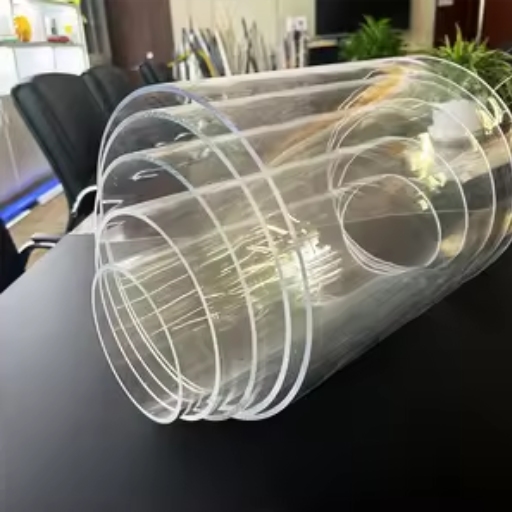

Cutting through acrylic, or commonly referred to as cutting plexiglass, requires special cutters and techniques. Cutting the material is simple only when one has the appropriate tools and knows how to use them well. It doesn’t actually matter whether one is a seasoned woodworker, a simple hobbyist, or an eperienced person who loves doing do-it-yourself work; knowing and understanding how to use a plexiglass knife or glass cutter is crucial for those who want to do any crafts with precision cuts. This article will help you know what is required to do it. We will explain why plexiglass is an all-time favorite material and teach the steps for effective cutting when a cutting knife is employed. This guide will increase your comfort level with cutting and shaping as you acquire a sharp eye for edges and apply tension on acrylic appropriately to eliminate any misaligned surface in a cut or finish during any given work.
Understanding Plexiglass and Acrylic

Plexiglass and Acrylic are types of light, clear plastic materials essentially made of polymethyl methacrylate, a substance which, as its name suggests, is not very sturdy. Plexiglass is a brand of Acrylic, while acrylic is the item made from it. This definitely justifies the attention it enjoys as it possesses high transparency, strength, and flexibility, ty which are its merit points, and the reason for its use in many applications, for instance, windows, approved signage, and when the presence of a barrier is required.
What is Plexiglass?
Plexiglass acrylic plastic is a transparent and robust material with many applications. The transparent material is made of a polymer called polymethyl methacrylate (PMMA), and it can be used as an enhanced substitute for glass, as it is lighter and tougher than glass. Research has shown that Plexiglass is still highly in demand in various sectors, including, but not limited to, construction, automotive, and healthcare.
The material constitutes clear objects such as display cases and windows, and enhances vision in objects with lenses. The design and the properties of the material enable its usage in high-impact areas or between spaces requiring different levels of protection. More so because the Plexiglass can tolerate the weather and, to some extent, UV rays for a substantial period, the usability of the material is highly enhanced in outdoor settings.
Plexiglass vs. Acrylic: Key Differences
| Parameter | Plexiglass | Acrylic |
|---|---|---|
| Material Type | Branded cast acrylic | Generic polymethylmethacrylate |
| Manufacturing | Cast process only | Cast or extruded |
| Durability | Higher scratch resistance | Varies, less scratch-resistant |
| Cost | More expensive | More affordable |
| Clarity | Superior optical clarity | High clarity |
| UV Resistance | Excellent | Good |
| Weight | Lightweight | Lightweight |
| Impact Resistance | High | High |
| Applications | Premium framing, displays | General use, DIY projects |
| Customization | Limited | More versatile |
Benefits of Using Plexiglass in DIY Projects
- Use Cases: Because plexiglass can even be cut with a knife and modified in shape, as well as having the capability of being drilled, different DIY projects can make use of it, for example, arts and craft activities or home renovations.
- Strength: Being highly resistant to impact, plexiglass offers enhanced control as compared to conventional glass, curtailing the chances of breakage or chipping to a large extent, which lengthens the durability of the work done.
- Non-Obtrusive Design: Plexiglass is remarkably facile to move around and install due to its lower density in comparison to glass, which is a direct antithesis, making it more user-friendly in doing DIY assembly.
- Unobtrusiveness, however, is emphasized: There is a potential benefit to plexiglass’s optical quality, in that any of the finish-dependent or clear projects, such as protection covers or design panels, will be appreciated, which will be helpful in the completion of the work.
- Ultraviolet Protection: Among the materials that resist UV radiation, this material is among the best, hence making it fine for both inside and outside use since it does not degrade nor turn into an ugly yellow color over the years.
- Economic viability: In this case, it is not only the functional merits of the plexiglass, especially in extrusion, that make it less expensive than their glass counterparts.
- Tailorability: Any other elements difficult to fit into bespoke solutions can easily be forced into plexiglass structures or put together with any required surfaces by expanding the range of colors and finishes.
Choosing the Right Cutting Tool
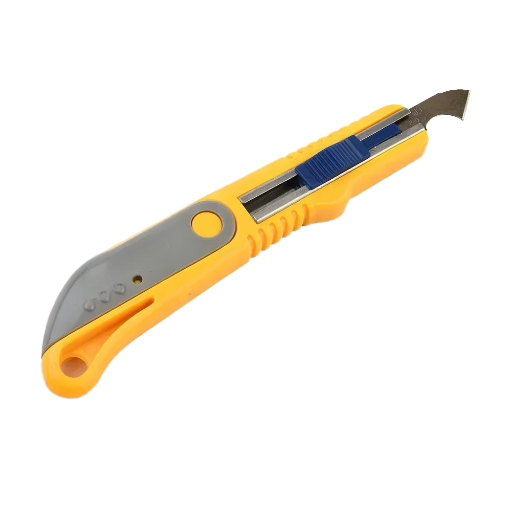
Types of Knives for Cutting Plexiglass
The following are the different types of knives for plexiglass cutting: a scoring knife, a utility knife, or an acrylic cutter. Depending on the nature of your project, each tool has its own purpose and benefits.
| Tool Type | Details & Best Use |
|---|---|
| Scoring Knife | Hardened steel blade designed for precise glass cutting, scores sheets for snapping |
| Utility Knife | Double-bevel edge, versatile for clean cuts on various plastics |
| Acrylic Cutter | Specialized tool with a curved handle and multiple blades for precision work |
| Other Tools | Jigsaw and circular saw recommended for thicker sheets |
Utility Knives vs. Scoring Knives: A Detailed Comparison
| Parameter | Utility Knives | Scoring Knives |
|---|---|---|
| Purpose | General cutting tasks | Shallow, precise cuts |
| Material Use | Cardboard, carpet, rope | Drywall, plastic sheeting |
| Blade Type | Straight, serrated, etc. | Fine, sharp edge |
| Cut Depth | Deep cuts | Shallow cuts |
| Versatility | High | Low |
| Precision | Moderate | High |
| Common Tasks | Trimming, slicing | Scoring, folding |
Best Hook Knife Tools for Precision Cutting
For tricky cutting jobs, these hook knife tools are duly suggested based on how well they function, their steadfastness, and simplicity of working:
- Thinking of the Morakniv Craftline Hook Knife: This versatile slicer is always ready for action with a razorsharp blade and an even grip, worth recommending, be it cutting or trimming.
- The BeaverCraft Hook Knife SK1: The SK1 is a versatile carving tool featuring a curved blade perfect for work on wooden surfaces or similar fabricated materials.
- Frost Hook Knife by Mora: In addition to its precise ability to cut through thick materials, the thin blade integrated in the compact design is made of resilient carbon steel blade reaches its limit, but remains effective on flat sections that the knife structures for obvious reasons must cut through.
How to Cut Plexiglass Safely

Essential Safety Considerations
Safety must be emphasized when cutting plexiglass because it enhances neatness and prevents accidental injuries. Therefore, do not forget to wear:
- Safety goggles to prevent flying fragments from getting into your eyes,
- Gloves that will prevent lacerations and slipping,
- And ensure that the place is properly ventilated so that one does not breathe the plexiglass clouds, which are usually extremely fine.
A helpful hint: do not forget to use the appropriate tools, namely a fine-toothed saw or a plexiglass knife. In case the material is cut efficiently, it is advisable to ensure correct locking and uniform,slow, and steady application of force.
Step-by-Step Guide to Scoring and Cutting
- Set up the Area: Clear all dirt and dust, as well as any grime or stains, to create a perfect workspace. Place the plexiglass down on a level and flat surface that is strong and rigid; you may encase it in clamps to immobilize it while scoring or cutting.
- Measure and Draw the Cutting (or Score) Line: Take either a measuring stick or a measuring tape and a straight edge and measure out the desired line on the protective film of the plexiglass. Draw clean and clear lines using a sharp-tipped marker or a pencil.
- Cut through the Plexiglass: Put the scoring or the utility blade at the marked place and make sure the straight-edge does not move. Start cutting first with a scoring cut along the line holding this position, a couple of times, forcing in a decent depth in the incised line, though avoid the urge to save time.
- Break the Plexyglass Stroke: If the incision marks a sufficient depth and it can, move the plexyglass a bit more so that the scored line meets the edge of the table. With the scored section hanging off the table, holding the rest on the table, apply pressure downwards on the part hanging out, and the clean break will occur along the scored line.
Common Mistakes to Avoid
| Mistake | Description & Solution |
|---|---|
| Wrong Tools | Avoid improper tools like scissors – always use appropriate cutting tools |
| Unsecured Material | Always stabilize with clamps to prevent movement |
| Excessive Force | Use steady, consistent pressure when scoring |
| Rushed Scoring | Score deeply and consistently for best results |
| Inaccurate Measure | Double-check all measurements before cutting |
| Improper Snapping | Align and support properly for clean breaks |
| Safety Ignored | Always wear gloves and eye protection |
| Overheating | Use tools at the proper speed to avoid melting |
Maintenance and Care of Plexiglass Cutting Tools
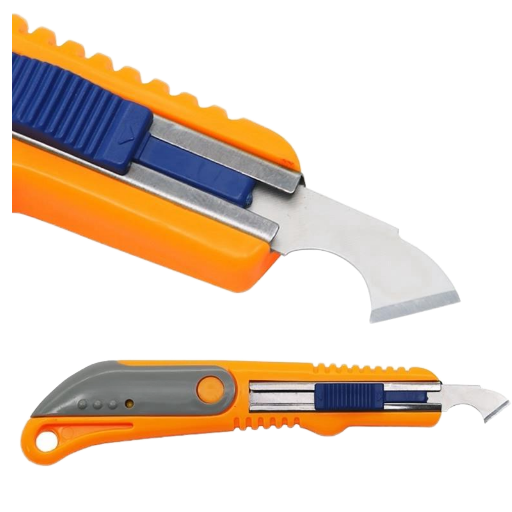
How to Maintain Your Cutting Tools
In order to make cutting tools last longer, ensure that they remain clean and clear of debris after each use, by using a soft dry cloth for the body part. Always assess the blades to see whether they have become dull or damaged in any way, and sharpen or replace them accordingly, to save precision. Also, lubricating movable parts aids in preventing rust and facilitates their easy movement. Keeping the tools in a safe, dry area will equally protect them from water and, to some extent, accidental damage. Accordingly, you will extend the lifespan and enhance the performance of your tools.
Tips for Keeping Plexiglass Sheets in Good Condition
- Using Mild Soap Regularly: Wipe the area gently using a soft sponge or cloth soaked in warm soapy water to clean thoroughly. Do not use any chemicals or strong abrasives.
- Do Not Scrub Hard: Do not use coarse sponges, steel wool or scandisk for the removal of dirt from the surface of plexiglass.
- Use a Plexiglass Type – A Cleaner: It is always better to use an efficient antibacterial cleaning spray made for acrylic and plexiglass surfaces than to remove a specific unwanted dirt using another method.
- Minimize Heat and Cold: Try to avoid extreme temperatures on or around a plexiglass sheet for extended periods.
- Minimize UV Exposure: Try to reduce UV exposure as much as possible, as this can cause the material to become brittle or lose coloration.
- Do Not Rough Handle: In transporting or fitting it, take care in the support of the edges and corners from being broken or nicked.
- Keep in safe flat and dry storage: Other than using the plexiglass sheet, Keep it clean, keep it dry in flat storage as well so that it does not curve.
- Avoid Solvent and Ammonia Containing Products: Do not employ chemicals such as acetone or ammonia which may compromise or reduce the gloss of plexiglass’s surface.
- Fix Small Scratches without Delay: Restore the scratches and dehaze them with a polish for plexiglass knife or a fine abrasive material applied by hand.
Storage Solutions for Cutting Tools
To ensure that the cutting tools do not lose their sharpness and perform well for a long time, storing them properly is very important. Below are some of the most effective and acceptable solutions for keeping all these tools:
- Toolboxes and Tool Chests: The best boxes for tools have sturdy shells that can break if the cutting tools bang against them. The boxes also have pockets inside them for storing the tools separately.
- Tool pegboards: When it comes to hanging and storing cutting tools in their normal use-accessible position, a tool wall provides one of the best answers to their desirability and location.
- Magnetic adhesive strips and racks: Light-weighted cutting tools, such as scissors or a utility knife, a plexiglass knife, are easier to handle with strong magnetic strips or racks.
- Individual Cases or Sheathing: It is common to use cases and sheathing for the protection of precision cutting tools.
Conclusion and Recommendations
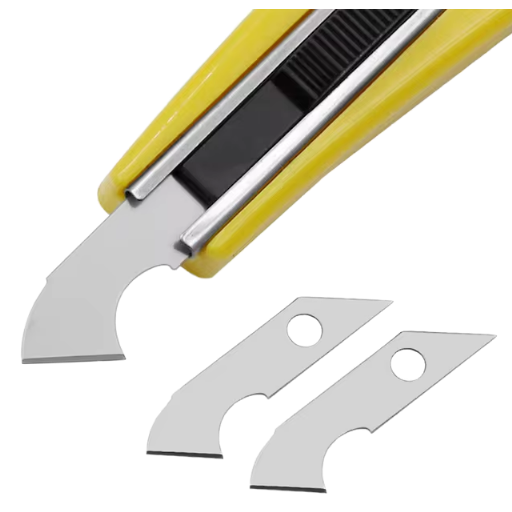
Best Practices for Cutting Plexiglass
Ensuring precision and non-occurrence of harm to the plexiglass while cutting it necessitates adequate planning, appropriate implements, and techniques of cutting techniques. However, updating the high practicality of other people’s, it is advocated that he following practices:
| Key Point | Description |
|---|---|
| Tools | Use a fine-tooth saw, laser cutter, or utility knife based on thickness |
| Secure | Clamp plexiglass to prevent movement or vibrations |
| Marking | Use a straightedge and non-permanent marker for accuracy |
| Cutting | Operate tools slowly to avoid overheating or melting |
| Polishing | Smooth edges with sandpaper or polishing tools |
Recommended Tools and Products
Cutting plexiglass is no exception. If one wants to work efficiently with cuttings and engraving, they will need not only the right plexiglass knife but also some additional means. What is trending or what the analytical data is pointing towards is the following tools:
| Tool/Category | Examples | Purpose | Key Features |
|---|---|---|---|
| Laser Cutters | Glowforge, OMTech | Intricate designs | High accuracy |
| Scoring Tools | Fletcher, Red Devil | Straight cuts | Smooth, clean |
| Heat Guns | Wagner HT1000 | Bending shapes | Controlled heat |
| Protective Gear | 3M, Dewalt | Safety | Goggles, gloves |
| Adhesives | Weld-On 4, Loctite | Bonding joints | Durable, strong |
Final Thoughts on Using Plexiglass Knives
To cut with a plexiglass knife, it is necessary that proper technique is applied and the right tools are utilized to produce clean and precise cuts. Always ensure the knife used in cutting plexiglass is specifically designed for that purpose and of a good quality to reduce any faults or waste of materials. For effective cutting, the surface must be scored evenly and consistently until a clean line break is achieved.
Apart from clear practices to avoid injuries, it is a must to put on safety protective gear such as safety goggles and hand gloves. By sticking to these rules, it is possible to obtain all the above professional results without sacrificing time and safety in the manufacture of the equipment.
Frequently Asked Questions (FAQs)
Q: What’s the most effective way of cutting plexiglass?
A: Among the most effective ways of cutting plexiglass is by using either a score tool or a plexiglass knife. The sheet can be etched several times using a straight line that the cutter will rest against to cut. Once a score is made, the plexiglass can be broken sharply along the scored line to cut it in a clean manner. In the case of a thick acrylic sheet, it may be necessary to use a jigsaw with a fine-toothed blade or a circular saw.
Q: Can I cut acrylic with a utility knife?
A: Yes, it is possible to cut acrylic with a utility knife only if you have slender sheets. The knife must be run over the line several times with good pressure, and then bend the acrylic to break it along the cut. Thicker materials require the use of either a special cutter or some other saws, including blades.
Q: Is acrylic the same as Plexiglas, or is it something else?
A: The answer to this question is that acrylic is a plastic, and both ‘plexiglass’ and ‘acrylic’ are brand names provided for the sheets. This is one of the most commonly bought materials; both materials are lightweight, transparent, and can be very easily cut. It is quite obvious that these materials are used for many projects, DIY, and home
Q: Can a thick acrylic be cut with a handsaw?
A: Okay, anything can cut thick acrylic, including a jigsaw. However, you must use the correct saw blades that are for cutting plastic; that way, you will get a clean cut. It should also be emphasized that it is good to cut it slowly in order not to burn the edges, because it is very easy to heat up the blade.
Q: How do you cut plastic sheets and make the cuts nice and smooth?
A: To make a nice cut of a plastic sheet, make sure that the blade of the cutter is sharp or that an appropriate plexiglass knife is used. Remember that you should cut with sufficient depth by following a straight ruler and moderate force. To make very clean cuts, a cutter machine or a CNC can also be employed.
Q: What do you need to score acrylic?
A: To score an acrylic, you need a scoring knife, a ruler, and a clean surface. A sharp utility knife or box cutter is also acceptable for working with the edges of thinner sheets. If you want more advanced cuts, use a Dremel or a machine with a saw with the right discs.
Q: Can you melt plastic while cutting?
A: Yes, this can occur when the equipment used to cut the plastic ends up heating the plastic and deforming it. Equipment such as jigsaw or circular saws requires speed and pressure regulation. Always use blades that are appropriate for the materials that you are cutting, and make sure the material does not get hot and begin to melt.
Q: What cuts a plexiglass knife in another way?
A: Using replacement blades on plexiglass means changing them with utility blades, hacksaw blades intended for plastics, or jigsaw blades. Always make sure to use а sharp enough blade for the cuts to protect from damage inside and take into account the size of the plexiglass so that cruciform blades will not be cut without level or below.
Reference Sources
1. Knife
2. Corrugated Knife: Concept Of Coupling Function in Intelligent Meat Processing Systems
- Authors: A. Austin, K. Kirillov, L. E. Zubikina-Lopez, O. Korostynska
- Journal: International Journal of Automation and Control in Electronics
- Publication Date: 29th of October, 2022
- Reference: ((Austin et al. ‘2022, pp. 20143‐20152’’).
Highlights of The Research Report:
- The authors propose a new device smart knife, designed for the (robotic) cutting of meat.
- It is important in meat processing operations and enables automation due to the availability of real-time information about the condition of the knife regarding its contact with the meat and the cutting estimation.
- The smart knife was supported by a couple of methods: electromagnetic simulation and experimental validation on pork loin meat. The average contact detection error and depth detection error were found to be 1.78% and 7.66 mm (+/- 1.45mm), respectively.