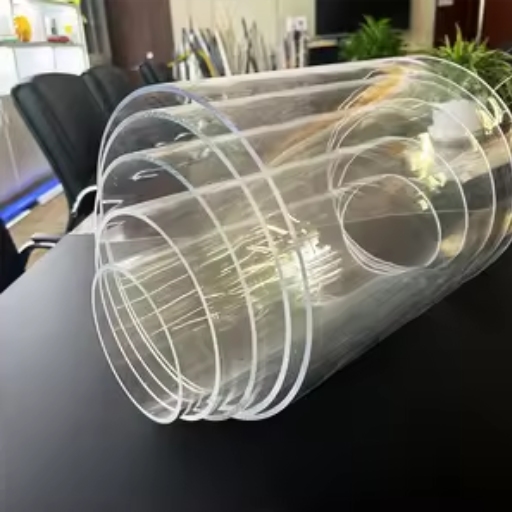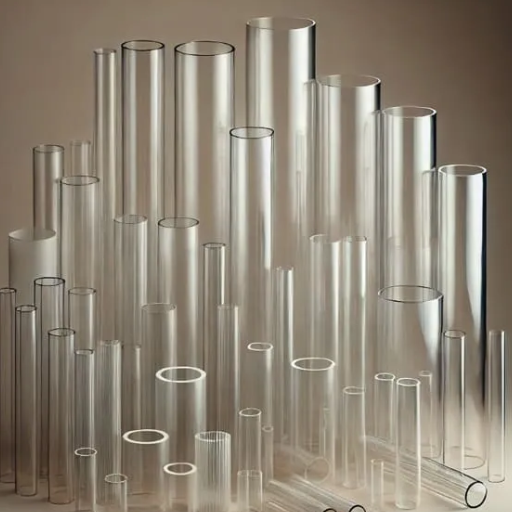

Clear acrylic sheets, commonly referred to as acrylic plexiglass, are versatile materials used in numerous fields due to their durability, transparency, and lightweight nature. From contemporary architecture and interior design to automobile manufacturing and DIY projects, these sheets serve as an affordable and trusted alternative to conventional glass. In the article, the paramount attributes of clear acrylic sheets will be discussed, along with their differences from other materials and their diverse applications. Whether you are searching for materials for a professional who requires them for industrial use or are a hobbyist in need of them for creative projects, an understanding of the benefits and uses of acrylic plexiglass is a must-have tool. Read and learn why the material has become a mainstream preference for commercial and home projects.
Overview of Clear Acrylic Sheets

Clear acrylic sheets are lightweight, sturdy, and enormously versatile, made of polymethyl methacrylate (PMMA). They have high optical clarity, allowing for up to 92% light transmission, making them a viable alternative to glass for various purposes. These sheets offer heat, impact, and weather resistance, making them ideal for use both indoors and outdoors. Typical uses include signage, display cases, protective barriers, and architectural features. They possess strength, clarity, and adaptability, which keep them on the pragmatic side in various industries, especially when multiple sizes of acrylic sheets are in use.
Composition and Characteristics of Acrylic Plexiglass
Acrylic plexiglass is a lightweight, tough plastic made of polymethyl methacrylate (PMMA). It is known for its optical clarity, with a transmission rate that is even slightly higher than that of traditional glass. Given that the material can withstand UV rays while weathering and resisting their impact, it does not yellow over time and will have a long service life when kept outdoors. Easier to fabricate, cut, or mold without much loss of strength, thus the material sees wider application. The above properties, combined with a lightweight structure, make it one of the most efficient and adaptable material options found in industrial, commercial, and domestic areas, particularly as frosted acrylic sheets.
Properties of Clear Acrylic Sheets
Clear acrylic sheet is lightweight, highly transparent, and impact-resistant, thus providing durability as an alternative to glass. They offer excellent clarity, permitting up to 92% light transmission. Theoretically, they resist weathering, UV rays, and scratching if appropriately coated. Moreover, transparent acrylic sheets are fabric-friendly, given that they can be cut, bent, and shaped into various applications. This durability and versatility make acrylic ideal for windows, signage, showcases, and protective barriers.
Technical Details of Acrylic Plastic
Acrylic plastic, also known as polymethyl methacrylate, is a versatile, transparent thermoplastic with numerous exemplary properties. Its density is estimated at 1.18 g/cm³, approximately half that of ordinary glass; this property enables acrylic to tolerate a wider range of different utilization needs. Its refractive index is approximately 1.49; hence, it has an extremely high light penetration of about 92%.
It is an excellent impact-resistant material, being several times more impact-resistant than glass; hence, it is safer in more highly trafficked and potentially hazardous environments. It has a melting point of about 320°F (160°C), making it suitable for processing at moderately high temperatures, such as thermoforming of cast acrylic sheets.
The material is highly UV-resistant, especially when treated with a UV-stabilizing coating, and therefore will not easily yellow or disintegrate due to sunlight exposure. The tensile strength typically ranges from 5,000 to 11,000 PSI, depending on the grade and manufacturing process, making it suitable for various structural and architectural applications.
Acrylic sheets are easy to fabricate, whether by sawing, drilling, or laser cutting. They can be heat-formed and are solvent-bondable, thereby making them suitable for a wide range of industrial uses, including medical equipment, automotive parts, and aquarium installations for optical instruments. Thanks to its lightweight nature, chemical stability, and optical clarity, acrylic is a primary material for engineering and design applications today.
Applications of Clear Acrylic Plexiglass
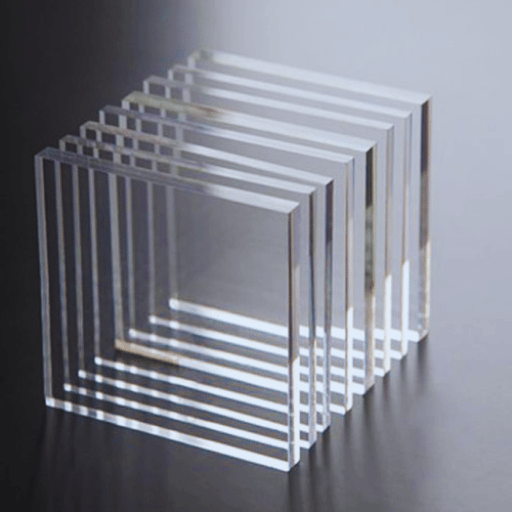
Common Uses in Various Industries
Clear acrylic plexiglass finds applications in numerous industries due to its strength, transparency, and workability. It is used in medical equipment to create protective shields, incubators, and specialized medical instruments. The automotive industry utilizes it for wear-resistant windows, light covers, and interior parts. In the retail and commercial sectors, it is used for cases, signage, and shelving because it is lightweight and aesthetically pleasing, with the clear cast being a favorite among them. In architecture, acrylic has become a favored material for use in skylights, partitions, and outdoor applications due to its weather-resistant properties. These are just a few examples of acrylic plexiglass’ versatility in addressing application-specific needs.
Innovative Applications of Acrylic Sheets
Acrylic sheets are put to innovative use in almost all industries. In the medical field, acrylic sheets are used as hygienic barriers, components of surgical equipment, and in advanced diagnostic devices due to their sterile nature and clarity. In all transportation industries, acrylic sheets are used for lightweight yet sturdy windshields and windows, both in the automotive and aviation sectors. They find use in optics for countering the problems associated with high-definition lenses and advanced lighting systems. Meanwhile, the green energy sector has seen an increase in acrylic usage as covers for solar panels due to its durability and excellent light transmission properties. These applications demonstrate the ability of this material to address modern-day engineering and industrial challenges.
Case Studies Demonstrating Effectiveness
- Automotive Industry: One of the most renowned car manufacturers has successfully integrated acrylic sheets into the manufacture of vehicle windshields, thereby achieving a significant decrease in weight with unchanged durability. This change has increased fuel efficiency and lowered production costs, again proving the practicality of acrylic in modern automotive designs.
- Renewable Energy Sector: Acrylic covers were chosen by the solar panel manufacturer for their lightweight properties and excellent light transmission. Field studies revealed a 15% increase in energy efficiency and lifespan compared to conventional materials, thereby emphasizing the role of acrylic in sustainable energy solutions.
- Aviation Applications: The aerospace company utilized acrylic for cockpit windows, aiming to achieve the highest clarity and impact resistance under harsh conditions. The performance of this material under rigorous conditions has proven its reliability and efficiency in the field of advanced aircraft engineering.
Benefits of Clear Acrylic Sheets Over Alternative Materials
Comparison with Glass and Other Plastics
|
Parameter |
Acrylic |
Glass |
Polycarbonate |
|---|---|---|---|
|
Weight |
50% lighter |
Heavy |
Light |
|
Impact |
10x glass |
Breakable |
250x glass |
|
Clarity |
92% light |
80-90% light |
Less clear |
|
UV Block |
99% UV |
Minimal UV |
Moderate UV |
|
Scratch |
Easily scratched |
Scratch-resistant |
Easily scratched |
|
Cost |
Moderate |
Varies |
Higher |
|
Malleability |
Easy to shape |
Limited shaping |
Cold bendable |
|
Durability |
Long-lasting |
Brittle |
Very durable |
|
Insulation |
Good |
Poor |
Excellent |
Cost-Effectiveness and Lower Price Considerations
When evaluating cost-effectiveness, a balance should be struck between the affordability and performance of light materials. Due to their moderate pricing, they are certainly an option that fits within most budgets; their service life, as well as their ability to block UV rays, however, makes these materials tremendously worthwhile in the long run. Heavy materials are generally priced on a more discretionary basis, providing enhanced scratch resistance and other slight improvements that could push up costs depending on the circumstances. On the other hand, despite their more expensive upfront cost, light materials offer high durability and insulation capacity that can go a long way in mitigating manual upkeep expenses during extended use. The choice of the most cost-effective solution depends on the application, as well as the balance between performance and cost, resulting in options such as acrylic and a mirror finish.
Impact Resistance and Durability
Resistance to impact and durability are major selection parameters for a material-dependent application. Advanced materials, such as high-performance plastics, composites, and treated metals, can provide resistance against mechanical impacts and long-term abrasion. For example, polycarbonate is generally accepted as being impact-resistant; it is 200 times stronger than glass and yet remains relatively lightweight. Carbon fiber composites offer the best strength-to-weight ratio, making them ideal for aerospace and automotive applications where the requirements for strength and efficiency often conflict.
Tempered steel and titanium could go further to showcase their durability against intensive impacts and harsh operating environments. Coatings applied to a layer surface, such as ceramic or polymers, will also greatly enhance abrasion and corrosion resistance, thus increasing material life in highly abrasive and highly corrosive applications. The industry must be willing to provide systems whose components correspond to impact-resistant materials selected for the job, under operational and environmental conditions, thus ensuring reliability and cost savings.
Recent Innovations and Market Trends
Emerging Technologies in Acrylic Manufacturing
The acrylic manufacturing industry has witnessed significant progress since the demand for efficiency, sustainability, and product quality emerged. One of the innovations is the use of advanced polymerization methods, particularly controlled radical polymerization (CRP). These methods, including atom transfer radical polymerization (ATRP) and reversible addition-fragmentation chain transfer (RAFT) polymerization, enable the production of acrylic materials with rigorous control over molecular weight and the desired functionalities, thereby supporting a wide array of applications with enhanced performance.
The key other development is the use of bio-based raw materials: manufacturers are starting to incorporate renewable resources (e.g., plant-based monomers) into acrylic formulations. This transformation not only reduces dependency on petroleum-based components but also minimizes carbon emissions in production processes to some extent, thereby aligning with international sustainability standards.
A further innovation in additive manufacturing has continued to widen the range of arts available to acrylic materials. Fabulous designs for the automotive, aerospace, and healthcare industries are created with high-grade acrylic resins through advanced 3D printing techniques. These changes, along with enhanced UV curing, have in turn shortened the 3D printing cycle and increased the ability of rapid prototyping for acrylic products.
Industry 4.0 technologies, particularly those utilizing artificial intelligence (AI) and the Internet of Things (IoT), are revolutionizing acrylic manufacturing operations. Processes are optimized, and a multitude of waste is avoided, thanks to the implementation of digital tools ranging from predictive maintenance of equipment to real-time quality control, resulting in reduced operating costs. In this way, these innovations tie acrylic manufacturing to a highly demanding market.
Trends in Design and Aesthetic Applications
Recent trends in design and aesthetic application focus on the versatility and adaptability of acrylic. Designers and architects are increasingly using acrylic because it is lightweight, durable, and can be easily molded into virtually any shape. Thus, this material finds use in modern interior design, where it is used to make sleek partitions, furniture, and lighting fixtures. In artistic panels and installations, acrylic is also gaining ground, thanks to color and finishing processes recently developed for that purpose. Acrylic, as a material, will undoubtedly gain more attention in modern aesthetics, serving both functional and artistic purposes, and is most often found in clear cast designs.
Expert Opinions on the Future of Acrylic Sheets
Experts predict that acrylic will continue to assert its presence due to its versatility and sustainability. Theoretically, advancements that reduce environmental impact in production will make acrylic an even greener option. From there, further durability improvements and recycling technologies will enable this product to be marketed to a wider range of applications in the construction, automotive, and design industries for frosted acrylic. These professionals say the possibilities are numerous, but adaptability and cost-effectiveness will ensure ongoing innovation, in both functional and aesthetic applications, securing a future for acrylic in material science and design.
Purchasing Considerations and Maintenance Tips
Factors to Consider When Buying Clear Acrylic Sheets
- Thickness and Size: Select a thickness needed for the application and one that can withstand the anticipated load or condition. Double-check to ensure dimensions meet your specifications.
- Transparency and Quality: Select sheets with the highest optical clarity and minimal imperfections, ensuring the fragments are nearly identical in visual aesthetics.
- UV Resistance: For outdoor applications, select sheets with UV-resistant coatings to prevent discoloration or degradation due to aging.
- Temperature Resistance: The material must retain shape and structural integrity while facing environmental temperature variations.
- Certifications: Look at industry standards and certifications to ensure quality and safety.
Maintenance and Care for Longevity
- Regular Cleaning: Use a mild soap and water solution with a soft cloth or sponge to clean dirt and debris. Avoid using abrasive cleaners that could damage or dull the finish.
- Avoid Harsh Chemicals: Refrain from using strong chemicals, solvents, or ammonia-based cleaners to clean the material, as these substances can cause damage or discoloration.
- Inspect for Damage: Your planking surface should be regularly checked for signs of wear, cracks, and fading, so that any such issues can be addressed to prevent further deterioration.
- Protect from Extreme Conditions: Store or use the material within the environmental extremes of temperature and UV exposure as suggested above.
- Follow Manufacturer Recommendations: Always check the manufacturer’s care recommendations and follow them for best results. The instructions provided will meet the material’s specific needs.
Frequently Asked Questions (FAQs)
Q: What is a clear acrylic sheet?
A: A clear acrylic sheet is nothing but a transparent plastic sheet, manufactured with a polymer called polymethyl methacrylate (PMMA). It is best out there as a light and shatter-resistant alternative to glass. That said, a clear acrylic plexiglass sheet offers almost total light transmission, and it is available in a variety of thicknesses and sizes.
Q: What are the properties of acrylic sheets?
A: Acrylic sheets come with a host of favorable qualities, which include high impact resistance, UV stability, and excellent optical clarity, so much so that in many applications, they emulate Lucite. And from being sturdy, they have evolved to be considerably lighter, making them easier to handle and install than glass. Due to their flexibility, acrylic sheets are used in a wide range of applications, from signage to aquariums.
Q: What are the thicknesses of the clear acrylic sheets available?
A: Clear acrylic sheets are available in various thicknesses, generally ranging from 1/16 inch to 1 inch and beyond. It usually depends on the specific application’s requirements to determine whether a thinner or thicker sheet is needed, considering factors such as durability, weight, and others.
Q: Can acrylic sheets be cut to size?
A: Indeed, it is possible to cut and shape acrylic sheets according to size. They can be machined, routed, or sawn with various tools, thus providing an easy route to custom work. Also, many suppliers offer these services to cut and size the sheets.
Q: What are the different applications of acrylic sheets?
A: Acrylic sheets find their applications in display case construction, protective barriers, signage, skylights, and the production of light-diffusing acrylic panels for LED lights, both indoors and outdoors.
Q: Are there different types of acrylic sheets?
A: There were different types of acrylic sheets, including cast acrylic, extruded acrylic, and impact-modified acrylic, along with various acrylics tailored to specific needs. Every type has its characteristic properties and is utilized in particular applications where, for instance, high-impact resistance or clarity may be necessary.
Q: What is the difference between acrylic and polycarbonate sheets?
A: While both acrylic and polycarbonate sheets are transparent plastics, polycarbonate has generally more impact resistance and higher shock resistance. However, acrylic sheets offer better optical clarity and greater UV resistance. Both materials are thus utilized in a wide range of applications.
Q: Is clear acrylic environmentally friendly?
A: Clear acrylic sheets are said to be environmentally friendly, at least in some regard, compared to glass. Because acrylic sheets are light, the energy cost for transportation is decreased; hence, they can be recycled. Almost the entire manufacturing process of acrylic involves certain chemicals that can be considered environmental hazards.
Q: How does the cost of acrylic sheets compare with the price of glass?
A: Acrylic sheets are usually less expensive than glass and, therefore, are chosen most of the time to give an economical touch to an application. Acrylic is lightweight; thus, it is easy to install, which further adds to the cost savings for any particular project, especially when it is a large one.
Reference Sources
1. Installing Clear Acrylic Sheet to Avoid Unwanted Solar Radiation on Photovoltaics
- Author(s): T. Murtadha
- Publication Date: March 1, 2023
- Journal: Results in Engineering
- Citation Token: (Murtadha, 2023)
- Summary:
- The study examined the installation of transparent acrylic sheets to block unwanted sunlight waves that hit the photovoltaic panels. The research appears to consider the use of acrylic sheets to potentially enhance solar energy systems by blocking specific wavelengths of light that may be detrimental to energy production.
- Methodology: This study employed an experimental approach, measuring the photovoltaic panel performance with and without acrylic sheets to observe the differences in their energy outputs and efficiencies.
2. Acme Plastics: What is Acrylic/Plexiglass? – This website defines and describes the properties of acrylic plexiglass sheets, with emphasis on their lightweight and shatter-resistant features.