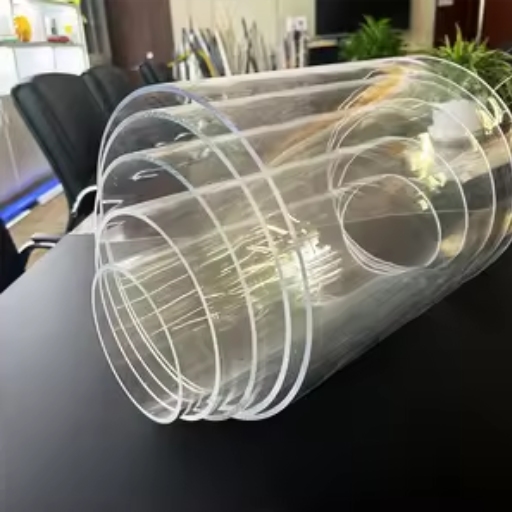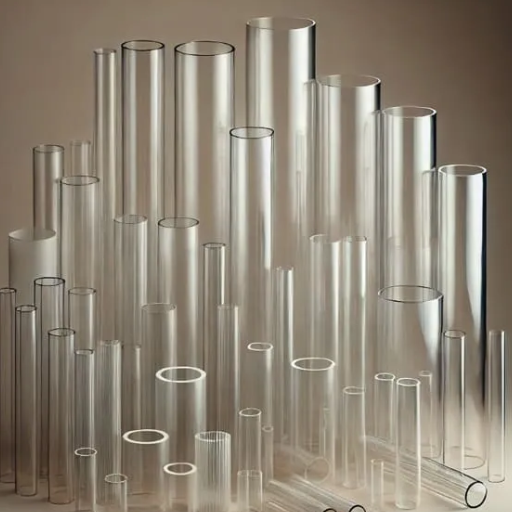

Clear acrylic sheets are among the most versatile materials available today, boasting hardness, lightweight properties, and a glass-like transparency. Their versatility has made them go-to materials in the construction and interior industries, as well as in the fine arts, retail displays, and other applications. This article will showcase the diverse applications of clear acrylic sheeting in a practical yet aesthetically pleasing manner. Suppose you’re a tradesperson seeking durable options for projects or a curious DIY enthusiast exploring possibilities. In that case, this guide will explain why transparent acrylic sheets remain a preferred choice in many creative and practical applications. Continue reading to discover how this exceptional material can provide solutions and bring your ideas to life.
Introduction to Clear Acrylic Sheets
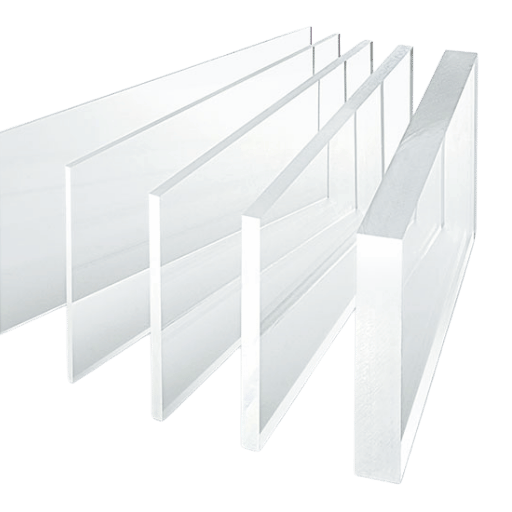
Clear acrylic sheets are versatile, lightweight, and impact-resistant plastic materials typically used as an alternative to glass. They offer excellent optical clarity, are easy to handle, and can be cut into any shape or formed to fit different applications, especially with cut-to-size acrylic sheets. Known for their durability and weather resistance, these sheets are widely used in construction, signage, interior design, and various manufacturing applications. Additionally, these sheets are recyclable and inexpensive, making them a trustworthy and practical solution for both tradespeople and hobbyists.
What Are Clear Acrylic Sheets?
Clear acrylic sheets are basically lightweight, transparent plastic panels manufactured using PMMA. They are excellent for both optical clarity and strength, as well as resistance to impact and adverse weather conditions. These sheets are used in place of glass for various applications, such as windows, displays, protective barriers, and signage, primarily due to their durability and ease of handling.
Benefits of Using Acrylic Plastic
- Durability: it is highly shock-resistant and may not crack like glass, so is safer and longer-lasting.
- Lightweight: Acrylic sheets are significantly lighter than glass, making them easier to handle and install wherever required.
- Optical Clarity: Acrylic has excellent transparency, with light transmission of up to 92%, guaranteeing clear visibility.
- Weather Resistance: With its strong resistance to UV damage and weathering, this one is suitable for both indoor and outdoor use.
- Versatility: Depending on requirements, acrylic plastic can be cut, shaped, and customized into signage, displays, and protective barriers.
- Low Maintenance: Cleaning and maintenance are straightforward, requiring only mild soap and water.
Why Choose Acrylic Over Glass?
Acrylic offers numerous advantages, providing us with many reasons not to opt for glass. Acrylic will weigh less and will have more impact resistance. Acrylic will have up to 17 times greater impact strength than glass, significantly reducing damage from breakage. Handling and installation are easier with acrylic since it is lighter than glass. Featuring excellent weather resistance, acrylic proves to be an all-weather material suitable for both indoor and outdoor uses, a quality that cannot be said of glass. These qualities make it a more practical choice and one that is suitable for a broader range of applications.
Home Decor Uses for Acrylic Sheets
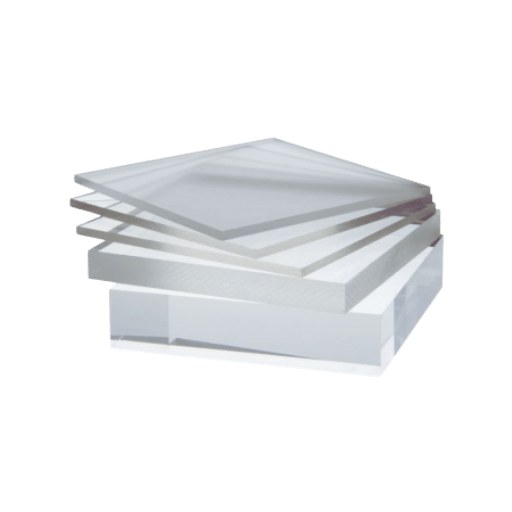
Creative Ways to Use Acrylic in Interior Design
Acrylic sheets offer tremendous possibilities for interior designers due to their flexibility and contemporary appearance. They can be molded to produce sleek furnishings, such as coffee tables, bookshelves, or dining chairs, that impart durability and a modern look. Acrylic is also preferred for wall-mounted shelves and partitions, as it saves space while maintaining an open and airy feel. These panels may also double as protectors for artworks or photograph mounts, combining functionality with elegance. For lighting, acrylic works exceptionally well in fabricating decorative light fixtures, such as pendant lights, primarily due to its ability to diffuse light. Thus, these applications make acrylic an excellent medium to impart trend and utility to home decor.
Acrylic Panels as Decorative Elements
The key to the versatility of acrylic panels lies in their lightweight, durable, and custom-made nature. Typically, they are used in interior design as modern drapes for room dividers, accent walls, or as a decorative element on furniture. Due to their transparency and array of color and finish options, acrylic panels can be personalized to meet the aesthetic needs of any space while still maintaining their functional effectiveness. These panels are easy to clean and maintain, making them an ideal choice for both residential and commercial spaces.
Using Clear Acrylic for Kitchen Backsplash
Acrylic has become the modern choice, with its clear gloss backsplash setting the mood for modern decorations, as its opposite version can only be achieved with other materials, such as tile or stone. Easy maintenance, thanks to its smooth and non-porous nature, ensures that no stains, splashes, or grease remain – the hygienic way to go. Acrylic panels are a lightweight yet robust material with high impact resistance, ensuring a durable surface that never cracks or crazes, providing a hundredfold durability for everyday kitchen use.
In technical terms, clear acrylic can be custom-cut and formed to specific dimensions, allowing for seamless installation even in oddly shaped spaces. It transmits approximately 92% of the light; these qualities include brightness and lend openness, especially in smaller kitchens. Additionally, this is an affordable option compared to glass, thereby reducing the total cost of your renovation while maintaining the same level of elegance and functionality. For a more artistic touch, the print can be incorporated into acrylic panels or backlit to create custom designs, offering a few ideas on how to utilize acrylic sheets. This versatility is what makes this choice a popular choice in many prestigious residential and commercial kitchen projects.
Industrial Applications of Acrylic Sheetings
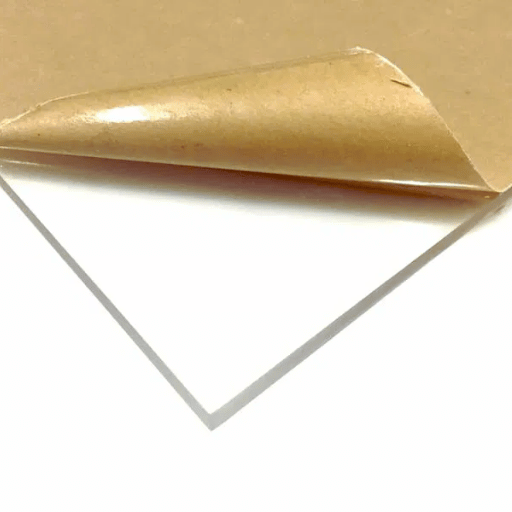
Signage and Displays with Acrylic Plastic
Acrylic plastic is widely used in the signage and display industry due to its lightweight nature, durability, and high degree of customizability. It boasts better optical clarity than any other transparent substance, with a quality comparable to glass, but is far more resistant to impacts and less prone to shattering. Hence, acrylics are generally chosen as a material in the manufacture of colorful signs that last both indoors and outdoors.
Acrylic sheets are available in various colors, finishes, and thicknesses, depending on the design requirements. For instance, such translucent acrylic may be counted for an illuminated sign, especially for retail store fronts or locations. Signage applications worldwide have seen a surge in demand for acrylics due to the material’s compatibility with advanced printing and laser-cutting technologies, which enable intricate designs and precise branding.
Moreover, acrylic materials are highly weather-resistant and are therefore ideal for outdoor displays where durability is a key consideration. Studies have shown that acrylic signage retains its structural integrity and visual appeal when exposed to UV radiation, rain, or extreme temperatures, thereby extending its lifespan compared to other competing materials. Acrylic plastics, due to their low cost and customization capabilities, continue to spawn newer varieties of signage and display solutions catering to retail, hospitality, and public infrastructure projects.
Protective Barriers and Safety Shields
Acrylics are being chosen for protective barriers and safety shields because of their impact resistance, optical clarity, and lightweight nature. Acrylic, compared to glass, is approximately 17 times more impact-resistant and offers safety in high-traffic situations or where robust protection is needed. Additionally, transparent acrylic allows for clear visibility while providing substantial physical strength, making it suitable for use as barriers in applications such as sneeze guards, partition screens, and machine guards.
Newer acrylic manufacturing processes have led to coatings that resist scratching and enhance durability, allowing them to perform adequately in demanding environments such as healthcare, manufacturing, and retail. For example, acrylic shields have met public hygiene requirements during a public health crisis, serving as a protective interface between separated individuals. Acrylic can be easily fabricated and customized to suit specific needs, further enhancing its applications in numerous industries.
UV Resistant Applications in Various Industries
UV-resistant materials have become a crucial component of various sectors where ultraviolet radiation is expected to be present for extended periods. These materials, incorporating advanced UV stabilizers, are equipped to resist degradation, discoloration, or loss of structural integrity due to UV light and are, therefore, considered inspiring for the production of durable items. In the automotive industry, UV-resistant coatings and polymers are particularly used to maintain the durability and aesthetic appeal of vehicle exteriors. Industry reports estimate that the global market for UV stabilizers will witness an impressive CAGR of 6.5% from 2023 to 2030, being propelled by the increasing demand for durable materials in extreme environments.
In a similar vein, all industries heavily utilize UV-resistant materials to prevent deterioration in roofing membranes, window films, and outdoor composites, thereby increasing the lifespan of external structures. These materials also conserve energy by reducing heat absorption, a crucial factor for regions with high solar exposure. Agricultural applications utilize UV-resistant films and nets to shield crops and greenhouses from intense sunlight, thereby promoting optimal growth conditions. This sudden surge in sustainable development has driven investment in UV-resistant technologies, underscoring their importance in durability and long-term performance applications.
DIY Projects with Acrylic Sheets
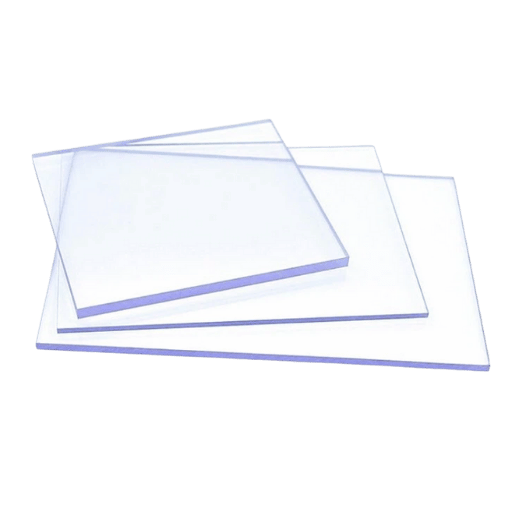
Creating Custom Shelves with Acrylic Panels
Acrylic is a highly versatile and durable material, making it the ideal option for custom shelving. Normally, these panels come in various thicknesses and finishes; therefore, custom designs are available to suit each specific requirement. In this case, measure the dimensions you want for your shelf that meet the structural requirements necessary in the given space. Acrylic sheets are highly recommended for items weighing light to moderate amounts. Acrylic sheets are usually supplied in thicknesses ranging from 3mm to 10mm. However, in general, for providing the strength needed for medium- to heavy-pressure-bearing applications, it is preferable to use 5mm or more. This ensures an ideal balance between strength and weight, specifically in cut-to-size applications.
Cutting acrylic panels can be pretty precise with a jigsaw, circular saw, or a laser cutter—but make sure you pick the right blade type, or you will experience chipping. Standard practices for mounting these shelves involve using stainless steel brackets or standoffs for their durability and sleek aesthetic. There’s ultraviolet light and scratch resistance inherent to acrylic, making it a standard choice for wood or glass, but it’s over budget for residential and commercial use.
Transparent or frosted acrylic sheets are also commonly used in contemporary houses, allowing light to pass through while maintaining a minimalist aesthetic. Another consideration for finishing touches to the shelves would be polished edges and bevels. To ensure lasting clarity and performance, keep the shelves clean with mild soap and a microfiber cloth.
Innovative DIY Art Projects Using Clear Acrylic
Clear acrylic offers immense versatility in making every functional art project unique. One of the most popular ideas is custom photo frames, where acrylic sheets are laser-cut to any given dimension, resulting in a sleek and modern industrial look that is both durable and lightweight. Furthermore, clear acrylic can also be used to construct far more intricate wall art by engraving delicate patterns or layering pieces to form a multi-dimensional effect, further taking advantage of its transparency to emphasize depth and light interaction.
For techy projects, transparent acrylic works perfectly for such constructions as LED-embedded displays or lightboxes. Creativity, combined with programmable LEDs, yields eye-catching visual effects that can be adapted into various options. There has been a 23% increase in popularity for acrylic art projects with embedded lighting components since the emergence of affordable LED technology.
Another novel project is to erect clear acrylic organizers or storage boxes that can be personalized with etched text or creative decals. This method is widely favored for its practicality while emphasizing the fusion of functionality with artistry. According to recent trends, smaller-scale products such as keychains, bookmarks, and coasters crafted from acrylic sheets are gaining popularity, particularly for gift-making, showcasing creative ways to utilize acrylic sheets.
To achieve an excellent surface finish, laser cutters, along with diamond polishing tools, are recommended for use. Additionally, such recyclable acrylic can support sustainable crafts, which is a trend nowadays—a movement away from the mainstream toward environmentally responsible art projects.
Building Functional Items for Home Use
The array of objects included in the home has now become a functional item made of acrylic material due to its durability, versatility, and modern look. Typical projects include organizational aids such as drawer or spice dividers, or a utensil holder made to custom dimensions. Apart from impeding the organization of the home, these items give a more personalized touch, besides coming in specified dimensions or designs. Acrylics are very lightweight yet sturdy enough to sustain daily use without compromising on style.
By allowing the use of CNC methods or laser cutting, even the most sublime designs can be made with utmost precision. Recent data has suggested that clear and frosted finishes remain the most popular among contemporary interiors, as they blend impeccably with minimalist and modern home styles. Going one step further, undertaking these conscious initiatives involves reusing off-cuts from sheets or choosing recycled acrylic sheets for the home project, thus presenting a practical and responsible design solution that appeals to today’s consumers.
Artistic Endeavors Using Acrylic Plastic Sheets
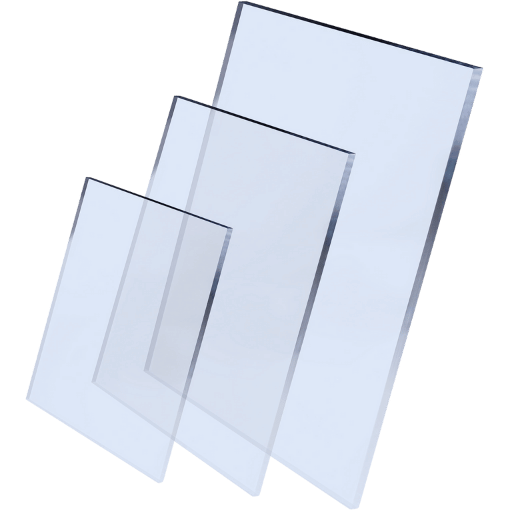
Acrylic in Sculpture and Three-Dimensional Art
Acrylic sheets have become a dominant choice of material in sculptural and three-dimensional artworks due to their versatility, durability, and flexibility, which make them suitable for use in machine fabrication processes. Artists employ acrylic for free molding of materials into complex shapes and forms through cutting, polishing, and laser etching. The material is lightweight yet combines high-impact resistance, ensuring the structural integrity of complex large installations over time. The acrylic also boasts superb optical clarity, and some types may even allow for better transmission than glass, making them suitable for light-based sculptures and translucent designs.
Recently, advances in acrylic production have led to its increased application in the arts. UV-resistant and anti-reflective coatings assure the longevity of an artwork, even if placed outdoors or in galleries with harsh lighting. Colors range from bright, opaque gradations to light, transparent tones, giving artists a vast array of options to work with, including unique effects of transparent acrylic. Research documents the environmental benefits of incorporating recycled materials into various acrylic products, aligning with the sustainable values held by the art community.
The thermoplastic nature of the material allows for precise shaping under the application of heat, enabling the creation of free-flowing, organic shapes or hard-edged forms. These characteristics have earned acrylic the reputation as a principal choice for advanced, resilient sculptures, slowly loosening the hands of contemporary artists to further their creativity.
Painting on Acrylic for Unique Effects
Painting on acrylic surfaces gives artists the means to explore a myriad of visual effects, depending on the smooth, non-porous nature of the material, along with cut-to-size acrylic sheets. One especially unique property allows for the use of different mediums, such as acrylic paint, oil paint, or alcohol inks. Artists sometimes use special primers or gesso on the surface to improve paint adhesion rates and prevent lifting from subsequent layering.
Due to its transparency and ability to transmit light, acrylic finishes work well with layering and glazing techniques, where light interacts with colors to create a luminous effect, particularly in frost finishes. Recent data suggest that many artists prefer high-viscosity paints because they retain texture and detail well, whereas fluid acrylics are primarily used for washes or fine designs. More advanced formulation processes have introduced pigments that boast increased lightfastness and durability, thereby facilitating the continued preservation of artworks, particularly on transparent acrylic surfaces. This versatility, combined with a well-prepared surface and high-quality materials, opens up unlimited possibilities for creating either fine details or dramatic effects on acrylic canvases.
Combining Acrylic with Other Materials in Art
Acrylic paints are considered very versatile and can be fused with several other materials to create one-of-a-kind, multidimensional artwork. For example, the aforementioned mixed media applications may include adding texture mediums such as modeling paste or gels, enabling artists to build surface depth and tactile interest. Additionally, natural ingredients such as sand, fibers, or wood chips can help create a more organic feel within the piece.
Recent trends indicate the exploration of acrylics combined with digital aspects, such as the embedding of printed photographs or the use of digitally rendered designs as underlayers. These suggest that possibilities for merging old and new methods in art are even broader. Moreover, a study on the fit of materials has proven that, due to its fast drying and gluing properties, acrylic is very useful as a base for collaging various materials, such as paper, metal foil, and fabric. The importance of treating mixed-media works with archival adhesives and sealants cannot be overstated, as it prevents future problems such as peeling, discoloration, or cracking, mainly when cut-to-size acrylic sheets are used for precision. In essence, these scenarios harness the limitless possibilities offered by acrylic in fostering creative experimentation across a myriad of artistic disciplines.
Frequently Asked Questions (FAQs)
Q: What are some popular applications for clear acrylic sheets?
A: Due to their versatility and optical clarity, acrylic sheets find placement in innumerable applications. They serve as a glass alternative in display cases, signage, and even kitchen backsplashes. Thicker impact acrylic sheets serve very well for protective barriers and windows.
Q: How can I use acrylic sheets for my home projects?
A: Acrylic sheets crack various applications at home, including custom shelving, furniture protection, and various fitting decorative elements to your living space. They are easy to cut to size, allowing for the creation of tailored applications that fit perfectly within your design concept.
Q: What thickness of acrylic sheet corresponds to a particular kind of use?
A: On use, the thickness may be decided for acrylic sheets. Thicker acrylics are suitable for applications requiring hardness or impact resistance, such as glazing or as a windshield. For decorative use and lightweight displays, thin acrylics may suffice.
Q: Can we use colored acrylic sheets for signage?
A: Yes. Colored acrylic sheets are a very colorful and attention-catching solution for signage, being durable and readily fabricated into any conceivable shape or size for both commercial and residential applications.
Q: What advantages do acrylic plastic sheets have over glass?
A: Acrylic plastic sheets, otherwise called plexiglass, are far more durable and lightweight. They become a better choice for a variety of uses, including mirror fabrication, whereas those made of glass are not. They provide better impact resistance and are less likely to shatter, making them better suited for applications such as displays or protective barriers.
Q: How can I cut acrylic sheets to size for use in my project?
A: Cutting acrylic sheets to size can become very easy with the tools for the job. You first need to score it and snap it to cut. Scoring can be done with a utility knife, while snapping is usually accomplished by hand or with the help of a straight edge aligned along the score line. For thicker sheets, a table saw or a jigsaw is often used.
Q: Are there any specific ways to use clear acrylic sheets in the kitchen?
A: Clear acrylic sheets can be used in the kitchen for backsplashes, protective covers for countertops, or even as transparent doors for cabinets. They are very easy to clean and maintain, an attractive feature for any fast-paced kitchen.
Q: What is the difference between cast acrylic and extruded acrylic sheets?
A: Cast acrylic sheet: made by pouring liquid acrylic into a mold, hence thicker and more durable with better optical clarity. Extruded acrylic sheet: made by pushing acrylic through a die, allowing for a broader range of sheet sizes but with diminished optical properties.
Q: Can acrylic sheets be used for outdoor applications?
A: Yes, acrylic sheets are perfect for outdoor use because they resist UV rays and adverse weather conditions. Typically, they are used in glazing, awnings, and the protection of outdoor furniture, placing greater emphasis on the selection of polycarbonate options.
Reference Sources
1. Comparison of the Impact of Acrylic Box and Plastic Sheet in Protection Against Droplet Dissemination During Extubation in COVID-19 Patients
- Authors: Prok Laosuwan et al.
- Publication Date: 2020-05-05
- Journal: Anesthesia and Analgesia
- Key Findings:
- This Paper discusses the applicability and effectiveness of both Acrylic Boxes and plastic sheets in preventing the intermodal transmission of COVID-19 during extubation.
- The analysis from the research revealed that the acrylic box was more effective in restricting the dispersion of droplets during extubation compared to plastic sheets and non-protective equipment.
- The paper has highlighted the encouraging features of using acrylic boxes, which are user-friendly and prevent droplet spillage due to their rigid structure.
- Methodology:
- Coughing was simulated during extubation using the in-situ technique of a coughing machine.
- The performance of different protective equipment in terms of spatial containment of cough droplets was determined, and the contamination surfaces were histochemically stained under alar conditions using fluorescence imaging (Laosuwan et al., 2020).
2. Caltech – Working with Acrylic Resin
- This document explores some of the pros and cons, as well as the topics of interest, about acrylic, solitary institutions, including the construction aid, safety, and sign migration, among other subjects.
3. Cast acrylic