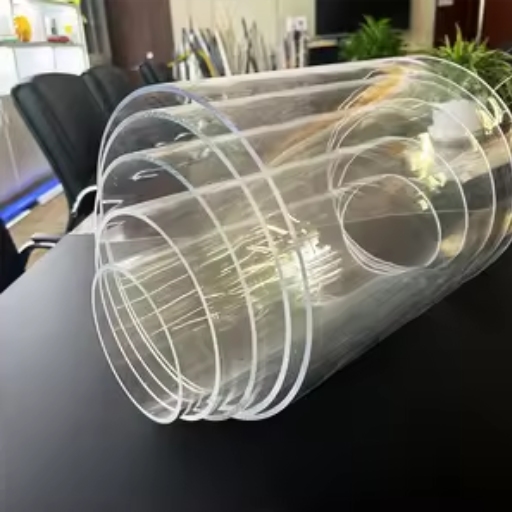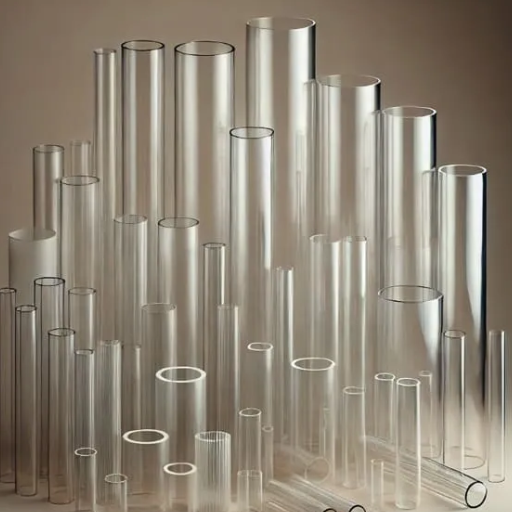

After acrylic sheets jumped to become the industry’s favorite, the greatest claim for the material’s adaptability, toughness, and aesthetic appeal offered to the manufacturers is that it can be crafted almost any way one wants. It is just something that changed how one looks at functional and spontaneous arts: from interior furnishings and advertising to protective barriers and artisanal designs. Proceeding further to shine light on what makes this material truly exceptional, let’s look at the special attributes that set it apart, the advantages it holds over other fabrics like glass, and the areas in which it is being used increasingly. So, designers, builders, or just curious bystanders, this is where the curtain is lifted on how slates remain on top in the catalog of choice for both professionals and hobbyists.
Definition of Transparent Acrylic Sheets
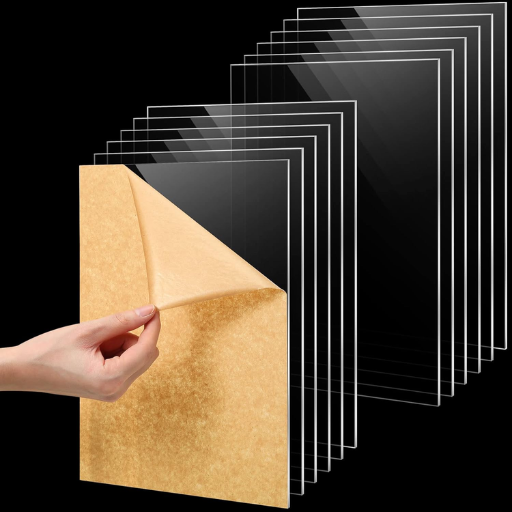
Transparent acrylic sheets are very lightweight and durable plastic panels offering very good clarity and optical qualities, making them a good option for glass replacement. They are made from acrylic polymers and are known for high impact resistance, good UV stability, and good workability. These sheets find use in windows, signage, protective barriers, and display casings, coming forth with practical applications with an aesthetic touch.
What is Acrylic Plastic?
Acrylic plastic, or PMMA for short, is the transparent thermoplastic widely used for multiple applications on account of its excellent strength, flexibility, and optical clarity. An acrylic plastic is marketed under trade names such as Plexiglass or Lucite, and it provides a lightweight, shatter-resistant alternative to glass.
Some of its key features that define acrylic plastic are as follows:
Clarity and Transparency: Acrylic has almost 92% light transmission, which makes it superior to many other transparent plastics and also almost on par with glass in its optical properties.
Impact Resistance: Acrylic is far more impact-resistant than glass; hence, it is well suited for making protective shields and surfaces for safety barriers. It offers about 17 times more resistance to impact as compared to ordinary glass.
UV Resistance: An acrylic plastic offers extraordinary resistance against UV rays, thereby retaining its strength and color, with no yellowing, after prolonged exposure to the sunlight.
Lightweight: Being half as heavy as glass makes the acrylic considerably lighter to handle through transport and installation.
Temperature Resistance: Though it is not fully heat resistant, acrylic could withstand moderate temperatures up to about 160°F (71°C) before it softens or deforms.
There are two basic methods of fabrication of acrylic: extrusion and casting. Cast acrylic provides better optical clarity, thickness consistency, and resistance to longer chemicals as opposed to extruded acrylic, which is considered to be more cost-efficient and fitting for large-scale results.
Acrylic is extensively used in a myriad of industries like architecture, automobiles, signage, lighting, medical appliances, and aquariums. The reports state that the worldwide acrylic sheet market is forecast to register an enormous growth by the positive CAGR of around 5.1% during 2021-2028, owing to the increasing demand from construction, consumer goods, and emerging technologies. This wonderful polymer is proving its versatility as a durable, effective, and sustainable material in modern design and manufacturing.
Characteristics of Cast Acrylic Sheet
Cast acrylic sheets somewhat mirror the traits found in other materials and rendering them highly sought after across various industries. They are most importantly renowned for their glass-like optical clarity, offering 92% light transmission, which surpasses even that of the glass. They find use in any number of applications where transparency is considered a key feature, from signage to the manufacture of aquariums to display cases. They also present excellent UV resistance and weathering characteristics, which give them the ability to retain the color and sight of objects from longer exposures to outdoor environments.
Considered strength and durability characteristics, these sheets can hold 10 times more impact than ordinary glass while still being light. The conflict between strength and lightness is the risk of transportation and installation being far more costly if the source is sometimes in other areas, having much safety in places when materials have to be required to be shatterproof. Cast acrylic sheets are very versatile and also easy to fabricate, which may include cutting, drilling, bending, and thermoforming, and this is why they are mostly used in specialized designs and new applications.
From a thermal point of view, cast acrylic sheets maintain a high resistance against sudden temperature variations upon heating, with exposure to heat at 160°C (320°F) without enough time for degradation. Chemically, they are also resistant to most acids, alkalis, and detergents that become crucial for industrial and laboratory utilization.
Cast acrylic sheets come in multiple colors, thicknesses, and finishes, thus offering design flexibility. They are also 100% recyclable, hence holding environmental consciousness on top in many markets. Recent market insights indicate a rise in demand for materials that are lightweight, durable, and have pleasing aesthetics, accordingly putting cast acrylic sheets among the fortes of automotive interiors, architectural constructions, and point-of-sale displays. Their versatility continues to spur innovation in functional and decorative applications.
Types of Acrylic Sheetings
General acrylic sheetings are versatile materials with a few types depending on their applications. Below is the list of main acrylic sheet types with their respective characteristics and uses:
1. Clear Acrylic Sheets
Clear acrylic sheets are very transparent, with 92% of light transmitted through them; hence, it is a top-class replacement for glass. Being lightweight and shatter-resistant, it is mostly used for windows, aquariums, and display cases.
2. Colored Acrylic Sheets
Colors in these sheets vary from one shade to another and yield their own style. Their extensive use ranges from signage to decorative panels and artistic installations requiring bright colors.
3. Frosted Acrylic Sheets
Frosted acrylic sheetings have their smooth matte finish which diffuses light in order to provide alternative means of privacy and style. These sheets are used for office partitioning, bedroom features, and illuminated advertising.
4. Textured Acrylic Sheets
Textured acrylic sheets with surface patterns are meant to provide some degree of depth and texture to any application. They are most used in interior designing, decorative wall panels, and anti-slip flooring surfaces.
5. Mirror Acrylic Sheets
Mirror acrylic sheets act as good supports for more lightweight and durable applications, for the safety of primary applications. It is therefore used extensively in areas where gymnasiums and retail displays require the use of safety glass, which does not shatter like glass.
6. Impact-Modified Acrylic Sheets
Designed for maximum durability, these sheets resist cracking and breaking. This particular type finds itself useful in higher-pressure applications such as protective barriers, guards for industrial equipment, and outdoor signage.
7. Anti-Static Acrylic Sheets
Anti-static acrylic sheets are treated to prevent dust and particles from adhering to their surface. Applications include cleanrooms, electronic enclosures, and other setups where static control is critical.
8. UV-Resistant Acrylic Sheets
They’re designed for extended applications in the sun where exposure brings in yellowing, cracking, or any other sort of degradation. Common applications include outdoor signs, skylights, and greenhouse panels where long-term durability in adverse weather conditions is demanded.
Every acrylic sheeting type has been designed to meet the synergy of needs posed by separate industries, combining performance with durability and beauty. The increasing demand for specialized applications leads to innovations in the production and design of acrylic materials.
Properties of Transparent Acrylic

Clarity – A transparent acrylic presents essentially perfect optical clarity, having light transmission of up to 92%, hence imparting an unclouded and distortion-free view.
Light Weight – Acrylic is much lighter than glass, which facilitates its handling and installation in any application.
Durability – Acrylic is humongously resistant to impact and weather conditions, hence able to ensure durability and reliability even when installed outside.
UV Resistance – Most transparent acrylics are UV resistant, so ultraviolet rays will not cause discoloration or degradation upon prolonged exposure to the sun.
Versatility – The material is easily cut, shaped, and molded to accommodate the most diverse design and functional needs.
Durability and Impact Resistance
Acrylic sheets are famously high in durability and impact resistance and attested by applications. This means that while the acrylic is about seventeen times more impact-resistant than glass, it is thus capable of sustaining heavy stresses without shattering. This property permits its use in construction, automotive industries, and any place where safety and endurance matter greatly.
Moreover, it guarantees stable performance in varying weather conditions from intense heat to chilling degrees, without cracking or becoming brittle. Lately, the manufacturing process has been changed to accommodate designs with higher resistance to abrasions and scratches-artistic qualities that simply add to the lifetime of such acrylic sheets in difficult environments.
The material’s resistance level is what has been valued more and more in the aerospace and architectural industries, according to recent statistics. Aerospace acrylic windows are the most sought-after for applications where they need to resist high-velocity impacts and harsh atmospheric changes. They are also used for outdoor advertisement and partition work, hence demonstrating the polyurethane’s environmental resistance.
Lightweight Nature of Acrylic
Acrylic is a remarkably lightweight substance that weighs nearly half of glass, while strength and durability are maintained at similar levels. This feature renders it highly practical where the reduction of weight is a criterion to be met-it is optically considered by automotive, airplane, and construction sectors. Construction of aircraft-type components whereby substituting glass for acrylic can go a long way to minimizing overall weight, and consequently, the better fuel efficiency and performance.
The studies have also shown that since this material is light and shatter-resistant, it would be a much safer option than traditional materials in schools and sports facilities. The latest-manufactured acrylic sheets have a density of about 1.2 grams per cubic centimeter while still retaining structural integrity under stress. This dual innovation of lightweight and strength does away with ease of transportation and installation, which decreases handling and logistics costs, further making acrylic the more favored option by many industries.
Optical Clarity and Transparency
Being renowned for their excellent optical clarity, acrylic sheets allow for light transmission levels of up to 92%, almost surpassing traditional glass in many applications. This high level of transparency renders acrylic the preferred material for display cases, aquariums, and shields. To add, recent changes in the manufacturing processes have produced acrylic sheets with enhanced UV resistance, helping them retain clarity with time, even under sunlight.
The latest data reveal that with a refractive index of approximately 1.49, acrylic mimics glass-like characteristics for that crystal-clear appearance. Also, it resists impacts and shattering better than glass does, hence pacifying that concern of safety without losing out on visibility. With all these qualities weighing against its downfall of weight, the material is then held to be so very suitable for applications that nestle right from architecture to automotive design, where optical precision and durability matter much.
Common Uses of Acrylic Sheets Across Industries
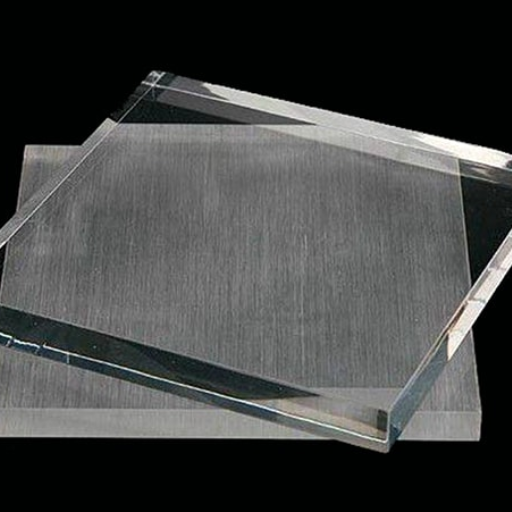
Acrylic sheets find practical application in varied industries because of their adaptability and durability:
Architecture and Construction: Suitable for windows, skylights, and decorative treatments while showcasing their strength and clarity.
Automotive: Perfect for headlights, windshields, and interior components because of their great resistance to impacts.
Retail and Advertising: Used for exhibits, signage, and displays at the counters as they are light and highly optically clear.
Healthcare: Generally used for medical devices and protective shields, having built-in hygienic properties and easy cleaning ability.
Aerospace: For use in aircraft windows and canopies for their strength and lightness.
This series explains the usefulness of acrylic sheets in various industries. Leading “what is transparent acrylic sheet” manufacturer in China.
Acrylic in Construction and Architecture
Due to its versatility, durability, and beauty, it has become the preferred factoring construction material. Acrylic is lighter and easier to carry and install in comparison to glass and holds up well against impact and weathering. In skylights, windows, and transparent roofing, acrylic sheets are used for this reason-high optical clarity and UV resistance ensure that it remains serviceable for a long time.
In recent years, the global market for acrylic sheets is expected to grow with a CAGR of 5.3% between 2020 and 2030. This growth is attributed to the high demand for energy-efficient materials and modern building designs. Acrylic is frequently chosen by architects and designers to construct innovative structures, such as curved facades and customized installations, given its ease of molding into any shape.
In addition, acrylic provides insulation, hence promoting green building and the reduction of energy consumption. Double-glazed acrylic panels, for one, have been considered to improve buildings’ thermal efficiency; yet, there is a wide variety of colors and finishes made available by acrylic for designers to work creatively while honoring practicality.
The usage of acrylic continues to flourish in contemporary applications, adhering to the sustainable agenda and venturing into innovative design.
Interior Design Applications
Versatile, durable, and aesthetically pleasing, acrylic has earned its place as a staple interior design material. Interior designers of today use acrylic furniture, wall panels, shelving, and decorative articles because it is light to carry around and come with innumerable finishes. For example, clear acrylic is like glass in looks but does not carry the shatter risk suitable for application in high-traffic areas or homes with children.
Greater awareness of trends suggests growing popularity with acrylic furniture and a growth in the market at 4.7% annually during the years 2023 and 2028, per industry reports. Designers create minimalist and contemporary spaces with acrylic and counterbalance the “cold” feel with natural elements such as wood and stone.
Moreover, because of developments in acrylic technology, coatings can offer UV protection and scratch resistance to use in residential interiors and commercial spaces. In this way, stylishly designed transparent display cases and partition walls are often selected for offices and retail outlets. The colored and textured acrylics have further set free the limits of creativity, truly furnishing the material to bow down to any style or thematic consideration.
Such increasing use of acrylic in interior design demonstrates its potential for innovation in addressing both practical needs and designing aspirations, continuing to push the boundaries of what is possible for modern interiors.
Utilization in Automotive and Signage
Versatility, durability, and aesthetic appeal have made acrylic the material of choice for the automotive and signage industries. Acrylic s considered the preferred material for light covers, dashboards, and interior trims for automobile manufacture as it is lighter and increases the fuel efficiency of the vehicle, and is weather and UV resistant, preventing degradation and permanence: The automotive acrylic market has been projected to grow at a 5.2% CAGR between 2023 and 2030, with rising demand for lightweight and green materials for automobile manufacturing.
The signage industry prizes acrylic for its great clarity and customizability. It diffuses light excellently, standing out as the sign choice for illuminated signs, including backlit displays and LED panels. Also, acrylic sheets can be fabricated, engraved, or printed with ease, enabling companies to produce eye-catching advertising that does well in a crowded area. Recent reports suggest that the acrylic sheets market globally, valued at around $5.5 billion in 2022 will witness exponential expansion under the increased demand for commercial signage in retail, advertising, and events. This is a washing machine for acrylics, which exposes the importance of acrylics in driving creativity and functionality in the two fields.
Benefits of Acrylic Compared to Other Materials
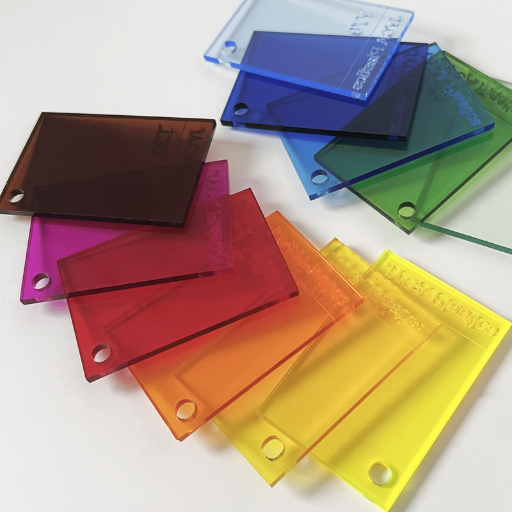
Lightweight and Durable
Acrylic is considerably lighter than glass but almost equal in strength. This allows for easier handling and considerably reduces transportation and installation expenditures.
High Transparency
Acrylic sheets provide the highest levels of clarity and transmission of light, usually exceeding glass in transparency and thus ideal for applications where sight visibility is of importance.
Impact Resistance
Acrylic is much more impact resistant than glass, which is the least risk for breakage and, in turn, provides a safety feature in high-traffic areas or vulnerable areas.
Weather Resistance
Acrylic, unlike some materials, does not yellow or degrade when exposed to ultraviolet rays or adverse weather conditions, ensuring long life for outdoor applications.
Easy Customization
Acrylic can be molded, cut, and shaped with ease into various forms, providing endless possibilities for creative and functional design.
Cost-Effectiveness of Acrylic Sheets
Acrylic sheets are the most economical option available for both commercial and residential applications because of their durability and versatility. Unlike glass, acrylic sheets require less energy to manufacture, and this makes for a smaller carbon footprint and less production cost. Presently, the average price of an acrylic sheet may change anywhere from two to ten dollars per square foot, based on thickness and quality, whereas glass may sometimes cost more than twelve dollars per square foot for similar applications.
The window for the longevity of acrylic broadens its strength in being cost-effective. Its resistance toward impacts comes with a true reduction of the replacement and repair costs, especially in such areas that are likely exposed to heavy incidences of breakage and how the weather influences it. For such industries as retail, automotive construction, acrylic sheets keep maintenance low regarding the ability to resist weather changes and dirt, as well as for weather resistance and dirt repellence. Furthermore, acrylic is a lightweight design that will lower shipping and installation costs compared to heavy, costly insulating materials such as glass.
Recycling innovations have improved the cost-effectiveness profile of acrylic. As a green and cheaper alternative that does not compromise on quality, recycled acrylic sheets are produced via bulk polymerization, thermal treatment, and other processes. Such developments have made acrylic the top choice in today’s market, since there has been an increasing need for cheaper, greener materials.
Strength and Versatility
Acrylic stands apart with this unique combination of strength and versatility, making it a must-have for many sectors. It is said that acrylic is about 17 times more impact resistant than glass and yet offers durability without the fragility of traditional papery materials. This, however, makes it capable of withstanding high levels of stress in varied applications, from protective barriers to outdoor signage.
One of the last cutting-edge developments in acrylic technology includes the application of advanced coatings that impart improved UV resistance, such that the products still maintain their clarity and color even when exposed to the sun over prolonged periods of time. Additionally, acrylic allows for thermal adaptability, meaning it is easy to mold into any shape one may desire without impairing the acrylic’s structural integrity factor which favors its acceptance for some custom design applications in furniture, automotive parts, and architectural uses.
The demand from construction, healthcare, and advertising continues to elevate, pushing the global acrylic sheet market to an estimated worth of $6.15 billion come 2030. Alexa’s lightweight weather-resistant acrylic gives competing materials a run for their money in terms of versatility material that works not just toward industry standards but toward actively redefining them.
Customization Options for Acrylic
In the present day, acrylic is one of the most versatile substances with almost endless customization opportunities catering to the distinct requirements of industries. Manufacturing technology developments have interestingly presented acrylic sheets that can be customized in thickness, color, texture, and finish. Transparent, translucent, or opaque, depending upon the application-frosted, mirrored, or high-gloss finish of these acrylic options are being used across industries.
Cut-to-size facilities ensure acrylic is cut and shaped for uses such as signage, display cases, and architectural purposes. In addition to this, laser cutting and engraving are used for creating complex designs, making acrylic an excellent choice for custom branding or artistic creation. Colored acrylic sheets are also customizable in more than 250 colors, including finishes like fluorescent and metallic, that make the colors pop.”
In response to environmental considerations, manufacturers have been prompted to provide recycled and recyclable acrylics to satisfy the escalating demand for green materials, as well as coating treatments like UV protection that protect the material from scratching, useful for outdoor or heavy-use applications. This particular attribute that offers customizability, along with durability and sustainability, will perpetuate the demand for acrylics in industries such as construction, automotive, and consumer goods, whose value is expected to rise to $6.15 billion by 2030 globally.
Choosing the Right Type of Acrylic Sheet
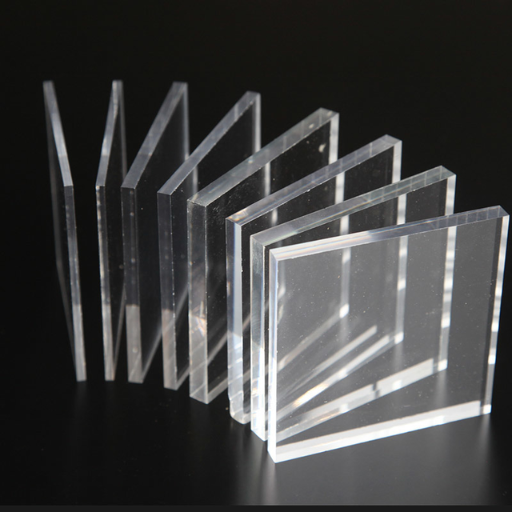
Select the appropriate type of acrylic sheet depending on the specific preferences of the project. Clear acrylic sheets are quite useful in general work and provide great transparency. In such conditions where durability or impact resistance is most paramount, then an impact-modified or polycarbonate alternative will do better. Use colored or textured acrylic sheets to add a touch of creativity and aesthetic appeal to the project. Consider also options with UV resistance for outdoor applications so that the job will hold up well against the sunlight. Strictly check thickness and sizing demand so that the materials can meet further requirements of structure and design.
Factors to Consider: Thickness and UV Resistance
When choosing between acrylic or polycarbonate, one must look into thickness and UV resistance to ensure that the material truly functions as intended.
Thickness, or gauge, is also crucial as it affects the structural integrity and application of the material. Thin sheets, such as those 1/16 inch (1.5 mm) thick, are lightweight and flexible and work well for lightweight applications, such as picture framing or small protective covers. However, these provide little resistance against high impact, and that is what we want with thick sheets, maybe 1/4 inch (6 mm) or more; hence, they are chosen for big structural projects that have to withstand impact or applications requiring such durability, like windows or signage. Choose a thickness that corresponds to the load and stress the material will undergo.
UV Resistance stands as another vital consideration; prolonged exposure to sunlight is bound to degrade a material if it is placed outside. Standard acrylics tend to yellow or become brittle, losing clarity from prolonged exposure to UV rays. On the contrary, UV-resistant types of acrylic or polycarbonate have additives in their formulation to protect them from sunlight-induced deterioration, greatly extending their lifespan. UV-resistant acrylic sheets, for example, are said by producers to last for about 10 years or more when used outdoors without showing any signs of discoloring or stress cracking.
It is thus crucial to strike a balance between thickness and UV resistance. For instance, a 1/8-inch (3 mm) UV-resistant acrylic sheet is a common choice for use in greenhouses and outdoor glazing where light transmission and protection from UV degradation are equally important. Product specifications and technical datasheets should be referred to always when selecting material or confirming its properties against the demands of workmanship.
Understanding Opacity: Clear, Translucent, and Opaque Options
The opacity of acrylic sheets is a critical consideration since it determines the interaction of light with them and directly influences both aesthetics and functionality. Each category-clear, translucent, and opaque-and serves a unique set of properties and applications.
Clear Acrylic Sheets: Clear sheets offer practically the greatest light transmission, usually more than 90%, hence making any application practically well suited as a glass substitute. Windows, aquaria, and showcases are the common uses for them, especially since they are clear and lightweight. UV-resistant types are available in the market for outdoor durability.
Translucent Acrylic Sheets: These sheets allow the passage of light that gets diffused and appears as a glowing light through which one cannot see. Transmitting around 50% to 80% of light, they are ideally suited for privacy screens, signage, and interior partitions. The frosted and tinted finishes of this class can improve aesthetics without impinging on functionality.
Opaque Acrylic Sheets: These sheets allow little to no transmission of light, with the usual range being 0% to 5%, for situations when complete privacy or blocking of light is desired. Designed for interior decoration, cabinetwork, and industrial applications where durability and color adaptations are a priority, they’ve remained in popular use.
The ability to have specialized coatings has also been introduced with developments in acrylic manufacturing; anti-glare, scratch resistance, and UV-filtration are a few examples. Deciding on the opacity level should depend on brightness requirements, privacy, and design extraction for your project. Technical reference of light transmission data is usually supplied by manufacturers for you to make an informed choice.
DIY Projects with Acrylic: Tips and Recommendations
Acrylic is versatile and will fit many DIY projects, ranging from furniture making to decorative displays. To ensure success, below are some tips and best practices:
Cutting Acrylic Sheets
Use the tools fit for this kind of material to cut and obtain clean and neat edges. These include tools such as a fine-toothed saw or laser cutter. For smaller cuts, one can score the acrylic with a utility knife and snap it along the line for sheets that go up to 1/4 inch. Be very safe, as acrylic can cause some very sharp shards while cutting.
Polishing Edges
After cutting, you may find that the edges are not very smooth or have some roughness. You can use sandpaper of several grit sorts, starting from coarse and then moving to finer consolations. Then, for an impeccable polished finish, finish by applying polishing compound with a soft cloth or use a buffing wheel to polish the edges to shine like glass.
Bonding Acrylic Pieces
The most effective way to join acrylic pieces, creating a strong, seamless weld, is to use acrylic adhesives or solvents such as Weld-On 4, or similar. Apply the adhesive with a syringe or an applicator bottle very carefully to avoid any spillover that might spoil the finish. Typically, depending on the product used, the bond will cure in a matter of 24 to 48 hours.
Heat Forming
Being thermoplastic, acrylic can be bent and molded when heat is applied. Using a heat gun or a special bending strip will soften the material. After it is softened, place the acrylic on a jig and hold until cool and hard, or freehand the bend and set it into shape. Ensure the even distribution of heat to prevent surface distortion, warping, or the creation of bubbles.
Cleaning and Maintenance
Avoid chemical cleaners or ammonia-based ones that can cloud or scratch your acrylic. Use a microfiber cloth with soapy water or an acrylic cleaner to maintain clarity and appearance.
Design Inspiration and Applications
Home Décor: Customized picture frames, wall panels, or tabletop organizers that introduce a contemporary spirit into interiors.
Lighting Displays: Combine LED lights with acrylic sheets for creatively lit signage or decorative accents. Frosted acrylic diffuses light evenly to an excellent degree, causing a soft glow to the respective sides.
Storage Solutions: Design transparent acrylic storage boxes for the most functional yet minimalistic approach toward organization.
Environmental Considerations
The modern manufacturers are raising a greener production of acrylic to lessen its impact on the environment. Besides, acrylic is commonly recycled across many regions; hence, off-cuts and unused pieces may be recycled after the completion of a project.
Acrylic, in the hands of a creative individual armed with brushstrokes of attention to proper technique, can transform into the most beautiful DIY project, working hard for him or herself, indeed, marrying durability with appeal. Always refer to the latest product lines and websites for new changes, which might increase your possibilities!
Reference Sources
- California Institute of Technology (Caltech): Working with Acrylic
An elaborate description of properties and various applications of transparent acrylic sheets, alongside conditions of weighing and cutting.
- Carnegie Mellon University (CMU): Acrylic Data Sheet
Clear acrylic sheets; their properties, joining methods to form strong transparent joints.
- Eastern Illinois University (EIU): Use of Acrylic Sheet in Combination with Other Plastics
The application of clear transparent acrylic sheets together with other plastics.
Frequently Asked Questions (FAQs)
What is a transparent acrylic sheet?
A transparent acrylic sheet is a type of plastic material made from polymethyl methacrylate (PMMA). It is known for its clarity, strength, and versatility, making it an excellent alternative to glass. Transparent acrylic sheets are often used in various applications, including signage, display cases, and DIY projects, due to their lightweight and impact-resistant properties.
What are the properties of acrylic sheets?
Acrylic sheets possess several desirable properties, including high optical clarity, UV resistance, and excellent light transmission. They are also known for their impact resistance, making them more durable than glass. Additionally, acrylic sheets can be easily cut and shaped, allowing for customization in various projects.
What types of acrylic sheets are available?
There are several types of acrylic sheets available, including clear acrylic sheets, colored acrylic sheets, frosted acrylic sheets, and mirrored acrylic sheets. Each type serves different purposes, such as enhancing aesthetics or providing specific light-diffusing properties for various applications.
How thick are transparent acrylic sheets?
Transparent acrylic sheets come in a range of thicknesses, typically from 1/16 inch to several inches thick. The thickness chosen often depends on the intended application, with thicker sheets providing greater impact resistance and durability for demanding environments.
Can acrylic sheets be used for outdoor applications?
Yes, acrylic sheets are suitable for both indoor and outdoor applications. Their UV resistance helps prevent yellowing and degradation when exposed to sunlight, making them ideal for outdoor signage, display cases, and protective barriers.
What is the difference between clear acrylic and opaque acrylic?
Clear acrylic sheets are transparent and allow light to pass through, while opaque acrylic sheets do not transmit light and provide privacy or a solid color appearance. Opaque acrylic is often used for applications where visibility is not required, such as in partitions or decorative elements.
How can I cut acrylic sheets for my DIY project?
Acrylic sheets can be easily cut using various tools, such as a laser cutter, utility knife, or saw designed for plastic. When cutting, it is essential to use the right techniques to avoid cracking or chipping the edges. Proper safety precautions should also be followed during the cutting process.
What is the impact resistance of acrylic compared to glass?
Acrylic is significantly more impact-resistant than glass, making it less likely to break or shatter on impact. This property makes acrylic an ideal choice for applications requiring durability, such as safety shields, display cases, and protective barriers in public spaces.
What is the advantage of using non-glare acrylic?
Non-glare acrylic sheets are designed to diffuse light, reducing reflections and glare that can hinder visibility. This makes them particularly useful in displays, picture frames, and signage where clarity and visibility are crucial, enhancing the viewing experience.