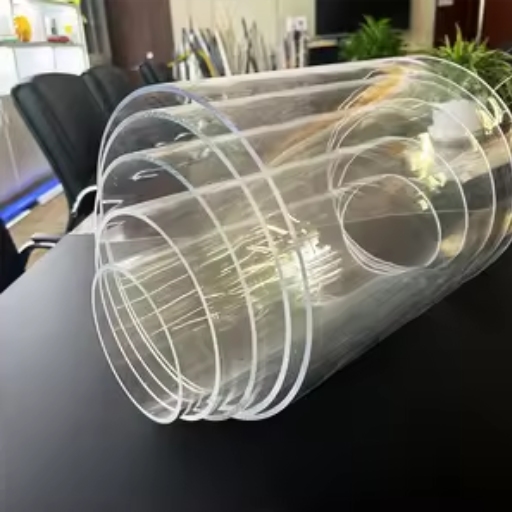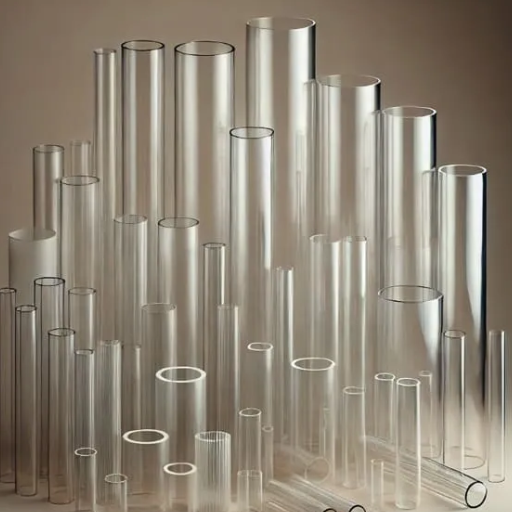

A clear perspex tube is a must-have in modern lighting and light transmission applications due to its highly versatile and efficient properties. The optical clarity of clear perspex tubes permits greater light dispersion and transmission, making them a popular choice among industry players ranging from architectural design to state-of-the-art engineering. These unique properties assist in developing specialized lighting solutions and technical accessories. To achieve incomparable results, architectural designs—whether aesthetic or functional—must incorporate an understanding of the potential offered by clear acrylic tubes.
Understanding Acrylic Tubes
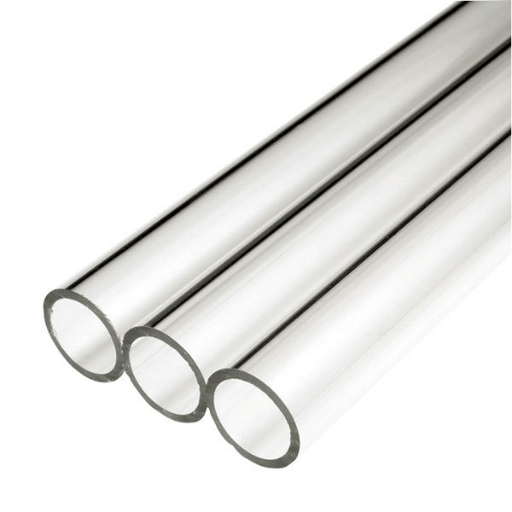
Transparent acrylic tubes are inexpensive, lightweight, durable, optically flawless, and strong, making them a superior choice for a variety of applications. They are resistant to impact, weather, and UV radiation, allowing them to withstand rugged environments both indoors and outdoors. The ease with which they can be machined facilitates cutting, bending, or joining operations without compromising structural integrity. Their numerous advantageous attributes make them indispensable in lighting, architectural, and manufacturing fields.
What is Acrylic?
Acrylic, or polymethyl methacrylate (PMMA), is a transparent thermoplastic featuring high strength, stiffness, and optical clarity. It serves as an easy-to-manage alternative to glass in several industrial and consumer applications. Acrylic is easily formed, sawn, and fabricated to meet various requirements in industries such as building, automotive, lighting, and signage. Moreover, its natural UV and environmental resistance ensures long-term performance in diverse conditions.
Types of Acrylic Tubes
Extruded Acrylic Tubes
A continuous extrusion process produces acrylic tubes with consistent wall thickness and competitive pricing. These are preferred where exactitude and uniformity are vital, such as in light fixtures, display cases, and point-of-sale materials. They provide excellent optical clarity for indoor and outdoor environments, though they offer slightly lower impact resistance compared to cast acrylic.
Cast Acrylic Tubes
Cast acrylic tubes are manufactured using direct casting or molding methods. These tubes offer superior chemical resistance, mechanical resilience, and optical clarity. They are the primary choice for applications requiring high clarity and structural toughness, such as aquariums, laboratory apparatus, and structural work. The lower internal stress in these tubes leads to better reliability during machining or in severe service conditions.
Properties of Clear Cast Acrylic
Clear cast acrylic possesses several properties that make it suitable for a variety of applications. It offers an excellent optical clarity rate, with light transmission reaching up to 92%. In terms of mechanical attributes, it shows high tensile strength and impact resistance, suggesting durability against stress. It is highly resistant to many acids, alkalis, and atmospheric effects, making it a strong contender for both indoor and outdoor use. Low water absorption and consistent dimensions are complemented by its ease of machining, ensuring exact engineering for any end-use application.
Light Transmission Characteristics

Light Transmission Rate of Clear Cast Acrylic
Clear cast acrylic penetrates the visible light spectrum with excellent transmittance of up to 92%, ranking it among the highest materials for regulatory clarity. This high transparency is mandatory for minimal distortion and top-end optical performance. Its UV stabilization precludes weathering over time from sunlight, maintaining clarity for extremely lengthy periods. These properties make clear cast acrylic exceptional for precision optical viewing in display cases, signage, or lenses.
High Light Transmission Explained
High light transmission in clear cast acrylic is attained due to superior material purity and a uniform molecular structure. This allows approximately 92% of visible light to pass through, surpassing glass in optical clarity. This is the recommended choice where accurate control of light is needed without compromising durability. Additionally, its transparency under different environmental conditions ensures reliable performance in illuminated displays and architectural applications.
Factors Affecting Light Transmission
Key determinants of light transmission include the material’s refractive index, surface finish, and thickness. A lower refractive index generally results in better light transmission and optical clarity. Furthermore, a smooth, polished surface decreases light scattering and reflection, increasing transmission efficiency. Thickness also plays a role; as it increases, the chances of light absorption and dispersion can affect the percentage of transmitted light. Optical properties may also change over time due to temperature fluctuations or UV exposure.
Comparison with Glass Tubes
| Feature | Acrylic Tubes | Glass Tubes |
|---|---|---|
| Light Transmission | Up to 92% (High Clarity) | Lower efficiency due to scattering |
| Weight | Lightweight and easy to handle | Significantly heavier |
| Durability | High impact resistance | Fragile and prone to shattering |
Glass tubes are used in various optical contexts but differ from advanced polymers in several ways. Glass often has lower transmission efficiency due to intrinsic scattering and reflection. It is also prone to thermal expansion and warpage under changing environmental conditions. While glass may be a cheaper manufacturing option in some cases, polymers like acrylic offer a superior degree of optical perfection, strength, and resistance against UV degradation.
Manufacturing Process of Acrylic Tubes
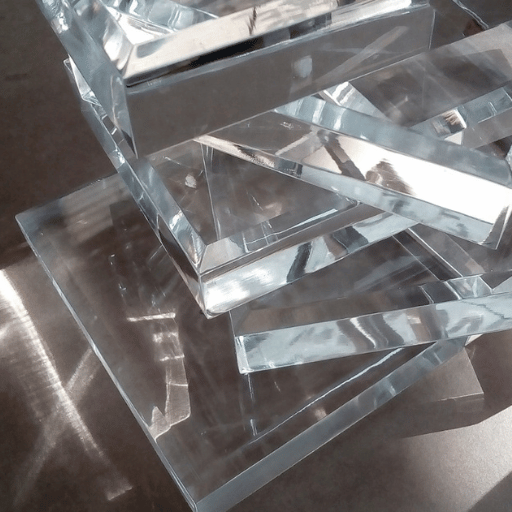
- Extrusion
Acrylic resin pellets are heated into a molten mass, shaped through a die, and cooled. This method is cost-effective and produces homogeneous wall thickness for standard sizes. - Casting
Liquid monomer and a catalyst are hand-cast into circular molds and cured by heat or UV light. This more involved process results in superior optical clarity and strength, ideal for high-tolerance applications.
Materials Used in Production
Polymethyl methacrylate (PMMA) resin is the primary material for high-quality acrylic tubes, valued for its optical properties and weather resistance. Various additives enhance specific characteristics such as coloration, UV resistance, and impact strength. Casting procedures utilize liquid monomers and curing agents, while extrusion typically uses PMMA pellets or granules. These materials are accurately chosen to ensure performance and operational longevity.
Extrusion Methods for Acrylic Tubes
The process begins with melting PMMA pellets in an extrusion machine heated to an optimum range of 400°F–482°F (204°C to 250°C). The melted polymer is cast into a cylindrical die and extruded as a one-piece tube. Calibration and cooling systems maintain dimensions and reliability, while exacting speeds and temperature gradients ensure the finished product meets strict quality standards.
Quality Standards in Acrylic Production
Manufacturing involves critical process specifications, including polymer purity and consistent molecular weight. Measuring extruded dimensional tolerances requires precision in the micrometer range, often utilizing laser measurement systems. Surface clarity and impact resistance are checked against standardized benchmarks like ASTM D4802. Following these guidelines ensures the end product conforms to industrial requirements for performance and security.
Key Benefits of High Light Transmission Acrylic Tubes
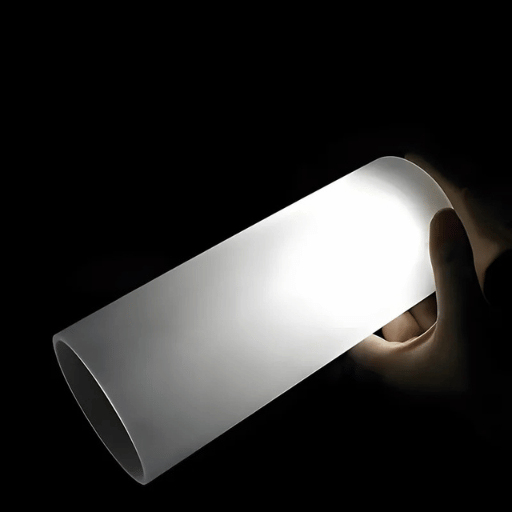
- ✓
Optical Clarity: Ideal for ceiling downlights, showcases, and moulded cabinets requiring visual exactness. - ✓
Durability: Tough against impact and weathering in diverse environmental conditions. - ✓
Lightweight: Considerably lighter than glass, making installation and handling more convenient. - ✓
UV Resistance: Specialized grades maintain clarity and aesthetics by resisting solar degradation. - ✓
Versatility: Adaptable to various shapes and sizes for medical, transport, and architectural fields.
Impact Resistance
Acrylic tubes demonstrate superior impact resistance compared to regular glass. While not as shatterproof as polycarbonate, they can withstand significant stress without fracturing, making them reliable for everyday mechanical pressure. This balance between strength and lightness makes them ideal for applications addressing both performance and aesthetics.
UV Stability and Chemical Resistance
Acrylic resists discoloration and degradation from direct sunlight, making it suitable for outdoor use. Additionally, it shows exceptional resistance to a wide range of chemicals, including dilute acids, alcohols, and hydrocarbons. However, certain materials like strong alkalis or organic solvents may interfere with structural integrity, which should be considered during material selection.
Efficient Light Diffusion
Efficient light diffusion is achieved by scattering light to prevent energy leakage. This involves microstructures or additives that break direct transmission to scatter light over a wider area. This technique is crucial for LED illumination and architectural design to deliver uniform light with minimum glare, all while upholding performance in various environmental conditions.
Applications of Acrylic Tubing
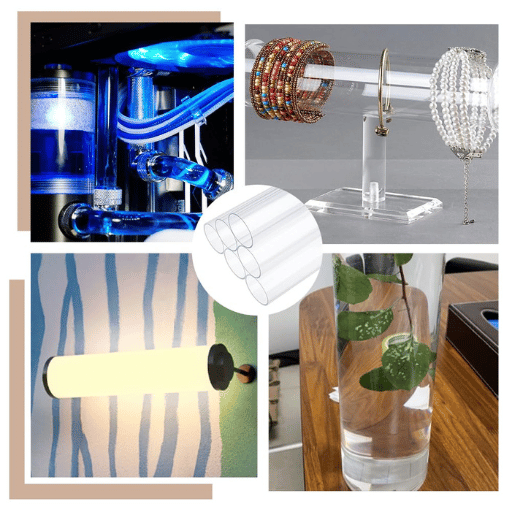
- 1
Lighting Fixtures
Used in LED diffusers and decorative lights for transparent transmission and diffusion properties. - 2
Medical Equipment
Found in lab metering, fluid transportation, and sterilizing enclosures due to chemical and heat resilience. - 3
Architectural and Interior Design
Adopted in furniture, display cases, and signage for bright, contemporary aesthetics. - 4
Automotive & Aquariums
Used for headlamp covers, interior panels, and transparent viewing panels in water features.
Lighting Solutions
Transparency, thinness, and internal diffusion keep acrylics at the forefront of lighting systems. They are standard in light fixtures, lens covers, and signage where durability is essential. Acrylic distributes light across surfaces ensuring high efficacy, making it the standard choice for energy-saving LED applications with striking visual appeal.
Display Systems
Display systems exploit acrylic to meet requirements for high performance and energy efficiency. Acrylic provides uniform light diffusion and visual clarity, allowing systems to effectively provide optimal lumens with low power draw. These systems are engineered to satisfy modern market demands for technological advancement.
Medical Devices and Equipment
Acrylic is vital for achieving precision and cleanliness in medical devices. Due to its optical clarity, low weight, and chemical resistance, it is preferred for diagnostic equipment, surgical instruments, and protective barriers. Its ability to withstand sterilization ensures conformity to stringent hygiene standards where correctness is fundamental.
Reference Sources
Turbo Plastics Blog: Discusses acrylic’s ability to pass 92% of visible light.
ACRYLITE® Information: Details on UV-blocking properties absorbing 99.7% of UV light.
Curbell Plastics: Analysis of superior optical properties in lighting applications.
Frequently Asked Questions (FAQs)
What is a high light transmission acrylic tube?
It is a tube designed to allow maximum light passage, with capacity up to 92%.
What are common applications?
Used in lighting fixtures, architectural designs, signage, displays, and scientific instruments.
Why prefer acrylic over glass?
It is lighter, tougher to break, and easier to form while maintaining perfect clarity.
Are they UV-resistant?
Yes, many are made to filter UV rays to avoid discoloration and degradation.
Can it be customized?
Absolutely; they can be sawn, bent, and thermoformed to fit specific design requirements.