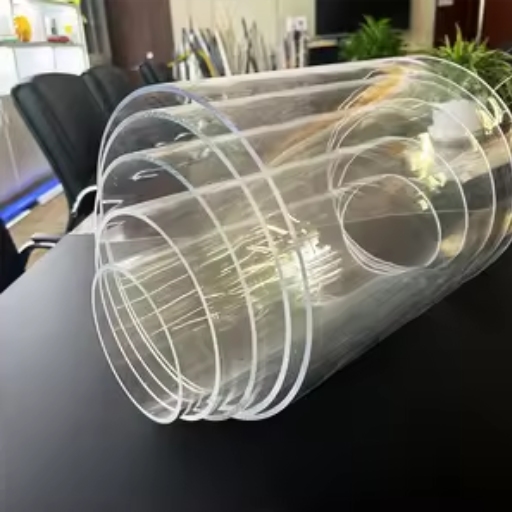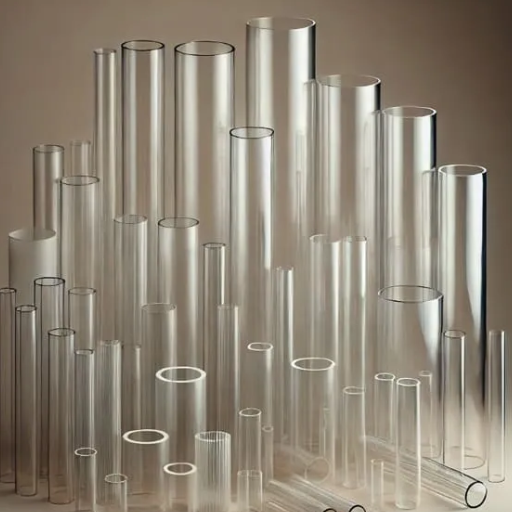

Plexiglass, due to its properties of durability, clarity, and versatility, has garnered significant attention from various industries. Construction projects, automotive applications, or even simple DIY initiatives at home; every sector thrives on it. But its thermal properties have long been the subject of curiosity. How does plexiglass respond when exposed to maximum heat? Does it actually melt? Or does it withstand elevated temperatures within the environment? Understanding the composition of acrylic sheets enables us to make informed decisions about their safe usage. This article, which follows, examines the thermal behavior of plexiglass, including its melting point, and provides reflections on its secure and practical applications. Whether professional in the art or an inquisitive DIYer, the book tries to illuminate some of the science surrounding this interesting material.
The Basics of Plexiglass and Acrylic

The introduction above describes Plexiglass, also known as acrylic, which is an alternative name for PMMA. Being lightweight and more protective from shattering compared to standard glass, it is transparent, and such hard materials are used where transparency and strength are required. Some examples include windows, counters, displays, and barriers for protection. Fabricating acrylic sheets is relatively easy; they can be cut and molded to suit various industrial and residential needs. Acrylics have excellent weather resistance, as they retain their clarity and structural integrity when exposed to sunlight and adverse weather conditions. Being non-toxic and recyclable is an added advantage, which makes this material practical and environmentally conscious.
What is Plexiglass, and how is it made?
Plexiglass is commonly referred to as acrylic glass, a type of acrylic plastic made from polymethyl methacrylate (PMMA) that is formed through a process of polymerization. This process involves heating a liquid mixture of methyl methacrylate (MMA) and a catalyst mixture in molds to create sheets or solid shapes. This method enables high optical clarity and customizable features that suit the application.
Properties of Acrylic: Strengths and Limitations
✓ Key Strengths
- High Optical Clarity: Glass alternative with excellent light transmission
- Impact Resistance: About 17 times greater than glass for extra safety
- Lightweight: Easy to carry and install, never compromising on the strength of a structure
- Weather Resistance: Works in varied weather conditions without compromising on performance
- Easy Fabrication: Can be sliced, sculpted, and ridden to serve any purpose
⚠ Limitations to Consider
- Scratch Susceptibility: More prone to scratching as compared to glass surfaces
- Temperature Sensitivity: May become brittle when exposed to extreme temperatures for a long time
- UV Degradation: Needs to be treated appropriately to avoid damage from UV light exposure
- Chemical Vulnerability: Strong solvents may cause damage to them
Knowing the properties of methacrylate will help in determining where it can and should be applied.
Types of Acrylic Sheets: Plexiglass, Lucite, and Perspex
Melting Point and Heat Resistance of Plexiglass

Understanding the Melting Point of Acrylic
Acrylic, generally recognized under the trade name Plexiglass, is a thermoplastic and has a melting behavior that is quite unusual for some materials. The term “melting point” is typically associated with a specific temperature for crystalline substances, but for acrylic, it is described as a transition from a rigid to a softer stage, known as the glass transition temperature (Tg). Acrylic usually has a glass transition temperature of about 100-110°C (212-230°F).
🌡️ Temperature Guidelines
Glass Transition Temperature (Tg): 100°C to 110°C (212°F to 230°F)
Softening Range: 320°F to 374°F (160°C to 190°C)
Ignition Temperature: 860°F to 900°F (460°C to 482°C)
Working above the Tg, acrylic is softened and consequently formed by thermoforming, making it adaptable for a wide range of industrial applications. Prolonged exposure to such a temperature or higher, however, can cause deformation and degradation of the material. It remains crucial that the working time and temperature limits recommended be maintained to preserve the structural and optical clarity of acrylic.
Factors That Affect Melting: Temperature and Duration
For the melting characteristic of a material, the function of temperature and duration acts as an input—the prolonged heating results in the degradation of the material’s structure. When close to the glass transition temperature (Tg), acrylic starts to deform. Once the temperature is at or beyond the Tg II level, enhanced molecular movement caused by heat leads to deformation and, in the long run, irreversible degradation over time.
⏱️ Critical Exposure Thresholds
Scientific facts indicate that heating acrylic above 176°F (80°C) for an extended period significantly increases the risk of the acrylic undergoing structural weakening.
Short-duration high-temperature exposure cases may also damage the acrylic. However, this exposure does not cause traceable damage as the material remains insufficiently long at a critical temperature to undergo adequate molecular changes.
This is exceptionally true for thermoforming-type industrial processes, where exposure duration is kept extremely short to ensure that the material never exceeds its heat tolerance limits for just enough time to accomplish the required shaping.
For maximum support and longevity, exposure time should be adjusted in relation to temperature. Exposure to a heat source must be measured, and the temperature can be monitored; in this way, accidental damage to the material can be averted, thereby conserving the mechanical properties of the material and maintaining its optical clarity during processing/application.
How to Melt Plexiglass Safely
To melt plexiglass safely, it is essential to follow a controlled procedure and use the right tools to ensure safety and obtain the desired results. Plexiglass, also known as acrylic, begins to soften at a temperature between 160°F and 190 °C (71-88 °C). Further heating beyond this temperature range results in the degradation of the material, accompanied by the release of harmful fumes.
🔧 Step-by-Step Safety Guide
- Ensure Proper Ventilation: Work in a well-ventilated area to prevent the buildup of harmful or potentially hazardous vapors.
- Select Appropriate Equipment: A heat gun or an oven with an excellent temperature control mechanism must be used to heat plexiglass evenly.
- Apply Gradual Heating: Gentle heating must be applied to prevent deformation or uneven softening of the material.
- Monitor Temperature Continuously: If heating in the oven, place the plexiglass on a heat-resistant sheet and keep a close watch on the process to prevent the thermoplastic from overheating accidentally. An infrared non-contact thermometer would be handy for monitoring temperature in real-time.
- Use Protective Equipment: Wear gloves while handling molten plexiglass to protect against burns, and in some cases, safety goggles may also be necessary to avoid eye hazards.
- Allow Proper Cooling: No direct contact with the heated material is allowed until it has completely cooled, as the material remains soft and usable for an extended period.
Following these steps, while keeping a constant eye on the temperature, ensures that the plexiglass is melted and reshaped very well, both in terms of safety and integrity.
Practical Applications of Plexiglass

Using Plexiglass in Construction and Design
Plexiglass, known as acrylic or polymethyl methacrylate (PMMA), has gained favor as a construction material for various design applications owing to its characteristics of hardness, transparency, and light weight. It has seen widespread use, particularly in architecture, where an interplay of aesthetics and functionality is required.
🏗️ Construction Applications
- Window Glazing Systems: Provides 17 times more impact resistance than conventional glass and is therefore used in schools and public buildings where high safety standards are enforced.
- UV Light Filtering: Maintain high optical clarity while filtering out UV rays that are harmful to human skin, ensuring long-term performance without significant discoloration or degradation.
- Thermal Insulation: Advanced coatings on plexiglass reduce heat transfer and enhance energy efficiency in modern building designs.
- Interior Design Elements: Used in sleek furniture, decorative panels, and partition walls with easy customization for colors and shapes.
Recent innovations in plexiglass manufacturing have opened further avenues for its application. With advancements in extrusion and coating technologies, newer generations of plexiglass can be fabricated to provide additional advantages, such as scratch resistance, anti-glare surfaces, and thermal insulation. These upgrades play a significant role in promoting energy-efficient building design by reducing heat dissipation and minimizing reliance on artificial cooling systems.
In interior design, the use of plexiglass is downright versatile. It is often used in crafting modern furniture, decorative panels, and partition walls. Designers love the adaptability it offers, making it easy to cut, shape, and color to fulfill a project’s specifications. Additionally, its recyclability nicely complements the growing emphasis on sustainability in building materials, making it an Eco-Responsible material for construction.
Common Uses in Art and DIY Projects
Plexiglass enjoys immense popularity in art and DIY culture due to its flexibility, clarity, and user-friendliness. Artists consider plexiglass a prime medium for painting, engraving, and sculpting, as the transparency of the medium, combined with a shiny finish, can enhance the visual perception of depth and luminosity in the finished work. Correspondingly, DIY enthusiasts often resort to plexiglass in the creation of custom furniture, protective barriers, photo frames, and decorative items, aiming to combine both durability and aesthetic appeal.
🎨 Artistic Applications
- Painting and engraving
- Sculptural works
- Mixed media installations
- Display art pieces
🔨 DIY Projects
- Custom furniture
- Protective barriers
- Photo frames
- Decorative items
🌱 Garden Structures
- Weather-resistant greenhouses
- Modern planter boxes
- Outdoor displays
- Garden partitions
With plexiglass being able to resist environmental pressure, recent home trends have been to use it for garden works, such as weather-proof greenhouses or contemporary planter boxes. Its ability to be processed with laser cutting and CNC machining actually permits the creator more freedom to craft the most intricate of precision-cut pieces with a minimum of effort, thereby expanding its use into a multitude of projects. According to industry reports, the plexiglass market is experiencing growth in creative fields due to its excellent lightweight properties and increased availability in various colors and finishes. Hence, whether for smaller craft projects or larger art commissions, it has become the material of choice for those seeking professional-quality results.
How Heat Resistance Affects Usage
The heat resistance properties of plexiglass are essential determinants of its wide applications in various industries. The thermal resistance value of plexiglass typically falls within a range of 160°F to 200°F (71°C to 93°C), depending on the particular type. This makes it suitable for environments where moderate heat exposure is expected, although it is not ideal in cases of high heat or rapid temperature changes.
⚠️ Important Heat Considerations
Thermal Resistance Limit: 160°F to 200°F (71°C to 93°C)
Suitable Applications: Skylights, protective barriers, architectural glazing with moderate heat exposure
Consequences of Overheating: Warping, discoloration, or structural compromise when exposed beyond recommended limits
For example, glass-plex can work wonders as the covering glass in architecture or for protective barricades, provided the temperature criteria are met. Indeed, with advances in materials technology, heat-stabilized plexiglass has been developed, exhibiting higher thermal tolerance and increasing its usage in industries such as automotive and aerospace for the most precise applications. However, if the stipulated temperature is exceeded, warping, discoloration, and structural compromise may occur, which are precisely the reasons why manufacturers have established thermal constraints that must be strictly adhered to. A user must carefully analyze the project to avoid any future issues related to the material’s resistance to heat under the expected use conditions.
Safety Considerations When Working with Plexiglass
Is Plexiglass Flammable? Understanding the Risks
Plexiglass, or acrylic or polymethyl methacrylate (PMMA), is classified as a combustible thermoplastic material. Although not highly flammable under normal circumstances, it does have the capacity to catch fire and burn when exposed to sufficient heat or an open flame. Its heat of ignition is about 860°F-900°F (460°C to 482°C), so this heat must be handled with caution.
🔥 Fire Safety Information
Fire Rating: HB under UL 94 (Burns with very slow rate when exposed to a horizontal flame)
Combustion Products: Heat, carbon dioxide, and possibly harmful substances such as carbon monoxide
Safety Measures: Ensure adequate ventilation in working areas; use proper fire extinguishing measures
Fire Retardant Options: Specially modified acrylic sheets are available that reduce the flammability of plexiglass and meet the desired higher flammability standards
When burned, Plexiglass produces heat and emits fumes, including carbon dioxide and other substances such as carbon monoxide, which can be injurious. It is, therefore, necessary to ventilate adequately and to use proper methods of suppression when working in areas where any risk of combustion exists.
Plexiglass should never be exposed directly to a flame or extremely high temperatures unless it has been specifically rated and treated for such applications. To minimize risks, fire-retardant acrylic sheets are offered that have been specially designed to exhibit decreased flammability and higher safety standards. Proper handling and installation techniques are necessary to reduce fire hazards associated with the use of this material.
Safe Handling Practices for Acrylic Sheets
To keep acrylic sheets operational throughout their lifetime, certain precautions must be taken during handling, as suggested by the industry. Store your acrylic sheets away from direct sunlight; otherwise, they may warp or discolor. Ensure it is adequately supported during storage. Sheet storage should be horizontal with flat, even surfaces that help to prevent deformation under its own weight.
✓ Best Practices Checklist
Storage Guidelines
- Store in a cool, dry environment away from direct sunlight
- Keep sheets horizontally with flat, even support to prevent deformation
- Maintain protective film on sheets during storage
Cutting and Fabrication
- Use sharp, high-quality tools designed specifically for plastics
- Keep protective film on sheets during cutting, drilling, or shaping processes
- Minimize stress on the material to reduce crack risks
- Use controlled heating methods for bending or forming to avoid weakening
Cleaning and Maintenance
- Use mild, non-abrasive soap and a soft, damp cloth
- Avoid harsh chemical cleaners or solvents that can damage surfaces
- Apply anti-static cleaner to manage dust attraction and maintain clarity
Workplace Safety
- Use personal protective equipment (PPE) including gloves, goggles, and dust masks
- Employ ventilation systems or dust extraction devices during machining
- Manage fine debris to minimize inhalation risks
Whenever acrylic sheets are cut, drilled, or shaped, use sharp, high-quality tools specifically designed for plastics. This will help minimize stress on the material and the occurrence of cracks. Keep the protective film on the sheets during these operations to prevent their surfaces from being scratched. If heat is used for bending or forming, controlled heating methods must be employed to avoid weakening of the sheet due to excessive or uneven heat, as well as bubbling and surface imperfections.
Protective Gear and Precautions
Avoid workplace accidents and maintain safety when handling acrylic materials by the proper use of PPE. Typical PPE may include safety gloves to prevent cuts or irritation, goggles to protect against foreign particles entering the eyes, and dust masks or respirators to avoid inhaling fine particles. One should choose gloves made from chemical-resistant materials, such as nitrile, when handling adhesives or cleaners associated with acrylic sheets.
Safety Gloves
Nitrile gloves for chemical resistance in handling adhesives or cleaners
Safety Goggles
Protect eyes from flying debris during cutting and machining
Respirators
Dust masks or respirators to minimize inhalation of fine particles
Hearing Protection
Necessary during machine operations like cutting or sanding
Additional care must be taken to secure sufficient ventilation or dust collection in subterranean areas. Research indicates that prolonged exposure to fine particulates may lead to irritation in the respiratory tract or even long-term health effects. OSHA standards require that air quality be maintained at permissible exposure limits (PELs) when working indoors. Additionally, during machine operations such as cutting or sanding, hearing protection may be necessary, as these activities can generate high levels of noise.
Machinists should receive training on the proper use of PPE, maintenance, and hazard recognition related to plexiglass machining. Sites must be inspected, and safe work practices followed. These will significantly mitigate risks and increase safety.
Alternatives to Plexiglass

Comparing Plexiglass with Polycarbonate
Other Plastic Materials: Pros and Cons
Environmental Impact of Plexiglass vs. Alternatives
Poly(PMMA), also known as Plexiglass, gained popularity for applications such as lens-making, signage, and protective barriers, among others, due to its mechanical properties, excellent transparency, and UV resistance. However, regarding the environment, one could be concerned about its presence due to its non-biodegradability and the energy-intensive production process, which releases chemicals into the atmosphere. The PMMA is petroleum-based; hence, it emits greenhouse gases in gaseous form not only during production but also at the end of its lifecycle when disposed of in a landfill or incinerated.
🌍 Sustainable Alternatives
Bio-based Plastics: Bio-based plastics can reduce the carbon footprint in production, but may pose an environmental threat when improperly disposed of and eventually break down into microplastics if not appropriately treated.
Sulapac: Offers true biodegradability but faces challenges due to limited applications and higher production costs.
⚠️ Critical Environmental Facts
Estimated plastic waste generation globally has surpassed 350 million metric tons in recent years
Less than 10% of plexiglass is recycled, making an urgent case for sustainable alternatives
Bioderived plastics and biodegradable materials, such as Sulapac, serve as alternatives to polycarbonate plastics, also known as Plexiglas. They are supposedly more sustainable but perhaps not without certain shortcomings. While these solutions alleviate some environmental concerns, production scalability and cost-effectiveness are issues that hinder their widespread adoption.
New data highlights the urgent need for more sustainable material innovation. It has become imperative to explore alternatives, considering the complete design of materials, including their sourcing, production, application, and disposal. Stakeholders and governmental agencies must weigh the energy footprint used in making these alternatives against their environmental impacts to claim true sustainability.
Frequently Asked Questions (FAQs)
Q: Does plexiglass melt at high temperatures?
A: Yes, plexiglass, which is a brand name for acrylic, can melt when exposed to high temperatures. The melting point of plexiglass is around 160°C (320°F). At this temperature, the material begins to soften and can lose its structural integrity.
Q: What happens when you heat clear acrylic with a heat gun?
A: When using a heat gun on clear acrylic, the material may soften as it approaches its melting point. Care should be taken not to exceed 160°C, as this can cause the clear plastic to become deformed or damaged.
Q: Can I use a heat gun to mold a piece of acrylic?
A: Yes, a heat gun can be used to mold a piece of acrylic. It is essential to heat the material evenly and monitor the temperature closely to prevent excessive melting.
Q: Is plexiglass resistant to scratching?
A: Plexiglass has moderate scratch resistance, but it may still get scratched under harsh conditions. Using a protective film or careful handling can help maintain the clarity and appearance of the acrylic surface.
Q: What are the chemical resistance properties of acrylic plastic?
A: Acrylic plastic has good chemical resistance against many acids and bases. However, exposure to certain solvents may cause the material to soften or degrade, so it is crucial to use solvent cements that are compatible with acrylic resins.
Q: How does exposure to sunlight affect plexiglass?
A: Exposure to sunlight can cause plexiglass to yellow over time. While plexiglass has good weather resistance, continuous UV exposure may lead to a decrease in clarity and overall performance.
Q: Can I use plexiglass as a glazing material?
A: Yes, plexiglass is often used as a glazing material due to its light transmittance and impact resistance. It is a popular choice for windows and displays, providing a clear and durable alternative to glass.
Q: What is the tensile strength of acrylic sheets?
A: Acrylic sheets have a high tensile strength, making them suitable for a variety of applications where durability is essential. The modulus of elasticity of plexiglass contributes to its strength and ability to withstand stress.
Q: Are there alternatives to plexiglass that are heat-resistant?
A: Yes, there are alternatives such as polycarbonate and Tuffak that offer higher heat resistance. These materials can withstand elevated temperatures better than standard plexiglass and may be more suitable for specific applications requiring heat tolerance.
Conclusion
To make informed decisions about the use of plexiglass, knowledge of its thermal properties, safety measures, and applications is necessary. Plexiglas melts at around 160°C (320°F) and softens at lower temperatures; however, with proper handling techniques and safety guidelines in place, it can be used effectively and safely in various industries.
Plexiglass exhibits numerous merits that have been utilized in construction and design for art, DIY projects, and more. Besides its many advantages, the user must, however, be aware of a few disadvantages, such as its susceptibility to heat and the risk of easy scratching.
Utilizing this guide to establish best practices, taking into account factors such as storage, heating with caution, the use of personal protective equipment, and the environmental impact, can maximize the use of the substance for buyers and DIYers while ensuring safety and sustainability are addressed.
Key Takeaways
Plexiglass softens at 100-110°C and melts around 160°C
17x stronger than glass with excellent optical clarity
Combustible at 860-900°F; proper ventilation is essential
Always use PPE and follow safety protocols when working