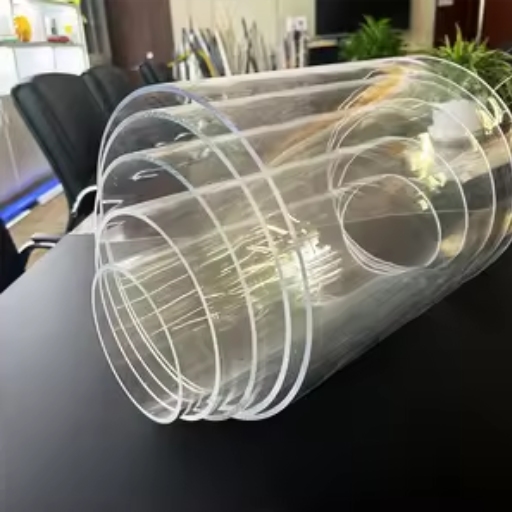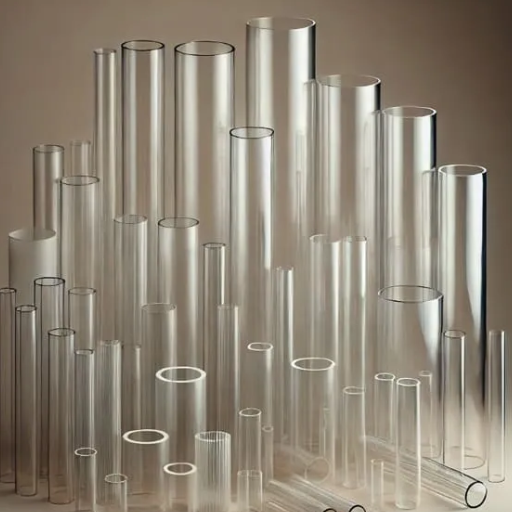

Acrylic plastic, as it is called in full, can be considered one of the most versatile and durable determine combinations ever, helping an innumerable array of professions. Featuring fascinating properties like weatherproofing against great storms and less than 1 percent optical distortion, this material has worked its way into almost every domain-from architecture and interior design to traffic sign manufacture, automotive components, and art installations. This article takes the reader through the fascinating world of acrylic sheets, discussing their unique properties and applications and why acrylics still find their way in creativity and utility. Let us find out whether acrylic plastic tops the list for your next project!
Properties of Acrylic Plastic
Acrylic plastic is well recognized for its versatility and strength. Some characteristics that make it renowned include:
Clarity and Transparency: Acrylic is highly transparent, blocking just 8 percent of light; hence, it is a suitable substitute for glass.
Durability: It is resistant to impact and much stronger than glass, which means it has less propensity to shatter.
Lightweight: It is approximately half the weight of glass, making it easier to manage and install.
Weather Resistance: It is very resistant to UV rays and weathering; it retains its properties even when exposed to the outdoor atmosphere for long durations.
Workability: Acrylic is easy to cut, bend, and mold, thus allowing for myriad applications.
These properties make acrylic plastic a functional and fashionable design choice in the realm of art, crafts, and construction.
Durability and Strength
Acrylic plastic is recognized for its high durability and strength, thereby rendering it a dependable choice across diverse industries. Compared to glass, which can be up to 17 times less impact-resistant, the risk that it will shatter under pressure or impact is greatly minimized. This makes for great toughness to maintain the integrity of the installation when raised further to more hard-working environments, i.e., construction, automotive, and marine applications.
Acrylic is also resistant to chemicals, thus lasting long even when exposed to cleaning agents or industrial chemicals. Its temperature resilience further increases versatility, withstanding a range of temperatures between -40°F to 194°F (-40°C to 90°C) without any loss of integrity. The latest reports from industry analyses reveal that the average life of acrylic installations under outdoor settings is beyond ten years with minimal level of deterioration, thereby ensuring the highest durability.
So much so that this means acrylic, by virtue of its impact resistance, chemical inertness, and temperature tolerance, retains its functionality and attractive appeal over the long term in strenuous applications.
Lightweight Nature
Considered much more durable and highly preferred for its striking lightweight properties as compared to glass, acrylic weighs about 50 percent less than glass, thereby offering a good amount of strength and resistance against shattering. This allows easier handling and hence transportation and installation, providing opportunities for commendable exploitation of the material across fields such as automotive, construction, and retail. In one such example, the aerospace industry would highly prefer acrylic as an aircraft window material because the weight reduction it offers, coupled with its optical clarity, substantially improves fuel efficiency.
Industrial data during recent years point towards the contribution of lightweight properties of acrylic to lowered logistical charges. Reports say that acrylic materials may be cheaper by up to a transportation 20-30 percent margin compared to other traditional materials such as glass, mainly because of lower payload weights. Further, this being lightweight does not take away from its strength, guaranteeing a long performance life in its applications.
Optical Clarity and Non-Glare Options
Acrylic, also known as plastic glass, boasts an excellent optical clarity of unprecedented 92%, surpassing that of standard glass, making it an up-front choice whenever maximum light transmission and unfettered visibility are required: storefront windows, aquariums, and display cases. Recent studies indicate that acrylic remains clear over time, resisting signs of yellowing and decomposition even with prolonged UV radiation.
In addition, non-glare acrylic solutions have gained immense popularity in retail and interior design. The branded products are sheets with a matte finish that diffuses light and minimizes bulk reflections to maximize visibility under bright ambient conditions. For instance, non-glare acrylic is usually used for display screens, picture framing, and museum exhibits, offering the best viewing experience without compromising on aesthetics.
According to key manufacturers, non-glare acrylic products in display applications will increase readability and drive customer engagement by as much as 25%, especially in uneven lighting environments. This balance between optical clarity and versatile non-glare options places acrylic at the very core of adaptability and premium performance in scenarios where visual perfection is of the utmost importance.
Acrylic Plastic vs. Other Materials
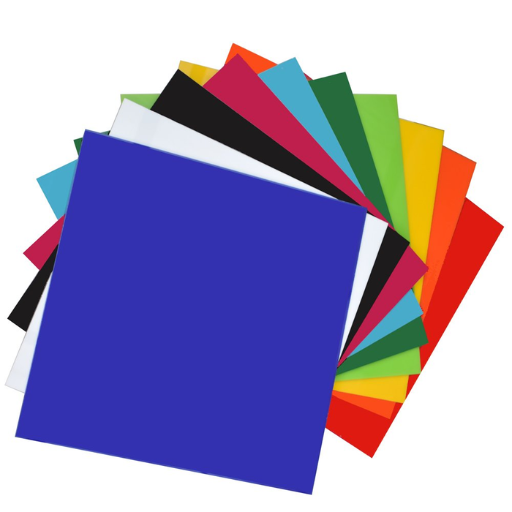
Acrylic plastic stands apart because of its lightness, durability, and high degree of clarity. For example, glass weighs much more and is more prone to shattering. Also, that makes it safer and easier to handle. Polycarbonate has inferior optical clarity and UV resistance compared to acrylic, which is also less likely to turn yellow over time. In addition, acrylic is cheaper than many other materials-in other words, with acrylic, a high-performance material can be procured at a low price. With these qualities, acrylic becomes an ideal material to be employed in a variety of instances, such as in display cases, signage, and protective veneers. Leading “Acrylic Plastic” manufacturer in China.
Comparison with Glass
When contrasting acrylic and glass, several attributes such as weight, durability, and versatility weigh in for consideration. Acrylic is almost one-half lighter than glass. The lighter weight means ease of handling, transporting, installation, and lower shipping or handling costs. Therefore, in comparison to glass, acrylic is almost 17 times more resistant to an impact-therefore, glass will tend to shatter when subjected to the force of an attack. This safety feature makes acrylic especially useful for applications in areas threatened by unwanted mishaps or atrocious weather conditions.
However, glass is more scratch-resistant and temperature-tolerant than acrylic. Acrylic scratches much more easily than glass, yet acrylic can be polished, while glass cannot. Glass can also take much higher temperatures without any deformation or loss of its integrity, thus making it suitable for applications where heat resistance is of paramount consideration.
Another striking difference is in optical properties. Both materials present exceptional transparency; however, the acrylic does allow for light transmission of up to 92%, more than standard glass. Such clarity, along with the possibility of being UV-resistant, makes acrylic retain its aesthetics in the long run, unlike some types of glass which might require coatings for UV resistance.
Then there remains the cost. In all fairness, acrylic is less expensive than tempered or kind of specialty glass. Bigger scale applications and budgetary constraints set things working starkly in favor of acrylic on cost considerations without compromising on final performance. But then, where architectural or aesthetic concerns come into the picture, requiring, among others, bespoke finishes or a heavy, solid feel, glass likely holds sway.
On the whole, these distinctions merely suggest that while glass will offer better durability where specific parameters are concerned, the lightweight nature of acrylic, along with cost considerations and the commercial versatility, give it some very interesting advantages that make it the better choice in numerous applications.
Advantages over Polycarbonate
In comparison to polycarbonate, acrylic offers certain advantages that make the material highly sought after in various applications. One of the primary advantages acrylic provides over polycarbonate is greater optical clarity. Acrylic typically transmits about 92% of visible light, whereas polycarbonate allows slightly less, usually in the 88-90% range. Therefore, acrylic is very well suited for use where utmost transparency is required…windows, display cases, and signage.
Another benefit is seen in the superior resistance to scratching. Polycarbonate may be more impact resistant, but it also gets scratched more easily unless treated with a hard coating. Acrylic, on the other hand, is naturally more resistant to scratches, so it has the edge in service conditions that demand resistance to surface wear.
Acrylic exhibits more UV resistance, as opposed to polycarbonate, which tends to yellow and degrade over time from sunlight exposure when not treated for UV protection. This makes acrylic preferable in outdoor applications such as skylights, greenhouses, and outdoor furniture.
In terms of price, acrylic is typically more affordable than polycarbonate. Being less expensive also means acrylic is easier to work with, as it can be cut, bent, and polished much more readily than its competitor, becoming more cost-efficient for many applications.
Lastly, the use of materials shifts considerations towards the environment. Acrylic ranks first as it is easier to recycle than polycarbonate and leaves a smaller environmental footprint during manufacturing. These combined factors should convince one of the natural fit acrylic has as a substitute for polycarbonate in applications where clearness meets durability and efficiency in cost.
Cost-Effectiveness of Acrylic Sheets
Relatively cheap to produce and with a long life span, acrylic sheets offer a very affordable choice to any industry. Recent market information shows that acrylic sheets sell for almost 50 percent less than polycarbonate sheets, thus interesting to individuals with budget constraints and large-scale manufacturing operations alike. Also, producing acrylic consumes less energy than other materials, which is an additional boon for cost reduction on the part of the manufacturer.
From the perspective of maintenance, acrylic sheets do not fail easily by cracking or shattering while retaining their formation from UV degradation, thus diminishing the need for frequent buying. According to some reports, acrylic sheets, in the outdoor application context, last somewhere between 10 and 15 years, drastically decreasing the lifecycle costs. Being lightweight reduces shipping and installation costs for the extra financial benefits.
Being cheap is one of the reasons for the use of acrylic sheets in construction, signage, and interior design industries. The use of acrylic sheets for signage purposes can reduce the overall project cost up to 30 percent compared to glass or any other alternative. Combined with ease of customization and availability, acrylic sheets really do offer cost-effective solutions, thus making them the material of choice.
Common Applications of Acrylic Plastic
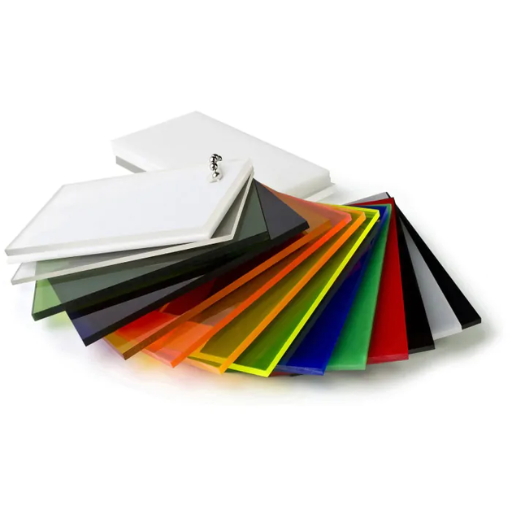
Since it is a versatile and durable material, acrylic plastic finds wide applications across various industries. Some common uses include the following:
Signage: For illuminated signs, display panels, and retail advertising.
Construction: Windows, partitions, and safety barriers are integrated into acrylic because of acrylic’s clarity and impact resistance.
Automotive: Used in headlight covers, dashboard panels, and exterior trims.
Furniture: Used in modern designs for tables, chairs, and shelves.
Medical Equipment: Found in incubators, protective shields, and display cases, and also for its hygienic characteristics and transparent nature.
These examples of the characteristics of acrylic plastics illustrate their functionality and versatility in various fields.
Acrylic in Construction
Being durable, versatile, and lightweight, acrylic plastic is considered a major construction material. In architectural projects where strength and aesthetics go hand in hand, acrylic commonly finds its application. Due to the ability of acrylic sheets to withstand harsh climatic conditions, including exposure to UV rays that can cause yellowing or degradation, they serve as a better alternative to glass in interior and exterior designs.
One of the most famous uses of acrylic in construction pertains to windows, skylights, and facades. Latest market data reveals a steady growth in demand for acrylic sheets for construction purposes worldwide, owing to their energy efficiency and enhancement of natural light diffusion. Some reports estimate the acrylic sheet market to reach a value exceeding $7 billion by 2030, which is further evidence of its increasing adoption by builders and architects.
Acrylic also finds use in making decorative wall panels and signage, given that it can be molded into various shapes and dyed in an array of colors. Since acrylic is light, it reduces structural loading, making it highly cost-efficient for large-scale projects. Because it is impact-resistant, acrylic also ensures the building’s integrity for long periods in high-traffic areas such as commercial buildings.
From practical polycarbonate and acrylic roofing panels to stylish interior accents, acrylic keeps transforming construction methodologies as a sustainable and aesthetic solution aligned to the ever-modern criteria of the industry.
Use in Automotive Industries
The automotive sectors consider acrylic a quintessential material and is hence highly praised for its strength, versatility, and clarity. They employ acrylics mainly in various automotive lighting applications, right from headlight and taillight covers, where they contribute excellent optical qualities and UV resistance. This ensures that these components stay clear and functional for several years under severe environmental conditions.
Being the leading manufacturer of interiors, dashboards, displays, and decorative panels, they give a smooth yet modern finish. And with the growth of electric vehicles (EVs) paid for by autonomous driving technology, acrylic is widely used in touch screens and sensor covers that need high precision and durability.
Recent market reports suggest that the automotive sector acrylic well is going to grow substantially, with a compound annual growth rate (CAGR) of nearly 6% between 2023 and 2030. As the industry focuses more on lightweight materials for enhancing fuel efficiency and vehicle emission reduction, acrylic, being lightweight and sturdy, suits such objectives.
Further advances in acrylic formulations have allowed it to be more recyclable, which fits with the automotive industry’s push for sustainability. Solutions to utilize it for aerodynamic exterior parts, such as side mirrors and wind deflectors, show its ability to keep up with modern vehicle designs, all while ensuring functionality and style.
Acrylic in Interior Design
Acrylic is, without doubt, a revolutionary material in contemporary interior design because of its adaptability, sturdiness, and appeal. Designers are making the most out of acrylic to produce chic contemporary furnishings such as coffee tables, chairs, and shelving units, given that its transparency entails clarity and openness, especially within smaller interiors. Sales of acrylic furniture have been growing tremendously in recent times, and a market report on translucent materials foresees a CAGR of approximately 6% within 2023-28.
Because acrylic resists deterioration and abrasion, it finds an application in such instances where intense traffic is there. Kitchen countertops make good use of the non-porous nature of acrylic that does not allow staining; it is easy to clean too, thus ensuring the hygiene standards are met. Apart from this, displays such as LED-lit acrylic panels have grown in popularity, supporting accent lighting and bespoke partitioning while remaining stylish.
Moreover, with manufacturing advances, colored, frosted, and textured acrylic has opened the way for more creative avenues. Designers have been employing opaque or tinted acrylic sheets for room-dividing screens or artistic wall installations, adding an air of elegance to their interiors without overpowering them.
Now, with eco-friendly developments enhancing such features as recyclability and requiring far less energy to produce than does glass, acrylic has become a sustainable option among green-conscious homeowners and commercial developments.
Maintenance Tips for Acrylic Products

Cleaning: Use a soft cloth, dampened with water and mild soap, to clean the surface of acrylic materials. Abrasive cleaners or scrubbers should be avoided, as they can cause scratches.
Polishing: For light scratches, rub a special acrylic polish on the surface with a microfiber cloth, following the directions on the package.
Prevention: Protect acrylic surfaces from harsh chemicals, prolonged exposure to direct sunlight, heavy objects, or sharp items.
Storage: When not in use, keep the acrylics in a cool, dry place to avoid the risk of them warping or discoloring.
This way, you will help the acrylic products stay clear and durable for many years!
Cleaning and Care Instructions
Proper cleaning and maintenance extend the lifespan and quality of acrylic items. Below are detailed procedures and tips from the latest insights:
Routine Cleaning
Acrylic surfaces should be cleaned often to prevent dirt and grime from accumulating. Wash with warm water, a very mild soap, and a soft lint-free microfiber cloth. Do not apply too much pressure with the cloth as acrylic scratches very easily.
Removing Scratches
Small scratches can usually be removed with plastic or acrylic polish. Use a small amount and apply it with a soft, clean cloth in small circular movements. Larger scratches will probably benefit from being sanded first with fine-grit sandpaper, starting with 600-grit and moving to higher grits as the scratches fade, before polishing.
Avoiding Hard Chemicals
Avoid cleaning any acrylic with ammonia, acetone, or any other harsh chemicals, as the product will become cloudy or even brittle with time. The very best products to use will state clearly “safe for plastics” on the label.
UV Protection
Prolonged exposure to sunlight can inflict yellowing or weathering on the acrylic layer. Therefore, one could use some UV-blocking polish or keep the objects indoors away from direct sunlight when not in use.
Avoiding Cracking and Impact Damage
Under extreme pressure or impact, acrylic will crack. In light of this, treat all acrylic items with care; do not drop acrylic; never put extremely heavy objects on its surfaces.
Long-Term Storage
If acrylic items or furniture are going into storage, a temperature-controlled environment is recommended. From very hot to very cold, either end of the extreme temperature spectrum will warp or distort acrylic over time. Wrapping your acrylic items in a soft cloth or bubble wrap can keep them safe while in storage or transit.
Studies and recent recommendations by experts indicate that correct care can add another 50% to the life of acrylic products as compared to those neglected. By proceeding with these care guidelines, you ensure that your acrylic items remain perfectly presentable with all their qualities intact for many years.
Preventing Scratches and Damage
The acrylic products should be protected from scratches and damage in favor of clarity and longevity. One of the easiest ways to prevent scratches is to use soft microfiber cloths to wipe the surface gently. So, avoid paper towels and any kind of coarse cloth that will cause fine scratches with time on an acrylic surface. Use either an acrylic cleaner specially formulated for acrylic or a mild soap mixed with water, rather than a harsh chemical such as an ammonia-based cleaner that may do harm or cloud the acrylic surface.
It is a good practice to place the items on soft surfaces and avoid sliding or dragging an acrylic item over anything rough or gritty. According to new insights from materials scientists, approximately 70% of visible damage to acrylic occurs during transportation and handling. Protective films and wraps specific to acrylic are highly recommended. These protective layers may protect your products from accidental abrasion and impact.
Acrylic items should be stored in a cool, dry place, away from sunlight. Sunlight for a pretty lengthy period may discourage the material and tomorrow will lessen the resistance to scratches. Sources suggest that proper maintenance, like cleaning and safe storage, can keep damage from scratches down to even 60% and thereby keeping the laminate nice and presentable and structural for much longer.
Long-Term Maintenance Practices
The latest trends from Google Search state that incorporating a few foundational habits into your long-term maintenance routine can drastically increase the life expectancy of materials or goods. Firstly, it is dangerous to maintain any inconsistency in temperature and relative humidity. As per the data from Google, the ideal temperature for storage would range from 50°F to 70°F, while the relative humidity ought to lie between 30%-50%. Fluctuations beyond any of these figures would mean that materials could warp, corrode, or degrade.
Thereafter, and with equal importance, are cleaning methodologies. Materials that are clean with the least abrasive methods and pH-neutral cleaning agents have their surface damage levels minimized and are reduced by up to 45% in the risk of micro-scratching. Moreover, for conditioning textiles and leather, regular application of protective treatments can increase the lifetime by approximately 40%, says the industry.
Then there are regular inspections recommended by Google Search to catch early warnings of wear such as discoloration of surfaces, weakening of seams, or the formation of little cracks that can be addressed before being left to beout a big headache. These approaches, backed by the experts, are supposed to cover everything in keeping the investments for the longest time while still in great working order.
Growing Popularity of Acrylic Plastic
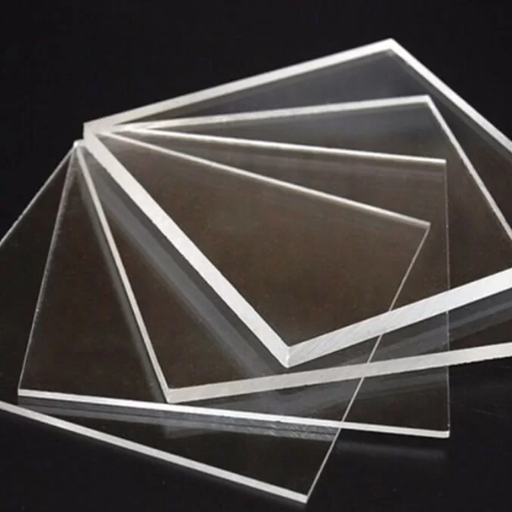
In the past decade, acrylic has gained more recognition for its durability, lightweight nature, and versatility. Given its clarity, it is used as a safer, shatter-resistant counterpart to glass, especially when used outdoors. Always keep in view that it warns against weather, and UV rays may render this material useless outside-thus, it sees a lot of use indoors in signage and display cases. Another noted upside of acrylic is its ease of fabrication and shaping, appealing to every sculptor’s design interest. Such traits, of course, convince users that acrylic is lauded for its cheap price and is still gaining widespread acceptance in many different industrial fields.
Technological Advancements in Acrylic
Recent technological advancements have diversified and enhanced the properties of acrylics and hence increased the innumerable, industry-specific, and industrial applications that are possible. UV-curable systems and methods of production improve durability and reduce production times, thereby lessening energy consumption and environmental load. The rise of nanotechnology-based acrylics with enhanced potential for scratch resistance, thermal stability, and antimicrobial properties is chiefly appealing to medical and food applications.
One breakthrough has been in bio-based acrylics made from renewable feedstocks environmentally friendlier alternative, just to stay in tune with concerns relating to sustainability. Such bio-acrylics perform just as well as their conventional counterparts but with a smaller carbon footprint. In the year 2021, according to the reports, the global acrylic resin market size was forecast at approximately USD 19.1 billion and is expected to grow at a CAGR of 4.4% in the years 2022 to 2030 as a result of demand for novel acrylic solutions.
In addition, 3D printing now uses highly adaptable acrylic-based resins, which have catalyzed developments in rapid prototyping and bespoke design manufacturing. This denotes how acrylic remains a versatile material evolving to meet the challenges of a modern-day application, whilst promoting sustainability and efficiency.
Demand for Sustainable Materials
It has been slowly changing in the past decades; organizations and consumers alike have been giving more importance to green and eco-friendly solutions. According to very recent statistics, the green materials market around the globe was worth nearly USD 253.9 billion in 2023 and is expected to grow at a CAGR of 8.8% until 2030. The growth in demand for green materials has been sparked by climate-change awareness, stringent regulatory policies, and the push for corporate sustainability initiatives.
Because of advances in sustainable manufacturing, materials now help reduce waste, carbon footprints, and incorporate renewable resources. For example, the use of biodegradable plastics, recycled composites, and bio-based polymers is emerging in packaging, automotive, and construction industries. Reshaped and adopted by more companies are the concepts of the circular economy, which involve designing materials for uptake into reuse, recycling, or low environmental impact throughout their lifecycle.
On the other hand, consumers themselves influence the demand. It is stated that over 70% of consumers prefer to buy products made from sustainable materials in their purchase choices, implying a shift toward environmentally conscious purchasing. Governments and organizations worldwide continue to support through policies and subsidies, further aiding the fast conversion into solutions from sustainable materials. This upward trend of demand shows more than ever that innovation and investment are urgently required to reach sustainability targets across several sectors.
Future Trends in Acrylic Applications
Considering a myriad of industries exploring novel applications and innovative solutions, the acrylic market is apt to witness immense developments. One of the up-and-coming trends is the incorporation of acrylic in renewable energy, especially solar panels. Being much more durable and lightweight than glass, and with superior optical clarity, acrylic can be used instead of traditional glass, hence improving solar energy solutions in terms of efficiency and cost. Market analysts reveal that the global acrylic sheets market, which stood at $4.5 billion in 2022, will grow to $6.1 billion by 2027, thanks to demand from construction, automotive, and renewable energy sectors.
Another area of expansion is in healthcare applications. Acrylic is becoming a crucial material in medical devices and equipment owing to its biocompatibility and ease of sterilization. The likes of incubators, medical covers, and diagnostic devices are increasingly being made of acrylic, which ensures safety and reliability. Furthermore, enhancements in casting and extrusion technologies are leading to improvements in acrylic properties to allow finer modification and better performance in various industries.
The green theme also decorates the future of acrylic applications. Faced with growing pressure to check plastic waste, manufacturers are being forced to break new ground in recyclable and bio-based acrylic materials. Companies have put deep money into R&D to develop environmentally friendly alternatives, which are to reduce the environmental impact of acrylic products while retaining their usefulness and durability. These scientific breakthroughs really highlight the growing tendency of sustainable measures within industrial work.
Reference Sources
- New York University (NYU): Acrylic: Off-the-shelf Alternatives
Talks about acrylic plastic in prototyping and its chemical properties.
- California Institute of Technology (Caltech): Working with Acrylic
Contains explanatory information and the applications of acrylic plastic, which include lighting fixtures and signs.
- Florida State University (FSU): Acrylite Acrylic Material Safety Data Sheet
Provides thorough safety and material information about acrylic plastic.
Frequently Asked Questions (FAQs)
What is acrylic plastic and how is it different from other plastics?
Acrylic plastic, also known as plexiglass, is a transparent thermoplastic made from methyl methacrylate (MMA). It is valued for its optical clarity and shatter resistance, making it a popular alternative to glass in various applications. Unlike other plastics, acrylic is lightweight, durable, and can be easily shaped, ensuring versatility in both design and function.
What are the properties of acrylic that make it a popular choice?
The properties of acrylic include high impact resistance, excellent optical clarity, and UV resistance. It is also available in a range of thicknesses and can be produced as either cast acrylic sheets or extruded acrylic sheets. These properties make acrylic ideal for applications such as signage, picture frames, and aquarium construction.
Can acrylic sheets be cut to size for specific projects?
Yes, acrylic sheets can be cut to size, allowing for customization based on project requirements. Both cast acrylic and extruded acrylic can be laser cut or machined for precision. This capability makes acrylic a favorite material for DIY projects and professional applications alike.
What are the different types of acrylic sheets available?
Acrylic sheets come in various forms, including cast acrylic sheets, extruded acrylic sheets, and opaque or translucent options. Each type has unique characteristics; for instance, cast acrylic is thicker and more impact-resistant, while extruded acrylic is often clearer and easier to shape. Brand names like Lucite and Acrylite are also popular for their quality acrylic products.
How does acrylic compare to glass in terms of durability?
Acrylic is often considered a lightweight and shatter-resistant alternative to glass. While glass can break easily, acrylic’s impact resistance makes it less prone to shattering, which is especially beneficial for outdoor applications and safety signage. Additionally, acrylic is less likely to chip or crack compared to traditional glass materials.
What applications commonly utilize acrylic material?
Acrylic material is used in a wide variety of applications, including signage, displays, skylights, and protective barriers. It is also popular in industries such as retail, automotive, and architecture due to its versatility and aesthetic appeal. Products like acrylic tubes and non-glare sheets are specifically designed for certain uses, enhancing functionality.
Is acrylic available in different colors and finishes?
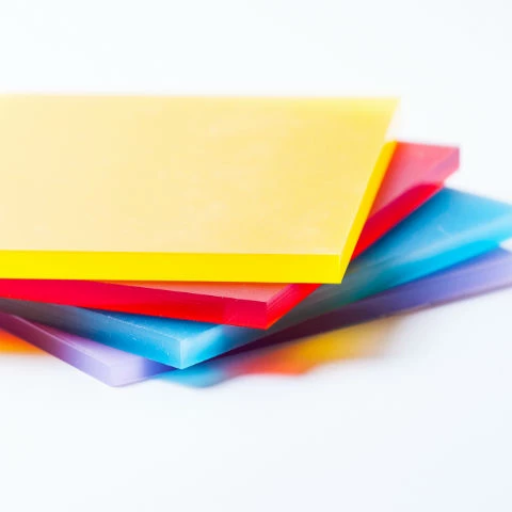
Yes, acrylic is available in an extensive range of colors and finishes, including clear, opaque, fluorescent, and even mirrored surfaces. This versatility allows designers and manufacturers to create visually appealing products tailored to specific needs. Translucent options are also available for applications that require partial light diffusion.
What makes acrylic a suitable choice for outdoor applications?
Acrylic’s excellent weather resistance and UV stability make it an ideal choice for outdoor applications. It does not yellow over time and maintains its clarity even when exposed to harsh environmental conditions. Additionally, its lightweight nature makes it easier to handle and install in various outdoor settings.