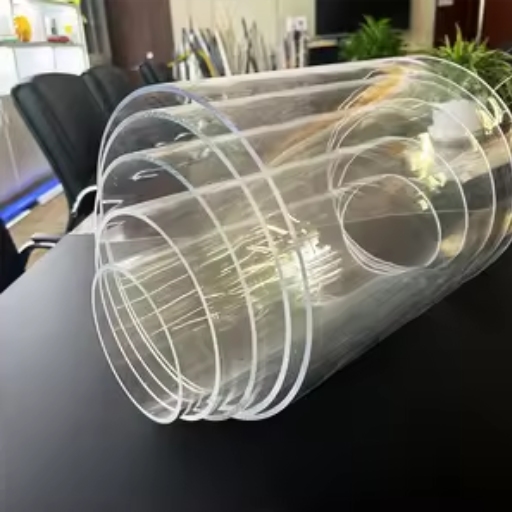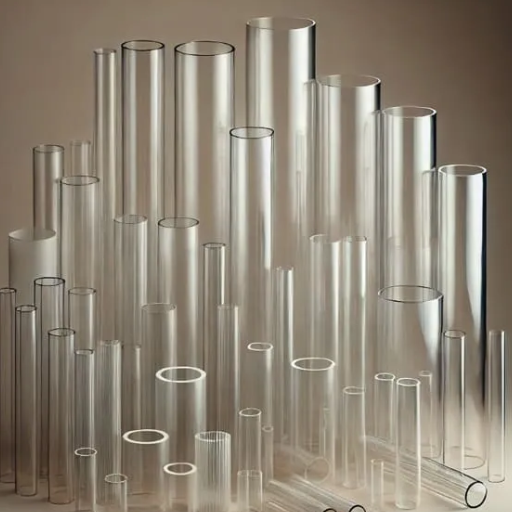

Modern design and construction have seen the popularity of acrylic door panels increase as these panels present a flexible yet efficient option for interior and exterior designs. The majority choose these panels owing to the beautiful appearance they give and because of their resilience, which enables them to be used in different aspects. In this regard, the following discussion shall delve into the advantages associated with the door acrylic panel, for instance, the lighter weight, suitable for the majority of users; its strength and ability to withstand force, various shades, styles, and colors, among many others. We will also look at the different designs available as well as the finishes that are available in order to help you select what best satisfies your style and functional requirements. This guide will prepare you either for a more futuristic upgrade or a reliable, durable option that does not need much maintenance.
Key Benefits of Acrylic Door Panels
Durability and Longevity
- Resilience to Impacts: The level of resilience to impacts of acrylic is much higher than glass, which makes it suitable for places with many high-moving and frolicking children.
- Resistance to Weather: Acrylic has excellent weather resistance to UV light and temperature variations, as well as water exposure.
- Abrasive Resistance: a good quality door acrylic panel does not scratch and outlets its appearance for a long time.
- Resistance to Chemicals: Household cleaning agents and other chemicals do not affect it.
Aesthetic Advantages
- Smooth Application: Up to 93% light passes through, much more transparent than glass
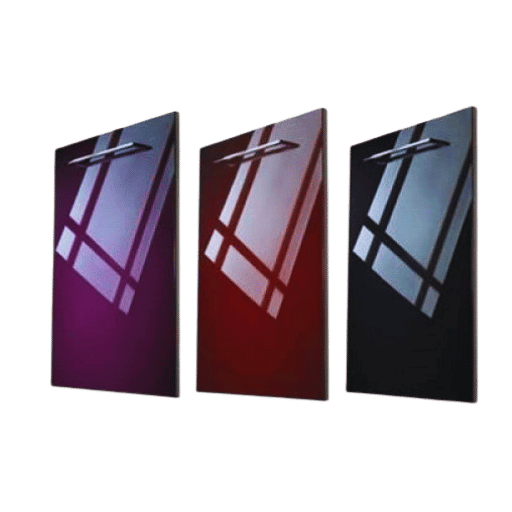
- Versatile: Comes in different hues, textures, and surfaces
- Fashionable: They achieve a smooth style that fits any decor
- Light Emphasis: Helps to get as much natural explanation through spaces as possible
The acrylic panels can be lighter than door glass by more than 50%, while maintaining excellent optical qualities, thereby facilitating installation and easing the stress imposed on the frames by doors.
Practical Benefits
- Ease of Installation: Thanks to its lightweight characteristics, this system is easy to manage, and assembling the door acrylic panel is easy as well.
- Minimum maintenance: Just regular day-to-day cleaning would do with any household detergents.
- Conservation of energy: Insulative properties are strong, and thus they help in decreasing energy consumption for both heating and cooling purposes.
- Protection: In the unfortunate event that it cracks, acrylic will not break into sharp glass pieces that could be hazardous.
Types and Options Available
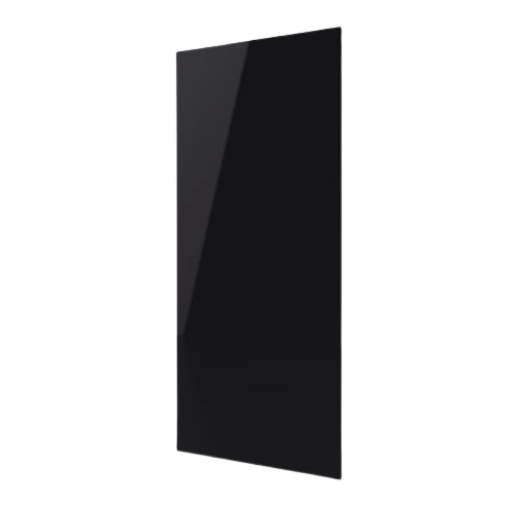
Material Classifications
| Type | Thickness Options | Best Applications | Price Range |
|---|---|---|---|
| Cast Acrylic | 3mm – 25mm | High-end applications, optical clarity priority | $$$ |
| Extruded Acrylic | 2mm – 20mm | General-purpose, cost-effective solutions | $$ |
| Impact-Modified | 4mm – 15mm | High-traffic areas, enhanced durability | $$-$$$ |
| UV-Resistant | 3mm – 12mm | Outdoor applications, sun exposure | $$-$$$ |
Finish Options
- Transparency/Clear coated
- Facilitated maximum illumination transmission
- Compliments the purpose of the exhibition or back-view continuation
- Default is most desired in modern architectures
- Obscure/Transmit Tenebrosity
- No visibility to privacy, even with illumination
- Mellowed light effect
- Perfect as a partition in a restroom any other small areas
- Tinted Panel
- Variety of consistent and special hues
- Retains clarity with the addition of color
- Perfect for highlighting and emphasizing designs
- Rough Surfaces
- Many types of textures and micro textures
- Better hold and fewer chances of producing marks
- Unique visual and tactile experiences
Installation Guide and Best Practices
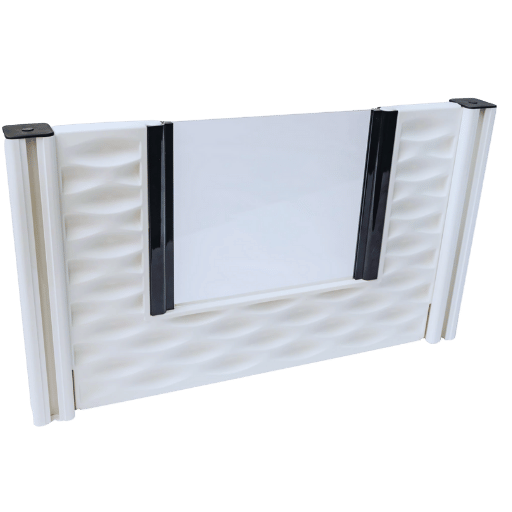
If one wants to achieve the best results, professional installation should be done, although tools and techniques have advanced enough to make DIY installations a reality.
Pre-Installation Checklist
- Measure the dimensions of the frame (better to double-check)
- Make sure that the frame is square and sturdy
- Ensure that the hardware will fit and can support the door weight
- Guarantee that there is enough air for the adhesive to dry properly
- Collect all tools and attention: safety means.
- Consider how to protect the surface of panels during their mounting
Installation Methods
- Adhesive Bonding Technique
- Ensure that the acrylic panels are glued using a high-adhesion structural compound
- Maintain clean surfaces and allow the bonding agent to cure
- Ideal for potential long-term applications
- Mechanical Joining
- Appropriate fasteners positioned with properly sized washers should be applied
- Slightly over-size the diameter of the drilled hole to fit the fastener
- This method provides space for movement in case of abuse
- Panel Frameworks
- An aluminum or PVC frame may be included, so the panels may be changed easily
- Neat finishing, and most of the screws are not visible
- Constructed for business purposes
Maintenance and Care Instructions
Regular Cleaning Protocol
1. Daily Upkeep
- Utilize a soft microfiber cloth to wipe away any fingerprints and dust.
- Do not use rough materials, which may cause scratches.
- Wipe out any spills as soon as they occur, so they do not leave any stains.
2. Weekly Cleaning
- Add a little soap to warm water, creating a soap mixture of about 10% soap content.
- Using light pressure, rub over the surface with a soft cloth in a circular manner.
- For best results, use clean water to rinse the surface several times.
- Dry the surface completely using a cloth which is lint free.
3. Monthly Observation
- Look for any cracks under stress or problems of any kind.
- Check the mounting brackets and screws for any give.
- In case it’s required, an anti-static coating can be applied to the door acrylic panel.
Never use ammonia-based cleaners, alcohol, or acetone on acrylic panels, as these can cause cloudiness or cracking. Always test any new cleaning product on an inconspicuous area first.
Cost Analysis and Value Considerations
Initial Investment Breakdown
| Component | Budget Range | Mid-Range | Premium | Notes |
|---|---|---|---|---|
| Acrylic Panel (per sq ft) | $15-25 | $25-40 | $40-70 | Varies by thickness and type |
| Hardware & Mounting | $50-100 | $100-200 | $200-400 | Depends on installation method |
| Professional Installation | $200-400 | $400-700 | $700-1200 | Per door, complexity dependent |
| Custom Fabrication | $100-300 | $300-600 | $600-1500 | For non-standard sizes/shapes |
Long-term Value Assessment
- Lifespan: 15-25 years, assuming appropriate care
- Expenses for Electricity: House heating/cooling cost decreases by 10-20%
- Asset Worth: New features to a house increase the price in most cases
- Upkeep expenses: Hardly any costs are involved in its maintenance, unlike the substitutes.
Applications and Use Cases
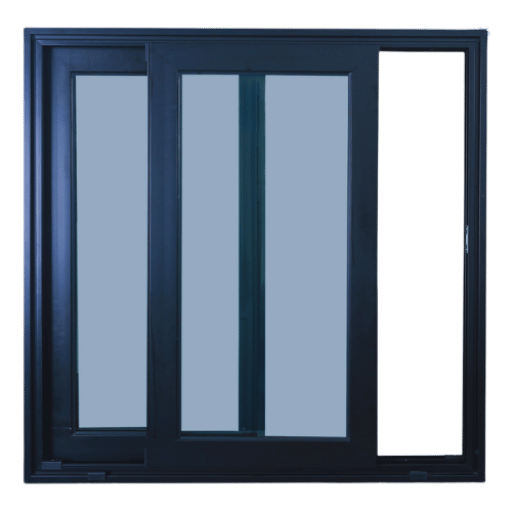
Residential Applications
- Kitchen Cabinets: Display glass crockery and keep the rest in closed cabinets.
- Closet Doors: Provide an illusion of vastness to the bedrooms.
- Room Screen Partitions: Ensure an Open floor plan and design, while it is space-saving.
- Pantry Doors: Make taking stock out easy with style.
- Restroom Usages: Shower cabins and other enclosures for privacy.
Commercial Uses
- Retail Displays: Presentation of products and security enclosures
- Office Partitions: Sound absorption but enhancing openness
- Restaurant Applications: Protective screens and showcases
- In Medical Facilities: Easy maintenance and germ-free areas
Comparison with Alternative Materials
Understanding how acrylic compares to other materials helps make informed decisions for your specific needs.
| Material | Transparency | Weight | Impact Resistance | Cost | Maintenance |
|---|---|---|---|---|---|
| Acrylic | Excellent (93%) | Very Light | Very High | Medium | Low |
| Glass | Good (90%) | Heavy | Low | Medium-High | Medium |
| Polycarbonate | Good (88%) | Light | Excellent | High | Medium |
| Wood | None | Medium-Heavy | Medium | Low-High | High |
Environmental Considerations

Sustainability Factors
- Recycling Ability: Acrylic can be recycled, but only if it is processed in the correct manner
- Conservation of Resources: The Improved insulating qualities of this building material guarantee less energy usage
- Durability: The products providing long service life, in turn, disrupt the cycle of replacement
- Production: Processes require less energy than producing glass
Eco-Friendly Practices
- Opt for suppliers with eco-friendly production
- Recycle obsolete panels in the right manner
- Take care of panels by constant maintenance to ensure durability
- Look into power efficiency as part of the overall ecological footprint
Troubleshooting Common Issues
| Problem | Cause | Solution | Prevention |
|---|---|---|---|
| Surface Scratches | Abrasive cleaning, improper handling | Polish with acrylic scratch remover | Use microfiber cloths only |
| Cloudiness | Chemical exposure, age | Professional restoration or replacement | Avoid harsh chemicals |
| Stress Cracks | Over-tightening, thermal expansion | Professional assessment needed | Proper installation techniques |
| Static Build-up | Dry conditions, friction | Anti-static treatments | Regular anti-static maintenance |
Future Trends and Innovations
Emerging Technologies
- Smart Glass Integration: Possessing electrochromic properties to assist with privacy control
- UV protection: Improving the performance of coatings for use in outdoor spaces
- Antimicrobial surfaces: Reduction of bacteria and viruses by incorporating biocidal agents
- Minimization of cleaning: Cleaning intervals are increased due to the presence of photocatalytic coatings
Market Developments
- More custom choices of colors as well as textures.
- Manufacturing efficiency thereby lowering costs.
- Building better infrastructure for recycling.
- These doors can be integrated into smart home technologies.
Conclusion and Recommendations
The use of door acrylic panels is regarded as highly pragmatic for both modern domestic as well as corporate structures. Because the optical transparency is exemplary, and impact-resistant properties help in incorporating captivating designs, these panels are used in multiple applications, starting with kitchen storage units to workplace cubicles.
Conclusive Suggestion: Usually, medium-thickness acrylic plates (6-8mm thickness) offer the maximum compatibility of efficiency, beauty, and price for usage, mostly in household recommendations. It is favoured that hiring a professional on-site installation job is done all the time, indoors acrylic panel doors are countersunk with sup-mount screws, and it includes enough adhesives to fill up the holes/totatoes.
Key Takeaways
- Acrylic sheets surpass the performance of regular glass sheets.
- Long-term utility is made possible through correct fitting and upkeep
- There are several solutions available that allow the consideration of different needs and budgets
- Sustainability Benefits: Construction practices that do not destroy the environment are encouraged today.
- Innovations of the future will always bring new features and improvements that can be used.
If you are redesigning the entire area or only one space, an acrylic door panel is ideal for such purposes, as it can be used to create bright, modern, and practical spaces that will last.
Frequently Asked Questions (FAQs)
Q: What exactly is a door acrylic panel?
A: As commonly viewed in builder warehouses and retail stores, an acrylic door panel is a glass that is easy to handle but can be worse than glass. It resembles traditional glass but for its ultralight and strong properties.
Q: How does it affect the strength of the material?
A: In construction, especially when it comes to acrylic sheets, their thickness determines how strong they will be. It’s worth mentioning that thicker acrylic sheets, though more expensive, are stronger than thinner sheets as they withstand more impact without bending or breaking. When it comes to the use of doors in general, doors get hit, and things hit them. It’s just a fact of physics. This is one of the reasons why it would be safe to assume that doors made of thinner acrylic in the range of 1/4 cannot be used without breaking.
Q: What about the panel component of a sliding door?
A: Sure, acrylic panels could easily be added to sliding doors, ensuring the door fits perfectly while providing a glass-like appearance. Due to the working weight of the doors, they are easy to mount and slide inwards against the window; they allow light through while providing a secure boundary against unwanted attention. Owing to the flexibility and durability of the doors to protect owrra, many house owners get sliding doors from acrylic as it never disappoints.
Q: In what way should I fit an acrylic door panel?
A: The first thing to do when fitting an acrylic door panel is to approximate the size of the door and to determine the optimum size of the panel that will be fitted. If dreaming of a much lighter or a much darker floor than its present condition, the floor can be cut according to size. Otherwise, how do you address the call for improving the old good upholding screens? Stylish door acrylic panel and accessories, warm, glass architecture, get … legs or wall.onstrukcja_eVO make sure the insert situated in position will not slide out from the window and is firmly held through the frame to ensure minimum glass is used.
Q: Why should and why shouldn’t people consider covering their doors with acrylic decorative door panels?
A: Colors for acrylic panels are not only beautiful in such panels, but they also permit light during the day while ensuring privacy. Otherwise, the range of color shades of these panels is wide, and they are easily incorporated into DIY projects, which is why they appeal to many individuals in today’s world.
Q: Which is better: an acrylic door panel or tempered glass in the making of doors?
A: Due to its strength and resistance to heat, tempered glass is considered important in certain industries. Nonetheless, acrylic panels are lightweight, robust, and easier to handle, hence popular among households for their functionality and elegance.
Q: What measures do I take to make sure that my acrylic door panel does not lose its luster or become cloudy in appearance?
A: Routine cleaning using a soft cloth and soap solution will help reduce dullness on clear acrylic door panels to extend their lifespan. It’s advisable to skip cleaners that have ammonia in them, as they promote yellowing. Careful maintenance of the acrylic surfaces ensures that they do not lose the transparency desirable in them.
Q: Do you offer tailor-made pieces of acrylic for doors?
A: Absolutely! A large majority of suppliers tend to sell custom acrylic sheets, which are available in a wide range of different dimensions, thicknesses, and translucencies, making them a popular alternative to glass. This enables you to be flexible with the acrylic depending on the door in question, and not have to struggle with searching for such a product with the precise cut and look desired.
Reference Sources
1. Enhancing the Roughness of Acrylic Door Panel through the Polishing Process at Taishi Tech Sdn Bhd
- Participants: Basirin Hammadi and Nawi I.
- Date of Publication: April 21, 2017
- Abstract: This article proposes means of improving the roughness of acrylic panels with the help of polishing. Results show that manufacturing surface standards have an impact when it comes to different parts, enhancing the aesthetic and functionality of the materials used for the door panels provided in this study.
- Research Tasks: Although there is no detailed description of the conducted research, it can be assumed that the authors might have conducted experiments with various polishing methods to study their effect on the roughness of the acrylic panels.
- Reference: (Basirin, Mohd & Nawi, 2017, p. 020058)
2. Quantitative and Practical Examination of the Roller Hemming Technique in Fabricating and Finishing of Panels Covering the Edge of a Flat Structural Door Acrylic Panel
- Authors: Chaohai Liu, Weimin Lin
- Date of Publication: 2024 November 4
- Abstract: The paper reviews the technique of roller hemming, a necessity in sheet metal working and joining of assemblies, especially the door acrylic panel. Experimental work and the analytical approach based on the finite element method (FEM) manage to model the door assembly and provide the state of tensile stresses as well as of stresses during the deformation of the panel by the hemming process.
- Techniques: Tensile strength and abbreviated FEA models showing the mechanics of each process in roller hemming were performed by the authors to investigate the reactions to forces, stresses, and mechanical behavior of panels with different corner shapes.
- Reference: (Liu & Lin, 2024)