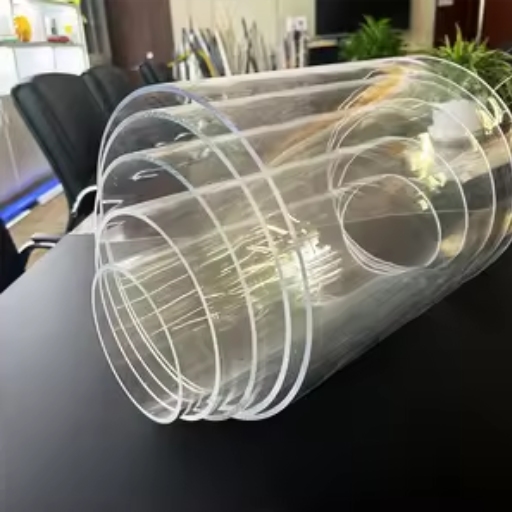

Understanding the significance of tube color is essential across various industries-from medical to manufacturing it deals with its classification and utility. The specific purpose that each color of a tube may carry is to ensure that, in medical laboratories, samples are collected properly or to identify materials in an industrial process. How do you unlock this code, and what sort of work is linked to these colors? This color-coded system of tube colors and their applications will demystify everything for you: why they are used and the science behind their differences. If you are a professional looking for something specific or just curious, this article has it. Stay with me as we look into the exciting domain of tube colors and their great importance in life-and-death situations.
Understanding Tube Colors and Their Benefits
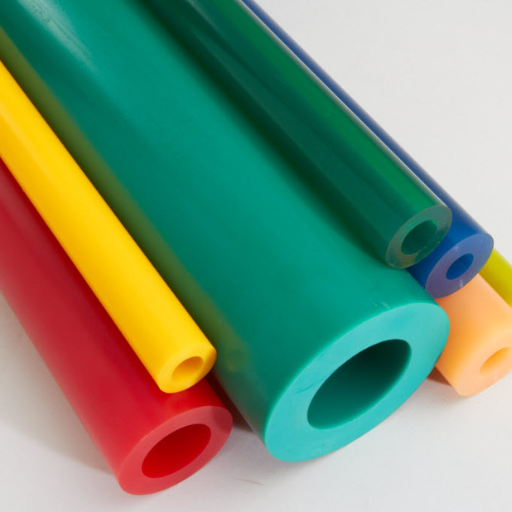
Once the color is selected according to the special needs of the tube, it has to be given to the consumer, so the procedure can be efficient and safe for its use. Each color is related to a particular content or usage, like the identification of additives or preservatives that might or might not be found in the tube. Some examples are given below:
Red Tubes: Used for most blood work where no additive is present.
Blue Tubes: Contain anticoagulants used for coagulation studies.
Green Tubes: Contain usually heparin and are used for chemistry tests.
Purple Tubes: Contain EDTA for complete blood counts.
Color standardization of these tubes allows for effective procedure, minimizes potential misuse, and in the acceptance of these, professionals can perform their work efficiently.
Improved Organization and Aesthetic Appeal
The color-code system of phlebotomy tubes not only eases workflow but also contributes to aesthetic and functional organization within medical settings. When used systematically, these tubes minimize errors, which is crucial in the realm of medical diagnosis.
Updated Information on Blood Collection Tubes:
Gold/Yellow Tubes: Golden tubes are frequently applied in analysis involved in serum separation. They often contain a clot activator and gel for serum separation so as to aid laboratory tests such as immunology or chemistry panels.
Light Blue Tubes: These contain sodium citrate. Coagulation testing is always done with these tubes. In such testing, ensuring a blood-to-anticoagulant ratio of 9:1 is crucial, hence their relevance in detailed analysis, e.g., Prothrombin Time (PT) and Partial Thromboplastin Time (PTT).
Gray Tubes: These are used most commonly for glucose and lactate assays because the additives protect against glycolysis (potassium oxalate) and preserve the sample (sodium fluoride).
Dark Blue (Navy) Tubes: Meant for trace element testing, these tubes are chemically clean and prevent contamination with metals. They are used for toxicology purposes and measure elements such as zinc, lead, or mercury.
By following internationally accepted color-code standards, laboratories can communicate amongst themselves and with outside organizations on a large scale. Besides, a visually appealing system improves the environment by eliminating confusion and rather creates a professional and orderly environment. This streamlining also necessitates the identification of structure and accuracy in medicine.
Enhanced Safety Features
Facilities Integration of high safety measures is crucial to modern laboratory environments for minimizing the risks that may endanger the staff. One significant advancement involves automation–this involves sensors that detect chemical fumes, temperature, or humidity fluctuations. For instance, modern fume hoods with airflow monitoring systems maintain constant containment from hazardous vapors, thus reducing exposure by up to 30% compared to older models.
Another necessity for safety design comprises materials considered flame-resistant and spill-proof. Such materials directly prevent fire hazards and help in efficient cleanup if spills occur, containing contamination. Data show that these materials have allowed a nearly 15% reduction in accident-induced downtimes every year.
One more set of innovations is for personal protective equipment (PPE) that includes ergonomic laboratory coats, gloves with improved grip, and safety goggles with anti-fog and anti-scratch coatings to support the laboratory staff fully. According to a 2023 safety report, laboratories that adopted advance PPE’s have reported a 25% decrease in workplace injuries in comparison to laboratories still relying on old PPE.
Emerging strongly amongst digital training and digital compliance tools is an interactive digital training platform which judges proficiency and awareness of safety protocols among workers. In correlation, therefore, the safety-oriented technologies mentioned provide a potent source for safeguarding life and environment in modern laboratory environments.
Applications Across Various Industries
These safety and digital compliance tools have augmented efficacy and protection across diverse industries.
Healthcare and Pharmaceuticals
State-of-the-art PPE and compliance platforms are vital in the fields of healthcare and pharmaceuticals. Recent records show that advanced PPE helped reduce contamination cases in lab and hospital settings by 30% whereas digital training simultaneously helped keep health professionals updated on the best contained safety practices, especially during emergencies like the COVID-19-19 pandemic.
Manufacturing and Construction
In manufacturing and construction industries, modern safety measures have proven to reduce workplace accidents substantially. Smart helmets equipped with sensors have brought down head injuries in the last five years by 40%, as reported. Real-time monitoring systems on digital platforms have also aided in detecting hazards at the worksite, thereby increasing overall productivity and safety compliance.
Chemical and Energy
Industries such as chemicals and energy production that deal with hazards cannot do without advanced safety systems. Recent analytics show that companies with conjoined safety systems have nearly 35% fewer hazards of incidents concerning hazardous chemicals. These systems ensure continuous monitoring of volatile environments, enabling pre-emptive measures and actions based on real-time information.
Food and Beverage
The situation is alike for the food and beverage industry. Advanced PPE is provided for hygienic handling, while digital tools allow operators to track compliance, drastically reducing contamination risks. According to a 2023 study, companies employing such measures saw a 20% increase in the safety and satisfaction level of customers.
Technology and Electronics
For technology and electronic-based industries, precision and safety go toward each other. Anti-static PPE and sensor-based monitoring platforms are now imperative to protect both workers and sensitive equipment. Case studies show an increase in productivity of at least 15% owing to the safer and controlled working environments.
This exemplifies the great range of applications for a contemporary safety culture in various domains, emphasizing the creation of a sustainable, efficient, and secure working environment.
Types of Colored Tubes

Colored tubing comes in different materials and applications as per the requirements of a specific application. The common types are:
Plastic Tubing: Lightweight and available in a variety of colors to sort objects visually in industries like plumbing or electrical wiring.
Glass Tubing: Colored glass tubes are generally used in laboratories to distinguish substances and the associated processes.
Rubber Tubing: Commonly used for fluid transfer, these tubes are color-coded to denote water, fuel, or air.
Metal Tubing: These tubes come with colored coatings for identification and corrosion resistance purposes in construction or industrial environments.
The choice of colored tubing depends on the intended usage and environment.
LED Fluorescent Replacement Tubes
LED fluorescent replacement tubes represent a new-age energy-saving solution in place of traditional fluorescent light tubes. To illuminate, these tubes harness the light generated from light-emitting diodes (LEDs), which consume less energy and have almost ten times the lifespan of fluorescent tubes. According to recent studies, the consumption of LEDs can be up to 50-70 percent less energy compared to the standard usage by fluorescent tubes, hence rendering huge cost savings over a period of time, imperative for factoring in commercial or industrial settings.
Depending on requirements, diverse types of LED replacement tubes are available, including Type A, Type B, and Type C. Type A is plug and play; these tubes will interact with the fluorescent ballasts, working right from installation, and no extra wiring should be required. Type B tubes are connected directly to an electrical supply with no ballast in the line, thereby removing the possibility of ballast failure. Type C tubes are operated through an external LED driver, offering improved efficiency and control.
The different color temperatures available for LED replacement tubes usually fall in the range of 3,000K (warm white) to 6,500K (daylight), thus giving end users the opportunity to tailor lighting environments for assorted applications. Those flicker-free LEDs serve as one of the safest types of illumination since they don’t contain mercury.
Advanced LED technology has increased luminance efficiency, with some products providing above 150 lumens per watt, ensuring brighter, consistent output, a great candidate for the home and professional environments. Being the most energy-efficient, longest-lasting, and environmentally friendly lighting option, they had better half of the modern lighting environment consideration. Leading “The Ultimate Guide To Colored Tubes” manufacturer in China.
Paint Tubes and Their Uses
Paint tubes gave a revolutionary notion for the art world, by grooming artists with all their conveniences and practicalities around the globe. These are usually made from some form of malleable metal or plastic to maintain the paint’s integrity by sealing it so it does not come into contact with a condition that would promote aging and diminish the bright color or consistency of the paint. Another function of paint tubes is carrying and storing artists’ materials without mess or spill.
Modern paint tubes are made for different paint types, including watercolor, oil, acrylic, and gouache. In recent years, commercial insight reveals that acrylic paint tube sales are high due to their versatility, quick drying, and compatibility with mixed media. Thus, it is more or less an acrylic paint tube of about 20–200ml of paint, depending on the manufacturer or use, able to render a substantial amount of paint for different scales in creative work.
Also, the data indicates that artists increasingly prefer environmentally friendly paint tubes. Hence, several major brands now have packaging that is either recyclable or biodegradable. For instance, well-known paint manufacturers like Winsor & Newton and Golden have set up initiatives to use more environmentally-friendly materials in their products to reduce their environmental footprint.
Most artists would consider these paint tubes a necessary aid to express themselves, whether painting vibrant landscapes, intricate portraits, or experimental abstracts. The packaging of paints and their accessibility have now become part of the fun and innovation that inspire the artist, moving alongside eco-conscious ingenuity.
Blood Collection Tubes: Types and Colors
Blood collection tubes are some of the rudimentary items in medical laboratories for collecting, storing, and analyzing blood samples. They are made in different types and are usually colored according to the specific usages, additives, and requirements for their respective laboratory process. Some of the common blood collection tubes, along with their colors, are shown in the following table:
Red Top Tube
Additive: No anticoagulants or preservatives.
Use: Used for routine blood tests, serology, and chemistry panels. Blood clots naturally in this tube, and serum is separated through centrifugation.
Gold or Tiger Top (SST – Serum Separator Tube)
Additive: Contains a gel separator and clot activator.
Use: Commonly used for serum tests, including thyroid panels and lipid profiles. The gel creates a physical barrier between serum and cells during centrifugation.
Light Blue Top Tube
Additive: Buffered sodium citrate as an anticoagulant (usually in a 9:1 blood-to-additive ratio).
Use: Coagulation studies like prothrombin time (PT) and activated partial thromboplastin time (aPTT). Proper filling of the tube is critical for accurate results.
Green Top Tube
Additive: Heparin (lithium or sodium heparin).
Use: Used for plasma determinations in chemistry, including ammonia and carboxyhemoglobin levels. It prevents clotting by inhibiting thrombin.
Purple or Lavender Top Tube
Additive: EDTA (Ethylenediaminetetraacetic acid).
Use: Preferred for hematology tests, such as complete blood count (CBC) and blood smears. EDTA prevents blood from clotting by binding calcium ions.
Gray Top Tube
Additive: Sodium fluoride (a glycolysis inhibitor) and potassium oxalate.
Use: Ideal for glucose testing and lactate analysis. The additive prevents glycolysis, maintaining stable glucose levels in the sample.
Yellow Top Tube
Additive: Acid-citrate-dextrose (ACD) solution or sodium polyanethol sulfonate (SPS).
Use: Commonly used for specialized tests, such as HLA typing, paternity testing, or blood cultures.
Pink Top Tube
Additive: EDTA (like lavender tube but with stricter labeling requirements).
Use: Primarily utilized for blood bank tests, including cross-matching and ABO typing.
Black Top Tube
Additive: Sodium citrate.
Use: Specifically for erythrocyte sedimentation rate (ESR) testing, with a predetermined ratio of anticoagulant to blood.
Royal Blue Top Tube
Additive: EDTA, heparin, or no additive (dependent upon labeling).
Use: Trace element testing, such as lead, zinc, and copper levels. The tube material is specially designed to avoid contamination from trace elements.
These tubes are essential for diagnostic accuracy and patient care. Proper handling and adherence to recommended guidelines ensure the reliability of results in clinical settings.
Understanding Tube Sizes

Tube sizes are critical in laboratory testing as they determine the appropriate volume of blood required for accurate analysis. Different tests require varying amounts of blood, so choosing the correct tube size prevents underfilling or overfilling, which could compromise test results. Common tube sizes include small pediatric tubes for minimal blood draws and larger standard tubes for tests requiring higher volumes. Selecting the proper size ensures efficiency, reduces the need for redraws, and maintains patient comfort. Always follow specific test requirements when selecting tube sizes to ensure accurate diagnostics.
Importance of Size in Applications
Size plays a crucial role across a variety of applications, from medical diagnostics to industrial design and even consumer electronics. For instance, in technology, the emphasis on compact size has led to the development of increasingly smaller and more powerful devices. According to recent studies, the global market for microelectronics is projected to grow at a compound annual growth rate (CAGR) of over 12% by 2030, driven by demand for lightweight, portable products without compromising performance.
Similarly, in architecture and construction, the size of components must align with structural and functional requirements. For example, choosing the appropriate size of beams, columns, or bricks ensures structural integrity and cost-efficiency.
Meanwhile, in the medical field, size precision can directly impact patient outcomes. Blood collection tubes, as discussed earlier, must be chosen carefully to match specific test requirements and patient needs. Additionally, the development of nanotechnology and nanoscale medical devices relies heavily on size accuracy, with applications in targeted drug delivery and disease diagnostics.
Ultimately, across industries, proper consideration of size is critical for optimization, resource efficiency, and achieving desired outcomes. Advances in research and technology continue to push the boundaries of what is possible, highlighting the ongoing importance of size considerations.
Standard Sizes for Different Industries
Industries use standard sizes to achieve efficiency, scalability, and compatibility within particular fields. These standards are generally decided by regulatory bodies or through industry agreements in order to provide the framework for uniformity across global markets. Here are some examples of standard sizes in different industries:
Construction and Building
In construction, the standards help maintain structural integrity and expedite the manufacturing and assembly process. For instance, drywall sheets in the United States are usually 4 feet wide and 8 feet high, while bricks typically measure 3 5/8 inches by 2 1/4 inches by 8 inches. Another example is the standard width of interior doors, which is often from 30 to 36 inches. This standardization assists with consistency across building designs. Such dimensions further offer conveniences to contractors, architects, and manufacturers for cohesive work.
Technology and Electronics
Standard sizes have critical importance in technology for ensuring device and component compatibility. Hard drives, for instance, are manufactured mainly in sizes of 3.5 inches or 2.5 inches, as required by technical standards to ensure their fit into desktop or laptop configurations. Another example would be the USB-A plug, which has a standard design size, 12 mm by 4.5 mm, to further ensure uniform compatibility across different gadgets.
Consumer Goods
The consumer goods business-to-standard sizing, especially packaging. Beverage cans, for example, come in the 12-ounce (355 ml) size in North America, while European cans are usually measured for 330 ml. Similarly, clothing sizes like small, medium, and large have standard measurements but still differ from one place to another. Shoe sizes correspond with region-specific systems, such as U.S. men’s size 10 corresponding to a 28 cm foot length in metric.
Health and Medicine
Medical devices and pharmaceutical packaging fully depend on standardized measurements. Syringes are sized by volume, with sizes commonly available being 1 ml, 5 ml, and 10 ml. Such standards make certain that treatments are administered safely and effectively. In addition, pills and tablets are manufactured in standard doses, such as 500 mg or 1,000 mg, so as to make prescriptions simple and to ensure patient safety.
Aerospace and Automotive
In these industries of aerospace and automobile, standard sizing becomes imperative to manufacture components and to maintain compatibility worldwide. Vehicles go for standard tire sizes called P215/65R15, an actual indication of tire width, its aspect ratio, and wheel diameter. Aircraft seats, too, are often reasoned to conform to a width standard somewhere between 17 and 18 inches in economy or coach class for passenger comfort and spatial efficiency.
The global trade, efficiency, and innovation further need standardization among industries. It allows manufacturers and consumers to interacting in predictable, dependable ways, thereby minimizing errors and cutting costs. Advances in manufacturing and technologies are fast refining these standards to keep abreast with the changing demands of their respective industries.
Custom Sizes: When and Why
Custom sizes are more commonly used to fulfill requirements where the standard cannot fulfill a particular need for the user or operation. For example, custom sizes in furniture allow businesses to cater to specific interior layouts or to provide ergonomic solutions for individual customers. Likewise, custom dimensions in packaging allow room optimization and product safety considerations, especially for fragile items or products in irregular shapes.
According to Google Search Insights, custom manufacturing has traditionally been associated with sectors such as aviation, construction, and healthcare. In aviation, seat configurations are frequently non-standard in business and first-class cabins in order to maximize comfort and luxury for the passengers. The data suggests that the average width of an airline seat in these classes may be in the 20-to-22-inch range or beyond, in comparison to what is considered average for economy class.
On top of that, in construction, there has been increased demand for custom-sized building supplies such as windows, doors, and flooring, partly due to the rise in popularity of modular and sustainable architecture. It has been reported that custom windows can improve energy efficiency by up to 30% when specified to unique building specifications. With this approach, both heat loss and thermal discomfort due to drafts can be greatly reduced.
Custom sizes are a major concern in healthcare, where tailored medical instruments and equipment, from prosthetics to hospital beds, meet specific patient needs. 3D-printing technology has had a great effect in this matter because it facilitates the production of such solutions with much less time and expense.
In essence, whenever a standard does not fit into the realm of functionality or user experience, custom-sizing comes into being. With the help of precision engineering technology coupled with advanced technology, this allows businesses to continue to adapt to various needs to hold competitive advantages within their respective fields.
Selecting the Right Tubes
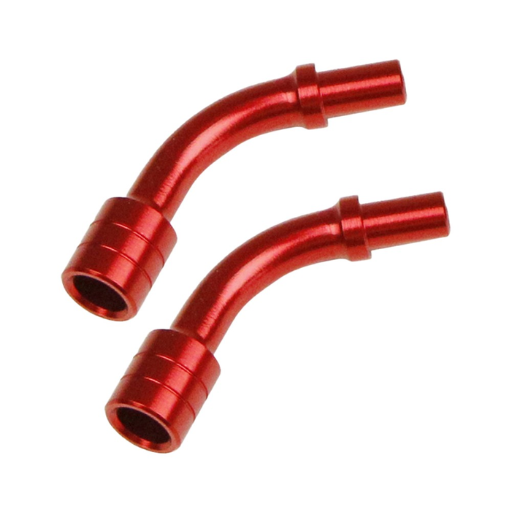
Always take into account the particular application and requirements when selecting the proper tubes. Most characteristics that will be examined for the tube include the material, length, diameter, and wall thickness, along with issues concerning whether the tube will be suitable for its intended use. For example, a tube must withstand exposure to certain temperatures, pressures, or chemical substances. In case of uncertainties about some details, rely on the product specifications and make your selection from reliable suppliers who provide good materials for your applications. Finally, check whether the selected tube corresponds to the applicable standards and safety requirements before usage.
Resistance to Temperature and Pressure
While choosing tubing for any application requiring temperature or pressure resistance, you must consider the thermal tolerance and pressure capabilities of the material. Materials having the highest resistance are generally stainless steel, PTFE, and high-performance polymers such as PEEK. For example:
Stainless steel tubes generally withstand temperatures -250°F to 1500°F (-157°C to 815°C) and are pressure-rated depending on wall thickness and grade; they find their use in industrial and chemical processes requiring thermal and pressure resistance.
PTFE Tubes: Highly chemically inert, PTFE tubes serve well between -328°F and 500°F (-200°C to 260°C) for extreme thermal conditions, while tolerant to moderate pressure in low volumes.
PEEK Tubing: Suitable for temperatures up to 482°F (250°C) and high-pressure levels, especially for chromatography and medical device applications.
The combination of temperature and pressure limits is really important concerning steam transport, hydraulic systems, and high-temperature chemical processes. Recently, thermal fatigue and pressure surge have been grossly contributing factors to the life span of a tube. Most tubes are subjected to cyclic loading tests to ascertain the integrity of the tube in fluctuating conditions.
Always look at the materials spec sheets from the manufacturers for precise information. ASTM International and ISO, for example, have specifications that state exact details regarding the performance of materials under various environmental conditions. Advanced computational modeling, real-world testing, as well as analysis of various materials, can account for long-term evaluations of material reliability under the concurrent presence of temperature and pressure stresses.
Thus, choosing the correct tubing material and design ensures safety, performance, and durability, especially in harsh working environments.
Chemical Resistance and Safety Considerations
Each industry, such as chemical processes, the medical field, and food processing, greatly focuses on chemical resistance to ensure safe and reliable operation during tubing material selection. Steel, PTFE, and PFA would be materials with outstanding chemical resistance against aggressive chemicals such as acids, bases, and solvents. To name a few examples, PTFE tubing is widely known for its inertness and compatibility with a wide variety of chemicals, while stainless steel offers strength and corrosion resistance.
When safety is considered, the operating conditions under extreme temperature and pressure must be considered. Materials like fluoropolymers and high-performance thermoplastics can resist these stresses and never degrade or lose their safety features. According to an industry analysis in 2023, international demand for chemically resistant materials is set to grow at 5.6 percent yearly due to increased regulations and focus on sustainable and safe industrial practices.
Ensuring optimum safety requires going by standards such as ASTM D543 for Standard Practices for Evaluating the Resistance of Plastics to Chemical Reagents and ISO 10993 for biocompatibility for medical tubing. They present a framework for the evaluation of material behavior when exposed to particular chemicals over certain periods. Real-time monitoring systems built into the plant setup would further contribute to safety by picking up on any signs of degradation or leaks very early during operation in chemical handling.
Cost vs. Durability Myths
There is a common belief in industrial material selection that cost and durability are antonyms—with expensive materials being perceived as more durable and cheaper alternatives as inferior. But this is no longer the case, especially with advancements in material technologies and manufacturing processes. Though once considered cheap by comparison with exotic stainless steels or titanium alloys, high-performance thermoplastics such as polypropylene and polyethylene have emerged in recent times as good chemical-resistant and durable materials.
Supporting this paradigm shift is data from Market Research Future in 2023, which reveals that newly developed polymer blends and composites now match in life expectancy with their expensive counterparts without compromising performance in corrosive environments. Also, improved manufacturing methods, like cross-linking and co-polymerization, further advancements in reliability for their cheap cousins. These alternatives are now being favored for such applications as chemical storage tanks, piping, and even devices wherein safety and longevity are of utmost importance.
Cost and durability should, in fact, not be spoilers for each other. Taking advantage of being changed through technology developments, industries can go through the affordability while making an example of durability, casting away the myth that longevity compromises cheap materials.
Innovations in Colored Tubes

Color tube technology has innovated recently, focusing on visibility, differentiation, and utility in different industries. Using this improved pigmentation, manufacturers now protect their tubes against fading and chemicals, and unsafe environmental conditions. Colored tubes thus find their uses in labeling medicines, in fluid identification systems in industries, and in aesthetic customization of consumer products. Being a mixer of practical benefits with durability has, therefore, been a constant factor in their application in various areas.
Eco-Friendly Materials and Sustainability
The rising importance of sustainability has effectively contributed to leveraging eco-friendly materials within the tubing industry. Manufacturers are thereby making the best of materials that are biodegradable and recyclable, such as bioplastics from renewable resources such as cornstarch, sugarcane, and bamboo. As per a few recent data reports, the global bioplastics market is expected to cross more than $29 billion in valuation by 2030, growing at a compound annual growth rate of approximately 9% during the period, from 2023. This is an indicator that sustainable solutions have received different industries’ accelerated action.
Secondly, recycled materials are used to reduce plastic waste and carbon footprints. Post-industrial and post-consumer recycled plastics are an example of materials that have been blended into tube manufacturing processes without compromising on performance and durability. The production methods also went through several advances that, together with eco-friendly processes, culminated in very significant reductions in greenhouse gas emissions. It is felt that if recycled plastics are set to be used during production instead of virgin plastic, carbon emissions can be cut by almost a quarter of the amount.
Sometimes the attempts for sustainability stretch beyond just material innovation; it also considers life cycle analysis and end-of-life solutions. The manufacturers are coming up with products that are created with disassembly and recyclability in mind: those products can be used in a circular way, thus lessening the environmental footprint. These trends and efforts further demonstrate the industry’s recognition of environmental challenges while furnishing a functional solution that appeals to eco-conscious consumers.
Trends in Tube Design and Functionality
The packaging sector is continually evolving in tube design along with sustainability, convenience for the consumer, and visual appeal. One of the main trends has been a focus on lightweight and greener materials such as bio-plastics and recycled aluminum to reduce carbon emissions and meet sustainability targets. Currently, many companies claim reductions in greenhouse gas emissions of up to 60% by using PCR materials in tube production.
Modern tube designs prioritize the functional aspects that include innovations such as airless pump systems that prevent drips, and precise dispensing. Airless technology protection formulations from contamination and oxidation while reducing product wastage, improving usability, and extending shelf life. The cosmetics and pharmaceutical brands, in particular, prize these features that deliver a quality consumer experience.
Further down the road, digital advancements are transforming tube functionality with the incorporation of QR codes and smart packaging features. These technologies allow consumers to instantly get product details, traceability data, and certifications for sustainability, thus bridging the gap between physical packaging and the digital world. More so, developments in 3D printing are going to give brands the capability of producing complex tube designs with customization within a short turnaround, paving the path to natural personalization of the tube-oriented products.
Given in light of design, simple aesthetics and bold typography have been making waves for the modern consumers that seem to love everything clean and graphically loud. This, combined with a complex feature set, will make an impact on shelf appeal while firmly tying the product important person of recent trends in usability and eco-responsibility.
Technological Advancements in Manufacturing
In earlier times and for quite a while, lag in the manufacturing sector prevailed, due to inefficiency, which was then ironically compensated by manpower. Now, with the advent of the key technologies of automation, robotics, and artificial intelligence (AI), the process flow has been pared down, with minimal human intervention. Helping their operators in regard to assembly processes are “cobots”, or collaborative robots, creating an environment that greatly enhances productivity while assuring safety.
Industry 4.0, backed by IoT, seeks to establish communication between the machines, the sensors, and the systems. As a result, this real-time data exchange allows for predictive maintenance, almost eliminating stoppage time. As per the PwC report, manufacturers that have introduced IoT applications have reportedly raised operational efficiency by 30 percent.
Additive manufacturing or 3D printing is another technology imprisoned in changing the production scenario. A study stupefies that the global market for 3D printing is projected to surpass the $50-billion mark by the year 2030, given its capability to fabricate complex parts with minimal material waste.
Furthermore, sustainable manufacturing practices are on the rise; hence, supply chains resort to renewable energy and advanced recycling machinery. Solar factories and closed-loop systems are one of the examples being widely embraced to reduce their environmental footprint. These developments not only support consumer demands for eco-friendly production but also mark a departure toward an alternative responsible manufacturing model.
Leveraging these futuristic technologies, the manufacturers stand a better chance of meeting market expectations and remaining competitive in the ever-fast-accelerating global economy.
Reference Sources
- Stanford University: CBC Color Tube Explained: Ultimate Guide
Offers an exhaustive explanation of color codes in tubes, particularly for medical testing.
- University of Michigan: Ultimate Guide: The Perfect CMP Tube Colors
Delves into the use of colors on tubes for testing of the comprehensive metabolic panel and imparts tips and insights.
- Loyola Marymount University: A Complete Guide to Test Tube Colors in Metabolic Panel
Expounds upon the importance of test tube colors in metabolic panel tests and their specific uses.
Frequently Asked Questions (FAQs)
What is the ultimate guide to tube color?
The ultimate guide to tube color provides insights into the various colors of blood collection tubes and their specific uses. Each color signifies a different additive or purpose, which is crucial for ensuring accurate test results. Understanding these colors helps in selecting the right tube for specific blood tests.
What are LED fluorescent replacement tubes?
LED fluorescent replacement tubes are energy-efficient alternatives to traditional fluorescent tubes. They provide improved color rendering and are often used in office lighting. These tubes are designed to be compatible with electronic ballasts, making them a reliable choice for replacing older lighting systems.
What should I know about understanding tube sizes?
Understanding tube sizes is essential for selecting the right blood collection tubes for various tests. Tubes come in different sizes, which can affect the volume of blood collected and the specific tests that can be performed. Ensuring you have the correct size can help in drawing blood efficiently and preventing complications.
How do I select the right blood collection tubes?
Selecting the right blood collection tubes depends on the type of test being performed. Each tube contains specific additives that can either prevent blood clotting or stabilize blood cells for analysis. Knowledge of the order of draw and the tests that require plasma is vital for accurate results.
What is the process of drawing blood?
Drawing blood is a critical procedure that involves collecting blood samples for testing. It requires knowledge of the order of drawing to prevent contamination of samples. Different blood collection tubes are used depending on the tests required, ensuring reliable test results.
What is the importance of the order of draw in blood collection?
The order of draw in blood collection is crucial to prevent cross-contamination between different blood samples. Certain tubes, like those containing anticoagulants or additives, must be filled in a specific order to ensure accurate test results. Following this protocol is essential for reliable blood typing and complete blood count analyses.
What are blood collection tubes used for?
Blood collection tubes are used for various purposes, including collecting blood samples for diagnostic tests. Different tubes contain specific additives that facilitate blood typing, prevent clotting, or stabilize blood for analysis. Understanding the function of each type of tube is essential for laboratory accuracy.
How do blood collection tubes prevent blood clotting?
Some blood collection tubes contain additives that prevent blood clotting, such as sodium citrate. These tubes are crucial for tests that require plasma, as they ensure that the blood remains in a liquid state for accurate analysis. Choosing the right tube is important for achieving reliable test results.
What tests commonly require blood collection tubes?
Common tests that require blood collection tubes include complete blood counts, blood typing, and various biochemical assays. The choice of tube color and type is important, as each serves a specific function in ensuring that the samples are preserved properly for testing.