

Algae cultivation has created a breakthrough by merging sustainable inventiveness with market demand. From biofuels to pharmaceuticals, cosmetics, and wastewater treatment, the applications are numerous for microalgae as the versatile arm of global solutions. Amidst rapid strides in these fields, never to be disregarded is photobioreactor design, which is crucial to the functions concerning efficiency, modality, and environmental impacts in the case of algae production.
The paper is dedicated to reviewing novel microalgae photobioreactor systems in terms of significance in improving growth conditions, resource utilization, and total productivity. This write-up makes for an important education on the leading-edge designing that empowers the future of algae-based technologies, be it for research, the industrialized domain, or certain aiding sustainability issues.
Key Takeaway
Photobioreactor (PBR) design is the primary driver of algae production efficiency, enabling precise environmental control that open systems cannot match, thus unlocking the potential for high-value pharmaceutical and biofuel applications.
Overview of Algae Cultivation

Cultivation refers to the controlled growth of algae for uses like feeding chemicals, biofuels, and carbon dioxide absorption. To grow, algae need light for energy, carbon dioxide for photosynthesis, and mineral nutrients such as nitrogen and phosphorus. Algae can be cultivated in open ponds or in closed photobioreactors, the latter which, while requiring less space, would offer more efficient control over various environmental conditions.
Important management factors in the control of the temperature, pH, and light radium, alongside prevention of contamination, are favorable towards maximizing the growth. Technologies under development aim at enhancing biomass productivity and reducing operational costs, making it increasingly viable for industrial use.
Importance of Algae in Modern Applications
Algae are extraordinarily versatile and sustainable in today’s world, as they are crucial to many modern applications. A miraculous career in biofuel engineering has opened up to them, where they can substitute fossil fuels, having a significantly lower carbon footprint. Not to be underestimated are the algae, therefore, who are rich in bioactive components, antioxidants, omega-3 fatty acids, and vitamins.
In addition to talent in nutraceuticals work, algae also hold up well in wastewater treatment, as they help powerfully in removing nutrients and pollutants from water while concurrently producing biomass. Furthermore, millions of inhabitants of our planet drink in carbon dioxide through their photosynthesis and return oxygen to the air, thus making them even more significant in environmental issues and global warming concern. These various advantages make algae rather an indispensable key asset in stepping up to the bio-based economy and the circular economy.
💡
Pro Tip
To maximize photosynthesis, ensure your photobioreactor setup utilizes dynamic light control sensors that adjust intensity based on the specific metabolic needs of the algae strain being cultivated.
Key Benefits of Microalgae Cultivation
Microalgae have several strategic merits across several sectors. From an industrial angle, microalgae represent a renewable source for alternative fuels, in turn minimizing the need for fossil raw materials and limiting greenhouse gas emissions. As they grow rapidly and may be cultivated in non-arable land, competition with food crops could be largely mitigated, touching important sustainability issues.
Furthermore, microalgae are by and large useful in carbon capture during photosynthesis, an invaluable component for carbon mitigation. Industries are taking advantage of their varied usefulness in the production of high-value compounds. Among others, the high nutritive value of the fatty omega-3 acids, pigments, and bioactive glimmers is channeled toward the pharmaceutical, cosmetic, and nutraceutical industries. In other respects, this kind of innovative and sustainable production fits perfectly within the principles of a circular economy, which shows that microalgae is potentially becoming a core medium supporting future bio-based innovations.
Types of Algae and Their Applications
Algae are grouped into three popular categories, upon consideration of pigmentation, habitat, and biochemical composition, namely microalgae, macroalgae, and cyanobacteria.
- ✓
Microalgae (Spirulina, Chlorella): Used for food, health productivity, biodiesel, and high-value nutritional supplements rich in protein and lipids. - ✓
Macroalgae (Seaweeds like Kelp, Nori): Dominate the food sector, hydrocolloid utilization, and serve as algal biomass for bioplastics. - ✓
Cyanobacteria (Arthrospira): Find significant usage in biofertilization, wastewater treatment, and aquaculture systems.
In sum, the attributes related to microalgal, macroalgal, and cyanobacterial uses define their significant support for industrial innovation that supports sustainable solutions in a variety of fields.
Understanding Photobioreactor Systems
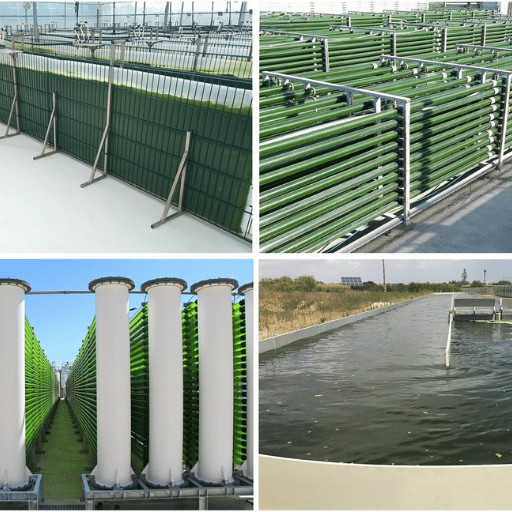
Photobioreactor systems function as controlled environments which create ideal conditions for growing photosynthetic organisms that include microalgae. These systems provide essential factors like light, carbon dioxide, and nutrients while they keep optimal temperature and mixing conditions to achieve stable biomass production. Photobioreactors provide better yield results than open cultivation methods because they stop outside contamination and allow precise control over growth conditions. The system shows great flexibility which enables its use in multiple fields such as biofuel production, pharmaceutical development, and wastewater treatment. Photobioreactors enable the development of environmentally friendly algae farming methods which can be expanded to larger scales.
Definition and Function of Photobioreactors
Photobioreactors function as dedicated systems which enable scientists to manage the growth of phototrophic microorganisms which include algae, cyanobacteria, and photosynthetic bacteria. The system enables scientists to create an ideal environment for achieving maximum photosynthesis and biomass growth. Photobioreactors maintain steady growth rates together with optimal production outputs through their control system which manages light levels, carbon dioxide amounts, temperature, and nutrient delivery. These systems provide essential support for various fields which include bioenergy production and biopharmaceutical development because they deliver an environmentally safe and scalable method for industrial algae farming operations.
Types of Photobioreactor Designs
The structural designs and operational methods of photobioreactors create two main categories which scientists use to classify these systems. The most common designs include:
- 1
Tubular Photobioreactors
Uses transparent tubes for extensive surface area to sunlight; ideal for large-scale outdoor production despite oxygen buildup challenges. - 2
Flat Panel Photobioreactors
Features flat surfaces for even light distribution; an efficient solution for space utilization in controlled indoor settings. - 3
Column Photobioreactors
Vertical cylindrical design using air-lift or bubble systems for gas exchange; offers low power consumption and high-density culture. - 4
Hybrid Designs
Combines tubular, flat panel, and column elements to enhance operational efficiency and solve specific energy or light collection problems.
The design decision process follows three main factors: end-use application, required operational capacity, and budget needs.
Closed vs. Open Systems in Algae Cultivation
The process of algae cultivation requires two different system types which operate in closed and open system modes to meet specific industrial requirements and environmental restrictions. Raceway ponds function as open systems which provide cost advantages and scalability options, yet these systems encounter three main issues which include the danger of contamination, lack of precise environmental management, and decrease in product cleanliness.
Photobioreactors function as closed systems which solve these problems through their ability to create regulated spaces that boost biomass production and enable the extraction of valuable products. The system needs both financial resources and ongoing operational costs for its complete operation. The choice between closed systems and open systems requires organizations to assess multiple elements which include their financial resources, the specific algae strains they want to produce, the products they aim to make, and the surrounding environmental factors.
Tubular Photobioreactors: Design Features
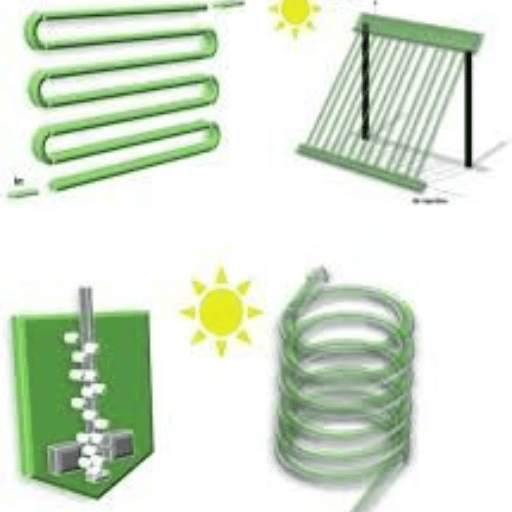
Tubular photobioreactors serve as the preferred method for growing algae because their design enables efficient operations and their system maintains controlled conditions. The reactors use transparent tubes which manufacturers produce from glass or plastic materials to create three different horizontal, vertical, and serpentine loop arrangements that optimize sunlight access. A pump system circulates the culture medium through the tubes to achieve equal distribution of nutrients and gases, including carbon dioxide, while keeping particles from settling down. The closed design system protects against outside contamination while enabling exact temperature, pH, and light intensity control.
Structural Design and Configuration
Tubular photobioreactors use transparent tube systems which engineers design to run in horizontal, vertical, and spiral patterns that boost light collection and operational efficiency. The tubing uses strong UV-protective materials, including borosilicate glass and special plastics, to protect against environmental damage while allowing maximum light passage.
The system’s configuration determines its application needs because horizontal setups require more ground space while vertical designs need less area and spiral systems provide better mixing and flow control. The main design requirements need to achieve consistent water flow patterns while creating efficient pressure drops and building modular systems which technicians can maintain and expand without difficulty.
Tube Dimensions and Flow Rates
The measurement of tube dimensions together with flow rate values represents essential factors which determine the optimal performance of photobioreactors.
| Parameter | Optimal Range | Operational Impact |
|---|---|---|
| Tube Diameter | 2 to 10 cm | Balances light penetration vs. flow resistance. |
| Flow Velocity | 0.2 to 0.5 m/s | Prevents sedimentation and protects from shear stress. |
The precise calibration of these variables becomes critical for establishing consistent growth conditions which support metabolic efficiency and enable commercial systems to achieve scalable production levels.
Light Optimization Technologies
Select advanced light optimization technologies to improve photosynthetic efficiency in controlled environments. The system incorporates high-efficiency LED technology which produces specific light wavelengths that match the required action spectrum needed by the organisms. The dynamic light control system uses sensors together with automated systems to provide light at optimal levels which match the essential growth periods and metabolic needs of plants. The use of light diffusion materials enables continuous light distribution which improves light transmission while decreasing areas that remain unlit. The combination of these methods produces two benefits which include better energy efficiency and stable biomass yield under different operating conditions.
Material Advantages in Algae Bioreactors
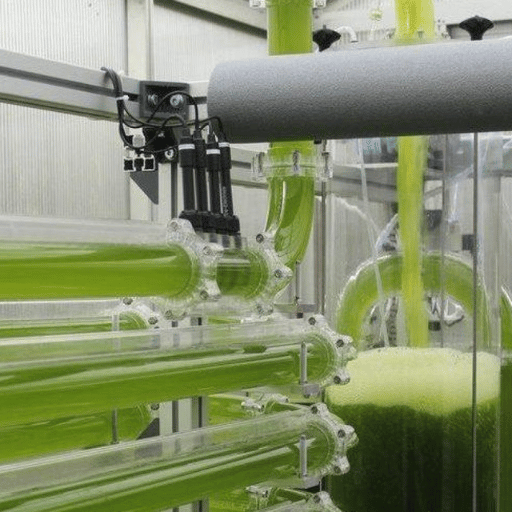
The materials used in algae bioreactors offer several key advantages that enhance efficiency and durability. The transparent materials which include glass and specific types of UV-resistant plastics provide essential light transmission capabilities which scientists need to achieve maximum photosynthetic efficiency. The materials maintain their operational capabilities because they resist chemical and environmental damage under extreme working conditions.
The advanced coatings and surface treatments of the materials provide two benefits: reduced fouling and decreased maintenance requirements, leading to improved operational efficiency. The structural materials of reinforced polymers provide high mechanical strength which enables system durability while their lightweight properties simplify installation and scalability. The material selections used in this project create conditions which improve both bioreactor performance and operational system durability.
Durability and Resistance to Environmental Conditions
Bioengineered systems need to use durability and resistance as their main design criteria because these two factors enable sustained operational performance. The materials need to handle both mechanical stresses and the complete range of chemical, thermal, and biological hazards that they will encounter throughout their lifetime. The industry uses high-performance polymers, corrosion-resistant alloys, and advanced composite materials to achieve these performance standards. The materials maintain superior environmental resistance which protects them from degradation through temperature changes, pH fluctuations, and microbial activity. The system’s durability decreases required maintenance time while maintaining operational reliability, which protects production levels in high-demand work environments.
Transparency and Cost-Efficiency of Plastic Tubes
Industrial applications across different fields choose plastic tubes because they provide outstanding transparency at an affordable price. The system allows operators to monitor fluid movement through the transparent pipes which is essential for processes that demand constant visual checks to achieve precise results. The manufacturing process of plastic tubes costs less than glass and metal products while their lightweight design brings down shipping and installation expenses. The system maintains high performance standards while operational costs decrease because its durable components need replacement less frequently.
Maintenance and Longevity of Bioreactor Systems
Proper maintenance is critical to optimizing both the longevity and operational capabilities of bioreactor systems. The system needs complete sensor calibration, seal inspection, and equipment cleaning to ensure contamination-free operation and peak efficiency. The service life of equipment extends through the use of durable components which include corrosion-resistant materials and advanced filtration systems. The implementation of predictive maintenance strategies which utilize condition monitoring and data analytics enables organizations to identify equipment wear and tear at an early stage which decreases unexpected equipment failures. Bioreactor systems can maintain their optimal performance during extended operational times by following a maintenance schedule and utilizing advanced diagnostic equipment according to industry standards.
Industrial Applications of Algae Bioreactor Systems
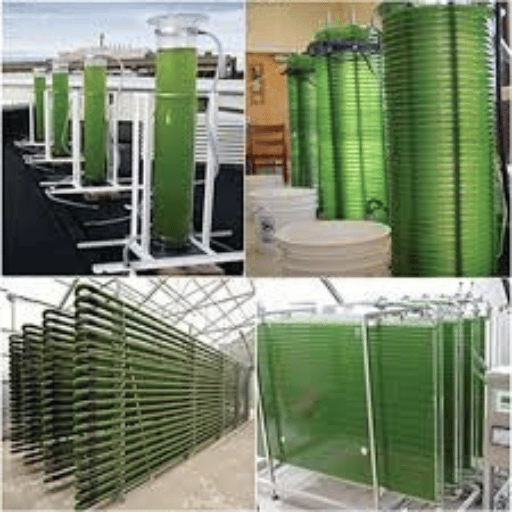
Algae bioreactor systems are used in multiple industries because they provide sustainable solutions through their adaptable design. Algae serve as a renewable resource in biofuel production which utilizes algae to create biodiesel and bioethanol. The systems work as vital components for wastewater treatment because they utilize algae to remove nutrients and pollutants, which helps decrease environmental harm.
Algae bioreactors produce valuable compounds which benefit the food and pharmaceutical industries by delivering omega-3 fatty acids, antioxidants, and vitamins. The systems make a substantial contribution to carbon capture and sequestration because they transform carbon dioxide into biomass, which helps decrease greenhouse gas emissions. The bioreactor demonstrates its ability to solve industrial and environmental problems through its various applications.
Biofuel Production from Microalgae
Microalgae serve as an excellent source of biofuel feedstock because they contain high lipid levels and grow quickly while they can survive in areas that cannot be used for farming. The biofuel production process begins with microalgae cultivation in controlled settings followed by biomass harvesting and subsequent lipid extraction through either chemical or mechanical techniques.
The transesterification process converts these lipids into biodiesel while the remaining biomass serves as a source for biogas, bioethanol, and other important byproducts. Microalgae-based biofuels offer both scalable and sustainable solutions that help decrease fossil fuel dependency while reducing climate change impacts. The industrial use of microalgae cultivation and processing methods requires development of affordable production and processing technologies.
Potential lipid content by dry weight in optimized microalgae strains for biofuel production.
Carbon Capture Technologies
Carbon capture technologies operate as advanced systems through their design to capture carbon dioxide (CO₂) emissions which industrial processes produce together with their ability to capture atmospheric CO₂ emissions. The main methods for capturing carbon dioxide include post-combustion capture which extracts CO₂ from flue gases, pre-combustion capture which uses fuel gasification to extract CO₂ before combustion, and oxy-fuel combustion which uses oxygen to burn fuel and create a high-concentration CO₂ emission stream.
The technologies employ chemical solvents, solid sorbents, and membrane systems as their primary methods to achieve efficient CO₂ capture. Two methods exist for managing captured carbon dioxide: carbon sequestration which involves storing carbon dioxide in geological formations like depleted oil and gas reservoirs and carbon utilization frameworks which allow repurposing carbon dioxide for industrial use. The system requires organizations to achieve three objectives: they must decrease operational expenses while they must enhance energy performance and they must solve all challenges related to system expansion.
Wastewater Treatment Solutions
Modern wastewater treatment solutions aim to efficiently remove contaminants and recover valuable resources while meeting environmental regulations. Advanced treatment technologies use biological processes which include activated sludge systems for organic pollutant removal and membrane bioreactors (MBRs) which produce high-quality effluent, together with chemical treatments that use coagulation and advanced oxidation processes (AOPs) to treat stubborn contaminants including emerging micropollutants.
Industries now use zero-liquid discharge (ZLD) systems which combine filtration and evaporation with crystallization to achieve their water waste reduction goals. The team focuses on developing energy-efficient designs together with digital monitoring systems which will improve performance. The system will allow the company to expand its operations while decreasing its operational expenses.
Pharmaceutical Uses and Bioproducts
The pharmaceutical industry uses modern water treatment methods to meet high purity standards that are necessary for their drug production processes. Purified water and water-for-injection (WFI) are essential in the formulation of pharmaceuticals, and processes such as reverse osmosis, deionization, and ultrafiltration are employed to achieve requisite specifications.
Bioproducts including monoclonal antibodies, vaccines, and cell cultures need ultra-pure water to protect against contamination and to keep their products effective. The system uses automated monitoring systems to provide real-time quality control which meets both regulatory requirements and industry best practices. These technological advancements demonstrate how water treatment systems function as essential components for both groundbreaking work and regulatory compliance within the pharmaceutical industry.
⚠️ Important Note
Biofouling (the accumulation of microorganisms on tube surfaces) is a critical challenge in photobioreactors that can reduce light transmission by over 50% if not managed through routine mechanical or chemical cleaning.
Reference Sources
- •
SCHOTT: Explains requirements for glass tubing to endure extreme conditions in industrial algae cultivation. - •
Turboplastic: Detailed tools and conditions for growing algae at maximum efficiency. - •
PLEXIGLAS®: Information on transparent bioreactors and optimal growth environments.
Frequently Asked Questions (FAQs)
What are algae bioreactor system tubes?
These specialized tubes serve as essential components for photobioreactors which enable controlled algae cultivation through their design.
What materials are used for algae bioreactor tubes?
The primary materials used include glass, PLEXIGLAS®, and other materials providing UV protection, transparency, and durability.
Why is UV stability important for bioreactor tubes?
It enables them to endure extended sunlight without material deterioration, vital for outdoor algae farming operations.
What are the benefits of using transparent tubes in bioreactors?
Transparent tubes enable maximum light access, resulting in effective photosynthesis and increased algae production.
What industries use algae bioreactor system tubes?
Applications span multiple industries including biofuels, pharmaceuticals, cosmetics, food supplements, and aquaculture.