

Microalgae cultivation is one major area that continues to expand towards energy, food security, and environmental preservation issues. At the top of the line are these bioreactor designs developed to expedite the processes and growth conditions of microalgae. This weblog goes on to detail the mechanics of how modern bioreactor systems animate and invigorate the growth process, but also their overall application, starting from biofuel generation to pharmaceutical research. Acquaintance with the science behind the technology of alga bioreactor tubes could lead to a rather radical resource management and create opportunities for greening the planet and sustainable growth.
Key Takeaway
Modern tubular photobioreactors provide a sterile, highly controlled environment that maximizes photosynthetic efficiency, making microalgae a viable cornerstone for carbon sequestration and sustainable industrial production.
Introduction to Algae Cultivation
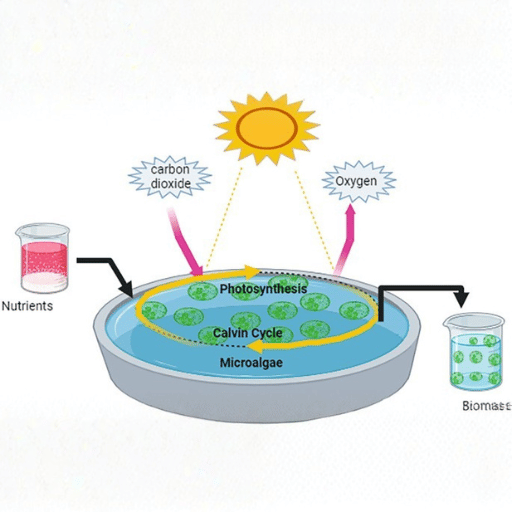
Algal culture refers to the controlled growing of algae for commercial and industrial purposes. The main aim is to adjust light, temperature, nutrients, and carbon dioxide, and so on, to help algae growth. Algae are very versatile organisms and find use in various fields like the production of biofuels, nutraceuticals, and cosmaceuticals. This is contemporary to the growth of algae, which can be done extremely rapidly, economically, and also with the conversion of carbon dioxide into biomass, which makes them an exciting prospect for global sustainability.
The Importance of Algae in Sustainable Innovation
The exceptional adaptability and high rate of productivity of algae are some of the major drivers for sustainable innovation. These microorganisms can be grown on marginal lands requiring minimal freshwater, an utmost saving of our agricultural resource. With their superior carbon sequestration, they capture volumes of CO2 during their growth and hence are considered key to slowing down climate change. The ability and potential are also noted by their diverse uses—from biofuel production to bioplastics to pharmaceuticals—as alternatives to mitigate carbon intensities and other impacts produced with materials coming from fossils. With their incorporated usage into industrial operations, these technologies will revolutionize industrial practices towards sustainability and circular economics; this is a gateway to a greener future.
Environmental Solutions Offered by Microalgae
Microalgae represent a versatile and scalable solution to several challenging environmental issues. Microalgae culture has been seen to be a formidable carbon sequestration tool already in some ways – rapid growth rates being one of the greatest contributions, because of their potential for the uptake of enormous amounts of CO2 during growth. In addition, they can be cultivated on non-arable land, using the least amount of fresh water compared to most other crops, thus simultaneously removing the main reasons behind petty competition for land use and fresh water.
Microalgae not only work toward the remediation of wastewater by removing heavy metals and toxins but also produce biomass split for biofuels, animal feed, and bioplastics. As such its innovation capacities are exceedingly fundamental and conspicuous across industries for the sake of sustainable growth, although microalgae thereby ensure the transition to the low-carbon, circular economy.
Overview of Algae Cultivation Techniques
| System Type | Examples | Characteristics |
|---|---|---|
| Open Systems | Raceway Ponds | Cost-effective, easy scaling, high contamination risk. |
| Closed Systems | Photobioreactors (PBR) | High purity, controlled parameters, maximum productivity. |
Techniques used in the cultivation of algae may be classified broadly into open systems and closed systems. Raceway ponds are extremely shallow, oval-shaped channels with paddle wheels agitating the algal suspension and ensuring nutrient distribution. As against open cultivation systems, closed cultivation systems possess a potential for very good purity and high rates of productivity such as photobioreactors. Most photobioreactors belong to the category of closed systems, designed for the provision of good light, gas transfer points, and temperature control. pH levels and light intensity, among other parameters, are monitored with utmost reason so as to encourage maximum algal growth and productivity. The cultivation method depends, to a large extent, on the species of interest to be cultivated, the proposed uses of the production, and its eventual economic viability.
The Role of Bioreactor Tubes in Algae Cultivation
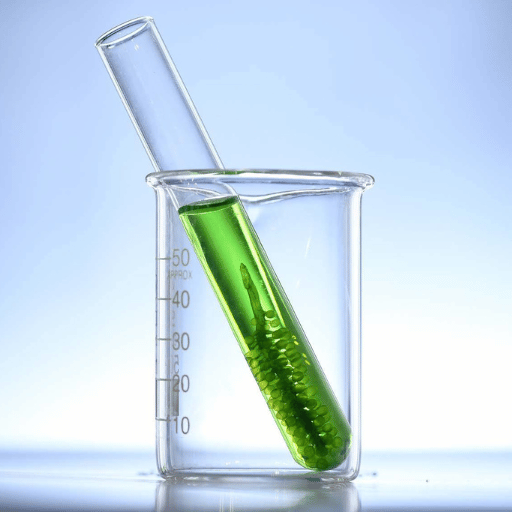
Bioreactor tubes contribute a lot to algae cultivation by providing an environment where the growth conditions are optimized and controlled. They realize a careful exposition to light, an adequate gas exchange, as well as the precise manipulation of temperature and resource supply for this project. These tubes greatly increase biomass yield and productivity when they prevent contamination from surface soiling and maintain a lot of space during photosynthesis. Their design enhances overall scalability and flexibility and thus denotes these systems as the best choice for both research and business setups in sustainable algae production.
Enhancing Growth Efficiency with Tubular Systems
Tube-based systems help plants grow up more effectively they manage many of the key variables that are crucial to cultivating algae. Their closed systems prevent contamination whereas big (and everyday) delivery of light, nutrients and gases is guaranteed. Such a controlled environment is capable of maximizing productiveness in comparison to open, old-fashioned systems. Therefore, tubular setups have therefore been an apt approach toward achieving the required scalability, sustainability, and economic practicability for algal production in the future.
Reducing Contamination Risks in Closed Systems
💡
Sterilization Advantage
Sealed tubular designs eliminate airborne pollutants and irritants. Combined with integrated sterilization mechanisms like UV radiation and specialized filters, these systems maintain a sterile environment essential for high-quality pharmaceutical-grade biomass.
A sealed system can greatly help in eliminating allergens and irritants such as air-borne particles or pollutants brought by winds. The sealed design of the system helps prevent the entry of any kind of contaminant, and fully integrated plant sterilization mechanisms (such as UV radiation, filters) will keep the environment completely sterile for operation. Automated monitoring control and on-the-spot regulation of environmental change, such as pH level, temperature spread, and nutrient levels, therefore further guarantee safety against contamination-induced liabilities. This level of monitoring helps ensure that the entire manufacturing process is immeasurably secure and scientific.
Improving Scalability in Algae Production
Scaling up the algae production will require integration of modular photobioreactor systems and enhancement of high-throughput advances in cultivation technology. Enabling such a system to grow in an incremental style, modular systems definitely help a production facility avoid running into the bottleneck due to scale-up. Also, trials to modulate the result will enhance the productivity in combination with energy saving and minimization of resources for a surprisingly good gain. Such a move, together with the use of predictive analytics on process optimization, would go a long way towards surmounting the challenges that large-scale algae production has to come through-take sustainability in tow, making sure it remains cost-efficient.
Technological Advancements in Algae Cultivation
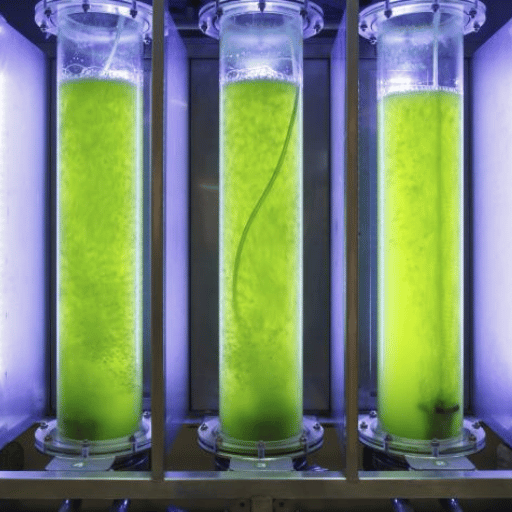
Recent innovations have involved a series of improvements in algae cultivation, which have increased growth conditions while becoming sustainable and efficient at scale. These innovations include high-tech monitoring systems that automate the readjustment of light intensity, temperature, or available nutrients in real time thus affording a high degree of accuracy and absence of waste of digging resources-thanks to which breakthroughs have been introduced in photobioreactor technology. Some technologies might include gas exchange designs that allow tremendous increase in bio mass production. Closed-loop systems use waste-water-recycling opposite to which is carbon dioxide production becoming favorable for adopting green-friendly strategies bringing about reducing operational cost. These pioneering technologies are thereby making algal cultivation and better carbon sequestration a very attractive way to generate biofuels and make biomass better.
Innovations in Photobioreactor Designs
Advances in photobioreactor technology have enhanced the efficiency of algae cultivation considerably. By now, the optimized reactor designs feature better light distribution systems for even irradiation onto algal cells and thus reduce shadowing. In addition to the above, superior flow dynamics in tubular or flat-panel systems provide consistently adequate nutrient supply and gas exchange, thereby ensuring overall biomass productivity benefits, etc. These advancements address issues like energy efficiency and the scalability of systems, thereby transforming modern photobioreactors into a pivotal tool towards the advancement of sustainable algae production.
Material Advancements: From Plastic to Acrylic Tubes
The shift from conventional plastic to acrylic tubes is due to the emerging need to achieve higher durability, transparency, and resistance to chemicals in photobioreactor design. Acrylic materials ensure more efficient light transmission, which is of utmost importance to algae cultivation in finding ways to maximize photosynthetic efficiency. Further, the increased resistance of acrylic to ultraviolet (UV) degradation and bio-fouling has led to an extended operational life compared to standard plastics. These provide the platform for lowering maintenance costs and hence system reliability, in line with the focus on scalability and long-term sustainability of the sector.
Automation and Its Role in Streamlining Cultivation Processes
The situation in which automation is essential is where crop-management processes have been improved, really by way of better accuracy, efficiency, and scalability. Modern systems are built from sensors, data analysis, and programmable controllers for painfully precise monitoring and control of all key variables, such as temperature, pH level, and light intensity. This technology reduces error and labor costs, enabling a high-yield attributable to real-time manipulation. Of course, automation ensures scalability by overlooking variations in the scale; it standardizes procedures and maintains stable quality through vast operations. With the application of automation, the industry could target growth sustainability while keeping up its life efficiency and resource conservation.
Applications of Algae Cultivation Across Various Sectors
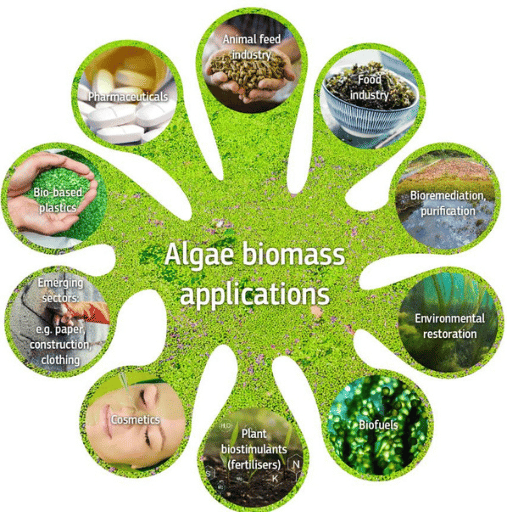
- ✓
Biofuels Production: Offering higher yield potential and greenhouse gas mitigation compared to conventional crops. - ✓
Food and Nutrition: Used in dietary supplements, functional foods, and animal feeds (proteins and vitamins). - ✓
Pharmaceuticals: Sourcing antimicrobials, anti-inflammatory compounds, and antioxidants. - ✓
Cosmetics Industry: Active ingredients in skincare for moisturizing and anti-aging properties. - ✓
Environmental Applications: Wastewater distillation and industrial carbon sequestration.
Biofuels: Algae as a Renewable Energy Source
Algae-based biofuels are another viable option for creating renewable fuels owing to the high growth rate of algae, efficient photosynthesis, and the plants’ capacity to flourish in different environments. Algae, unlike mainstream biofuel crops like corn or soybeans, can grow on non-arable lands and feed on saline or wastewater thereby reducing competition with food resources. Having the virtue of producing lipids suitable for biodiesel and carbohydrates for ethanol, algae are very versatile and sustainable for the production of energy. Additionally, carbon dioxide is sequestered during the photosynthetic process, decreasing the total greenhouse gas emissions. However, a general deployment of algae as renewable energy sources could be completely blocked because of concerns with producing costly products, along with aspects of scaling production and energy-intensive harvests.
Healthcare: The Use of Microalgae in Pharmaceuticals and Nutrition
Microalgae have become a vital source of pharmaceuticals and nutrition because of abundant bio-active components and nutritional profiles. Rich with other nutrients, essential fatty acids, vitamins, protein, and antioxidants; microalgae have great health implications and contribute significantly to tissue building and disease-resistant life. Its biotechnological use is common for the production of antimicrobial agents, anti-inflammatory compounds, and alteratives. Some, such as Spirulina and Chlorella, are also used for nutritional purposes as dietary supplements due to high-protein and rich micronutrient profiles. However, despite the fascinating prospects, usages on a larger scale and efficiency remain tantamount issues asking for further innovations and investments.
Sustainable Agriculture: Contributions to Eco-Friendly Fertilizers and Animal Feed
Microalgae offer a novel sustainable solution for agriculture by creating green alternatives to fertilizers and animal feed which are resource-efficient. Microalgae contain rich nutrients, including essential amino acids, fatty acids, and a variety of trace elements, enhancing soil health and crop growth when used as biofertilizers. Also, microalgal based feeds are now known as an excellent protein source for livestock and aquaculture, thereby reducing the dependence on conventional feed components like soy and fishmeal, which have a big environmental footprint. Microalgae usage within these fields would help mitigate carbon footprints, overuse of synthetic fertilizers, and foster a circular economy. However, its scalability and the cost-efficiency component requires much more effort to walk a tightrope, enabling robust adoption throughout the landscape.
Reference Sources
- PLEXIGLAS®: High-efficient Growth of Microalgae in PLEXIGLAS® Tubes
- NREL: Techno-Economic Analysis for Production of an Algal Biomass
- LGem: Algae Cultivation for Lab Use
Frequently Asked Questions (FAQs)
What are the algae cultivation tubes?
The algae cultivation tubes are semi-transparent tubes which are used inside the photobioreactor for a controlled-growth environment that provides optimal illumination and nutrient conditions for growth.
What materials are algae cultivation tubes made of?
Such tubes may be made from PLEXIGLAS®, glass, or certain other very durable and transparent plastic materials.
Why are the algae cultivation tubes so important?
A well-controlled environment that ensures the best possible conditions for high productivity is made available through algae cultivation tubes. In addition, they protect against various contamination degrees.
What are the sectors using algae cultivation tubes?
These tubes are used in diverse sectors such as the food and beverage industry, the various biotechnical companies, health, cosmetics, fish farming, and renewable energy.
What are the advantages of using algae cultivation tubes?
The tubes ensure environmentally friendly growth under best circumstances; light diffusion and easy scale-up boost high quantities and quality while minimizing contamination risk.