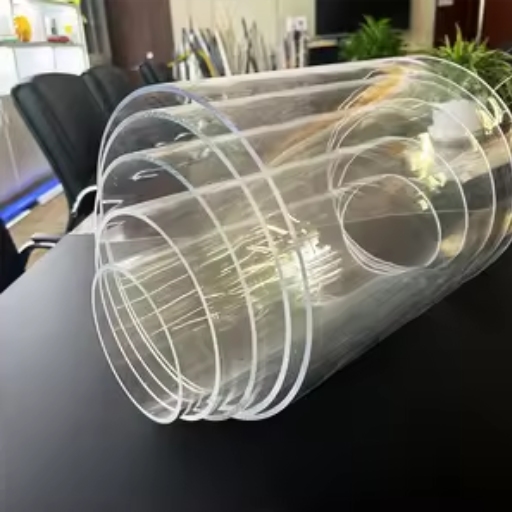

In a laboratory environment, selecting the right materials for equipment and devices is a critical decision. Clear plastic tubes and plexiglass are essential components in a wide range of applications due to their exceptional durability, precision, and high optical clarity. This article explores their compositions and major characteristics in detail, comparing them against alternative materials with lower specifications. Whether you are developing a personalized display item, conducting a flow test, or designing complex lab apparatus, this guide provides accurate technical advice to inform your decisions.
Key Takeaway
Acrylic tubing balances performance, durability, and cost-effectiveness, making it a superior choice for laboratory applications requiring high visibility and chemical resistance.
Benefits of Acrylic Tubing in Laboratory Settings

Acrylic tubing provides a number of significant advantages in the laboratory setting:
- ✓
Clarity: Clear acrylic allows for unobstructed optical observation of fluid flux and experimental processes. - ✓
Durability: Acrylic material is impact-resistant and withstands deformation, ensuring longevity under rigorous use. - ✓
Chemical Resistance: Acrylic is a durable option for withstanding many commonly used lab chemicals. - ✓
Lightweight: Acrylic tubing is significantly lighter than glass, facilitating easier handling and installation. - ✓
Customizable: Acrylic tubes are easy to cut, bend, or shape to fit specific experimental requirements.
Therefore, acrylic tubing serves as an effective, cost-efficient solution for diverse laboratory applications.
Optical Clarity and Visibility
True optical clarity is a hallmark of acrylic tubing, providing distortion-free images of the contents within. This is particularly helpful in laboratory settings for monitoring fluid flow, interactions, or reactions. The material is as transparent as glass but offers better protection and durability. The polished surface of acrylic tubing further improves visibility, ensuring precise measurements even in complex experiments. These characteristics make it highly sought after for functions requiring frequent visual checks.
Cost-Effectiveness Compared to Other Materials
Acrylic tubing provides a significant price advantage over materials like glass or metal, especially when transparency and lightweight properties are required. While glass offers similar optical clarity, it is considerably more expensive to produce and transport due to its weight and fragility. Metals, though highly durable, lack the transparency necessary for visual assessments and often involve higher fabrication costs. Acrylic maintains an ideal balance between performance, durability, and cost, making it the preferred choice for industries seeking economic solutions without sacrificing functional capability.
Durability and Resistance to Chemical Damage
Acrylic possesses exceptional resistance to chemical damage, making it suitable for many demanding purposes. Its chemical structure provides substantial resistance to various harsh substances, from acids to alkalis, without compromising physical integrity or appearance. Additionally, its resistance to weathering, UV degradation, and surface corrosion ensures longevity in grueling conditions. This combination of strength and endurance cements acrylic’s reputation as a resilient industry standard.
Comparative Analysis of Materials
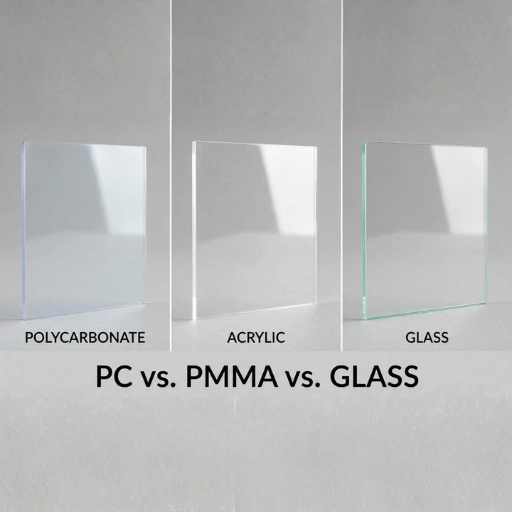
In laboratory use, acrylic tubing distinguishes itself from glass and metal through several key factors. Firstly, its weight is extremely light compared to glass, which simplifies shipping and handling. Secondly, its optical transparency allows for full visual examination of monitored processes. Furthermore, acrylic is highly chemically resistant compared to many metals that corrode in harsh environments. While glass is more thermal and scratch-resistant, its fragility and cost make it less ideal for large-scale use where durability and budget are primary concerns.
Acrylic vs. Glass: Pros and Cons
The primary advantages of acrylic over glass include its lighter weight, increased impact strength, and ease of fabrication. Acrylic’s flexibility and impact resistance are particularly favorable in applications where endurance is required without compromising transparency. However, due to its high thermal expansion and susceptibility to scratches, acrylic may not be suitable for specialized high-temperature systems. Conversely, glass offers unparalleled thermal stability and scratch resistance, making it better for precision high-temperature applications. Selection between the two depends on environmental characteristics, desired endurance, and budget.
| Feature | Acrylic | Glass |
|---|---|---|
| Weight | Lightweight | Heavy |
| Impact Resistance | High | Low (Fragile) |
| Thermal Stability | Moderate | Excellent |
Polycarbonate vs. Acrylic: Which is Better?
Choosing between polycarbonate and acrylic depends on the specific needs of your application. Polycarbonate boasts superior strength and impact resistance, making it ideal for protective barriers and automotive parts. On the other hand, acrylic provides better optical clarity and UV resistance, making it the preferred choice for signage, display cases, and decorative items. While polycarbonate is more versatile in terms of raw strength, acrylic offers a better balance of aesthetic appeal, function, and price. The decision should involve a trade-off between strength, environmental conditions, and budget.
PVC vs. Acrylic Tubing: A Detailed Comparison
When comparing PVC and acrylic, the critical factors are mechanical properties and environmental resistance. PVC tubes are robust and highly resistant to chemicals, corrosion, and abrasion, fitting industrial applications like electrical insulation and fluid transport. Their flexibility and affordability make them appropriate for harsh environments. In contrast, acrylic tubes offer high transparency and low density with satisfactory chemical resistance. This makes acrylic the top choice when optical clarity or aesthetics are paramount, such as in laboratories or decorative setups. The choice is largely driven by operational needs, including environmental exposure and mechanical stress.
Common Applications of Acrylic Tubing in Lab Equipment

Acrylic tubing is used widely in laboratories due to its transparency, flexibility, and resistance to chemicals. Key uses include:
- •
Fluid Flow Visualization: Monitoring fluid or gas flow in experiments. - •
Protective Enclosures: Protecting sensitive equipment while maintaining full visibility. - •
Chemical Distribution Systems: Transporting non-corrosive liquids or gases. - •
Custom Apparatus Construction: Designing specialized setups like manifolds and reaction chambers. - •
Vacuum Systems: Utilizing structural integrity for light-duty vacuum lines.
Use in Chromatography Columns
The clarity of acrylic tubing is instrumental for the visual monitoring of separation in chromatography columns. Its chemical resistance ensures compatibility with solvents typically employed in the process. Because acrylic is a solid material, columns remain steady under gravitational or positive pressure. The flexible nature of acrylic allows for the engineering of high-precision parts tailored to specific experiments, making it a preferred choice for research and industrial chromatography.
Fluid Transfer Systems and Pipelines
Fluid transfer systems are the crux of industrial processing, ensuring the efficient passage of liquids and gases. Best practices in design consider material compatibility, pressure ratings, and flow dynamics. Advanced materials like stainless steel or reinforced polymers provide durability, but acrylic is often integrated where visual monitoring is required. Stringent engineering regarding flow rates and safety parameters makes these systems reliable across petrochemical and pharmaceutical production environments.
Custom DIY Lab Solutions with Acrylic Tubing
Acrylic tubes provide almost limitless opportunities for lab bench mobility and custom architecture. They can be easily cut, shaped, and connected into reactors or enclosures while preserving the need for visual monitoring. A wide range of fittings and connectors allows this tubing to adapt to unique experimental requirements, proving that acrylic is a practical medium for efficient lab outputs.
Choosing the Right Acrylic Tubing
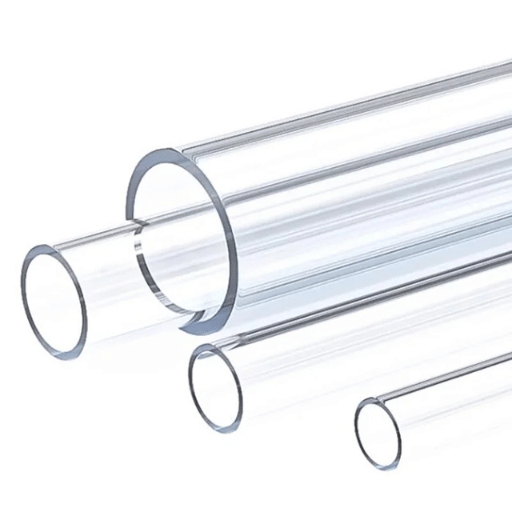
When selecting acrylic tubing for laboratory or industrial applications, start by determining the specific requirements of your system. Key considerations include:
💡
Selection Checklist
- Diameter and Wall Thickness: Match dimensions to flow and pressure limits.
- Chemical Compatibility: Verify resistance to specific chemicals to prevent degradation.
- Temperature: Ensure the operating range fits moderate temperature needs.
- Clarity: Select high-transparency grades for flow observation.
- Quality Standards: Confirm compliance with industry certifications (e.g., food or medical grade).
Determining the Appropriate Type and Grade
It is important to evaluate operational requirements to choose the correct grade. High-rating acrylic may be necessary for improved thermal or chemical properties. You must also decide between cast acrylic (superior optical properties) and extruded acrylic (more cost-effective and suitable for less demanding environments). Matching the tubing’s physical properties to your application’s needs ensures maximum performance and durability.
Selecting the Right Size for Specific Applications
Careful consideration must be given to internal/external diameters, wall thickness, and length. Applications requiring precise fluid control may need tighter tolerances and smaller diameters, while structural industrial applications require larger diameters and thicker walls for rigidity. Accurate measurements are indispensable for guaranteeing the reliability of your application.
Understanding Extruded Acrylic Tubing Options
Extruded acrylic tubing is vital for a wide range of applications, maintaining optical clarity and lightweight properties. Standard options include clear, colored, and frosted finishes. When choosing, consider dimensional tolerances, heat resistance, and environmental factors like UV exposure to find the right balance between cost-efficiency and performance.
Maintenance and Cleaning Protocols

Periodic maintenance helps ensure that acrylic tubing maintains its clarity and functionality. Follow these protocols:
- 1
Cleaning
Use a soft, lint-free cloth with mild soap or specialized acrylic cleaner. Avoid ammonia, acetone, or abrasive pads. - 2
Rinse Thoroughly
Rinse with clean water to remove alkaline residues that could cause discoloration. - 3
Drying
Dry gently by patting with a soft cloth to avoid water spots. - 4
Regular Inspection
Check for scratches, cracks, or cloudiness during every cleaning session. - 5
Storage
Store in a dry place away from direct sunlight to prevent warping or deformation.
Proper Cleaning Techniques to Prevent Contamination
Cleaning is essential for maintaining material integrity. Use a solvent-soaked non-abrasive material to clean the tubing gracefully, avoiding harsh chemicals that cause microcracks. Wash with lukewarm water to remove soap residues which can trap particulates over time. If sterilization is required, use only recommended disinfectants compatible with acrylic. To prevent oil transfer, wear gloves and store cleaned tubing in a low-microbial, dust-free environment.
Storage and Handling Tips for Longevity
Properly store acrylic tubing away from humidity and direct sunlight. Maintain steady temperatures, ideally between 50°F and 85°F (10°C to 29°C), as fluctuations can cause cracking. Keep tubing flat or supported to prevent bending or collapse. Covering the surface with non-abrasive material prevents scratches and contamination, greatly enhancing the life expectancy of the product.
Signs of Wear and When to Replace Tubing
Regular inspections are necessary for safety. Look for surface cracks, clouding, warping, or brittleness. If signs of fatigue or chemical interference become apparent, the tubing must be replaced to prevent risks. Visual checks increase sustainability and prevent premature system failure.
⚠️ Important Note
Acrylic is susceptible to “crazing” (micro-cracking) if exposed to incompatible solvents like acetone or high concentrations of alcohol. Always verify chemical compatibility before use.
Reference Sources
- Alands Plastic: Discusses acrylic tubes in medical and lab machinery highlighting accuracy and visibility.
- Petro Extrusion Specialists: Introduction to applications in surgical and diagnostic equipment.
- LinkedIn Article: Describes the growth of the extruded acrylic tube market in healthcare.
- Inline Plastics Inc.: Focuses on processes requiring full visibility in lab settings.
Frequently Asked Questions (FAQs)
Where is acrylic tubing used in lab equipment?
It is widely used in air/liquid flow systems and for diagnostic/medical device components.
What makes acrylic tubing preferred in laboratory settings?
Its lightweight nature, durability, transparency, and chemical resistance make it ideal.
What factors should be considered for lab use?
High visibility, precision, cost-efficiency, and customizability are key.
Is it safe for medical and laboratory purposes?
Yes, it is a standard material in these environments.
What dimensions are available?
Acrylic tubing comes in various diameters and lengths to suit specific lab applications.