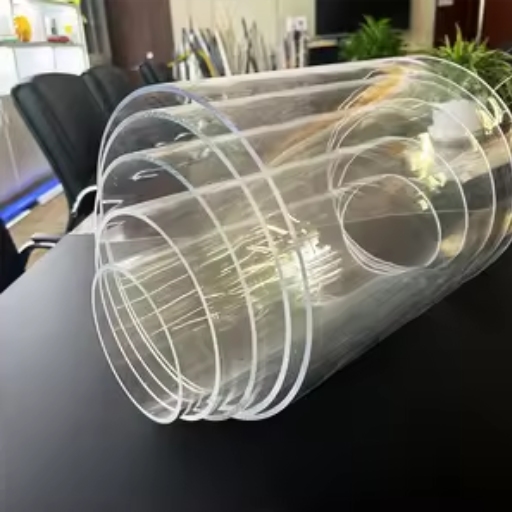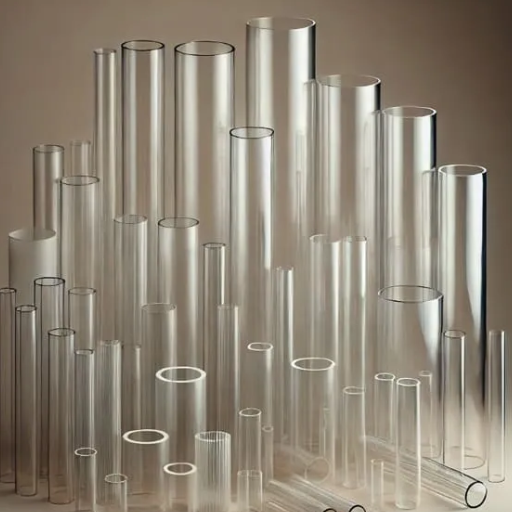

When it comes to laboratory equipment and materials, precision, durability, and reliability are of peak importance. One such class of extruded plastics that is growing increasingly important for a wide range of scientific applications is the clear acrylic tube because of the incredible clarity it offers, its strength, and the adoption of chemical resistance therein.
The following shows how the obvious benefits of the extruded acrylic tubes match the demands of the scientific community. Whether you’re establishing a new laboratory, acquiring a new piece, or looking for material to use in some type of experiment, it is absolutely necessary to acknowledge the multipurpose use of these tubes, their freedom of design, and their functional advantages.
Key Takeaway
Clear acrylic tubes provide a superior alternative to glass in laboratory settings, offering 92% light transmission combined with high impact resistance and cost-effectiveness.
Introduction to Acrylic Tubes

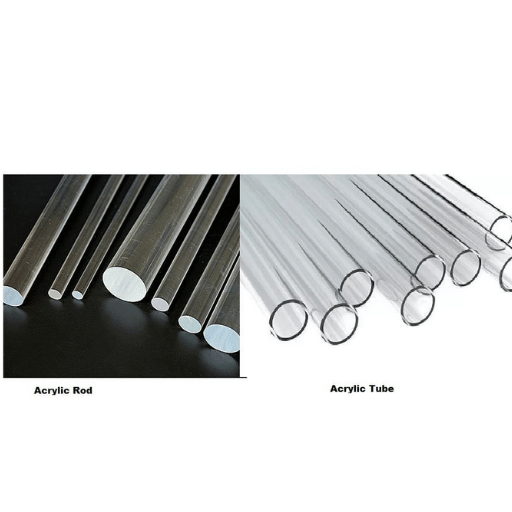
Acrylic tubes are extremely common for use in laboratory environments, being lightweight and durable while possessing high transparency. Their optical clarity, excellent impact resistance, and superior weatherability compared to glass make them ideal for numerous applications. Resistant to the action of most chemicals, these plastic tubes can be machined or optically printed to fit the unique needs of an experiment. Not only are these tubes reliable and versatile for industrial applications, but they are also essential for highly accurate and critical procedures.
The Importance of Clear Acrylic Tubes in Laboratories
Comprised as durable, versatile, and completely transparent, there is an undeniably pivotal role that clear acrylic tubes play in laboratory life. They are chemically resistant and quite adept at enduring difficult environments without deteriorating, proving well-suited for the manipulation of sensitive materials and precise observations. The distinctive feature—being lightweight but extraordinarily resistant to impact—not only ensures safety but also expands the capabilities for utilizing them in diverse ways. These features ensure that clear acrylic tubes meet the rigorous demands imposed by modern scientific research and experiments.
Overview of Extruded and Cast Acrylic Tubing
Extruded and cast acrylic tubes are two diverse forms of acrylic materials, designed exclusively for different applications based on manufacturing methods and attributes. Extruded acrylic tubes are made through a continuous process, making them a more affordable product with uniform dimensions and smoother surfaces. These are best for applications requiring tighter tolerances and an economical solution.
The casting types, on the other hand, involve a different molding process, resulting in superior optical transparency, greater chemical resistance, and better wear resistance. While the casting acrylic tube is more expensive, it is suitable for high-precision applications needing peak performance and extraordinary optical appeal. The choice between cast and extruded tubes depends entirely on the requirements of the application, including budget constraints, aesthetics, and environmental factors.
| Feature | Extruded Acrylic | Cast Acrylic |
|---|---|---|
| Manufacturing | Continuous Extrusion | Molding Process |
| Cost | Lower (Economical) | Higher (Premium) |
| Clarity | Standard High Clarity | Superior Optical Grade |
Key Characteristics of Acrylic Tubes
- •
Optical Clarity: Provides more than 92% light transmission for high visibility. - •
Barrier Protection: Stronger impact resistance than traditional glass sheets. - •
Chemical Resistance: Resistant to weak acids and alkalis, ideal for material treatment. - •
Thermal Stability: Can endure thermal stress with a flow point around 160°C (320°F). - •
Lightweight: 50% lighter than glass while maintaining structural sturdiness. - •
Customizability: Can be easily machined, cut, and bonded for specific secondary operations. - •
UV Resistance: Designed to resist yellowing over time when exposed to the elements.
Benefits of Using Acrylic Tubing
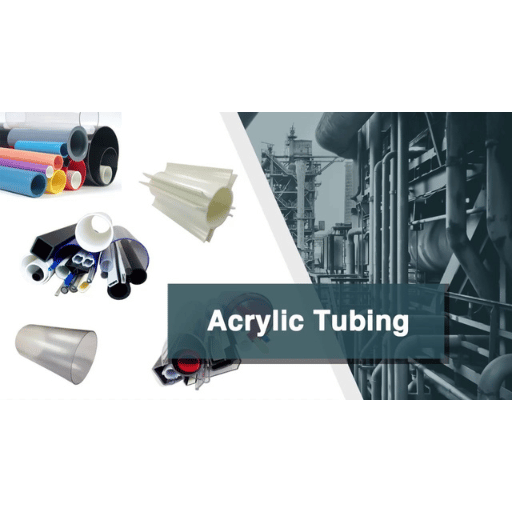
- 1
Durability and Strength
Thrives in environments where breakage resistance is key, serving as a tough field-ready alternative to glass. - 2
Chemical Resistance
Performs well against a multitude of chemicals, with a proven record in industrial and lab applications. - 3
Clarity
High optical clarity admits thorough observation and accurate monitoring in experimental setups. - 4
Lightweight Sturdiness
Significantly lighter than glass, facilitating easier transport and installation without losing quality. - 5
Customizability
Identical to cutting and bending easily into desired shapes, providing endless project possibilities.
Durability and Rigid Structure
Acrylic pipes are constructed with a hardness that provides a reliable source for industrial applications. Acrylic resists damaging blows far better than glass, ensuring a long operational life under rigorous circumstances. It has notable weathering features that enable it to shield its structural barriers and transparency. A combination of these capacities guarantees that acrylic tubes remain compliant with performance criteria in both occupied environments and high-impact situations.
Clarity and Transparency Advantages
Acrylic tubes have extreme transparency and clarity with over 92% light transmission, outperforming most materials in comparable fields. This high optical clarity makes it an attractive choice for situations requiring clear visual inspection, such as fluid systems or display applications. Its resistance to yellowing ensures long-term reliability and high technical aesthetics, even during protracted exposure to sunlight. The optics and strength ensure that acrylic remains the superior material for industries requiring both function and visual excellence.
Cost-Effectiveness Compared to Other Materials
Acrylic is highly cost-effective compared to glass or polycarbonate. While the initial rate may be comparable to standard glass, its lightweight nature greatly reduces transportation and installation charges. Acrylic’s impact resistance also reduces maintenance and replacement costs over time. Unlike fragile glass or softer polycarbonate that is prone to scratching, acrylic is relatively maintenance-free and boasts a long life. This balance of affordability and longevity makes it a preferred solution for quality-conscious industries.
Common Applications of Clear Acrylic Tubes
- ✓
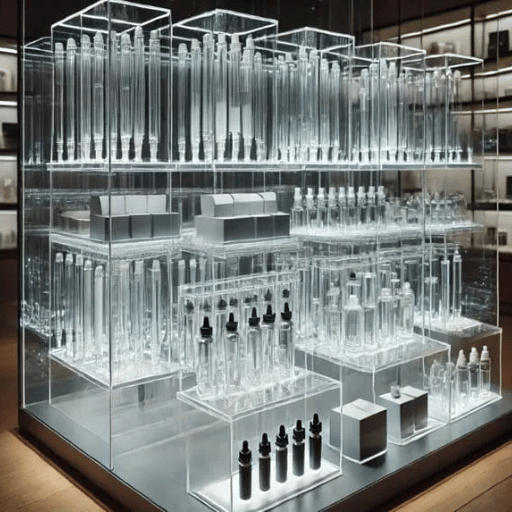
Architectural Design: Creating transparent structures, decorative elements, or custom lighting fixtures. - ✓
Scientific Research: Preferred in labs for complete clarity and resistance to mechanical wear. - ✓
Industrial Manufacturing: Used in precision engineering, rapid prototyping, and silicon wafer manufacturing. - ✓
Aquarium and Zoo Enclosures: Ideal for underwater displays that duplicate natural reef conditions. - ✓
Creative Arts and Displays: A popular choice for retail installations, chandeliers, and designer displays.
Use in Scientific Research
Acrylic tubes play a significant role in scientific research because they are sturdy, clear, and chemical-resistant. They are frequently used in laboratories to design devices like reaction chambers, flow cells, and observation tubes requiring precise visualization. Additionally, their temperature and chemical resistance make them excellent mediums for experiments in chemistry and biology. Their adaptability allows for custom fabrication, ensuring they meet the precise requirements of experimental setups while improving measurement efficiency.
Applications in Chemical Analysis
In chemical analysis, transparent materials like acrylic provide exquisite optical and chemical properties. They are commonly used in spectrophotometers and chromatography setups to monitor reactions and verify sample integrity. Their transparency allows for the precise transmission and detection of light, which is vital for UV-VIS spectroscopy or fluorescence analysis. Being chemically inert, they ensure reliable results by not interacting with reactive substances, preserving the reproducibility and accuracy of qualitative and quantitative analysis.
Educational Uses of Acrylic Tubing
Acrylic tubes are used for various educational purposes due to their clarity, durability, and adaptability. They are frequently used in demonstrations for live viewing of fluid dynamics, gas flow, or chemical reactions. As an excellent material for constructing experimental setups, its lightness and ease of machining enable students and researchers to modify apparatus quickly. Its chemical resistance makes it safe for use with different reagents in chemistry, physics, and engineering education.
Comparing Acrylic Tubes to Other Materials
💡
Pro Tip
While acrylic is more shatter-resistant than glass, use polycarbonate for extreme impact applications. Use acrylic when optical clarity is the top priority.
- Weight: Acrylic is far lighter than glass, simplifying handling and transport.
- Durability: Though less impact-resistant than polycarbonate, it is much tougher than glass.
- Transparency: Transmits 92% of light, far exceeding the clarity of older polycarbonate.
- Weather Resistance: Resists yellowing and degradation better than PVC.
- Cost: Offers a better trade-off between quality and budget than specialized polycarbonate.
Performance Analysis: Acrylic vs. Glass Tubes
Several factors demand attention when contrasting acrylic and glass tubes. Acrylic is lightweight and shatter-resilient, offering a safer handling zone compared to glass. It provides excellent optical clarity alongside glass, making it ideal for maximum transparency. Glass boasts high heat resistance and chemical inertness, making it perfect for extremely high-temperature or reactive environments. However, glass breaks easily on impact. The choice between the two should be guided by specific requirements for mechanical strength, thermal properties, and economy.
Safety Considerations in Laboratory Settings
⚠️ Safety Checklist
Always wear appropriate PPE (gloves, goggles, lab coats) when handling tubes in experimental setups. Ensure proper ventilation and clear labeling for all chemicals used in conjunction with acrylic components.
In laboratory settings, PPE should be given utmost importance. This includes gloves, goggles, and lab coats to manage potential hazards. Proper ventilation, such as fume hoods, is a must for working safely with airborne contaminants. Chemical storage must follow compatibility guidelines to prevent unknown reactions, and labeling should be clear and detailed. Emergency eyewash stations and spill management kits should be located close by. Regular training ensures standardized procedures are followed to mitigate risks.
Affordability and Accessibility of Acrylic Tubes
Acrylic tubes are considered an extremely accessible and budget-friendly material compared to glass or special polymers. This affordability arises from efficient manufacturing processes and the availability of raw materials, allowing for mass production at competitive price points. Acrylic tubes are available globally through a large network of suppliers and distributors. This cost-performance ratio has made it common to find acrylic tubes in industries ranging from building and decoration to medical and scientific fields.
Reference Sources
- LinkedIn Pulse: Maximizing acrylic tubes in healthcare and pharmaceutical industries.
- Extruded Acrylic Tube Market Trends: Broad applications into laboratory and other sectors.
- News Channel Nebraska: Differences between the casting and extrusion processes.
Frequently Asked Questions (FAQs)
What are laboratory acrylic tubes?
They are specialized acrylic-made tubes instrumental in experiments and practical lab applications.
What are the benefits of using acrylic tubes in labs?
They are shatter-resistant, economical, lightweight, and provide excellent optical clarity.
What are general applications of acrylic tubes in labs?
Used in fluid transfer systems, chemical experiments, medical devices, and as covers for fragile equipment.
How do acrylic tubes compare with glass tubes?
Acrylic performs better in toughness and impact resistance but lacks the high heat resistance of glass.
Are acrylic tubes resistant to corrosion in lab work?
They are resistant to several chemicals, but efficacy depends on the specific chemical and its concentration.