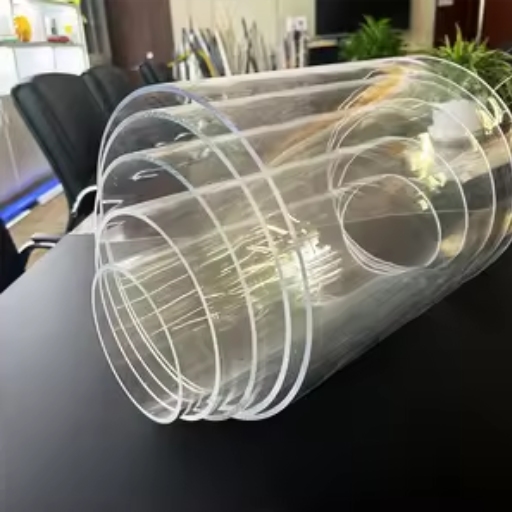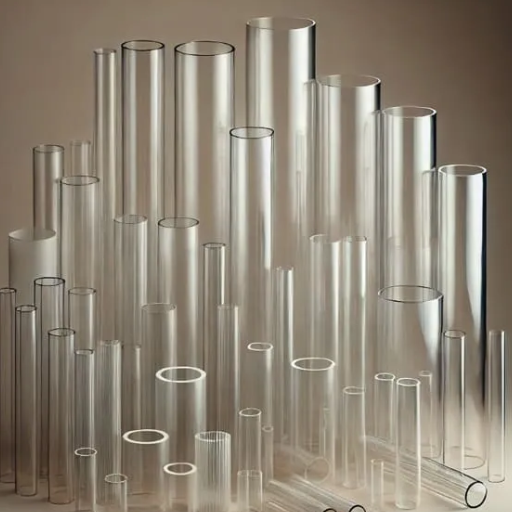

When considering the appropriate acrylic sheet, it is vital to assess the difference between frosted and clear acrylic sheets. Both these materials share the strength, adaptability, and elegant appearance of acrylic, but the distinction lies in their finishes, which serve various purposes. This aims to explain the difference between frosted and clear acrylic in terms of looks, use, and usage. Be it a contemporary architectural plan or privacy, or custom displays, the following guidelines will assist you in making an appropriate selection according to your needs.
Studying the Acrylic Sheets
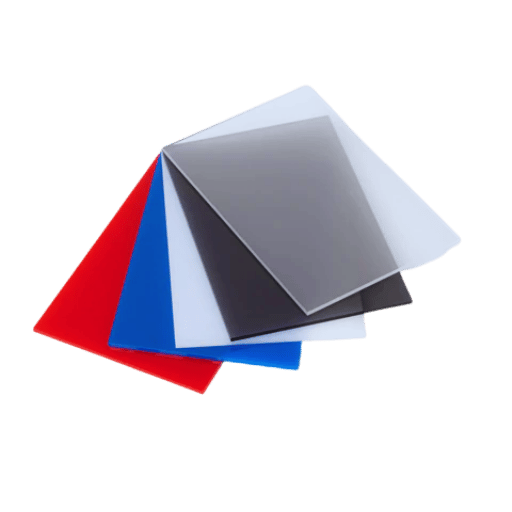
The Principals are aware that ‘Perspex’, an acrylic sheet, has less mass, can withstand wear, tear, and many others, and is applied in the field of modification of home, offices, schools, and even in the accommodation of polypropylene signs. This sheet is essentially formed from polymerizing methyl methacrylate, whose physical state is a thermoplastic and hence possesses excellent optical properties and is resistant to the elements. At the trade, the acrylic sheets can be manufactured in different categories like acrylic mirrors without decoration, normal mirror acrylic, tinted, or textured, among others. This makes them easier to use and fit a range of designs. Glass that breaks with impact and can harm someone if it breaks; this is not the case with Acrylic. In addition to that, acrylic panels are instantly workable, can be curved, and cut into sheets of virtually any dimension, which enables their “decorative” use in interior design and commercial spaces.
Definition of Acrylic
Transparent glass, also called polymethyl methacrylate, seems to be a plastic and fully weatherproof, lightweight, and strong alternative to silicate glass. Among the most prominent features is its ability to possess good optical properties, UV protective finish, and perform well in harsh conditions. Acrylic is a material that can be produced in sheets, rods, and tubes; it can be worked to fabricate signage, windows, displays, and protective shields because of its versatility. It is usually preferred because of its robustness, thermo-deformability, and durability.
Kinds of Acrylic Sheets
In terms of market categories of acrylic sheets, these include acrylic sheets which are characterized by being clear, white, colored, mirrored, patterned, light diffusing, tinted to protect against the sun’s rays, non-reflective, antistatic, abrasion resistant, impact enhanced, cast, and extruded.
Types of Acrylic Sheets
Depending on the purpose, it is possible to choose from clear, white, and colored, mirrored, textured, light-diffusing, solar-tinted, non-glare, anti-static, abrasion-resistant, impact-modified, cast, and extruded variants of acrylic sheets.
|
Type |
Key Feature |
Use Case |
|---|---|---|
|
Clear |
High clarity |
Displays, windows |
|
White |
Opaque |
Signage, lighting |
|
Colored |
Vibrant hues |
Aesthetic projects |
|
Mirrored |
Reflective |
Decoration, mirrors |
|
Textured |
Privacy |
Partitions, doors |
|
Light-Diffusing |
Even lighting |
Signage, displays |
|
Solar-Tinted |
UV protection |
Sunlight control |
|
Non-Glare |
Matte finish |
Frames, displays |
|
Anti-Static |
Static control |
Electronics |
|
Abrasion-Resistant |
Scratch-proof |
Public spaces |
|
Impact-Modified |
High durability |
Safety panels |
|
Cast |
Customizable |
Precision projects |
|
Extruded |
Cost-effective |
General use |
Properties of Acrylic Plastic
Acrylic is a transparent, durable, and lightweight plastic which is hard with fantastic optical properties, UV/weather resistant, with good resistance to chemicals, and is relatively easy to fabricate.
|
Property |
Value |
|---|---|
|
Transparency |
High clarity |
|
Impact |
High resistance |
|
UV Resistance |
Excellent |
|
Weight |
Lightweight |
|
Chemical |
Good resistance |
|
Fabrication |
Easy |
|
Durability |
Strong |
|
Thermal |
Stable |
|
Flexibility |
Moderate |
|
Hardness |
Rigid |
Frosted vs Clear Acrylic Sheets
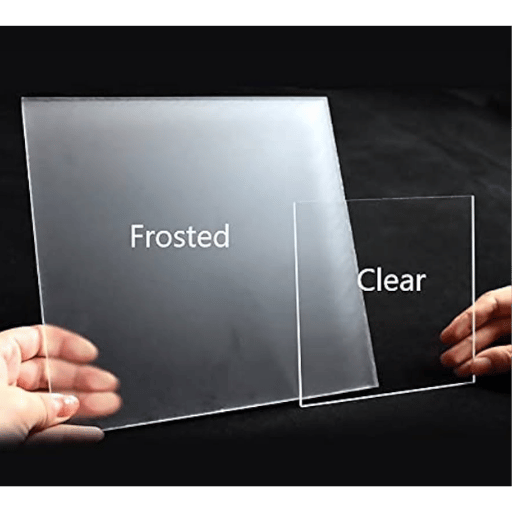
Appearance and Texture Differences
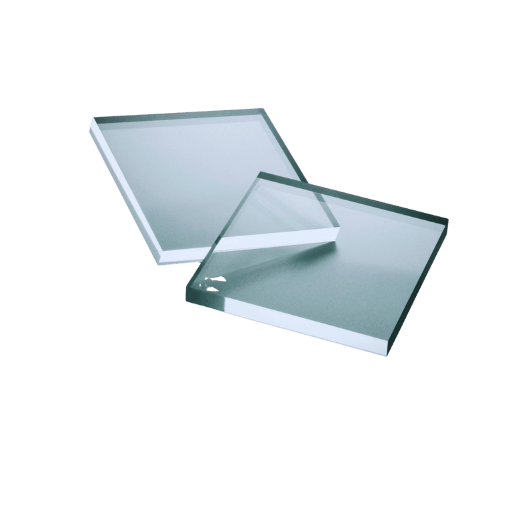
Frosted acrylic panels and clear ones have considerable differences in the way they look and feel. A frosted acrylic surface is matte and displaces the light in a way that does not cause reflection. Such a texture increases functionality in terms of privacy due to minimal reflectivity and is suitable for partitions and signs as well as general design. However, shiny transparent acrylic sheets without any color or texture offer perfect visual clarity just like glass. Therefore, they are useful in any situation where high visibility is required, for instance, showcases, picture frames, and windows. The two choices are lightweight and tough, although one or the other will be chosen depending on the appearance intended and the application it will be used for. According to search trends data, clear acrylic rules when it comes to projects that require transparency, while frosted ones, inasmuch as retaining privacy, are noticing a surge in modern-designed projects.
Light Transmission and Diffusion
Transparent acrylic sheets can successfully allow as much as 92% of visible light. Therefore, one can say that this material is very well suited for image forming. In contrast, frosted acrylic reduces light bounce, creating a softer glow and avoiding harsh light. Thus, such acrylic is recommended for use in constructions like light fittings, translucent partitions, or perhaps screening. The preference between clear and frosted acrylic depends on the preferences and the requirements of the application, either needing to take advantage of transparency or removal of glare, in addition to diffusion of the light.
Durability and Resistance
Acrylic is a very tough material that can withstand impact stresses and hence is a good choice for almost all fields of application. It is, in fact, 17 times harder to shatter than glass, which reduces the risks of breakage. Further, it can withstand outdoor exposure in the form of UV light or moisture without any change in structure and clarity. But scratches can be induced on its surface, so it may be required to apply additional coatings or prohibitively avoid abrasive contact in the environments in which surface hardening is a defining factor.
Practical Applications
Use of Acrylic in Home Décor
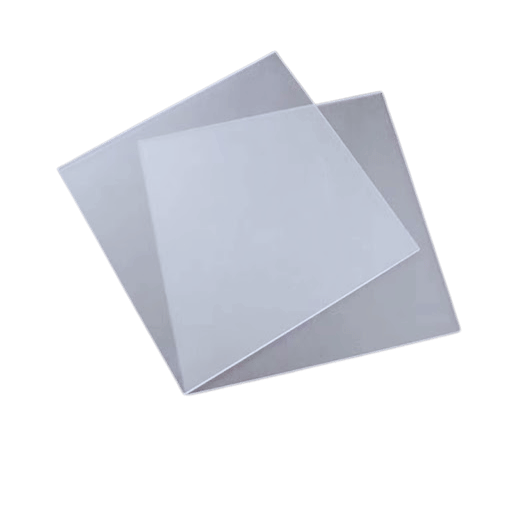
Acrylic is one of the most suitable materials for home decoration. It is used in furniture, including tables, chairs, and shelves, giving it an updated modern look and eliminating the need for heavy furniture made of other materials. Acrylic decorative pieces are also famous, accompanied by picture frames, display boxes, and partitioning walls, because making use of their transparency helps utilize sunlight and provides a neat and sleek appearance. It is a tough material, not easily affected by environmental elements, and therefore applicable to both interior and exterior decoration purposes.
Office Room Partitioning and Acrylic Sign Boards
The use of acrylic screens and signboards in offices is occasioned by the lightweight of the material, clarity, and strength of the material. For screens, this product is transparent enough to create such a workspace in which the divisions do not affect the people. In terms of acrylic signboards, a lot can be achieved because they do not interfere with visual display while having some form of decoration, such as engraved logotypes or colored graphic logos. Additionally, note, it can also be used in places subjected to harsh conditions, indoors and outdoors, thanks to its weather characteristics.
Displays and Promotions in Retail
Acrylic is one of the few materials that serve the purpose of display and publicity in stores. This is attributed to its durable, clear, and flexible nature. Its transparent surface aids in effective merchandise presentation, allowing items to stand out without detracting from the surrounding environment. Lightweight and yet solid, it needs to be easy to mount and transport for the benefit of malls and stores. Also, customizable additions such as built-in colored panels or frosted decals help the retail sector to make beautiful and bnbrand users to maker nv displays to stimulate customers. Lastly, the capacity of acrylic to withstand climatic extremes also makes it usable in exterior setup options because it is built to last a long time.
Maintenance and Care
Cleaning Techniques for Acrylic Sheets
To clean acrylic sheets effectively, a mild detergent or water, and an acrylic cleaner may be used. The solution is applied using a soft cloth, especially one that does not shed fibers as which can often leave scratches on the surface when cleaning. The acrylic is also rinsed with clean water, after which it is dried using a microfiber cloth for finishing. Such as abrasive cleaners, rough scouring sponges, or even ammonia-based products are avoided since they cause the material to become damaged or clouded. With regular and careful cleaning, the acrylic sheets retain their clarity and strength for a long time.
Care and Servicing in the Long Run
- Acrylic sheets should be kept flat in a dry and shaded area so that they do not warp or change color.
Hem, or bustiarism. It is the long overdue question to avoid direct sun or streaks of extremely high temperature, which may foul up such material. - Acrylic sheets should be covered with protective wraps or films so that they are either transported or stored without any possibility of scratches or other surface defects appearing on the sheets.
- Check the condition of acrylic now and then and interpret any worn-out spots in the substance, cracks, or impairments without delay, so that further damage does not occur.
- When using any acrylic sheets, make sure to apply them with dry and oil-free or clean gloves to avoid touching the surfaces.
- Should there be any need to drill or cut through an acrylic sheet, then the proper plastic cutting tools should be recommended so as not to cause any fractures or have uneven edges.
- Refrain from using strong chemicals such as solvents or acetone on the surface material, as they may cause irreparable harm.
- It is also recommended to use an appropriate acrylic polish once in a while to bring back the luster or maintain a glossy appearance.
Common Mistakes to Avoid
Frosted acrylic sheets stand out due to texture, improved diffusion of light, and better aesthetics, among other factors, aside from the common mistakes that include storing the sheets the wrong way, taking inaccurate measurements, and disregarding the material.
|
Parameter |
Frosted Acrylic |
Clear Acrylic |
Common Mistakes |
|---|---|---|---|
|
Texture |
Matte |
Glossy |
Ignoring texture |
|
Light Diffusion |
High |
Low |
Overlooking light needs |
|
Aesthetic |
Subtle |
Transparent |
Ignoring design details |
|
Durability |
Similar |
Similar |
Skipping quality checks |
|
Storage |
Dust-free |
Scratch-free |
Improper stacking |
|
Usage |
Decorative |
Display |
Inaccurate measurements |
Pricing and Value
Cost Comparison: Frosted vs Clear Acrylic
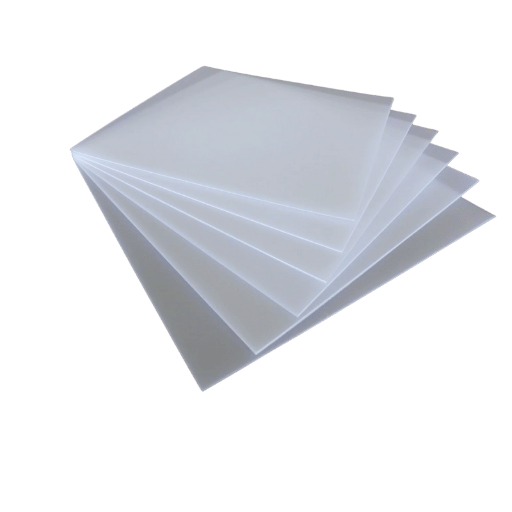
Processing and functional enhancement costs, such as anti-glare, make frosted acrylic costlier, i.e, 30% – 50% costlier than clear acrylic.
|
Parameter |
Frosted |
Clear |
|---|---|---|
|
Cost |
30%-50% higher |
Baseline |
|
Transparency |
Semi-transparent |
Fully transparent |
|
Durability |
High |
Standard |
|
Finish |
Matte |
Glossy |
|
Use Cases |
Anti-glare, premium look |
General purpose |
Factors Influencing Price
- Material Quality: Acrylics made of a more advanced material are always more expensive because they maintain their properties not break easily or become opaque after some time, among others.
- Processing Techniques: Such processing steps may include sandblasting or chemical etching, and hence, frosted acrylic sheets are more expensive to make than their counterparts without such additional steps.
- Thickness: This factor deals with the amount of acrylic per sheet; of course, an increase in the thickness will result in more raw materials being used. Hence, more cost will be incurred.
- Customization: If the cut is done or pieces are engraved using the laser machine, or there are any design alterations for that matter, the costs can go skyrocketing.
- Surface Finish: For certain finishes, such as frosted acrylic, which employ matte finishes, more work is needed than for those finishes that are glossy.
- Supply and demand: The pricing strategies for frosted and clear acrylic, like any other material, are highly influenced by its availability, the seasons, and the place’s requirements.
- Shipping and Handling: The dimensions and weight of cut acrylic will largely determine the protective packaging and delivery expenses, hence driving the cost of acrylic up.
Return on Investment for Different Applications
- Exhibition Systems: Owing to its resilience and visual appeal, acrylic is the most preferred material for exhibitions as it presents a cheaper option, withstanding economical considerations while preserving the customers’ interest and products’ visibility.
- Advertising and Branding: Along with weather resistance, acrylic signs have high structural integrity, which is more advantageous compared to signs made of other materials, as those might quickly wear out.
- Home and Office Appliances: Acrylic lounge chairs and ornaments are easy to clean and maintain, and still look new and useful after some years because they are very long-lasting and stylish.
- Clear Shields: The use of acrylic shields is common in health, business, and urban areas because they are efficient in performing their intended purpose, and they consist of materials that do not stain easily.
- Lighting: For energy-efficient fixtures, acrylic is more beneficial as it helps in diffusing the light over a broad range, resulting in lesser amounts of energy consumption.
- Automobile and Aircraft Parts: How Does A Frosted Acrylic Sheet Compare To A Clear One In A Car Of Aircraft’s Exterior Walls? Computed left-out shear can be used to replace glass windows with the present strength.
- Exquisite Fish Tanks and Terrariums: It’s transparent yet formidable, so the tanks last longer, hence reducing glass usage and replacement rates.
Frequently Asked Questions (FAQs)
Q: How Does A Frosted Acrylic Sheet Compare To A Clear
A: Clear acrylic materials allow for clear vision as objects appear without histoplasmic blur. On the other hand, the frosted sheet is opaque but transmits light in a way that’s diffused. Thus, having frosted acrylics is a better option in an opaque structure for privacy. Wherever you turn, the decision between the two is mainly oriented towards the very purpose of the creation of the panel, such as the aesthetic or functional benefit of the people using it.
Q: What Kind of Frosted Acetic Signage Can Be Generated?
A: Signage is always given priority with frosted acrylics because they not only produce light but they help in managing the glare. As a result, it is employed in both internal and fretwork applications such as corporate signage, navigation systems, or partitioning. Similarly, the surface of the frosted acrylic impairs the quality of graphics and letters.
Q: Do Frosted Acrylic Sheets Warm The Shield?
A: Frosted acrylic sheets may be used externally as well. They possess high tensile strength and resistance to ultraviolet radiation, preventing discoloration or damage over prolonged periods. In this case, however, it is important to opt for good-quality frosted acrylic meant for outdoor use in order to get better durability and efficiency.
Q: What Sizes Of Adjustable Acrylic Sheets Are Manufactured?
A: There are many industrial uses of different thicknesses of acrylic sheets, which range from 0.0625’’. up to 6’’. The thickness often determines what that particular sheet will be used for; for example, the structurally applied sheets tend to be thick, while the sheets for signs and exhibits are thin. Clear and frosted finished sheets of these materials can be fabricated to specified sizes for various custom constructions.
Q: Do You Use Different Acrylics For Different Functions?
A: Yes, there are also structural grades and non-structural grades of cast acrylics, extruded acrylics, as well as non-glare acrylics and mirrored specialty acrylics. Certain attributes of each type are necessary for certain purposes – some relate to clarity, some to the process of illumination, or even ornamental effects. Thus, for example, mirrored acrylic, apart from being another colored acrylic, will be, as a matter of course, mirror-like in color; non-‐glare acrylic will not be, though.
Q: What Is The Effect Of Frosted Acrylic In Design, And How Is This Effect Assessed?
A: Frosted acrylic can be applied to the surface of sheets either by sanding the surface or using varnishes to frost the sheet. This kind of finish causes the light to be scattered as it goes through the sheet, giving it a warm, diffusive appearance. This feature is especially beneficial within an atmosphere that needs a level of privacy, yet needs the addition of light.
Q: Is It Possible To Print On Satin Finish Acrylic Panels?
A: Yes, frosted plexiglass can be used for this purpose, making it a great alternative for making personalized acrylic displays and signs. In addition to this, the said texture creates a matte appearance that further improves the appearance of the displayed images. However, it is very crucial to wear the right type of techniques and printing acrylics, which helps in durability and intense color.
Reference Sources
1. Enhancing Photovoltaic Panels d/t Redirecting Undesired Light Radiation by Clear Sheets
- Author: T. Murtadha
- Publication Date: March 1, 2023
- Annotation: This research examines the potential of clear acrylic sheets to reduce undesired light radiation reaching photovoltaic panels. It addresses how clear acrylic sheets can filter or channel specific ranges of light and thus improve the performance of solar panels. The approach taken was experimental, where clear acrylic sheets were used to cover photovoltaic panels for testing versus the performance of the panels without any sheets.
- Findings: The energy output of the solar panels was increased with the use of Temelli clear acrylic sheets, which helped in controlling the percentage of unwanted radiation that falls on the panels’ screens, curtaining them (Murtadha, 2023).
2. Restrictions and Challenges Associated with Conversion of an Industrial Acrylic Sheet to an In Vitro Platform through the Use of a CO2 Laser
- Authors: Soontorn Tuntithavornwat et al.
- Date of Publication: 1st of October, 2024
- Abstract: The manuscript explains the utilization of a CO2 laser to turn industrial acrylic sheets into in vitro platforms. It does not analyze frosted and clear acrylic sheets comparatively, per se, but offers records on the properties of acrylic sheets and their use in laboratories.
- Main Insights: A significant factor noted in the paper relates to the limitations of the laboratory use for the converted acrylic sheets, which serve a special duty as far as incorporating materials for in vitro platform configuration is concerned (Tuntithavornwat et al., 2024).
3. Production of Transparent p-Type Semiconducting Layers of CuI on a Flexible Substrate with High Mobility – Frosted glass effect is also discussed in this work concerning the structure and the technique of material synthesis.