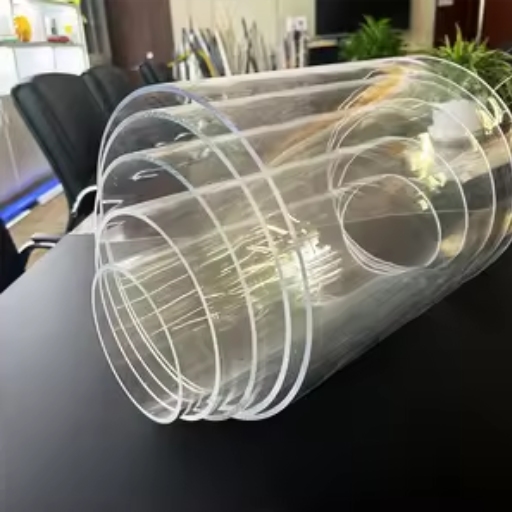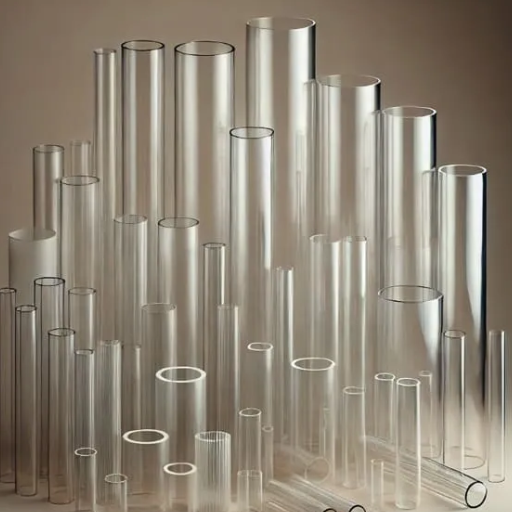

Many would argue that this present century belongs to acrylic sheets, creatively and functionally cementing their place in various fields. It comes in many colors that can be sleek, durable, and suited for many different aspects of aesthetics. These and many other benefits allow this material to gain a wide application from home décor touches to commercial signage construction. In this post, I would like to present to your attention widespread functions and interesting facts of such a warranted plastic sheet as cast acrylic and explain what makes it more attractive compared to the present materials, including glass, and a preferred option for some imaginative and practical solutions. It is time for you to enjoy the unfading and radiant beauty of nature, whether you are a creator, a constructor or someone eager to find out more about the advancing and stimulating matter.
Understanding Acrylic and Plexiglass

Commonly used names for the transparent plastic material, lightweight shatter-resistant, and also further expandable are acrylics in this case the simplest of those are: which are many a time used synonymously. Acrylics enjoy unique optical properties that make them an excellent alternative to glass for use in various applications. Acrylics are lightweight and come with remarkable durability, possess weathering capabilities, can be cut, shaped, or molded in a range of other forms which makes them perfect for the panel for additional protective causes as compared to decorative concerns.
What is Acrylic?
Acrylic is a popular thermoplastic referred to in full as polymethyl methacrylate, or PMMA, owing to its particularly transparent nature, including its ability to withstand the force of shock that allows its use as a good alternative to glass. It dates back to 1928, and in the 1930s was the year the material was first produced, which has a very durable nature with very many countless applications to date. No doubt about it, though, the acrylic clear sheet has found its beautiful niche within industries, especially in the property industry, through windows and displays.
One of the biggest orders for this material is in the construction, particularly windows, and the same goes for automobile engineering. It has also found use in advertising and marketing products and made inroads into medicine as well. A material that comes into much use, especially in the construction of aquariums, skylights and even in shield manufacturing or for restorative treatment of patients that need prosthetic devices. When it comes to its weight and other properties, it’s also worth noting that it is capable of transmitting as much as 92% of visible light, the same as glass. Moreover, in the present day, this material has been utilized in the manufacture of structures and the particular external coverings to prevent the weakening effect of UV radiation.
Industry reports have made it known that the need for acrylic is on the steady increase as well. The acrylic sheets market, according to Global Market Insights, is expected to hit over $8 billion by 2026. The significant use of acrylic in green building materials, mini solar power plants, and safety products is contributing to the growth of this market. Acrylic in one way or the other is of importance to the cells of a modern society, be it design or development of certain projects, or even using it, for example, within car screens.
Differences Between Plexiglass and Acrylic
Though Plexiglas and Acrylic are used in middle-pass kinds to be equal, there are some parts that should be discussed properly. This includes Acrylic which is the term used for a family of thermoplastics that are mainly made from polymethyl methacrylate (PMMA). There are many varieties and composites, one of which is the patented Plexiglas, a reputable brand born in Germany in the year 1933. If Lucite and Acrylite are compared with each other, Acrylite will be found in their sources. This would mean that plexiglass is simply Poly(methyl methacrylate) yet again, for poly(methyl methacrylate) tends to be used more frequently in its trade name, as plexiglass refers to the brand-specific name.
Another productive factor worth mentioning concerns the manufacturing techniques. Due to the generic products that are defined as Plexiglass, significant care is taken throughout the production process, well suited to meet the requirements exposed by clients, which may not be the case with ordinary acrylics, resulting in significant superiority in terms of clarity, protection from ultraviolet rays that are harmful and wear and tear. To mention a few, Plexiglass is highly appreciated because of its ability to withstand the wear and tear effects of the weather, which makes it ideal for being used outside such as in advertising structures and fences. In the context of general acrylic products, however, this difference may not be as clear, since the quality of such products, as well as other factors, may be different.
One final point is the ability of materials to serve their intended purpose. Please be informed that plexiglass and regular acrylic share another in some of these applications as lightweight, transparent in design and crackproof, but many applications assert it is more concerning for optimum clarity and protecting against scratches. Records obtained from some trusted insider sources of industrial information have revealed that the high-end acrylic, like Plexiglas, has a light transmittance of almost 92%, which equals glass, but it costs half as much and is stronger.
The cost-effectiveness of generic acrylic is almost always guaranteed due to differences in manufacturing and branding. Therefore, affordable because of its relatively high pricing and established superiority in the market. In cases where application is critical, like the making of automotive components, the use of medical equipment or the construction of a fish tank for fish, quality Plexiglass should be considered.
At the end of the day, the choice between Plexiglass and generic acrylic will be affected by the dictates of the objective, including budgets, structure specifications, methods that are being used to create and the performance requirement each of them shall be subjected to. Both have their edge of usability in the manufacturing of goods, giving further impetus to the beauty of goods manufactured in acrylic.
Types of Acrylic Sheets
Acrylic glass sheets are made in a collection of types that are purposely made to suit particular needs and applications. I’ll have a look at the properties of such acrylic sheets in more detail:
Clear Acrylic Sheets
Polished transparent sheets of acrylate have the highest distribution. They naturally show devoid of distortions as they offer a 92% light transmittance, which is good enough to exceed glass. They are easy, are not shredded, and they allow for the use of their treatment on materials such as windows, display cases, and protective barriers.
Vancouver
Colored Acrylic Sheets
Colored sheets have a variety of glossy/frosted matte finishes. They go into everything in signage, seals, decorative panels, and art projects of the build, where this acrylic looks attractive.
Textured Acrylic Sheets
The aforementioned sheets are recommended for building adequate structures such as temporary walls, shower booths and other partitions that need to be implemented in public buildings.
Acrylic Sheets that are Resistant to Impacts
These are also referred to as soundproof kemlite or polycarbonate acrylic sheets. They are somewhat stronger and can withstand force than standard acrylic panels. These sheets find use in armoured glass, safety screens and other industrial uses.
Acrylic Sheets without Static Electrification
It is not an overstatement that the acrylic sheets with antistatic treatment work wonders for reducing the electrical charges one experiences on an object. In particular, they have proven to be successful in the clean room or sensitive electronics domain.
Solar Block Acrylic Sheets
Solar block acrylics are made to cut out the ultraviolet (UV) part of the sun’s spectrum and it’s irritating off-shooting laser beam. Due to this, they are widely preferred for ceiling purposes outside, like dome light, pergolas, but of course windows also highly acclaimed for such uses increases energy efficiency.
Broadwaysheets observes the highest possible standards regarding anti-static energy and the glazing in some structures, including hospital doors will always be safe.
This type of polished coat makes it possible to use these types of sheets in place of conventional glass in various items. These sheets are widely used in home design for charisma, retailing for its consumers and interacting with the public through various signs.
When it comes to the Multi-Wall Acrylic Sheets, how many installments can be included in an installation include their aesthetic appeal. This said structural ribs have shown to offer outstanding thermal insulation making the roof assemblies such a good choice on modern constructions.
Cast Acrylic has very high light transmission and low color distortion levels. This is polymerized by a liquid monomer polymerization process and has good consistency in both charge and window uniformity, as well as better resistance to chemical exposure. These types of sheets are more popularly used in crafting ornaments and decoration, upscale than essential furniture, and fish tanks.
Extruded Acrylic is like cast acrylic viewed as one of the premium Caste Acrylic. Extruded varieties are less expensive than cast acrylic, though they have lower resistance to chemicals and lower impact strength. They are consistently produced in a relatively fixed size typically of the glazing type FAC51 as used in the past and point of sale displays and light diffusing; they are much advanced than soviet ones as regressive.
When designers and manufacturers learn about the capabilities of the available types of acrylic sheets, they can deliberately choose the appropriate option for their upcoming projects.
Applications of Colored Plexiglass
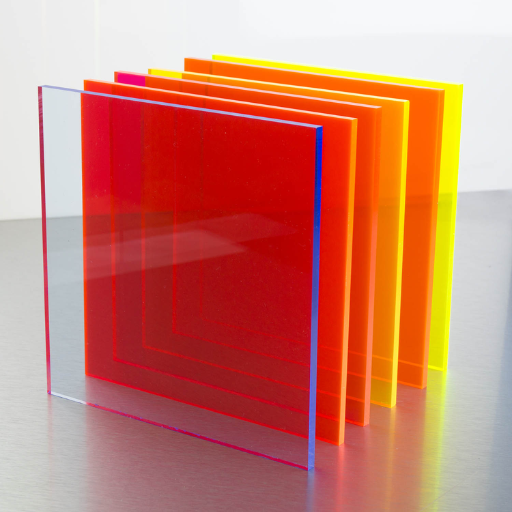
The use of colorful plexiglass in numerous fields is based on its many qualities, including longevity, the capacity to fit into any design, modern aspect, among others. The most obvious areas where this type of glass is used are exhibitions, shops, restaurants, cafes, cinemas, and even elevators. A good deal of inside stuff is made with the help of colored plexiglass – starting from cupboards, tables, or beds to a full wall, which will serve as a partition. Another distinct functional application of tinted plexiglass is covered shades for lamps; therefore, it is a substance that is efficient both in terms of utility and creativity. Leading “The Ultimate Guide To Colored Tubes” manufacturer in China.
Interior Design Uses
Having the ability to blend utility and creative formulation highly effectively is what makes coloured plexiglass a trendy material in the interior design sector today. It is widely used in the making of striking room partitions, lively wall covering, as well as creative furnishings. It is also essential for creating non-traditional surroundings, adding modernity while preserving quality at the same time. It is expected that the global acrylic sheet market is likely to advance at a CAGR of 5.2% over the forecast period 2023 through 2028 due to the interior design and architectural applications.
An important benefit of using a colored acrylic sheet is that it allows jewel colored highlights by accommodating and letting natural light into the room. This, therefore, helps in making the interiors more interesting and elevating, since it is full of dynamic range. This material is very much in demand in the fabrication of unique light fixtures, the abilities of which serve to diffuse the light and create quite impressive effects. Also, any plexiglass is better than most other options in sustainability value; fortunately, many producers are identified as most of the types are fit for recycling. This is why plexiglass is a common sight in modern large residential and office spaces, for it can offer the appeal of aesthetics while being eco-friendly and improving the utility of the spaces at the same time.
Architectural Applications
As we speak, in many architectural designs, Plexiglas has become the main material due to its versatility, strength and beauty. It is often found on ceilings, in the hallways, and in some partitions and spacing so that the architects may be able to allow as much light as possible into the structure through the transparent glass material, yet still erect the necessary structural supports. Market studies suggest that the global acrylic sheets market will grow to $6.08 billion in 7 years. A significant increase in the use of composite materials within the residential, restaurant and business markets is the main reason for this growth.
At present, a significant amount of research is dedicated to the study of innovative building materials based on a polymer. Specialists continue to study the relevant economic, architectural (morphological) aspects that determine the level of operational and aesthetic performance of future buildings. While there are numerous potential applications of the thermoplastic sheets, the possibility of compounding them with reinforcing materials and creating tailor-made composites is of special interest. As a result, while the former quote is believed to be appropriate for the first category of materials, air-filled PVC is more suitable for the last category, where the composite material has to maintain its thickness. The narrow window of opportunity does not last long-it is also due to the air reactivity; this type of window can not be used in buildings.
Another example of an improvement is the combination of see-through plastic panels and light-emitting diodes to make interesting light installations that can be used in areas like department stores or galleries. These new, exciting practices also positively influence the ecological balance by finding ways to reuse the available resources. As the world evolves, energy-efficient buildings and ecologically-friendly interiors become more and more important, and among these, plexiglass assumes its position as a central element of harmoniously adjusting spaces that satisfy both form and function requirements.
Retail Displays and Signage
Plexiglass presently fills a very significant function in the creation of visible and vividly constructed retail platforms, signs and other forms of structures. These exhibits, along with signage, are rendered effectively due to the fact that they are guarded with acrylic – a material that is designed to exhibit products as well as keep customers secure. Pooled data available up to the second quarter of 2022 shows that the global market for acrylic (plexiglas) sheets amounts to just under $4.8bn, further appreciating at a rate that is approximately more than 5% every year between 2023 and 2030. These statistics help to prove a trend for the need for more extensive options of practical and aesthetically pleasing materials in the design of shop construction.
There are many ways in which retailers apply plexiglass creatively so that it can mirror the branding and attract the attention of the customer. Instead of using ordinary signage, many choose to get some plexiglass sheets, transparent and opaque colored and specifically designed things like signage to represent their brand using these sheets. Additionally, given that the material is great for laser engraving, LED lighting, and UV printing, people here go a step further to install some plexiglass fixtures with catchy displays that will have the customers stopping. Research conducted indicates that an effective sign can boost sales by even 20%, so plexiglass remains on trend, especially in the retail sector where the competition is much and aggressive.
Likewise, point-of-sale acrylic sheets are being incorporated and barrier systems are being constructed to fulfill both operational and ornamental purposes. Moreover, the ability to recycle plexiglass can play an important role because as it is well known, there is a growing trend of consumers and business organizations averting environmentally harmful practices; hence there is a purpose for it in the current retail strategies.
Benefits of Colored Plexiglass
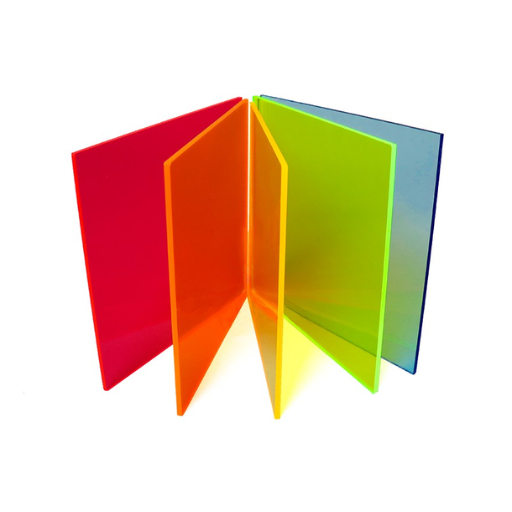
Colored perspex has many applications in retailing and designing as well, and this is due to its countless advantages. For starters, it is pleasant to the sight and motivates customers to roam about in the designated buying area or to explore a particular product line. Second, it is long-lasting, and it is not hard at all. Lightweight increases its usability in fixings and arrangements. Also, the colored perspex may be adjusted to the identity of the company, joining all other witness bounds in one look that is utterly professional in appearance. Stain in color, no worry as the UV resistant finish does not fade, thereby making the felt sheen no vanilla, even in the open, giving rise to its applicability among different walks of life.
Durability and Impact Resistance
Colored acrylic glass is commonly known for being enduring and able to absorb shock hence it is the material of choice for several heavy use applications. Acrylic is said to be about ten times stronger than the typical window glass hence it is not easy to shatter it from impact. Hence, it serves nicely where terms of safety are put on the course, including safety barriers and protective screens and sport equipment.
Moreover, the late developments in the manufacturing process have further strengthened the material. New era colored acrylic glass is able to withstand adverse weather, temperatures, and also wearing out without cracking, or degrading Over time. It can resist without any compromises providing service on both aesthetics and clarity since any harsh weather will be unable to affect them which is much better than glass.
For practical implementation processes, a considerable number of industries have turned to plexiglass due to praising its lightness with a high level of resistance to impact events. This is due to the tested condition which demonstrates that it can be able to absorb even a considerable amount of kinetic energy effectively which further reduces the risk of breakage under dynamic conditions. With all these properties, color plexiglass is widely used as an economical and practical material in commercial and industrial environments.
Lightweight Nature
The key benefit of the use of plexiglass is its lack of weight since this material is somewhat lighter in comparison to others, such as glass. The plexiglass has half-size weights of the same glass thickness which plays a vital role in reducing both transportation and fitting expenses. In the sector, however, a current reliable estimated value states that plastic glass, 5mm thick in every 1square meter of the material, essentially equals 6kg as opposed to 10kg of the same amount per thickness in glass sheet.
The effect of physical changes on a material also affects the strength of the material. Studies have shown that plexiglass demonstrates higher impact resistance while offering higher stress durability as opposed to glass, as it is lighter. Such features find their importance not only in industries such as aerospace and automotive sectors but also in the field of construction, where the mass savings directly correspond to energy savings and reduced beams and columns for structural support. With these two aspects combined, that is enhanced shock resistance and lighter weight, plexiglass is still used in demanding areas.
Versatility in Design
Plexiglass, which is also called acrylic glass, is considered a versatile material that can be applied in many different areas. Its playdough properties allow it a range of texture modifications and colors which help achieve practical and artistic designs by builders, designers or engineers. Developments in the manufacturing of such material have brought about various plexiglass finishes such as frosted, colored or even reflective, enabling them to satisfy not only stylistic but also substantive requirements.
In addition, plastic materials, particularly plexiglass, have a number of benefits compared to some older ones, like glass or metal. This arises from the material’s light weight, making its manipulation easy and able to be cut into any shapes or even precise laser engraving. It has also been pointed out that the demand for the acrylic sheet market is expected to grow and reach US$ 3,097.28 Mn at a CAGR of around 5.1% between 2023 and 2030, which is mainly attributed to the rise in demand for creative designed solutions for professional display sites like retail, cabinets, signboards, among many other constructional works. There is a growing interest in materials that incorporate aesthetics as well as other considerations in their composition.
Creative applications of plexiglass in recent years have been very impressive in such fields as three-dimensional objects, artistic installations, and the construction of buildings. Most importantly, the transparency in it is quite high with a light transmittance rate of 92% which is more than that of a typical glass and it even has high impact resistance. Consequently, it can be utilized in such areas as showcases for museums, roofs which lighting that allows through them and other panels. With the incorporation of modern UV printing and thermoforming processes, acrylic sheets are showing a wide range of applications in the field of modern design.
Popular Colors and Design Trends

Plexiglass is available in an extensive selection of colors and designs, allowing users to find what suits their tastes such as see-through, frosted finishes, or bright colors. Throughout the ages, some of the colors like clear, white, and black are preferred as they blend well with the minimalist and modern designs. Contrarily, the use of other colors, say red, blue, and green which are vivid, is done more daringly. As for the year, plexiglass is also getting a modern twist by way of gentle hues sometimes referred to as pastel colors and the other which is known as shades. All these choices and possible solutions are the main reason that plexiglass can be utilized for both operations as well as for decorative ones.
Trending Color Palettes
There is some fresh data provided by Google which points to new color and design trends shifting significantly towards more warm and natural tones in different industries like interior decorating, packaging, or labeling. Soft and earthy shades such as beige, taupe and teracotta have been the top pick with a clear explanation of a taste for peace and nature. Equally, deep, intense shades of emerald green and sapphire are also quite popular, suggesting a sophisticated and fierce side to the still as well.
In addition, search volume also points to the fact that users have appreciated the scatter of hot and cold gradient colors, especially among digital and graphic spheres. For example, gradient palettes like oranges of a sunset turning to purple, or church blues changing to tea,l put things into perspective and maintain a sense of contemporary design. Lastly, the search interest trends also show that in the past year, searches for pastel gradient designs have risen by more than 60% as such designs gain acceptance in various industries and not just the web and fashion industries.
In addition, when it comes to color schemes, monochromes are also making a strong presence, from black and white to new interpretations with structure and abstract patterns. Such schemes are especially appealing for the sharp, exquisitely tasteful and minimalistic looks with emphasis only on sophistication and ease. While exploring all the shades trends come up with, such as neon and pastel colors, it remains that, like always, the aim, while there are many, is a nice-looking picture with different color palettes side by side.
Opaque vs. Transparent Options
Design and material choice duties cannot be completed without considering opaque or transparent characteristics and their benefits across various industries. For instance, matte finishing or solid-type, absolute thickness fabrics guarantee privacy, aesthetics, and a look of bold permanency. They are commonly used in practices of interior design, wrapping products, and making clothes to achieve powerful and simply attractive structures that represent boldness at its best. Even now, for example, matte black color used in the evergreen technological gizmos has not changed as much as in modern house furniture and fittings.
Conversely, transparent media like glass, acrylic and thin textiles like organza serve the advantages of visibility, lightness and spaciousness. The application of transparency is typical in architectural layouts when a substantial amount of natural light is required inside the building or similar constructions, as well as in the fashion sector, when sheer clothing is used instead of any other form of material. A recent document from Google Trends provided a piece of evidence about the enhanced usage of transparent materials in the manufacturing of clothes, with emphasis on eco-friendly clothes in particular, noting that these structures—consisting of cuts and clear plastics developing their character of “green and gorgeous” fashion—become more ubiquitous.
The combination of opaque and transparent design elements has become an emerging fad followed for aesthetic purposes as well. Whether in applying addon effects in the graphical page layout or in decorative art assemblies using inscribing frosted glass sheets to create a dual effect, such ability creates great flexibility in creativity. Moreover, by fusing the differing nature of the properties in the inner and outer design, such balance and the sense of interest are introduced within.
Innovative Finishes and Textures
Revolutionary finishes and textures for modern design have been reshaping trends across different sectors, balancing utility and state-of-the-art architecture. New advanced technologies have enabled the use of different types of finishes such as matte and gloss finishes, brushed metal and tactile 3D printing. In line with current developments in indoor and industrial design, it is predicted that tactile decorative surfaces which imitate natural surfaces like wood, concrete and stone will begin to coexist along with new contemporary synthetic materials in interiors that are eco-friendly and attractive.
To take an example, in 2023, the current portfolio of products will be covered in a report by Interior Design Magazine and it will say that at present, 68% of designers are using colored products to bring out the warmth and genuineness in public and domestic environments. Alongside inventing new devices and materials, including nanocoatings, serves as a mechanism to ensure that nice end polishes, while appealing and multipurpose, are hard to scratch, stain, and smudge when touched or used, especially in busy environments.
In addition to the examples given, the field of graphic design applied in the production of client goods may involve such elements as embossing, debossing and soft-touch laminates, which add tactile value to the products, creating a high premium finish. Such finishes certainly wear the crown as they have successfully integrated design features that appeal to the aesthetic as well as solve usability issues, ensuring that the product is eco-friendly.
Maintenance Tips for Colored Plexiglass

Wipe Clean with a Duster Cushion
If you want your colored acrylic to stay new and shiny for longer periods consider using non-abrasive wipe, to erase dust or dirt. Use a slightly wet one to get rid of stains or mix some wash liquid or an acrylic friendly cleaner while moisture.
Do Not Use Harsh Cleansers
Avoid using ammonia or anything with harsh abrasive elements in it. These have a high potential of not only damaging their surface, but also reducing their lifespan as their vibrant color will vanish faster.
Do Not Forget To Wash Properly
Once you have finished using soap or other cleansers, wash the plexiglass thoroughly with water to eliminate any traces of it and then dry with the soft cloth.
Do Not Allow Any Damage
It’s appreciated if you didn’t touch the plexiglas in an unnecessary manner so that no external scratches or interstitial scratches occur on its different faces. Keep it in a bag when not in use or being taken anywhere.
Proceed with the Shining
In case of general damage or for maintenance of the clear finish and gloss, a special acrylic polish should be used where necessary, according to the instructions provided by the producing company.
Cleaning Methods to Preserve Clarity
Wipe the dirt regularly
In order to preserve the clarity of plexiglass surfaces, we strongly recommend cleaning the dirt using an absorbent, non-abrasive, microfiber cloth. Dust on the surface should not be allowed to accumulate and enhance the danger of grime…scratches that can be inflicted when cleaning.
subtopic
Say no to the use of abrasive detergents, tinted or ammonia-based cleaners, as they can tarnish the plexiglass look or make it brittle. Perhaps instead of such strong cleansers, you could add some dish liquid first in a quart of a mild temperature water and make a good clean. Spread using a sponge or cloth very gently.
subtopic
The most natural way of cleaning up a noisy environment is to blend one part vinegar and three parts water. This cleaning agent is a good remover of fingerprints and smudges gently.
The use of high-pressure water will be harmful.
Another point that needs to be emphasized is the need to carry out a re-examination of the Plexiglas for any damage or defects during cleaning.
If we are making the surface clean of whatever it is, we should take a good look at it to see if there are some hairline fractures in it. Unattended hairline fractures and hardware like scratches on plexiglass may shorten its lifespan whilst degrading its appearance.
Use Special Cleaning Agents When You Have No Other Choice
Moreover, there are certain acrylic cleaning agents manufactured by some companies that contain sanifoam and sanipol agents. This helps in quick cleaning of your PC on occasions, as there is no accumulation of dust on the surfaces that are likely to contribute to the formation of static dust, especially if you have it indoors. Always use the correct proportion indicated for the best results.
These simple, manufactured acrylic cleaning agents and the application of prescribed cleaning procedures are sufficient to remove dust and reduce the chances of plexiglass deterioration.
Scratch Prevention Techniques
Due to the variety of users, the fragile nature of plexiglass justifies careful handling and application of protective materials. One of the prominent ways of ensuring no scratches appear on such a surface is the application of a microfiber cloth during cleaning, which is probably one of the safest ways since the use of hard or dirty materials can lead to microscopic scratches over time. Another measure includes avoidance of cleaning substances high on the economic value linewith one of those being abrasive cleaners, which mar the surface polish rather quickly. One should not apply standard cleaning agents; one is expected to choose cleansing agents meant only for use on plexiglass.
In order to avoid scratches very easily, people should also dry it or apply a thin layer of car wax and plexiglass polish. It was found out that such protective layers can decrease damage, including scratching, by 40 % after each application. Also, it is worth noting that the risks of scratches and other damages can be reduced by specially designed plexiglass containers, which keep the glassware safe at all times and also protective foils, which protect the material during carriage. All these strategies will greatly minimise the incidence of scratches.
If you wish to deploy your plexiglass products outdoors, you should give critical thought to the use of UV-shielded and scratch-resistant plexiglass. Breakthroughs in the production of plexiglass these days do some pretty remarkable things with an even coated surface able to withstand such unwanted effects like the natural attack or abrasions for prolonged periods.. Following these damage prevention steps and with routine cleaning, maintaining plexiglass’ shiny appearance is sure for years.
Long-Term Care Practices
Durable maintenance for plastic involves following prescribed safety measures and doing the routine checks to ensure good service for appearance and strength. Negligence or poor maintenance of plastic creates mechanical defects and requires expensive repairs. To avoid scratches on plastic, one has to clean it using a cloth soaked in a soft detergent often. Never handle plastic with alcohol, as the surface will start to roughen. Furthermore, directed sunlight should never be permitted to reach the Plexiglas stored for transportation purposes. What sun has over Pexighlass is that, given the right conditions, it advertently treads thin between detrimental color and untimely material collapse, especially in its natural or uncoated form. The best strategy here is to use an ultraviolet coating, applicable during installation, which was also suggested in the 2023 report on material science revisions.
Concerning outdoor uses, it would be prudent to undertake frequent checks in order to detect the beginnings of deterioration, such as cracking or surface hazes. Immediate handling of such matters either by a special patch or by surface correction work should arrest the growth of the flaws, or else newer and direr situations could ensue. This is supported by the opinions formed by the topmost experts in this field, who feel that well-managed plexiglass is capable of withstanding insolation for 10-15 years under such solvents.
Lastly, selecting appropriate brands and sticking to the manufacturer’s recommended guidelines of taking care and usage will also be beneficial. Following up on the recent developments in the mechanics of the plexiglass, combined with the above precautions, will aid in enhancing the lifespan and beauty of the plexiglass products.
Reference Sources
- University of Pittsburgh (Link): Colored Plexiglass Seminar Program
Analyzes the Role of Colored Plexiglass in Kinetic Art and Sculpture.
- University of Pittsburgh (Link): Colored Plexiglass Exhibition Details
Understands the range of artistic uses colored plexiglass can have in exhibitions.
- E-paper of Sacred Heart Major Seminary: 1/8″ Frosted Clear Glossy Acrylic Sheet
Showcases the Multicultural Properties of Custom Plastic Fabrication, specially colored plexiglass in art and design.
Frequently Asked Questions (FAQs)
What are colored plexiglass sheets made of?
Colored plexiglass sheets are primarily made from acrylic, a type of durable plastic. This material is known for its lightweight properties and excellent clarity, making it a popular choice for a variety of applications, including signage, displays, and furniture. The sheets can come in various colors, providing a vibrant and visually appealing option for projects.
What is the thickness of colored acrylic sheets available?
The thickness of colored acrylic sheets can vary widely, typically ranging from 1/16 inch to 1 inch or more. Depending on your project requirements, you can choose the appropriate thickness to ensure durability and suitability for specific applications, such as signs or decorative elements.
How are colored plexiglass sheets cut to size?
Colored plexiglass sheets can be easily cut to size using various methods, including laser cutting or CNC machines. Many suppliers offer custom cut-to-size options, allowing you to specify the dimensions you need for your project. This flexibility makes it convenient for DIY enthusiasts and professionals alike.
What are the applications of colored cast acrylic plexiglass?
Colored cast acrylic plexiglass is versatile and can be used in a wide variety of applications. Common uses include creating decorative displays, signage, pop displays, and even aquariums. Its ability to transmit light while providing a pop of color makes it an excellent choice for both functional and aesthetic projects.
Are colored acrylic sheets resistant to UV light?
Yes, colored acrylic sheets are generally resistant to UV light, which helps prevent fading and degradation over time. This durability makes them suitable for outdoor applications, such as signage or furniture, where they are exposed to sunlight. Additionally, their resilience contributes to their long-lasting performance.
Can colored plexiglass sheets be polished?
Colored plexiglass sheets can be polished to enhance their clarity and finish. This process can help remove scratches and restore the sheet’s original shine. It is essential to use the appropriate polishing compounds and techniques to avoid damaging the surface during this process.
What is the range of colors available for colored acrylic plexiglass?
The range of colors available for colored acrylic plexiglass is extensive. From vibrant hues to more subdued shades, there are options to suit any design preference. Additionally, many suppliers offer custom colors and finishes, allowing for a personalized touch in your projects.
Is colored acrylic plexiglass suitable for lighting applications?
Yes, colored acrylic plexiglass is suitable for lighting applications. Its translucent properties allow for effective light transmission while adding a decorative element. This makes it a popular choice for light fixtures, illuminated signs, and other projects where color and light interaction are desired.
What is the durability of colored cast acrylic sheets?
Colored cast acrylic sheets are known for their durability and resistance to impact. They are less likely to shatter compared to glass, making them a safer option for various applications. Their robust nature allows them to withstand wear and tear, ensuring longevity in both indoor and outdoor settings.