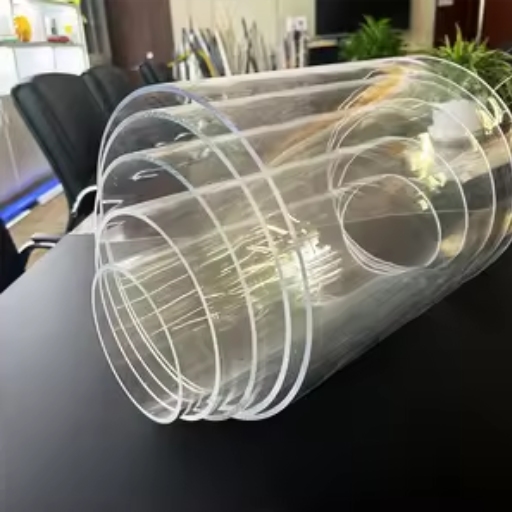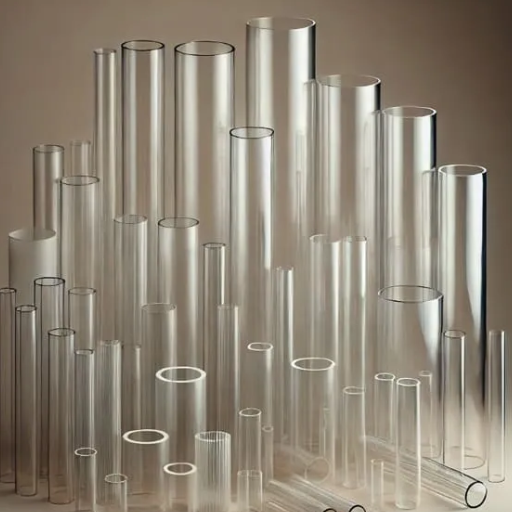

The ever-versatile acrylic sheets, in today’s time, have become indispensable in numerous industry sectors, as well as in the sphere of DIY undertakings. Be it arrangements for house ambiance, designing signage, or custom craft projects, these acrylic sheets serve as a precise, modern, and utilitarian solution to make your ideas pop. So, what exactly are acrylic sheets, and why do people make heavy use of them? This post outlines all aspects of acrylic sheets-their features, types, benefits, and uses. After reading it, the following information will certainly convince you why acrylic sheets stand out in a world full of alternatives for professionals and hobbyists alike.
Understanding Acrylic and Acrylic Sheets
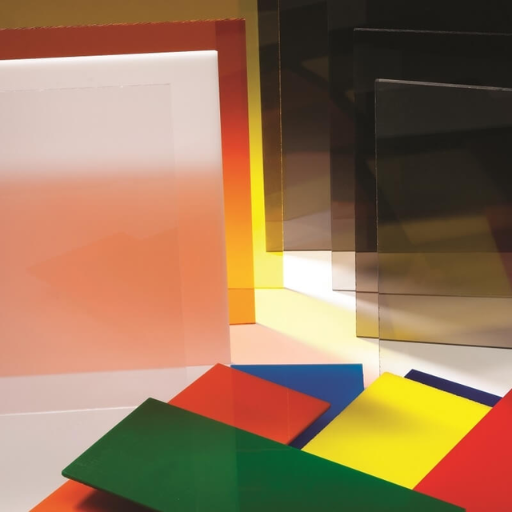
Transparent, Plexiglas, or acrylic is a tough and versatile plastic that is usually considered a lightweight, shatter-resistant substitute for glass. Acrylic sheets are made from polymerized methyl methacrylate (PMMA) and are known for their transparent, glass-like clarity. They resist UV light, weathering, and impacts, so they can go both outside and inside. They are colored in different ways, thicknesses, and finishes, where acrylic sheets are commonly used in signage, display cases, protection barriers, and DIY work, wherein beauty and functionality are imparted.
What is Acrylic?
Acrylic is a versatile and robust material produced by polymerizing monomers of methyl methacrylate, a synthetic polymer. The material boasts an extraordinary glass-like transparency, light weight, and shatter-resistant quality, lending it an alternative status to conventional glass. Acrylic is a highly versatile product that can be manipulated to take any shape or size, thus making it useful in all fields of civil engineering and art.
Acrylic sheet prices derive their dynamics from mixed demand-supply forces. Recently, market reports forecast an increase in demand for acrylic sheets worldwide, at a steady compound rate of 5% per annum from 2023 to 2030. An increasing demand is witnessed from the fields of construction, automobile, and furniture for light and durable materials. Further, acrylic enjoys consideration as a green material because several manufacturers now sell recyclable varieties.
Other salient properties of acrylic are its resistance to prolonged exposure to sunlight without yellowing, insulation against heat, and ease with fabrication-cuts, bends, and forms. Due to its melting point at 160 °C (320 °F) and its resistance to impact beyond that offered by glass, acrylic has indeed changed how materials are thought of in applications ranging from point of-sale displays to aquaria, skylights, and even more technical applications such as photolithography masks for the making of integrated circuits and medical devices. Its unique combination of looks, functionality, and sustainability keeps it highly demanded across diverse industrial fields. Leading “What Is Acrylic Sheet: Size, Thickness, Uses & More” manufacturer in China.
Types of Acrylic: Cast vs. Extruded
Usually, there are two major classes of acrylic: cast acrylic, also referred to as sheet acrylic, and filmable, extruded, or plane acrylic. Both share similar chemical compositions yet have a bit of a different performance, durability, and application spectrum due to differences in manufacture.
Cast Acrylic
In short, cast acrylics are developed by casting liquid acrylic in molds to make sheets that exhibit superior optical clarity and have better tolerance in thickness. This results in cast acrylic being more resistant to surface damage and preferred for application environments where stress levels are high and durability and precision are of importance. Fabrication-wise, cast acrylic can be worked with more ease, with clean cuts to precise detailing. A high temperature above those tolerated by extruded acrylic can be withstood, making it suitable for custom designs, such as display cases, signage, and aquariums.
A market survey in 2023 showed that cast acrylic represents some 60% of demand from industries interested in increased durability and visual appeal. Its acceptance as being of top-grade and conscientious bearing of intricate designs is widespread.
Extruded Acrylic
Extruded acrylic is manufactured by forcing acrylic resin under pressure through a series of heated rollers, which shape the resin into thin, uniform sheets. This particular process is more cost-efficient; therefore, it is cheaper and more readily available. Since extruded acrylic tends to have a softer surface, it is more susceptible to scratches and prone to thermal expansion compared to cast acrylic. However, because of its consistent thickness and low price, it is preferred for applications where precision and high performance are not priorities, such as brochure holders, skylights, POP (point-of-purchase) displays, and protective barriers.
Of the two types of acrylics available in the market, an increasing trend in material choice prefers extruded acrylic where a tightened budget is a matter or a mass production environment is considered. In 2023, extruded acrylic occupies 40% share of the acrylic sheet market due to its cost-effective manufacturing process.
Key Differences at a Glance
|
Feature |
Cast Acrylic |
Extruded Acrylic |
|---|---|---|
|
Manufacturing Process |
Liquid acrylic poured into molds |
Resin pushed through rollers |
|
Durability |
Higher, more resistant to stress |
Lower, softer surface prone to scratches |
|
Optical Clarity |
Superior |
Moderate |
|
Cost |
Higher manufacturing cost |
More affordable |
|
Application |
High-stress, custom projects |
Budget-friendly, mass production |
Understanding these distinctions is pivotal in drawing the correct type of acrylic for any project, depending on its requirements, costs, and expected performance. Cast acrylic is converted by other operations, and extruded acrylic has its benefits in its respective applications.
Properties of Acrylic Plastic
Some attributes of Acrylic, or polymethyl methacrylate (PMMA), lend it so many superb properties that make it a preferred choice across several industrial sectors. Given below are its principal physical properties with some insights:
Optical Clarity: Acrylic can offer ultra-clear visibility, with up to 92% light penetrance. It is used in applications where great visibility is needed, such as for windows, aquariums, and display cases.
Strength and Durability: It is a lightweight plastic that is very strong and resistant to impact; in so doing, it is more than 17 times resistant to impact when compared to glass, thus creating safer skylights, barriers, and signs.
Weather Resistance: Acrylic resists UV rays and weather conditions well. Whereas other plastics turn yellow when exposed to sunlight, this plastic never loses its clarity or structural integrity, thereby making it superfit for outdoor applications.
Thermal Resistance: The thermal resistance of acrylic is that it can be exposed to a very broad temperature range in normal situations, between -30°F and 190°F. Conversely, when exposed to profuse heat, deformation might occur; hence, one should mount this material with wisdom as the surrounding temperature dictates.
Lightweight: It weighs half as much as glass and is easy to handle and transport. Transportation cost is much more feasible and serves well for automotive, aircraft, and marine applications.
Chemical Resistance: Acrylic is resistant to many chemicals, including diluted acids and bases, but is susceptible to some solvent attack in industrial applications where acetone should be avoided.
Fabricability: Acrylic is so versatile and amenable that it can be cut, drilled, machined, and formed thermo-mechanically into more complex shapes, requiring high levels of creativity and customization.
Comparison Between Acrylic and Other Plastics
|
Property |
Acrylic |
Polycarbonate |
Glass |
|---|---|---|---|
|
Transparency |
92% light transmission |
88-90% light transmission |
Up to 90% transparency |
|
Impact Resistance |
Moderate |
Very high (bulletproof in some forms) |
Low |
|
Weight |
Lightweight |
Lightweight |
Heavy |
|
UV Resistance |
Superior |
May require coating |
Low, prone to discoloration |
|
Cost |
Affordable |
Higher |
Expensive |
When acrylic plastic is thoroughly understood, one can truly appreciate its unique advantages and disadvantages and thus choose the right material for a given job. Acrylic is chosen, among many other things, possibly because of its flexibility and serviceability, and with material science going through continuous advancements, that choice remains.
Applications of Acrylic in Various Industries
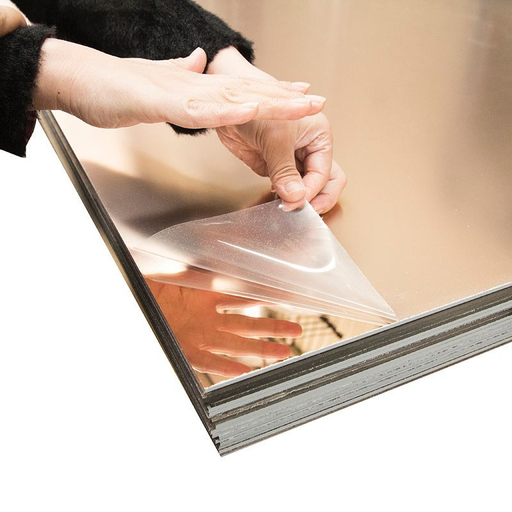
Since the material offers so much versatility and durability, it is leveraged across industries.
Construction: The acrylic is employed in windows, skylights, and safety barriers due to its strength, clarity, and weather resistance.
Automotive: Being light and impact-resistant, it is used for light covers and interior components.
Retail: Displays, signage, and fixtures are common applications where acrylic is used because it offers clarity and a polished finish.
Healthcare: Used in medical devices and dentistry due to its biocompatibility and ease of customization.
Design and Art: Used for furniture, Sculpture, and decor due to its ability to be shaped and colored to meet creative specifications.
Acrylic instills the placement of adaptability from one side to the other in industrial settings and into living human places from a functional aesthetic application.
Acrylic in Construction and Architecture
With its characteristics such as resistance to impact, ease of fabrication possibilities, and aesthetic appeal, acrylic is gaining more popularity in the construction and architectural sectors. Being lighter than glass and resistant to impact, it is used in windows, skylights, and wall panels. Another advantage of acrylic over glass is that, apart from being less prone to shattering when a strong force is applied, it also resists temperature variations quite well, making it ideal for interior and exterior applications.
Modern advancements have made acrylic more sustainable, and the latest developments provide variants that are recyclable and UV resistant. Research has shown that acrylic sheets can last for more than 10 years without losing color or distortion, even when subjected to stringent environmental conditions. Industry-wise data depict that with growing importance in green architecture and new-age architectural methods, the global acrylic sheets market is speculated to record a CAGR of 5.8 between 2023 and 2030.
Architects capitalize on acrylic for dramatic designs such as curved facades and illuminated structures, which require bending and perfect transmission of light (clear variants can provide up to 92%). Acrylic comes in innumerable colors and finishes, furthering design freedom. Its seamless incorporation into construction projects contributes to the icing on the cake for visual appeal and energy efficiency, also owing to insulation.
Interior Design Uses for Acrylic Sheet
Acrylic sheets have become a favorite in contemporary interior design because they are versatile, durable, and beautiful. From homes to corporate buildings, acrylic sheets are used in many innovative and functional applications:
Custom Furniture
Acrylic sheets may be used for making custom pieces of furniture like coffee tables, shelves, or chairs. Due to its transparent qualities, acrylic creates an illusion of space and is hence perfect for small rooms or minimalist interiors. For instance, a recent 2023 trend emphasized by interior designers is the use of clear acrylic dining tables with colorful seating to create a contemporary yet upbeat look.
Wall Panels and Partitions
Because acrylic sheets are lightweight and durable, they are a perfect choice for decorative wall paneling. Also, they may be used as room dividers or partitions at workspaces, cafes, and homes. Frosted or colored acrylic gives you privacy while boosting aesthetic appeal. As per the latest report in the market, frosted acrylic partitions are in increasing demand due to the open office design, as they strike a balance between maintaining transparency to reduce noise distractions.
Lighting Fixtures
With its high light transmission, acrylic is utilized in creating aesthetically pleasing modern lighting fixtures such as pendant lights, chandeliers, and LED panels. Lighting manufacturers have seen a recent surge in the popularity of acrylic fixtures as they diffuse light evenly while emitting soft and warm illumination.
Kitchen and Bathroom Backsplashes
Acrylic sheets are further favored for kitchen and bathroom backsplashes. Very easy to clean, water-resistant, and available in contrasting colors and textures are good characteristics of acrylic sheets, with these properties providing a good contrast to normal tiles. Home improvement statistics in 2023 saw homeowners showing a preference for acrylic backsplashes because of their modern looks and ease of cleaning.
Cabinet Doors and Drawer Fronts
High-gloss acrylic sheets for cabinet doors and drawer fronts are primarily manufactured for contemporary kitchens. The glossy finish and array of colors offer a stylish look while the acrylic ensures a durable solution. Industry statistics show a 15% increase in the demand for acrylic-fronted cabinets in new constructions this year.
Decorative Objects and Displays
Acrylic is most often used for artistic applications, decorative objects, photo frames, and signage, with laser cutting enabling intricate designs that resist damage and endure over time. More professional design firms are endorsing acrylic artworks for emphasis in living rooms and offices.
This list attests to the growing use of acrylic sheets in interior design because of their ability to combine utter functionality with striking visual aesthetics. The material is constantly evolving to the advantage of designers and homeowners.
Signage and Display Applications
Acrylic sheets, common with signage and display industries for their versatility, resilience, and beauty, offer high optical clarity so messages and visuals are bright and legible. Hence, acrylic is a favorite material for businesses that want to attract attention. With the array of new technologies, acrylic sheets can be laser-engraved, UV printed, or backlit, hence offering endless possibilities to creative displays.
From a 2023 Google search conducted on market trends, the global acrylic sheet market is forecasted to grow at a CAGR (Compound Annual Growth Rate) of 5.0% from 2023 to 2030, increased demand coming from industries such as retail, advertising, and construction. Acrylic is famous among businesses for sleek interior signage, bright-colored outdoor advertisements, and protective display cases while weighing weather resistance and shedding little weight. Now more than ever, sustainability is in focus, and several manufacturers even offer recyclable or partially recycled acrylic sheets as a plus toward green building.
Event signage that needs to resist UV rays and last will have acrylic, which will not fade or discolor over time, and will also continue its life as all branding installations do. Its adaptability combined with its modern look, will keep acrylic among the top materials of the signage and display industries for years to come.
Advantages and Disadvantages of Using Acrylic
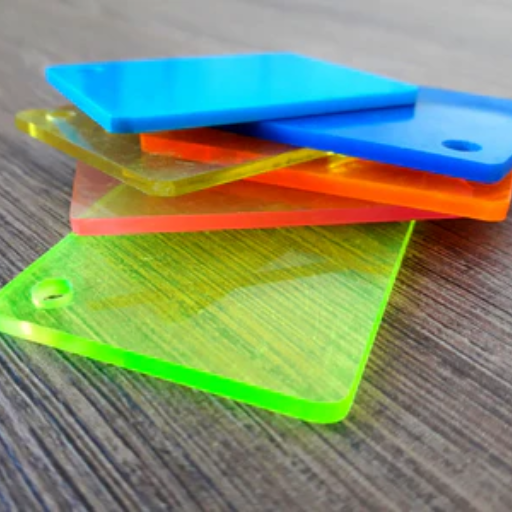
Advantages:
Durability: Acrylics resist impacts to a greater degree, hence more potential damage through collisions with glass.
Weight: Acrylic is lightweight, so it goes around easily.
Versatility: Acrylics are fully customizable and workable.
Clarity: It is sufficiently transparent and never really looks any other way over time, even when exposed to sunlight for extended periods.
Weather Resistance: It would resist UV rays and adverse weather conditions, which makes it very suitable for outdoors.
Disadvantages:
Scratch-Sensitive: The surface of the acrylic is easy to get scratched when compared to materials like glass.
Price: Depending on the price of quality and thickness, it can be more expensive than some other materials.
Heat-Sensitive: Acrylic may warp or melt when heat is applied.
Eco Concerns: Recycling is possible, but the production of acrylic consumes much more energy, thereby affecting its environmental sustainability.
Benefits of Acrylic Plastic
Clarity and Transparency: Acrylic plastic, also known as plexiglass, is famous for fine optical clarity and light transmission, allowing for about 92% of the visible light to pass through it. This property renders it an excellent option instead of glass, where the transparency of information is important. This includes windows, signage, and displays.
Lightweight: Acrylic is known to weigh half as much as glass, making transporting and installing the material easy. This feature proves very useful for large projects like aquariums or architectural uses.
Durability and Impact Resistance: Even being light, acrylic can withstand impacts at least 17 times better than glass. It is therefore suitable for safety use, such as shatterproof barriers, protective screens, and automotive components.
Weather Resistance: Acrylic is weather-resistant with UV rays’ protection, so it is very suitable for outdoor use. It never yellows or degrades while being exposed to sunlight for long periods, unlike glass or even other plastics.
Design Flexibility: Acrylic can be molded, cut, and shaped into endless forms, and so it is very flexible to work with, for designers and manufacturers. Technological advancements also allow for very fine etching and detailing in design used in furniture, medical devices, and the lighting industries.
Recyclability: Although its production is usually questioned from an environmental perspective, acrylic is still recyclable. According to newer recycling technologies, it is possible to convert acrylic waste into new products which should help reduce landfill contributions to some extent and promote sustainability.
Thermal Insulation: Being better insulators than glass, these acrylics help in attaining energy efficiency, especially when architecturally applied to windows and skylights, as they reduce heat transfer, thus helping in cutting the costs of heating and cooling in buildings.
Cost-Effectiveness Over Time: And there is a very long-term advantage in acrylic despite the fact that its initial cost is relatively high when compared to some other alternatives. For instance, because it will not crack, weather, or discolor with age, acrylic will need to be replaced less regularly.
Drawbacks to Consider
Although acrylic presents many advantages, there are certain disadvantages to be considered while evaluating whether it fits particular applications. One major drawback-and perhaps the most damaging-is the ability to scratch it very easily; in particular, the acrylic surface may suffer from surface abrasions due to improper handling. This is unlike glass: while it is difficult to damage glass, acrylic is generally subjected to further protection and cleaning measures to retain its clarity.
Apart from these, acrylic is still combustible and thus has meager resistance against high temperatures, unlike glass or metal. This brings about its incompatibility in any scenario where heat resistance is a prime consideration. For instance, acrylic gets deformed much before hitting a temperature of 212 degrees Fahrenheit (100 degrees Centigrade) and starts to burn away at higher temperatures, restricting its use at industrial or high-heat venues.
From environmental considerations, acrylic comes with a few problems-the main one being that its production involves the utilization of non-renewable resources, principally petroleum, whereas it cannot be biodegraded. Efforts are ongoing to find more sustainable methods of manufacture for it, but by virtue of its huge scale of production, the current ecological loss of acrylic remains a concern. The acrylic sheet market has, by all accounts, been worth approximately USD 4.6 billion in 2021 and is still growing, according to a report by Global Market Insights, thereby accentuating the demand for acrylic but also giving rise to the need for a sustainable life cycle of managing the issue of waste and environmental damage.
When cost comes into the picture, it could go against acrylic, especially when compared to other alternatives such as polycarbonate. While acrylic is tough and durable, it is prone to cracking when pressed or subjected to high force, rendering it expensive to replace over time if not properly handled. Most industries requiring materials with resistance to strong impact would generally choose the more expensive alternatives in favor of acrylic which looks good at first but is of doubtful quality.
The drawbacks have to be considered when making a choice as to whether acrylic will serve well for a particular project or application.
Comparing Acrylic to Other Materials
By comparison, there are certain benefits an acrylic panel offers over its polycarbonate, glass, and tempered glass counterparts, with certain compromises. The core characteristics lie in 10 times the impact strength with just half the weight of glass for acrylic. This would be preferable if considerations of weight and shattering are paramount, for example, DIY applications, retail displays, and aquariums, among loads of others, usually scratch resistance is down the list in such cases. The downside to acrylic is that it does scratch easily and will, therefore, require regular cleaning or application of coating to maintain clarity over time.
Polycarbonate provides far better impact resistance than acrylic-roughly calculated to be 250 times that of glass. Making polycarbonate a far better candidate for installation demanding high security, such as bulletproof windows and safety shields-but it is usually more expensive than acrylic, which is subject to yellowing unless treated with a protective coating. In comparison, acrylic is less prone to yellowing and therefore better suited for many outdoor applications needing UV stability.
It is easier to cast and work with acrylic than tempered glass since it has a far lower melting point, and highly custom designs can be prepared. Whereas tempered glass provides the best scratch resistance and durability while being brittle, these qualities in the presence of tempered glass make it the most forward-in-architecture, yet it is generally heavy and more expensive than acrylic.
A recent search shows the global average cost of acrylic sheets ranges from $5 to $10 per square foot, depending upon thickness and quality, polycarbonate being a little steeper with $10 to $20 per square foot, tempered glass holding a similar range. Thus, the price variations again emphasize the affordability of acrylic, especially for projects with a tight budget or topping a huge quantity requirement.
The correct choice depends mainly on individual project needs. Acrylic will have a win-win in areas where costs and easy handling and weather resistance are the priority. Good options for polycarbonate and tempered glass could be considered when better impact resistance, long-term durability, or scratch-resistant surfaces are a strong preference.
About Acrylic and Its Uses

Since it is a lightweight, low-cost, and transparent material, acrylic has gone through a greater range of applications in various industries. Sometimes, it is used as a glass alternative for windows, display cases, and signage. Weather-shielding properties lend their charm to its outdoor use cases, while ease of shaping and cutting make it very popular for interesting and functional furniture designs, aquariums, and lighting. It is also used in do-it-yourself projects and crafts, making it a handy solution for decorative and practical applications.
How Does Acrylic Compare to Glass?
Acrylic and glass are two of the most commonly used materials, with each possessing qualities that fit a given application. Because of its lightness is 50% less dense than glass-acrylic is easiest to mount and carry around. Almost 92 percent of light passing through acrylic means that its clarity is comparable, if not superior to that of regular glass. Also, it is impact-resistant; acrylic is roughly ten times stronger than glass, thus making it suitable for an environment requiring protection against breakage.
Glass, however, offers a greater resistance to scratching in comparison with acrylic; for instance, glass tends to retain its clarity and finish over an extended period, weathering all sorts of demanding environments. Though acrylic is seemingly more weather-resistant and less capable of yellowing with age, glass surely outshines in terms of heat resistance; it can resist very high temperatures without any deformation or warping.
Another factor for consideration is the cost-colloquially put, acrylic is usually cheaper than glass, thus favoring the larger and DIY projects. Nevertheless, glass remains the preferred option for having a higher-grade appearance and that glass can be fully recycled-neat for those with eco-conscious mindsets.
Depending on the nature of the requirement, however, these two materials serve certain purposes. Acrylic travels well where lightweight and shatter-resistance, along with the ability to be manipulated, are necessary; glass holds its own for durability, heat resistance, and timeless beauty.
What Is UV Resistance in Acrylic Sheets?
UV resistance in acrylic sheets is the ability to remain unaltered in usability for extended periods under the attack of ultraviolet (UV) rays from sunlight. Standard or regular acrylic sheets tend to turn yellow and lose strength or become brittle if UV rays go through them over time, while the UV-resistant kinds are made to resist these harmful effects.
Using modern technology, UV-resistant acrylic sheets are manufactured with an additive or a coating to protect the acrylic from UV rays so that it lasts longer and remains clear. Such acrylic sheets find utility in outdoor applications, including signage, greenhouse panels, and barriers, where there is ambient exposure to sunlight.
In the wake of recent advancements, some UV-resistant acrylic sheets can block up to 98% of the harmful UV rays, thereby protecting material performance for a long period and also protecting what’s underneath, be it an object or a person. For instance, high-grade UV-resistant acrylic has been found through studies to retain transparency and strength for more than 10 years in outdoor applications, greatly cutting down the number of replacements.
Also, these sheets find heavy use in the construction and marine industries, where environmental exposure presents an ongoing obstacle. Being lightweight and protective, they present an economic and sustainable proposition in lieu of other kinds of material: keeping safe and looking pretty even in challenging conditions.
How to Glue Acrylic Effectively
When gluing acrylic, make sure to prepare it properly and choose the right types of adhesive will ensure a strong, seamless bond. Here are the step-by-step instructions for gluing acrylic properly, mixed with some useful tips for doing so:
Choose the Right Adhesive
The solvent adhesives are most often used on acrylic and the Weld-On or SCIGRIP adhesives are the best examples. This type of adhesive chemically bonds surfaces together, and when applied properly, results in a waterproof, transparent, and durable finish. Epoxy resins can also be used in some applications; however, they may not offer the same level of clarity.
Prepare the Surfaces
Clean both acrylic surfaces thoroughly with mild detergent and water, dry with a lint-free cloth, and avoid working with dirty or oily surfaces. A bit of gentle sanding with fine-grit sandpaper can create a better surface texture for adhesion.
Position the Pieces
The acrylic pieces should be accurately positioned before the adhesive is applied. Use a clamp or jig to hold the pieces in proper positional alignment until curing. An error in gluing may be very hard to compensate for once set.
Apply the Adhesive
A syringe or needle applicator is used to apply the adhesive along the edges to be joined. Do not put in too much adhesive as it can drip, form bubbles, weaken the bond, and damage the visual effect. The adhesive will be drawn into the joint through capillary action to form an even bond.
Allow Proper Curing Time
When the pieces are bonded, undisturbed curing should take from 24 to 48 hours to fully set, depending on the type of adhesive and other environmental conditions. When working with solvent adhesive, ensure good ventilation so as not to inhale the fumes.
Finishing and Inspection
Once cured, excess glue should be scraped off with a blade or scraper and the entire surface inspected for uniformity of bond. Proper polishing of the edges can elevate the overall look of the finished product.
Pro Tips for Maximum Efficiency
Room Temperature: Most acrylic adhesives bond best between 64°F (18°C) and 77°F (25°C). High humidity or low temperatures will tend to inhibit the curing.
Protective Gear: Use gloves and safety glasses when mixing and applying adhesives to prevent skin and eye irritation.
Compatibility Check: Check the manufacturer’s instructions just to be sure that the adhesive is safe to use with the type of acrylic at hand, since some types may require a special glue.
Follow these instructions to get pro-level results, whether you’re crafting, doing construction, or other industry-standard acrylic work.
Maintenance and Care for Acrylic Sheets

Maintain the acrylic sheets by wiping them regularly with a soft, non-abrasive cloth dampened with soapy water. Harsh chemicals or cleaners containing ammonia should never be used because they may also impair the surface finish of the acrylic. The scratches, however, need to be polished to clarity using an acrylic polishing compound specifically formulated for such a task. Any kind of careless handling can cause the acrylic to crack or chip; hence, it is best to store the sheets in a cool, dry environment to avoid warping. Following simple rules would thus save you from damage and retain the good looks of your acrylic sheets.
Cleaning Techniques for Acrylic
To keep acrylic surfaces neat and shiny, it is necessary to apply proper cleaning methods suited to recent expert recommendations. Keep in mind that one should always use a microfiber cloth or a non-abrasive sponge. The best solution for daily cleaning is a glass filled with warm water and a little pH-neutral soap. Do not use household cleaning products with harsh chemicals that might soften acrylic, such as those containing ammonia, because such cleaners may eventually cause hazing or cracking.
For stubborn stains or grease buildup, go ahead with a commercial-grade acrylic cleaner. The majority of top-grade acrylic cleaners boast anti-static properties, therefore helping to repel dust and keep the surface clear. Industry figures state that the application of an anti-static acrylic cleaner can reduce dust accumulation by as much as 60% between cleans.
Scratches will require treatment of a different kind; fine scratches can be impregnated with polishing paste for acrylics. Use a soft cloth in small circular motions while gently buffing the scratched area until the scratch is barely visible. Should deeper scratches be apparent, proceed with wet sanding using very high grit sandpaper, e.g., 1200 grit, and then move to the polish compound. Work slowly and evenly during this process-not to cause any further damage.
Newer information also advises against prolonged exposure to UV light, as this causes a breakdown in the clarity and structural integrity of the material. For UV protection, consider treating acrylic with a UV-resistant coating or placing it in a shaded area.
Using these advanced methods and products will go a long way toward prolonging the life and visual appeal of an acrylic surface while retaining the transparency and smoothness that were originally there.
Proper Storage of Acrylic Sheets
Proper storage is required for glassing sheets to retain their useful quality over time. Against warping, scratching, or discoloration, the materials need to be treated according to best practices.
Acrylic Sheets Should Be Stored Horizontally
Acrylic sheets must be stored in a horizontal position on flat, substantial surfaces such as shelving units or storage racks. When stored at an angle, it causes stress and can warp with time. A soft layer of protection, such as foam or fabric, should be placed between sheets to avoid scratches.
Maintain Stable Temperature
Acrylic sheets are sensitive to changes in temperature. Let us say you want to store them in an area where the temperature is stable between 59°F to 77°F (15°C to 25°C) and with low humidity. Places where the sheets would be subjected to extreme heat or cold, or, in other words, to direct sunlight, are discouraging since these conditions cause expansion, contraction, or even discoloration.
Protect against UV Exposure
Exposure for long hours to the ultraviolet rays would generate yellowing and structural degradation. Should the temporary storage of acrylic sheets in lit environments be envisaged, the use of a UV-resistant cover or film to eliminate any chance of damage is advised.
Vertical Storage for Large Sheets
Large sheets that cannot be stored horizontally against a wall or shall be stored on their sides in a rack should be properly supported to distribute the pressure and avoid bending or cracking.
Avoid Chemical Contamination
Keep away from any chemical contaminants, of corrosive chemicals, such as solvents, adhesives, and cleaning agents, that can chemically attack the acrylic surface, resulting in irreversible damage to it. Maintain a dust-free environment full of dirt and debris, as such elements may scratch or degrade the material.
These recommendations help to preserve and maintain the structural integrity of acrylic sheets and will save you money and reduce waste in the long run. To give you some storage solutions, nowadays, many manufacturers produce custom racks, coverings, and temperature installations so that your acrylic sheets will last quite nicely.
Ensuring Longevity of Acrylic Plastic
Improving the longevity of acrylic plastics requires harnessing upgraded storage, cleaning, and maintenance technologies. Recent studies have established that inappropriately handled environmental exposure contributes the most to acrylic degradation. Some insights and recommended action items are:
Temperature Control
Depending on the application, acrylic sheets may either expand or contract if exposed to extremes of temperature. According to the latest data, temperature storage conditions of between 50°F (10°C) and 90°F (32°C) will significantly decrease the stresses of the material. Acrylic storage is carried out in climate-controlled environments to guarantee structural integrity for the numerous applications it has, ranging from industrial to more creative.
UV Protection
Yellowing and cracking caused by UV in acrylic materials have been witnessed all along. Since then, UV-blocking films or coatings that should be applied would be the best defense. Manufacturers such as Evonik and Plaskolite have formulated UV-resistant additives that prolong the lifetime of acrylic products exposed to sunlight by around 10 years.
Cleaning Techniques
Avoid harsh chemicals such as ammonia-based cleaners for cleaning the acrylic. Rather, use mild dish soap or solutions approved for acrylic cleaning. As per industry regulations, the use of a soft microfiber cloth should help in preventing any kind of scratching. Clean gently but frequently enough to avoid a buildup of residue.
Protective Sheet Coverings
Opt for a wrapping if working with a covering for long-term protection. Many manufacturers now offer proprietary protection materials such as polyethylene or polypropylene wraps to protect acrylic from scratches and contamination during transport and storage.
Handling and Installation
Mishandling means another potential adverse effect on acrylic plastic longevity. Data confirm that acrylic products should be transported and installed using automated equipment or padded tools to avoid impact damage. Proper supporting structures during mounting also prevent undue mechanical stress.
By applying these proven methods, in conjunction with the use of good materials and scheduled maintenance, the end users and businesses can up the usability and aesthetics of acrylic plastics and reduce cost, which further leads to sustainability in the use of materials.
Reference Sources
- California Institute of Technology (Caltech): Working with Acrylic
Detailing the physical characteristics of acrylic and the usage of its application, including light transmittance and durability.
- Carnegie Mellon University (CMU): Acrylic Data Sheet
Considers the cutting of acrylic sheets and their specifications.
- Cleveland Institute of Art (CIA): How to Glue Acrylic
Provides instructions for working on acrylic sheets, including gluing.
Frequently Asked Questions (FAQs)
What are the types of acrylic sheets and their applications?
Acrylic sheets come in various types, including cast acrylic and extruded acrylic. Cast acrylic offers superior optical clarity and is often used in display cases, while extruded acrylic is more affordable and commonly used for applications like signage. Both types are versatile and can be used in indoor and outdoor applications.
What is the difference between acrylic and polycarbonate?
Acrylic, also known as plexiglass, is lighter and offers better optical clarity compared to polycarbonate. However, polycarbonate typically has higher impact resistance and is more durable, making it suitable for applications where shatter-resistance is essential, such as in safety glasses or protective barriers.
How do you clean and maintain clear acrylic sheets?
To clean clear acrylic sheets, use a soft, damp cloth with mild soap or acrylic cleaner. Avoid using ammonia-based cleaners or abrasive materials, as they can scratch the surface. Regular maintenance helps retain the optical clarity and prolongs the life of the acrylic.
What are the advantages and disadvantages of using acrylic plastic?
Acrylic plastic provides numerous advantages, including lightweight properties, excellent light transmission, and UV resistance. However, it can be prone to scratching and may not be as impact-resistant as polycarbonate. Understanding these pros and cons is essential when choosing materials for specific applications.
Is acrylic shatter-resistant and suitable for outdoor applications?
Acrylic is considered shatter-resistant, making it a safer alternative to glass in many applications. Its UV resistance also allows it to be used in outdoor environments without significant degradation, making it a popular choice for items like aquariums and outdoor signage.
How do you glue acrylic sheets effectively?
To glue acrylic sheets, use a solvent-based adhesive specifically designed for acrylic, such as methacrylate. Ensure the surfaces are clean and fit tightly together. Apply the glue evenly and allow it to cure as per the manufacturer’s instructions for the best bond.
What makes acrylic sheets a popular choice for display cases?
Acrylic sheets are a popular choice for display cases due to their excellent optical clarity, lightweight nature, and shatter resistance. Additionally, they are available in a wide range of colors and thicknesses, allowing for customized designs that enhance product visibility.
What is the heat resistance of acrylic sheets?
Acrylic sheets have a moderate heat resistance, typically up to 80°C (176°F). While they can withstand some heat, it’s important to avoid exposing them to high temperatures for extended periods, as this can lead to warping or deformation.
How does light diffusing acrylic work?
Light diffusing acrylic is designed to scatter light evenly, reducing glare and providing a softer illumination. This type of acrylic is often used in LED lighting applications, where uniform light distribution is essential for achieving the desired aesthetic effect.