
East and innovative acrylic mirrors have changed the way we look at specular surfaces. Lighter, shatter-resistant, and very customizable, they make excellent substitutes for glass mirrors in many industries. Acrylic mirrors blend utility and aesthetic appeal, whether working on a stylish modern interior, doing creative displays, or providing enhanced safety solutions for industrial applications. This blog post goes into the essential characteristics of acrylic mirrors, their advantages, and the applications in which they really shine. Come with us as we discover how these reflective surfaces are turning everyday places around and why they might be the perfect fit for your next assignment.
Introduction to Acrylic Mirror Sheets
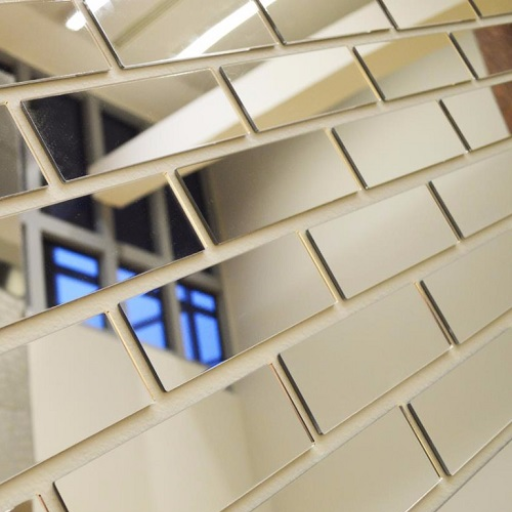
Acrylic mirror sheets make for a great option instead of regular glass mirrors as they are lightweight, durable, and shatter-resistant. These are made of acrylic, a plastic noted for its strength and clarity, with a reflective coating on one side that accomplishes the mirror effect. The acrylic mirror sheets are easy to cut, shape, and mount, giving them a broad spectrum of applications, from home décor to retail displays and into the industrial. As opposed to glass, acrylic mirrors are not prone to cracking, hence apt in situations where safety and practicality are essential.
Definition and Overview
Acrylic mirror sheets are very popular for practicality, durability, and being light and cheap compared to glass mirrors. They weigh almost half of the glass, making transportation and installation an easy task while maintaining the reflective quality. Recent data reveals that the demand for acrylic sheets is on the rise in various industries, with a projected CAGR of 5.5% from 2023 to 2030.
The manufacturing technology has improved, facilitating enhanced optical clarity and scratch resistance in on-time acrylic mirror production, thus boosting its usability. They find usage where safety is a concern, such as in schools, gyms, and children’s play areas, since it is shatter-resistant. Thanks to their flexibility, these can also be bent or molded into custom shapes for creative projects in art, architecture, and interior design. This flexibility ensures that acrylic mirrors remain one of the most versatile tools for both practical use and visual expression in several other fields.
Properties of Acrylic Mirrors
Significantly, acrylic mirrors have a blend of properties that give them an edge over traditional glass mirrors in many applications. Some of these properties include:
Lightweight
Acrylic mirrors are much lighter than their glass counterparts, at times even by a margin of about 50%. This means handling, transportation, and installation become much easier, particularly when larger panels or irregular shapes are involved.
High Impact Resistance
Given recent data, acrylic mirrors are about 17 times more impact-resistant than glass mirrors of similar thickness. Such resilience certainly makes room for several safe applications in settings like schools, gyms, and retail outlets, or in areas frequented by the risk of breakage would constitute a safety hazard.
Weather and UV Resistance
Keeping up with outdoor demands, modern acrylic mirror products will endure the effects of a UV-lit outdoor atmosphere without a tint of yellowing or degradation. This keeps them in a clear and bright state all along, thereby being an excellent fit for outdoor applications which include exterior signage and garden ornamentations.
Customizable and Flexible
Acrylic mirrors can be easily cut, drilled, or generally manipulated to be turned into any form. The application of heat will permit the bending or molding of the mirrors to form the desired shape of curves. These properties go a long way in aiding both architecture and interior design, where customization and creativity are of utmost importance.
Clarity and Reflectivity
Acrylic mirrors offer phenomenal clarity and almost the same reflectivity as glass. Further improvements from recent technology developments have made it possible for their finish to resemble that of the good old glass, enabling their use in both decorative and utilitarian applications.
Thickness and Size Variations
The availability of a wide range of thicknesses (generally from 1mm to 10mm) and large sheet sizes affords acrylic mirrors the flexibility to respond to the demands of any project. The larger sheet sizes find accommodation in gigantic works.
Eco-Friendly Option
Today, many producers manufacture high-quality acrylic mirrors employing a partly recycled theme that backs environmental consciousness. This characteristic, along with their ability to be recycled, only places them further up on the ladder of sustainable materials.
All these attributes make acrylic mirrors a preferred choice for all those who want safer, lighter, and versatile reflective materials for which quality and performance are not compromised.
Comparison with Glass Mirrors
Acrylic and traditional glass mirrors fundamentally differ from each other in their respective characteristics, favoring one over the other in terms of advantages and disadvantages. Below are some focal points to consider for each comparison:
Durability and Safety
Acrylic mirrors can sustain more impact than glass mirrors, with seventeen times more likely to do so, making them apt for consideration in areas where security is paramount: schools, gyms, or play areas. For slit and-shaped fragments that are sharp and dangerous to handle, glass would have been a big hazard; on the contrary, acrylic mirrors resist shattering and can hardly bring about injury.
Weight
Acrylic mirrors weigh a bit less than glass mirrors; one square foot of acrylic mirror can weigh even less than half of its glass counterpart. This lighter-weight attribute makes acrylic easier to handle, lay out, and move around in large-scale or mobile applications.
Optical Quality
Glass mirrors are often considered better for clarity and reflectivity. They tend to keep true reflections without distortion, especially on a bigger surface. Acrylic mirrors are more or less functional and do act as reflective materials; however, they may have minor distortions when applied in huge or curved installations due to their flexible nature.
Cost-Efficiency
Acrylic mirrors often appear cheaper at first, yet their real long-term value lies in requiring little to no maintenance and adjusting very well for wear and tear in areas where there is a higher tendency for breakage. Whereas glass, more expensive if it needs to be repaired or replaced, it remains the standard where high definition in reflections is needed; for example, in luxury interiors or professional settings.
Environmental Factors
Considering the environment, acrylic outperforms in most climates since it is not easily damaged by moisture or temperature changes, which would degrade glass molecules or would corrode with such exposure over a long period of time. This makes acrylic indeed more suitable for outdoor uses and high-humidity areas.
Eco-For-Environment
Although glass-made products are indefinitely recyclable and eco-friendly, their manufacture is energy-intensive. Being produced through partially recycled materials, acrylic mirrors present a green alternative for recycling purposes, though recycling acrylic mirrors is not so widely practiced worldwide.
According to recent data analysis, from 2018 to 2023, the demand for acrylic mirrors has increased by around 15% each year due to industries interested in materials that are lightweight and durable. Glass mirrors, on the other side, have become the default in mainstream and luxury contexts, showing that these materials complement each other depending on the use case.
Advantages of Acrylic Mirror Sheets
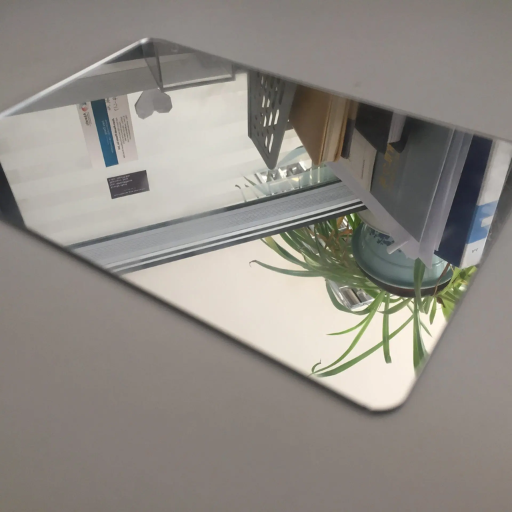
Lightweight
Acrylic mirror sheet is way more lightweight than traditional glass ones, hence easier to handle, transport and install.
Durability
Being shatter-resistant and more resistant to breaking ensures that safety issues are falsified, and long-term reliability is affirmed.
Versatility
Acrylic mirrors can be cut to size, machined, fit, honed, and applied in every imaginable way, from interior decoration to industrial application.
Weather Resistance
Ideal for outdoor as it can withstand adverse weather conditions without any sort of degradation.
Cost-Effective
Acrylic mirror sheets usually cost less than glass mirrors, thus giving you a cheaper alternative while maintaining their quality.
Durability and Shatterproof Features
These acrylic mirrors are known for their high impact strength and shatterproof properties, which make them a better and safer option than traditional glass mirrors. Weighing considerably less than glass, they do not crack under pressure owing to their high impact resistance. Scientifically, ice acrylic is almost 17 times more impact-resistant than glass and guarantees long-term service in a variety of environments. It has that particular feature that is very much appreciated in scenarios where breakage or high traffic worriers are schools, gyms, public spaces, and industries.
Apart from this, acrylic mirrors retain their forms well even in adverse conditions. They do not easily get scratched or suffer from surface damage as modern coatings for scratch resistance ensure a long life. This property of the acrylic mirror makes it resistant enough to be installed outdoors as well, where adverse conditions like wind and debris or sheer indifference caused by sudden impacts might take a toll on any other material. With a combination of sturdy and shatterproof features, acrylic mirrors ensure safety, durability, and cost-effectiveness in every possible application. Leading “what is acrylic mirror sheet” manufacturer in China.
Flexibility and Lightweight Characteristics
Acrylic mirrors carve a niche for themselves in the optical jargon because of their flexibility and lightweight properties. These flexible mirrors can be easily molded, shaped, or cut without the possibility of breakage, thereby being suitable for artistic, architectural, and industrial applications.
Acrylic mirrors weigh 50% less than glass of comparable size, making them excellent for transport and installation. Current data shows that the diminished weight somewhat halves shipping costs and reduces the number of injuries in the workplace during handling. The lightweight also makes these mirrors very easy to apply to a variety of surfaces on walls, ceilings, and furniture with the aid of simple adhesives or lightweight hardware.
The combinations of flexible features plus the lightweight attributes make acrylic mirrors easy to adapt, economical, and user-friendly in homes and commercial installations. The ability to remain structurally sound and at the same time be manipulated into more complex designs renders them popular with different industries.
Cost-Effectiveness
Acrylic mirror is one that is versatile and, at the same time, an economical option compared to traditional glass mirrors. Recent insights have suggested that acrylic mirrors are generally 50% lighter and can be as much as 17 times more impact-resistant than glass, thereby saving enormous costs on transportation and replacement. Furthermore, the manufacturing process often takes less energy, and with cheap raw materials being used, the carbon footprint is relatively low as well.
For instance, one can expect the price for acrylic mirror sheets to fall somewhere in the range of $15 to $40 per square foot, depending on thickness and quality, while prices for regular glass mirrors can go well beyond these figures, especially if custom or reinforced designs are considered. On top of this, the time-based cost of maintaining acrylic mirrors is lower, making them an inexpensive yet worthy investment for both owners and businesses. These factors have led to their standing as a resourceful solution to all-around economic use in various applications.
Common Uses of Acrylic Mirror Sheets
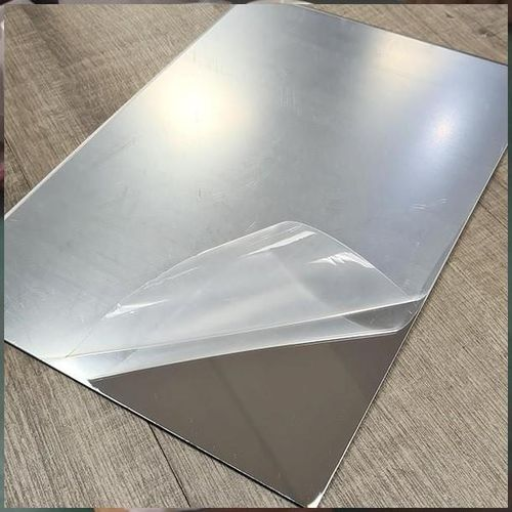
The various applications of these acrylic mirror sheets include:
Interior Design: Used broadly for decorative wall panels, furniture insets, and ceilings.
Retail Displays: Store fixtures, signage, and point-of-sale displays require these sheets because they are lightweight and shatter-resistant.
DIY Projects: These are among the preferred varieties for crafting, making custom mirrors, and for other DIY home-improvement projects.
Educational and Recreational Areas: Schools, gyms, and play areas find them useful for safe reflective surfaces.
Commercial Settings: Restaurant and office spaces use them where nothing else would stand up to use and maintain appearance.
Because of their durability, these sheets find use in several domains depending on application, their flexibility, and how easily they can be customized for any kind of setting.
Applications in Dance Studios and Gyms
Because of practicality and utility, acrylic mirrors have found an important place in setting up most modern dance studios and gyms. These tailor-made mirrors, having the qualities of being lightweight and with a high degree of reflectivity, enable dancers, athletes, or fitness movers to monitor their motions and techniques. Unlike glass, these acrylic mirror sheets are shatter-proof and hence a much safer alternative, especially in a very energized ambience where incidents are more prone to occur.
Their popularity in ergonomic and visually enticing space design is underlined by recent studies and trends. In dance studios, the ideal placement of mirrors in conjunction with high-quality acrylic mirror sheets helps instructors give immediate feedback to students while the students themselves practice watching their form. These mirrors, in gyms, are also used for augmenting lighting, providing the illusion of space, and finally motivating gym-goers by showing progress during their workouts.
Market analysis says that as of 2023, the worldwide acrylic sheets industry is worth over $5 billion and grows at a steady rate because of more demand from the fitness and recreational sectors. The gym owners choose these mirrors because of their longevity and ease of installation. Moreover, this lightweight attribute lessens time and installation costs as well as maintenance in comparison to the traditional glass option.
Acrylic mirror sheets add to both form and function while contributing toward safer and more adaptable environments for physical activity. These attributes, therefore, become a sweet spot for professionals as well as lovers, opening room for creativity alongside enhanced performance and, ultimately, safety.
Decorative Uses in Interior Design
Today, with its versatility, durability, and aesthetics, acrylic mirror sheets have become a popular selection in interior design. They have the quality of being lightweight and easy to install, which makes them fitting for a gamut of decorative demands on interiors, both home and commercial. They are mainly used for shockingly beautiful visual effects in accent walls, ceiling designs, or can act as reflective surfaces to give a better impression of space in small rooms. The current trend is that acrylic mirrors are most commonly used by interior designers within modern and minimalist styles, where their sleek nature complements clean lines and neutral palettes.
Recent studies and design reports consider that such mirrors are increasingly becoming a choice of homeowners rather than traditional ones due mainly to the cheaper prices and safety features. For instance, according to a market analysis by Grand View Research, it was stated that from 2023 to 2030, a CAGR would be registered at 5.1% in the global acrylic sheet market, much of which is on the demand side for interior design and architectural activities. Customers like acrylic mirrors because they can cut and customize them into unusual forms and patterns to come up with more personal and visually striking design solutions.
Furthermore, colored and finished acrylic mirrors also add higher decorative value to the room. Gold, bronze, and tinted acrylic mirrors are generally preferred for warmer, luxurious designs in, for example, living rooms, bedrooms, and retail spaces. With these new materials in tandem with lighting, designers carve out interiors that are active and refined, emphasizing creativity and practical value on a tight budget.
Industrial and Commercial Applications
Acrylic mirrors, because of their durability, light weight, and ease of fabrication, find their application in various industrial and commercial fields, which also include simple building usage.
Manufacturing and Workshops: Protective appliances in machinery and inspection sets make use of acrylic mirrors. Due to these mirrors being almost shatterproof, they are much safer in areas where glass might shatter under inauspicious conditions.
Retail Uses and Displays: Retail establishments use acrylic mirrors for visual merchandising, forming eye-catching displays-emphasizing product visibility. According to reports, the global market for display fixtures, including acrylic mirror panels, is expected to grow at a CAGR of 6.5% from 2023 to 2030, indicating the growing need for modern storefronts and interactive consumer experiences.
Healthcare Applications: Within the healthcare environment, acrylic mirrors are used for therapeutic procedures, rehabilitation, and even dental work. Lightweight and hygienic mirrors are an excellent choice for handling and maintenance within clinics and hospitals.
Hospitality Industry: Acrylic mirrors find frequent application within interior designs and décor for hotels, restaurants, and conferences. They are laid in furniture, on walls, or on ceilings to develop a feeling of glamor and space.
Public Safety and Transportation: Convex acrylic mirrors enhance visibility in blind spots, such as in parking areas and road intersections. Polymers ensure these mirrors are resistant to impact and capable of weathering all environmental conditions, thus making them an outdoorsman’s choice.
The versatility and various advantages posed by acrylic mirrors see their industrial and commercial use constantly on the rise. The markets are set to grow aggressively, driven by innovations in manufacturing processes and an emphasis on sustainable and durable materials.
Mirrored Acrylic vs Other Reflective Surfaces

The lightweight quality of this material makes mirrored acrylic stand apart from other reflective surfaces, which are largely heavy materials. Unlike glass, which will shatter if hit or scratched, higher safety levels exist with acrylic mirrors; hence, they continue to find application in various high-safety use cases that require flexibility in design. For cutting and shaping them onto any reasonable size, acrylic provides performance like weathering at a time when it may vary in exposure to moisture and UV throughout such lifetime outdoors, along with almost every other application requiring exposure to the weather. While it is better to give clarity to the glass mirror, the practical application and usage in situations that demand such a strength-one has to provide the mirror with all the versatility offered by the material.
Compared to Polycarbonate Mirrors
While one compares mirrored acrylic with the polycarbonate counterpart, several considerations arise, including durability, weight, price, and clarity. Polycarbonate mirrors are considered the best when it comes to maximum shatter-resistance, owing to their nearly 250 times impact resistance as compared to glass. Such mirrors are mostly used in safety-critical applications or secure facilities. However, mirrored acrylic is quite resistant too, giving 10-20 times more resistance to impacts than usual glass; thus, the acrylic mirrors stand well enough in terms of durability for nearly all normal applications outside of high-impact scenarios.
Both materials are, of course, much lighter than glass, giving them a lot of flexibility and ease of installation. Being a bit lighter in weight gives acrylic the upper hand whenever that aspect is highlighted during engineering.
And, then, the cost! The polycarbonate mirrors would fetch a higher price than acrylic, which comes from the price of the material itself, along with the manufacturing process. One is better off choosing mirrored acrylic while on a budget.
There may be slight discrepancies in optical clarity and visual performance. Even though polycarbonate mirrors offer better optical clarity, they are more susceptible to scratches than acrylic. In contrast, acrylic mirrors provide a highly reflective surface and are better resistant to yellowing and UV radiation, thus proving to be at best indoor and outdoor options as time goes by.
Generally, when the choice is between mirrored acrylic and polycarbonate mirrors, the choice generally rests on the requirements of the project, so there is a balancing of impact resistance, weight, cost, and environmental considerations.
Advantages Over Traditional Glass Mirrors
Acrylic and polycarbonate mirrors reflect many of the advantages of traditional glass mirrors; hence, these have been a choice in multiple industry sectors.
Durability and Impact Resistance
Acrylic and polycarbonate mirrors do not shatter, unlike glass mirrors. Polycarbonate mirrors, especially, are about 250 times more impact-resistant than glass and can, thus, be used in high-risk areas such as gyms, schools, and public spaces.
Light Weight
Both acrylic and polycarbonate mirrors are very light, sometimes less than half the weight of glass mirrors. Hence, it becomes easier to handle, transport, and install them for large setups or portable applications.
Safety and Shatter Resistance
These alternatives do away with the threat posed by broken glass. Even when subjected to intense impact, acrylic and polycarbonate mirrors will not produce sharp fragments and are considered safe in such environments, including playgrounds, hospitals, and factories.
Weather Resistance and UV Resistance
Acrylic mirrors do not tend to yellow when exposed to UV rays and are, therefore, suited for outdoor places where a longer time of exposure to sunlight might degrade conventional glass mirrors. Polycarbonate mirrors, if a little less UV-resistant, can also be coated for outdoor applications.
Cost-Effective Solution
Month-to-month expenses for manufacturing and shipping of acrylic and polycarbonate mirrors are lower by virtue of their light nature. Additionally, their durability further brings down the replacement cost in the long run, thereby making it a more cost-effective choice in many scenarios.
Customization and Flexibility
Plastic mirrors can be cut, shaped, and customized far more easily than glass. For this reason, they are often used in arts and crafts, architecture, or commercial ventures where a custom shape and size are needed.
All these advantages collectively explain why an ever-proliferating number of industries are shifting towards acrylic and polycarbonate mirrors, providing a more functional, sustainable, and design-flexible solution to the traditional glass counterpart.
Reflective Properties of Different Materials
Reflective percentage properties of materials such as acrylic, polycarbonate, and glass vary with composition, surface finish, and design. Glass mirrors usually exhibit reflectivity levels of 85-95%, making them ideal for applications where the utmost clarity and precision are demanded: household mirrors and scientific equipment. Such conventional mirrors achieve reflectivity via a metallic coating, mostly silver or aluminum, applied to one side of the glass.
The reflectivity of acrylic mirrors is slightly lower, between 80 and 90%. These are not to be considered higher than glass in ultra-high-performance reflection; however, their lightweight and shatter-resistant characteristics have granted them importance in such sectors as signage, retail display, and art installations. With that, recent advances in manufacturing have improved the optical clarity of acrylic mirrors, narrowing the gap in performance from their glass counterparts.
Polycarbonates somewhat resemble acrylics, boasting about an 80-90% reflectivity value. What polycarbonates do possess is much greater toughness and impact resistance, said to be something in the configuration of 250 times higher than glass; polycarbonate then presents itself as an ideal choice for safety-related applications like guards for machinery and secured environments.
These days, even anti-glare and anti-scratch coatings have been developed, mainly to improve functionality on these materials. For example, an acrylic and polycarbonate mirror can now be made to reduce distortion or mitigate deterioration from extreme conditions.
To demonstrate the versatility of reflective materials, one only needs to mention smart mirrors and solar concentrators. These technologies represent the forefront of innovation in reflective surfaces, some even incorporating adaptive coatings that adjust reflectivity across the light spectrum at particular wavelengths. As such, they occupy an essential role within the renewable energy and advanced display industry.
Hence, every material is endowed with unique features, upon which its strategic application depends, inter alia, on durability, weight, optical clarity, and environmental conditions. This diversity justifies the existing growing concern with material selection based on reflective and functional properties.
Choosing the Right Acrylic Mirror Sheet

When choosing a suitable acrylic mirror sheet, key factors to be considered include:
Thickness: Choose the thickness that is suitable for the use. The thicker sheets are more durable than the thinner ones, which are generally used for light applications such as decoration.
Size: The sheet size must be adapted to the given space or work dimensions, requiring the least amount of cutting or additional work.
Backing: Select sheets with a strong protective backing for longer life and to avoid scratches.
Clarity and Reflectivity: An acrylic mirror sheet should have good optical clarity and reflect enough light to perform well in the given application.
Environment: Consider weatherproof sheets that are UV stabilized when working outdoors, ensuring that they survive exposure to the sun and other elements.
With all these key factors in mind, the possibility of choosing an acrylic mirror sheet that fits your specific needs becomes much easier.
Factors to Consider
Some other factors backed by recent insights that must be taken into account when buying acrylic mirror sheets:
Thickness versus Strength: Depending on its thickness, an acrylic mirror sheet can be considered more or less durable for a particular use. According to recent trends, sheets between 3mm and 6mm are mostly used for household and general commercial applications, wherein the strength is enough, while one can handle it with ease. Thicker sheets may be selected where impacts are involved or in heavy industrial applications.
Surface Finish Alternatives: The emergence and adoption of newer manufacturing technologies have allowed an increasingly wider variety of surface finishes to be offered with acrylic sheets. Finish options usually include a matte finish, a glossy finish, and a frosted finish, among others, for precise styling or functional needs. For instance, matte finish can serve that purpose in decorative applications, offering a soft and subdued appeal.
Weight versus Glass: Acrylic mirror sheets weigh approximately half that of traditional glass mirrors; weighing less is advantageous as they are safer and easier to install in larger projects such as gym mirrors or retail displays. This factor has seen the uptake of acrylic mirrors in interior design projects increase roughly by 20% year-over-year.
Sustainability: More than ever, the environmental impact of a material has gained importance. Several companies have come up with recyclable and environmentally friendly acrylic mirror panels as part of their range. According to recent data, these sustainable acrylic materials can cut the carbon footprint by up to 25% compared to traditional manufacturing processes.
Customization Potential: Current enhancements in laser cutting and engraving technologies have facilitated customized patterning and design on acrylic sheets. Because of this angle, acrylic mirrors are gaining more popularity in custom designs for architectural and artistic projects.
With these added insights, one can evaluate acrylic mirror sheets not only in view of their technical specifications but also for the alignment with current trends and industry developments.
Types of Mirrored Acrylic Sheets Available
There are different types of mirrored acrylics to suit varying applications and design preferences. Each type is created to meet the demands of a given use while providing top durability and aesthetic appeal. Here are some of the very famous types of mirrored acrylic sheets available:
Standard Mirrored Acrylic Sheets
Compared to the other types, they are made in the highest reflectivity, smooth surface qualities, with multiple thicknesses, and are exquisitely versatile in use for decorative paneling, signage, and interior design detail.
Two-Way (See-Through) Mirrored Acrylic Sheets
These are used for privacy purposes, allowing whatever is behind it to be partially seen from one side, while it remains a mirror from the other side. They are often used in situations where security is of the essence and in modern design projects wherein a semi-transparent mirror is needed.
Colored Mirrored Acrylic Sheets
These sheets are just as reflective as the standard ones but provide beautiful colors in the array of gold, bronze, blue, red, and green. Great for creating works of art, signage, retail displays, decorative accents, and more.
Anti-Scratch Mirrored Acrylic Sheets
Considering their desired durability, these sheets have been prepared with a scratch-resistant surface coating. The installations that are normally placed in very heavy-use environments are installations in gyms, dance studios, and public spaces.
Textured Mirrored Acrylic Sheets
Textured mirrored acrylic sheets provide a unique alternative to traditional reflective surfaces by incorporating patterns or textures. They are suitable for bespoke design, architectural spaces, and custom art installations.
Flexible Mirrored Acrylic Sheets
Being extremely thin and bendable, these sheets can be curved or shaped and will not crack. They work great for artistic projects, event decorations, and any place where flexibility of design is desired.
Benefits and Applications
With such a considerable variety of mirrored acrylic sheets available, the interior design, architecture, retail, and exhibition industries can greatly benefit from these flexible materials. When puzzling over what type is the best, think about the ultimate application or purpose, along with the atmosphere around its use, and whether the application can be customized to its fullest.
Best Practices for Installation and Maintenance
Installation Tips
Surface Preparation: The surface where the mirrored acrylic will be installed should be clean, dry, dust-free, and debris-free. Irregularities can occur if the installation surface is not smooth or even.
Cutting and Shaping: The mirrored acrylic has to be cut and shaped with specialized tools like a laser cutter or acrylic blade to ensure precise cuts. Test in a small area first to avoid chipping or cracking.
Handling and Installation: In order to lessen the risk of scratches, always handle mirrored acrylic sheets with clean gloves, and do not excessively bend or impact them. Also, leave the protective film until the installation is finished.
Adhesives and Fasteners: Choose adhesives intended for acrylic glue or insert screws to fasten pre-drilled holes, so that the material will not be stressed. Double-sided adhesive pads are an equally good alternative for lighter applications.
Thermal Expansion Considerations: Leave a small gap between the acrylic and the surrounding surfaces so the acrylic can thermally expand and thus avoid excess buckling under temperature.
Maintenance Tips
Cleaning: For regular cleaning, a microfiber cloth used in conjunction with a mild soap-and-water solution is perfect. Do not use abrasive cleaners or tools that could damage the surface.
Scratch Removal: To remove minor scratches, apply an acrylic scratch remover or polish and follow the instructions to achieve the best results.
UV Protection: Some mirrored acrylic sheets are coated with UV protection, but keep them away from long hours of direct sunlight whenever possible to avoid discoloration or warping.
Inspection and Repairs: Occasionally inspect the material for flaws, especially at joints and edges, and have any issues addressed immediately for a longer lifespan.
Latest Insights from the Field
Statistics recently show an increasing preference for lightweight mounting options such as magnetic strips for mirrored acrylic installations in commercial venues for easy reconfiguration. Anti-scratch and UV protection technologies are now letting mirrored acrylic function better in outdoor installations. Integrating these technologies into your project planning will help you maximize the performance and life of your mirrored acrylic applications.
Reference Sources
- Minnesota State University (MNSU): Design and Development of Smart Wardrobe Technology
Discourse over the use of acrylic mirror sheets as light and less fragile counterparts to conventional mirrors.
- Lawrence Berkeley National Laboratory (LBL): Plexiglas Material Properties
Explains in detail the characteristics and forms of acrylic materials, including mirror sheets.
- Hawken School Makerspaces: Infinity Mirror Project
Covers the use of acrylic mirror sheets for creative applications such as infinity mirrors.
Frequently Asked Questions (FAQs)
What is an Acrylic Mirror Sheet?
An acrylic mirror sheet is a reflective surface made from acrylic plastic, which offers a lightweight and shatter-resistant alternative to traditional glass mirrors. These sheets are highly reflective and can be cut to size, making them versatile for various applications.
What are the Advantages of Acrylic Mirrors?
Acrylic mirrors have several advantages over glass mirrors, including being half the weight of glass, having shatterproof properties, and greater impact resistance. Additionally, they are less prone to distortion, making them an ideal choice for dance studios and gyms where a perfect reflection is essential.
Common Uses of Acrylic Mirror Sheets
Acrylic mirror sheets are used in a variety of settings, including homes, gyms, dance studios, and retail displays. Their durability and lightweight nature make them a popular choice for decorative applications as well as practical uses.
Choosing Acrylic Mirrors Over Glass
When choosing between acrylic mirrors and traditional glass mirrors, consider factors such as weight, safety, and installation ease. Acrylic mirrors are safer for environments where broken glass poses a risk, and they are easier to handle due to their lighter weight.
Are Acrylic Mirrors Shatterproof?
Yes, acrylic mirrors are shatter-resistant and much less likely to break compared to traditional glass mirrors. This makes them a safer option in environments where impact resistance is important, such as in children’s play areas or active sports facilities.
How Are Mirrored Acrylic Sheets Made?
Mirrored acrylic sheets are made from high-quality acrylic polymer, which is cast and then coated with a reflective layer. This manufacturing process ensures that the sheets are durable, flexible, and capable of providing a clear and perfect reflection.
Can Acrylic Mirror Sheets Distort Images?
While acrylic mirrors are designed to provide a clear reflection, lower-quality sheets may exhibit some distortion. However, quality acrylic mirrors are engineered to minimize distortion throughout the sheet, ensuring a more accurate reflection compared to cheaper alternatives.
How to Clean Acrylic Mirrors?
Caring for acrylic mirrors is simple; they can be easily cleaned with mild soap and water or a specialized acrylic cleaner. Avoid using abrasive materials that can scratch the surface, ensuring the reflective quality remains intact over time.
What Colors Are Available for Acrylic Mirrors?
Acrylic mirrors come in a variety of colors and finishes, allowing for creative decorative options. From classic silver to vibrant hues, these mirrored sheets can enhance the aesthetic appeal of any space while maintaining their functional properties.