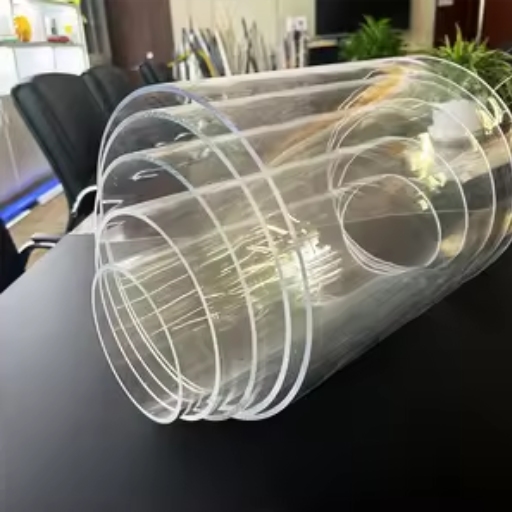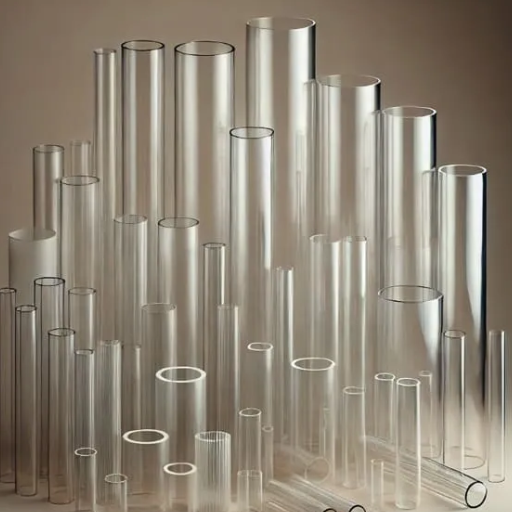

Fluted acrylic sheets and fluted glass are two materials that are increasingly gaining attention in architectural design and interior applications. Both provide unique aesthetics and functions, but their variations can make them suitable for specific projects. This article presents a thorough side-by-side comparison of fluted acrylic sheets and glass, examining key considerations such as durability, versatility, economic factors, and aesthetics. Whether you are an architect, designer, or homeowner, this guide will provide you with the insights needed to choose the material most suitable for your project’s needs and conception.
Introduction to Fluted Acrylic and Glass
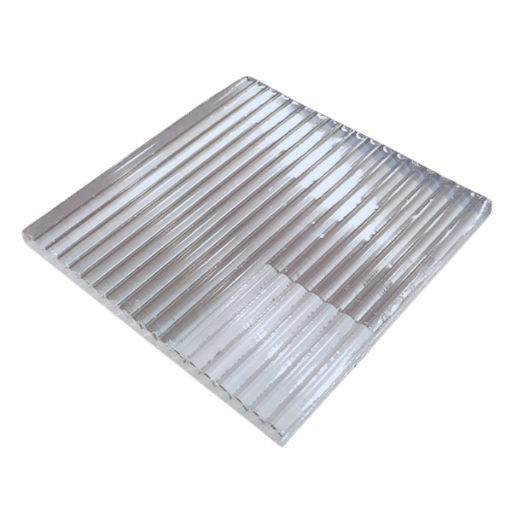
Fluted acrylic and fluted glass are among the common materials that feature a ribbed surface texture, providing aesthetic value in design with fluted sheets. Fluted acrylic is a lightweight, flexible, and durable material, making it an ideal choice for projects that require flexibility and safety. It is available in various finishes and is easy to bend, cut, or install. Conversely, fluted glass is considered strong, heat-resistant, and glamorously translucent, carrying a class that is suitable for areas where visual presence is a matter of paramount importance, especially when compared to decorative acrylic. Both are versatile materials that can provide for a myriad of design possibilities. However, the specific properties make each more suitable to fulfill the needs of particular projects.
Understanding the Materials
Acrylic is a lightweight, impact-resistant material known for its ease of customization and affordability. It finds use in applications where some degree of flexibility is required, such as in curved installations and pretty much any place where weight constraints are a concern. Fluted glass constitutes the exact opposite of fluted glass: it is heavy and hard, offering better heat resistance and a more sophisticated look, often surpassing even acrylic. Being translucent, they offer excellent options for projects that prioritize visual elegance and light diffusion. The decision thus centers on the function and design needs of a particular project.
Relevance in Modern Design and Architecture
Fluted and textured glass has come to supersede and greatly earn its eminent position in modern design and architecture, in essence, being used both functionally and aesthetically. Fluted glass, with its light diffusion and elegant appearance, is primarily used in partitions, facades, and decorative elements to enhance the complex nature of stylish yet functional spaces. Textured glass, appreciated for its adaptability and lightness, is commonly used in artistic applications, for furniture pieces, and in areas that require special shapes or designs. Both materials are in harmony with the new-age architectural pursuits that aim to maximize light while using the least energy, thereby achieving a balance between practicality and aesthetic appeal.
Overview of Fluted Acrylic Sheets
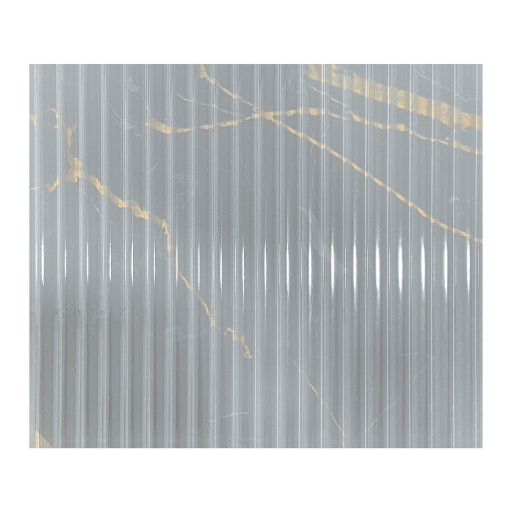
Properties of Fluted Acrylic
Fluted acrylic sheets are a type of material that is lightweight, durable, and highly versatile for decorative acrylic projects. Probably the best known for impact resistance, thereby justifying their use for indoor as well as outdoor applications. These sheets are highly transparent and resistant to ultraviolet rays, so they retain their looks and structural integrity over time. Moreover, fluted acrylic sheets can be easily fabricated; they can be cut, bent, or shaped according to any design requirement. It insulates and withstands weather, thus making the product more useful in different environmental conditions.
Advantages of Using Fluted Acrylic Sheets
- Durability: Fluted acrylic sheets are highly resistant to both impact and weathering, therefore providing long-lasting service in both indoor and outdoor settings.
- Lightweight: These sheets are lighter than many alternatives in this category, making them easy to handle, transport, and install.
- UV Resistance: Strong UV resistance prevents the materials from discoloring or breaking down, thereby maintaining clarity and appearance over time.
- Versatility: Easy to cut, shape, and fabricate, these sheets cater to both design and functional needs, depending on the choice.
- Insulation: They provide good insulation against both heat and sound, making the space more energy-efficient and reducing noise levels.
- Cost-Effectiveness: With combinations such as durability, low maintenance, and varied placement options, fluted acrylic sheets are well-suited for almost any situation.
Disadvantages of Fluted Acrylic
- Lower Impact Resistance Compared to Alternatives: While fluted acrylic sheets are durable enough for many uses, they generally do not resist heavy impacts as well as polycarbonate. Thus, they would be inappropriate in situations demanding high resistance to force or loads.
- Susceptibility to Scratches: Another common drawback of fluted acrylic is its susceptibility to scratches, which can degrade its aesthetic appeal over time in applications that require a smooth finish.
- UV Degradation: Even if fluted acrylic sheets are coated with UV protection, prolonged exposure can cause the acrylic to develop yellow stains, become brittle, or lose clarity, resulting in a significant reduction in lifespan when used in exterior applications.
- Higher Brittleness: Compared to materials like polypropylene or PVC, fluted acrylic sheets exhibit greater brittleness. Their ingenuity may be cracked by stresses or mishandling, essentially restricting the possibilities of application in harsh environments.
- Environmental Concerns: Fluted acrylic is considered less environmentally friendly than other materials, as it is derived from petroleum-based compounds. The recycling of acrylic is limited and requires specialized facilities, which are, therefore, scarce in certain regions.
- Cost Relative to Basic Plastics: While conferring value in terms of durability and performance, this type of acrylic sheet is often more expensive than other basic plastics, such as polyvinyl chloride (PVC) or polystyrene, thus posing a limitation for those with a very tight budget.
Comparative Analysis: Acrylic vs Glass
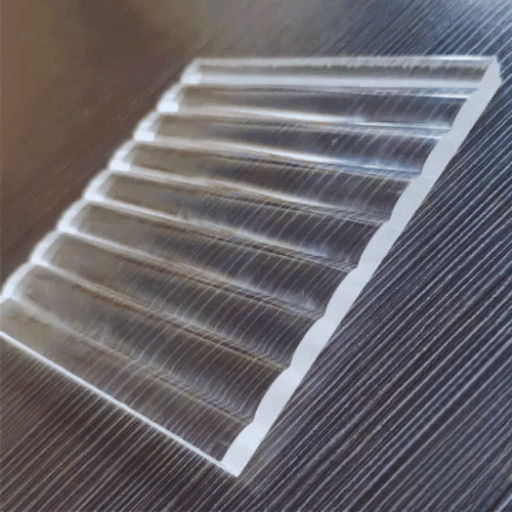
Aesthetic Appeal and Decorative Options
Acrylic and glass, both highly regarded for their looks, differ on crucial fronts. Acrylic has more flexibility in the decorative aspects as it is easily shapeable, cut, and colored. It can come in various finishes, such as gloss, matte, or frosted, creating almost unlimited design possibilities, particularly when combined with glass and acrylic elements. Meanwhile, glass offers a more tasteful and classy look, as it maintains its clarity better and is much more resistant to scratches. However, decorative applications can often be retarded by its weighing way heavier and being more brittle than acrylic, which is lightweight and impact-resistant. Both materials can be customized; however, acrylic lends itself more to creative design than glass, which suggests elegance and permanence.
Durability and Impact Resistance
Acrylic and glass differ mainly in their durability and impact resistance, which helps select the particular applications for which each works best. Acrylic is highly impact-resistant; it is up to 17 times stronger than glass of the same thickness. This makes acrylic a suitable choice for applications in areas prone to accidental impact, such as safety barriers, signage, or protective covers. The flexibility of acrylic allows it to absorb even greater force than normal without shattering, potentially saving people from injuries.
In contrast, glass is quite rigid but much less impact-resistant. The tempered one is a special hardening version of glass usually used for structural and automotive applications. Tempered glass is about four to five times stronger than annealed glass and crumbles into little pieces that are less likely to cause harm. This safety feature makes the tempered glass suitable for windows and doors where strength and safety are of paramount importance.
Of course, both materials can withstand environmental degradation from exposure to ultraviolet rays and weathering; however, acrylic has the added advantage of resisting yellowing for much of its lifetime. Recent developments in coating technology allow treatments on both acrylic and glass surfaces to improve their scratch resistance properties and longevity. These subtle differences highlight the importance of carefully selecting materials, taking into account specific use cases and environmental conditions.
Cost-Effectiveness and Value for Money
When considering cost-effectiveness, acrylic usually offers a better value for money due to its lower price and transportation costs. This lower pricing-in value could have another downside: lighter weight and the ease of fabrication. Fees for transportation and installation will increase the overall cost. However, glass can offer a longevity attributed to uses requiring extreme durability and resistance to scratching, which in some circumstances might work against the glass cost-share. Hence, the actual selection is related to the requirements of a particular project and budget.
Applications in Various Industries
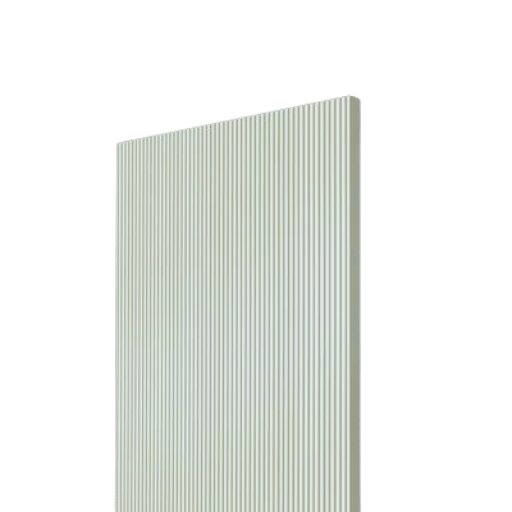
Use Cases for Fluted Acrylic Sheets
Fluted acrylic sheets are highly versatile materials that find applications across various industries, primarily due to their lightweight nature, durability, and weather resistance. One of their prominent applications is in construction, where they are used as skylights, partition walls, and greenhouses, replacing traditional glass. Due to their UV resistance and impact strength qualities, they perform exceptionally well in outdoor applications, requiring less maintenance while providing long-term performance.
Furthermore, fluted acrylic sheets play a crucial role in advertising and retail, particularly in point-of-purchase displays, signage, and exhibition stands. They enable vivid visual presentation with their optical clarity, while also being cost-effective. They are easily cut and fabricated, enhancing their attributes for custom applications and thus are often used in creative, tailor-made solutions.
In the transportation industry, these sheets are used in applications such as interior panels and windows for buses and trains, where factors of durability and lightweight must be met for enhanced performance and fuel efficiency. A fluted acrylic sheet, being a versatile material, does give rise to new applications and is hence gaining popularity in present-day application matrices.
Use Cases for Fluted Glass
Fluted glass is regarded as a fine art and a utilitarian product. The ribbed texture enhances its aesthetic appeal and allows for the diffusion of light, ensuring privacy while still brightening the interior. These features make it an attractive choice for homes and commercial spaces, particularly in partition walls, shower enclosures, and office dividers, where the choice between glass and acrylic often takes precedence in design.
Fluted glass is regularly incorporated in facade and window treatments and often enhanced with advanced coatings to improve energy-efficient properties. Studies indicate that building designs incorporating fluted glass minimize glare while maximizing natural daylight, thereby fostering sustainable building practices.
Retail outlets benefit equally from a presentation style and functionality that utilizes fluted glass display cases and shelves as a modern and satisfactory solution for product presentation. Meanwhile, further functional developments in production have broadened the possibilities for customization; consequently, it is now possible to have fluted glass made in various sizes, shades, and finishes to meet specific project requirements, hence the surge in its market demand. Fluted glass with its singular qualities has and continues to yield design and construction solutions, both from an aesthetic and practical point of view.
Trends Influencing Material Choice
Materials selection in construction and design continues to be deeply influenced by environmental considerations, technological advancements, and mere aesthetic preferences. Sustainability issues have contributed to the popularity of materials such as recycled glass, bamboo, and low-VOC finishes, as the industry seeks to reduce its environmental impact. Implementing technology enables the use of innovative materials, such as self-cleaning glass or thermochromic surfaces, which enhance both secondary functions and energy efficiency. Furthermore, minimalism or modern aesthetics encourage, through their presence, the use of materials such as fluted glass, smooth concrete, and metals finished to fit into modern design philosophies. These trends stimulate the transformation of materials across various applications.
Conclusion and Recommendations
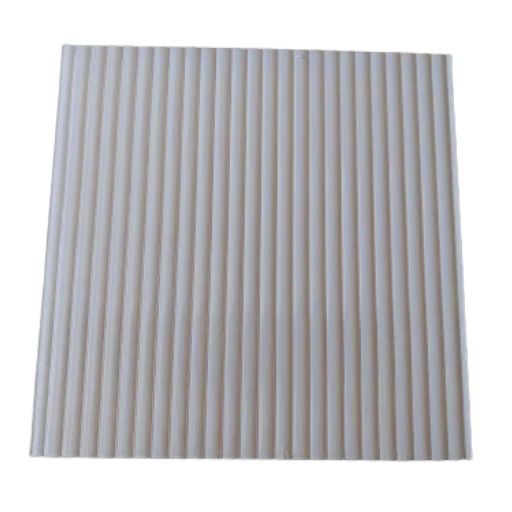
When to Choose Fluted Acrylic
Fluted acrylic, being aesthetically pleasing, durable, and versatile, fits the description of a product of choice. Being lightweight, this material is favored in both commercial and residential domains, where concerns about structural load-bearing capabilities exist. The ribbed texture creates stylish looks while imparting functions such as light diffusion for softer illumination and privacy in office partitions or retail displays.
Acrylics manufactured with the latest technologies exhibit excellent resistance to UV and impact, making them suitable for outdoor applications such as signage and skylights. It also results in lower thermal conductivity compared to conventional glass-type leaves, and the structure is significantly more thermally insulated. There is a growing emphasis on sustainability-conscious design, and many fluted acrylic products are designed to be recyclable. Choosing fluted acrylic would be most useful when a project emphasizes a modern, innovative style that combines performance and sustainability.
When to Choose Fluted Glass
Fluted glass is a consideration where form meets function. Its vertical enlargement accentuates the contemporary-appealing design, which is further enhanced by the interior and exterior designs. Fluted glass provides perfect visual privacy without compromising natural daylight, making it a popular choice for office partitioning and housing solutions in commercial establishments. For example, its use, combined with partitions, shower enclosures, or cabinetry, allows for room openness while obstructing direct visibility.
From a technical point of view, fluted glass stands for a durable and versatile solution. It can therefore be frosted or tinted according to the desired level of opacity. With the latest manufacturing processes, fluted glass offers greater adaptability in design language, whether tempered or laminated, making it both safe and more durable.
Considering the argument for energy efficiency, fluted glass may be better than flat glass in at least some cases. When utilized in facades or window panels, it can limit solar heat gains, thereby alleviating the cooling load inside. Specifications and research indicate that fluted glass, combined with other energy-efficient glazing processes, can provide a highly sustainable solution for construction needs. When seeking a balance between contemporary aesthetics, practicality, and environmental performance, fluted glass is a worthy consideration.
Considerations for Different Use Cases
When considering the use of fluted glass, I must take into account the specific requirements of each project. For all commercial spaces, the use of fluted glass is deemed ideal for diffusing natural light while maintaining privacy; it lends extra functionality to an interior that would otherwise be considered aesthetically pleasing. In contrast, in residential settings, I lean towards considering its ability to reduce solar heat gain, thereby improving energy performance and supporting sustainability. Additionally, I assess the thickness and finish of the glass to ensure it meets the safety and performance standards required for each specific application.
Frequently Asked Questions (FAQs)
Q: What are the key advantages of using fluted acrylic sheets compared to glass?
A: The most immediate benefit is the lower weight; a full panel of fluted acrylic is easier to lift and install than tempered glass. That lighter profile is paired with impact resistance that far exceeds what standard glass offers, meaning the sheets are much less likely to crack from everyday bumps. Fluted acrylic also blocks approximately 98 percent of UV radiation, so colors and surfaces beneath it stay truer for longer when exposed to sunlight. Finally, manufacturers offer a range of thicknesses, enabling designers to select a profile that strikes a balance between economy and structural integrity without compromise.
Q: How do fluted acrylic sheets enhance aesthetics in modern spaces?
A: The shallow, vertical ridges built into the surface do more than add texture; they act like tiny prisms that scatter light in overlapping patterns, softening hot spots while still letting natural brightness flow through. Because the material can be molded and cut with precision, architects incorporate the fluted look into curves, angled walls, or even furniture, seamlessly repeating the motif throughout a project. That design freedom, paired with a crystal-clear finish, gives contemporary interiors a polished edge that heavier, flat glass rarely achieves.
Q: Are fluted acrylic sheets a durable option for commercial spaces?
A: Absolutely. The chemical formulation used in quality fluted acrylic combines scratch resistance with a high-energy impact rating, allowing the panels to withstand the rough treatment common in airports, schools, or retail corridors. Unlike glass, which can shatter into dangerous shards when struck hard enough, acrylic will deform slightly and bounce back, a property that gives facilities managers peace of mind. Provided that the material is cleaned regularly with a non-abrasive solution and installed with care, owners can count on fluted acrylic partitions, dividers, and ceilings to look good and perform reliably for a decade or longer.
Q: What is the best use for fluted acrylic sheets in interior design?
A: Because they blend functional durability with good looks, fluted acrylic sheets work well as decorative room dividers or partitions in contemporary spaces. The subtle grooves soften the light that passes through, offering a privacy screen that remains warm and inviting. This is why you often see them in open-plan offices, cafés, galleries, and showrooms, where designers want to echo the clarity of glass while adding an inviting touch.
Q: How do fluted acrylic sheets compare to traditional glass in terms of weight?
A: Compared to standard plate glass, fluted acrylic sheets weigh roughly half the amount for the same surface area, so a two-person team can align and secure them without the bracing, cranes, or heavy dollies that full glass panels usually demand. That modest heft also eases mounting hardware, reduces energy consumption from transportation, and relieves structural elements such as stud walls or outriggers, which can expand project budgets if every panel is weighed down.
Q: Can fluted acrylic sheets be used for outdoor applications?
A: Absolutely—high-grade fluted acrylic is formulated to resist dust, rain, and UV radiation, so it retains clarity for years when installed in pergolas, backlit signage, or balcony skirting. Provided the edges are correctly sealed and the surface is cleaned occasionally, it will resist yellowing or loss of impact strength, allowing landscape architects and builders to use it freely in façades and furniture without compromising long-term appearance.
Q: What customization options are available for fluted acrylic sheets?
A: Fluted acrylic sheets can be tailored in several ways, from differing thicknesses and colour choices to textured finishes. This design flexibility lets architects and interior designers match the panels to the look and performance requirements of any project.
Q: How do fluted acrylic sheets contribute to light diffusion in a space?
A: Their vertical grooves scatter incoming light, sending it in many directions and softening harsh spots. By spreading illumination evenly and reducing glare, the sheets make interiors more comfortable while still allowing plenty of natural light.
Reference Sources
1. Adjusting CNC Milling Operations for Optimization of Cutting Behavior and Surface Roughness in Machining Acrylic Sheets
- Authors: Kuswara Setiawan et al.
- Journal: Applied Mechanics and Materials
- Publication Date: August 1, 2013
- Summary: The primary focus of this work is the CNC milling of acrylic sheets. The present work is geared towards optimizing this process to improve the cutting operation and the quality of the machined surface. In their work, the authors conducted a series of tests to determine the optimal cutoff and finishing parameters. The results of the investigation indicate that suitable milling parameters can significantly impact the quality of machining acrylic sheets (Setiawan et al., 2013, pp. 117–122).
2. Acrylic Data Sheet (Carnegie Mellon University) – This material gives an account of the specifics of acrylic, mass, for example, impact resistance, and the range of temperature.
4. Glass