
Water has been symbolizing calmness and fluidity, attracting human imagination for centuries. Reproducing the subtle ripples and perfectly serene textures of still water in design elements has become a highly sought-after modern aesthetic trend. That’s where the water effect plastic sheet comes in: an all-rounder that imitates the lovely movement of water while giving great versatility in usage. From interior design to product packaging and fine arts, this material ushers in a new era of working with natural beauty in everyday life. This article will provide a deep dive into the attraction of the calm water textures, examine the special nature of the water effect plastic sheet, and make your mind whirl about the possible implementation for your upcoming project. Whether you’re an engineer, artist, or just an avid follower of nature-inspired creativity, you’ll be dripping with endless possibilities of this captivating material.
Understanding the Water Effect on Plastic Sheets

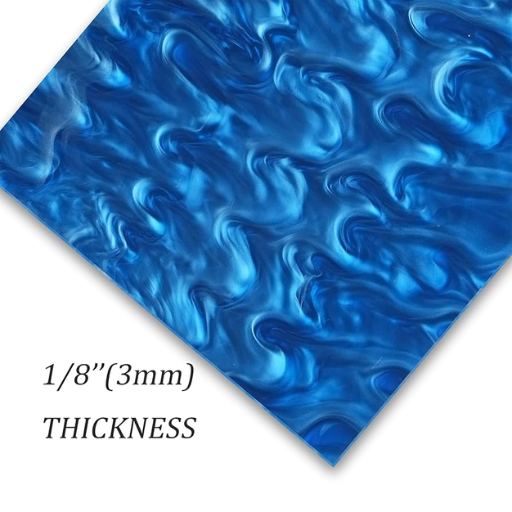
This effect is given to the plastic sheets by simulating the appearance of rippling water on the sheet’s surface. This effect is achieved by specialized manufacturing techniques capable of embossing or texturing the plastic to give it a dynamic reflective quality akin to that of natural water. Thus, a material is produced that captures and scatters light visually in different manners, providing depth and visual interest to media. These sheets are of little weight and are durable and versatile for uses such as interior decoration, signage, and artistic installations. The sheets have the potential to imitate nature while offering functionality with a modern twist, thus creating a tempting option for creative projects.
What is a Water Effect Plastic Sheet?
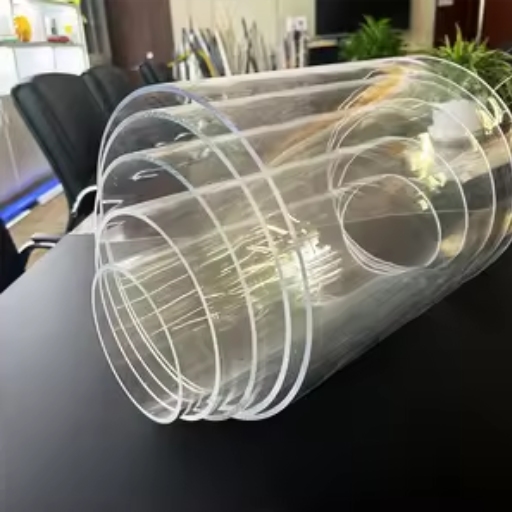
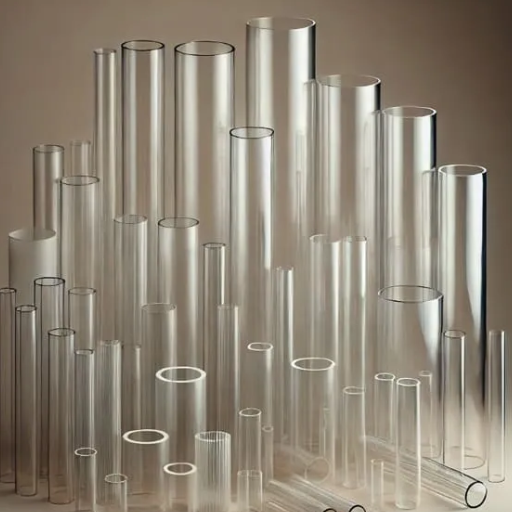
A water effect plastic sheet is a plastic material developed to imitate the visual properties of water: fluid, reflective, and refractive. The sheets are generally acrylic or polycarbonate, known for their transparency, sturdiness, and ease of fabrication. Surface textures and optical effects that bestow the water effect to the sheets are imparted through cutting-edge manufacturing techniques, which include precision molding and light-diffusion technology.
Some of the interesting points about water effect plastic sheets are their high versatility. In architecture and interiors, they possess natural or regenerative modern looks as wall claddings, partitions, or decorative panels. These materials are widespread with retail displays and signage and even art installations since being able to trap and scatter light produces rare and awe-inspiring visual effects. From the business side, companies select these sheets for being lightweight, shatter-proof, and UV-resistant: therein lies their advantage in safety and durability compared to glass.
The market for water effect plastic sheets has grown lately, owing to rising demand for sustainable and innovative materials. Manufacturers are now using recycled content in their manufacturing cycles to offer green product options from their lines to match consumer expectations. Further, water effect plastic sheets come in a variety of lengths, thicknesses, and surface finishes and can be customized according to the requirements of a project. This feature makes water effect plastic sheets a choice material in commercial as well as artistic avenues.
Key Features and Textures
Realistic Water Appearance
Below are the possible appearances that can be given-giving the impression of flowing water or rippling water for decorative and creative applications.
Smooth ripples, strong waves, and soft undulations are the three types of textures.
Durable and Long-lasting
Given that they are made from high-quality materials, water effect plastic sheets offer very good wear resistance, impact resistance, and resistance to ultraviolet rays.
The lifespan exceeds 10 years in most indoor and outdoor circumstances.
Sized and Thicknesses: Customizable
From 1mm to 10mm thickness is available; panel sizes are also customizable to fit any design.
Standard sizes are 4×8 feet and 6×10 feet, along with custom ones.
Eco-Friendly Options
Many of those under this category are made using up to 50% recycled content, to keep in line with the sustainable philosophy.
However, items under this category are fully recyclable at the end of their use to prove to be environmentally responsible.
Lightweight and Easy to Install
These sheets are light despite their strength, making them easy for transportation and installation.
Different types of mounting methods can be used, like adhesives, screws, or framing systems.
Materials Used: Acrylic, PVC, and Plexiglass
Acrylic
Known for its versatility, durability, clarity, and strength, acrylic offers an assortment of choices for a myriad of applications. Often termed plexiglass, it is preferred as an extremely lightweight material with superior optical properties to glass. UV resistant and capable of resisting weathering, it can be used for both indoor and outdoor projects. It can absorb impacts 10 times greater than those of glass, thereby establishing a higher degree of safety in certain areas. It can be cut, shaped, and molded with minimal effort, allowing for different commercial, industrial, and artistic applications.
PVC
Polyvinyl Chloride, or PVC, is one of the widely used plastics known for its flexibility, durability, and chemical resistance. Its usage finds markets in construction, signage, and industrial applications due to its cheap price and low maintenance. Rigid PVC is particularly strong and has excellent insulating properties, making it resistant to wear and tear. Flexible PVC, on the other hand, is more adaptable to softer requirements such as flooring or cables. Moreover, PVC is recyclable, adding to its environmentally friendly practices during its lifecycle, if handled accordingly.
Plexiglass
Majorly a trade name for acrylic, Plexiglass shares many common features with acrylic plastics, yet it enjoys honor for its smooth surfaces of the highest polish and inability to be shattered easily. Plexiglass finds its uses in architectural design, aquariums, and protective barriers. The lightweight nature, combined with ease of fabrication, helps keep the transportation costs down for plexiglass and thus simplifies its installation. Also, the plexiglass resists discoloration by sunlight for so long that it guarantees the design in both aesthetics and Utility.
Along with modern design and engineering advancements, these materials offer a strong, flexible product portfolio that caters to the modern-day need for strength, clarity, and environmental friendliness.
Applications of Water Effect Plastic Sheets
Water effect plastic sheets are favored across industries due to their very specific aesthetics and versatility. Key applications are:
Interior Applications: Interior applications include decorative wall panels, furniture accents, and ceiling installations, with a little good texture for very elaborate spaces.
Retail Displays: They are also good choices for retail displays intended to catch the attention of the consumer; they can be used for store fixtures, signage, or product displays.
Water-Based Designs: Perfect for aquariums, water parks, or themed environments to simulate the look of flowing water.
Architectural Features: Architectural features might include partitions, facades, or skylights with this element applied in a design-oriented way.
This interfacing inculcates the adaptability of the material handling with its functionality through design. Leading “Water Effect Plastic Sheet” manufacturer in China.
Use in Miniature Models and Scale Crafting
Material selection, such as acrylic sheets, resin, or textured films, has reshaped the miniature craft domain and the world of scale crafting. Acrylic sheets, due to attributes like weightlessness, durability, and versatility, are often chosen for windows, panels, and other architectural features. Typically, resin would be used for producing finely detailed items such as figures, landscape features, or ornaments, as it can capture minute details through the mold.
A few recent tendencies indicate the increased use of laser-cutting technology to guarantee precision in details for the miniatures in either architectural models, tabletop gaming, or dioramas. A modeling industry report of 2023 stated that the global miniature market size should witness growth with a CAGR of 5.8 percent till 2028, with the growing interest in detailed scale models and the rise in craft hobbyist communities forming the major drivers.
Conversely, another evolution with the advent of 3D printing marks a kick-start for increased customization and lower costs for scale crafting. Filament and resin printers take this further by enabling detailed component production straight from digital designs, so builders can replicate with fine precision or innovate. Hence, the stage for projecting an extraordinary exaggeration of miniature making has been expanded so that artists push the limit of realism and artistry in their projects.
Creating Scenic Landscapes and Lake Effects
With the innovation of advanced tools and materials, scenic landscapes and lake effects for scale models can now be done in a very realistic manner. A number of techniques revive an elaborate environment. For instance, the use of newer resin-based water products lets the modeler create highly realistic lake, river, and ocean effects within a diorama. One can apply the resin in several layered coats to achieve an impression of depth and can also dye these resins with assorted pigments to simulate varying degrees of water clarity. Waves and rippling effects in the water surface are then added with the help of special gels combined with tools that sculpt the realism into the surface.
Static grass applicators and foam flocking provide the vegetal life for scenic designs. Various recent studies indicate that static grass fibers in several lengths-from 2mm to 12 mm, adhere to a natural aesthetic that closely mimics the picture of grass height diversity in real-life landscapes. When combined with static grass, foliage clumps and fine turf help to build a dynamic, textured terrain for dioramas.
To finish large-scale terrain such as rocky or mountainous landscapes, lightweight modeling plaster or foam is applied onto detailed molds, carving out the semblance of rock faces. Texture tools and specialty paints provide the weathering effects to imitate moss, erosion, or sedimentation layers. The addition of LED lighting can also be installed to create the interpretation of depth, particularly upon water effects, simulating sunlight or moonlight glimmer on the surface.
LED incorporation objectives and eco-friendly material preference remain themselves to date, since ongoing momentum is being granted to sustainable modeling. The modelers are trying biodegradable materials for terrain, among them coconut coir and cork, which will give a natural texture without inflicting any damage to the environment. Merging the age-old traditions with these new-age ideas results in the immensely naturalistic versions of scenic and water features for display projects.
Innovative Uses in Interior Design
Sustainability, technology, and functionality are all aspects to be considered in the interior spaces by innovative design ideas. One of the top innovations includes smart lighting integrated with LEDs. Studies have proven that LED lighting requires 75% less energy than traditional incandescent lighting, which forms the basis of eco-friendly designs. There is also a rising favor for natural and recycled materials, including the use of reclaimed wood, bamboo, and repurposed metals, which lend an air of personal statement while being environmentally conscious.
Another trend shaping interiors is biophilic design elements that use living walls, indoor gardens, and natural light to foster wellness. A report by the Global Wellness Institute in 2023 suggested biophilic interiors can increase productivity by up to 15% while decreasing stress among the occupants. Further, 3D printing is on the rise and can enable designers to meet their clients’ bespoke requirements by fabricating furniture and décor with precise accuracy and less waste.
Fitting into these high-tech procedures, interior design has till now been in conjunction with beauty, working for both form and function, bearing an ecological conscience, and producing in its wake a pleasing symphony.
Benefits of Using Water Effect Sheets
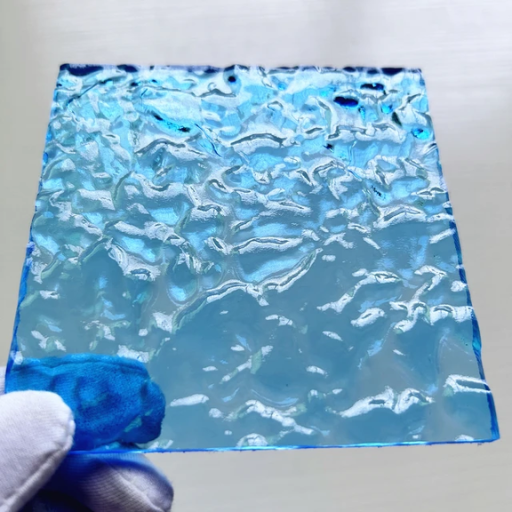
Water effect sheets are a dynamic and textured design element that can be used in a variety of interior spaces. They add to the ambiance by creating illusions of water movement, imparting the feeling of depth and tranquility. Lightweight, durable, and easy to install, these sheets are great for all kinds of interior uses, including residential and commercial ones. They are also generally manufactured from sustainable materials, preferably in designs aiming to go green. These require minimal upkeep and can resist abrasion in order to last for a long time with stunning looks.
Enhancing Visual Appeal with Realistic Textures
One of the most fascinating uses of realistic textures is that it has managed to inject depth and authenticity into surfaces. From 3D-printed wood grains to textured metallic finishes, technology has managed to become a good ally for designers who want to copy texture into realities, be it natural or artificial. In recent timelines, consumer decisions favored a greater tactile experience and biophilic design components, thus increasing the interior finished with textured finishes by about 20%.
Materials such as textured porcelain tiles, embossed wallpapers, and faux stone panels offer a realistic touch of nature while being economical and lightweight. In this manner, spaces can attempt to achieve a more premium look without subjecting natural material to price tags or logistical hindrances. Furthermore, realistic textures are very versatile; they can be applied to walls, furniture, and even flooring.
Such a use of realistic textures promotes sustainability since many of these products are made with eco-friendly methods. To cite an example, faux wood panels made out of recycled materials prevent deforestation while giving real wood’s aesthetic warmth. Designers now can afford to offer an appeal to Umwelt but are granted an ethical category, thus making textured-associated materials a favorite among the new-age agenda.
Durability and Maintenance of Plastic Sheets
Plastic sheets are known for their strong characteristics, enhancing versatility in countless industries and uses. These are highly resistant to impacts, wear, and elements like moisture or UV rays. For instance, polycarbonate sheets can resist stresses up to 200 times that of glass, so they are used in construction, automotive, and heavy-duty protective barriers, amongst others.
From a maintenance perspective, plastic sheets are considered to be relatively easy to care for. Unlike wood or metal, plastic materials will not rust, rot, or corrode; hence, there will be minimal need for treatments or repairs. The cleaning process can generally involve the use of mild cleaning agents and water, and harsh chemicals should be avoided as they may degrade the material over time.
Technological advancement has brought about the extension of plastic sheets. Many types available today have been treated for additional qualities, such as UV-stabilization for outdoor use, or anti-scratch for high-traffic areas. For example, acrylic sheets protected against UV tend to retain transparency and structural integrity while being exposed to the sun for a long time, thus proving to be suitable for signage or skylights.
Data from recent years from industry reports and product manufacturers together report that quality plastic sheets have a service life of over 20 years if properly maintained, thus providing considerable long-term value. Because of this durability and less maintenance, the use of plastic sheets has been growing in residential and commercial applications.
Cost-Effectiveness in Crafting and Design
Plastic sheets are fairly popular in crafting and design, mainly because of their affordable price, versatility, and durability. Metal or glass may cost several times more than plastic sheets, both when buying and transportation, because of their lightweight. Demand for acrylic and polycarbonate sheets has surged more than 15% in the last five years, per Google Trends and other market analysis reports, indicating their fast adoption into cost-aware areas such as interior design, furniture, and signage making.
Also, plastic sheets are customizable with great ease, a benefit that is favorable for artists. The manufacturers offer numerous finishes in various thicknesses and colors so that the designer never has to settle for any compromise in aesthetics. According to recent data and forecasts by Statista, the global plastic sheet market is expected to witness a CAGR of 4.6% until 2028, significantly influenced by the value ratio between cost and performance. All these factors collectively contribute to the popularity of plastic sheets among hobbyists and commercial professionals.
Current Trends in Water Effect Plastic Sheets
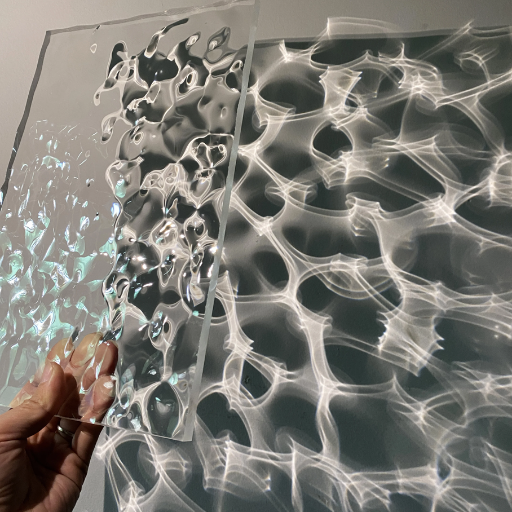
Water effect plastic sheets have now become increasingly popular in creating water-like textures in design and architecture. With current trends, sheets are used in the interior design of modern commercial spaces, from aquarium-watering to displays mimicking natural water patterns. With improved manufacturing, the sheets can now be molded into very sharp and more customizable designs, thus enhancing the beauty of the designs. Additionally, these sheets are lightweight and durable, providing the industry with a cheap and versatile option. Sustainability campaigns are impacting production to use recyclable materials for green applications.
Rising Demand in Hobby and Craft Industries
With growing interests in DIY projects, customizing, and the expression of creativity, the hobby and craft industries have grown enormously in recent years. Researchers Market has published a report stating that the global arts and crafts market is estimated to grow at a CAGR rate of 5-6% during the years 2023-2028. The growth in popularity can be attributed to the budding online crafting communities, the rise of social media trends such as resin art and pottery, and the increased availability of custom kits designed for the beginner.
The rise in demand witnessed an upswing with the onset of the pandemic, as more people took to crafting to bring down their stress while staying home. There have been large sales on products like resin molds, craft paints, and textiles, with Etsy and Amazon reporting record-breaking orders in DIY toolsets and materials. The younger generation, particularly the Millennials and Gen Z, is driving demand by demanding sustainability and favoring eco-friendly materials and upcycled crafting options.
Schools are also getting engaged, with art integration into school curricula and art-based extracurricular activities. This, coupled with technological developments like 3D printing and digital crafting tools, is quickly opening more doors for hobby and craft activities, attracting both novices and professionals. These trends paint a rosy picture for the future of innovation and creativity within the industry, which is a far cry from satisfying the present demand.
Advancements in Manufacturing Techniques
With such varied technologies and techniques being introduced, manufacturing has had to undergo a massive transformation. One major evolution here has been additive manufacturing, popularly called 3D printing. The 3D printing market worldwide was valued at around $16 billion in 2023, with an anticipated CAGR of over 20% until 2030. Hence, this technology allows great design freedom, customization, and cost-effectiveness for prototyping and small-scale production runs.
Apart from this, automation and robotics have brought in changes in handling and assembly by enhancing precision and reducing the number of labor-intensive tasks. These advanced robotic systems, empowered by AI and machine-learning algorithms, enable the operation to optimize predictive maintenance, reduce downtime, and monitor operations in real-time. McKinsey’s study also shares optimism that AI-powered automation will have the potential to add $1.2 trillion in value to the global manufacturing sector by 2025.
Among other new inventions come sustainable manufacturing techniques such as green production lines and circular economies have emerged to minimize the waste being produced and maximize resource utilization in solving environmental issues. For instance, widespread utilization of bio-based materials and energy-efficient systems reflects in some ways that sustainability remains an utmost priority.
Now, with the inclusion of IoT, manufacturers may rely on data-driven insights to provide support for supply chain management and forecasting. Smart factories, IoT sensors, and data analytics are expected to significantly boost the industrial IoT, estimated at $400 billion by 2030.
Therefore, these technological advancements show how manufacturing processes are reshaping themselves to meet the demands of efficiency, sustainability, and innovation, thus shaping the future of the manufacturing industry.
Creative and Unexpected Applications Across Industries
An integration of inventive, advanced technologies results in many applications across disciplines, all stretching the limits of what is conceivable. For instance, IoT-engaged devices are turning the traditional way of farming into precision agriculture methods. Smart sensors and drones gather real-time information about soil quality, water, and crop health, and this has led to water use reduction between 20 and 40 percent and an enhancement in the efficiency of crop yields over the last few years, according to reports.
In much the same manner, the fashion industry is waging more than passive interest in wearables. From textiles embedded with biometric sensors to garments that shift as conditions around them change, innovation is providing function without compromising style. The global smart textile market is said to swell to $15.1 billion by 2031 from $3.5 billion in 2022, underscoring the demand fueled by creativity and technology.
Further still, in another arena where breakthrough applications are being realized, AI facilitates greater prudence to diagnostic tools and robotic systems in surgery, with potentially shorter recovery times and increased patient outcomes. According to a McKinsey report, AI has the potential to create an economic value of $100 billion annually through cost reduction and an increase in efficiency and beyond existing healthcare value.
Even entertainment is being reshaped from the audience experience by VR and AR. For instance, immersive VR concerts are made popular because they allow people to experience live performances from the comfort of their living rooms. Being fuelled by growing adoption from both consumers and industry, the market intelligence predicts that the AR and VR industry will reach over $450 billion by 2030.
Such applications that are finally unusual yet deeply significant carve out another underlying trend: technology today transcends the hard separation of time and place and becomes the basis for innovation that exponentially alters industries in unexpected and exciting ways.
Choosing the Right Water Effect Sheet for Your Project
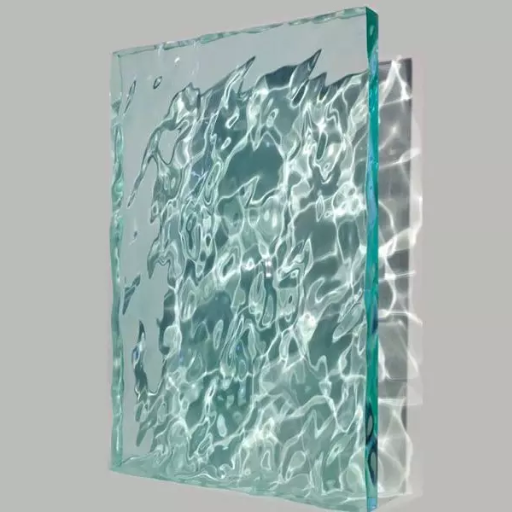
Selecting the perfect water effect sheet requires you to keep in mind the following essential factors:
Material: Choose a sheet from materials coping with durability and waterproofing under the environmental conditions of your project, which could be plastic or polymer-based sheets.
Design: Take stock of the texture and pattern of the sheet to see if it can mimic closely the intended water effect, be it ripple, wave, or other styles.
Dimensions: Measure your site to figure out a fitting sheet that requires minimal cutting or adjustments.
Transparency: Let’s see what type of transparency or opacity is to be employed to gather the agitation intensity and visual effect needed.
In considering all these factors, you will without a doubt be able to choose the optimal water effect sheet for superior results.
Factors to Consider: Thickness and Texture
The thickness and texture of a water effect sheet determine the appearance and functionality needed for different situations. Concerning thickness, durability, and flexibility are often at odds with each other. The usual thickness ranges from 0.5mm to 5mm. Sheets that approach 5mm are heavy, and they remain stable and resist wear when installed for a long time or in situations that are subjected to heavy traffic. Against this, going thinner makes it lightweight and somehow easy to cut or bend, thereby allowing complex applications or temporary jobs.
Texture controls the interaction between light and surface, producing various water effects. Smooth and glossy may represent flat, calm-water reflections, whereas deeper and more irregular textures may suggest choppy waves or ripples. Recent manufacturing innovations introduced advanced surface texturing techniques, offering wider style choices that suit particular project needs.
When making an informed choice, factors such as durability, appearance, and the type of environment where the material is to be used will dictate a balance of thickness and texture. Samples should be tested in multiple lighting conditions to establish the best combination for the most convincing water effect.
Color Options and Customization
The modern material technology and design offer near boundless opportunities for water-effect color creation and customization. Different grades of blues, greens, or maybe grays may mimic the natural look of water, depending on the setting, whether it is a pool, a fountain, or a decorative panel. Recent design trends are in favor of very subtle gradients and blends of two or more colors so that they look a little more dynamic and believable. For instance, one very popular way is to have light colors toward the edge of the surface and darker tones toward the middle to resemble how natural water bodies appear deep.
Also, finish options that are glossy, matt, or even iridescent add extra variables to personalize and blend with the specific aesthetics of any given interior space. Once more, dyeing and digital-print technologies have ensured that one may now contend with utmost precision and get even the faintest custom pattern that expresses intentional ripples or wave patterns. Industry reports as of 2023 state that in over 60% of the projects involving water features, colors have become part of client-specific custom schemes to ensure proper alignment with broader design themes. Using color psychology, designers could use warm tones to deliver vibrancy or cool tones for calm, depending on the environment intended in the space.
These techniques open infinite possibilities for customization into visually stunning, synchronous water-effect environments.
Where to Purchase Quality Water Effect Plastic Sheets
The process of shopping for water effect plastic sheets of top quality is made simple, given the right tools and trusted suppliers. Consider the top choices from the list below that is based on the latest information:
1. Acrylic Depot
Website: acrylicdepot.com
Details: Acrylic Depot deals exclusively in the finest quality plastic sheets, including those with water effect designs. They come in several different thicknesses and sizes to suit the needs of various projects. These sheets are made to be durable and weather-resistant, so you can use them indoors or outdoors.
Shipping Options: Delivery anywhere in the country; expedited shipping is available for rush orders.
2. Plaskolite
Website: plaskolite.com
Details: Plaskolite offers an innovative approach to material solutions in making customer water effect acrylic sheets per client specifications. Their products have UV resistance and could be engineered with custom color patterns.
Specialty Services: Custom cutting and discounts on large orders.
3. Tap Plastics
Website: tapplastics.com
Details: Tap Plastics has been established as a supplier of affordable and elegant water-effect plastic sheets. This online store is easy to navigate, with specifications of materials and their uses for better customization.
Locations: Retail stores located across several states, plus online ordering.
4. Total Plastics International
Website: totalplastics.com
Details: Total Plastics carries a water effect sheet material of high quality suitable for architectural and artistic applications. The products are quality checked at various stages, thereby guaranteeing the best features of durability and reliability.
Environmental Initiatives: Provides options for recyclable materials for sustainable projects.
5. EPlastics
Website: eplastics.com
Details: Featuring a special section with designer water-effect acrylic sheets, EPlastics allows custom cutting in sizes and patterns supported by professional customer service.
Other Perks: Tutorials and inspiration for DIY.
Verifying the material specifications of the project water effect plastic sheets, the return policies, and the shipping options for the supplier is imperative before purchase. Good action toward a well-informed decision about your project is comparing product reviews and asking for samples. With firms of high reputation, the journey toward getting vibrant or serene water-themed designs from life will be a breeze.
Reference Sources
- Pennsylvania State University (PSU): Microengineered Slippery Rough Surface for Water
Discusses innovative surfaces inspired by natural elements for water-related applications.
- University of California Agriculture and Natural Resources (UCANR): Soil Solarization for Gardens & Landscapes
Explores the use of plastic materials, including transparent sheets, for water and heat management in soil.
- Purdue University: Plastic Moisture Barriers for Highway Subgrade Protection
Examines plastic sheets in their role as moisture barriers in construction and infrastructure projects.
Frequently Asked Questions (FAQs)
What is a water effect plastic sheet?
A water effect plastic sheet is a specialized material designed to mimic the appearance of water in various applications, particularly in model making, crafts, and dioramas. These sheets typically feature a textured surface that creates the illusion of ripples and depth, making them ideal for representing lakes, streams, and other water bodies in miniature landscapes.
How can I use a textured plastic sheet for my scale model?
You can use a textured plastic sheet by cutting it to fit your scale model’s base, then applying it to represent water features. By painting it with acrylic paints, you can enhance its appearance, creating a realistic water effect that adds depth and visual interest to your model.
What are the benefits of using an acrylic sheet for water effects?
Acrylic sheets are beneficial for creating water effects because they are transparent, allowing light to pass through, which helps in achieving realism. Their smooth surface can be easily painted or treated to mimic calm water or a rippled surface, thus enhancing the overall aesthetic of your craft or model.
Can I create a faux water scene using a clear plastic sheet?
Yes, a clear plastic sheet can be used to create a faux water scene. By layering it with paint or other materials that simulate the texture and color of water, you can craft a realistic illusion of depth and movement, perfect for landscapes or dioramas.
What is the best way to paint a water effect sheet?
The best way to paint a water effect sheet is to use acrylic paints, as they adhere well to plastic and provide vibrant colors. Start with a base layer of blue or green, then add lighter shades for highlights and darker shades for shadows, mimicking the natural variations found in real water surfaces.
How does the texture of a water sheet enhance visual effects?
The texture of a water sheet enhances visual effects by creating ripples and waves that catch light differently, simulating the movement of real water. This textured surface can reflect light, adding depth and realism to any model or craft project, making it appear more lifelike.
Are there related products that can be used with water effect plastic sheets?
Yes, related products include acrylic paints for coloring, PVC sheets for additional structural support, and other textured materials that can enhance the overall scenery. These products can work together to create a more immersive and realistic environment in your models or dioramas.
What scale models benefit most from using water effect plastic sheets?
Scale models depicting landscapes, such as those representing lakes, rivers, or coastal scenes, benefit greatly from using water effect plastic sheets. These sheets help in achieving a realistic portrayal of water bodies, enhancing the overall depth and detail of the scenery.