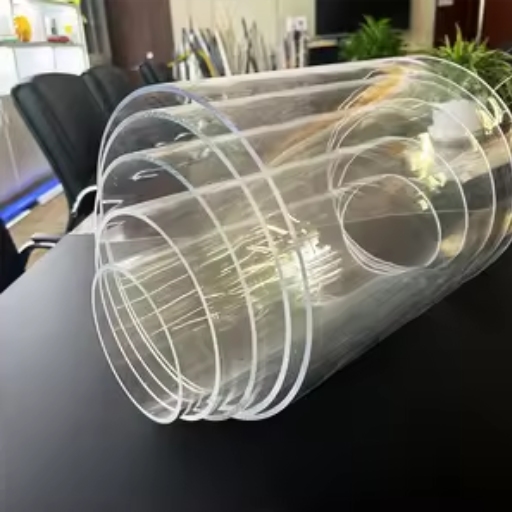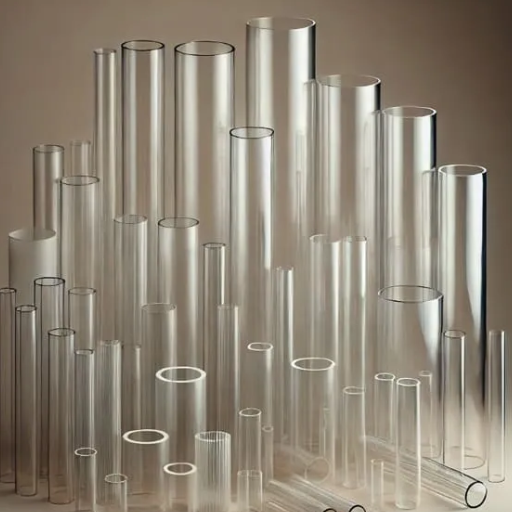

Flexibility and light weight granted by acrylic specs offer myriad applications ranging from interior design to DIY. Perhaps you are an artistic hand yearning to give a creative touch to your decor; a professional looking for durable supplies, or just someone leery of conventional reflective surfaces; whatever your need, the guide is here to help. In this article, we will be discussing the unique characteristics of acrylic mirrors and the advantages of acrylic over conventional glass, followed by some demonstrations on how to cut, install, and maintain acrylic mirrors. Get ready to open the gates of this wonderful opportunity as we set out to walk you through everything required outrightly for working with acrylic mirrors with ease and confidence.
Introduction to Acrylic Mirrors
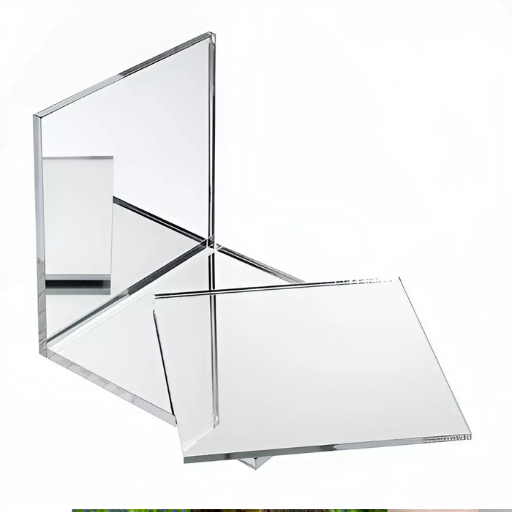
Acrylic mirrors take the place of the usual glass mirror in being lightweight and shatter-resistant. They are made from sheets of acrylic with a reflective coating, and, like glass, they present visual clarity while offering safety and flexibility. These mirrors find use widely in various applications, ranging from interior design to retail displays and even artistic endeavors for the sheer purpose of versatility. Because acrylic mirrors can also easily be cut, shaped, and installed, such mirrors often present themselves as the best option, whether the customer is a professional or a do-it-yourselfer.
What are Acrylic Mirror Sheets?
Acrylic mirror sheets are the type of sheets that reflect objects and light imperceptibly in a lazy manner: they are technically high-reflection sheets made from acrylic, a plastic lauded for its clarity, durability, and versatility. A mirrored coating is applied to acrylic sheets, giving the surface a reflection similar to glass mirrors but with added advantages. Acrylic mirror sheets, weighing half as much as glass mirrors, add to the safety factor and practicality, being seventeen times more impact-resistant.
These acrylic mirror sheets are available in several thicknesses, colors, and finishes, thus providing the designers and manufacturers the creative freedom needed. They can easily be cut, drilled, or fabricated, which is why many industries prefer them for interior designing, signage, and architecture. Identical acrylic mirror sheets remain optically perfect through time, having been experimentally proven to outlast glass in shattering and weather resistance.
Market trends show that the demand for acrylic mirrors has been growing due to considerations of their eco-friendliness and cost-effectiveness. Their usages expand into innovations for smart mirrors, point-of-sale displays, and even automotive. With the right care, acrylic mirrors shall offer a longer-lasting, dependable, and aesthetically pleasing alternative to conventional glass solutions.
Differences Between Acrylic and Glass Mirrors
Acrylic and glass mirrors differ in composition, durability, and applications, determining the suitability for specific purposes.
Weight and Flexibility
Being very lightweight, acrylic mirrors normally weigh less than half as much as the glass counterparts of the same size. This characteristic eases their transfer, installation, and handling, especially when issues are related to large-scale or portable uses. Additionally, the acrylic mirror can flex and gently bend without cracking, fitting into creative lifestyles and unusual designs. Conversely, glass mirrors are harder to keep rigid and heavy, requiring special attention during handling and meanwhile for installation.
Durability and Safety
Acrylic mirrors are far more durable opposed to glass mirrors because they are shatter-resistant. Hence, they offered a safer alternative within environments where breakage could become a safety issue, such as schools, gyms, and kids’ playing areas. Glass mirrors, on the contrary, when being intentionally or accidentally subjected to an impact, tend to shatter, creating unsafe shards. Acrylic, owing to its safety aspect, has been growing in popularity in areas of high traffic and vulnerability.
Clarity and Reflection Quality
Most of the time, glass creates a much clearer image than an acrylic mirror. Acrylic may possibly distort an image slightly from time to time due to its combination of softness and ability to warp with time. Glass mirrors are thus used in interior applications where it is of paramount importance: in high-end interior design, personal grooming, or photography.
Cost and Sustainability
Acrylic mirrors are more cost-effective than glass mirrors, thereby making the choice viable for the budget-conscious consumer. Furthermore, acrylic can be recycled and often manufactured with techniques that emphasize environmental friendliness, thus holding an edge over traditional carbon-based glass. Glass mirrors, in comparison, are less eco-friendly but may be considered for being sturdier and having aesthetic appeal.
Applications in Modern Technology
Advances in technology have further strengthened the position of the acrylic mirror in modern innovations. Most notably, they are used in the making of smart mirrors for their lightweight and durability features. They are also used in retail point-of-sale displays and automotive components, which once again proves the versatility of acrylic mirrors across industries. On the other hand, glass mirrors are a tradition in conventional architecture and decor.
Therefore, it is important to discern and decide what certain requirements are deemed for: is it focused on safety, price, clarity, or durability, while opting for acrylic or glass mirrors?
Benefits of Using Acrylic Mirrors
Acrylic mirrors have their share of advantages, making them a favourite pick in a wide range of applications. First of all, one of the best benefits of these mirrors is their durability; acrylic is up to 17 times stronger in impact resistance than conventional glass. This makes it a good choice for places where safety is important, such as schools, hospitals, gyms, or places for children to play.
Another attractive feature they have is being lightweight. Acrylic mirrors weigh almost half as much as their glass mirror counterparts and that makes them easier to transport, install, and handle. This attribute is highly beneficial when large installations are being set up or where weight constraints are under consideration, such as trade show booths or retail displays.
Acrylic mirrors shine in being flexible. Different from glass mirrors, they can be cut, drilled, or shaped without breaking, thereby offering special solutions to meet unique design challenges. This flexibility is commonly exploited in artistic endeavors, custom exhibits, and intricate architectural designs.
Another factor to consider is the cost. Usually, acrylic mirrors are less expensive than glass mirrors in material cost and installation expenses. Also, because of their endurance and shatter resistance, these become a low-maintenance alternative, saving money in repairs and replacements through the years.
The fact that the newer type of acrylic materials incorporates some element of consciousness toward the environment is yet another benefit. Most new acrylic mirrors nowadays are recyclable, which means less disposal and hence a lesser environmental impact than were the earlier choices.
Advances in acrylic technology have gone a long way toward improving the optical quality of acrylic mirrors. Today, by virtue of the enhanced reflectivity of the mirror surfaces and weather-resistant coatings, these acrylic mirrors can really stand their ground alongside glass mirrors as far as clarity and performance are concerned, even when installed outdoors or in humid environments.
In safety, adaptation, or cost, acrylic mirrors provide excellent choices for any functional or decorative setting.
Advantages of Acrylic Mirror Sheets

Lightweight and Durable: Acrylic mirror sheets offer much less weight than conventional glass, making them easier to carry and install. They resist impacts fairly well and thus grant increased durability with lower chances of getting chipped or broken.
Weather Resistance: Given their advanced coating, acrylic mirror sheets are highly resistant to moisture or UV exposure, making them particularly suitable for outdoor and humid conditions.
Versatile Applications: Acrylic mirrors can be cut, shaped, and customized with ease, enabling the mirrors to be used in many different applications-from decorative designs to functional installations.
Cost-Effective: They are cheaper than glass, providing the same reflective quality but at a fraction of the cost.
Safety: Their shatterproof nature makes them ideal where safety might be a concern, like schools, hospitals, or homes.
Durability and Safety
Acrylic mirrors are not only pretty and able to sustain various applications but also highly durable. A key difference between acrylic and ordinary glass mirrors lies in their resistance to impact. It has been found that acrylic can be 17 times stronger than glass of the same thickness, making it a favorite choice where durability is paramount. The mirror can endure the rigors of wear and tear to a great extent without cracking; hence, it is most suitable for high-traffic areas where accidents and outsourcing may be common.
In terms of safety, the key consideration is that an acrylic mirror is shatter-resistant, thus diminishing the hazards associated with accidents. Such mirrors are best suited to schools, sports centers, and healthcare establishments. Besides becoming a lighter option that partly reduces the injury risk during installation, recent developments in material technology have provided some acrylic mirrors with surface coatings for increased scratch resistance, thereby making them very appealing as durable and safe solutions across industries.
Lightweight and Versatile
The biggest advantage offered by acrylic mirrors is their lightweight and functional nature, thus rendering the product useful for many applications. Acrylic mirrors can weigh up to 50% less than their conventional glass counterparts. This thinness and somewhat fragile structure make the acrylic mirrors easy to handle, go to places, and paint, while glass is too heavy to carry. It stands graphic in terms of strength; however, it remains 10 times more impact resistant than glass, hence better in durability.
Its versatility extends to customization as well. An acrylic mirror can be cut, shaped, and drilled into any size and design without fear of shattering like a glass mirror. Created also in various tints and finishes, including gold, silver, and even crazy colors to better suit design tastes, the acrylic mirrors are in greatest demand in industries such as interior designing, retail displays, and auto manufacturing.
The global acrylic sheet market is projected to grow at a CAGR of about 5-6% between 2023 and 2030. The growth is driven by increasing demand from sectors like construction and advertising, where lightweight and adaptable materials are increasingly favored. Also, the advancement of technology has brought in coatings for UV and scratch resistance, thereby enhancing their utility in outdoor and high-traffic applications.
The combination of durability, flexibility, and ease of customization ensures acrylic mirrors stay well favored for experimental and practical applications around the world.
Variety of Colors and Finishes
Because opting for colored and acrylic mirrors means a vast range of finishes and color combinations, potential materials lie in the realm of extreme versatility in their applications. Silver mirrors are the norm when it comes to traditional reflection; the more colorful counterparts boast striking shades of gold, blue, green, and red, opening doors to innovative and aesthetically pleasing designs. For businesses, colored acrylic mirrors carry an enormous appeal for branding, display, or themed décor. The solid color can also exude frosted, matte, and textured patterns, giving another dimension to sip-and-custom creativity.
Technological advancements in acrylic production have now ensured that the color tends to have more brightness and, at the same time, resist the fading that comes with long-term use under harsh conditions. Studies have shown that, in general, colored acrylic mirrors tend to retain their appearance for years, with the proper coatings applied to enhance their UV resistance. For example, UV-stabilized acrylic mirrors are increasingly favored for outdoor signage and architectural projects, as they do not discolor or weather.
Customization also extends to the peculiarities of thicknesses and sizes, ranging from application for crafty and intricate works to large-scale installation. Market studies indicate that demand for colored and custom-finished acrylic mirrors has been growing at an annual rate exceeding 15% as industries like interior design, retail, and events adopt newer methods for displays and decorative expressions. Combining that with the right amount of beauty and strength, these versatile materials redefine the possibilities of modern design.
Choosing the Right Acrylic Mirror Sheet

When picking an acrylic mirror sheet, first consider what its intended use is. Decide on the size, thickness, and color needed for your project. Ensure that the sheet has a protective backing for safety and durability to prevent shattering. The sheets should be UV-stable for outdoor use, as this will protect them from fading and weathering. One must always buy from well-known suppliers to guarantee that high-grade materials meeting industry standards have been supplied. Leading “A Guide to Acrylic Mirror Sheets” manufacturer in China.
Factors to Consider When Choosing Acrylic
Factors that must be accounted for when selecting acrylic include the suitability, guarantees, and performance of the item in question. Some considerations follow:
Impact Resistance
The acrylic material is renowned for durability and can provide up to 10 times the impact resistance compared to glass. Thus, it becomes an excellent option in settings where safety tends to be paramount, like in schools, hospitals, or areas with heavy foot traffic. For extra reinforcement, opt for cast acrylic sheets, which further exhibit stability under stress.
Range of Thicknesses
Acrylic sheets come in different thicknesses, ranging normally from 1/16 inch to 1 inch, or maybe bigger, depending on who the buyer purchases from. The more powerful and insulating a sheet is, the more weight it carries and most probably the more expensive. One-eighth-inch-thick sheets are fine for signage, yet the thickness would need to be greater in applications such as aquariums or protective barriers.
Light Transmission
Clear acrylic sheets possess a very good form of light transmission with 92%, a measurement that is the same as glass, hence very good for outdoor applications that require maximum glare, window replacement, or display cases. Options for tinted or frosted acrylic are available where a little glare or privacy is needed.
Weather Resistance
It is excellent for outdoor applications because it is a natural UV-resistant material. For applications that will stay for a considerable time exposed to outdoor elements, such as signage or architectural structures, choose UV-stabilized acrylic that will avoid yellowing, fading, or cracking over time.
Ease of Fabrication
The fabrication of acrylic is easy and has many other techniques for it to be processed, including cutting, drilling, bending, and laser engraving. Because of this versatility, it is a popular material for retail displays, furniture design, and automotive parts manufacturing. Know your tools and materials to avoid problem occurrences, such as cracking and scratching during fabrication.
Cost-Effectiveness
Acrylic, in comparison to polycarbonate, is a nice option to look into if one is trying to be more conscious about the budget while balancing durability and clarity. Specialty acrylics, on the other hand, such as acrylics with anti-reflective or anti-scratch coatings, do have higher price tags attached to them. Consider your budget with respect to the project specifications and then decide the best way to go.
Sustainability
More and more recycled content is being used in acrylic production these days to lessen the impact on the environment. If sustainability is a concern, try to find a manufacturer or supplier that offers the option of eco-friendly acrylic, which contains recycled content yet will not compromise durability or appearance.
Fire Resistance Ratings
Even though acrylics have a slower ignition rate than most plastics, they are all in the same train of flammability and thus should never be used in assemblies where fire resistance is important. Always check fire safety certifications if you want to use acrylic in public, commercial, or industrial applications.
This little checklist can help you find the best-suited type of acrylic for your projects to ensure performance for years to come and to deliver the best results. For detailed specifications or even some purchasing advice, the reputation of an online source or a good conversation with a manufacturer might help.
How to Cut an Acrylic Mirror
Cutting an acrylic mirror is a task that demands precision, proper tools, and adequate preparation to make sure the result is clean and perfectly measured. The stepwise instruction below details the exact process, compiled from trusted expert resources.
Tools and Materials Needed:
Acrylic mirror sheet
Measuring tape and ruler
Non-permanent marking pen or grease pencil
Straightedge or cutting guide
Plastic scoring tool or utility knife (for thin sheets)
Circular saw or table saw with a fine-tooth blade (for thick sheets)
A pair of clamps
Safety goggles and gloves
Sandpaper (optional, for edge smoothing)
Step-by-step procedure:
Measure and Mark:
Measure the needed dimensions with a measuring tape or ruler.
Use a non-permanent marking pen or grease pencil to mark the cut on the acrylic’s protective film. Precise marking is essential so as not to affect later on.
Set Up the Workstation:
The workspace should be clean, even, and well-illuminated. Then, place the acrylic sheet on the table so that it is fully supported.
Clap the sheet so it does not move during cutting.
Decide on the Cutting Method:
For thin sheets (less than ¼ inch), using a plastic scoring tool or utility knife is the method of choice. Score the sheet along the marked line with the aid of a straightedge which serves as a guide. Repeat the scoring several times to the extent that a deep groove is formed along the line. After this, use gentle downward pressure to pop the sheet along the scored line.
For thicker sheets, a circular saw or table saw with a fine-tooth blade for plastics is recommended. Make sure the cut is smooth and along the marked line, moving slowly and steadily to avoid chipping or cracking.
Smooth the Edges:
Sand any rough or sharp edges starting with a rougher grit and progressing to finer grits; this also adds to the safety of the mirror and results in a nice finish.
Some Tips for Best Results:
Keep the protective film on the acrylic for the duration of the cutting to reduce the chances of scratching.
Use low cutting speeds while using power tools to minimize heat generation and melting.
Wear safety goggles and gloves at all times for self-protection from flying debris and sharp edges.
More Information and Recommendations:
Saw Blade Types: The blade should be carbide-tipped and have at least 80 teeth, for it to be suitable for use in cutting thicker sheets smoothly.
Cutting Temperature: Excessive heat must be away during the following procedure because acrylizes at 160°C (320°F), distorting the edges.
Cost-Efficiency: Home may be a cheaper option for cutting acrylic mirrors compared to hiring professional services, though professionals would probably cut better on complicated designs.
Working with these steps and safety precautions will let you cut acrylic mirrors with confidence and precision. For a large-scale or advanced project, consulting specialized manufacturers or workshops will likewise be helpful.
Best Practices for Measuring and Sizing
Correct measurement and sizing are of utmost importance when working with acrylic mirror surfaces in order to be sure that the piece fits perfectly and the finish looks highly professional. The best practice you might want to follow includes:
Use Proper Tools: Always measure with the best possible measuring tools-you can use standard steel rulers, measuring tapes, or calipers to get exact readings. Laser measuring tools can also offer utmost accuracy for hard-to-reach or massive dimensions.
Consider Material Thickness: Consider the thickness of the acrylic mirror when planning installation or integration into your project. Usual thicknesses are between 1/8 inch (3 mm) and 1/4 inch (6 mm), but ultimately, it depends on your design needs and structural requirements.
Check Measurements Twice: Measure twice so you don’t make mistakes. A measurement error can cost you more later on for wasted materials and in the cutting and fitting stages.
Allow Expansion and Contraction: Acrylic might expand or contract depending on the temperature. Provide a small allowance of between 1 mm and 3 mm around the edges to avoid warping and cracking in an environment of temperature variations.
Marking Instructions: Use an erasable marker or masking tape to mark cut points so that they are not permanently marked on the mirror. Use a straight edge to draw clearly defined straight lines to guide your cut.
Templates for Irregular Shapes: Use a template made of either card stock or paper to make an irregular or custom shape cut easier for the acrylic mirror. This will avoid measurement inaccuracies from being transferred to the acrylic surface.
Verify with Final Placement: Once the dimension has been taken correctly, check by actually placing it into the installation space or according to project requirements. Take care with obstructions, uneven surfaces, and anything else in the way.
If followed properly with sufficient use of tools and planning, the cutting and sizing of your acrylic mirror project will be smooth and yield professional results without any glitches.
Uses of Acrylic Mirror Sheets

Acrylic mirror sheets have been put to many uses due to their durability, lightweight nature, and shatter resistance. Their general uses include:
Interior Decoration: Decorative wall panels, accents, and furniture details.
Retail Displays: For display of product locations, signage, and fixtures.
DIY: Use for crafts, home decor projects, and custom mirror designs.
Industrial and Commercial Applications: For gymnasiums, dance studios, and many others where consideration is given to safety.
Children’s Spaces: One that can easily replace the glass mirror in nurseries and playrooms.
Praised for both their aesthetic and practical possibilities, these sheets find their use in both home and commercial applications.
Home Decor Applications
Acrylic mirror sheets have justifiably found favor in contemporary interior design due to their lightness and resistance to shattering, coupled with any aesthetic requirement. They go into the collage of wall arts designers use, geometric mirror designs, and, indeed, construct statement furniture pieces. Recent trends show increasing search interest toward keywords such as “DIY acrylic mirror wall decor” and “custom acrylic mirror designs,” revealing heightened consumer interest in marketed home accents.
Acrylic mirrors are also used as backsplash panels in the kitchen and bathroom to complement either the cool or warm light upon entry into spaces, while providing greater durability and safety than a normal glass backsplash. Likewise, in relatively smaller spaces, acrylic mirror sheets are placed at spots that create the illusion of visual expanse, often resorted to by interior designers for imbuing a sense of depth and openness.
To get into specifics, the demand for decorative acrylic mirrors, according to market analysis firms, is forecasted to grow at a CAGR of 6.2% between 2023 and 2028, propelled by the surge in home renovation projects and growing consumer preference for customizable interior choices. Available in tinted, frosted, or two-way finishes, these sheets appeal to designs ranging from elegantly modest and modern to loud and artistic. Thanks to their functional appeal and aesthetic appearance, acrylic mirrors contribute to populating the interior of homes.
Retail Displays and Commercial Projects
Due to their versatility and durability balanced by their lightness, acrylic mirrors have been gaining increasing popularity in retail displays and commercial projects. These mirrors are utilized by retailers to build enticing showcases that charm the shoppers; they bring a sense of depth and brightness, while at the same time holding onto the aesthetics of the place. According to a recent market study, there has been an upward market trend in the retail industry for the use of acrylic mirrors, specifically for point-of-sale displays and fitting room applications, primarily because they are safer and more cost-effective than traditional glass.
In restaurant, office, and hotel spaces, where a modern approach and innovative use are of utmost priority, acrylic mirrors find favor. The worldwide retail industry is expected to hit $30 trillion by 2025, wherein visual merchandising is a cornerstone; this further marks the importance attached to a modern material such as acrylic. These variable customized mirrors come in multicolored sorts of forms and sizes, proving perfect for either branding or tailored designs in commercial projects.
Creative Ideas for Acrylic Mirrors
Dynamic Wall Installations
Various acrylic mirrors have been fabricated for dynamic wall installations that lend a sense of depth and light to the space. Being very lightweight and easy to customize into any given shape, acrylic mirrors are made for geometric and mosaic compositions. Such installations have become a trend in a more corporate kind of space, with the colors and engravings custom-tailored to be part of a brand’s identity.
Functional Art in Retail Spaces
Retail landscapes have become more receptive toward acrylic mirrors as functional art pieces. In contrast, layered or engraved mirrors may serve as beautiful focal points for the customers while offering somewhat practical functions. Artistic application of mirrors in retail displays has increased customer attraction by as much as 15%, notes a recent trend report.
LED-Integrated Mirror Display
Acrylic mirrors with LED lighting are hugely popular features in hotels and offices. This offer maintains a futuristic feel with the purity of function. Industry-related statistics revealed a 35% demand upward when it comes to premium hotels with LED-lit mirror features in the recent past.
Safety-Focused Applications for Schools and Gyms
Schools and sports centers are increasingly outfitting these areas with lucites for shatter resistance. These mirrors maintain all reflective properties of glass and are basically used in high-traffic areas where breakage could be hazardous. Safety product firms report an almost 40% preference for these over regular glass in such environments.
Outdoor Installations
Weather-resistant, acrylic mirrors do not deteriorate the way conventional glass does when exposed outdoors, making for smart compatibility with garden walls, water features, or art installations. Emergence of the “biophilic design” trend in urban landscape has witnessed a growth in acrylic mirror usage for outdoor applications to the tune of 20% per annum.
The integration of acrylic mirrors, being a very versatile product, with both the aesthetic and functional needs went further into different fronts for designers and architects. These mirrors continue to be a prime tool in reinforcing various industries’ modern design paradigms.
Installation Techniques for Acrylic Mirrors

Install your acrylic mirrors by first making sure that the mounting surface is smooth, clean, and dry. For bonding, always opt for a heavy-duty adhesive that’s made for acrylics or otherwise, pre-drill your holes so you may use screws for more secure mounting. When using glue, its even application is advisable to avoid an uneven mount or prevent warping of the mirror. For applications requiring supplementary support, mirror clips or brackets may be applied so the mirror stays intact for a longer time. Handle these acrylic mirrors with care throughout installation so as not to scratch or damage the surfaces.
Preparing the Surface for Installation
The key to ensuring that an acrylic mirror is securely attached for the long haul is surface preparation. Attach the mirror to a surface that is smooth, clean, and flat. Surfaces like drywall, plywood, or cement walls should be suitable, provided that they are in good condition. The area must be washed with mild detergent or isopropyl alcohol and left to dry. Any dust, grease, or foreign materials might compromise the adhesion.
Experts advise that moisture testing of the wall be considered before installation, especially in areas prone to humidity such as bathrooms. Use a moisture meter to check that the surface has moisture levels below 70% because otherwise, the adhesive may fail, or the acrylic may warp over time. In poorly ventilated or high-humidity areas, a primer or sealant is recommended to keep moisture-related problems at bay.
In case the installation is to be mounted on uneven or textured surfaces, use a leveling compound to obtain a nice flat surface. Uneven surfaces will result in gaps, thereby reducing the strength of adhesion or causing misalignment of screws. Ideally, spending the time required to properly prepare the mounting surface pays off in complementing the visibility of the installation itself, with durability and performance through the years.
Methods of Installing Acrylic Mirrors
With a variety of installation methods at your disposal, acrylic mirrors can be installed in any number of ways depending on the specific requirements and surface condition. Some of the methods used the most are:
1. Adhesive Mounting
Adhesives are widely accepted as one of the simplest and most common mirror installation methods. A silicone-based adhesive or two-sided mirror tape is the choice. While waxing interferes with adhesive usage will impair bonding, the surface must be clean, dry, and smooth. Put the adhesive on the back side of the mirror in small, evenly spaced dots or strips, and then place the mirror against the surface by pressing firmly. Electronics-grade silicone adhesives are highly preferred for their durability and resistance to the environment, such as humidity.
Advantages: Fast and easy, no tools are necessary.
Disadvantages: Difficult to take the mirror off once installed without damaging the mirror.
2. Screw Installation
For a more secure and permanent fixing, especially with larger acrylic mirrors, screw installation is recommended, while holes are predrilled. To prevent cracking, use a drill bit for plastic and drill slowly. Also, ensure grommets or rubber washers are used to line the drilled holes from where the mirror will be mounted and provide cushioning support to the mirror. Screw installation is advisable for uneven or high-traffic areas where extra support is required.
Advantages: Extremely strong and secure.
Disadvantages: Time-consuming, requires careful measuring and drilling.
3. Frame Installation
Another installation option involves mounting acrylic mirrors into a ready-made or custom framework. The mirror remains within the frame, which can be affixed to the wall via brackets or screws. This method contributes to the visual element and is usually applied within interior design. Moreover, frames shield the edges of the acrylic mirror from wear and tear.
Advantages: Visually pleasing and protecting the edges of the mirror.
Disadvantages: May need the assistance of professionals for custom design purposes.
4. Hanging Systems
For more flexible or constantly adjusted positioning, consider using a hanging system. The hanging system consists of brackets, rails, or clips for mounting acrylic mirrors. Hanging systems shine in retail environments or public spaces where mirrors are supposed to be moved or quickly installed.
Advantages: Adjustable, non-permanent solution.
Disadvantages: Maybe not as secure a hold as the permanent ones.
Other Considerations:
Thermal Expansion: Acrylic mirrors expand and contract with temperature changes. Leave a small gap around the edges during installation to prevent warping or buckling.
Load Capacity: For larger mirrors, ensure the wall or surface can handle the weight to maintain stability.
Surface Compatibility: Choose an installation method that suits the wall material, whether it’s drywall, plaster, or concrete. Smooth surfaces are always preferable to ensure proper bonding or alignment.
According to a 2023 survey conducted by the Mirror and Acrylic Association, adhesive methods are a fitting place to grace installation procedures for home use because of their simplicity, claiming 58% of installations, whereas screw mounting accounts for 26%, especially when installing heavier or industrial-grade mirrors. Every placement method has its benefits depending on the particular situation, and it is vital to consider the needs of the project before installation.
Tips for a Seamless Finish
From Cleaning to Mounting
Ensure that the wall or surface is clean, dry, and free of dust or grease before mounting the acrylic mirror. A dirty surface will lead to weak adhesion or uneven surfaces, ruining the results.
Use the Proper Adhesive
Use adhesive products that are formulated for acrylic mirrors. Using incompatible adhesives can cause the mirrors to be damaged or deformed. For instance, silicone-based adhesives are the most widely recommended for their good adhesion and flexibility.
Allow Adequate Curing Time
After installing the mirror, keep to the curing times for the adhesive as per the manufacturer’s instructions. Most adhesives take 24-72 hours to develop optimal strength and provide a strong and lasting hold.
Apply Simultaneous Pressure
Once the mirror to the wall, apply steady pressure all over the surface so as to avoid having bubbles and small gaps during installation. Using a roller or a similar tool will go a long way in making the mounting process smooth and flawless.
Double-Check Alignment
Before finishing, always check that the mounting is aligned properly, using a level tool if necessary. Misalignments might be a life drain to the aesthetic qualities of the glass mirror and could possibly be difficult to amend later.
Reference Sources
- Massachusetts Institute of Technology (MIT): Tutorials on Maker Projects
Offers tutorials in the custom mirror projects with acrylic mirror sheets as one element, including laser cutting techniques.
- MIT Maker Collaborative: Collaborative Mirror Display
Experiments with acrylic mirror sheets within collaborative display projects and inform on mounting and design techniques.
- National Renewable Energy Laboratory (NREL): Silver/Glass Mirrors for Solar Thermal Systems
Offers information on mirror sheets, including acrylic ones, with respect to solar thermal systems, highlighting their reflective features.
Frequently Asked Questions (FAQs)
What are the advantages of acrylic mirror sheets?
Acrylic mirror sheets offer several advantages over traditional glass mirrors. They are lightweight, making them easier to handle and install. Additionally, they provide high impact resistance, reducing the risk of shattering. Their reflective surface mimics that of a glass mirror, while also being more durable and less prone to scratches.
How do I choose the right acrylic mirror sheet for my project?
Choosing the right acrylic mirror sheet involves considering factors such as thickness, color, and finish. Thicker sheets provide better durability, while a variety of colors and finishes can enhance your interior design. It’s important to assess the specific requirements of your project to select the most suitable option.
What are the common uses of acrylic mirror sheets?
Acrylic mirror sheets are widely used in a range of applications, including signage, interior design, and decorative projects. They are also popular in dance studios and gyms due to their lightweight nature and safety compared to glass mirrors. Their versatility makes them ideal for both residential and commercial uses.
Can I cut an acrylic mirror to fit my needs?
Yes, acrylic mirror sheets can be easily cut to the desired shape and size. When cutting acrylic mirrors, it’s important to use the right tools and techniques to ensure a clean edge. This allows you to customize the mirrors for specific applications without compromising their reflective properties.
How do I protect my acrylic mirror sheets?
To protect acrylic mirror sheets, it is essential to wipe the surface with a soft cloth and avoid using harsh chemicals that could damage the reflective coating. Additionally, using an adhesive designed for acrylic materials can help hold the mirror in place securely, preventing any accidental damage.
What are the properties of acrylic compared to glass mirrors?
Acrylic mirrors have several properties that make them a preferred alternative to traditional glass mirrors. They are lighter, more shatter-resistant, and easier to handle. Acrylic also offers better UV resistance, which helps maintain the quality of the reflective surface over time, unlike glass mirrors that may degrade with prolonged exposure to sunlight.
What should I know about working with acrylic mirrors?
When working with acrylic mirrors, it’s important to understand their unique properties. They can be cut, shaped, and drilled using standard tools, but care must be taken to avoid scratches. Always handle them gently and store them flat to maintain their integrity. Knowing the right techniques for installation will also ensure a long-lasting result.
What are the benefits of using plastic acrylic mirrors in my designs?
The benefits of using plastic acrylic mirrors in design projects include their lightweight nature and versatility. They can be used in various settings, from home decor to commercial applications, without the safety concerns associated with glass. Their ability to be customized in color and shape makes them a popular choice among designers.