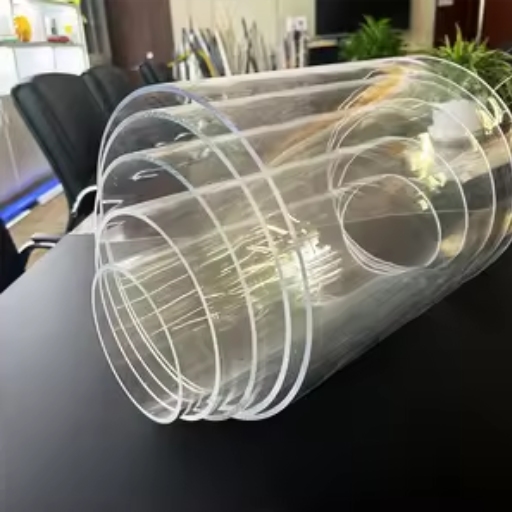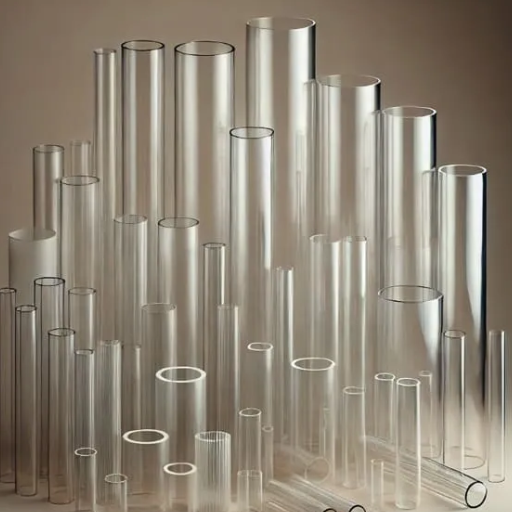

Acrylic tubes made from strong materials such as plastic or Plexiglass have emerged as an invaluable resource in the cultivation of algae and microalgae. Their durable build, transparency, and versatility make them the best medium for creating a controlled environment for desired growth, whether in a research laboratory or a large-scale bioreactor. This article provides insight into how acrylic tubes are crucial in allowing optimal light penetration, maintaining structural integrity, and enabling precise monitoring for the optimal cultivation of algae and microalgae. From professionals in the field to academics seeking to understand modern cultivation methodologies and designs, this article offers an in-depth understanding of acrylic tubes and the advantages provided by their integration into modern cultivation systems.
Key Takeaway
Acrylic (PMMA) tubes offer a 92% light transmission rate and superior UV stability, making them the gold standard for closed-system photobioreactors in sustainable algae farming.
Introduction to Algae Cultivation
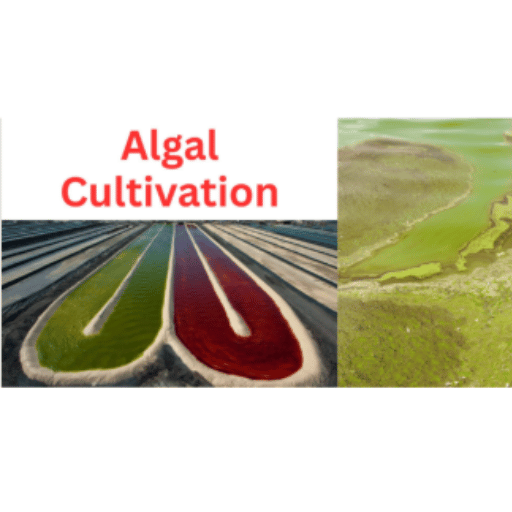
Algae cultivation refers to the controlled growth of algae for various applications, including biofuels, pharmaceuticals, animal feed, and environmental remediation. The process requires optimal conditions—including light, nutrients, and CO₂ requirements—for maximum algae productivity and efficiency. Algae cultivation occurs through open ponds and closed photobioreactors, which provide different advantages that match specific operational needs. This process creates sustainable products while enhancing carbon capture and waste management systems, making it highly valuable in the modern bio-economy.
Understanding Algae and Microalgae
Algae and microalgae serve as essential photosynthesizing organisms that provide critical support to multiple industrial sectors and ecological systems. These organisms transform sunlight and carbon dioxide, together with nutrients, into biomass that serves as a source for biofuels, pharmaceuticals, food products, and wastewater treatment processes. Microalgae, in particular, are highly efficient because their rapid growth rates and high lipid content make them the ideal source for bioenergy production. These organisms play a vital role in environmental solutions because they function as major carbon sinks while producing oxygen, supporting all initiatives dedicated to sustainable development.
Importance of Algae in Aquaculture
Algae function as a fundamental element for aquaculture systems because they operate as the main food source for aquatic ecosystems. The organisms deliver vital nutrients to aquaculture species, including fish, shellfish, and crustaceans, through their content of omega-3 fatty acids, proteins, and vitamins. The natural filtration abilities of algae enable them to reduce excess nutrients, which helps maintain water quality and protects against harmful algal blooms while creating equilibrium in the aquatic environment. The adoption of these practices in aquaculture operations leads to increased sustainability and better product quality, helping the industry achieve its long-term sustainability goals.
Overview of Cultivation Methods
Aquaculture uses two main types of systems for algae cultivation: open systems and closed systems. Open systems use raceway ponds, which provide a low-cost solution that depends on natural sunlight and atmospheric CO₂, while facing higher risks of contamination and environmental changes. Closed systems use photobioreactors (PBRs), which create controlled environments that decrease contamination risks while achieving greater biomass production, although these systems require increased operating expenses. Both methods need to monitor essential growth factors, including light intensity, nutrient concentrations, temperature, and pH levels, to achieve optimal growth and maximum yield. The selection of a suitable cultivation method requires evaluation of end-use requirements, available resources, and financial factors.
| Feature | Open Systems (Ponds) | Closed Systems (PBRs) |
|---|---|---|
| Contamination Risk | High | Very Low |
| Operational Cost | Low | High |
| Biomass Yield | Moderate | High |
Materials Used in Photobioreactors

The construction of photobioreactors requires specific materials that create ideal algae growth conditions while maintaining operational durability. The following materials are commonly used in this process:
- 1
Transparent Materials
Reactor walls use glass and specialized plastics, including polycarbonate and PMMA, to achieve maximum light penetration while preserving structural integrity. - 2
Tubing and Connectors
PVC and silicone are common for connecting components because they offer flexibility and protection against chemical exposure. - 3
Metal Support Structures
Stainless steel and aluminum serve as frames for high strength and corrosion resistance in outdoor and aquatic environments. - 4
Seals and Gaskets
Silicone or EPDM materials create airtight seals to prevent contamination while maintaining controlled growth conditions.
Properties of Acrylic and PMMA
Acrylic, usually called polymethyl methacrylate or PMMA, serves as a multifunctional thermoplastic material used for its outstanding optical properties, long-lasting performance, and light weight. The material allows 92% of light to pass through, making it suitable for applications that demand complete visibility, such as photobioreactors and light-transmitting devices. PMMA demonstrates strong protection against ultraviolet rays and environmental degradation, enabling its use in outdoor settings. Its mechanical properties provide suitable performance for structural components, and its chemical stability ensures safe use with various cultivation mediums. Acrylic is the ideal material for industries needing efficient production and dependable optical quality.
Comparing Plexiglass and Glass Tubes
When comparing Plexiglass and glass tubes, several key factors must be evaluated. Plexiglass exhibits higher impact resistance and weighs significantly less than glass, enabling its use in situations requiring durable yet lightweight materials. It provides superior outdoor performance due to high optical clarity and UV resistance. Glass possesses superior hardness and heat resistance together with chemical inertness, making it suitable for environments with extreme heat and dangerous chemicals. However, Plexiglass provides easier machining and fabrication, while glass delivers better protection against scratches. Selection requires assessing operational needs, including mechanical factors, optical properties, and environmental aspects.
The Role of Polycarbonate in Algae Farming
Polycarbonate plays a critical role in algae farming because it possesses three essential properties: the ability to endure extreme conditions, the capacity to transmit light, and UV protection features. The material maintains structural stability under extreme weather because of its high impact strength, protecting against wind and debris. Its optical properties enable light transmission that supports photosynthesis, while its inherent UV protection functions as a barrier against light damage, resulting in a longer material lifespan. These characteristics make polycarbonate a top choice for building photobioreactors and greenhouse panels.
Design Considerations for Acrylic Tubes
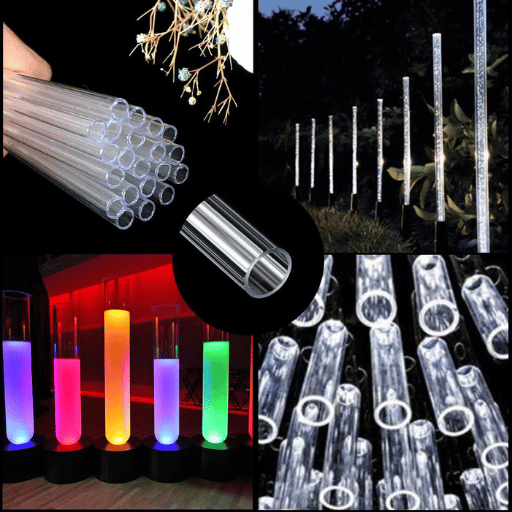
- ✓
Light Transmission: High optical clarity enables maximum transmission which directly affects growth rates. - ✓
Structural Integrity: Tubes must endure internal liquid flow pressures and external forces. - ✓
UV Stability: Material must be UV-stabilized to prevent yellowing or deterioration over time. - ✓
Chemical Resistance: The material must resist degradation from cleaning agents and nutrient mediums.
Optimal Diameter and Wall Thickness
Selecting the proper diameter and wall thickness for acrylic tubes in photobioreactors requires a balance between structural integrity, light transmission, and fluid dynamics. Reactor size and flow conditions determine if a diameter between 50 mm and 200 mm should be selected. Larger diameters decrease the surface area-to-volume ratio, risking poor light penetration, while smaller diameters improve light diffusion but create higher pressure drops. Wall thickness typically ranges between 2 mm and 8 mm to handle internal pressure and prevent warping or cracking. These parameters are often validated through CFD modeling and pressure tests to match actual operating conditions.
Extrusion Techniques for Acrylic Tubes
Acrylic tube extrusion requires a meticulous approach to ensure precise results. The process begins with selecting high-quality PMMA resin, which is dried to prevent bubbling. Extrusion equipment must sustain temperatures between 200°C and 250°C to prevent material degradation. A screw extruder is critical for achieving a homogeneous melt. The die design determines the final geometry, minimizing shear stress to produce accurate dimensions. Controlled cooling using water baths or calibrated air cooling ensures consistent structural development. Regular quality tests verify diameter, wall thickness, and optical clarity against industry standards.
Designing Closed Systems for Microalgae Cultivation
Photobioreactors (PBRs) function as closed systems that create controlled environments for efficient microalgae cultivation. These systems manage light intensity, temperature, pH, and nutrient levels to reduce contamination and boost productivity. Designers must select materials that provide maximum light transmission while protecting against biofouling. Tubular and flat-panel PBR designs are common due to their scalability and high surface-to-volume ratio. Integrated monitoring systems with precise sensors ensure stable biomass production, while automation increases operational efficiency and decreases expenses.
Light Transmission Properties
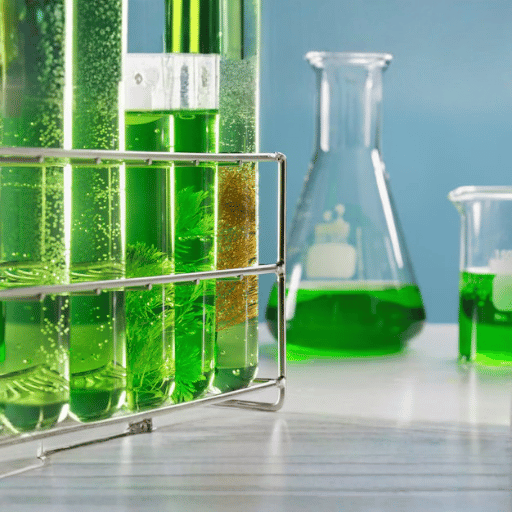
Acrylic tubes function as excellent light transmission materials, achieving approximately 92% efficiency. This makes them an ideal solution for photobioreactors where light availability is the primary limiting factor for growth. The material reduces light absorption and reflection, ensuring the reactor contents receive maximum photons. With proper UV protection, the optical clarity of acrylic remains stable throughout the life of the system, providing a dependable light environment for the microalgae inside.
Light Transmittance Rate of High-Quality Acrylic Tubes
Transmittance of Acrylic Materials
The transmittance of acrylic materials depends on their capacity to transmit specific wavelengths with minimal disruption. Inherent properties like low haze and high optical clarity minimize light scattering and distortion. Factors such as thickness, surface coatings, and environmental UV exposure affect the long-term transmittance performance. Proper design and material selection are necessary to realize the full performance potential of photonic and optical systems in algae farming infrastructure.
Impact of Light on Alga Growth
Algae growth depends on light quantity, quality, and duration. Algae require light within the photosynthetically active radiation (PAR) spectrum (400 to 700 nm). Blue and red wavelengths are particularly critical for absorption by chlorophyll a. Photosynthesis rates increase with light intensity until a threshold is reached, after which photoinhibition can damage cellular processes. Proper light cycles are vital for metabolic efficiency in applications like wastewater treatment, biofuel production, and controlled cultivation.
Comparative Analysis of Light Efficiency
Assessment of light efficiency requires evaluating the light spectrum, intensity, and energy consumption. Full-spectrum sources like LEDs offer superior efficiency over traditional lighting by targeting specific wavelengths required for photosynthesis. LEDs produce less heat, allowing them to remain active for longer periods without affecting system temperature. Automated light modulation systems further enhance efficiency by controlling exposure patterns, reducing energy waste, and preventing photoinhibition issues.
Durability and Maintenance
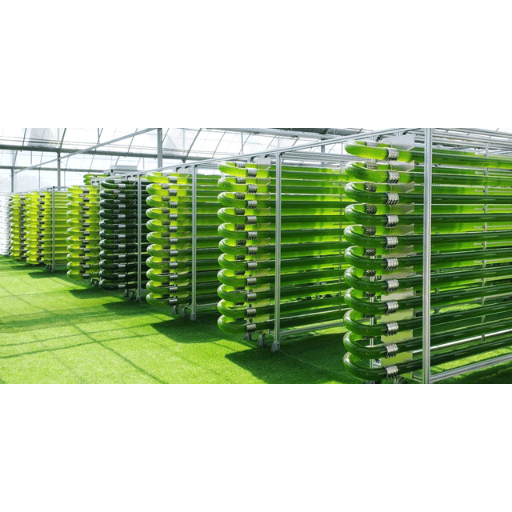
The durability of acrylic allows it to withstand environmental moisture and temperature changes over extended periods. However, regular maintenance is required for peak efficiency. Cleaning requires non-abrasive materials to prevent scratches, and UV coatings help resist degradation. Regular inspections help detect signs of wear or damage, allowing for execution of repairs. Proper care ensures that components maintain structural strength and optical transparency, reducing operational interruptions.
💡
Maintenance Tip
Use specialized acrylic polishing compounds to remove minor surface scratches, which can otherwise cause light scattering and reduce photosynthetic efficiency by 5-10%.
Environmental Resistance of Acrylic vs. Glass
Acrylic demonstrates superior environmental resistance in various applications. It offers better UV protection than glass, resisting yellowing and breakdown under direct sunlight. Its lower density provides better impact resistance, as it does not shatter easily under pressure or mechanical force. While glass is more resistant to surface scratches and high-temperature chemicals, it is prone to breaking from sudden temperature changes. Acrylic is the preferred material when strength and lightweight properties are required for outdoor weather exposure.
Maintenance Requirements for Acrylic Tubes
Acrylic tubes require a basic maintenance schedule to maintain performance. Cleaning should be done with a soft, lint-free cloth and a mild non-abrasive solution to prevent scratches. Harsh chemicals, solvents, and abrasive materials must be avoided, as they damage clarity and structural strength. Regular inspections for surface damage and stress cracks are essential, especially under mechanical loads. Polishing compounds can restore surfaces affected by minor scratches, ensuring long-term effectiveness.
Longevity of PMMA in Algae Farming
PMMA shows outstanding durability in algae farming because it can withstand UV radiation and harsh environmental conditions. Its non-reactive surface prevents biofouling, allowing sustained light transmission for photobioreactor operations. Maintenance procedures—including routine cleaning to remove algae accumulation and corrective polishing—enable PMMA structures to function effectively for many years, decreasing material replacement needs and operational expenses compared to other construction materials.
Reference Sources
- PLEXIGLAS®: Cost-Effective Microalgae Cultivation in PLEXIGLAS® Tubes – Focus on high-impact resistance and durability.
- ROEHM: Algae Reactors in PLEXIGLAS® Molding Compound – Global applications for low-cost structures.
- ACRYLITE®: Extruded Acrylic Tubing for Microalgae Cultivation – Technical data on 92% light transmission.
Frequently Asked Questions (FAQs)
What is an application of Plexiglass tubes in algae farming?
They are primarily used in photobioreactors to provide superior light conditions and a controlled environment for cultivation.
Why is Plexiglass a popular choice for algae farming?
It offers high light transmission (92%), UV stability, and excellent resistance to environmental factors.
What types of algae can be grown in Plexiglass tubes?
Common types include Spirulina, Chlorella, and Haematococcus.
How do Plexiglass tubes increase the efficiency of algae farming?
They ensure consistent light distribution, prevent contamination, and allow for easy monitoring of growth.
Are Plexiglass tubes environmentally friendly?
Yes, their longevity makes them reusable and a sustainable choice for long-term algaculture operations.