

The reliability and the lifespan of industrial machinery mainly consist of how well it is maintained and monitored. The proper degree of gearbox oil is extremely important and the volume of this lubricant needs to be exceedingly accurate. However, this is a very appreciable component, these are vital precisions in terms of a protection of the equipment and its faculties—measuring the lubricant levels. In this post, the focus is particularly on oil level indicator tubes, where, what they are, what is their significance, and how do they contribute to the reduction of equipment failure. This article is helpful to engineers, maintenance engineers, and other individuals involved in the operation of an industrial organization, as it helps to understand and improve the efficiency and reliability of the machines better.
Introduction to Oil Level Indicators
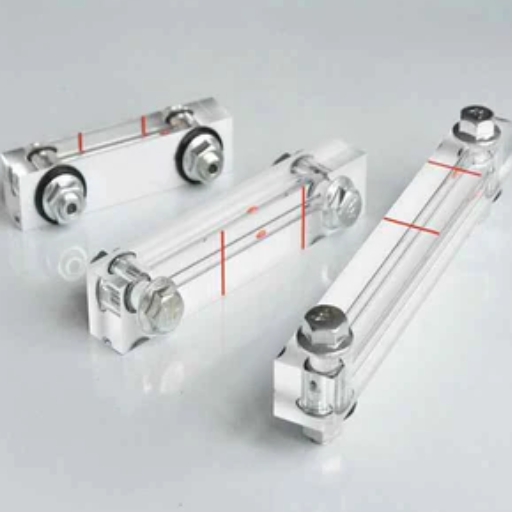
What is a high volume element?
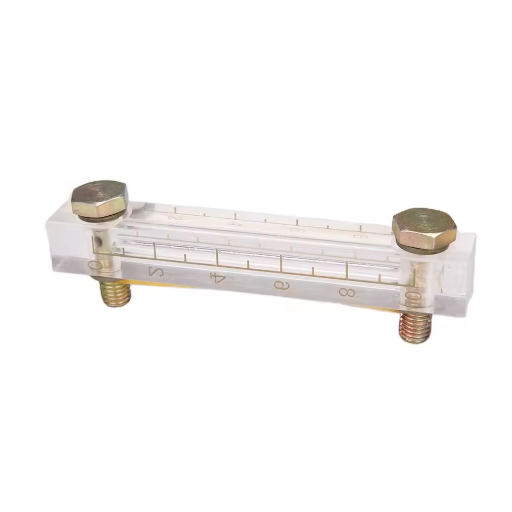
High level of oil is an important necessity that is used to calculate the capacity or level of lubricating oil in gear boxes, engines, and other similar machines. It can be in the form of some basic things such as a transparent pipe, a window or a gauge which offers a way to see how much oil is in any machine and captures the oil levels making certain they are at the correct levels. One part of the range dipstick is expected to be the oil level which has to be above the minimum amount needed for the machine to operate in the proper range without any damage that can occur due to inadequate high and low oil levels. If the oil level is too low, it might cause mechanical failure that could affect the engine or bearings and cause these components to produce more heat because of the inadequate air gap. Nowadays, oil levels are often indicated with the use of new materials which are more robust as they withstand higher temperatures and pressures. Such gauges provide instantaneous responses and in a more complex manner, help to maintain and improve the quality of such installations, and alleviate repair and running expenses of such bands.
Why it’s Important to Maintain Correct Levels of Oil
Every machine, engine must ensure that it is maintained at the correct level of oil always. This is due to the fact that any trends towards a reduction in oil level will increase the drag, heat and wear and tear of the engine marterial and therefore result into bound to happen damages and end up in catastrophic failure. As much as there are also downsides to an exceeding amount of oil, where there is an exceptionally high pressure that leads to things like the oil spilling out and causing it to foam thus reducing the ability to lubricate the surfaces. Checking and adjusting the quantity of oil on a periodic basis helps the smooth operation of machinery, minimizing the chances of breakdown as well as increasing power efficiency through decreasing inner friction. Moreover, to supply technology with quality oil that is ideally suitable to the purpose of application also promotes increased effectiveness while following scheduled maintenance sequence makes equipment more enduring.
Oil Levels Indicators for Gearboxes Used Types
Oil levels indicators for gearboxes are classified under a number of categories each with particular features and designs that meets specific working conditions. For instance, most common is the sight glass which is used to visually determine the oil level enclosed in the gearbox. To use the sight glasses with success, the user must be positioned correctly and the lighting must be adequate. It is also necessary to have a good line of sight in this operation. It is essential to have a clear field of sight and enough light for the level gauges to be effective. In other words, they are very straightforward yet effective for the verification of oil levels manually. Dipsticks can be used in the most lanes of boilers, although there are relocates to others, however the user has to rigidly follow the monitoring schedule of how often the levels are checked and the available seconds for the operation.
More sophisticated alternatives also use electronic oil level indicators where sensors placed to tanks provide instant oil level information on the consoles or control systems. These are especially helpful in high-performance or industrial conditions where there is a neccessity of 24/7 monitoring. They also assist in scheduling maintenance operations, provide early detection of oil leaks and ensure proper lubrication round the clock. For example, float-type oil levels can be accurately gauged through the rotation of floating component. Since such types are best suited where practices such as pretending or checking oil physically is a difficult practice to comply, it is often configured to work together with alarm systems to activate operator intervention when reaching critical oil levels. When you pick an oil level gauge, such factors as the environment test makes on the gear, how soon and how often it needs maintenance or how much the owner allows was maintenance automaticity and initial choices of cracking by narrow specialization are taken into account. most of all i like to use the new technologies like electronic sensors as there is less probability of their drawbacks and these technologies are more practical, in particular in complex systems. but has proved to be the best in case of simpler applications. this is appropriate in certain situations. Such an efficient indicator in due course maintenance will make sure that the gearbox meantime will be at the minimum wear and serve as long consumption as possible.
Features of Acrylic Sight Glass Tubes
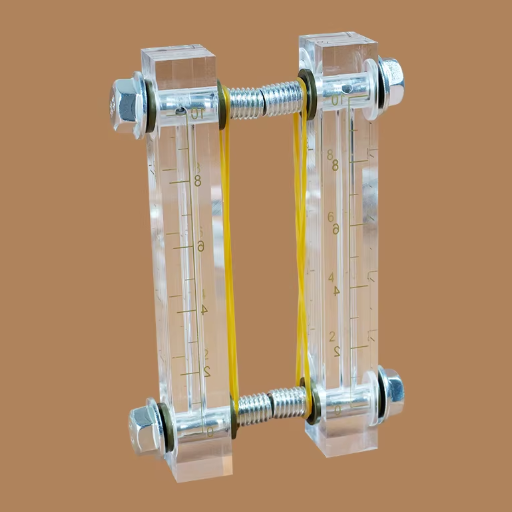
The Role of Dipsticks in Transmission Maintenance
Understanding how to use the Transmission’s Dipstick: If one were to put in everyday terms, the car transmission dipstick is the blood pressure machine. Car transmission systems need regular checks so as to maintain optimal performance and as such, regularly checking the transmission dipstick is recommended in most cars. It is located inside the engine bay and serves the purpose of diagnosing the transmission oil level and its purity. The transmission dipstick check whether the engine is hot, the transmission is parked on a plain surface of the vehicle and the gears are in park or neutral. Taking the transmission dipstick is a practice of pulling out the dipstick from its socket in order to examine the level of oil in the fluid against the level marks, view the color of the oil and check for any unusual oily smell. It should be noted that the transmission dipstick is different from other housing units in the vehicle. Transmission oil that is not burnt is usually a light or pale red and does not have any foul odor even when smelt. Checking transmission dipstick fluid frequently prevents losing a gearbox far before its due time, or even finding yourself on the cost of a very expensive operation to repair the weird noise that the transmission makes.
How to Use a Transmission Oil Level Dipstick
Learning how to properly utilize the transmission system directly correlates to working the dipstick accordingly, to check on the amount of fluids. Before anything, dash directly to the user’s manual for the car you own and find the dipstick, as different cars have their dipsticks located differently. Once found, make sure that the engine has been switched on and at a temperature, as transmission fluid has the characteristic of expanding as heat is applied hence it will more exactly show the level. Pull the dipstick out, wipe it clean with a lint free material, and put it back well back. Afterward, pull it out again, making sure that the oil level is as indicated by the “full” or “low” marks. There is also a need to check the condition of the fluid which is supposed to be a clear red without any dirt or a weird smell. If the fluid is in bad condition, it should be repaired or even replaced. Such an easy technique is very effective in prowess and durability of the transmission.
After All, Do Transmission Dipsticks Cause Trouble To Some?
Transmission dipsticks, as helpful as they are, serve the purpose of examining the amount of fluid in the transmission occasionally, and can be unable to function due to different challenges that lead to inaccuracy in readings or difficulty in using the equipment. One issue that seems to be experienced quite often is a dipstick which is fouled or does not get clean and this causes a wrong indicator to be read on the fluid level. After some time, dust and other debris will cover the reading face of the dipstick making it very difficult to get an accurate reading. The failing to insert the dipstick fully within the dipstick tube appears to release the transmission oil or ruins the possibility of a correct measurement. As well, some vehicles through in their dipstick configurations feature complicated or hardly readable dipsticks due to the wafer thinlines or the complex in engine bay designs. With proper care maintenance and usage of the dipstick it is possible to forestall such problems and extend the life of the transmission fluid and the transmission system in general.
Automatic Transmission Oil Level Management
Checking ATF Levels: How to Properly Do It? To check the ATF level correctly, the first step should be read the instructions that are in the car manual. These will help you to understand the ATF level for that particular car make and model. Furthermore, park the vehicle on a flat ground and put the transmission gear in park or neutral which happens to be and should allow heat up the engine to optimum temperature since the volumetric of the ATF will change while cold and hot. Next, the drivers have to find a dipstick – it is a stick for relatively easy check of the level of the fluid, usually pointed out with a handle of color distinct from other parts of the dipstick and take it off carefully but somewhat in an offhand manner.
After cleaning the dipstick, remove it from the tube and then replace it. Pull it out again at once and examine the fluid level. There are usually two markings on the dipstick denoting the ‘Full’ and ‘Add,’ the hot and cold or any other range will show the normal range, or if it is satisfactory. It does mean the fluid is as well as the contaminates or discoloration that can be seen in it so add this fluid could cause them issues. If it is below that mark, one should look up the type of transmission fluid specified in the owner’s manual, and add the fluid wisely so as not to overfill the transmission. Doing so on a regular basis will maintain transmission integrity as well as assist in identifying potential problems at the initial stage.
Signs of Low Transmission Oil Levels
Ensuring car’s transition wheels do not cause the vehicle’s transmission problems can help prevent substantial damages in the future. Classic signs include some inconvenience in changing the gears, when the shifting process becomes hard or slow. Apart from this, there are also other signs that can be noted, noises—be it grinding noises, whining noises, or clinking noises—it could spell trouble due to lack of oil in the transmission parts. The problem is usually exacerbated when the transmission system becomes too hot causing a burn smell as a result of too much friction. If in case your transmission experiences problems like over-shifting of gears, under-shifting of gears or automatically popping out of gears. Checking for fluid leakages below the vehicle may assist to some extent because this is the major reason for a stolen lubricant inside a transmission. Periodically observing these signs will help one in preventive maintenance and thus reduce the cost of repairs.
Durability Factors of Acrylic Sight Glass Tubes
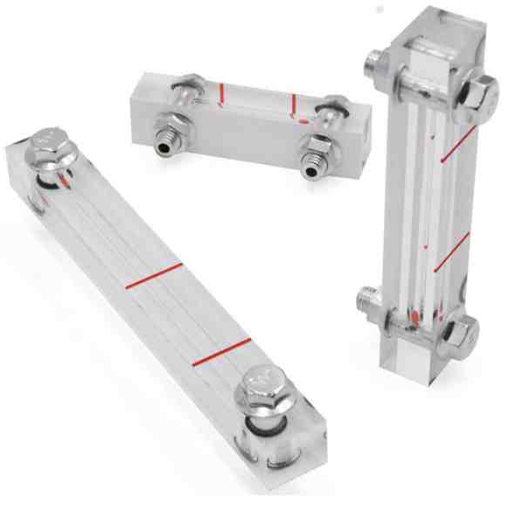
Fluid Level Indicators: Gauges and Their Importance
Beyond a shadow of doubt, many instruments are designed to observe fluid levels. A basic form of these implementations includes dipstick gauges. These are commonly utilized in vehicles to know the level of the oil lubricant or transmission fluid in the engines. The dipstick employs the simplest of designs and is accomplished within seconds, either inserting or removing the dipstick uniform length with the element expected for grades or levels and examining the scores or graduations. Nevertheless, dipsticks even with their simplistic origin and application, are most certainly an effective and essential tool for most vehicle owners. It is recognized that another significant group is a level gauge. This has been implanted more frequently in the business as well as in every mechanic settings because having a correction of levels is of great importance. Be sure that these glass bodies are in essence windows or tubes which regard their transparency. One gets access to occasion the contents of a tank or a vessel through the transparent glass body. Because it is so easy to prepare and at the same time, it can keep an eye on no contaminated power series, this serves best as it longer exposes the operator to the components of the machine that are contaminated. For example, in hydraulic machines or refrigeration units, it is precisely for these purposes that selection is made. We finally have floating type gauges used in more advanced systems. These use a device that floats on the liquid itself and the rise and fall of the float transmit the required data to the display or the control system. This type is especially useful when liquid containers or any other apparatus is still too large and it is impossible to make manual level checks. As the purpose performs each of the types of gauges, so does the choice of the gauge in case of demands on any application and level of manifestation of it in terms of accuracy.
How to Read an Oil Level Gauge
In order to get the correct dimensions, reading an oil level gauge require precision. The first thing that should come in mind is the kind of an instrument you’re dealing with such as sight glass, dipstick, or float-operated level gauge. In Reference to the dipstick gauge, extract the device, wipe it off hat is without any lint particles and insert it up to the limit again. Once more bring it out and consider the position of the oil in relation to the scale on the dipstick which may have either ‘Full’ or “Add” scales. In the case of the sight glass, the observer needs to be filled in the mark of liquid filling the glassless part through which nothing is to be obstructed. The float-operated oil gauges, on the other hand, are either with integrated display or there is a system that displays an dynamic change of oil levels easily which epith unte easy to perform the assessment. It is important that the item is placed in a flat position. Other than that, turn off and less its operating temperature which is advisable to take reading of oil inside it. It is always good to measure the level of oils inside all mechanical objects in an establishment as it is said, preventive measure is better than suppression.
Maintaining accurate fluid level readings
Periodic measuring of the fluid level in any machinery is imperative that this way, its performance and lifespan can be guaranteed. This routine should not be overlooked since it can also be the root cause of unnecessary malfunctions like heat burning of the equipment, grinding instead of lubrication among others. For the most accurate readings, always employ high quality tools intended for the purposes like measuring metal tapes, sight glasses or use electronic ignition meters etc. Now, various monitoring technologies involve the use of new and easy-to-use systems, which are very precise and help to reduce mistakes that can be made by people using it. These techniques make it possible to continually monitor the parties involved and to rectify accidents regarding the fluid levels overflow and add alert mechanisms to aid in maintenance control measures. Fluid examinations in the% periodic basis as per the company were recommended to suppress affecting asset life.
Maintenance and Care for Acrylic Sight Glass Tubes
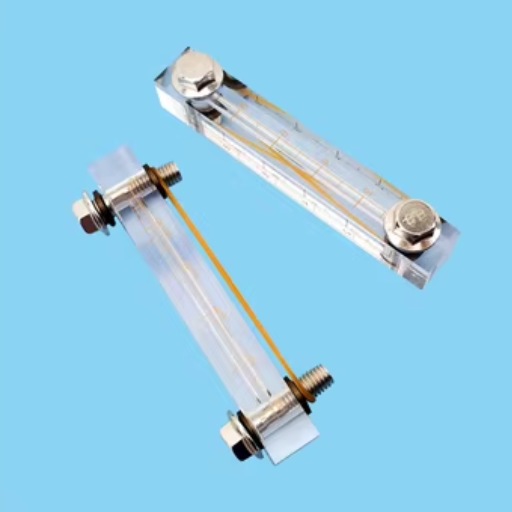
Suggested Guidelines for Checking and Maintaining Transmission Fluid Levels
- Routine Checks: As a routine, always ensure that you have checked the vehicle’s transmission fluid level using the dipstick. All vehicles have individual operational norms also mentioned in the manual. In addition, it is advisable to measure the level accurately when the engine has been running for 20 minutes and after 20 minutes is stopped and is parked on a level surface.
- The state of the fluid used: Attention to the color and smell of the transmission fluid. In most cases, the healthy fluid is red and has a mild sweet type of odor. If the fluid is discolored, cloudy or odorous in the way of smelling it might be a sign of transmission fluid contamination or deterioration which might necessitate a replacement.
- Routine Maintenance Schedules: Maintain the services of the routine care by the vehicle’s manufacturer which suggests the care for the vehicle every 30000km due to the number of times the car has been driven or 40000km whichever comes first.
- Guard against Overheating: Elevated temperatures have been known to be a common cause of transmission fluid deterioration. It is important to follow the towing load limit for vehicles, and a supplementary cooler can be introduced in the event that the transmission is under a lot of pressure frequently.
- Fix Leaks: Fix All Spots of Leakage as Soon as Possible. The engine oil should be checked multiple times more so if one knows they have a leakage problem with their engine crackers or any other parts. Always fix any leak of the transmission fluid as it can cause low level which results in internal components of the gearbox getting no lubrication which can cause extensive damage to the transmission. Every time you park there should be a physical check for any spots that are out of the ordinary since this equals to a possible problem with your car.
- Use Specified Fluid: Always follow the recommendation of the vehicle manufacturer while deciding on the use of the transmission oil – each car is designed to use a specific type of oil and the mechanics of the vehicle are structured around that oil.
- Drive Normally: Stay within reasonable limits then drives the vehicle only in the normal mode. It’s always recommended to avoid sudden starts or stops as well as gear shifting within the full range of automobile speed. Gradual acceleration techniques protect the gearbox as well as the components for lubrication in the long run by effectively preventing increased temperatures and superheating of oil.
Best Practices for Gearbox Oil Level Management
The Importance of Regular Gearbox Oil Maintenance Checks: Over my tenure,ing worldly maintenance checks on for gearbox oil maintenance turns out to be one of the most importantly islated tob Hopefully, I can check the appropriate frequency of monitoring to perform by reviewing the manufacturer’s recommended inspection periods. Oftentimes, the conservative approach involves making sure that oil levels are checked at a minimum page interval of one month. However, if the system is working under constant stress or surrounded by harsh’ conditions, it may be necessary to check on the oil levels more often than once a month. It is quite illogical to worry about watching the oil lubrication, gear and with so much care about cleanliness so as to avoid any contamination of the fluid.
In case I need to carry out maintenance, I always make sure to use new and clean `oil`, which has been also selected in accordance with the vehicle’s manufacturer specifications. Using old or dirty oil can cause accelerated wear, which, in turn, lowers the gear box’s performance. I have also noted that the use of advanced diagnostic equipment like a portable oil analyzer goes a long way to indicate if there is contamination, water ingress history, or perhaps variations of viscosity. The inclusion of real-time monitors in the program is another modification that I tend to take to ensure the logging is as high as possible. With such a measure at hand, new assets and materials can easily manage the fuel as it will provide levels of oil as well conditions to a computer when out of range, affective maintenance models occur. As a final point, I emphasise the significance of keeping written information on all maintenance activities, such as oil changes and appraisals. It helps me to see whether there are any apparent trends in how the gearbox is performing and resolve the quandary as soon as possible. The boroscope technology in the gearboxes aids me in the improved gear lubrication techniques which guarantees sustainable cost effective gear service. Wear and tear from operations is inevitable and however much it is caused, protection of such financial outlays should be the principal aim of any oil schedule.
Conclusion and Future Trends in Acrylic Sight Glass Technology
The Importance of Selection of Adequate Oil Level Indicators
In ensuring the optimal performance of a gearbox, the selection of an oil level indicator plays a vital role. When choosing the indicator, factors such as the operating temperature, the pressure and the type of oil must be taken into account and it should always be specific to the equipment. For these reasons, sophisticated electronic oil level indicators have been introduced to the market and these implement the features such as real-time monitoring and digital screens for telling the oil levels. The other aspect which should not be overlooked in the choice of oil level indicators among another thing, variables is; Interfacial thickness. It is some especially important when it comes to the prevention of falsely made, soft bearings whether by the introduction of dust and dirt particles or wrongly installed soft parts. Without this information, it would be practically impossible to ascertain the correct amount of oil to add in a particular sub-assembly, which is why this information is of particular importance to me.
Hopeful Technologies for Oil Indicator Remaining
While promising steps are being taken in the oil level detector field for better more efficient control systems, we are on the verge of buying and maintaining sophisticated technologies. Various levels of indicators have been embedded into the internet of things (IoT) to such an extent that the boundaries of traditional sensors are now becoming defunct. Such systems are equipped with sensors that are designed to provide relevant data for the optimization of industrial processes, therefore have fewer down times due to unplanned breakdowns, operating more a less on a just in case basis. More importantly, machine learning is being utilized to track user behavior in the systems capture as well as predict any shortcomings and thus improve the system in general. With increasing concerns about the environment, environmentally friendly and power saving displays get developed at the same time according to the targets of global environmental preservation, safety and accuracy of the technologies sought.
Reference Sources
-
Online Monitoring and Prediction Methodology of Lubricating Oil State in Gearbox of a Nuclear Power Plant
Discusses methodologies for monitoring oil levels and physical properties in gearboxes using advanced sensors. -
Experimental Rigs for Testing Components of Advanced Industrial Applications
Examines testing setups for gearboxes, including oil flow and level management through connected tubing. -
Contactless Liquid Detection in a Partly Filled Tube by Resonance
Presents a method for contactless measurement of liquid levels in tubes, relevant for industrial oil monitoring.
Frequently Asked Questions (FAQs)
What is an oil level indicator tube for gearbox and how does it differ from an oil sight glass?
An oil level detector tube in a gear box is either a dipstick-style gauge or a dipstick replacement component that is used for direct checking of the transmission oil grades in the sump. An oil level indicator glass allows a visual inspection of the oil levels that are in motion without removing a dipstick. The tube also called an oil gauge rod or a dip stick for measuring oil is particularly popular on vehicles with automatic transmissions; this can be an oem or aftermarket level dipstick indicator gauge for instance from Nissan Altima. A sight glass is usually made of stainless or stainless steel and can show the levels and the status of the lubricating oil while the machine is running which is important for lube checks. Both tools assist in monitoring the transmission oil and the lubricant of the gearbox, however the tube/dipstick is usually used for dipstick replacement and magnetic oil dipstick installation. In this case selection depends upon the compatibility of the vehicle, the endurance and if an oil level running view or a static view is more preferred.
How do I choose the right transmission dipstick compatible with Dodge, GM, or Nissan vehicles?
Anytime you want to pick out a transmission fluid dipstick, you need to first know the make and the model of the power train (for instance TH350, TH400, 62TE) and engine families like 2.7 3.5 3.6 3.7 5.7 or even 3.6 3.7 5.7 6.1 6.4 so that your dip stick fits; many dip sticks are also listed as transmission dip stick choose Dodge indicators or for Nissan choose the gauge. Check at transmission oil level dipstick or dipstick indicator specifications, such as npt threads at each end or specific mounting features for your reservoir. Be it an OE or good quality dip stick, a lot of them come with wording affirming its compatibility for Altima 2007 to 2023 or linked certified for Altima 2007 up to 2020. Again, would request whether there is any need to purchase a locking transmission dipstick or an oil dipstick suitable for the type of your trans fluid and the length of the automatic transmission dipstick. If that does not clear everything with regards to the right dipstick anyway, simply me the VIN on the vehicle and the code for the transmission will let you pick a fitting dipstick to replace the original one.
Do you feel a magnetic oil dipstick could prolong the lifespan of the automatic transmission?
It is so because a magnetic oil dipstick is able to remove iron oxide from transmission oil, this may detect the destruction of various components discouraging future breakdowns. There is an inner portion of the dipstick that has a magnetic virtue that aids in capturing the smaller bits of metal where more often than not the transmission lube would circulate within the transmission, so once you check the transmission oil level dipstick you also can relate it with the level of oil and the metal bits. They can be especially helpful in oiling the automatic transmission and CVT systems where the oil consumption and its cleanliness are concerned and is known to affect their life expectancy. In addition, high-quality dipsticks with stainless or stainless-steel rods are reliable and efficient, and they can last for a long time. This the necessity of ensuring, that once you have the transmission fluid level checked by reading it on the sight glasses or use transmission fluid dipstick, readings are done as per coverage area.
What is the duration for which I ought to be using a level indicator as a dipstick in the process of checking the level of the fluid in the transmission?
At least after doing every oil change or traveling a few thousand miles at least, check the transmission fluid level weekly and often may be a grace if any of the problems is linked to towing, excessive mileage, or shifting. One, for maintaining appropriate levels of transmission oil in order to cool and lubricate the system. When checking automatic transmission fluid levels using a dipstick, one should do so depending on the temperature and engine condition (idle or warm up) as per the instructions of the manufacturer and get an accurate level measurement. Use oil level dips tick experimentations or transmission fluid height indicator to find the level of operating fluid and its running oil level, and check if there exists color change or denseness of the oil temper indicating operational or overheating environmental damage. Vehicles fitted with sight glass or dip stick replacements are usually easier to visually check the level of fluid and its quality. Marking of these checks allows for identifying such changes over time and hence making a decision when to change the oil completely or service the gear correctly.
What are the benefits of stainless steel or high-quality dipsticks for gearbox maintenance?
Stainless steel or high-quality dipsticks are more resilient and last longer. Plastic or low-grade metal dipsticks can became bend or wear out after some time. When using a stainless oil measuring rod dip stick, the fixed length and the markings are brought back to life, which ensures the transmission oil level can be measured accurately and saves it from being either overfilled or underfilled, causing the transmission to fail. Good quality products generally have additional incorporations such as locking transmission dipstick caps, graduations on a dipstick, and magnetic pickup tips for any extraneous objects. Advances in this technology, therefore, make them an ideal add-on for motor vehicles with such performance requirements or the ones specially designed with automatic transmission fluids. Ordering such a stick is a very wise decision for any owner of a perfectly executed internal combustion engine involving a Nissan Altima, GM models, Jeep Liberty, Patriot, 2.7 through Chrysler 300 or similar versions of 6.4 and other versions thereof and protecting the transmisseral health, that involves.