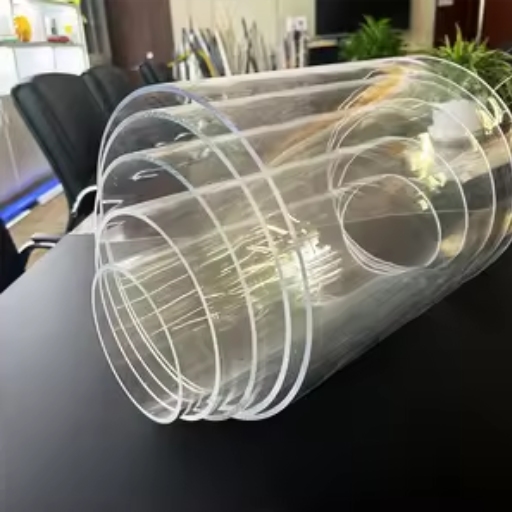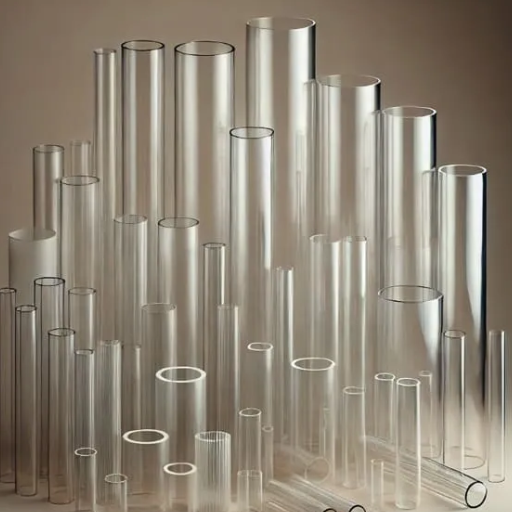

The field of fluid dynamics depends on acrylic tubes because they provide a unique combination of three essential properties which are durability and clarity and versatility. The design requirements of advanced flow visualization experiments and the needs of custom fluid transportation systems are fulfilled by acrylic tubes which combine all necessary design elements. The ultimate design guide for acrylic tubes provides complete design and performance information which helps engineers and researchers and enthusiasts to make educated product selections. This article provides all necessary information for using acrylic tubes in fluid dynamics applications starting with material property knowledge and extending to essential design elements. The article demonstrates how these exceptional components can improve your projects while maintaining peak performance during extremely challenging conditions.
Introduction to Acrylic Tubing
What is Acrylic and Its Properties?
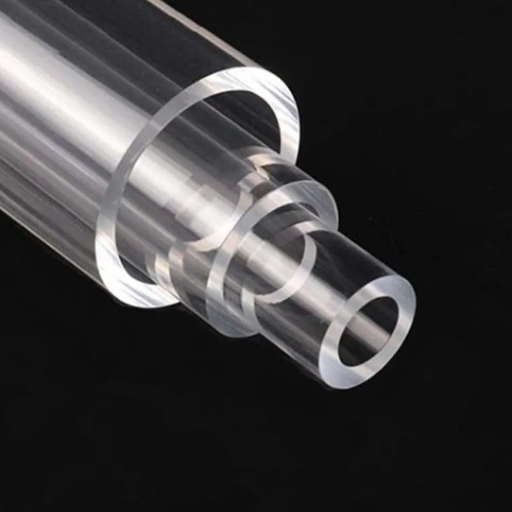
Acrylic serves as a multipurpose and long-lasting plastic material which scientists know as polymethyl methacrylate (PMMA). People commonly use it as a lightweight shatterproof substitute for glass because of its features. The material provides excellent optical transparency which allows 92% of light to pass through it, making it suitable for situations that need both visibility and brightness. The material demonstrates high protection against both UV radiation and weathering, which allows it to maintain its strength through different environmental conditions. The material shows good chemical resistance while its structural strength remains intact when exposed to moderate heat and mechanical forces. The material has gained popularity across construction automotive fluid dynamics and optics industries because of its easy molding and fabrication capabilities combined with its visually appealing design.
Types of Acrylic Tubes Available
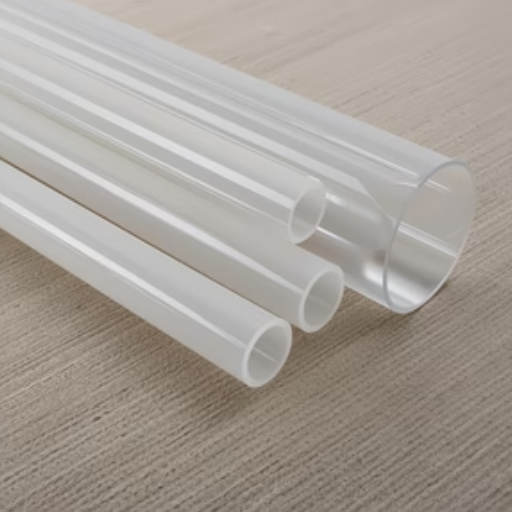
Acrylic tubes exist in multiple design variations which fulfill distinct operational needs through their specialized features. First, clear acrylic tubes show high demand because they provide both superior optical clarity and complete light passage. The products find application in display cases and aquariums and scientific equipment because they need to maintain visibility. The products become suitable for visual design purposes because their surface exhibits both smoothness and polish. The same material properties which make clear tubes durable and functional for colored acrylic tubes create multiple bright and solid color options. The products find application in decorative work and signage creation and retail displays which need attention-grabbing design elements. UV-resistant acrylic tubes provide protection against severe conditions through their ability to endure extended sunlight exposure without developing yellow discoloration or material deterioration which makes them suitable for outdoor use. The manufacturing techniques and resulting properties of cast acrylic tubes and extruded acrylic tubes create two distinct types of acrylic tubing. Cast acrylic tubes provide excellent surface quality and high-strength performance which makes them appropriate for advanced applications found in aerospace and high-pressure fluid dynamics. Extruded acrylic tubes serve as budget-friendly solutions which people use for common tasks that need packaging materials or lightweight building components. The various acrylic tube options create an easy way to discover the perfect tube which meets specific requirements while maintaining both functionality and visual appeal.
Applications of Acrylic Tubing in Fluid Dynamics
Acrylic tubing serves as a vital component for fluid dynamics experiments because it shows excellent transparency and maintains its strength and function in different environmental conditions. The material provides optical clarity which enables researchers to observe fluid movement patterns in testing facilities that require detailed studies of liquid behavior. The material protects against corrosion and chemical damage which enables its use in industrial environments and laboratory settings that require safe handling of various liquids. Acrylic tubes can withstand moderate pressure without losing their structural strength which makes them suitable for use in water treatment plants and chemical transportation systems and cooling systems. Engineers and designers can use acrylic tubing as a lightweight material which they can easily modify to enhance their ability to control fluid dynamics in their applications.
Design Considerations for Acrylic Tubes

Factors Affecting Tube Design
Acrylic tube design requires multiple essential factors to be evaluated because these factors determine which applications the tubes will be suitable for. The first step requires engineers to select appropriate tube dimensions that include both diameter and wall thickness because these measurements determine how well the tube will maintain structural integrity when exposed to internal pressure and fluid movement. The material purity of a product represents a vital component because any existing impurities will diminish both the product’s transparency and its durability and its ability to withstand different chemical substances. Designers must consider both thermal expansion and contraction characteristics of materials because temperature tolerance proves essential in environments that experience extreme heat and cold. Outdoor applications need UV resistance because continuous sun exposure will cause material degradation through time. The particular design requirements need both surface finish and optical clarity as a crucial element which becomes essential when observing fluids or creating appealing visual designs. The design process enables engineers to optimize acrylic tubes through the active control of design factors which lead to performance improvements and material strength enhancements and the development of specialized application requirements.
Choosing the Right Thickness and Diameter
The selection process for acrylic tube thickness and diameter requires assessment of multiple essential factors which determine their suitability for specific application requirements. The tube wall thickness must match the operational pressure requirements and structural load requirements which the system will experience. High-pressure applications combined with mechanical stress need thicker wall designs because these provide better protection and operational safety. The required tube diameter must match the operational needs of specific flow rates and volume capacity requirements. The design team needs to establish precise dimensioning specifications which will enhance operational efficiency while reducing waste through material minimization. Environmental factors, which include temperature changes and chemical exposure, should guide the material selection process. Extreme conditions require thicker walls to maintain structural stability. The design team needs to evaluate all design parameters which establish appropriate thickness and diameter specifications that support peak performance and extended operational life of acrylic tubes across different use cases.
Impact of Temperature and Pressure on Performance
The performance of acrylic tubes depends on two essential factors which are temperature and pressure. Acrylic materials show decreased strength when exposed to high temperatures because they start to soften which makes them more vulnerable to deformation. The thermal behavior of materials causes negative effects on the tube’s ability to maintain its shape and function when exposed to weight. Acrylic becomes brittle at extremely low temperatures which increases the possibility of cracking during stress. The operational limits of a system depend on pressure which serves as a vital determining factor. The material experiences internal or external pressure increases which causes stress distribution throughout its structure. The tube will experience material failure when internal pressure reaches levels which exceed its designed tolerance. Engineers need to conduct proper testing and calculations to ensure that the tube functions as intended in its designated operating environment. The industry guidelines recommend safety factor implementation in design specifications to reduce risks because this practice ensures that materials maintain their structural integrity when exposed to different pressure and temperature conditions.
Extrusion Process of Acrylic Tubing

Understanding the Extrusion Process
The extrusion process for acrylic tubing requires multiple summer essential steps which guarantee accurate results and high product standards. First, thermal processing begins when operators feed raw acrylic materials into a heated barrel which contains pellet-sized acrylic materials. The barrel uses heat together with mechanical mixing to convert the materials inside into a liquid state that develops into a thick viscous substance. The custom-designed die which transforms the molten acrylic into a hollow tube after the material reaches its liquid state. The newly created tubing moves to a cooling chamber which operators maintain at specific conditions to enable the tubing to freeze while preserving its original shape. The manufacturing process needs continuous temperature monitoring because temperature changes can cause both product deformation and development of defects. The tube undergoes cutting and finishing steps to achieve the required length and surface finish. The development of extrusion technology enables manufacturers to create tubes which display different wall thicknesses and diameters and special material characteristics. The combination of properties makes acrylic tubing suitable for use in medical devices and construction projects and optical equipment manufacturing.
Advantages of Extruded Acrylic over Cast Acrylic
Extruded acrylic provides numerous advantages which make it the preferred material for multiple applications. The material maintains its maximum thickness because manufacturers use their precise production methods to create the product. This material property creates dependable performance capabilities which manufacturers can use to create their products. Manufacturers can produce extruded acrylic at lower expenses than they need to create cast acrylic which makes it a budget-friendly choice for businesses that need to purchase large amounts of material. The material provides two main advantages through its outstanding optical properties and its excellent surface quality. Extruded acrylic transmits light with exceptional efficiency which makes it suitable for use in signage systems and lighting devices and display applications. The material can be easily shaped through thermoforming because it has a lower melting temperature than cast acrylic which helps manufacturers cut their production needs. Object cutting milling and drilling tasks become easier to perform with extruded acrylic because of its superior workability. The material maintains its complete structural integrity because it prevents any form of cracking or chipping which could emerge during manufacturing operations. The combination of lightweight properties and strong structural integrity makes extruded acrylic an optimal choice for various industrial sectors which include construction retail and automotive.
Quality Control in Acrylic Tube Production
The testing, which involves strict standards, and production monitoring process, which continues from start to finish, ensures that all produced acrylic tubes meet quality standards. The production process demands strict adherence to dimensional specifications because even small measurement errors will result in product failure during its intended use. Advanced optical inspection systems serve as the primary method which manufacturers use to identify surface defects that include scratches and bubbles, which they need to achieve a perfect product appearance. The testing process combines mechanical tests and tensile strength evaluations and impact resistance assessments to demonstrate the material’s lasting power and dependable performance. Thermal resistance testing is necessary to protect the integrity of acrylic tubes from damage caused by temperature changes in the testing process. The comprehensive quality control measures which producers utilize enable them to achieve high standards which satisfy the various requirements of medical and aerospace and electronics industries.
Comparing Acrylic with Other Tubing Materials

| Comparison Type | Details |
|---|---|
| Acrylic vs. Polycarbonate | Clarity vs. Impact Resistance |
| Acrylic vs. Nylon | Rigidity vs. Flexibility |
Acrylic vs. Polycarbonate Tubes
The application and performance of acrylic and polycarbonate tubes differ because of their main differences which exist between the two materials. Acrylic tubes are valued for their excellent optical clarity which permits more than 90% light transmission through the material, making them suitable for display cases and lighting fixtures and any application that needs see-through materials. The material demonstrates superior strength which protects against ultraviolet rays, thus improving its outdoor durability. The material demonstrates better scratch resistance than polycarbonate, which enables acrylic to maintain its polished appearance throughout time. Polycarbonate tubes provide better protection against impacts than acrylic materials which create better visual effects. The material delivers optimal performance in situations that demand both high strength and high durability needed for protective barriers and safety equipment. Polycarbonate maintains excellent optical properties, but its visual appearance deteriorates through extensive UV exposure which occurs without protective coatings. Industrial and engineering applications require materials that provide both high temperature resistance and flexible design capabilities, which polycarbonate delivers better than acrylic materials. The decision between acrylic and polycarbonate tubes depends on project requirements which need to balance clarity needs and impact resistance needs and environmental considerations.
Acrylic vs. Nylon Tubing
Acrylic and nylon tubing materials display different advantages which are ideal for their respective applications. Acrylic tubing provides outstanding optical clarity together with its rigid design which makes it suitable for display cases and fluid flow monitoring applications that require visual assessment. The product features lightweight construction and strong durability while providing UV protection but it can break or shatter when exposed to intense force. Nylon tubing, on the other hand, is chosen for its superior flexibility and resilience. The material provides excellent performance in environments which experience high mechanical stress because it offers both exceptional abrasion resistance and chemical protection. Nylon tubing is a common choice for industrial applications because it can endure both pneumatic system pressures and fuel line temperature variations. The material allows for safe use in dynamic applications because nylon shows less tendency to crack when it undergoes multiple bending and impact tests. The choice between acrylic and nylon tubing requires evaluation of the application requirements which separate the two materials by their clarity and aesthetic value versus their flexibility and mechanical performance. The specific requirements of the project guide which material should be used for selection purposes.
Durability Comparison: Acrylic and Other Plastics
Your research demonstrates that acrylic materials which people also call polymethyl methacrylate PMMA display exceptional durability against both weathering and ultraviolet light exposure. The material shows excellent transparency which remains unchanged over time thus making it suitable for outdoor signage and aquarium displays and protective barrier applications. Acrylic exhibits superior sunlight resistance because it takes longer to yellow and degrade which makes it more suitable than other plastics for extended outdoor usage. The material becomes less appropriate for demanding work conditions because it tends to break into pieces when someone hits it which makes it more vulnerable to damage than flexible plastics such as polycarbonate or nylon. Acrylic needs to be compared with polycarbonate and ABS and PVC because the choice of material depends on its intended application. For example, polycarbonate provides higher impact protection than acrylic but its scratch protection requirements extra coatings which acrylic does not need. Industrial applications find ABS suitable because it delivers excellent toughness and chemical resistance but the material does not match acrylic’s ability to transmit light. PVC better protects against chemical corrosion while offering flexibility, yet it fails to preserve visual transparency and appealing design. Acrylic works best for applications which require both strong physical protection and weatherproof performance and aesthetic appeal, but it becomes unsuitable for situations which need impact resistance and flexible performance. The material selection process requires you to assess project requirements which include visual presentation and environmental factors and mechanical load capacities in order to select the most suitable material.
Maintenance and Care for Acrylic Tubing
Cleaning and Preventing Scratches
To clean acrylic tubing the process needs to be handled with care because any mistake will result in permanent damage to the material. To start cleaning the surface first use a soft lint-free cloth or microfiber towel which should be used together with a mild soap solution or specialized acrylic cleaners. The user needs to wipe the surface gently while maintaining light contact to prevent both streaks and surface damages. The material will experience degradation through time when ammonia-based cleaners and other strong chemical substances are used. To avoid creating scratches people must handle acrylic tubing with their hands protected by gloves or they should maintain clean hands. The tubing needs to be stored in a dust-free space while all sharp and abrasive items must be kept away from its storage area. The application of non-abrasive acrylic polish provides a protective barrier which decreases the chances of scratches occurring. The correct handling methods of acrylic tubing maintenance lead to both extended lifespan and untouched original state of the material.
Long-term Care for Durable Performance
I establish cleaning procedures for acrylic tubing at my work because this process protects the material from damage during its extended lifespan. I use a combination of warm water and gentle soap to clean surfaces while using a soft microfiber cloth to remove all dust and smudges and accumulated materials. The tubing material suffers from deterioration because I need to stay away from both harsh chemicals and abrasive scrubbing tools during my work. The tubing needs complete washing and complete drying because any remaining water will create spots which reduce its visual transparency. I protect the acrylic tubing from harmful environmental conditions by storing it in a space that maintains stable temperatures and protects it from direct sunlight because UV radiation causes both discoloration and warping. I keep the tubing in a horizontal position while I prevent access to any heavy items or sharp objects which might cause damage through pressure or surface scraping. I use gloves during my work with tubing because this prevents me from transferring oils and fingerprints which will harm the material’s appearance over time. I use a specialized acrylic polish to keep the tubing in its perfect condition. The product enables restoration of its glossy appearance while creating a protective coating which defends against minimal damage and normal wear. The combination of proper handling, consistent upkeep, and environmental monitoring will enable the acrylic tubing to preserve its operational capacity and aesthetic value for an extended period. The entire process establishes the base for effective permanent maintenance which guarantees consistent operational efficiency.
Common Issues and Troubleshooting
The handling of acrylic tubing presents multiple standard problems which need to be understood for effective solutions that preserve its operational capabilities and extended lifespan. The most common issue arises when scratches and surface abrasions develop through the normal process of handling and cleaning activities. The recommended method for restoring the surface requires users to apply a fine-grit polishing compound or dedicated acrylic polish which enables them to achieve restoration without inflicting additional impairment. Another issue to be aware of is clouding or discoloration caused by exposure to harsh chemicals or UV light. The solution for this problem requires people to select either UV-resistant acrylic materials or protective coatings. The procedure for cleaning requires users to employ only mild non-abrasive detergents together with soft cloths in order to maintain clear surfaces while avoiding chemical reactions. The tubing experiences structural cracking when exposed to two specific conditions which include extreme pressure and incorrect installation methods. The correct solution requires operators to follow established guidelines for tubing installation while maintaining operations within designated pressure and temperature boundaries. Regular inspections enable the detection of minor cracks which can lead to quick replacement before major equipment failures happen. Acrylic tubing possesses a property which makes it vulnerable to thermal expansion and contraction. This condition leads to two outcomes which include improper fitting and joint stress. The problem can be effectively solved through the implementation of expansion joints which permit minimal movement during the installation process. The troubleshooting steps provide an effective method to both prevent and solve most problems which people encounter when using acrylic tubing.
Reference Sources
- Computational Fluid Dynamics Modeling of Fluid Flow in Helical Tubes: Research examining fluid flow in tubular heat exchangers using computational fluid dynamics (CFD).
- Optical Contouring of an Acrylic Surface for Non-Intrusive Diagnostics in Pipe-Flow Investigations: A study focusing on the use of acrylic pipes for non-intrusive diagnostics in fluid flow experiments.
- Swirl Flow Tube Reactor Technology: An Experimental and Computational Fluid Dynamics Study: A study combining experimental and computational approaches to analyze swirl flow tube reactors.
Frequently Asked Questions (FAQs)
Can plexiglass (PMMA) acrylic tubes handle fluid flow and what about optical clarity?
Clear acrylic, which people recognize as plexiglass or PMMA, delivers exceptional optical performance because it transmits light through its material at high rates, which scientists use to study fluid movement in laboratory settings and display systems. The material shows good optical properties because its transparent nature and low internal stress enable precise monitoring of flow patterns with accompanying tracer particles. Acrylic exhibits decent chemical resistance against various fluids; however, its protection capability against particular solvents falls short when compared to both polycarbonate tubing and stainless steel, which requires users to perform compatibility assessments. The friction that fluid experiences depends on the wall thickness and tube diameter, which makes it necessary to select dimensions that match the requirements of low-pressure systems. PMMA serves as an economical premium option for fluid dynamics research that requires optical clarity to conduct experiments.
How does plexiglass plastic compare to polycarbonate tubing in impact resistance and durability?
Plexiglass plastic (PMMA) provides excellent optical clarity together with good rigidity, yet polycarbonate tubing delivers better impact protection and higher impact strength which meets the requirements of industrial and automotive applications. Aerospace and outdoor architectural projects which require high impact and abrasion protection standards typically use polycarbonate materials even though it transmits slightly less light than acrylic. Outdoor durability depends on the effectiveness of UV protection treatments which enable acrylic to withstand UV exposure, while manufacturers can create acrylic materials that provide extended durability against sunlight. The selection process requires consideration of thermoplastic properties and density, which determine performance, together with the intended temperature range and possible chemical exposure. Plexiglass tubes continue to serve as an economical solution for display and lighting needs, which require optical clarity, and they maintain their status as a top-quality choice.
Are acrylic tubes compatible with PVC pipe systems and what about fittings?
Acrylic tubing can be integrated with PVC pipe or PVC fittings for low-pressure fluid systems, but proper piping requirements must be followed to create secure connections which ensure system reliability. PVC pipe is economical and widely available, but the use of adhesives and solvent cement on PVC will damage acrylic, which needs mechanical fittings or specially formulated adhesives for secure connections. The materials and joining techniques used in food processing need to have food contact certifications while avoiding chemical incompatibilities to meet FDA regulations. For enhanced reliability between sanitary drainage systems and their ability to withstand wear, stainless steel fittings provide a more robust solution. The complete assembly must undergo testing to confirm its ability to handle pressure and temperature extremes while maintaining necessary durability standards for its intended use.
What are the effects of ultraviolet radiation and direct sun exposure on the longevity of acrylic tubes which are exposed to outdoor elements?
Acrylic materials achieve optimal ultraviolet protection through UV stabilizers which maintain their transparent properties and light transmission capabilities throughout extended outdoor use. The architectural performance of treated resins maintains its functionality for display applications but untreated acrylic grades show yellowing and loss of surface clarity. The thermal cycling process creates internal stress and minor dimensional changes which need to be assessed during outdoor installation since temperature range limitations and dimensional stability requirements exist. When evaluating extreme environmental requirements, acrylic should be compared to polycarbonate and stainless steel metal as alternative material options for better performance durability. The combination of proper design elements and suitable wall thickness, along with effective protective coatings, creates a system which delivers enhanced durability and protection against both abrasion and weathering damage.
Does FDA-compliant food processing operations permit the use of acrylic tubing as a valid material for their requirements?
Clear acrylic tubing can be used in certain food processing applications when the material and manufacturing meet FDA food contact regulations and when the resin is certified for use with food. The transparent material allows for easy inspection of fluid flow and system cleanliness because it displays both elements through its excellent optical clarity. However, cleaning procedures should be evaluated together with chemical resistance because aggressive cleaning agents can break down acrylic materials while polycarbonate and stainless steel become preferable for environments with extreme chemical exposure and high temperature conditions. The combination of wall thickness and surface finish defines both abrasion resistance and the capacity to endure multiple cleaning cycles. High-quality PMMA from certified sources serves as a dependable and secure option for economical operations that require visible low-pressure systems in food processing applications.
How do wall thickness and rigidity influence friction and flow characteristics in acrylic tubes?
The wall thickness together with the rigid building method determines how well the structure maintains its original dimensions and inner pipe measurements which then impacts the hydraulic system performance by affecting its resistance to flow and pressure loss. The thicker walls create a stronger structure which prevents any shape changes that would break off material from the surface at high pressure while the thinner walls create a flexible design that changes material flow under different weight conditions. The acrylic material provides a smooth surface which results in minimal friction and high light transmission making it advantageous for both fluid movement and observation purposes while its surface wear leads to increased texture and friction. For precise fluid dynamics experiments or industrial applications select pipelines which maintain their manufacturing standards and use custom machining for essential connections. The system functions properly when acrylic connects with suitable connectors or when stainless steel components are used in applicable situations.