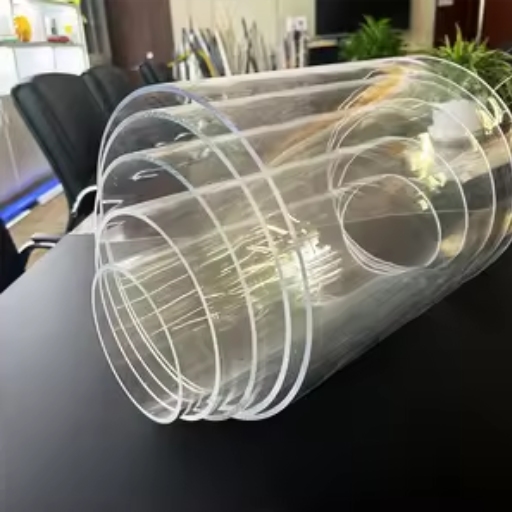

The ability to monitor fluid flow and system conditions serves as an essential requirement for maintaining safety and operational efficiency and system reliability in industrial operations. The acrylic sight glass tube serves as a lightweight and durable solution which provides exceptional performance in multiple industrial use cases. The product must demonstrate its capability to withstand extreme environmental conditions which include high temperatures and chemical contact and physical force. This blog post investigates how acrylic sight glass tubes function in extreme industrial conditions to show their strength and adaptability. The research will examine their special material characteristics as well as the obstacles they tackle and their status as top material choice across industrial sectors which include manufacturing and chemical processing. We will reveal the reasons these transparent workhorses function as vital elements within contemporary industrial systems.
Introduction to Acrylic Sight Glass Tubes
What is an Acrylic Sight Glass Tube?
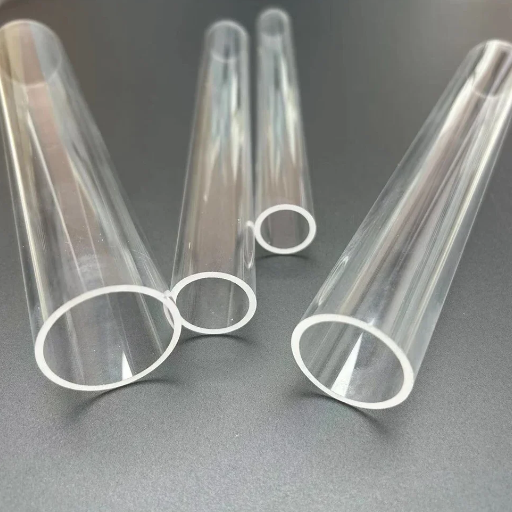
The acrylic sight glass tube functions as a transparent cylindrical industrial component which allows operators to observe liquid and gas flow through pipelines and vessels. These tubes made from high-quality acrylic material provide operators with exceptional optical clarity which enables them to inspect flow patterns and content levels and condition monitoring. The lightweight and impact-resistant properties of acrylic combined with its chemical compatibility make it better than glass for use in demanding environments. The chemical processing and water treatment and manufacturing industries use these tubes because they need to see things clearly to work safely and efficiently.
Applications of Acrylic Sight Glass Tubes
Acrylic sight glass tubes are widely used across various industries due to their durability, clarity, and versatility. These tubes serve as critical components in chemical and pharmaceutical production processes because they enable operators to observe fluid levels and detect production process changes. The tubes function as essential components in water treatment systems because they enable operators to monitor water quality and water flow through filtration and distribution systems. Acrylic sight glass tubes function as vital components for hydraulic and lubrication systems because they enable operators to observe real-time oil and fluid status which protects equipment from breakdown. The product’s lightweight and robust design functions as an ideal solution for equipment and systems which need to endure vibrations and pressure changes. Food and beverage industries use these transparent tubes to maintain strict hygiene standards because their see-through design helps workers keep production areas clean during inspections. The versatile tubes function as essential components which help businesses enhance productivity while improving safety measures and maintaining quality standards in critical operational areas.
Importance of Durability in Industrial Settings
Durability functions as the principal element which determines how well industrial equipment and materials will function throughout their operational lifespan. Industrial environments present extreme operational challenges which include both extreme temperature conditions and high-pressure environments and continuous equipment vibrations and chemical exposure. The materials and components need to possess sufficient strength to endure these operational stresses during the entire operational period which ensures continuous functioning while minimizing expensive equipment failures. The use of durable materials in industrial operations not only increases operational safety and efficiency but also results in financial benefits through reduced maintenance requirements and extended periods between equipment replacements. The combination of advanced engineering practices with innovative material science research establishes a foundation for creating durable solutions which fulfill the demanding requirements of contemporary industrial operations.
Features of Acrylic Sight Glass Tubes
Material Composition and Properties
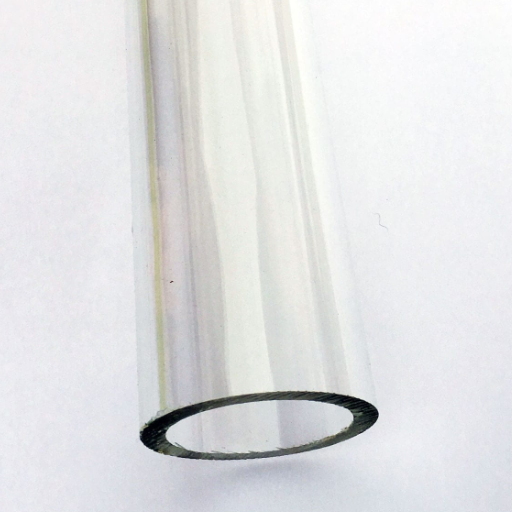
The production of acrylic sight glass tubes requires high-grade polymethyl methacrylate (PMMA) material which functions as a transparent thermoplastic that maintains its strength and optical properties. The material exhibits outstanding resistance to impact forces, which results in reduced shattering risks when compared to standard glass materials. The product’s lightweight design enables users to handle and install it more easily across different industrial settings. The chemical resistance of acrylic materials permits their usage with multiple industrial fluids while their built-in UV protection enables outdoor performance that lasts for extended periods. The combination of these properties allows acrylic sight glass tubes to function as the perfect solution for situations that require transparent viewing and high durability and extended product life.
Clear Acrylic vs. Other Materials
[Image comparing clarity and impact resistance of acrylic vs glass vs polycarbonate]
The comparison of clear acrylic with glass and polycarbonate and quartz shows multiple aspects which demonstrate how acrylic performs better but also has some limitations. The weight of acrylic material makes it easier to handle than glass while its higher impact-resistance prevents breakage during handling or operation. The acrylic material displays excellent optical durability because it resists scratches while polycarbonate material shows better impact protection than acrylic. The human resources needed to produce acrylic materials are lower than those required to manufacture quartz materials, which makes acrylic a more affordable option across different applications. The high-heat environment requires users to evaluate whether acrylic can withstand the same temperature resistance capabilities that quartz and polycarbonate both possess. The material properties of clear acrylic create its most common usage because it provides transparent visibility and strong structural support and flexible application potential.
Sizing and Alternative Options
Alternative sizes of transparent (clear) acrylic sheet material are obtainable with a variety of distinct thicknesses to suit almost all given purposes. Most of the commonly used acrylic sheets are offered as 4 in x 8 in or 5 in x 10 in sheets, and special sizes may be obtainable on request. Moreover, they might go as low as 1/16 inches for crafting use and as high as over 1 inch for applications that need to use glasses or acrylic for building purposes. To add credibility to such documents they could as well be cut it into the required shape or it can also be molded into the shape which you would need o use for framing purposes for a picture. It is worth noting that, while evaluating the appropriateness of an acrylic sheet to be used in certain climates, the thickness of the sheet as well as the size has to be also taken into account accordingly.
Durability Factors of Acrylic Sight Glass Tubes
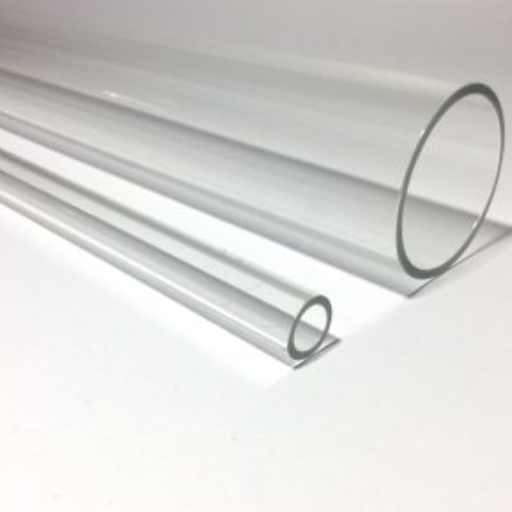
Impact Resistance and Durability in the Long Run
One best known feature of acrylic sight glass tubes is its exceptional impact resistance that makes them one of the most suitable options for both commercial and industrial purposes. Unlike glass, acrylic is very unsuitable to shattering, thereby minimizing the fear of breakage in locations which face a lot of vibrations, pressure rises, accidents etc. This benefit translates into enhanced reliability even under the harshest conditions. Additionally, in terms of environmental safety, acrylic also caters to the said environmental issues as not only does it provide a barrier against ultraviolet growth, it is also immune to water. This intrinsic stiffness gives the material the ability to retain inherent properties and does not succumb to bleaching, feathering, discoloration or fogging due to wet conditions, making it a good material for various applications that concern clarity and strength in the most tangible terms.
Temperature and Chemical Resistance
Acrylic boasts exceptional temperature and chemical resistance, making it a versatile material for many industries. The material’s ability to deal with temperature extremes without sacrificing its transparency or biomechanics is truly remarkable, because it allows it to be used in both cold and incendiary conditions. Moreover, acrylic polymers can be helpful in a lot of solutions without a reaction – for example, rather than affecting the surface of scales, one may use acrylic solutions in separation techniques such as gel electrophoresis. Acrylic moreover has a great degree of resistance to numerous provided that they are even in diluted form and including dilute acids, alkalis, oils among others which serves the ample uses of this protective shield in scenarios where this components are a fixture. While it shares several properties with thermoplastics such as PVF, it might not exhibit similar features in exposure to some solvents or concentrated caustic substances which means it may not be the best choice for specific applications. The colorlessness, translucence and tensile strength of starts to plastics which include acrylics also means that they are effective and appropriate for a vast number of applications including but not limited to the construction and fabrication of furniture, decorations, signs and display stands’ construction.
The Wall Thickness in Usage of Reliability
The thickness of the walls constructed by the use of acrylic plastic contributes to the strength of the material in that the production will be durable. The thicker the walls are, the more thickness can be added for better mechanical strength making them appropriate for use under conditions of high pressures. They are found in thick acrylic walls and composing freight carriers thickness, which will bear heavy pressures without cracking such as floor or ceiling loads. The usefulness of such acrylic engineering is limited to going into standard light walls using best principles of balance depending on where they will be designed. The thickness of the wall also impacts how acrylic performs as a thermal or sound insulator. It can be deduced that larger or thicker acrylic sheets are effective in such that the heat does not easily pass through them neither does sound pass from one end to the other as it does in thin sheets contributing to sound and energy insulation in such places. Nevertheless, a compromise is needed in a few cases as wall thickness and the other specifications are somewhat unrealistic thus the material outcomes.
Maintenance and Care for Acrylic Sight Glass Tubes
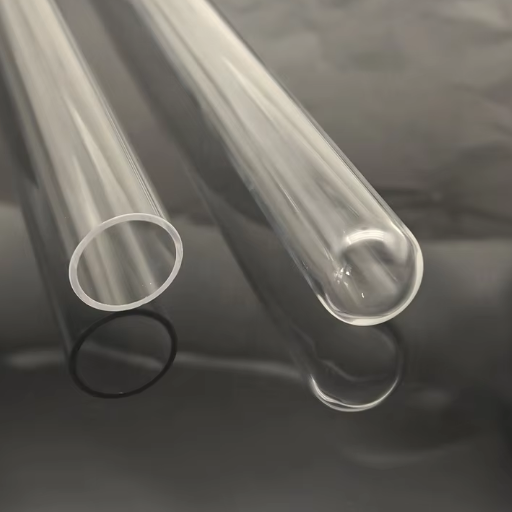
Tips for cleaning and caring for a clear acrylic sight glass
The maintenance of acrylic sight glasses can only be effective if they are frequently cleaned. One of the basic cleaning methods is the use of a soft dry microfibre cloth to hamper the removal of loose dirt from the product without the need to go in with aggressive materials that may cause scratches. If more cleaning is requested, use a mild detergent solution or specifically mild acrylic cleaning compound added in warm water cautiously evading any strong chemical solvents like alcohol and ammonia as these may affect the acrylic material. The overall cleaning instructions are simple pour clean water on the tube afterwards by rinsing and then, using soft cloth to dry the tube in order to dry and moist free areas of the tube. Another measure of anti-dust while maintaining clarity for a long time in the recommended application of an anti-static acrylic spray polisher. Regular care and pampering is useful in maintaining a good finish and keeping it for a longer period.
Symptoms of wear and tear and indicators for replacement
Acrylic pipes naturally degrade with continued use, making it imperative to inspect and replace them promptly so as to keep them functioning and safe. Typical red flags include any evident scratches, haziness or openings, which can affect the gadget’s appearance and structural stability. Certain scenarios such as continuous exposure to ultraviolet rays might likely lead to the glazing changing color making it discolored or slightly yellow. It is possible that due to bending and brittleness of the acrylic the possibility exists that the tubing will no longer work as it should and break easily. Checking for such signs and replacing the parts as soon as deterioration is observed ensures the most out of the acrylic. However priorities replacement so as to prevent any down time and avoid issues that may come about from ‘making do’ with the compromised acrylic.
Effective Installation of Acrylics: An Experts Overview
It is important to install and use acrylics properly depending on the observations from the cases I have handled; the process begins with an appropriate materials’ attitude. Acrylics can easily be scraped; especially when they are newly installed hence, I offer my clients the use of nontoxic and soft clean tools for fixing the acrylic sheets. Whenever I have to cut or drill through the acrylic sheets, I do my best using tools meant for drilling or cutting plastic to prevent it from breaking. Also, one should remember that acrylic does not take well to hard mechanical exertion and a face should not be put on screws while undergoing any fixed components. Sealing it can cause it to crack. In this case, I prefer to use a small grommet or a rubber washer between the bolt and the plastic, which can relax the pressure where needed – to keep you from over-pressuring one line. Throughout my interactions with acrylic materials, I have learned that regular cleaning and maintenance are paramount to the integrity of acrylic surfaces. I usually clean my acrylic installations with an acrylic cleaner or mild soap and I wash it with a clean damp cloth instead of harsh chemicals like ammonia or acetone which can discolor or affect its surface. For instance, I do not use abrasive sponges in cleaning so as not to cause scratches. In the event that scratches happen, I have been successful in using a plastic polisher to recover the digested finish. To sum up, I consider the environmental settings where the acrylic is set up as my main concern. Very high or very low temperatures, sunlight as well as humid places have a buffering effect on the material. I try limiting these effects by putting away the acrylic items in sheltered or indoor areas and only if need be, use products coated with uv protection. These are the practices that have made me witness the improvement and extension of the use of acrylic orders all the time.
Conclusion and Future Trends in Acrylic Sight Glass Technology
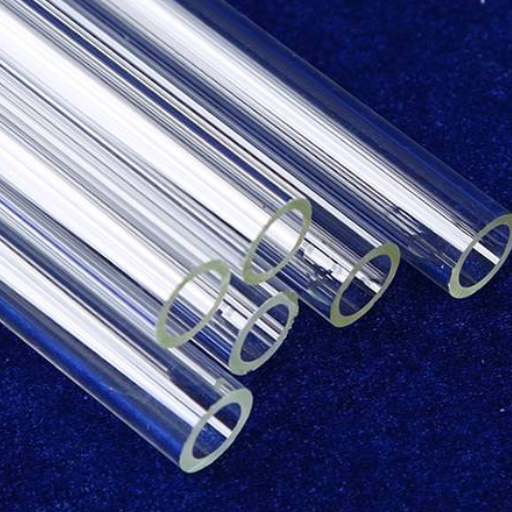
Developments In The Field Of Acrylic Materials: Material Science
In the past few years, developments in the field of material science for acrylic are making the material more durable, functional, and more importantly; sustainable. This research has involved creating modified polymer architectures that make acrylic more resistant to many environmental and mechanical stress factors. At that, the introduction of nanotechnology to acrylic has allowed researchers to produce acrylics offering such desirable traits as better anti-scratch performance and even clarity and this type of acrylic is preferable for use in very high precision applications like sight glasses. Therefore, there is a rapid growth in the usage of recyclable and bio-based acrylics to maintain the environment as there has been a noticeable change in approaches to production during the era. These advanced approaches are being increasingly applied to practical work in all fields where acrylic is used, such as health care, transport, and aerospace.
Looking Ahead to the Applications in Different Fields of the Industry
Acrylic materials are the new plastic that is changing its properties and is a versatile and advanced thermal materials, suitable for use in many areas. More specifically, in the field of health, attempts have been made to introduce and employ acrylics in medical gear and apparatus, with the knowledge of its biocompatibility and rigid body temperatures over the years. Acrylic has also drawn the attention of other sectors such as the automotive industry where it is used in clear acrylic translucent windows, lenses in head light shields, and aerodynamic parts such as front and rear spoilers, all of which help increase fuel efficiency due to weight reductions. Particularly in aviation, acrylic is widely regarded as one of the most ideal materials for cockpits, windows and interior panels, arising from its unique combination of strength and transparency. Acrylic clearly is bound to revolutionize silk manufacturing and many other industries as well with new production technologies and a ceoncentrated effort to employ eco sensibility.
Final Observations on the Importance of Acrylic Sight Glass Tubes
I consider the use of acrylic sight glass tubes to be necessary, since there is a unique blend of characteristics that can be found in these glass tubes in the present day. This is, the quality of the image inside the material, its strength, and ease of use. These tubes are the ones which you would not have any trouble with system-specific processes that require everything to be in a certain position. Contary to common glass, however, this kind of especially hardened glass has been shown to stand up to greater abuse, which in return deceases the breakage likelihood where impact is an issue. As a result, fatigue cracking and breaking are virtually eliminated, and they perform better in all that destruction of items occurs like chemical plants and water treatment or even food and drink production. Not only this, but also there are significant developments with regard to the application of acrylic that makes this material even more useable in terms of its designs and functions. This allows it to focus on particular activities and eventually on the given objective. These days, acrylic optical sight glass tubes are not simply stronger, but are also increasingly produced with nontoxic materials, supporting the industry’s increased use of environmental strategies. They are very useful in these temperatures because of their adaptability and to light exposure as they are not easily degraded by environmental factors, such as sunlight. In my perspective as a professional, acrylic sight glass tubes will continue to be an essential component for industry in the decades to come. They offer the right mix of aesthetics, robustness and competitiveness for most sectors where vision and toughness are overriding issues. So there is no doubt that their application and development, especially now that the trend is towards environmentally friendly and safer materials and technologies, will also become a dynamic sphere of high disappointment and high satisfaction- industrial innovation.
Reference Sources
-
Acrylic Plastics
Explores the manufacturing processes and applications of acrylic plastics, including their use in tube forms for industrial purposes. -
Polyacrylate-Based Clear Polymeric Material Fortified with Carbon Nanotubes for Durable Coatings
Examines the properties of acrylic materials enhanced with carbon nanotubes for improved durability and corrosion resistance. -
Selection of Plastics for Optical Applications
Reviews the optical and thermal properties of acrylic materials, emphasizing their suitability for sight glass and other industrial uses.
Frequently Asked Questions (FAQs)
What OD choices are there for a spectacle glass tube tube made of acrylic?
Sight glass in acrylic is a device that allows for checking level of liquid without having to disassemble a container or a tank. Any way depending on the requirement towards performance of the plumbing many manufacturers have sight glass of standard gauge and outside diameter. The standard OD sizes often coincide with the sizes of gage glass and eye glass patterns plates used for those purposes and so they may directly replace old sight glass structure. Acrylic extruded tube can cut from very long stock pieces for unusual sizes such as x 1.5 or x 72. Empirically, most vendors have tables regarding the sizes appropriate for their other products so that you know exactly the type of fitting you can use with your tank, including only the appropriate soft for females steel or sanitary line. Furthermore, using the adequate OD and gage is absolutely necessary for accurate flow and level assessing even in more arduous conditions.
How does acrylic tubing compare to stainless steel and glass in terms of durability?
In many cases, acrylic tubing is used for most purposes because it presents several features which are not found in the other two. Acrylic tubing is considered the good choice for durability and beautification purposes in comparison to glass. Also, in many applications, while it is cost effective, stainless steel is more than a dollar extra added to the application. Quality or clarity of acrylic extruded tubing is used in most applications because acrylic is not easily broken and is flexible so it is not easily scratched. Acylic piping may also be joined by clear fittings for that aspect-resisting line. Because while piping made of steel or stainless steel provides strength with high tensile difference, cross-linked swivel form acrylic is much easier to work in different lengths and shapes.
I wonder if acrylic sight glass tubes can function under vacuum or pressure?
Designed suitably, acrylic sight glass tubes are able to withstand low pressures and mild vacuums. For severe vacuums or in piping equipment with pressures, it is preferable to use a higher caliber or a fiberglass acrylic extruded tube for reinforcement which covers safety and assurance requirements. Make sure to go through the manual for the maximum working pressure of the unit and any other details indicated in the stock to know their aptness to the vessel or piping system. Enough precision during fitting and the right selection of stainless steel or steel tube products can keep the glass tube performance up to where it does not crack or rupture. If the clean up procedure is found to be important, you should acquire the exact product information and performance records, which must be supplied before we make our choice.
Typically, how long and wide are acrylic tube sight glasses usually available?
Acrylic tube sight glasses can be found in a variety of lengths starting from shorter tubes, mainly for sight gauges that are fitted in lines, to continuous ones that run up to the manufacturer’s length limitation including the commonly used multiples of x 72 for the extension assemblies. The diameter basically ranges from small OD size suitable for precision flow monitoring to much larger OD for level control in tanks as well as to withstand high pressure with tough ones as gage glass. Most suppliers however keep off-the-shelf sizes but also accommodate any custom cut size and specific diameter detail that you want to fit in your application. The correct length and diameter need to be chosen in order to ensure optimal visibility and performance in the system. In the case of length, it should also be checked if the termination and the connection details such as end fittings , spud adapters, or additional rubbing rings are needed in the sanitary setup.
Is there any problem in establishing and using an acrylic sight glass tube similarly?
It is possible to easily mount, discover and fix acrylic sight glass tubes because they are very light in weight and suit well to the common fittings or clamps for establishing fixed, leak proof conduits. The plastic doesn’t scratch as easily as other kinds of plastics but it is still helpful to practice caution while handling the material so it is not easily scratched during joining; the selection of good tools for cutting and deburring will ensure its clarity is preserved. Regular checks involve examination and wiping clean with gentle non- abrasive agents to safeguard the product’s transparency and efficient operation. In order to maintain long service life of items in tubes with clean applications, the instructions on the cleaning and use as well as seals should be observed and the use of stainless steel or steel components is promoted to help ensure the seals. In many cases, acrylic tube can be used readily as a good installation replacement for glass gage glasses that are evident due to damage or other reasons.