
Sheet metal bending is a crucial step in every manufacturing process. Sheet metal works are widely used in the automotive industry and construction. Using this versatile process, sheets of metal are shaped into intricate forms for use in nearly infinite applications. Whether using bending for crafting precision components in machinery or for architectural designs of structures, bending metal is a genuinely artful process with no limitations. In this article, we will examine the primary types of sheet metal shaping, the tools and technologies employed to achieve this, and various areas of application where bent metal sheets are crucial. Whether you’re a practitioner or simply interested in the science of metal fabrication, this article offers valuable insights into sheet metal bending.
Understanding Sheet Metal Bending
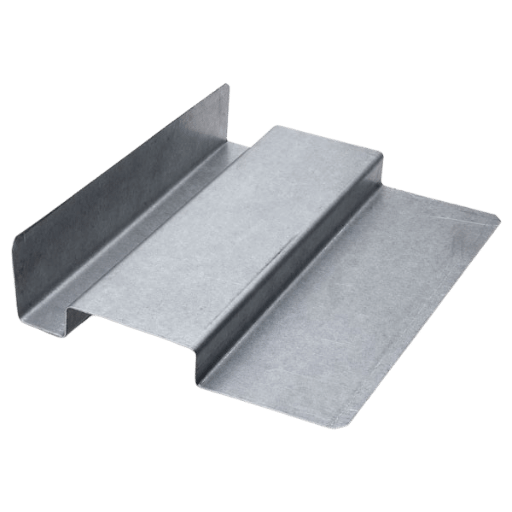
Sheet metal bending is a forming operation in which flat metal sheets are bent to a desired angle or form without breaking or cracking the material. This is accomplished by applying force through methods such as air bending, bottoming, or coining with instruments like a press brake, dies, or a hydraulic machine. This process serves the construction, automotive, and aerospace industries by providing components with the specified dimensions and structural integrity. Accurate bending requires calculations of material thickness, bend radius, and elasticity to ensure precision and avoid defects.
What is Sheet Metal Bending?
Sheet metal bending is the act of deforming a sheet of metal through the exertion of force into a specific shape. This is achieved using methods that allow precise control over the material’s angle and curvature, while preventing it from fracturing. Typically, such procedures are performed using press brakes and dies, which are essential for component production in industries such as construction, automotive, and aerospace, while maintaining the material’s strength and integrity.
Common Tools for Bending Sheet Metal
- Press Brakes
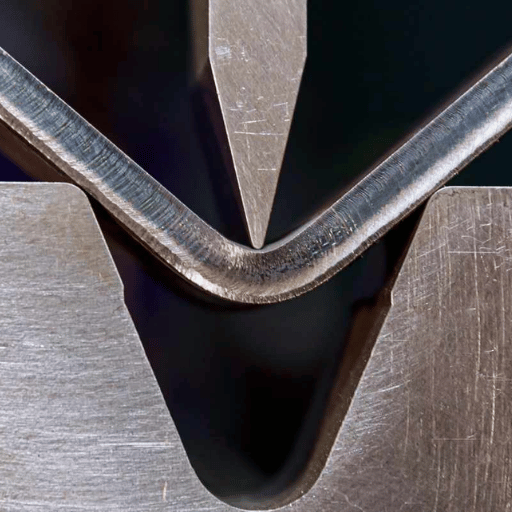
As universal tools, press brakes utilize force applied through a punch and die to bend sheet metal into specific configurations and angles. Their versatility is suitable for several different applications.
- Bending Dies
These are specialized types of dies designed to shape metal according to a specific form. This includes V-dies, U-dies, and specialty dies for certain types of bending operations.
- Roll Benders
Roll-bending machines curve sheet metals into cylindrical shapes or arcs by rolling them.
- Folding Machines
They fold metals along a straight line to give clean and consistent edges with slight deformation.
- Hand Tools
Seamers, pliers, and hammers will be helpful for manual or small-scale operations that require simple bending.
Each of these tools plays a crucial role in ensuring accuracy, consistency, and efficiency in the metal sheet forming process.
Types of Bending Methods
Types of Bent Metal Sheets
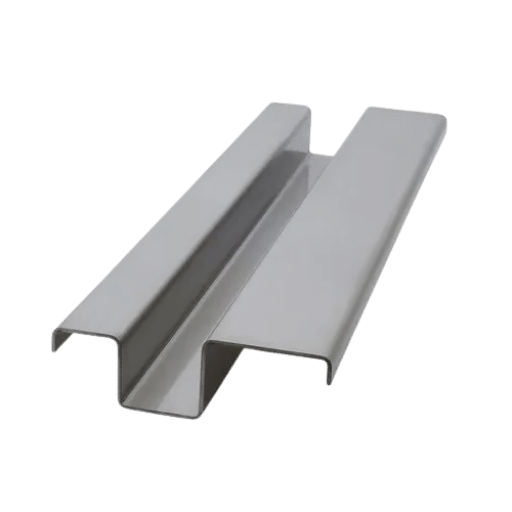
Cold Bending vs. Hot Bending
Popular Materials for Bent Metal Sheets
Steel
- Cold-Rolled Steel: Cold-rolled steel is widely used due to its strength and dimensional accuracy. It is preferred for uses that demand a very smooth surface finish, such as enclosures and precision parts.
- Hot-Rolled Steel: Hot-rolled steel is used in larger structural applications where surface finish is not a concern, but ductility is essential, such as in beams and pipes.
Aluminum
Lightweight and highly resistant to corrosion, aluminum finds applications in aerospace, automotive, and architectural components. These aluminum alloys, specifically 6061 and 5052, are highly regarded for their suitability for bending due to their moderate strength and formability.
Stainless Steel
Stainless steel has outstanding corrosion resistance and is also very attractive, making it a worthy consideration for use in food processing equipment, medical devices, and as a decorative metal. Grades like 304 and 316 are used due to their formability and strength in bending.
Copper and Brass
Copper and brass are the best choices due to their excellent electrical and thermal conductivity, as well as their aesthetic appeal for decorative purposes. These metals are softer and allow fine bends without cracking. Other uses include electrical components and ornamental structures.
Titanium
Titanium is utilized in aerospace, medical, and marine applications due to its high strength-to-weight ratio and superior corrosion resistance. One of the drawbacks it faces is that it is difficult and expensive to bend; however, this becomes a way for critical applications to distinguish themselves.
High-Performance Alloys
Advanced alloys, such as Inconel and Monel, are designed for harsh environments, including high-temperature or corrosive situations. These materials are often used in environments such as power generation, chemical processing, and aerospace applications, where undue stress can cause them to fail.
A material exhibits properties suitable for a specific application; however, the choice is often based on considerations of the required strength, corrosion resistance, surface finish, and price-performance ratio for that intended application.
Applications of Different Types of Bent Metal Sheets
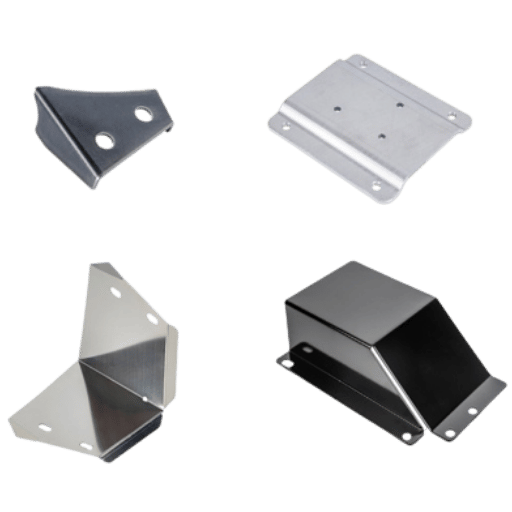
Bent metal sheets technically, and indeed practically, pose a myriad of uses across the industries concerning their versatility, durability, and ability to adapt according to specific structural requirements. A few of their applications are as follows:
Automotive Industry
Bending metal sheets has numerous applications in the fabrication of vehicle components, including chassis, body panels, brackets, and reinforcements. Precise applications require great strength with minimal weight, which increases fuel economy and vehicle performance. The application of aluminum and stainless steel sheets has increased because they offer the best strength-to-weight ratio and are resistant to corrosion.
Construction and Architecture
Clay metal sheets bent into shapes are an essential part of construction, particularly in mechanical activities involving roofs, claddings, framings, and other decorative architectural features. Weatherproofing and reliability being primary concerns, galvanized steel became a preferable metal. HVAC pre-bent sheets are also used for ducts and enclosures, allowing them to carry air flows without compromising structural integrity.
Aerospace and Aviation
Light and durable metals such as aluminum alloys are bent into forming components for aircraft frames, wings, and engine parts. Accurate bending processes are carried out to minimize sheet-to-sheet variations, thereby enhancing aerodynamic performance and reducing structural weaknesses. For instance, CNC bending processes have recently evolved to provide improvements in accuracy and consistency in aerospace applications.
Electronics and Telecommunications
In the electronics field, bent metal sheets are used for enclosures, heat sinks, and frameworks of instruments and telecommunication equipment. In high-performance electronics, copper, known for its efficient heat and electrical conduction, is bent and shaped according to cooling requirements, especially when sheet metal is bent for a custom application.
Energy and Renewable Resources
Bent metal sheets are utilized in the energy sector for various applications, including components of wind turbines, frames of solar panels, and pipelines in the oil and gas industry. To combat resistant environments and corrosion, stainless steel and other corrosion-resistant alloys are used in the construction of energy curbs and transmission works.
Custom and Artistic Applications
Besides industrial applications, bent metal sheets are also utilized in creative and artistic applications, such as custom furniture, sculptures, and signage. Aesthetic appeal and the possibility of complex shapes are the usual arguments that name very few metals, e.g., brass and corten steel.
With the advancement of material sciences and the development of precise bending methodologies, applications for bent metal sheets are expanding into both conventional and specialized sectors of modern industries. Hence, for optimal performance and cost efficiency, special attention should be given to key factors, such as the choice of material and the bending methodology, among others.
Manufacturing Process of Bent Metal Sheets
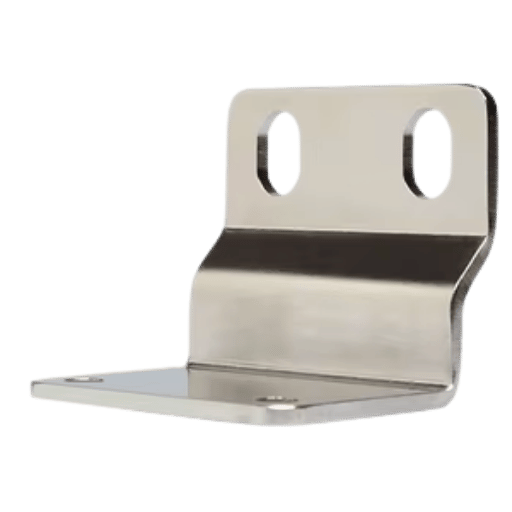
Overview of the Fabrication Process
The fabrication process of bent metal sheets comprises several key phases that are crucial to ensuring precision and durability in the final product. Generally, the process begins with material selection, during which factors such as strength, ductility, corrosion resistance, and others are considered to ensure that the selected metals are compatible with the intended application. Possible materials include aluminum, stainless steel, and carbon steel, each offering distinct advantages due to its unique chemical and mechanical properties.
After selecting the material, it is then cut and further prepared, usually utilizing one of the advanced methods, such as laser cutting, plasma cutting, or waterjet cutting, all of which ensure a very high degree of accuracy and clean edge-ends, thereby preventing wasteful work and allowing for precise bending operations.
During bending, the sheets of metal stock are loaded either through a process of gravity or must be forced into an angle or geometry by specialized machinery. CNC technology, for instance, is especially helpful in maintaining repeatability and accuracy when working toward a complex design. As appropriate, the subsequent processes shall be air bending, bottoming, or coining in accordance with the design and material properties.
Quality control is a crucial mechanism throughout the process. Measurements are made using digital devices, such as coordinate measuring machines (CMM), in the course of verifying dimensional accuracy and confirming adherence to the specified standards. The basis for this is to ensure that the designed specifications meet both structural and functional criteria.
Industry Insight: Recent industry statistics reveal that automation and robotics are being increasingly adopted in metal sheet fabrication. This, among other factors, has dramatically increased production speed and decreased labor costs while maintaining consistent quality standards. Moreover, machine learning enhances predictive maintenance and process optimization, adding the final touch to modern manufacturing efficiency.
Key Considerations in Sheet Metal Design
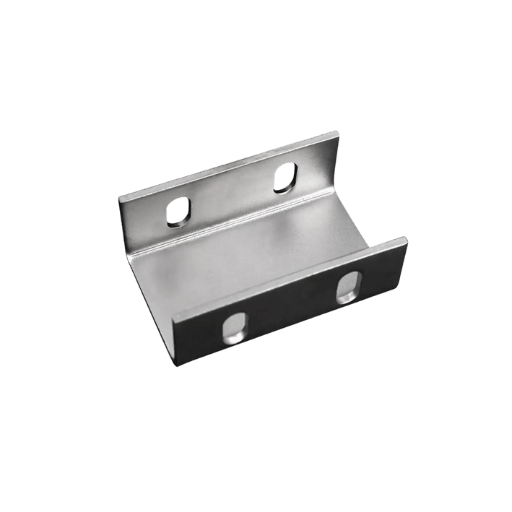
When dealing with sheet metal, several prerequisites are necessary for a design to optimize performance, manufacturability, and costs. One of the first considerations is the type of material that must be used. Aluminum, stainless steel, and carbon steel are common materials, each with its own unique properties, including corrosion resistance, weight, and strength. For example, aluminum is typically used when weight is of utmost concern, whereas stainless steel is used for applications subject to harsh environmental conditions.
✓ Design Best Practices Checklist:
- Choose materials based on strength, corrosion resistance, and weight requirements.
- Make sure the minimum bend radius is at least equal to the sheet thickness.
- Compromise on tolerance levels and restrict costs concerning processes.
- Use standard hole diameters and the exact flange sizes throughout the design.
- Avoid as many complex features as possible to reduce production and tooling costs.
- Leverage CAD software to model accurately and to predict stress points.
- Include springback in bend calculations.
- Consider simulation tools before manufacturing.
Thickness and bend radius constitute additional design elements affecting both function and manufacturability. For example, if the minimum bend radius is not maintained to conform with the guidelines for the material in use, the material may crack or lose strength during forming. Usually, the inside bend radius should be the same or bigger than the thickness of the sheet to retain the strength of the structure.
Designers should give due consideration to the tolerance, which may limit the variation in a dimension during manufacturing. Tighter tolerances may be necessary for applications requiring high precision, thereby increasing the complexity and cost of production. Hence, more attention should be given to balancing the tolerance needs and manufacturability for optimum production.
Another factor is the employment of design simplifications, such as consistent hole diameters, uniform flange dimensions, and the reduction of complex features. These methods streamline production, reduce tooling costs, and enhance the efficiency of the assembly procedure.
Technology Integration: Technological advancements also carry significant weight. Modern CAD enables precise modeling, while simulation tools allow designers to anticipate stress points and optimize the part even before production begins. Additionally, additive manufacturing and laser cutting are increasingly paired with traditional methods to provide great freedom in prototyping and small-scale production.
At this point, considering these key factors in the design phase will allow the finished article to be guaranteed against performance criteria while holding its cost and being manufacturable.
Understanding Bend Allowance and K-Factor
Bend allowance and K-factor are important theoretical concepts used in sheet metal fabrication to calculate exact dimensions for the bending operation. The bend allowance corresponds to the length along the arc of the bend, taking into account material deformation. This describes the change to the unfolded, flat length of the part. The K-factor is the ratio of the shift of the material’s neutral axis as compared to the material thickness during bending. This ratio determines whether a material compresses more or stretches less, thereby determining the actual bend dimensions, which vary according to the material used. These calculated values allow consistency with design and manufacturing accuracy.
Benefits of Using Bent Metal Sheets
Enhancing Structural Integrity
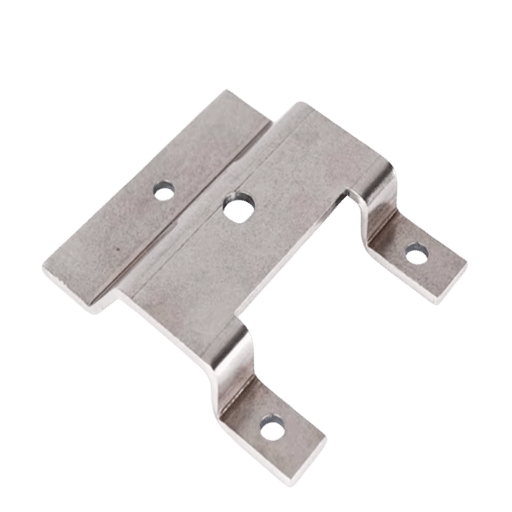
Bent metal sheets primarily enhance the structural integrity of various components due to their strength and durability. From a bending standpoint, a succession of changes occurs within the internal structure of the material as the grain flow is altered along the bend, thereby ensuring a higher load-bearing capacity. Studies show that this relieves the stress induced by fatigue on the material, allowing the sheet’s surface to distribute the stress evenly, which is crucial for high-load applications.
Structurally, bent metal sheets are primarily used for reinforcement in beams, columns, and braces, as the metal is subjected to both compression and tensile forces. They are also more resistant to deformation under very high pressure, which is critical to safety and performance standards.
Since they offer the advantage of reducing weight while maintaining necessary strength, the use of high-strength alloys in the shaping and bending of metal sheets is a significant advantage. This method finds great use in fields such as aerospace and automobile manufacturing, where every effort is made to reduce weight without compromising on quality. Advanced simulation technologies, coupled with high-accuracy bending equipment, now tend to supplement these processes to achieve excellent structural results in the most demanding applications.
Cost-Effectiveness in Production
The use of modern metalworking processes has significantly reduced manufacturing costs. Through precision bending and the use of automated systems, production lines can achieve higher throughput while minimizing material waste. Industry estimates suggest that these technologies can reduce material costs by up to 20% due to smaller tolerances and improved material utilization. Additionally, automation reduces labor costs by making repetitive work less demanding, allowing human capital to be utilized in higher-value activities. Lower material costs and reduced labor effort result in lower production costs, enabling more competitive pricing in industries such as construction, consumer goods, and industrial equipment manufacturing.
Versatility in Applications
Modern manufacturing processes and automation technologies offer significant opportunities for versatility across a wide range of industries. Additive manufacturing, also known as 3D printing, is crucial in the aerospace, automotive, and healthcare industries, each of which requires a high degree of design complexity and individualization. The research suggests that materials for 3D printing are expected to grow in the market by more than 20% annually due to their flexibility and rapid methods of prototyping and manufacturing.
Additionally, CNC machining remains a vital component in the production of high-precision parts utilized across various industries, including electronics and medical devices. The global CNC market, considered essential for manufacturing intricately designed parts with minimal tolerances, is projected to reach nearly $125 billion by 2030. Automation will enhance these capabilities, for instance, through robotic assembly in manufacturing, which exponentially improves productivity while maintaining high-quality output.
This multifaceted flexibility addresses the growing industry needs of businesses that must remain competitive in dynamic market environments. By utilizing these versatile technologies, companies can seek solutions for customization and address issues related to the scalability and efficiency of various applications.
Innovative Uses of Bent Metal Sheets
Architectural Applications
Bent metal sheets tend to be of primary interest for modern architectural needs, where practical needs and aesthetics interplay. The flexibility that bent metal panels offer allows for the creation of unusual shapes and seamless curves that are essential in contemporary facade, roofing, or element design. For instance, aluminum and steel are often used as materials because they possess a high strength-to-weight ratio, excellent corrosion resistance, and are highly versatile. Such research reveals that façade systems with bent metal paneling can reduce energy consumption in buildings by enhancing thermal insulation and natural ventilation.
Due to architectural advancements, the perforated, textured metal mesh type has become an element of decoration, creating patterns in building design while also serving a practical purpose: diffusing sunlight and absorbing sound. One popular application is the use of high-rise buildings with bent aluminum panels, where aerodynamic forms reduce wind drag on the building and enhance its structural stability. Recent developments in CAM technology for manufacturing applications have improved the precision and customization of bent metal sheet applications, allowing architects to create highly complex designs while minimizing material waste and increasing efficiency. With this trend in the development of construction materials, bent metal sheets will continue to be key precursors to sustainable yet all-encompassing design architecture.
Automotive Industry Innovations
Additionally, there have been significant innovations, including the integration of lightweight materials, such as aluminum and high-strength steel, into vehicle design. These materials essentially reduce energy consumption by reducing weight, without compromising safety and durability. Bent metal sheet use also rises aerodynamic efficiency, thus yielding better performance and energy savings.
First and foremost, the advancement of electric vehicles has increased the demand for accurately machined metal components. Battery enclosures require a formation technique in bent metals that promotes strength, heat resistance, and minimum weight. The most recent market analysis predicts that the global EV market will witness growth at a CAGR of 23.1% from 2023 to 2030. This period of rapid growth also underscores the need for innovative metal fabrication methods to support automotive sustainability.
Apart from this, the rise of production automation and robotics has streamlined the production cycle, thereby increasing precision and shortening lead times. The fusion of CAM-based manufacturing systems with AI provides the required flexibility for rapid prototyping and scaling up from traditional to electric vehicles. These technologies continue to keep the automotive sector at the forefront of industrial evolution and environmental conservation.
Future Trends in Metal Bending Techniques
Technological enhancements and sustainable methods are shaping the future of metal-bending techniques. One significant trend is the incorporation of adaptive bending machines equipped with sensors and IoT technologies. In these machines, continuous monitoring and adjustments are made to reduce material waste and improve precision levels. Additionally, artificial intelligence and machine learning are enhancing their bending operations by predicting metal behavior under specific conditions and automating complex tasks that were previously carried out manually.
The other relevant occurrence is laser-assisted bending, whose advantages include better accuracy and the ability to perform ultra-high-strength mechanics, depending on industrial demand — notably in the aerospace and automotive sectors. Therefore, manufacturers can produce complex components with minimal damage to the structural requirements. These, however, are part of the growing trend of hybrid systems that combine traditional bending with additive manufacturing. They enable the generation of composite designs that leverage the advantages of multiple materials to achieve improved product performance and durability.
Sustainability Focus: Industry data indicate a shift toward greener metalworking mechanisms, particularly in terms of energy consumption during bending operations. In an attempt to curb CO2 emissions and maintain throughput levels in the bending of sheet and plate materials, they have become a favored solution, offering energy-efficient servo-electric press brakes. These developments propel metalworking into a future where productivity, innovation, and sustainability naturally converge.
Frequently Asked Questions (FAQs)
Q: What is the process to bend sheet metal?
A: Generally, sheet metal bending utilizes machine equipment-a typical example being the press brake-which exerts forces onto the material at specified angles. The process of bending enables the formation of various shapes and plays a vital role in sheet metal fabrication.
Q: What factors affect the bend radius in sheet metal bending?
A: Factors such as the thickness of the material, the type of metal used, or the bending method can influence the bend radius used during sheet metal bending methods. If one bends from a small radius, commonly a thicker sheet is used; softer metals permit tighter bending radii.
Q: How do you minimize springback when bending metal?
A: To minimize springback during bending, consideration for lay-out bend allowance must be given, while contextually adjusting the bend angle. Furthermore, the proper use of the k-factor would greatly assist in predicting springback and achieving better results.
Q: What types of materials are commonly used for bending sheet metal?
A: The metals most commonly employed in bending sheet metal are mild steel, galvanized steel, aluminum, and stainless steel. Each material has distinct material properties that affect bending; the softer a material is, the easier it is to bend, and vice versa. For example, aluminum works differently compared to steel.
Q: What are some tips for bending sheet metal without damaging it?
A: The procedure to bend sheet metal, avoiding damage, includes making use of suitable tools like a press brake tool with correct tonnage settings. Furthermore, ensure that your bend lines never cross previous bends, and keep in mind the properties of your metal to avoid over-deformation.
Q: What is the significance of the bend angle in sheet metal fabrication?
A: In sheet metal fabrication, the bend angle is significant in providing the final shape to the sheet metal part. By accurately controlling the bend angle, one achieves a dimensional tolerance in the part, ensuring it fits its intended application.
Q: How can I achieve multiple bends in a single piece of sheet metal?
A: To perform several bends in a single piece of sheet metal, one must plan carefully for the bending sequence and analyze the method used for bending. The use of a hydraulic brake press is particularly effective in providing the control and force needed to form more complicated geometries.
Q: What are the design tips for bending sheet metal effectively?
A: Some good design tips for bending sheet metal include choosing the right material thickness, bend radii, and designing for springback. Adding flanges is also good because it aids the strength of the bent sheet metal parts.
Q: What are the common metal bending methods used in sheet metal fabrication?
A: Air bending, bottom bending, and coining rank among the most common methods in metal bending. Each technique presents different advantages and is selected based on the desired bend angle, the type of material, and the thickness of the sheet metal to be fabricated.
Conclusion
Bending sheet metal is at the heart of modern manufacturing, enabling maximum flexibility and precision across various industries. This article has walked you through the very basics of bending techniques and tools, all the way up to automotive, aerospace, construction, and architectural applications of the highly diversified world of sheet metal fabrication.
Continued advances are now being seen in sheet metal bending, thanks to the emergence of adaptive bending machines, laser-assisted methods, and machining via AI, among other developments. Thus, the sheet metal bending process of the future will far excel in terms of speed, frugality, and precision. From working out the material selection for a particular application to developing components with the best bend allowances to studying the latest manufacturing techniques, knowledge, and practicability in the art of sheet metal bending will ensure success in today’s industrial competition.
It remains an exciting challenge for the bending industry as they push the boundaries in the realm of bent metal solutions that are ever-changing to meet technological industry demands with the combination of material, tools, and technique, along with design consideration, keeping in mind costs and structural integrity.
Reference Sources
- Case Western Reserve University – Sears think[box]: Equipment information for working with sheet metal, including bending and shearing processes.
- Massachusetts Institute of Technology (MIT) – Lecture Notes on Sheet Metal Forming: Academic documentation on the mechanics and properties of sheet metal forming and bending.
- Top Acrylic Sheet Manufacturers and Suppliers in China
- Sheet metal industry resources and technical documentation