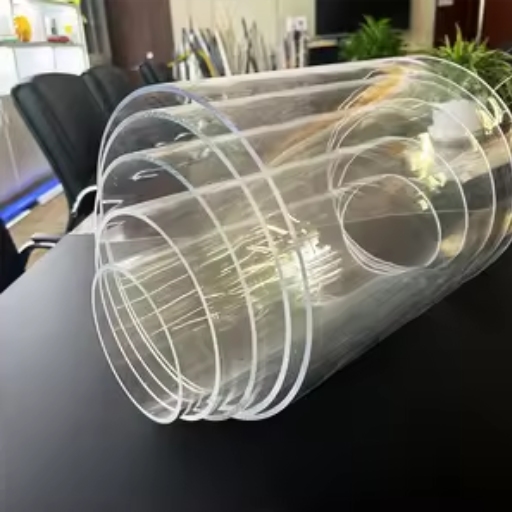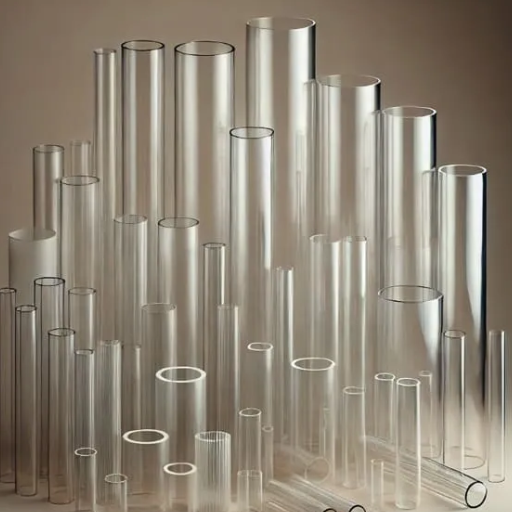

Medical technology advances have transformed healthcare delivery systems because medical device components serve as crucial components of most scientific breakthroughs in the field. Modern medical equipment depends on acrylic tubes, which provide superior precision and durability and multiple usage options. This blog post will explore the pivotal role of medical device acrylic tubes, which their distinct properties to improve patient care and device functionality and healthcare solution dependability. The article shows why these specialized components matter to medical professionals and device manufacturers and people who want to learn about healthcare technology.
Introduction to Acrylic Tubes in Medical Devices
What is Acrylic Tubing?
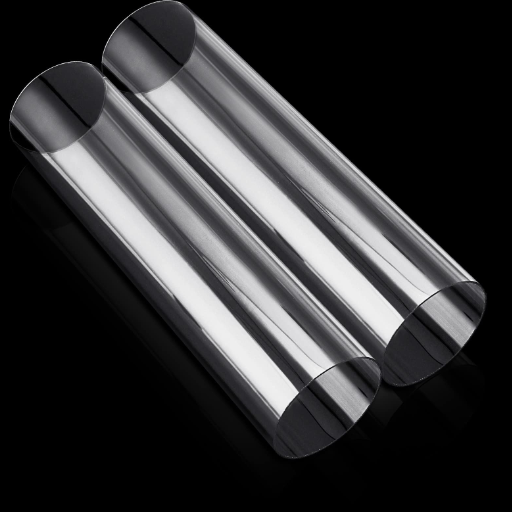
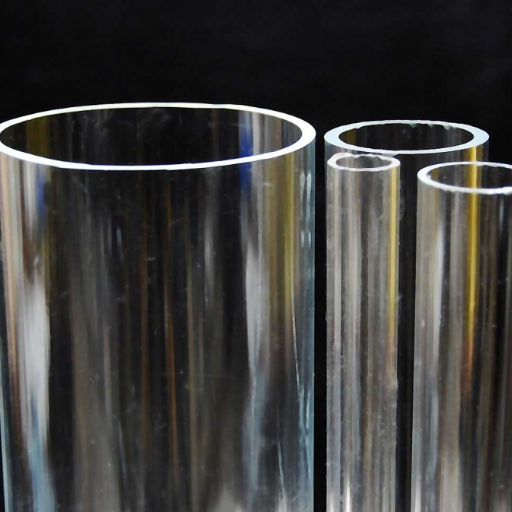
Acrylic tubing serves as a multifaceted and long-lasting material that medical device manufacturers use because it provides superior optical properties and lightweight construction and exceptional durability. Acrylic tubes which manufacturers create from polymethyl methacrylate (PMMA) show outstanding resistance to chemical exposure and temperature extremes and physical damage which enables their use in multiple medical applications. Devices which include fluid delivery systems and laboratory equipment and surgical instruments make use of these materials because their biocompatibility allows safe contact with delicate biological systems. The tubes maintain precise dimensional stability which healthcare solutions require to achieve their operational accuracy and performance standards. Modern medical technology advancement depends on acrylic tubing because its adaptable properties and reliable performance characteristics make it essential to medical applications.
Benefits of Using Acrylic in Medical Applications
Acrylic materials provide multiple benefits which make them essential for use in medical fields. First, acrylic biocompatibility guarantees its safe application with human tissues and fluids because it protects against harmful reactions. The material’s lightweight yet strong construction enables manufacturers to produce medical equipment and devices which maintain their strength without adding extra weight. The material provides outstanding clarity which medical professionals need to observe surgical tools and diagnostic equipment while using protective barriers to achieve their desired results. The material’s chemical corrosion resistance provides extended durability in settings which experience regular contact with disinfectants and sterilization methods. The unique properties of acrylic make it an excellent material for developing healthcare technologies which enhance patient treatment methods.
Comparison with Other Materials: PVC and Polycarbonate
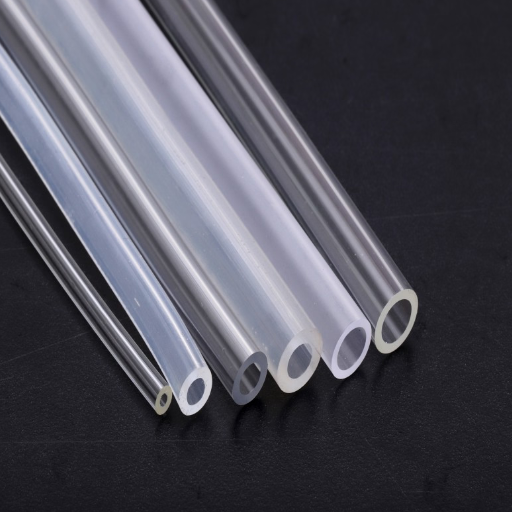
Acrylic exhibits specific distinctions through its comparison with PVC and polycarbonate.
| Material Type | Key Characteristics & Usage | Limitations in Medical Settings |
|---|---|---|
| PVC | Widely used in construction; affordable pricing and long-lasting performance. | Lacks optical clarity; weighs more and protects against impacts less effectively. |
| Polycarbonate | Excellent impact resistance; withstands high-impact forces; used for bullet-resistant windows. | Higher costs; diminished UV protection; develops yellowing/degradation without stabilizers. |
| Acrylic (PMMA) | High optical clarity; UV degradation resistance; lightweight and affordable solutions. | Effective middle solution between PVC’s low cost and polycarbonate’s high strength. |
The construction industry and piping sector widely use PVC because it offers both affordable pricing and long-lasting performance. The material does not meet the requirements for applications which need transparent materials because it lacks the optical clarity found in acrylic. PVC becomes less usable than acrylic because it weighs more and protects against impacts less effectively in situations which require materials that are both light and see-through.
The excellent impact resistance of polycarbonate enables it to withstand high-impact forces better than both acrylic and PVC materials. The construction of bullet-resistant windows and protective equipment requires extreme strength, which makes polycarbonate the appropriate material choice. The material exhibits higher costs which lead to diminished UV protection compared to acrylic because it develops yellowing and degradation when exposed to outdoor conditions without UV stabilizers.
Acrylic provides multiple benefits through its ability to deliver high optical clarity and UV degradation resistance together with its lightweight design which results in affordable solutions for various applications. The material serves as an effective middle solution between PVC’s low cost and polycarbonate’s high strength because its chemical resistance and easy fabrication make it suitable for industries such as healthcare construction and design.
Properties of Acrylic Tubes
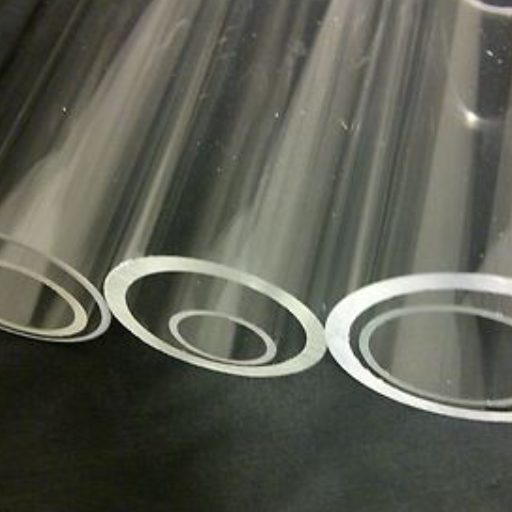
Wall Thickness and Its Importance
The performance and application suitability of acrylic tubes depend on their wall thickness which determines their capacity to work with different uses. The tube’s structural strength increases through thicker wall construction which makes the tube suitable for high-pressure use. The two design requirements of aesthetic applications need architects to use materials that provide both flexibility and transparency. Industrial systems such as fluid transport networks use wall thickness to maintain structural integrity while withstanding mechanical loads. The use of thinner walls in decorative applications enables products to deliver both functional performance and attractive design. The selection of suitable wall thickness through the right process helps tubes reach their peak operational efficiency while protecting users and satisfying particular application requirements.
Chemical Resistance and Optical Clarity
Acrylic tubes serve as a dependable material choice for environments that contact various chemicals because of their outstanding ability to resist chemical attacks. The materials demonstrate high resistance against multiple acids and bases and hydrocarbons, which makes them appropriate for chemical processing and laboratory operations and industrial storage systems. Acrylic materials show vulnerability to damage from specific solvents which include ketones and esters and certain aromatic compounds. The specific chemicals that an acrylic tube will encounter must be known because this knowledge directly affects the tube’s ability to maintain its durability and operational capacity over time. The tubes fulfill the requirements of multiple industries because their combination of chemical resistance and transparent strong acrylic material.
materials are extensively used in medical applications owing to their outstanding optical clarity, which is product. in large helps to better viewing and precise work. This is what makes polymethyl methacrylate [PMMA] an ideal candidate within the broad spectrum of medical devices including flow meters, chambers, and fluid management in situations where the accuracy of observation is critical. Beyond this, the transparency of acrylic allows for better view during diagnostic/therapeutic procedures which in turn may improve the level of precision and usefulness. Also, its lightweight yet strong form complementing the above, helps in handling and making it resistant to sterilizations for the care of equipment used. Both aspects contribute to the reason acrylic is now the preferred material in pushing forward the developments of medical technologies since they are in sync to the requirements and expectations of the sector in terms of high precision.
Applications of Clear Acrylic Tubes
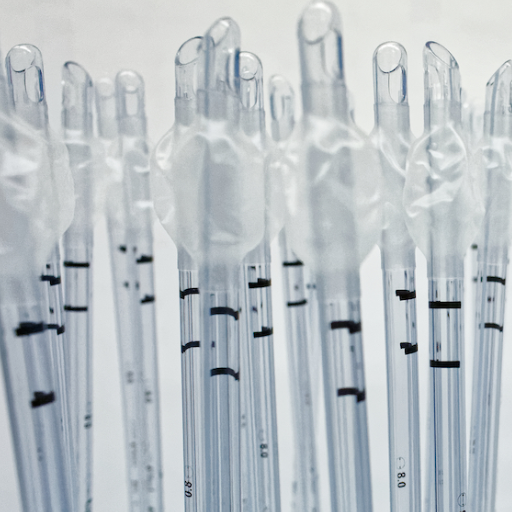
Utilization within Systems Supplying Liquid Media
The role of transparent acrylic tubes is essential in any supply of liquid media due to their capacity to withstand high temperature operation and the inability to form chemical corrosion. Besides the times when there is a necessity to monitor the flow of the liquid being handled, such as in an industrial setting and in particular in the areas where a lot of liquid is transferred, a transparent material is even more preferable when such a liquid is being transmitted. Furthermore, with the tubes being so light, they can be easily handled and fixed when required hence applicable in both industrial and clinical sectors. In addition to the said, the acrylic tubes are crafted in such a way that they can take up shock or changes in environmental pressures and temperatures which make them a reliable mode of transporting fluids across all spheres. Such types of tubes are commonly used in situations where performance needed is of the essence and customization is required.
Usage in Diagnostic Apparatus
In contemporary diagnostic equipment, the availability of acrylic tubes is a key aspect in fluid transport; their application is very reliable. Their transparency makes it easy to observe and control the fluid levels such that they are used in instruments like blood analyzers and liquid dispensers. They are also chemically resistant and so they can work with different reagents and solutions, ensuring precision and sustained quality of results. Acrylic tubes can, given their flexible nature, be tailored to individual fittings of diagnostic equipment and no such significant precision and productivity would be possible. These tubes are very adaptive within these limitations, balance very well their lightness and strength, and are an indispensable feature of advanced diagnostic systems.
Surgical tools and Instruments
The application of acrylic materials in the fabrication of surgical tools and instruments is mainly because of their excellent characteristics. In particular, its optical clarity makes acrylic an ideal candidate in the manufacture of components such as lenses and covers for precision instruments in surgery. The specialties of this material consist of the fact that it is light and strong, which is extremely important for relieving the discomfort of medicine workers during long surgeries, and it is suitable for people to use it with during surgical treatment. The other material of this maiking it vagulation medical instruments of acrylic is that it is available on more injection moldable siimilar numixed prcoessess which enable the faster production of the shapes. These factors show the great potentials of this materials so as to enable the practical use of the new technology in this field of surgery.
Manufacturing Processes for Acrylic Tubing
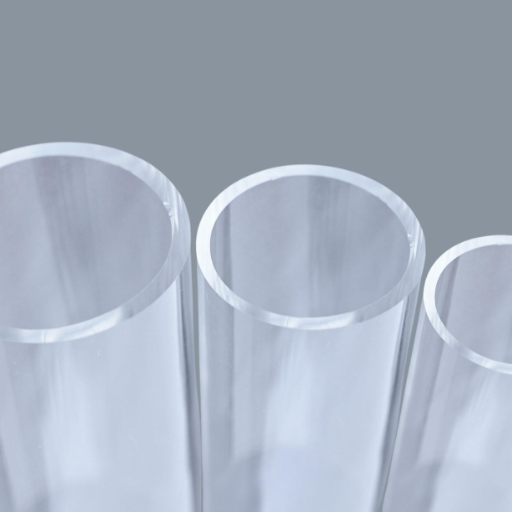
Making of Clear Acrylic Tubes
Surely, clear Acrylic tubes making is a techno-craft that is geared toward superior results hence it has to be imposed on a high level of proficiency. It starts with acrylic resin generally in the form of pellets or granules which is loaded either in an extruder. Acrylic resin is received at the extruder and the alloy is heated above its melting temperature and then is extruded from said extruder through a tubular or rodlike shaped die. It is this die which determine and control the eventual dimensions and thickness of the acrylic tube. When the molten mass flows out of the die, it is shaped gently and rapidly cooled to ensure preservation of its transparency and structural strength. One very important strand of activity as far as extrusion goes is the maintenance and monitoring of such differential change in temperature throughout the entire process. This is done so that appropriate appearance for the cylinder such as busa and smearing of the dinger – kanan loads or its ability to withstand external force properly is not missing in the advanced weaponry tubes. Such considerations in rejection and accessories in addition to speed of extrusion, quality of the resins and cooling, help in the development of sound flawless tubes. At the same time, improvements in the technology of extrusion for the manufacture of these tubes have been made, for example some systems have been fitted with computer controlled system which have been able to improve greatly the level of accuracy and productivity of manufacturing acrylic tubes that are used in the healthcare, industrial and general public sector purposes.
In conclusion, it must be noted that clear tubes of extruded acrylic paints is enough perhaps edited by the fact – that it is indeed a cross between pure science and also engineering. This is especially true when using modern technology which has made it possible to produce a wide variety of long lasting, extremely clear, and at the same time, very strict, slender walls of medical support tubing, for cold sensing transducers and glasses for nurses or sectors for surgery.
Quality Control in Acrylic Tube Production
Quality assurance during the process of making acrylic tubes is of utmost importance since each process carried out ensures that the finished product is clear, durable, precise in specifications, and worth the price. In the recent years, quality control has been carried out in stages enabling strict tests to be conducted at each stage of the processes. This has gone as far as testing the quality of raw materials, as well as checking the uniformity of the process of extruding materials, and inspecting the surfaces for any blemishes and damages. Some more modern techniques like the application of precision lasers measuring techniques or the use of non-invasive optical inspection devices are becoming more common so as to ensure that the tubes remain within the same dimensions and with the right clarity. Furthermore, the tubes made of acrylic need to be stress tested so that they are able to withstand damage due to changes in the environment and the conditions of installation. Such mantra to enhance quality enables the producers to invent highly dependable and high-performance acrylic tubes for different business sectors.
Emerging designs and customization
Emerging designs and customization concepts in relation to acrylic tubes have business owners worrying about offering solutions for specific requirements. These tubes are potential to be manufactured in a wide range of W x T x L variation, depending on the application requirements. Various options for coloring, gaskets, and finishes allow increased adaptability by each of the parameters. Precision cutting and working by adding or removing material are few of many procedures carried out with the use of advanced technology. Well adapted protocol showed the use of optical techniques to clear the grating of the thin film could be with the help of two techniques: welding and bonding. The endurance depend on selection of material- those which are resilient to UV rays’, harsh weather conditions, and those withstand shock conditions. Such altered scope facilitates and created numerous highly functioning parts to the extent that aim-based solutions are worked out for any given scenario.
Future Trends in Acrylic Tubing for Medical Devices
Advances in Material Science
From what I can tell, the quick developments in material science have greatly changed how acrylic tubing is used, mainly for medical applications. Scientists are increasingly concerned with making materials such as acrylic biocompatible and antimicrobial which are intended to improve the safety of a patient. These unique features are very important most of all in healthcare facilities for the reason that they prevent the development of undesirable organisms on the tube’s surface. The other enhanced properties of the material allow the acrylic tubes to now stand extreme temperatures as they do not melt. It is also possible to sterilize them with use of autoclaving and chemicals without the material being damaged or losing its shape. Such resistance is important in the medical sector when it comes to stringent practices and thin tubing.
This is a fascinating development to be sure to use advanced polymer blending technology to enhance the flexibility and resistance. These material compositions result in poly(methyl methacrylate) tubes with excellent optical properties and higher mechanical strength. Such a subfanction is important for the nanolayering technology which is used to enhance materials. An example is nacoatings that are added to the surfaces of materials to increase the resistance to scratching, or UV or to make drugs stick to these materials. Such a trend is not only advantageous for non traditional uses of acrylic tubes in post escalation areas in medicine but also makes it possible to create new kinds of equipment for endoscopic and dynamic cardiac procedures.
Sustainable material integration into the acrylic tubing industry seems to be a major trend that is catching on. The use of bio-based acrylics as a replacement of the common acrylic monomers has been initiated and promoted effectively in the practical laboratories. This helps to save the environment while providing products that have the same functionality as petrol-based ones. Conversely, these resources are not expected to be completely let loose as more and more industries will seek to reshape towards the global goals. The material science data shed light how the improvements work in professionalism, sterility, and operational mechanisms.
Opportunity to Enhance Biocompatibility
As the advances towards biocompatibility go further, acrylic tubing could possibly be used for even more medical procedures. Scientists have resorted to further look into surface treatment, both mechanical and chemical like plasma treatment and nanoparticle deposition treatment, in order to achieve the right compatibility with the human tissues and fluids. Such efforts on the other hand, strive to reduce the chances of immune responses, rejection and the development of phobias especially well with the use of catheters, can aid in blood transfer systems, and also help in implantable devices. At the same time, introducing the substances that oppose microbiological infection into the acrylics now becomes very timely to minimize the risks of infections during the surgery procedures. Currently,e no explicit time frames are specified due to the pace of scientific aspects but it is clear that the development of more advanced acrylic tubes with the maximum biocompatibility is quite feasible.
Economic Demand And Supply Of Healthcare Services
The use of acrylic tubes in the medical field has been growing over the years and this is due to the increase in prosthetics and the consciousness of the safety of the patients. As the health sector keeps expanding worldwide as well as the increase in the number of chronic diseases in the society; there is an increase in demand for smart devices that are normally used in the medical field and most of them are made using acrylic tubes due to its robust nature, clarity and malleability. Furthermore, the percentage of patients who undergo controlled surgeries has grown significantly due in part to the increasing trends of the use of conversion technique, where precision and accuracy are needed the most. Also, there is a high level of biocompatibility and sterilizability in many materials based on acrylic tubes in the perspective of regulating bodies. In addition to this, the utilization of acrylic tubes provides insight on its potential in technology such as micro fluidic chips and the supporting service system in healthcare.
Reference Sources
- The Failure of Synthetic Polymeric Medical Devices: Research on the challenges and failures of synthetic polymers, including acrylic, in medical device applications.
- Modification of Relevant Polymeric Materials for Medical Applications and Devices: This paper discusses the use of acrylic polymers in medical applications, such as scaffolds and adhesives.
- Polymers in Medical Applications: A book detailing the transition of plastic materials, including acrylic, into life-saving medical devices.
Frequently Asked Questions (FAQs)
What is a medical device acrylic tube and what materials is it made from?
A medical device acrylic tube is a transparent plastic tube commonly made from polymethyl methacrylate (PMMA), also called acrylic or plexiglass acrylic. It is a popular material in the medical industry because it is lightweight, low density, and provides high-quality optical clarity similar to glass. These tubes can be extruded acrylic or cast acrylic tubes depending on the manufacturing process used to extrude or cast the polymer. Because acrylic is a rigid plastic, clear plastic tubing and acrylic pipe are often used where rigid, transparent tubing is required in lab equipment and medical equipment. The material is non-toxic and compatible with many applications in the medical field and laboratory equipment. Many medical professionals prefer PMMA for applications that require a clear acrylic tubing alternative to PVC tubing or nylon tubing.
Is acrylic tubing safe and chemical resistant enough for medical equipment?
Acrylic offers good chemical resistance to many common disinfectant solutions and is considered non-toxic, making it suitable for many common medical applications. While acrylic is not as chemical resistant as some engineered polymers, clear acrylic tubing is resistant to mild solvents and disinfectant exposure used in lab and medical settings. Tubing cutters and proper handling reduce the risk of abrasion or scratching, which can harbor contaminants and affect cleaning. For harsh solvents or prolonged exposure to aggressive chemicals, alternative polymers like certain high-performance polymers may be more appropriate. Always verify compatibility with your specific solvent or disinfectant to ensure tubes are used safely in medical equipment.
How do extruded acrylic and cast acrylic tubes differ for medical use?
Extruded acrylic tubing is produced by melting and forcing polymer through a die to extrude a continuous tube and tends to be more economical acrylic with consistent outside diameter and wall thickness. Cast acrylic tubes are formed by casting liquid monomer into molds to produce thicker, higher-quality tubing with superior optical clarity and better scratch and abrasion resistance. Extruded acrylic is often chosen for applications where lower cost and longer lengths are needed, while cast acrylic is selected when premium clarity or tighter tolerances are required. Both are types of acrylic and are transparent, but the choice depends on the intended use in the medical field or laboratory equipment. Medical professionals will evaluate whether the specific type of acrylic meets the required standards for their device or equipment.
Can acrylic tubes be used for IV drips, catheters, or other direct patient-contact devices?
Acrylic tubes are commonly used in external medical devices and components but are not typically used as flexible catheters or primary IV drips because those applications require highly flexible, biocompatible polymers such as PVC tubing or specialized silicone. Tubes may be used as rigid housings, manifolds, or sight tubes in devices that support IV drips and lab equipment rather than for fluid delivery directly into the body. For catheter applications, designers usually select materials that are flexible and compatible with insertion, whereas acrylic is a rigid plastic better suited for enclosures or transparent windows. If a rigid, transparent component near an IV assembly is needed, clear acrylic tubing or acrylic pipe can be a suitable, non-toxic option. Always consult regulatory and medical device guidelines to confirm compatibility and safety for patient contact.
How should I size acrylic tubing, including diameter and outside diameter (OD), for medical applications?
Sizing acrylic tubing requires selecting the correct inside diameter and outside diameter (OD) to match fittings and flow requirements; many suppliers list both OD and wall thickness so you can calculate the inner diameter. Common sizes include small diameters used for sight glass applications and larger sizes, sometimes around 1 inch OD, for structural or fluid conduits. Be sure the chosen diameter is compatible with existing connectors and that the tubing is rigid enough to maintain shape under expected pressure or mechanical load. For precision medical and laboratory equipment, measure and confirm tolerances, as tubes may vary between extruded acrylic and cast acrylic tubes. If cutting is required, use appropriate tubing cutters designed for rigid plastic to achieve clean ends and avoid cracking.