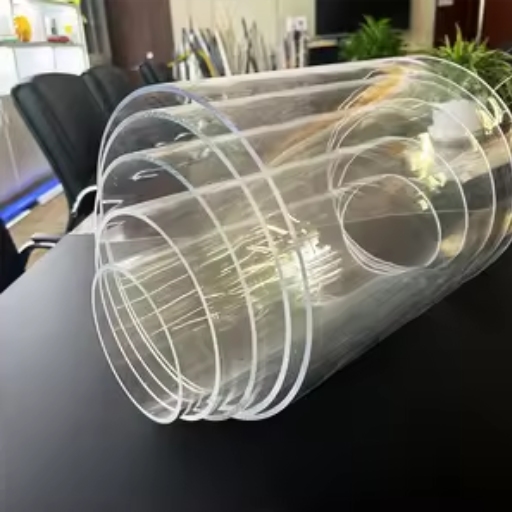

Understanding Medical Grade Tubing
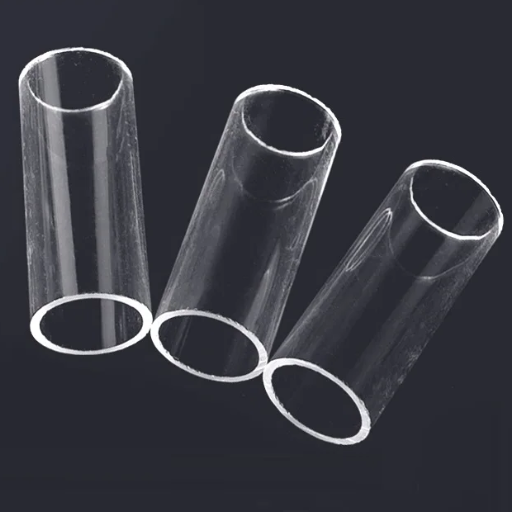
What is Medical Grade Tubing?
Medical grade tubing refers to specialized tubing designed specifically for use in healthcare and medical applications. The product uses biocompatible materials which satisfy strict regulatory requirements to protect patient safety while maintaining product performance. The tubing finds extensive application in fluid management systems and drug delivery systems and catheter construction and surgical instrument development. Medical grade tubing needs to combine flexibility with durability while also providing protection against chemical exposure and extreme temperature conditions because it uses polyethylene and silicone and PVC and polyurethane as base materials. The tubing production process uses advanced manufacturing techniques to achieve specific cleanliness standards and precise tolerance requirements which are essential for medical applications.
Types of Medical Grade Tubing Materials
The medical grade tubing materials most frequently used in my research study include polyethylene, silicone, PVC, and polyurethane. These materials provide distinct properties which make them suitable for different medical purposes. The lightweight polyethylene tubing material offers excellent durability together with complete protection against both moisture and chemical substances. The flexible silicone tubing material provides biocompatibility which makes it suitable for use in both peristaltic pumps and surgical drains. The strength and versatility of PVC enable its common application in both catheters and IV lines which require dependable performance. The medical industry uses polyurethane because it provides both elastic properties and protection against wear which makes it ideal for catheters and wound dressing materials and various medical devices that need to move.
The medical field uses both common materials and contemporary advanced materials which manufacturers develop to create specialized medical tubing products. The rising popularity of thermoplastic elastomers (TPEs) stems from their ability to combine the positive features of plastic materials and rubber materials which results in improved rubber-like properties and chemical protection. Fluoropolymers such as polytetrafluoroethylene (PTFE) serve applications which need materials to withstand both extreme temperatures and chemical exposure during harsh sterilization procedures. The selection of each material depends on clinical needs together with the specific fluids or gases utilized and the necessary compliance with regulatory standards to guarantee safe medical operation.
Benefits of Using Medical Grade PVC
Medical grade PVC offers numerous advantages that make it a widely used material in the healthcare industry. The material achieves exceptional flexibility which enables it to be molded into various medical products such as tubes and containers and essential medical components. The material PVC provides superior durability which enables it to maintain its functionality throughout demanding hospital environments. This material contains non-toxic and biocompatible properties which secure its safety for direct contact with bodily fluids according to strict medical requirements. Medical grade PVC can undergo sterilization through steam chemical and gamma radiation methods because these methods do not affect its structural properties. The material’s chemical resistance enables it to safely contain medications and saline and blood products while protecting against contamination. Medical grade PVC enables healthcare organizations to provide better patient care by delivering cost-effective solutions which comply with contemporary healthcare industry regulations.
Properties of Clear Tubing
Non-Toxic and Safe for Medical Use
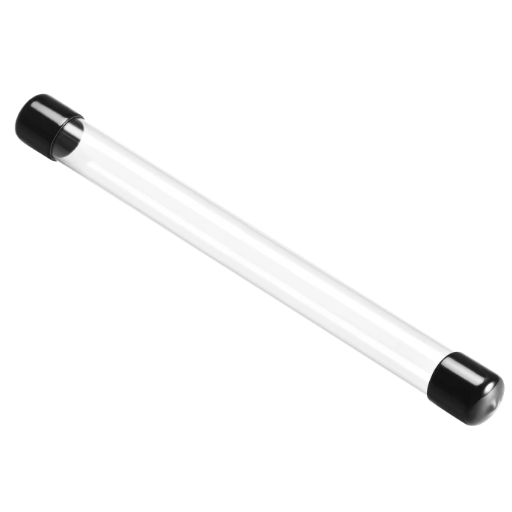
Medical grade clear PVC tubing which medical professionals use has been developed through engineering processes to achieve functionality as a medical-grade material which contains no harmful substances. The materials meet regulatory standards which include ISO and FDA requirements because they contain no dangerous pollutants and can safely touch human skin. The product’s non-toxic characteristics allow its use across multiple fields including intravenous lines and catheter systems which require complete protection of patient health. The development of new materials allows manufacturers to create tubing products which combine strong durability with complete resistance against chemical leaching to maintain their original state during fluid transfer. The system guarantees complete protection of patient treatment processes while maintaining the highest standards of safety protection.
High Impact Resistance and Durability
Modern medical tubing provides exceptional protection against impacts while maintaining its operational reliability through its complete durability, which remains intact under extreme clinical conditions. The advanced polymers and novel production methods of these materials enable them to endure heavy mechanical loads without experiencing any form of distortion or breakdown. The tubing maintains its highest performance level during medical procedures because it can handle both rapid pressure fluctuations and prolonged multiple usages. The strong construction of the system effectively reduces puncture and tear hazards which results in improved safety and operational efficiency. Medical tubing solutions accomplish essential medical needs through their advanced technology while delivering dependable performance in critical healthcare environments.
UV Protection and Its Importance
The protection from ultraviolet (UV) rays serves as a vital mechanism which protects human health and material resources from the damaging effects of continuous sun exposure. People who do not use proper protection face severe dangers from UV rays which cause skin damage and early aging and skin cancer development. The plastic materials and medical tubing which people use in outdoor environments will experience degradation through UV radiation exposure which causes their material to become brittle and lose color and their operational abilities to diminish. The development of UV-resistant coatings and materials through technological progress enables products to maintain their durability while their service life extends. The process of selecting materials which provide UV protection together with implementing proper shielding methods serves as a fundamental requirement for protecting human health and maintaining operational fidelity across different industrial fields.
Applications of Clear Rigid Tubing in Medical Devices
Range of Applications in Medical Devices
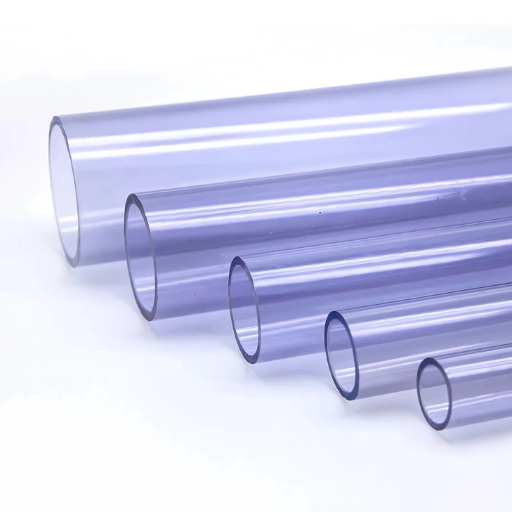
The transparent and durable and chemically resistant properties of clear rigid tubing make it essential for many medical device uses. The material finds extensive application in intravenous (IV) systems which require both exact measurement and complete cleanliness. Healthcare professionals use the clear system to monitor fluid movement which helps them deliver medications and nutrients correctly. Clear rigid tubing finds use in medical devices which include dialysis machines and surgical instruments to create strong and lightweight systems for transferring liquids and disposing of waste materials. The material becomes ideal for healthcare settings because it can withstand sterilization through autoclaving and chemical sterilant methods. The development of new clear tubing materials enables medical technology to create safer and more efficient solutions which enhance their usability in different fields.
Clear Acrylic Tube vs. PVC Tubing: Which is Better?
The selection process for clear acrylic tubes and PVC tubing requires assessment of four specific factors which include material strength and bending capacity and see-through ability and usage needs. Clear acrylic tubes provide exceptional optical transparency together with their strong structural integrity which makes them perfect for applications that require both aesthetic appeal and full visibility in display cases and lighting fixtures and decorative elements. The materials exhibit exceptional resistance to ultraviolet radiation and environmental degradation, which guarantees their extended durability in outdoor settings.
The flexibility and low cost of PVC tubing make it a preferred material for use in plumbing and medical applications and fluid transport systems. PVC tubing has a higher ability to endure pressure changes in comparison to acrylic which makes it more appropriate for uses that require bending and squeezing. The chemical resistance of PVC provides essential protection for both industrial facilities and healthcare environments. The selection between clear acrylic tubes and PVC tubing requires assessment of the exact needs for the particular application. For situations that require both toughness and high levels of transparency, acrylic represents the best solution. PVC tubing serves as the superior choice when flexibility and cost efficiency and chemical protection take precedence. The specific characteristics of each material help to make a proper decision which suits the planned application.
Innovative Uses of Vinyl Tubing in Healthcare
Healthcare systems have undergone a fundamental transformation through the introduction of vinyl tubing which combines multiple benefits of its flexible properties and strong construction and affordable pricing. The most important function of this material operates as medical-grade tubing which transfers fluids and gases through devices that include IV setups and catheters and respiratory equipment. The material serves as an ideal choice to maintain sterile conditions because of its flexible properties and ability to resist chemical reactions. The capacity of vinyl tubing to serve advanced imaging systems enables medical professionals to perform accurate contrast material delivery. The material serves an innovative purpose through its integration into medical devices which enables designers to create lightweight and comfortable products that enhance user experience for patients. The development of material science has enabled vinyl tubing to provide essential support for essential healthcare operations which maintain system performance across various medical use cases.
Advantages of Using Flexible Tubing in Medical Devices
Comparing Flexible PVC Tubing and Rigid Plastic Tubing
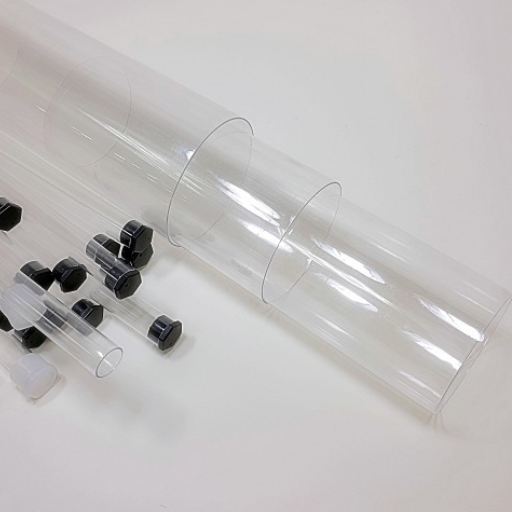
Medical applications require two distinct types of tubing because flexible PVC tubing and rigid plastic tubing provide different benefits that meet separate requirements. The flexible PVC tubing stands out because it can bend into different shapes which makes it suitable for applications that need movement between different positions. The flexible design enables continuous fluid and air flow through essential systems because it prevents kinking during operational times. The rigid plastic tubing maintains its structural integrity because it can withstand high-pressure situations without losing its original shape. The material’s strength makes it appropriate for permanent setups and situations that need almost no shape changes. The chemical and temperature resistance of rigid tubing exceeds that of other materials which makes it ideal for both sterilization procedures and specialized environments. Both tubing types serve critical functions in healthcare environments because healthcare facilities choose materials based on their specific needs and system requirements and the need to protect patient safety. Medical devices need a combination of flexible and rigid components which allows them to function properly across different situations.
Benefits of Silicone Tubing in Medical Applications
Because of its particular composition and distinct properties, silicone tubing is considered a material of choice in the management of health care. One of the main advantages is that it is highly biocompatible and presents no associated risks in the most vital surgeries such as drug administration, catheterization as well as fluid handling systems used in core bioreactors. Besides, silicone is considerably stretchy and durable making it easier to handle and with lowered possibility of the tubing kinking or breaking while it is deployed. It can also be used in a very high or low temperature including very high temperatures such as during dry heat sterilization and ultra-cold such as cryogenic containers. On the other hand, silicone tubing has exceptional chemical resistance properties which make it safer to other fluids and cleaning products used in a hospital. Besides, there are no reactive sites so bacteria does not get anchored where it can grow. These attributes have made silicone tubing a considerable and inescapable material in contemporary health sector, thus underscoring the objectives of framework performance and manufactures put attention to provision of services in the most sensitive, often referred to as cleanroom environments.
| High Temp Material | Max Service Temp | Key Characteristics |
|---|---|---|
| PTFE | 500°F (260°C) | Chemical inertness, low friction |
| Silicone Rubber | High Range | Great flexibility, biocompatible |
| Polyimide | Extreme Range | Structural strength at high heat |
High Temp Applications for Industrial Plastic Tubing
High temperature plastic tubing are engineered specifically to be able to function in extreme temperatures whilst also being able to perform its duties effectively. Commonly used materials include PTFE, polyimide, and silicone; since they have a great deal of heat resistant ability and strength. These types of tubes are widely used in industries such as aerospace, automotive, and chemical processing, where heating up machinery is a common thing. For instance, PTFE glass can handle temperatures of 500°F (260°C), which is the reason why it can be used in transporting high temperature fluids or gases. It is also worth noting that silicone rubber tubing is appreciated for its great flexibility and temperature resistance as it is capable of temperatures ranging over a wide spectrum while still being flexible. For the same reason, PTFE (polytetrafluoroethylene) tubing or high temperature plastic tubing is also beneficial as it is resistant to corrosion and chemical attack which ensures that material is reliable under extreme conditions. Adhering to these components is vital for ensuring that efficient systems are put in place for high temperature applications towards safety and consistency performance.
Ensuring Quality and Compliance in Tubing Manufacturing
The Necessity Of Non BPA Materials
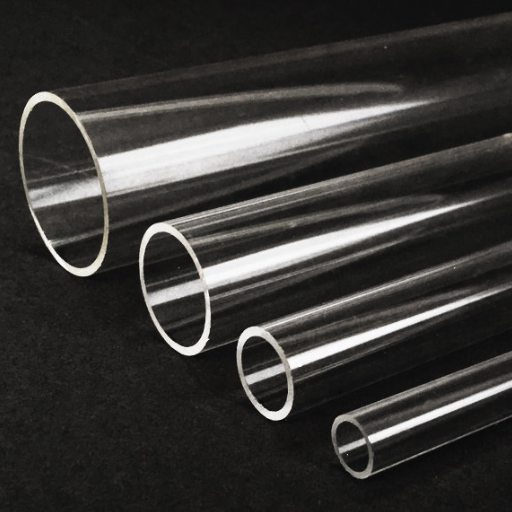
In the process of identifying the kind of hoses that are applied in the industrial, medicinal, and even domestic settings, I go for BPA-free substances for they bear health reasons and environmental grounds due to the safety of bisphenol A (BPA). As a popular element regarding the type of plastics and resins used in the synthetic industry, BPA has more recently been associated with health risks although there is no clear nexus between the two organs. Exposure to BPA, research says has the potential to negatively impact the female endocrine system through changing hormone balances which can be catastrophic to small population users such as babies and infants as well as pregnant women. Deliberately opting to use hoses that do not have BPA enhances this confidence and provides an assuredly safe work and user setting free of threatening elements for the users and their relevant purposes. Moreover, the use of BPA-free tubing is integral when it comes to the context of compliance. Nowadays, a majority of sectors especially those in the food and beverage sector as well medicinal field have stringent requirements like the aforementioned FDA and EU standards which oblige or motivate the use of BPA-free materials. I understand that there are best practices that should be adhered to from which safe integrity could be maintained the products and managed while management of the environment is also achieved through the prevention and minimization of harmful substances. I, for one, consider using BPA-free tubing a contribution to public health and even the environment.
Testing for Tensile Strength and Durability
For tubing materials to perform at optimal levels in various environments, it is imperative that resistant factor and endurance properties for instance ductility are achieved Testing also encompasses applying a controlled stress or strain to the tubing and determining its strength and wear and tear behavior. In this connection considerations include elongation at specific break-down level, pliability, and stamina against other applied load factor that is by repeated load. The use of the most recent ultrasound methodologies ensued, and also the load applied to the tubing was measured with cell phone and also environmental test became a tasted control test for close examination of each property. This exposition makes sure, how ever severe, that the tubing is up to the standards the product is designed to be within and is fit for use in another different series of sub tasks.
Compliance Requirements for Medicinal Plastic Tubing
For medical tubing to be deemed acceptable, it must be in compliance with certain regulations which are to be appreciated around the context of health care. National institutions like the Food and Drug Administration (FDA), regional ones like the European Medicines Agency (EMA), as well as international ones like the International Organization for Standardization (ISO) ensure the publication of relevant literature, which consolidate the specifications on the processing of materials, the biocompatibility, and the performance of medical grade tubing. Within the ISO 10993 series, biocompatibility of materials employed in the production of medical services has been clearly stated such that the chances for adverse risk are minimal. It is also noteworthy that medical tubing is also subject to the 21 CFR Part 820 GAR where the rules stress the importance and application GMP (Good Manufacturing Practice). One core requirement of all manufacturers is the need to identify the quality of the end product through precise tests like extractables and leachables analysis such that there are no harmful components that come out of the end product during use. Additionally, sterilization fitness, corrosive nature, pressure resistance are other important considerations that have to be made when designing a product and must fall within the regulatory stipulations. Confirmations from relevant bodies like the FDA will ensure that the suitability of such medical devices in clinical use is guaranteed.
Reference Sources
- Polymers in Medical Applications: A comprehensive guide on the use of polymeric materials, including clear rigid tubing, in medical applications.
- Polyurethane-Based Materials with Applications in Medical Devices: This study highlights the use of polyurethane and other materials in medical devices, including tubing components.
- Medical Devices, Medical Procedures, and Foreign Bodies: A detailed exploration of medical devices, including the use of rigid tubing in various applications.
Frequently Asked Questions (FAQs)
Is this PVC clear manufacturing made based on the USP Class VI standard comfort?
USP Class VI requirements set the Standard for many clear rigid tubings on the market whereby user-specific clear rigid tubing measures are availed, including those excessively tailored for medical and device venues. In fact, tubing which conforms to usp class vi tests for biological safety is frequently found in environments demanding high-grade pure or sterilizable commodities. Custom manufacturers tend to supply evidence that the given tubing was made within the Clean Room environment meeting the USP class VI or other specific FDA regulations with a soul to the need for gamma irradiation or ethylene oxide sterilization. Usual tubing qualities may not include much on the biological activity tests of as much as usp class vi, yet buyers should not forget that this standard also imposes some well deserved quality control including parameters such as optical transparency and thermal resistance. Therefore, in such situation, one should rather avoid using simple industrial tubing and apply such more durable options as, which do not contain any benzyl butyl phthalates or bisphenol A, clear plastic.
What kind of chemical properties of PTFE, FEP, and PFA tubing are most common in resistant to PTFE, FEP, and PFA material under the influence of heat?
Chemical and thermal resistance of PTFE, FEP, and PFA explains why they are the best materials choosing for medical applications. However, besides the property of being chemically inert, having lower coefficient of sliding friction, and withstanding high temperatures, PTFE tube also exhibit some chemical resistance towards most chemicals. This is not the case for FEP and PFA, where optical clarity improves along with extrusion ease, which is ideal for the ultracapsule processing and making. They are highly practical in cases where they can either be washed out, or exposed to high temperature sterilization such as autoclave and radiation. For applications where clear skies and high tensile strength are both mandatory, medical grade tubing that is composed of PTFE polymeric matrix and similar grade materials may be used.
Is clear PVC or polycarbonate tubing suitable for visual contact and optical clarity?
Clear PVC and polycarbonate clear rigid tubing provide good optical clarity and are commonly used where visual contact with fluid is important. Clear PVC is cost-effective and easy to mold, offer portability and reasonable chemical tolerability whereas polycarbonate resistance and temperature resistance is higher but it can be sensitive to particular chemicals. Both of these can be made into medical grades and potentially sterilized according to the ability and role of the medical device. Caution that some of the products may contain DEHP or other plasticizers unless specifically indicated that they are phthalate and bpa free. Opt medical tubing compatible with fda standards and the specific performance parameters needed for your intended use of the tubing.
How does the process of extrusion solidify medical tubing composition and fabrication by changing its physical properties?
The outset assumes that extruding thermoplastic as well as fluorinated tubing occurs, alongside sguare heating, optics, and mechanics. Generally, with conducting extrusion manufacturers regulate durometers, thickness of pipe wall, and even its surface texture in order to make sure that the tubing would behave in a way it is expected to with its low friction angle and good flow ability. It is possible to obtain as well as administer tubing with specific purity and processing for sterilization or chemical resistance. Extrusion processability is employed to the fullest since adhesion can be minimized and sticky materials do not create blockages in the lines. This is especially important when viscous liquid flows are in the device because most of the materials stick and find it difficult to move in. During extrusion the quality control checks that the tube complies with usp grade vi or other set regulatory and medical grade requirements when necessary.
Does compliant or highly compliant tubing perform just as well as or better than a piece of clear rigid tubing in component applications?
When comparing flexible and extra flexible tubing to rigid, it is quite obvious that the former is preferred over the latter. Also in medical device components, clear Rigid tubes can be used separately from flexible and extra flexible tubes. Applications of bendable materials like silicon tubing or many other elastomeric plastics provide the same properties as rubber and also work well without loosing their springiness and have good pressure sealing properties making them bring their technical advantages in dynamic systems or simply where a soft material must be used. On the other hand, Rigid tubes are shorter in length and denser in wall that delivers the most benefit. Consequently, those medical device parts which require very transparent materials tend to have the most optically superior quality since the latter is less concern with material that requires very high stability. In this case, other performance characteristics include resistance to mechanical wear, inactive sliding properties, and resistance to sterilization techniques in the form of gamma rays or ETO may be taken into account in the choice between flexible and unflexible options. For high purity handling of neutral substances where there is a need to see the flow, such as gas, clear plastic tubes that are low in color or white and made up of fluoropolymer resins are usually the products of choice.