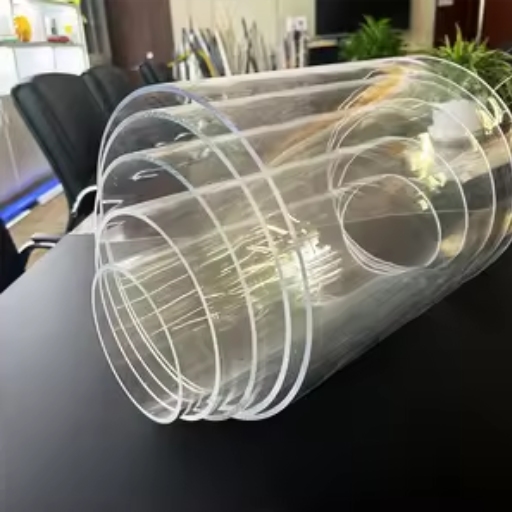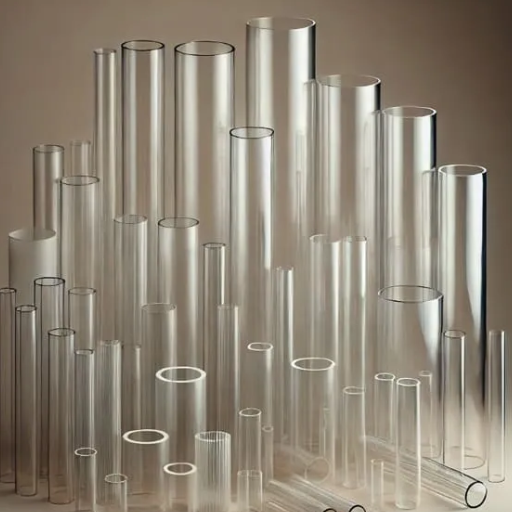

It is critical to consider the materials that are used for the design of tough or highly demanding environments as it makes a very important effect on the system and product. Acrylic tubes are another robust material available. This is due to the insulation capabilities and dedicated sealing properties it has when withstanding any applications involving a range of potentially harsh toxins. This is sustained enclosures and acrylic tubing is the property of which this paper expands into defending that such purposes, including harsh environmental exposure, are satisfied. In this regard, the resistance, compounding, and service life of such material will be assessed in the context of the industrial acrylic tubing, thus understanding why this material is still very much beneficial. It doesn’t matter if you are an engineer or a maker even an industrial corporation employee, this editorial will offer advice for the right kind of decision making on the materials during your next undertaking.
Understanding Acrylic Tubing and Its Chemical Resistance
What is Acrylic Pipe?
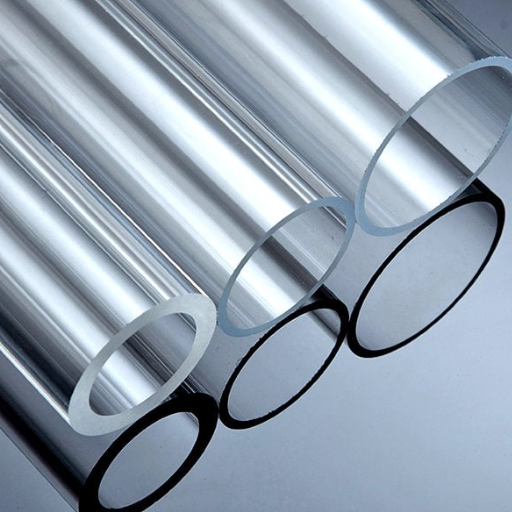
Acrylic pipe is a clear plastic tube made from the polymer polymethyl methacrylate (or PMMS). This plastic polymethyl methacrylate is popularly use in many clinical settings as well as in any other applications where excellent visibility is required. The chemical composition of the acrylic pipe is such that it is resistant to UV radiation as well as weathering and most chemical solvents which makes it useful in environments where there is expected stability over a long time. In addition, the acrylic pipe is produced in a wide range of sizes, shapes, and can be made to order which it involves fittings of laboratory equipment, architectural forms and industrial plant. It is also a flexible product which is useful in various applications. Its scratch-resistant nature and transparency makes it appropriate for every still but not necessarily.
Properties of Acrylic Tubing
Acrylic tubes have the advantage of high transparency which can go up to 92% transmission of light, thus outperforming and sometimes exceeding most glass products. This characteristic makes it a very popular choice when clarity is what the focus is. It has the added value of being a clear material with less weight when compared to glass, but manages to have the same strength as well as its ability to withstand shock. Acrylic tubes serve very well for outdoor purposes given that thus even with prolonged exposure to UV rays, do not become yellow or otherwise degrade. Latex has the potential of serving long-term outdoor applications due to its high weather-resistant properties. It also has remarkable properties due to the presence of several catalysts in it. For example, it is essentially impermeable to both acids and bases rendering it applicable in even very stringent industrial or laboratory operations. And because it is thermally stable, it shows combined behaviour in high and low temperature. So, acrylic tubing is applied both in high and low temperatures in the areas of interest due to the mentioned properties. They are also easy to work with as they can be easily cut, bent and formed into anything, unlike the other comparable alternatives like plastic tubes.
The role of Tubing regarding Chemical in the Industry
Chemical resistance is the most important factor in tubing among all the interests in tube applications due to the high usage of hazardous chemicals and solvents in several industrial processes; most especially in modern industries. Fine Chemical tubing abilities to resist chemical attacks not only provides extended working conditions but also improves the reliability of the tube usage when dealing with chemicals such as acids, bases, or solvents such as alcohols. This property being this vital in the manufacturing of drugs, in processing chemicals and in making medical products in which cases utility and moral strength cease describing its advantages. The use of such tubing with chemical resistance prevents damage due to chemical attack ensures cleanliness during transportation and prevents alteration in the process. The activity of selecting suitable tubing following chemical resistance is paramount for prevention of risk exposure and adherence to compliance research resources.
Acrylic Tubing Chemical Resistance Chart
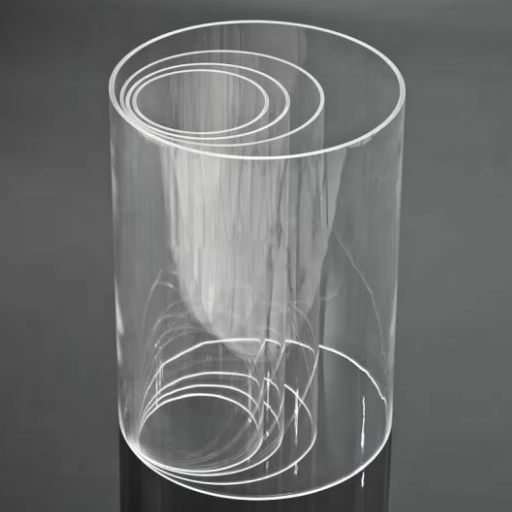
Chemical Resistance Chart in detail
A vacuum of tubing out of acrylic has rather complicated resistance to chemicals and any tubing material can be affected by chemicals. The chart was developed to help choose material for tubing and separate different chemicals according to their adverse reactions toward or depletion of acrylic. It is not rare to present this interaction as either resistant, moderately resistant or non resistant making it easier to identify which materials can be used for movement operations or confinement in the plant or laboratory setting. Chemical Resistance Chart now maintains its status as an essential tool for professionals who tend to manage the scrutiny of the process, as well as the enhancement of the operational standards of safety and quality with cost-effectiveness of the system.
The combinations of chemicals with Acrylic Tubing
Acrylic tubing manufacturers make use of this plastic material because of its x-ray vision, long service life, and resistance to chemical action. However, engineers should also be aware experience has shown that facts are on how common or compatible different chemicals can be when coming into contact with this particular polymer for some uses. The use of alcohols, for instance, has laser etching patterns in readable form. This paragraph purposefully elaborated for inclusion of butanol, the 4 carbon containing alcohol in common organic solvents. But most adhesives have a compatibility issue encompassing but not limited to potentially harmful consequences as adhesion may depend on the polymer’s surface energy, which in turn relies on the presence of functional groups. Furthermore, it has already been documented how adverse effects any exposure to acrylic by penis plastics such as toluene may occur after repeated sexual stimulations and or sexual accidents. Or occurs as the result of a chemical reaction depending on the relationship of the sign and fundamental structure of the molecule. It is advisable to take control of such useful knowledge while selecting the material of the environment that is chemically aggressive as such awareness eases decision making and costly break down are crispensated.
Chemical Compatibility Ratings and Their Interpretation
| Rating Category | Interpretation & Performance |
|---|---|
| Excellent | Means that nothing happens to the material almost. Highest durability. |
| Fair / Poor | Indicates the chances of compromising the integrity of the material. Not recommended for harsh exposure. |
The aspect of chemical compatibility ratings that appears to me most vital when I attempt to interpret the chemical compatibility is the information about how the material responds to certain chemicals that would allow me to figure out if it can be used for a certain purpose. In addition to the ratings focusing on this point, skills and practices relevant to chemical compatibility tend to help classify materials based on their ability to withstand chemical attack depending on the harm’s way, and these variation may range from proper to less so. For instance, the evaluation “excellent” means that nothing happens to the material almost, while “fair” or “poor” indicates the chances of compromising the integrity of the material. Theses categorizations are particularly useful to me because it helps in estimated the possible dangers, thus ensure the safety and ensure the durability of the equipment or the system that I design. Apart from assessing compatibility ratings limits, I also put in ranking such things as concentration, temperature, and time of exposure. Some of the resistant materials can also get damaged especially where the conditions are extreme e.g. long exposure to the highly corrosive chemicals or working in high temperatures. It is possible to create a selection of materials which will pass real life conditions by adding the rating data to the other factors. In some cases, the better way is absolutely not to trust obtained databases and refer to such sources as manufacturer data sheets, and industry specifications. By using this careful and cautious technique, the lack of a breakthrough in the operation such as chemical process plant occurs and the efficiency desired is realized in most cases.
Applications of Clear Acrylic Tubes in Various Industries
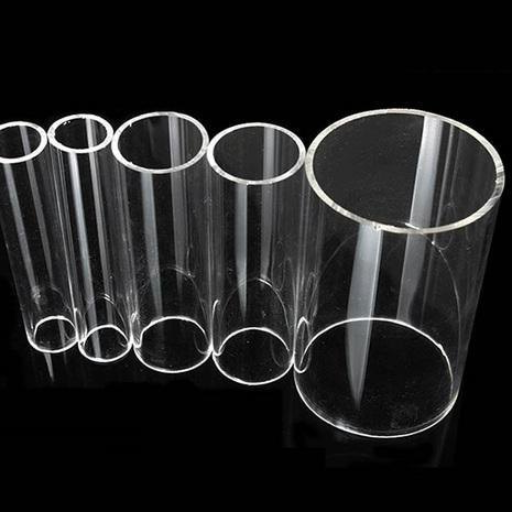
Medical & Stocks
Acrylic tubes which are transparent or clear in appearance offer many advantages in terms of stocks and stock markets. Two primary reasons would be the ease with which one can visualize the internal structure and properties of the acrylic tubes and how little they get easily worn. Another vital application area of these tubes takes advantage in the building of various medical equipments such as liquid deliver systems, cameras where direct spying is crucial and diagnostic apparatus. Their high portability and inbuilt capacity for being autoclaved makes them quite useful in the laboratory especially when strict control, accuracy and cleanliness are necessary. Also, clear acrylic tubes are usually found in the manufacturing and distribution of drugs because being transparent, they facilitate monitoring of flow rates and product states thus increasing ones towards safe work practices and faster work better in hazardous conditions.
Food & Beverage
These are some of the amazing uses of clear acrylic pipes one of them being its utilization in the food and beverage sector. This can be attributed to the long lasting features of the tubes, the fact that they do not corrode and they are visually appealing. The tubes are applicable in various sectors as they represent one of the most beautiful accessories of their type. Specifically, this highly potent material is used in such sectors as the chemical, petroleum, marine, refrigeration and shipping and other such applications. These are examples of the uses that this material is put to work, “Quality and beauty is our business”. Also, some can make assurance of the quality of services as well as the use of some equipment; this is mainly the custom brewery designers. There has been a drift away from the use of particular substances in the food industry that are believed to be harmful to the health of the consumer. As a result, only certain materials have very well defined or rather strict guidelines and cannot be mixed with the solutions easily. It is for these reasons the new generation has sought to adapt to the acrylic tubes. These tubes do not react with the fluids being conveyed, and hence they are used more in the relevant processes such as movement of soft drinks from one point to another. As more and more people find enjoyment in soft drinks, there has been an increasing use of acrylic tubes and plastic pipes to convey soft drinks from their servicing area.
General Industrial Usage
Acrylic pipe has been extensively used in a few industries given its tough provisions of long service, clear visibility as well as the ability to adjust. For instance, it is worth noting the industry of production, where special machinery made from acrylic tubes can be used for protection of parts, vision and functional fluids. Their light weight and high strength to weight ratio are useful since it helps in decreasing the weight of the equipment without increasing the volume. In the same way, they are employed in chemical plants because they are resistant to all forms of corrosion, ensuring that fluids and gases are handled in a manner that is safe, and does not result in any decreased quality of liquid or gas. Moreover, goods produced in various major industries like avionics and automotive sectors also utilise acrylic pipe. This specialised pipe can be found in enhancing the controls and inventory in equipment such as instruments displays and pipes that show fluids. They may also be undamaged because they can be used to temperatures out of their normal limits. In addition to the expansive applicability that thermoplastic tubes offer, their thermal resistance is, without a doubt, a standout quality.
Comparing Acrylic Tubing with Other Plastic Tubes
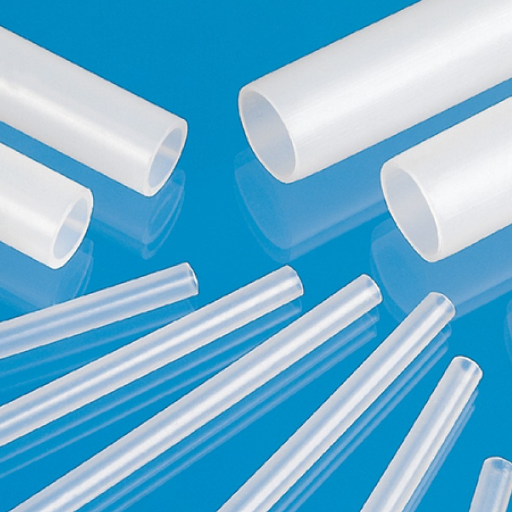
What is Vinyl Plexiglass? (Plexiglass vs Acrylic)
But it’s important to note, in comparing plexiglass to acrylic, that the two names are often used interchangeably, but there are distinctions that import. To the best of my knowledge, since plexiglass is mainly a trade name for polymethyl methacrylate (PMMA), I would not be surprised to know it is the construction material of common acrylic. These two are both very light, flexible, and extremely transparent – versatile materials that can serve as good replacements for glass. They both also have weather and UV protection, can be easily machined, engraved, or casted, and hence have comparable application – such as in display cases, windows, signage, etc.
That being said, the distinction can typically be traced back to the processes of manufacturing and the properties that come as a result. While Plexiglass is created using a cell-cast procedure in most cases, a material made by a cell-cast process is generally considered better than an extruded plastic. Cell-cast acrylic, as in the case of plexiglass, is also tougher, resists cracking during the processes of machining, and generally, has fewer impurities. On the other hand, the production of extruded acrylic is simpler and that is why acrylic is less expensive. The product, however, risks lack-durability and tends to have softer surfaces that makes it more susceptible to scratches. For some specific uses, therefore, it may be proper to set aside plexiglass at the back of the shelf and mounted acrylic sheets is more appropriate due to their physical attributes in more hostile working surroundings whereas for other uses, ordinary acrylic may be used as the financial implications on these other usages would be high. I would say plexiglass vs acrylic is dependent mostly on the type of work one is doing. For me, for instance, if I needed clear seeing with little or minimal distortions of doom, then the use of glass would be at the top of my list. In contrast, extruded acrylic – to some extent the clearer form of acrylic, might (sic) be required more often though its advantages in terms of strength compared to the cast form are not as high. In composing a comprehensive thought, and especially the final version it is essential to answer the question for what purpose will be that particular construction.
Advantages and Disadvantages of Plastic Tubings
It is obvious that plastic tubings possess unique properties that influence their appropriateness for particular conditions. A key advantage however is that this material is durable and has an impressive resistance to corrosion which is good for high moisture or chemical environments. Also, plastic tubing is generally light, easy to manipulate and cheaper when compared to all alternatives like the metals. As it is found in various models – flexible tubes and their numerous stiff versions – hardly any industry is spared from its efficiency ranging from medical usage to industrial ones.
That said, the utilization of such a material has its flaws. To my mind, such pipes are susceptible to temperature change, in particular, of the extreme sort better than metal. As a matter of fact, under heat, pipes made of plastic can get deformed or their quality adversely compromised. Other issues are equally dire in nature as while some of these making heart wearing plastic tubing that they are in turn chemically resistant, others can as biodegradables to some chemicals. Such external factors as the exposure to particular birds of plastics can result in changes like hardening or loss of color in polymers making them more industrial. The above phenomena clearly explain why the appropriate choice of plastic tubing should be made according to the specification of the project or enterprise.
Picking the Right Material For Your Project
It is quite essential to consider some particular factors as well as the objectives of the project in the selection of the appropriate material for the work. They are, for example, the ability to work at different temperatures, the exposure to chemicals, the limit of pressure, and the ambient conditions. For example, when incorporated in a system which operates at elevated temperatures, it is best to use silicon tubing with its impressive heat resistance. On the other hand, it is easier to work with substances that can corrode polyethylene tubing, which has good chemical resistance. Besides conflicting features, like flexibility based on the material used, this also takes other points under consideration i.e. how rigid they can be, and in this case PVC will be flexible. For example, if the material of choice is polycarbonate, it is for a reason that such material is chosen. Balancing of those aspects will repeatedly yield the best choice from where the best material for the application will be obtained and again, the service life of such material is also provided.
Best Practices for Using Acrylic Tubing in Harsh Environments
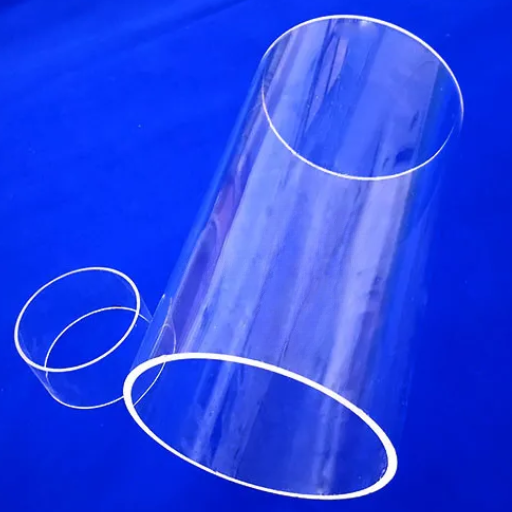
Essentials of Installing Physical Pipes
As for laying acrylic pipes under extreme conditions, one cannot do without some particular methods if they wish to achieve strength along with lasting service. For starters, one has to equip themselves with the necessary tools and cut the tubes squarely without breaking or leaving uneven surfaces. De-burring is recommended as an essential step after cutting to avoid risks of spoilage during installing period. Just like during field preparation, proper abutment requirements will require insertion and tightening or suitable fitted size. If feasible, designers should restrain their pipes by fittings closer to supports to minimize live stresses, such as those imposed by the structure’s own load, or when the structure vibrates or experiences thermal growth. Eventually, one needs to carry out an examination of the piping network to rule out any misalignments or other defects in the piping system to guarantee normal working conditions even off the challenge.
Maintenance Tips for Longevity
In order to keep your system working as efficiently as possible, and for as long as possible, a well-structured schedule of service processes should be followed. Among the first steps that have to be done is the evaluation of the state of all details as any cracks, runs, any loose parts, or any unwanted residues must be found and eliminated immediately awaiting further harm. Sharply, as and when knowledge accumulates, the system needs to be cleaned at times so that no debris, or dirt or any other compound afflicting smooth functioning or causing waste. It is also vital that the oil and other gaskets are in a good working order which they are well lubricated and doing their job of forming a secure and set pattern which is such that the liquids on both sides will not leak. Make sure that the pressure and temperature of the tubing do not exceed certain numbers which will allow it to function, because any expansion in the temperature will create tension on the walled system. It is also advisable to set up an arrangement where broad based and professional review takes place as and when required with all its focus on ensuring that all components are in operation and no system are made inferior by insertion of inoperable parts. Such directional attention to management not only guarantees better efficiency but also minimizes the frequency of disturbances due to sudden breakage.
Manage and Store Instructions
- Proper Storage: Safekeeping and storage are very important especially when it comes to keeping equipment fully operational. Be sure to have all stock stored in a cool dry place to avoid rusting or the grains getting spoilt.
- Manipulation & Gear: When it comes to manipulation of any parts, there is always a need to be in a certain protective gear while also knowing when and how to use any kind of tool. Stop the entrusted materials from being exposed to the sun or too much humidity because that in case they are ever needed, their quality would have been ruined.
- Labeling: Make sure that the storage places which the tools or items are located in are partitioned and labelled properly, so that it is easier to access them and also minimizes the distortion one has to make to look for the misplaced items.
- Regular Checks: Regular check-ups on the stored cadges to see after completion that all the equipment is up and running will assist in ensuring that equipment is operational when needed.
Reference Sources
- Effect of Chemical Disinfectants and Repair Materials on the Transverse Strength of Repaired Heat‐Polymerized Acrylic Resin: This study examines the impact of chemical disinfectants on the strength and durability of acrylic materials.
- Effect of Chemical Disinfectants on the Transverse Strength of Heat-Polymerized Acrylic Resins Submitted to Mechanical and Chemical Polishing: Research assessing how chemical exposure affects the structural integrity of acrylic resins.
- Investigation of the Release Rate of Biocide and Corrosion Resistance of Vinyl-, Acrylic-, and Epoxy-Based Antifouling Paints on Steel in Marine Infrastructures: A study exploring the chemical resistance and durability of acrylic-based materials in harsh marine environments.
- Acrylic Plastics: Comprehensive insights into the properties of acrylic materials, including their chemical and heat resistance.
Frequently Asked Questions (FAQs)
In laboratory usage, does acrylic tubing resist acids and alkalis equally well?
Ordinary lucite water pipe is not prone to a lot of wearing and tears if exposed to any other weaker acids at room temperature except strong acids and alkalis which can weaken it a little, or gape it. In laboratory settings, including ISO -compliant environments and applications, readers must analyze pertinent chemical resistance data and consult the material producer to acquire information on the resistance expected for specific operating ranges. Extruded acrylic will fail in some chemical service regardless of the chemical resistance testing results. This is because extruded acrylic is more prone to machining stresses and manufacturing stress than the cast acrylic. To address this issue, it is suggested to conduct the test at the correct temperatures. Organic solvents, solutte, high temperatures, and other processing in chemicals, as a rule, only enhance cracks, or removal of clarity. Therefore, always carry out tests at conditions, which are expected in operation. In case of such fear, it is recommended to use, poly(vinylidene difluoride) or polycarbonate, which has greater resistance to chemicals under extreme conditions.
How does the contact between solvent and sanitizer and plexiglasses impact plexiglass tubes and sheet materials?
Most organic solvents, particularly aliphatic hydrocarbons as well as some solvents that contain alcohols and oxidizers, can lead to the swelling, cracking or grade of the surface of the acrylic material. Acrylic is generally considered to be more resistant to oils and fats than to other forms of ketones or chlorinated solvents which may attack the polymer and cause it to become less resilient. The serving program must only make use of those compounds as specified in the chemical compatibility chart so as to prevent formation of turbidity and loss of optical clarity. When dealing with critical optical lenses or light weight tube where visibility is a concern, use UV protective grades or moldings covered with appropriate protection. Conduct guaranteed laboratory trials of each component’s stock solution by dipping a short sample in the stock solution at a certain temperature and concentration like 7 days.
Can clear acrylic tubes manufactured through extrusion or cast be exposed to the effects of sunlight and other external environmental factors?
Compared to other types of plastics, non-frosted acrylic demonstrates excellent performance in terms of long-wave absorption in the ultraviolet region (uv) thus making it good for most outdoor applications due to the necessity of optical clarity and robustness. This safety and weathering performance can be enhanced by the use of UV grades and additives which do not allow any discoloration and damage to the part surfaces upon exposure to sunlight in the long term. Extruded acrylic is a cost effective, light material as opposed to cast acrylic that typically affords better mechanical properties and clear finishes for specific components that cannot be made using other technologies. Despite the inherent properties of these materials, there is always a possibility that these materials might not deliver the requisite long service life due to the effects of certain factors such as temperature variations and mechanical stresses and that is when one has to consider the design or the mounting and the diameter to sustain low stresses. For mission-critical and long-term outdoor use, taking the ASTM or ISO specified test results from the manufacturer is recommended and at this point, additional sealing for protection should also be explicitly understood.
What relevance do acrylic tubing temperature, pressure, and mechanical properties have while designing a system?
Acrylic tubing is described as a form of thermoplastic material that is hard but bends easily at normal temperatures. Yet, at higher temperatures, the stiffness of the material can be compromised. Hence it raises concern for pressure capabilities. When sizing the tube for a specific pressure and bore, allow for possible deformation under constant load and make provisions to avoid star or other similar cracks. Also precautions should be made against certain design features that may introduce concentration of excessive stresses as in subjected stress and use of shading or inadequate tooling which affect connections as all these may cause crack initiation and thus reduce lifetime. Where the application demands high pressure operations under fluctuating temperature conditions, other materials like polycarbonates or PVDF resins may be evaluated if better toughness properties are required for the application. Make sure to follow ASTM guidelines and the manufacturer’s pressure-temperature ratings to determine the limits of safe use of the equipment.
How does one define chemical compatibility and in what circumstances does choosing acrylic over other compounds become relevant as a criterion of selection?
To begin with, a material specific chemical compatibility chart should be consulted, and the specific chemical, concentration, exposure time and temperature should be aligned with the available materials. While acrylic is suitable for most clear tubing and sheet applications, due to the high optical clarity and its economical nature, it is not well suited for use of strong solvents, alkaline solutions and to a certain degree constant use some disinfectants. When faced with a challenge of finding a polymer which is strong enough to eliminate any penetration of organic solvents of high concentration, it is recommended to use PVC or polycarbonate for wide enough such chemical class. Particularly helpful are the tests conducted at the mimic of actual conditions, including the exposure for 7 days or more, to anticipate failure modes such as swelling or bulk degradation. Compliances from the vendor can be supplemented with the ISO or the ASTM certifications to facilitate the selection and suitability of material over the long term.