
The Importance of Acrylic Manifolds in Precision Applications

Understanding Acrylic Manifolds and Their Uses
Acrylic manifolds serve as fundamental elements for multiple precision applications because they combine durability with transparent design and flexible usage capabilities. The laboratory and medical device and fluid control system industries depend on these manifold systems because they provide a dependable method for efficient fluid distribution and mixing and monitoring operations. The transparent design of the system enables complete monitoring of fluid movement, which proves essential for essential processes such as chemical analysis and drug delivery and manufacturing operations. Organizations can create custom acrylic manifolds according to their operational needs because this material enables them to design customized configurations that enhance both system performance and measurement precision. The development of new fabrication methods has resulted in components that provide better performance and minimal leakage and greater protection against pressure and chemical exposure, which makes these components essential for industries that require precise operations.
Benefits of Using Acrylic in Laboratory Settings
The special characteristics of acrylic make it an excellent material for laboratory environments because it displays multiple beneficial characteristics. Scientists can conduct their experiments with complete clarity which enables them to monitor all fluid movements and study all materials in their experiments. The lightweight design of acrylic protects against breakage while maintaining its strength which results in lower replacement expenses. The material demonstrates strong resistance to chemicals which enables it to be used for multiple applications without experiencing any permanent damage or material loss. The thermal stability of acrylic together with its ability to be shaped through different manufacturing processes enables the production of laboratory equipment and parts that meet specific design needs. Labs that require dependable and secure operations together with accurate results should consider acrylic as their primary material choice.
Applications in Life Sciences and Aerospace Industries
Acrylic serves an essential function in the life sciences and aerospace industries because of its ability to maintain high performance standards under multiple environmental conditions. The life sciences field uses acrylic to produce medical devices and diagnostic equipment and protective barriers which require materials that provide both transparency and long-lasting strength and sterile properties. The material is essential for building laboratory enclosures and bio-containment units because it combines lightweight properties with chemical resistance. The aerospace industry relies on acrylic because its strength-to-weight ratio and optical clarity properties enable the production of essential components that include aircraft windows and windshields and instrument displays. The material maintains stable performance characteristics because it can endure extreme environmental conditions which include UV radiation and extreme temperature variations. The diverse applications of acrylic enable different industries to create innovative solutions which lead to increased efficiency in their operations.
Types of Acrylic Manifolds and Their Fabrication Techniques

Custom Acrylic Manifolds: Tailored Solutions for Unique Needs
The custom acrylic manifolds provide solutions which match the specific needs of various applications by delivering both flexible usage and accurate performance. The industry uses these manifolds to control fluid and gas systems which find their main applications in medical technology and chemical processing and analytical instrumentation. Designers use custom solutions to create compact systems which combine multiple flow paths into a single unit, which helps decrease the area needed and the chances of leaks. The manufacturing process uses advanced CNC machining and laser cutting machines to create precise components, while thermal bonding and solvent welding methods enable strong product assembly. The custom acrylic manifolds provide essential solutions for specialized operational needs because this approach improves system performance while maintaining compatibility with distinct operational requirements.
Solvent Bonded vs. Diffusion Bonded Acrylic Manifolds
The manufacturing process for custom acrylic manifolds uses both solvent bonding and diffusion bonding as established techniques which provide distinct benefits for different use cases. The process of solvent bonding requires chemical solvents to dissolve acrylic materials which form a permanent bond when the solvents dry. The method achieves efficiency and cost savings through its design which works best for basic projects that need less than extreme pressure and temperature requirements. The joint area of solvent bonding shows reduced visibility while the bonding method loses some strength in areas with extreme operational demands.
Diffusion bonding creates a perfect bond between acrylic surfaces through its method of applying exact heat and pressure without using any chemical substances. The process produces optical clarity which strengthens the manifold, making it suitable for high-performance applications required in biomedical and industrial fluid systems. The process of diffusion bonding needs advanced equipment which increases its costs but it provides excellent performance because it can operate in high-pressure environments while protecting against contamination, which makes it suitable for essential operations. The process of selecting between solvent bonding and diffusion bonding requires an assessment of multiple aspects which include project expenses and product material compatibility and operational pressure levels and product design complexity. The two techniques create different results which enable manufacturers to select their methods according to project requirements and business objectives.
Researchers explore various types of acrylic materials
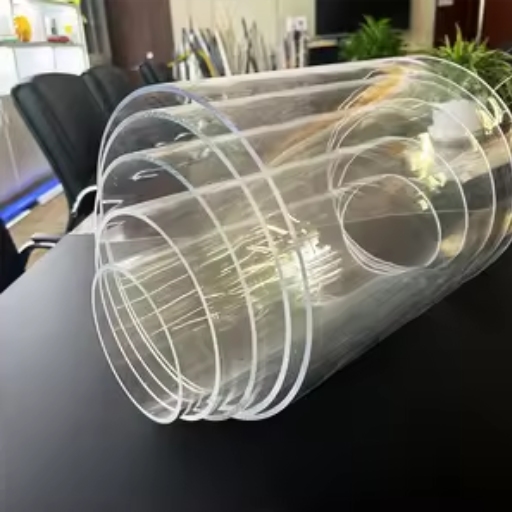
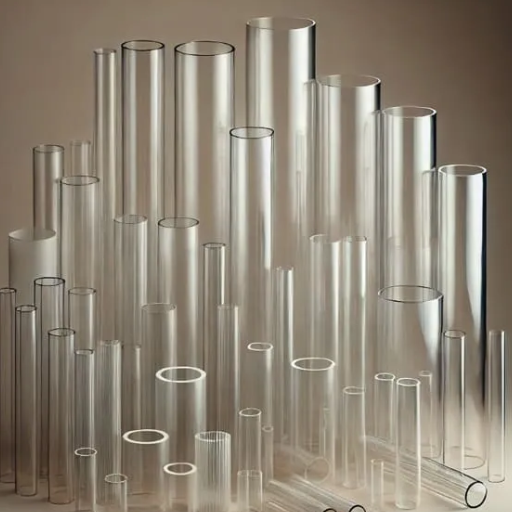
Acrylic materials provide multiple product options which manufacturers and designers use to fulfill their various operational requirements. Clear acrylic stands as the most common acrylic type because it provides outstanding optical performance and protects against ultraviolet rays which makes it suitable for use in windows display cases and signage. Colored acrylic provides bright long-lasting materials for use in decorative and branding projects which offer multiple color and finish options to match various artistic designs. Impact-resistant acrylic, often referred to as modified acrylic, combines the lightweight and clear characteristics of standard acrylic with enhanced durability, making it a great substitute for glass in areas requiring added safety. Textured and frosted acrylic materials create privacy through their design while preserving a sophisticated appearance which designers commonly use for wall partitions and lighting fixtures. The different acrylic variations demonstrate how this material adapts to different industrial applications through its development of specialized forms which meet specific operational needs.
Choosing the Right Fabricator for Acrylic Manifolds

Key Qualities to Look for in a Manifold Manufacturer
- Expertise in precision engineering to guarantee manifolds meet required specifications.
- Experience working with all acrylic materials (clear and custom-textured).
- Implementation of advanced technological systems and manufacturing procedures.
- Customization capabilities for specific application requirements.
- Strong delivery performance and responsive customer service.
Understanding Plastic Machining Services and Capabilities
The process of plastic machining entails specialized techniques which enable operators to shape and cut and drill various plastic materials into precise parts that multiple industries use. The manufacturing process achieves exceptional design accuracy through CNC (Computer Numerical Control) machining which enables creation of detailed design elements. The service package includes milling and turning and threading and engraving which together enable customers to create unique products with exact measurement requirements. The process of machining different plastics requires understanding their distinct properties which operators must use to determine which techniques to apply. Technical knowledge combined with modern equipment enables companies to produce high-quality products which fulfill project specifications across multiple sectors, including healthcare and automotive and aerospace. The capabilities of the system improve operational efficiency, while the resulting product maintains its strength and functional performance throughout its lifespan.
The Importance of Prototyping in Custom Fabrication
Prototyping functions as an essential element of custom fabrication since it lets manufacturers test their designs through assessment and improvement processes before starting actual manufacturing. Engineers use prototypes to discover design defects while they enhance operational performance and create products which achieve all required performance and quality benchmarks. The healthcare and aerospace sectors benefit from this process because those fields require exact results which must work without fail. The development of modern technologies through 3D printing and CNC machining has created the ability to produce prototypes more quickly with improved precision than before. Prototyping functions as an essential process, which decreases potential dangers while protecting company time and resources, because it enables businesses to create customized solutions which fulfill the specific requirements of their customers.
Challenges in Acrylic Manifold Fabrication

Common Issues in Plastic Fabrication Processes
Plastic fabrication processes, which include acrylic manifold production processes, encounter multiple challenges that decrease the quality and performance of their finished products. Material stress serves as the main problem since improper cutting and drilling and machining activities create material stress which results in cracking and warping through the passage of time. Fabrication operations face challenges with heat sensitivity because excessive heat during fabrication processes leads to structural damage or material discoloration. Constructing precise tolerances presents difficulties during both complex design work and multi-component projects because these two factors create potential risks for fluid systems which may experience leaks or misaligned components. The product develops surface imperfections through scratches and cloudiness that occur during handling and polishing which then decrease its visual appeal and functional performance. Chemical compatibility becomes important because certain cleaning agents and fluids used in end applications will either degrade or react with the plastic material. The organization needs to conduct comprehensive planning combined with precise material selection and implementation of advanced manufacturing techniques to achieve their desired high-quality outcomes.
How to Overcome Challenges in Machining Acrylic Materials
The correct tools and processes must be selected according to my experience which shows that this approach helps to solve all problems that arise during acrylic material machining. The process requires carbide or diamond-tipped tools because these tools maintain sharpness while their cutting process produces less heat which protects against cracks and surface defects. The team needs to establish optimal cutting speeds and feed rates since slower speeds prevent overheating while smoother feed rates create better cuts. The method I use to cool down during machining involves mechanical coolants or air because this method has proven to be essential for keeping acrylic materials intact. The surface finishing process serves as a vital element because acrylic materials develop scratches and a cloudy appearance through both handling and polishing procedures. I address this by employing flame polishing or buffing techniques for a clear, smooth finish, and I ensure the workshop remains free of abrasive dust and debris. Laser cutting serves as an ideal solution for creating detailed parts because it delivers high accuracy through its single process which creates both precise cuts and a finished edge. The organization maintains complete safety through its requirement that operators work in areas with good airflow to control the release of acrylic particles and fumes. I always consider chemical compatibility because I need to assess this aspect when the acrylic product will come into contact with cleaning products and strong chemicals during its operational use. I verify that the material and bonding agents will withstand the planned chemical exposure because I conduct compatibility tests when necessary. The combination of careful planning and suitable tools and methods has enabled me to create high-quality acrylic components while successfully managing all obstacles that I encountered.
Ensuring Quality Control in Manifold Production
I use strict inspection procedures together with exact manufacturing methods to achieve quality control in manifold production. The process starts with the acquisition of premium raw materials which satisfy all required strength and durability and chemical compatibility specifications. The production process includes my implementation of continuous dimensional assessments which use advanced measurement tools such as calipers and coordinate measuring machines (CMM). The process ensures that every manifold product meets both design specifications and precise dimensional requirements. The pressure and leak tests function as essential procedures which verify that the completed manifolds retain their strength and operational capacity during normal use. The combination of advanced technology and complete testing methods enables me to produce dependable and efficient manifolds which surpass industry performance standards.
The Future of Acrylic Manifolds in Emerging Technologies

Innovations in Custom Acrylic Solutions
The international market for custom acrylic solutions currently experiences rapid development because of improved manufacturing processes and growing industrial needs. One key innovation I focus on is the integration of CNC machining and laser cutting techniques which enable manufacturers to produce acrylic manifolds with exceptional accuracy and design options. The equipment empowers me to produce detailed channels and intricate shapes plus advanced designs which meet the specific needs of medical diagnostic systems and chemical processing facilities and fluid distribution networks. The technologies enable me to create manifolds which combine practical functionality with high aesthetic value. The acrylic manufacturing industry undergoes transformation through the application of sustainable manufacturing methods. I work to develop environmentally friendly projects through my research of recycled and recyclable acrylic materials which help decrease waste and lower project environmental impact. The new developments with improved bonding methods and finishing methods together with the latest inventions create better product results while helping the industry achieve its sustainability goals. The development of 3D printing technology for acrylic production enables manufacturers to create prototypes and small product runs which deliver custom solutions at reduced costs and quicker delivery times. I envision large possibilities from combining personalized acrylic products with advanced technologies which include smart sensor systems and IoT networking. I can deliver clients real-time data monitoring and operational performance evaluation through my design of sensor systems which I integrate into manifold systems. I develop acrylic solutions which meet the specific needs of emerging industries through my continuous dedication to create lasting and precise and flexible solutions.
Impact of 3D Printing on Manifold Fabrication
3D printing has transformed manifold production because it provides production facilities with complete design flexibility and exact manufacturing capabilities and personalized design options. The use of additive manufacturing techniques allows manufacturers to produce complicated shapes that were previously impossible to create using conventional methods. The technology enables designers to create lightweight structures which maintain their strength while reducing material consumption and manufacturing expenses. 3D printing enables faster product development because it supports quick prototype creation and immediate manufacturing of products which businesses need to develop customized solutions. The performance and durability of 3D-printed manifolds improve through the use of advanced materials which include high-strength polymers and metals. The new innovation improves production efficiency while helping companies meet environmental protection targets through its ability to decrease waste and maximize resource efficiency.
Trends in OEM and Semiconductor Applications
The trend between Original Equipment Manufacturers and semiconductor industries currently shows strong progress because of invention and the need for precise results. Manufacturing processes now see more widespread use of automated systems and advanced robotic technology because these systems provide better operation capacity and maintain product quality through constant control. The semiconductor industry now uses IoT devices for manufacturing processes to achieve real-time monitoring capabilities, which enable predictive maintenance, thus reducing operational downtime and streamlining production activities. The development of advanced composites and next-generation semiconductors which include silicon carbide (SiC) and gallium nitride (GaN) fabrics advanced into smaller power-dense components. OEMs now pursue sustainability goals through two main methods because they want to decrease environmental harm by improving energy efficiency and using recycled materials in their manufacturing processes. The OEM and semiconductor sectors currently display active development because these sectors continue to adopt new technologies and respond to changing market conditions.
Reference Sources
- An Experimental Investigation of Inclined Thermosyphon Fluid Flow Within an Enclosed Irregular Hexagonal Cavity With Heat Transfer Via Pin-Fins
- Electrostatic Spinning of Acrylic Microfibers
- An Open-Source, Programmable Pneumatic Setup for Operation and Automated Control of Single-and Multi-Layer Microfluidic Devices
Frequently Asked Questions (FAQs)
What materials are typically used when a fabricator of acrylic lab manifolds makes custom manifolds?
The fabricators select from a range of materials which includes clear acrylic, polycarbonate, polypropylene, PVC and PTFE, Delrin, acetal and plexiglass as their specialized plastics based on the chemical compatibility and strength requirements of their projects. The application requires chemical resistance so PTFE and Delrin serve as suitable materials while polycarbonate and acrylic enable users to observe the fluid flow through their system. Custom plastic and machined plastic components can be combined to meet specific lab equipment needs and fluidic pathways. The materials which are used to construct a system determine whether solvent bonded acrylic manifolds or bonded manifolds or welded PVC components will work as suitable bonding methods. The choice of plastic materials balances corrosion resistance, mechanical performance, and cost for the intended custom applications.
How do machining processes like CNC machining and precision CNC affect the production of plastic manifolds?
CNC machining and precision CNC machining enable fabricators to create manifolds with complex flow paths and tight tolerances that manual methods cannot reliably achieve. The machine shop supplies precision machined features which create consistent fittings and ports that connect with both standard lab components and custom pathways. CNC plastic machining reduces variability and can shorten lead times for both prototyping and production runs, while also supporting unique bonding or assembly steps. The available cnc machining capabilities influence whether manifolds are machined from solid stock or assembled as bonded fluidic blocks. The machining processes establish the precision limits and surface quality and production consistency which define the final plastic manifolds results.
What bonding techniques are used to join parts in bonded fluidic or solvent bonded acrylic manifolds?
The industry standard bonding methods consist of solvent bonding which applies to acrylic materials and adhesive bonding which works with both polycarbonate and specialized acrylic materials and ultrasonic welding and thermal welding which create bonds between PVC and polypropylene plastics when the two materials can be bonded together. The preferred method of joining acrylic manifolds through solvent bonding creates seams which allow optical clarity making it suitable for braces that need to display internal fluid movement. The bonding process requires mechanical fittings and custom welded joints as alternatives because the materials cannot use solvent bonding. The chosen bonding approach must account for chemical compatibility, pressure requirements, and the intended fluidic application to avoid corrosion or leaks. The combination of proper bonding technique and post-bond machining process enables manifolds with strong joints to achieve precise tolerances which ensure their performance during extended use.
Can a fabricator of acrylic lab manifolds create manifolds with complex flow paths and custom pathways?
The fabricators who provide precision CNC services together with their advanced machining capabilities can produce manifolds which include both complex flow paths and custom pathways that meet your research requirements. The company uses their CNC plastic machining and milling capabilities to create internal channels which connect to various ports and multiple fitting points while keeping their tight tolerance requirements. The machining process of clear acrylic or polycarbonate materials together with acrylic combinations results in components which bonding procedures use to create sealed fluidic channels through solvent bonded acrylic manifolds. The machine shop uses its CNC machining capabilities together with its bonded manifold expertise to control both the complexity of internal designs and the manufacturing speed of intricate components. The fabricator will identify appropriate plastic materials for their specialized designs while determining whether to use bonded components or machined plastic blocks to create their parts.
What lead times and production considerations should I expect when ordering custom plastic manifolds?
The lead times required for production depend on three factors which include the selected materials and the manifold’s design complexity and needed operational accuracy and the machining methods that will be used. The lead time for basic acrylic and PVC manifolds will be short, while the special acrylic and complex bonded manifolds will require a longer production time. The manufacturing process for precise CNC machined components and advanced manifold systems requires extra time because it entails additional setup work and programming activities and multiple machining steps. The use of exotic plastics such as PTFE in custom applications together with specific tolerance requirements and post-bond machining needs will prolong the project timeline. The machine shop capabilities of the fabricator together with their existing material stock and CNC machining resources determine the projected delivery schedule. The early exchange of requirement information between two parties will help improve the efficiency of tooling processes while reducing project delays.