
Protein purification has played a crucial role in advancing biotechnology and lab sciences with numerous occurrences of notable advancements being made in medicine, research and even in industrial application. The only problem here is that very frequently purification tools do not bear what their employees expect, which tends to complicate and at times overcomplicate the purification processes, which affects the effective output that can be achieved by such processes. First came custom acrylic tubes—an extraordinary tool that has reinvented the practice of protein purification. This article will delve deeper into how these specifically engineered tubes, aside from boosting performance, answer the modern day laboratory requirements as well. Neither the sophistication, long life or how much it improves the consistency of work matters. These recent achievements have generated the radical shift in protein purification protocols for practicing scientists and investigators.
Understanding Acrylic Tubes and Their Applications
Acrylic Tubes: An Introduction
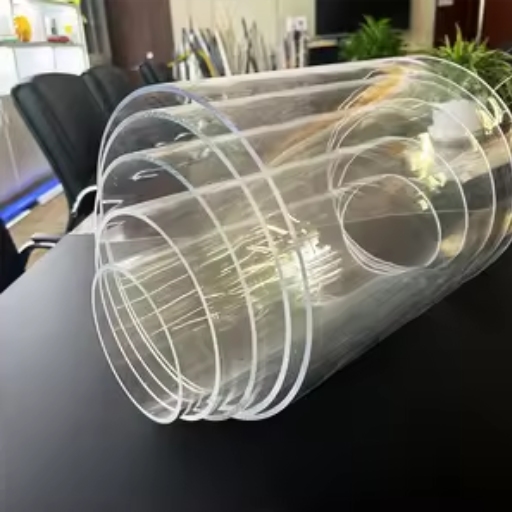
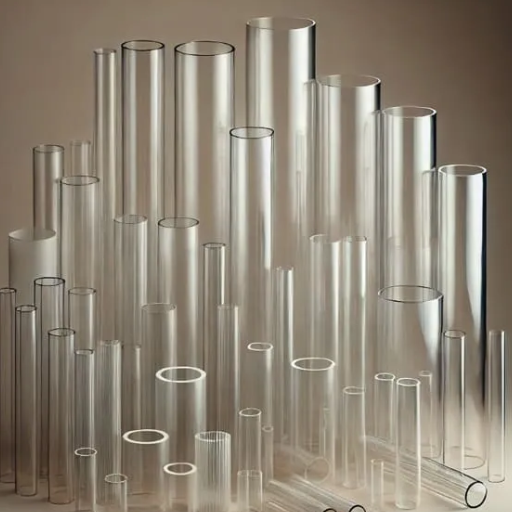
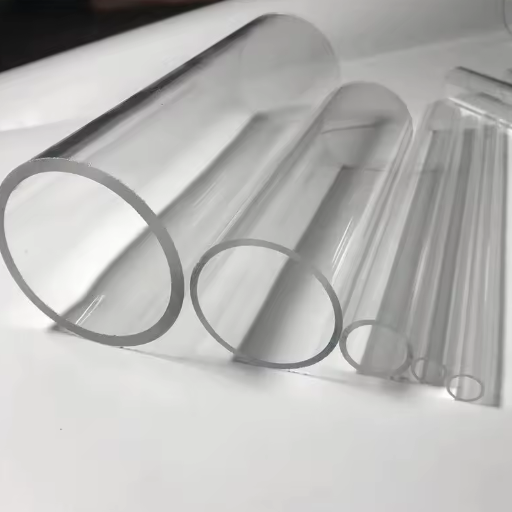
Acrylic tubes are essentially plastic tubes that are constructed from a specific plastic known as polymethyl methacrylate (PMMA). Nearly all sectors of commerce find them to be practical due to their transparency features, weight and robustness. They are sheltered from unwanted wear and tear and avoid collapsing under an impact that is why they serve as long-term solution for internal and outdoor uses. There are various forms and thickness levels available, making it possible to meet individual needs with built-to-order acrylic tubes. The adaptability and see-through characteristics make them suitable for creating scientific instruments, showcases, plumbing when manipulating fluids, and art equipment with no skimping on the extent of the beauty within the induct.
Advantages of Acrylic Over Conventional Materials in Purifying Proteins
Acrylic aids in protein purification oganizations in that its’ material allows for many superior features. The advanced quality of the material’s transparency; helps to assure proper work by ensuring controlled circulation of the liquid within structure’s or vessels for purification. In addition to that, acrylic is a highly functional material due to a blend of being light and strong making it easier to add within sophisticated lab equipments without being bulky or rickety. Acrylic is also resistant to chemicals meaning that even in the presence of commercial cleaning agents and chemically active solvents in protein purification, it would not be easily affected. Its ease of use with the help of softening and shaping techniques enables all extra pieces required for protein’s purification systems to be conveniently and effortlessly made. Because of these Mechanisms Acrylic is said to be a less expensive and efficient as well as reliable material that is in use with the new technologies in sciences like biochemistry and protein isolation.
Everyday Uses That Bring Bioplastic
Among the many wonderful properties possessed by acryl, its use ranges in biotechnologies processing. A lot of numerous laboratories use this to build bioreactors and most significantly because it is wanting, this material allows cell culture processes to be eye-checked. Acrylic is also largely used in protein purification systems because it is chemically stable and customizable in a way that diverse such systems are constructed with minimal dissipation, thus, effective recovery and analysis of proteins is possible. It is also possible that research embryo even includes a comparable microchannel in other types of research. In order to address small sample sizes in diagnostic research as well improvement in devices able to handle small sample volumes material acts in the capacities of functional materials for diagnostics. Economic and physical resilience makes this plastic useful in the laboratory for making things like protective shields, pipette racks and flow cells as these are cheaper compared to the ordinary one use items. These many practical uses affirm that acryl continues to be one of the materials that is actively involved in the advancement of bio-technological skills and creativity.
Custom Acrylic Tubing: Tailoring Solutions for Your Needs
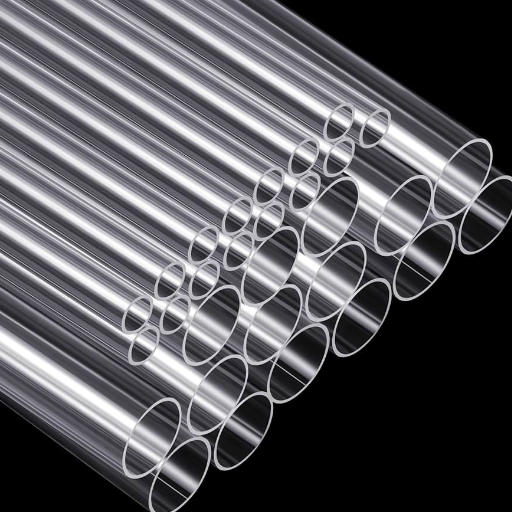
The Advantages of Acrylic Films When Sizes and Shapes are not Standard
One of the main properties of the custom acrylic tubes is their flexibility in terms of meeting different application requirements by confining them in different sizes and shapes. This property enables it to serve well when a more specific industrial process or technician equipment or even medical designing is needed. This ensures that such tubes, do not be termed or marked simple tube passing through the system but go ahead into determine specific phrases that the top of that tube should not reach and if it does that would be a catastrophe. The cutting waste would also be reduced to minimum thus improving the efficiency around the system at the same time making system construction viable even in situations where it would have been impossible. The custom design that is tailored for customer requirements enables among other things the insertion of new features such as laser engraved design or custom shape design to the product to meet special operational requirements. This degree of accuracy underlines the relevance of using custom designs to realize better results in different fields.
Tips for Purchasing Bespoke Acrylic Tubes
When it comes to bespoke acrylic tubes ordering, it is a rather easy affair provided you understand the whole process and get your act together. First, Identify specifically what you need for your particular project such as the length, diameter, wall thickness, special treatments such as threading, etching or logos and other peculiar shapes. Then find Qualified suppliers to work with knowing well that such requirements will not be fulfilled by just any provider. If you have further peculiar details to provide, you should contact a few such companies to get suitable quotations and timelines. Check the details concerning the tailor-made characteristics of the acrylic with the supplier to ascertain that your acrylic tubes fulfill those requirements with regard to, for example, resistance against UV rays, translucency, or impact resistance. It will also be extremely helpful to ascertain the vital information such as MOQs, lead times and delivery modes. In some cases, prototypes or samples can be offered for verification checks before the user goes ahead with mass production. In doing so, customers can expect to receive custom acrylic tubes exactly as they were envisioned and developed, which translates in a commendable performance and high quality product.
Considerations for Material Selection
Tailoring appropriate materials for acrylic tubes altered as per specified fabrication is a necessary undertaking for the purposes of achieving the required performance. This is the case with several mechanical properties that are associated with how much force a material can take, or how much it can be bent before it breaks, wears out or suffers any other irreversible damage, like tensile stress, flexibility and durability both in terms of strength and application in environmental conditions. Additionally, such factors as thermal resistance cannot be ignored because such kind of a material should be able to function effectively in various conditions without unstable form or uncertainty in terms of the material quality. On the other hand, high clarity or optical grade visors are essential to some corrective and sound abatementdevices where asthetics are a consideration. Another issue that is considered is chemical acclimation involving whether the materials in question and the solution that may fill them, for example a solvent, cleaning agents and other wet industrial processes and thus the segmentation of application. It may be less harmful over the long run to focus similarly on the aspects of cost and the environment as more advanced materials have green versions, which meet the performance requirements and at the same time are environmentally friendly. Clearly by different ways of material selection, each of these factors impacts materials selection, allowing for successfully learning desirable results from applicable types of the final product.
Extrusion Process of Acrylic Tubes
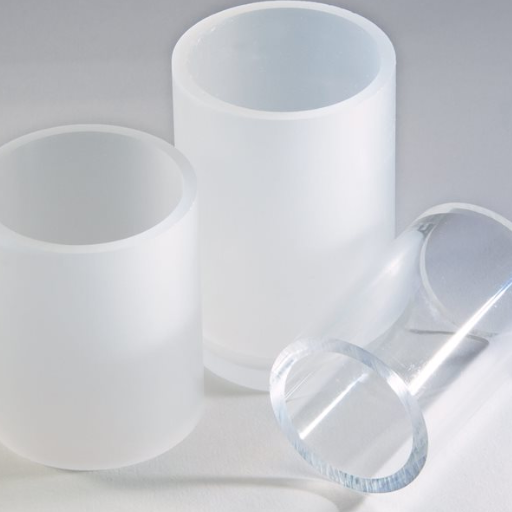
Synopsis on Acrylic Extrusion Process
The process of acrylic extrusion is designed to produce quality acrylic pipes that are properly sized utilizing intricate steps. A process that involves control is heat related to heating material of polymethyl methacrylate (PMMA) pellets and this is called acrylic extrusion. These very granules are directed to the extruder where they are melted at specified heat and condensed into a thick liquid. This thick liquid, vertical (elliptical) portion then kills one phase and flattens the tube. It is important that the tube is maintained until it hardens and cools properly with the prevention of deformation. Water or air cooling equipment is often employed for this purpose. The latest significant keys in the invention of extrusion until the full range of every type of pipe is designed to be freely changed, as per the preferences of the customers that it serves by various thicknesses of walls, diameters, outward surfaces. Moreover, present-day extrusion technologies are rather complex and environmentally friendly with energy-efficient devices and recyclable materials. The quality of the device is much appreciated as it is very reliable in terms of applications such as construction, medicine and automobile industries or others, making Eksdrusion popular and productive over a possibility of operation in different segments of the industry.
Quality Monitoring and Management in the Acrylic Tube Manufacturing Processes
Quality control in acrylic tube production is seen as a significant procedure aimed at attaining high quality. Enterprises resort to in-line (e.g. ready product testing) and off-line (X-ray inspection, 3D scanner) quality techniques with such intuitive control devices as optical measurement or ultrasonic testing that allows zeroing in all possible defects like cracks or any dimensional variations in the tubes. Moreover, there is the tests on the raw materials for their aggressiveness and uniformness so as to make the acrylic material more clear and hard. Most of the times, to determine whether the final product will be able to withstand well the thermal or mechanical conditions; manufacturers apply the so called stress tests. In this way, top-notch technologies and an established product quality control system allow to produce as many acrylic tubes meeting or even exceeding requirements of all the industry norms and causing no objections from end users.
Comparative Evaluation with other Scratched Metals
| Material | Light Transmission | Primary Advantage |
|---|---|---|
| Acrylic (PMMA) | Up to 92% | Highest optical clarity & weather resistance |
| Polycarbonate | ~88% | Superior impact strength |
| PVC | Translucent/Opaque | Cost-effective & chemical toughness |
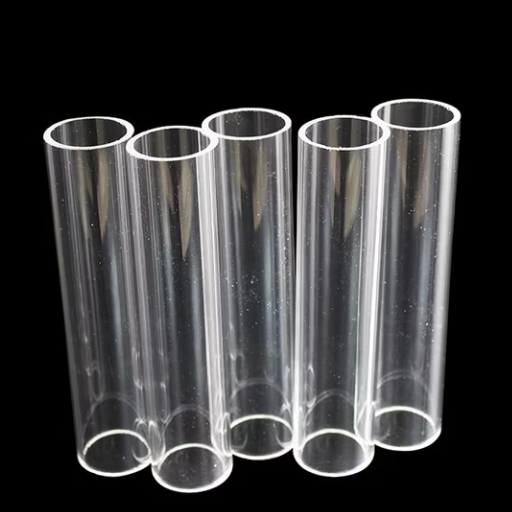
Compared to other extruded materials like polycarbonate or PVC, acrylic is more preferable for extremely high transparency and excellent wear properties. Acrylic has far exceptional light transmission levels that can be as high as 92% making it ideal for applications requiring high optical clarity for example camera and projector lenses, digital alarms as well as fish tanks. In contrast, Polycarbonate is very durable even in the most extreme cases, although it seems to be tinted more than clear. Whereas Polyvinyl Chloride is tough material that has desirable economical features, its scratch resistance is much lower and its due to staining when exposed to UV rays. bialy acrylic material has another advantage in this that it is resistant to variations in high or low temperatures or atmospheric conditions as opposed to use under very little or mild conditions which is why it is used in situations such as PVC. On the other hand, Polycarbonate also has great strength compared to the previous two. And these have made it widely used in safety manufacturing. The bottom line, however, is that specific projects will dictate the kind of material to be used, with cost, performance and aesthetics weighing in on the decision. Through advancements in plastic processing technology, new applications are emerging in the processing of these 2 raw materials and materials continue to show technological superiority as well as the advantage of wider application.
Clear Acrylic Tubes vs. Plastic Tubes: A Comparative Analysis
As I comprehend, clear acrylic tubes are sought after for their amazing optical clarity and lightness. These tubes have abyssal depth of light transmission and at times their light transmittance can be as high as 92%, which makes them great when used in applications which need to have a visible out part and it is important for it to be arranged well. They are an excellent alternative to glass, since they are incredibly lighter yet, relatively unbreakable enhancing their usage in almost all key sectors ranging from manufacturing display casings to lighting structures and also in fish tanks. Acrylic as a material is non systems specific character plastic material as it tends to be low in weight which therefore makes it easier to handle when in form of tubes or cannot ease re-arranging and coupling elements in scenarios such as pipe installation for example.
Another great characteristic of transparent acrylic tubing is the superior climate resistance it offers. Not every plastic is capable of magnifying its own weather-proof attributes. It is true that an acrylic remains strong enough aside from its clear state such that it is viable even in intense environments and even at temperatures which are scorching or freezing alongside battered soils and dust, including UV rays. Moreover, these tubes are easy to part, shape, and unite, allowing architects and mechanics to realize a lot of their design ideas. Though not capable of the same level of break resistance that polycarbonate tubes can be achieved, due to their resistance to scratching and their being inexpensive, the argument for their utilization in numerous applications where preserving overall intense clarity and some level of sustainability would be captured, is strong. Therefore, clear acrylic tubes are effective both as a design element and as a useful material.
Advantages of Plastic Tubes in Lab Settings
Lab equipment needs more or less various types of tubes: the plastic ones are typically preferred because of amenability to long-term use, the style variety and the economical aspect. Their portability, versatility and toughness connected with their light weight also significantly reduce probabilities of accidents or wear than, for instance, similar items made out of either glass or metallic materials. There are also other positive aspects of the use of plastic tubing and chemical tests that often exceed painting. High resistance to chemicals is one of the biggest pluses as most of the plastic tubing can be passed through with almost any chemical without damaging or reacting it, thus reducing chances of malfunctions during an experiment. Thin tubing of Pyrex or borosilicate that are more susceptible to chemicals if even the slightest drop of water is left standing in it for a few days. Some types of plastic, say polypropylene or PTFE some high and excellent thermal conductivity meaning that they can serve well in the situation where temperatures are the most rare and become the worst of a challenge. It Is easily observed that in some plastic tubes the sample may again be viewed through the wall of the tube. This is in particular requested when immiscible components need to be separated or co-precipitation occurs. On top of these uses plastic tubing is affordable and greatly helps in cutting costs in labs where there is need to maintain effectiveness and also use funds constrictively. Undoubtedly these features necessitate the use of plastic tubing in every up-to-date laboratory.
When to document when to Choose Polycarbonate Tubes
Decisive factors for polycarbonate tubes include their compactness along with stability, shatter-resistance, durability, and destructive effects, which are characteristics of the material. It is unbreakable unlike any other clear plastic due to the high resistance properties exhibited by polycarbonate that is able to withstand brace displays of HE and mechanical strength in particular. The structural polycarbonate tubes are very good in terms of temperature operating bands from low to very high and do not distort easily. These enclosures with their technology also offer more than weight benefits because they can see through beautifully because the refractive index is quite high, and when high robustness and transparency are required, these enclosures are chiefly suitable for the applications in factory and laboratory settings. In such scenarios as ruggedness and consistant working conditions both the application of polycarbonate tubes becomes recommended and economically advantageous.
Best Practices for Using Acrylic Tubing in Laboratories
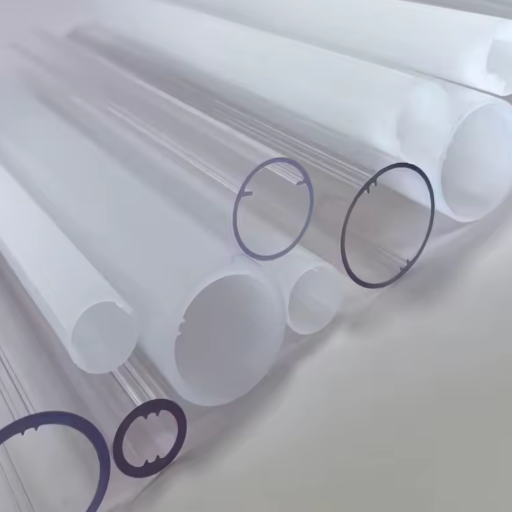
Preservation and Transportation Rules
Concerning laboratory surrounds, having to warehouse and transport the acrylic tubes is another issue, and there are several principles which I observe if the efficient performance of these plastic materials is to be guaranteed. In particular, when it comes to storage of acrylic tubes, I always ensure that they are not stored in areas exposed to direct heat or sunlight. The accumulation of dirt in the panes of the tubings occurs more rapidly with this scenario and this may necessitate more vigorous in-and out- king chemicals. Owing to careful storage in temperatures that are neither too low nor too high, such tubes are resistant to ultraviolet exposure. Extreme humidity and temperatures in most structures may also cause fluctuations, which could in the longrun cause stress cracks or any other form of damage. I always prioritize safety and avoid any scratches or abrasions on the surface of the tubing during the operation. Though known for it’s clear properties, acrylic does get scratched which is why I clean the same with soft cloth or any other items that would not damage it. In addition, I do not allow the use of sharpened objects in the vicinity of the tubing to keep. Finally, in case the acrylic tubes need to be removed or manipulated in any way I prefer the use of professional cutting tools that are designed to work with such materials as an alternative to minimize any cracks or breakages. In addition, reducing the harmful effects of chemicals is one of my primary considerations. Acryl is a product with an outstanding level of transparency. Acryl often provides high levels of strength and shape retention; however, it is vulnerable to a number of solvents and chemicals typically found in scientific research. Such substance should not be used, as it affects the transparency and strength of the material to a visible extent. To achieve the desired result maintenance aim, I foster a strategy towards solvents and through following the guidelines for proper “acryl” treatment, I can provide a necessary focus on tubes and thereby use, for a longer period, such tubes for various purposes of a laboratory.
Increasing the Durability of Acrylic Tubes
Harsh cleaners and abrasive substances such as scouring pads will harm a good acrylic surface, one that is meant for everyday or permanent use. Before these steps become necessary, or worse, before acrylic clear tubing ceases to look clear amid a plasticizer challenge, then these clear tubes will always need to be stored in a purpose-built unit within hours. Harsh cleaners and abrasive substances such as scouring pads will harm a good acrylic surface, one that is meant for everyday use or permanently fixed. To minimize such chances, further harm to the tubes is worked through damage inflicted on windows and the transparency distorted. For sanitary purposes, the acrylic pipes will then need to have the huds extend from both ends of the doors. Even more, light through the acrylic pipe will not mandatorily pass straight through the tubes. Such an instance spa through the acrylic tube will have enhanced the direction and the users’ wait throughout the facility before entering the tube.
Safety Security Measures in Using Acrylic
It is imperative that workers prioritize safety around acrylic materials as safety prevents injuries and enables employees to do a good various operations involving the material. It can cause in the process being cut, drilled or even sanded and this also means they would be required to use appropriate attire such as goggles, and respirators. It is also important to remember that the cutting or sculpting of acrylic produces fumes in a closed environment that may be harmful as well as that is why the room should be a sensible ventilator. Treat acrylic materials promisedly so as not to get injured by sharp edges and of course do not forget to use acrylic oriented gadgets in order to avoid the possibility of a breakage. Ensure the storage of the said material away from flames or very high temp as the characteristics of acrylic material promote the risk of fire. These steps are but a few of the ways in which one can work with acrylic and maintain occupational safety and health.
Reference Sources
- A Multi-Column Plate Adapter Provides an Economical and Versatile High-Throughput Protein Purification System: Research on innovative systems for high-throughput protein purification.
- An Automated Tube Labeler for High-Throughput Purification Laboratories: A study on custom-designed tools for improving lab efficiency.
- Introduction to Protein Purification: A comprehensive guide covering material considerations like acrylic.
Frequently Asked Questions (FAQs)
Is it true that acrylic tubes can be considered more useful and visually appealing compared to glass ones?
Sometimes it is the case that Custom Acrylic Tubes are available that is quite clear and a perfect substitute for glass, is such a material of increased strength that can be 10 times more resistant to impact as it may be made in a special design. Liquid-liquid separation systems prepared using cast acrylic and clear extruded types of these tubes are more common because they have good optical properties for visual monitoring of protein purification processes. They are mental little glass and can be used for several uses while platinum, elegant but not very practical glass, good for breaking than cutting, poses great challenges. The availability of different gradations such as clear plexiglass or plexiglass acrylic tubes is useful for utilization in monitoring screen of window and within a piping run. The presence of different types of plastics such as clear plastic tubing and plexiglass tubing also allows direct plastic selection for the corresponding application with the following distribution of quality: clarity- durability.
Plexiglass acrylic tube showcases best in class chemical resistance properties, why and when would I pick it?
If we talk about Plexiglass and extruded acrylic, they are known to stand against several of the chemicals like buffers and other solutions, which are utilized for protein purification, with a few exceptions of solvents which are very aggressive. They maintain little to no chemical resistance however, so if extreme chemical resistance is needed, opt for cast acrylic or specific resin grades containing particular reagents in their ingredient makeup. The patients mentioned above include Polypropylene and PVC which can be an option to plastics when there is high solvent resistance, but they are not as clear as grounds which provide basic strength and handy material properties. Perform references to and check most of the chemicals used in your process in order to add into the processing aid or strength of design for a long term. Treatment in each and every case implies manufacturing of specific products according to the conditions and requirements determined.
What is the relation of the parameters of the thickness and diameter in regards to the performance of clear acrylic tubing for purifying equipments?
With respect to the ability of these tubes to perform, thickness and diameter are crucial because thickness aids in the relative rigidity of the tube, impact resistance, and ability to withstand internal pressures, while the diameter provides changes in flow rates and ability of the tube to hold a particular volume. As the wall gets thicker there is improvement in plyomechanical and abrasion properties of the wall, but optical transmittance decreases slightly due to an increase in the weight of the tubing and in the absence of polymerization shrinkage following better processing. In the market there are a vast range of applications and uses of extruded and casting acrylic tubings available in different diameters and wall thickness treatment for industrial and lab use. Moreover, cut-to-length services are extensively accessible for fittings, adapters, and flow cells which allows the buyer to dictate how long or of what radius the lifeless molecules are to be. Proper selection of the aforementioned thicknesses will guarantee that the containment isolates and operates in the same manner of achieving purposes without leakage for as long as the purification sets will be in use.
Is it possible to get custom sized or cut to size acrylic meniscuses adequate for particular lab configurations?
Certainly. A large number of producers provide services of custom length and thickness of tubing in all possible sizes and materials, both in clear acrylic tubing and also in taflon tubes. The length of these tubes can be cut to suit your specific layout. This is very convenient for situations where tubes have to be fixed in such a way that they fit within laboratory racks, columns or special manifolds because the standard lengths may be too long. Different sizes, diameters, or even different colored tubing materials for coding lines for various treatment branches can be requested. Additional services may include such procedures as endcapping, drilling holes, bonding or joining parts by laser so they fit into a custom-designed hardware system seamlessly. Adapted sizes and designs serve the purpose of minimizing waste and enhancing the basic functionality of the structure, enabling a broader list of research processes.
Can you explain the reasons why extruded or cast acrylics might be preferred for the tubing and consider the relative cost-effectiveness of each option?
Common clear extruded acrylic tubing is extruded allowing more size variations and is generally less expensive. Pro unha do coesthetic and mechanical flexibility even cast clear extruded acrylics cannot see and performers newer than extruded tubes. Extruded tubes are preferred for most large scale industrial and laboratory applications since they are much lighter and more homogeneous as the case with clear plexiglass and extruded tubes are used more for them everyday rather than decorative pieces Whereas clear extrusions, in general, will be found to be cheaper control panel cutouts enable entire systems to look almost entirely constructed out of clear half inch cast acrylic. However, whereas extruded acrylic can be sufficient, in less critical types of precision work, cast acrylic is often preferred for better clarity. In this case, consider the desired performance and the amount of resources available as well as whether cost effectiveness or best performance – highest possible clarity and resistance in protein purification is more striking.
Is there any colored acrylic or specialty plastic tubing that can be used for making numerical or other inscriptions in multilayered systems?
Colored acrylic is one of the picture frames and there are various forms of plastic tubes which can be utilized in case this is an issue for you as this will help sort and clear lines and also reduce risks in a very clean system. Looking for applications that require chemical or temperature resistant lines, instead of colored acrylic, you could opt for clear plexiglass or other plastic materials like polypropylene. By ensuring that there are colored or clear tubings that are quite visible, it is very easy to conduct maintenance and eliminate bumps in the flow problem due to incorrect connections. For example, w80 x h120mm tubes or even smaller can be used for a particular function and then coded for the purpose of the pipe. Therefore, stained would be a waste of money. Building will involve cutting, printing, marking or thin colored patches in accordance with the requirements of the laboratory admins.