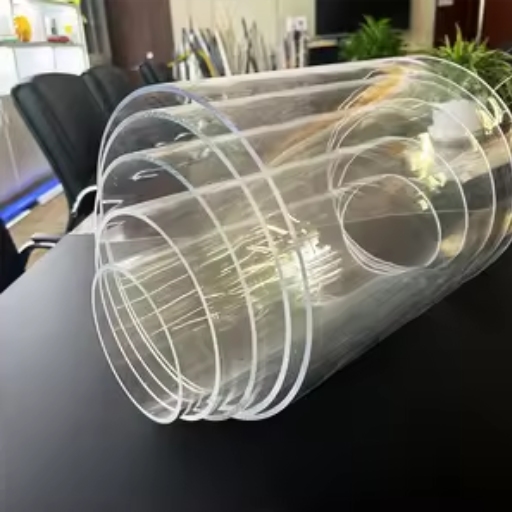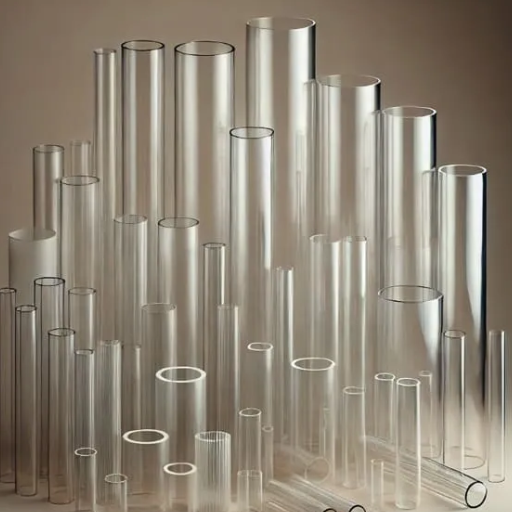

Acrylic tubing, and especially extruded plexiglass plastic tubing, is being used increasingly in numerous industries. It is durable, versatile, and offers exceptional clarity. When incorporated into architectural designs, industrial uses, or creative applications, acrylic tubing serves as a trustworthy material that strikes a perfect balance between structural strength and aesthetic appeal.
This article provides an in-depth exploration of durable acrylic tube options, focusing on the specific properties, benefits, and applications of extruded plexiglass plastic tubing. Understanding these factors will prepare readers to choose the right acrylic tubing for their specific needs, ensuring both high performance and cost-effectiveness.
Key Takeaway
Extruded acrylic tubing is the industry standard for general-purpose applications, offering a lightweight, impact-resistant, and UV-stable alternative to glass at a significantly lower production cost.
Understanding Acrylic Tubes

Clear, lightweight, tough, and substantially transparent, acrylic tubes are perfect for various applications. Cast and extruded acrylic tubes are the two major classes, produced through different manufacturing paths and exhibiting diverse performance attributes.
Tubes created by the casting method usually offer better light transmission and chemical resistance, while their extruded counterparts are more cost-effective and suited for general-purpose use. Acrylic tubes find an extensive scope in industries such as manufacturing, construction, and high-end design.
What is Acrylic?
Commonly known by the chemical name polymethylmethacrylate (PMMA), acrylic is a lightweight thermoplastic of high optical clarity. It features outstanding impact resistance and excellent UV stability. It is frequently preferred over glass in applications involving glazing, sign-making, and specialized components for the automotive and medical sectors. Due to the ease with which it may be machined and thermoformed, it is among the most versatile materials in modern industry.
Types of Acrylic Tubes
Acrylic tubes are generally categorized into two types based on their manufacturing process:
- ✓
Cast Acrylic Tubes: Produced by molding liquid PMMA, resulting in superior optical clarity, high chemical resistance, and a stress-free material structure. - ✓
Extruded Acrylic Tubes: Produced by pushing molten acrylic through a die. These are more economical but carry slightly more internal stress and lower optical precision than cast versions.
While cast acrylic is the choice for precision applications, extruded acrylic is ideal for general use. Both varieties are available in an array of diameters, wall thicknesses, and lengths to conform to vast industrial requirements.
Properties of Extruded Plexiglass
Extruded acrylic offers a constant level of dimensional stability and maintains its shape well after machining. It is ideal for applications where precise shapes must be created and cut. This material is generally noted for its weather resistance and UV protection, which ensures durability in outdoor environments.
Although this type of sheet offers slightly lower optical clarity than cast plexiglass, it is more than sufficient for most protective and display applications. Its compatibility with lower manufacturing costs makes it a forerunner for signage, retail displays, and protective screens.
Benefits of Using Acrylic Tubing in Research
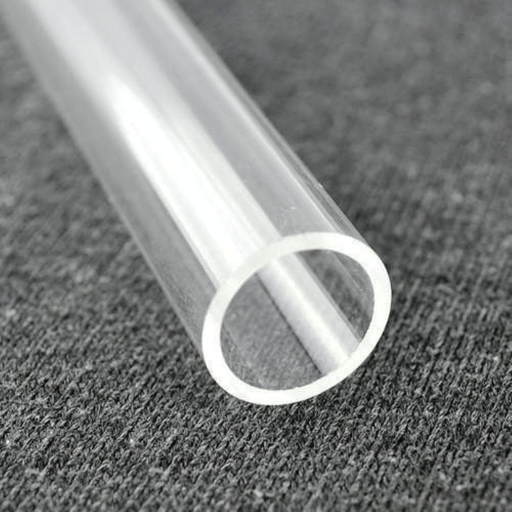
Acrylate pipes have numerous advantages for research applications due to their specific combination of properties:
- 1
Optical Clarity
Essential for visualizing detailed experimental dependencies and allowing light to pass as a controlled parameter. - 2
Portability
Lightweight yet strong, enabling simple handling, transportation, and setup in complex laboratory environments. - 3
Chemical Stability
Highly resistant to chemical attack from a wide variety of substances used in scientific testing. - 4
Temperature Tolerance
Available in broad temperature ranges necessary for conducting experiments under controlled conditions.
Clarity and Transparency
Acrylic tubing is known for superior clarity in operations requiring optical precision. With a light transmission rate of approximately 92% and minimal distortion, it is ideal for research analysis. Its inherent UV resistance ensures that this clarity remains consistent over time, making it an excellent choice for transparent assemblies in scientific and industrial settings.
Lightweight and Durable
The lightweight nature of acrylic tubes makes them efficient for handling and fitting into complex scientific setups. Despite this, they are solidly built to provide excellent impact resistance and can withstand significant temperature changes and UV exposure, offering long-term durability under challenging conditions.
Resistance to Chemicals and UV Light
Acrylic tubes portray great resistance to a vast range of chemicals, including acids, alkalis, and hydrocarbons. This enables mechanical operations in acidic or alkaline environments. Combined with high UV endurance, these tubes stay clear and functional even after years of direct sunlight exposure, outperforming many other transparent materials in longevity.
💡
Pro Tip
When using extruded acrylic outdoors, ensure you select UV-stabilized grades to prevent yellowing and maintain structural integrity over multi-year cycles.
Technical Features of Plexiglass Tubing
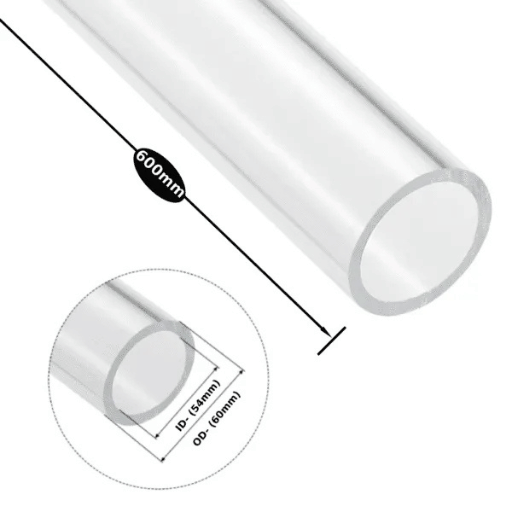
Plexiglass tubes combine superior strength, clarity, and chemical resistance. They do not yellow with time and are suitable for outside applications. The material performs well in various conditions, with a working temperature range from -40°F to 190°F. Its impact-resistant nature and immunity to many chemicals make it easy to maintain, while its versatility allows it to be glued, drilled, or cut as required.
Dimensions and Customization Options
Plexiglass tubing is readily available in standard sizes, with diameters ranging from 0.25 inches to 24 inches and wall thicknesses from 0.03 to 0.5 inches. Heavy customization—including factory-determined lengths, specific outer diameters, and wall thicknesses—is available to meet niche industry needs. Manufacturers also offer custom colors, UV filtration coatings, and specialized shaping for architectural or artistic projects.
Thickness and Strength Ratings
Standard wall thickness begins at 1/16 inch and can exceed 1/2 inch for heavy-duty applications. Structural integrity is tied directly to the thickness and the specific plexiglass grade (general-purpose vs. impact-modified). Impact-modified grades are designed to resist greater stresses, making them apt for large-scale industrial and architectural applications requiring high protection levels.
Surface Treatments and Finishes
Surface finishing is key to enhancing both performance and aesthetics. Common options include:
- • Polishing: For maximum optical clarity.
- • Solvent Hardening: To increase scratch resistance.
- • Anti-UV Coatings: For prolonged outdoor service life.
- • Frosted/Textured Finishes: To diffuse light or create decorative architectural designs.
Applications of Extruded Acrylic Tubes

| Industry | Common Uses |
|---|---|
| Retail & Display | Showcases, POS signage, and exhibition stands. |
| Aquatics | Bubble tanks, clear water features, and terrariums. |
| Lighting | LED diffusers, covers, and decorative lighting fixtures. |
| Medical/Lab | Viewing chambers, fluid conveyance, and protective casing. |
| Architecture | Decorative elements, modular furniture, and design features. |
Laboratory Equipment and Apparatus
Laboratory tools are designed for scientific accuracy and chemical resistance. Components made from advanced polymers like acrylic are vital for beakers, pipettes, and reaction vessels. Modern lab equipment incorporates these materials alongside automated technology to streamline setups and minimize human error, adhering to the stringent standards of scientific disciplines.
Fluid Dynamics Research
Fluid dynamics research investigates behavior within environmental settings using principles of continuity and momentum. It requires high-quality experimental tools to tackle aerodynamics and hydrodynamics. Using acrylic tubing allows for clear visual data in studies ranging from turbulence to flow transitions, promoting advancements in aerospace and biotechnology.
Environmental and Biological Studies
Ecologists and biologists use advanced methodologies to handle biodiversity issues and ecosystem changes. Clear acrylic components support modeling for species conservation and habitat management, underpinning smart green governance and community-friendly human activities through precise observation and framework development.
Reference Sources
- Introspective Market Research: Discusses plastic packaging and laminated tubes.
- Top Tubes: Custom plastic tubes for cosmetics, food, and pharmaceuticals.
- LinkedIn Pulse: Market trends and major players in extruded acrylic tubing.
Frequently Asked Questions (FAQs)
What are plexiglass tubes?A plexiglass tube is made of transparent acrylic resin (PMMA). It is lightweight, durable, and frequently used in both research and industrial applications.
What benefits do plexiglass tubes provide for research?They offer wonderful optical clarity, high resistance to chemicals, and strong impact resistance, making them ideal for experiments and prototypes.
Where are plexiglass tubes usually applied in research?Common applications include fluid dynamics research, chemical experiments, optical studies, and components for biomedical devices.
How do plexiglass tubes compare to glass tubes?Plexiglass tubes are lighter and more impact-resistant, making them safer to handle. However, they may have lower heat resistance than certain specialized glasses.
Can plexiglass tubes be modified for specific research purposes?Yes, they can be easily cut, drilled, and shaped to meet custom R&D requirements due to their thermoplastic composition.