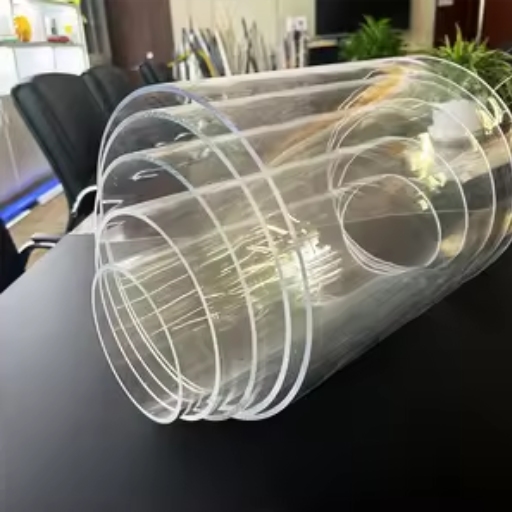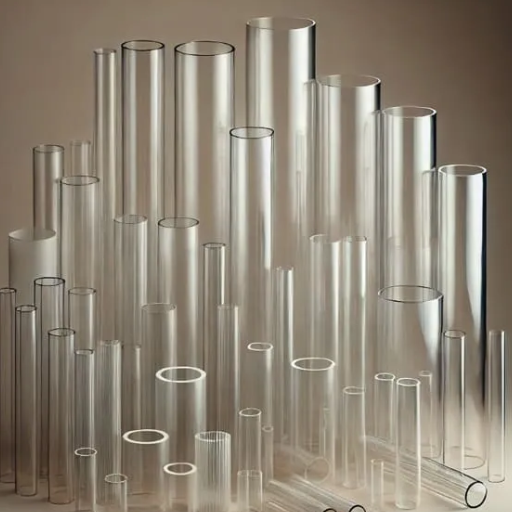

When placing mirrors in your interiors, the choice usually boils down to two popular options: acrylic mirror sheets and traditional glass mirrors. Both materials have their peculiar advantages and characteristics; knowing these differences is important if you decide on just one. This article will give you an all-around comparison between these two types of mirrors, including durability, weight, flexibility, or aesthetics. So, keep on reading as we unleash the pros and cons of each, their use, and what might help you decide on the right fit for you.
Introduction to Acrylic and Glass Mirrors
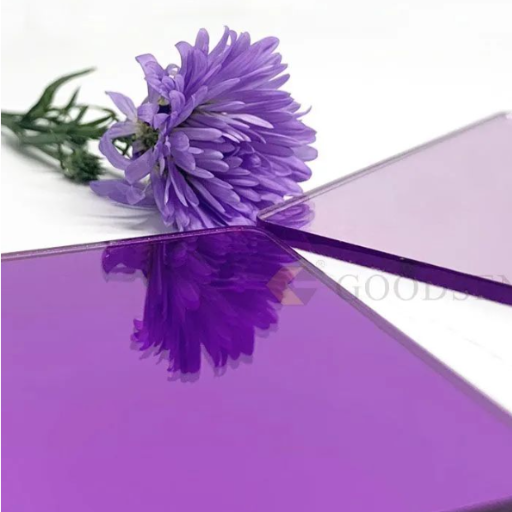
These two common types of mirror surfaces are acrylic and glass, each with distinct features and advantages. Acrylic mirrors are much lighter than glass, shatterproof, and flexible, so they are considered vital whenever safety is crucial or where the mirror may have to conform to shape. Glass mirrors are considered more traditional, with better clarity and durability, whereas the environment is mostly indoor for a longer duration. The selection is guided by a number of considerations such as intent of use, site, and particular requirements with respect to safety or image quality.
What is an Acrylic Mirror?
An acrylic mirror is a mirror made of lightweight, durable, and almost shatter-proof acrylic sheets, with the reflective coating on one side. These mirrors find strength, safety, and versatility in an array of applications. Acrylic mirrors can be up to 17 times stronger than a glass mirror of the same thickness, thus making them a superior option in scenarios where safety matters, such as in schools, gyms, hospitals, and children’s play areas.
But apart from that, lighter than glass, acrylic mirrors weigh around half as much, thus providing ease of transporting, handling, and installing, especially for large dimensions or awkward areas. Adding to that, they are highly flexible, so one can easily cut, shape, or drill them without the fear of breaking and are perfect for creative projects and custom design applications, including decorative designs and DIY crafts.
Acrylic mirrors come in a plethora of finishes and colors, such as silver, gold, and tinted varieties, thus opening up a world of different aesthetic possibilities. However, they are susceptible to scratching compared to glass mirrors, although they’re a little more resistant to damage. Hence, while cleaning, care is needed, and it is best done with a microfiber cloth and a non-abrasive cleaner intended for acrylic surfaces.
This versatility makes acrylic mirrors popular in residential interiors, commercial spaces, and even in specialized applications, such as display panels, retail environments, and theatrical props. This ensures a blend of usefulness, safety, and design flexibility, ensuring their relevance across a gamut of industries and uses. Leading “acrylic mirror sheet vs glass mirror” manufacturer in China.
What is a Glass Mirror?
A glass mirror is a reflective surface made by coating a glass sheet with silver or a reflective backing. Generally, the glass is of high-quality clear float type, polished and treated to the utmost clarity and smoothness. These glass mirrors are widely used for their durability, optical accuracy, and elegant appeal.
Making modern glass mirrors involves a few more steps after cleaning the glass: first, a reflective coating is applied; second, protective layers are added to seal the coating to avoid tarnishing. According to the latest research data, high-quality glass mirrors reflect around 90-95% of the light falling on their surfaces; thus, they are highly efficient in giving clear and accurate reflections.
There are different types of glass mirrors, such as plain, beveled, and special ones, such as anti-fog and two-way mirrors. They find applications in buildings, roadways, and transport, as well as scientific applications for telescopes and microscopes. Mirror innovations have also included making energy-saving mirrors, which are usually employed in smart-home devices or solar systems, giving the mirrors further scope and attractiveness in modern-day applications.
Overview of Acrylic Mirror vs Glass Mirror
When it comes to choosing between acrylic and glass mirrors, some factors need to be considered: weight, durability, price, clarity, and application. While both materials serve the purpose of reflection, they have characteristics such that suit particular needs.
1. Material and Durability
Plastic-based acrylic mirrors are lightweight and shatterproof. They offer approximately 17 times the impact resistance that a glass mirror would, so they find special application in busy areas where safety is paramount, such as schools or gymnasiums. In contrast, glass mirrors are much heavier and are prone to breaking, though they are more resistant to scratching and heat under normal conditions and fare better in terms of longevity.
2. Weight and Installation
Acrylic mirrors are much lighter than glass ones-with about half the weight. This makes them easier to install, particularly for extremely large mirror surfaces. Glass mirrors, which are comparatively heavy, call for sturdier mounting solutions to hold them and look chic once installed.
3. Reflection Quality
Glass mirrors tend to offer better reflection quality, having much more clarity and virtually no distortion. This is due to the nature of their surfaces which are purposefully polished for consistency, making them suitable for applications that require the utmost professionalism, such as a makeup mirror or bathroom mirrors. Acrylic mirrors, however, sometimes distort reflections slightly in larger sizes or in thinner sheets, which inhibits their use where precision is necessary.
4. Applications
Get acrylic mirrors for anything that would bench safety: kids’ rooms, outdoor setups, basically. They can also be cut easily into different shapes, so they’re quite handy for decoration. On the other hand, glass mirrors are the ones to go in more traditional or formal spaces, the homes, offices, and commercial buildings where clearness and a polished look matter.
5. Environmental and Cost Considerations
Acrylic mirror manufacturing requires far less energy, making it a greener choice for production, in addition to usually being cheaper than glass mirrors. Glass, although mainly a great investment, can be recycled easily and has the tinge of being aesthetic.
Data Snapshot:
Weight: Acrylic is 50% lighter than glass.
Impact Resistance: Acrylic is 17 times stronger than glass.
Reflection Clarity: Glass has higher clarity with near-zero distortion, while acrylic can display minimal distortions.
Cost: Acrylic mirrors are often 30% to 50% less expensive than glass mirrors, depending on size and type.
Knowing the difference between acrylic and glass mirrors helps the user pick that best suits his preference or the need for space.
Durability and Safety

Acrylic mirrors are arguably more rugged, resisting impact better than glass and thus having a fair chance at breaking under much greater pressure. It also turns out that from a resolution viewpoint, acrylic is perfect for very busy or prone areas. Naturally, glass mirrors will be more prone to breaking effects, while their surface is relatively more resistant to scratches when compared with acrylic.
From a safety point, acrylic is favored in places where breakage could be a frequent occurrence, given that a broken glass mirror is a hazard in itself because of the very sharp shards it can break into. Hence, acrylic mirrors can be best used in places where children are involved or in public spaces where the possibility of an accident is likely.
Shatterproof Properties of Acrylic Mirrors
Typically advertised as a protective feature, this attribute makes acrylic or plexiglass mirrors a safer alternative to traditional glass mirrors. Acrylic mirrors are formed from a lightweight thermoplastic that grants them up to 17 times more impact resistance than glass. Such high durability means that for any amount of force applied, unprotected shards are just not going to be produced by these acrylic mirrors. Rather, they might crack slightly or scratch, which presents less hazard to anyone.
Recent advances in acrylic manufacturing methods have supported the evolution of their shatterproof properties to the highest standards. Thanks to the treatment with special coatings, modern acrylic mirrors enjoy enhanced resistance to scratches and are thus better maintained over time. Most of them have been designed to meet safety standards in childcare, healthcare, fitness facilities, and public transportation to offer higher reliability in risky environments.
This means, according to recent data provided by material safety studies, that acrylic mirrors are more likely to be installed in schools, hospitals, and gymnasiums where stress might be meted out accidentally or purposely. The cheapness and the durability of acrylic would make it a great candidate for giving one that extra level of security when installed in either homes or businesses.
Durability of Glass Mirrors
Glass mirrors are best kept away from careless hands, owing to their fragility compared to acrylic mirrors, yet they also provide superior clarity and traditional aesthetics. The durability of a glass mirror is mainly affected by the manufacturing process and the type of glass used. For example, tempered glass mirrors are far more resistant to breaking than standard glass mirrors since the heat treatment process enhances their strength. It is stated that, based on recent tests, tempered glass turns out to be about four to five times stronger than untreated one, hence its preference where safety-traffic considerations are concerned.
In addition, the backing material of a glass mirror affects the longevity of the mirror. A silver backing of high quality safeguards glass mirrors from corrosion or discoloration, especially in conjunction with suitable protective coatings. However, such protection depends heavily also on environmental factors: Strong humidity or temperature fluctuations outside may weaken the adhesive layer or cause tarnishing to set in with time. Therefore, installation must be done properly, while periodic maintenance consisting of sealing of edges and cleaning with a non-abrasive solution will increase the lifespan of glass mirrors and keep them a joy to work with and to look at.
Safety Considerations for Both Materials
In the context of safety, a vital concern, both for the glass and mirror industry on the manufacturing end and for the end users, working with glass and mirrors. If an appropriate method of handling glass is undertaken, then it can be seen as a fairly durable item to work with. But glass presents hazards when it shatters. The sharp edge from broken glass can either kill or cause serious injury. Remembering this, tempered or laminated glass must be utilized in those applications that are vulnerable to impact. ASTM and other safety regulatory bodies recommend tempering the glass by special heat treatment methods, which makes the glass four times stronger than usual and ensures its breaking pattern into small pieces that do not pose any danger.
The installations featuring mirrors can jeopardize safety if care is not taken. Some accidents occur where the backing of the mirror or adhesive proves to be faulty, and the mirror comes crashing down onto something or somebody. For these types of situations, the industry guidelines stipulate proper mounting, reinforced backings (for example, with safety vinyl), and strong fasteners, such as screws or brackets. The incorporation of safety provisions from the building codes (such as IRC) ensures compliance with modern codes in areas like bathrooms or public spaces.
Problems could also arise from a lack of periodic inspections and maintenance systems. Studies have demonstrated that structural degradation-a weakened bonding agent or an unseen crack-usually guarantees material failure. Protective edge sealing and guardrails would provide extra security to combat such degradation. In adherence to contemporary safety regulations alongside the consequences of new technology in materials, it should be an accepted practice today to ensure all glass works and mirrors are free of hazards and are placed for day-to-day use securely and reliably.
Weight and Practicality
Weight and practicality are considerations when choosing any materials for glass and mirrors. A lightweight substance is easy to handle, transport, and install and can therefore be applied to more scenarios; yet these heavier types usually offer greater durability or impact resistance; this additional safety may be needed in an environment. Purely practical criteria dictate balancing weight against functional necessity, thus offering a long-term use.
Weight Comparison: Acrylic vs Glass
In terms of weight, acrylic dominates glass as a significantly lighter material. Generally speaking, acrylic averages around 50% less in weight than conventional glass of equivalent thickness. Hence, the lighter acrylic is relatively easy to handle, transport, and install, especially in larger projects like window panels, display cases, or decorative installations. For instance, a 1/4-inch-thick sheet of acrylic generally weighs around 1.2 lbs. per square foot, whereas glass of the same thickness weighs roughly 2.5 lbs. per square foot.
Due to this immense difference in weight, the structural necessities upon installation are also impacted. Being lighter gives it a plus against the supporting structures, where utmost priority goes to minimizing weight, such as in aviation, marine, or high-rise buildings. In contrast, while glass remains heavier, in some cases, this extra weight can be a bonus for soundproofing and a feeling of solid presence in architectural projects.
Hence, choosing between acrylic and glass is very much a case of restrictions on weight and functionality of the project. With acrylic being adaptable to numerous needs, this very light material is opening an area for acrylic where the glass would be too heavy or just not practical.
Installation and Handling Practicalities
When comparing acrylic with glass, their respective installation and handling differ quite markedly, thus demanding a varied approach with sometimes very limited intersection. From their material point of view, acrylic, being light and shatterproof, is pretty much easier during transit and installation. The handling of acrylic rarely subjects it to damage, thus little or no special handling mechanisms go into the installation: for example, a standard sheet weighs half as much as the glass sheet, which makes it a single-man carry job in many cases, or perhaps for a smaller crew.
Installation of glass, on the other hand, is more severe and expensive with respect to handling. Its brittleness, in particular, renders certain operations tricky. Installers must harness methods like special carriers, suction lifters, and, in cases of very large panes, cranes. If laminated and tempered glazings fare better against accidental damage compared to normal glass, that still leaves the installer with the problem of the weight, which, during mounting, needs to be supported with strong frameworks and brackets.
That costs a pretty penny and is double trouble; half an hour in a day might be spent at the cost of installing acrylic. Installation companies usually find handling of glass on average 20-40% more costly in comparison to acrylic, with glass installation requiring special tools and equipment as well as higher manpower. In special cases where extreme tolerance to temperature or resistance to scratches is necessary, application-wise, glass is better suited than acrylic under unusual conditions of installation.
Both have developed tools and techniques for them. Laser cutting, for example, has brought great advancements and accuracy to the shaping of acrylic sheets, whereas glass manufacturers have equally tried to chop down on installation hazards through the use of protective films and coatings. In the final vote, the right material for a job depends on three things: budget, scale, and environmental considerations, but one should never overlook the practicalities of handling.
Transport and Storage Considerations
Management for the proper transport and storage of materials such as acrylic and glass assures the maintenance of quality and the prevention of damage. However, acrylic sheets are lightweight, relatively resistant to heavy impacts, but vulnerable to surface scratches. To protect their surface, transportation should always be done with the protective film on. They should be stored flat or tilted between 10 and 15 degrees in a dry and steady environment. Do not place heavy loads upon them so as to let deformation occur due to weight.
Glass, being heavier and more fragile, calls for yet greater considerations. Damage to glass edges is one of the top concerns of transport, so it is helpful to use corner protectors and cushioning materials. For larger installation projects, glass should be transported upright using specially made glass racks or A-frames so that the installation glass barely moves. Recent industry reports estimate that improper handling comprises upward to 20-30% of material loss during transport and storage on a global scale, occasioning the need for proper training and equipment.
These beautiful materials should be stored in a climate-controlled environment that prevents any warping or other issues caused by temperature extremes or humidity. Labeling and organizing the materials is sure to expedite workflow and reduce accidental damage. These best practices will eventually contribute to large cost savings in material replacements and delays of projects.
Affordability and Cost-Effectiveness
The principles of being affordable and cost-effective lie at the core of proper resource management. Paying less for high-quality materials and minimizing wastage amounts to extra savings which can be channelized into enhancing quality. Similarly, when correct tools and processes are utilized, they optimize the cost of time and labor, and in turn, keep the project within budget. By having clear planning and constant monitoring, unnecessary expenditures are avoided, hence making operations viable and sustainable.
Initial Costs of Acrylic Mirror Sheets
The costs of acrylic mirror sheets vary with aspects such as size, thickness, quality, and supplier. Price-wise, they usually go anywhere between $20 and $150 per sheet, depending on dimensions and specifications. For instance, a common 24″ x 48″ acrylic mirror sheet of 1/8 inch thickness would typically be priced roughly between $30 and $50, while bigger or thicker sheets, say of 36″ x 72″ size and 1/4-inch thickness, could get within a range of $100 to $150. A bulk purchase or wholesale purchasing can help a lot in lowering the price per piece.
Additional costs can rise if you need the sheets custom-cut or finished other than the standard finish. Shipping costs can vary, too, depending on how far away a distributor is from the buyer. Acrylic mirror sheets continue to be a low-cost yet sturdy alternative to actual glass mirrors and hence are favored for a variety of applications in home decor, retail displays, and creative projects.
Cost Comparison with Glass Mirrors
When a chief factor is dollars, acrylic mirror sheets are usually less expensive than conventional glass mirrors. On average, acrylic mirror sheets may range in price between $20 and $40 per square foot, depending on the thickness and quality; meanwhile, glass mirrors can vary from $35 to $80 per square foot for more or less similar dimensions and quality. Another reason why transport costs for acrylic sheets would be less is that they are lighter in weight, having a lower cost as compared to that of heavier glass mirrors.
The lower installation costs are due in large part to the fact that acrylic mirrors are easier to install because of their lightweight nature. Since they are solid and less likely to break during transit and handling, there are also fewer expenses in replacing them. Acrylic mirrors are also generally cheaper when it comes to custom sizes and shapes because they can be cut relatively easily using standard tools, thus reducing labor and processing costs.
Besides having a better aesthetic and scratch resistance, glass mirrors are often more expensive to buy; this thing can sway decisions based on particular applications: luxury or long-term. In the end, the decision to go with acrylic or glass mirrors depends on budget, durability requirements, and the intended use of the product.
Long-Term Value and Maintenance Costs
When considering mirrors in terms of long-term value and cost of maintenance, initial expense is just one consideration: upkeep requirements and durability also have to be taken into account. Acrylic mirrors are noted for being sturdy yet lightweight and highly resistant to impact, making them attractive for those locales where safety and durability are of paramount importance. They do suffer from surface scratching, however, and eventually might need to be polished or have fine scratches removed using enough products to prevent added maintenance expense throughout the years.
Glass mirrors fare better in the long run, with their staying clear and resisting abrasion, especially if extra layers of anti-scratch or moisture-resistant coatings have been applied. Data reveals that glass mirrors may last for well over 10 years without any noticeable lowering of quality if cared for properly. Further, glass mirror cleaning is made somewhat simpler by the fact that it does not ordinarily involve heavy work or is cost-intensive: Employees can make do with the cheapest glass cleaning solutions to keep the reflective surfaces intact, thus reducing maintenance costs.
Recent studies maintain that for commercial or high-traffic applications, investing in glass mirrors will get better value in the long run due to durability and lower maintenance requirements. However, acrylic mirrors may emerge as the more cost-effective alternative where children’s rooms or temporary settings are concerned, and with a higher risk of damage but lesser concern for enduring value. Hence, finding the most appropriate mirror invariably means weighing upfront costs against anticipated maintenance costs in the context of the specific usage needs.
Versatility in Applications
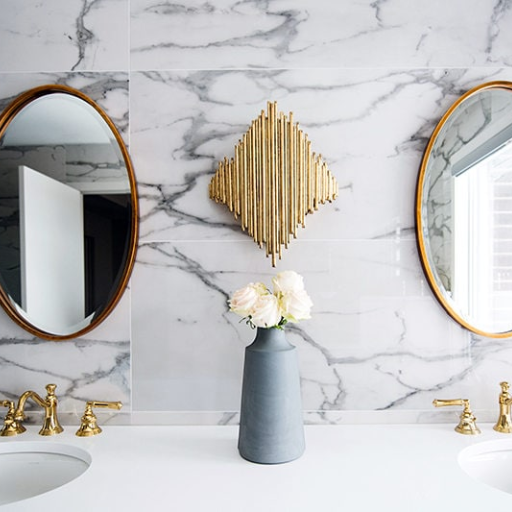
Because these are able to increase the light entering a place, give a feeling of larger space, or merely serve decorative purposes, mirrors hardly find their use more versatile in application. They could be used decoratively inside homes, office buildings, retail spaces, or public venues. On the other hand, from the point of view of accuracy, mirrors are used in the medical field, sciences, and technologies, such as in optical instruments and laser systems. This adaptability ensures their existence in all kinds of settings.
Common Uses of Acrylic Mirrors
Acrylic mirrors are widely accepted because of their lightweight nature, durability, and utility. Unlike standard glass mirrors, the acrylic mirror would not shatter into pieces, thus presenting a safer option in several applications. Some of the popular uses of AEDs across industries and spaces include:
Interior Design and Home Decor
Acrylic mirrors are utilized as decorative elements in residential abodes. Owing to their flexibility, a designer can shape and apply the mirrors in unconventional ways-whether as wall accents, ceiling panels, or even in furniture-making. They are especially preferred in children’s rooms or play areas for safety reasons. Such mirrors can also be created with patterns or motifs that enhance modern and contemporary designs.
Retail and Commercial Displays
From a retailing perspective, it aims to highlight products inside display cases; it wants to give retailers an illusion of larger and inviting spaces. Being lightweight allows for easy mounting and cutting into media shapes as per the display requirements. The acrylic mirrors maintain clarity and reflectiveness while adorning the stores, showrooms, and exhibitions.
Gyms and Fitness Rooms
Acrylic mirrors are the common choice for gyms and dance studios where wall-to-wall mirrors are required. They are very tough and impact-resistant, which assures their long life in a highly trafficked area. Besides that, they are very light and make installations easy and less expensive compared to their glass counterparts.
Educational and Recreational Facilities
Schools, daycare facilities, and recreational areas use acrylic mirrors for both functional and aesthetic reasons. Well, they assure safety and durability if placed where accidental impacts are probable, such as play areas or activity rooms. They find potential use in science experiments and teaching aids because of their reflective qualities and ease of handling.
Transportation and Automotive Applications
The lightweight and break-resistant nature of acrylic mirrors makes them fit to be use in transportation and automotive surroundings. These are commonly found in RVs, boats, and aircraft, where weight saving is really important. Moreover, automotive manufacturers also favor acrylic mirrors for internal and external applications, including side mirrors and interior paneling.
DIY and Craft Projects
Hobbyists and DIY enthusiasts use acrylic mirrors for custom-built projects. From small decor pieces to large-scale art installations, the material is easy to work with, allowing flexibility and adaptability. The presence of several colors and finishes, such as frosted, matte, glossy, or even tinted, makes the possibilities for creativity endless.
Industrial and Specialized Applications
Acrylic mirrors find their use in technical domains such as optical devices, illumination systems, and even robotics. They find applications as lightweight components in laser systems or surveillance devices due to their accuracy and reflectance. They remain the ideal tool in industrial settings where safety and resistance to breaking are needed.
Why Choose It and Market Status
Market research has indicated that the global acrylic mirror market is on a significant growth path every time, fortified by demand in the residential and commercial sectors. As per the latest figures, the size of the market for acrylic-based products crossed $5 billion in 2023, with growth being projected at around 6% per annum till 2028. A contributing factor is the advancement made in manufacturing techniques, rendering acrylic mirror much more affordable and adaptable than its counterpart, glass. From an eco-friendly perspective, these acrylics being produced through a green process, in turn, can be recycled, which catches the attention of manufacturers and consumers willing to go for a sustainable solution.
Applications for Glass Mirrors
Glass mirrors continue to hold water in the market and between industries for their durability, optical clarity, and aesthetic value. They find wide applications in the domain of interior design, where their reflective properties give an illusion of space inside a house, an office, or a public place. In finer terms, frameless glass mirrors are a well-known example of modern minimalistic décor to keep it open and airy.
The automotive industry has remained one of the largest consumers of glass mirrors, with rear-view and side-view mirrors being essential for safe driving. As technological advancements took place, features such as anti-fog coatings and auto-dimming became part of glass automotive mirrors for enhanced utility.
In another aspect, glass mirrors are utilized in solar energy systems, especially in concentrated solar power (CSP) plants. These mirrors reflect and concentrate sunlight onto a receiver, so that clean and renewable energy is produced with maximum efficiency. Reports suggest that the global market size for solar mirrors is forecasted to rise at an estimated rate of more than 13% during 2023-2030, owing to the greater uptake of solutions for sustainable energy.
They find application in health, scientific research, and the design of microscopy, medical imaging, and laser diagnostic equipment, where precision and glass-quality optical requirements are at their peak. They remain equally critical in astronomy with their reflective qualities, assisting huge telescope systems to explore space with magnificent accuracy.
While acrylic mirrors gain popularity among the alternatives, the aforementioned qualities of glass mirrors prevent them from being replaced in fields demanding high precision and heat resistance qualities.
Choosing the Right Material for Your Needs
In choosing the ideal material to suit your particular needs, several parameters are carefully weighed against each other for performance optimization and cost-effectiveness. Here are a few major parameters:
Application Requirements
The basic consideration in the choice of material largely revolves around the intended purpose. For instance, traditional glass mirrors are the choice with greater in accuracy compared to acrylic mirrors with laser or astronomical inflections. Acrylic mirrors, on the other hand, might suffice for decoration where durability and lightweight design are favored over optical accuracy.
Durability and Resistance
If exposed to temperature changes or strong light sources inside the environment, the glass material becomes favorable for extreme heat resistance and durability. While acrylic doesn’t do as well under heat, it does have advantages, being shatterproof and highly impact-resistant in certain scenarios.
Weight and Flexibility
Since weight can at times be an important concern, portable equipment installations are instances where acrylic mirrors are substantially lighter than glass with adequate reflectivity, hence making them very suitable for transport and handling in many jobs.
Optical Clarity
In general, glass offers better optical clarity and flatness and is the ideal choice in scientific and high-precision applications. From recent studies, it has also been proven that the refractive index of glass remains stable under changing environmental conditions relative to synthetic alternatives.
Cost Efficiency
A budget usually sets some limitations when it comes to material selection. Acrylic, for instance, is typically more cost-effective than high-class optical glass when the project is on a large scale. On the other hand, you should be aware of the compromise you are making between performance and cost, which will be dependent on your specific needs.
Eco-Impact and Sustainability
All efforts are being funnelled toward sustainability; hence, glass would be more preferable because it can be recycled more easily as compared to plastic. Glass technology advancement endeavors are also aimed at decreasing energy consumption and carbon footprint.
Examining these considerations in the industry would lead to a proper decision in material choice for the application. For instance, as per a market insights report of 2023, the global demand for precision glass has skyrocketed by almost 15 percent, being highly employed in ultra-modern technology such as photonics and space exploration; thus, exhibiting trustworthiness and relevance in high-precision assignments.
Choosing the best material ultimately depends on the balance between functionality, cost, and environmental priorities, ensuring your solution aligns with both your immediate goals and long-term considerations.
Reference Sources
- Minnesota State University (MNSU): Design and Development of Smart Wardrobe Technology
This study compares acrylic mirrors to glass mirrors in terms of their advantages and applications.
- University of Central Florida (UCF): Looking into Reflective Materials for the Solar Cooker
The study looks into the properties of acrylic mirrors, against glass ones, in terms of weight, shatter-resistance, and optical reflectance.
- University of North Carolina (UNC): Basic Geometrical Optics
This offers the basic idea of reflection and refraction of light, which can be used to differentiate between acrylic and glass mirrors.
Frequently Asked Questions (FAQs)
Acrylic Mirror vs Glass Mirror: What Are the Key Differences?
The primary differences between acrylic mirrors and glass mirrors include weight, durability, and safety. Acrylic mirrors are typically half the weight of glass mirrors, making them easier to install and handle. Additionally, acrylic mirrors are impact-resistant and shatterproof, which enhances safety in environments like gyms and dance studios. In contrast, glass mirrors can distort reflections and may be more susceptible to breaking.
What Are the Benefits of Using Acrylic Mirrors?
Acrylic mirrors offer several advantages, including their lightweight nature, which makes installation simpler. They are also shatter-resistant, making them a safer option in high-traffic areas. Furthermore, acrylic mirrors provide a perfect reflection without the distortion that can occur with traditional glass mirrors.
How Do Acrylic Mirror Sheets Compare to Glass Mirrors?
Acrylic mirror sheets are a versatile alternative to traditional glass mirrors. They are lighter, easier to cut, and can be customized for various applications. While glass mirrors may provide a more premium feel, acrylic sheets can be more practical for installations where weight and safety are primary concerns.
Are Acrylic Mirrors Shatterproof?
Yes, acrylic mirrors are impact-resistant and shatterproof, making them a safer choice for environments where health and safety are a concern. In contrast, traditional glass mirrors can break easily, posing a risk of injury.
What Makes Acrylic a Good Alternative to Glass Mirrors?
Acrylic is a thermoplastic material that is lighter than glass, making it easier to handle and install. Its durability and shatter-resistant properties further enhance its appeal as an alternative. Additionally, acrylic mirrors are less likely to distort reflections compared to some lower-quality glass mirrors.
How Easy Are Acrylic Mirrors to Clean?
Acrylic mirrors are generally easy to clean. They can be wiped down with a soft cloth and mild soap solution without the risk of breaking, unlike glass mirrors that may require more careful handling during cleaning. However, it’s essential to use non-abrasive cleaners to avoid scratching the surface.
Do Acrylic Mirrors Absorb Moisture?
Acrylic mirrors may absorb moisture, which can be a consideration in humid environments. However, they are less likely to be affected by moisture compared to some glass mirrors, which can develop fogging or damage over time.
What Are the Decorative Options Available with Acrylic Mirrors?
Acrylic mirrors come in a wide selection of styles and can be customized for decorative purposes. They can be cut to specific shapes and sizes, making them suitable for unique designs in homes, gyms, or dance studios. This versatility is one of the key advantages of using acrylic mirrors over traditional glass mirrors.