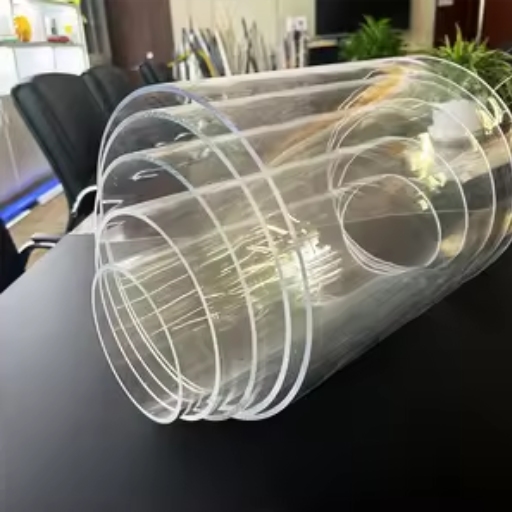

Precision is everything when it comes to maintaining a healthy aquarium that flourishes and functions at its best, and this demands an equally high level of performance from dosing pump tubing as a pivot piece. Tailored expressly for controlled and precise delivery of vital plant constituents, additives, and medicines, dosating pump tubing is the linchpin of advanced care systems supporting aquariums. Whether one is working with a cultivated reef ecosystem or striving for maximum water quality among freshwater or saltwater species, the performance and results from dosing tubing directly affect the health of the aquatic environment. This article discusses the key features of dosing pump tubing, the potential uses of tubing for dosing, and some advice about how selecting the correct tubing can expand the efficiency and productivity of your aquarium maintenance programs.
Understanding Dosing Tubing

Dosing tubing is a specialized pipeline that is equipped to deliver controlled amounts of additives, supplements, or nutrients to an aquatic system. It has a crucial role in maintaining water chemistry by ensuring the exact and equal distribution of the substances, such as fertilizers, trace elements, and so forth. It is wise to choose a very sound tubing, usually of materials that do not kink or degrade chemically, given that it will last very long and maintain non-disrupted function. It is always crucial to select good-quality tubing with respect to dosing pump specifications to achieve maximum performance and to avoid different problems for the aquarium.
What is Dosing Tubing?
Dosing tubing has a function of delivering precise amounts of a liquid, such as supplements, medicines, or water conditioners, personally to the tank or operating setup, and does so by sticking itself between aquarium filters and dosing pumps. It allows for the exact and controlled distribution of these substances. It is designed to withstand continuous wear due to the nature of durable material, maintains its chemical resistant properties, and will not degrade—it is therefore an essential and fundamental component of maintaining water quality and stabilizing conditions for both freshwater and marine systems.
The Purpose of Dosing Tubes in Aquariums
Critical in dosing tubes is the administering of precise amounts of additives (such as fertilizers, trace elements, or medicaments) to an aquarium system with minimal interruption to the system. Once in motion, these tubes, automation or streamlining may help to maintain ideal water parameters, thus lessening manual interfering and uphold to the health and stability of aquatic lives. Precision in dosing is crucial to maintaining harmony as an obstacle to keep sensitive species from deteriorating into unpleasant conditions, wherever it be set up in freshwater or marine.
Types of Dosing Tubing Materials
Your choice of tubing material is extremely important to ensure its longevity, chemical resistance, or compatibility with different additives used in aquarium systems. Some of the materials include:
- •
Silicone Tubing: Silicone tubing is flexible with good wear and tear resistance and perfect for low-pressure applications; on the downside, substances can degrade silicone over time. - •
Polyethylene (PE) Tubing: PE tubing has good chemical resistance and is unaffected by UV light, making it ideal for systems that dose reactive substances. - •
Polyvinyl Chloride (PVC) Tubing: PVC tubing gives longevity as well as versatility, handling higher pressures while being compatible with a wide range of liquids. - •
Teflon (PTFE) Tubing: This material is approved as a high-performance material due to its non-reactive surface and exquisite chemical resistance, so it could be excellent for very aggressive or volatile additives.
Deciding on the right material does depend on such factors as the additives being used, the pressure requirement, or the environmental factors in the established aquarium system.
Choosing the Right Dosing Pump Tubing

A thoughtful consideration of the right tubing for a dosing pump commences with understanding the requisites of the aquarium. Look to durable tubing material made of nothing more than chemically resistant materials, such as polyethylene and silicones, resisting deterioration by chemical additives and ensuring long service life. As well, ascertain a close match of tubing diameter to meet dosing pump specifications in order to eliminate leaks and flow inconsistency. Last but not least, above all, do use microscopy tested tubing on aquarium applications, pursuant to its fine design for your marine and freshwater systems.
💡
Factors to Consider
Several criteria have to be checked with regard to the dosing tube that is to be matched/used in an aquarium in order to ensure maximum utility and compatibility. Firstly, the chemical resistance of the material used is of critical importance so that it can withstand against the different aquarium supplements used, such as calcium or phosphate solutions that might cause its decomposition. Second, ensure that the inner diameter and wall thickness of the tubing selected are compatible with the dosing pump requirements, as not really selecting hose proof to the dosing pump specifications may lead to inefficiency or failure of the system. Flexibility and resilience are two terms that should also be looked into to stay away from tube cracking when affected by hardness or under pressure where the extra softness would certainly lead to the blockage of the tubes due to rubbery collapse. Lastly, it is in one’s best interest to employ tubing especially marked for aquarium purposes to meet the stringent demands of extremely accurate dosing systems that are normally seen in marine and freshwater placed within artificial tank systems.
Silicone vs. Vinyl Dosing Tubing
Silicone tubing stands out due to its flexibility; excellent durability over time; and it is also highly resistance to chemical degradation, making it a top choice for precision dosing applications. It retains its shape over long periods and supports reliable operation under a wide range of temperatures. Silicone tubing is almost always more expensive than vinyl tubing. In contrast, vinyl tubing is a more budget-friendly option and offers enough rigidity for standard dosing setups. Although vinyl is not as long-lasting or chemically resistant as its counterpart, it is sufficient for less demanding applications. Comparing silicone and vinyl tubing essentially relates to the specific demands of the dosing system such as availability of funds and environmental conditions.
Best Practices for Dosing Tube Selection in Saltwater Tanks
When selecting dosing tubes for saltwater aquariums, it is critical to consider chemical compatibility, durability, and operational efficiency. Silicone tubing would represent the best choice for high-precision dosing systems or systems that may need to withstand corrosive chemicals or solvents, owing to its excellent flexibility (unlike that in vinyl tubing) and resistance to chemicals. On the other hand, vinyl tubing can be employed in non-demanding environments, with the budget always a concern and inferior exposure to chemicals. Always consider the specific chemical composition of what is being dosed, the temperatures that will be present, and the flow that is desired before selecting the tubing material such that tubing material can align with the performance expectations of the system. Tailoring the tubings choice for each of these respective variables will enhance the reliability of the dosing system and making maintenance demands less cumbersome with time.
Benefits of Using Dosing Pumps and Tubing
- 1. Precise Dosing
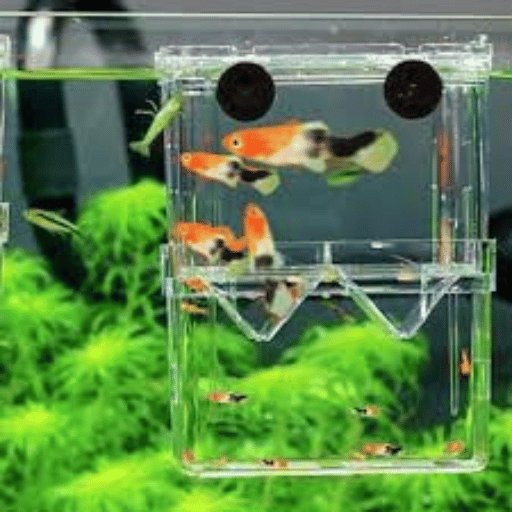
An accurate amount of nutrients, supplements, or chemicals needed for maintaining water parameters in the aquarium is delivered precisely with a dosing pump and tubing. - 2. Automation and Convenience
Systems of dosing, when used, have this advantage: they automatically introduce trace elements or fertilizers, easing labor to the level of opening the possibility for enjoying other luxuries afforded by the hobby. - 3. Consistency
A series of dosing machines can be equally advantageous through time stability: accordingly, once stable, they prevent any skyrocketing or snap decreases, thus freeing our happily swimming wildlife from some degree of stresses caused by even minute changes in water chemistry. - 4. Reduced Waste
As opposed to manual work, necessary precision protects against overdose or underdose scenarios while preventing waste of water-governing chemicals necessary for aquariums. Even a small saving on such precious stuff often brings about economic efficiency in all regards. - 5. Enhanced Aquarium Health
Dosing pumps and tubing ensure all-time provision and most efficient management of the aquarium by feeding the target levels of nutrients on the table and making them the basis of standardized maintenance of one’s health balance.
Improved Accuracy in Dosing
It is so important to dose precisely the correct amount of chemicals in the aquarium in order to sustain an ecosystem that is stable and productive. With these systems of precision dosing, the right amounts of the compounds crucial for the aquarium enter it at appropriate time intervals with no human error or guesswork. With this kind of accuracy, creating imbalances in water parameters will not be allowed, such as alkalinity, calcium, or magnesium. These same conditions are what help the life functions in the tank to progress in a consistent manner. Modern equipment, like the programmable dosing pumps, has then employed technology to give you unparalleled reliability, which indeed frees the aquarist to address other major factors pertaining to the aquarium habitat.
Enhanced Control Over Aquarium Chemistry
Keeping the aquarium chemistry in pristine condition is mandatory to ensure an enduring and vivacious aquatic experience. Automation or digital tech at the hands of aquarists can help monitor and manage key water parameters in order to eliminate any fluctuation that could provide the least impact on their inhabitants. Helping to stabilize dosing, measuring and adjusting water chemistries, technology assures a precision better than can ever be attained by manual intervention. Such controls are conducive, thus fostering conditions for marine and freshwater ecosystems, further nurturing them, making them strong enough to support the periods of life of aquatic beings.
Reduction of Manual Dosing Efforts
An automated dosing system reduces the need for manual intervention by providing suitable doses of various supplementations, typically the calcium, alkalinity buffers, and trace minerals, necessary in the required quantity. Given the right instructions, these systems dump specified doses every specific time period, creating minimal mistakes and offering standardized results. By shifting towards specialized systems, both benefits of time-saving and security of the delicate balance that can be easily disturbed due to overdosing and under-dosing contributing to environmental hazard. Ultimately, this enables system stabilization and might improve the health of the inhabitants by large.
Installing and Maintaining Dosing Tubing
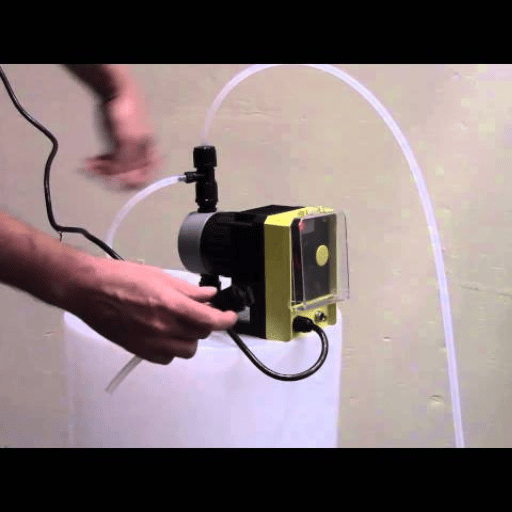
Proper installation and maintenance of dosing tubing are necessary to keep the dosing systems functioning correctly and uniformly over time. For ensuring optimal results, consider the following steps:
1. Installation
- ✓ Begin by selecting high-quality chemical-resistant tubing appropriate for the dosing pump and substances being dosed.
- ✓ Cut the tubing to the necessary length and take care to have clean, straight edges to avoid malfunctioning or leaks.
- ✓ Secure both ends of the tubing—an end to the dosing pump’s outlet and the other to the target container or aquarium system. Confirm that all the connections are tight with no gaps.
2. Securing Tubing
- ✓ Secure the tubing with clips or holders along its route end to end, preventing kinks, bends, or anything else that may block the flow.
- ✓ Keep it away from direct sunlight or other sources of heat-induced deterioration.
3. Maintenance
- ✓ Regularly check the tubing for wear, such as cracking, discoloration, or leakage, and replace it immediately as and when necessary.
- ✓ To prevent build up and clogs, tubing should be cleaned with fresh water or an appropriate cleaner.
- ✓ It is important to recalibrate systems to assure flow rates remain consistent as expected according to the prescribed manufacturer’s recommendations.
These steps can help maintain the longevity and accuracy of their cream dosing system for the good health and stability of their aquarium environment.
Step-by-Step Guide to Installing Dosing Pump Tubing
- 1
Manufacturer Specification Review
An analysis of the dosing pump and tubings has been made clear in the manual. It provides you with proof of system compatibility and possibly cover elegant overall material conditions such as tubing size, material types, and fittings. - 2
Prepare the Tubing
Measure your tube accurately and cut lengths as per the reverse requirements of your configuration. Do not allow excessive slack that can compromise the tubing, subsequently blocking pair not only with the pump but also with the container in this kind of situation. - 3
Attach the Tubing to a Pump
Attach the tubing accurately to the input and output ports of the dosing pump. All connections should be secured against air leaks and detachment during operation. - 4
Position the Tubing Properly
Bring the whole tubing along without any sharp bends and without letting that be the target of any obstruction. Secure the tubing: use clips or mounting brackets to hold the tubing in position, while the tubing should remain safe during functioning. - 5
Top-up for system
Therefore, if the need arises, the tubing can be primed manually. By setting off the dosing pump at a low flow rate, air pockets may be removed, while consistent fluid movement in the tubing can be observed. - 6
Verification of Operation
By activating the dosing pump and watching closely its operation, one may search for leaks, uneven flows, and stress marks on the tubing. The adjustments should be carried out as needed so that they keep a sound state.
Regular Maintenance Tips for Dosing Tubes
- Inspect Tubing Regularly: Keep a close eye on the tubing on a regular basis for any signs of wear, crack, or kinks that might cause a leak to occur or obstruct flow. To prevent failure of the system, tubing showing signs of wear should be immediately replaced.
- Clean the Tubing System: Clean dosing tubes frequently to prevent blockage from solids deposited onto the tubing walls from dosing solutions. Use an appropriate cleaning tool and ensure all parts have been rinsed off before reassembly.
- Inspect Connections: Check that all fittings and pipes stay secure and free of leaks. Loose connections can easily compromise dosing accuracy and system efficiency.
- Test Pump Output Accuracy: Keep running calibration tests on your dosing pump to confirm its output matches the desired dosing rate. This way you get precise dosing that corresponds to a constant system performance.
- Protect From Environmental Factors: Keep the tubing out of intense sunlight, extreme temperatures, and corrosive materials for an extended period as this may deteriorate the tubing over time.
Common Issues and Troubleshooting
| Issue | Cause | Solution |
|---|---|---|
| Uneven Dosing | Blockages inside the tubing or out-of-calibration dosing pump. | Check and resolve any tubing blockages and make sure the pump is calibrated. |
| System Leakage | Worn-out gaskets or loose nuts or clamps. | Install a new gasket and tighten all connections. |
| Airlocks | Air in tubing or improper setting of pump priming. | Bleed the pump by loosening the air vent and re-primed. |
| Pump Not Working | Pump component failure or electrical failure. | Inspect power supply and replace parts as needed. |
| Decreased Flow Rate | Worn tubing or pump internals; viscosity mismatch. | Replace worn tubes and verify liquid specifications. |
⚠️ Important Note
Reducing machine downtime and assuring that optimal dosing performance is maintained is possible by systematically addressing these commonly encountered problems. Always refer to the user manual with a list of possible troubleshooting steps and maintenance procedures.
Reference Sources
- Bulk Reef Supply – What is a Dosing Pump and Why Do I Need it in My Reef Tank?
- Bubble Magus – An Ultimate Guide: Aquarium Dosing Pumps
- Bulk Reef Supply – How to Choose and Set Up a Dosing Pump
Frequently Asked Questions (FAQs)
What are dosing tubes for aquariums?
These tubes are there to give an exact dosage to a fish tank through a dosing pump.
What are aquarium dosing tubes used for?
To dose calcium, magnesium, alkalinity, trace elements and fertilizers in order to maintain water quality for sea life.
With which materials are aquarium dosing tubes manufactured?
They are made from robust and safe polymers like silicones or polyethylene that can be used for the fish tank.
What sizes of dosing tubes are available?
Average sizes for dosing tubes in diameter could be between 1/8″ and to 1/4” based on the application or dosing pumps required.
Can all dosing tubes work with a dosing pump?
Most dosing tubes are designed to work with type of dosing pumps, though the specifications of your pump should be checked to ensure compatibility.