
Creating an aesthetically pleasing reef tank is not the only reason why it is so important to take care of the corals and provide them with the right nutrients. One of the best ways to do this is through the use of a coral feeder tube, which is the most important accessory for precise feeding. This article explains the necessity of a coral feeder tube in the context of coral health, how it makes feeding easier, and the most important benefits that come with it for your tank’s ecosystem. Whether you are a beginner in the art of reef keeping or an experienced aquarist, this guide will give you tips to make your coral care routine better and your underwater paradise more colorful.
Understanding Coral Feeder Tubes
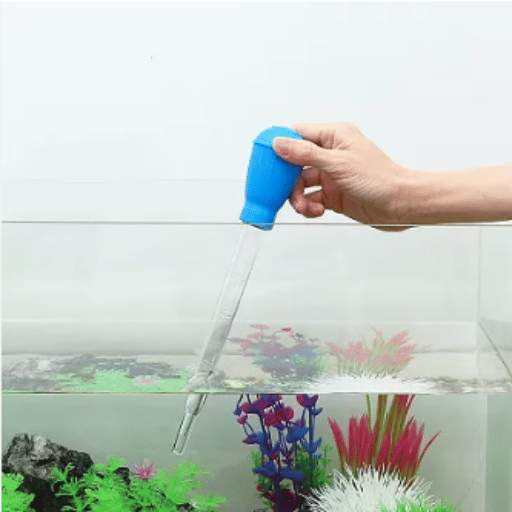
A coral feeder tube is a very specific instrument and it is made for the purpose of feeding corals in an accurate way in reef tanks. It consists of a long, thin tube mostly with a bulb or syringe-like system that enables the user to regulate the food flow. The use of a coral feeder tube guarantees that the food is delivered to the corals instead of being dispersed all around and hence waste is minimized and water quality is preserved. This method of feeding not only helps the corals to grow, makes the colors of the corals more vibrant and keeps them healthy overall by giving them the required nutrients in an effective and controlled manner.
What is a Coral Feeder Tube?
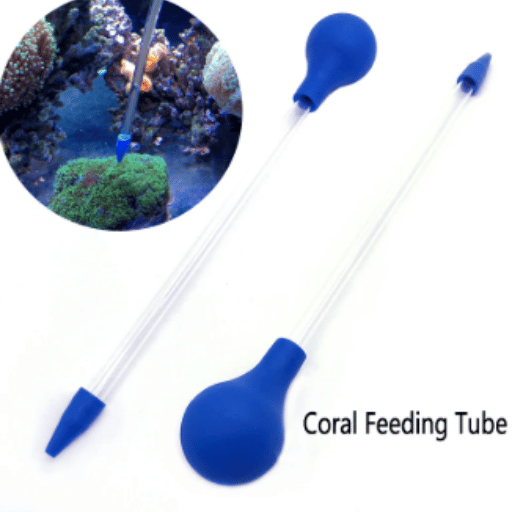
In reef aquariums, a coral feeder tube is a highly specialized instrument that is utilized for the direct delivery of food to corals. It permits very accurate feeding, as it is directed towards single coral polyps, and thus, the nutrients are given to them without the tank’s water quality being affected.
Importance of Coral Feeders in Marine Aquariums
Coral feeders are vital in sustaining the health and the color of the corals in marine aquariums. They allow the very selective feeding so that every single coral absorbs enough nutrients, and at the same time, the waste created is small; hence no problems arise regarding the quality of the water. This accurate feeding technique promotes the growth of corals, their beautiful colors and a prosperous reef environment.
How Coral Feeding Tubes Enhance Coral Health
Coral feeding tubes are a beneficial tool for the aquarist in that they help make the coral healthier by giving them a direct route to the nutrients. The corals can then be properly nourished. This method of feeding reduces the amount of food that is wasted and at the same time water quality is kept at its best, which is a requirement for growing corals with superb colors. With the aid of feeding tubes, aquarists can actually support the marine ecosystem which is balanced and thriving.
Benefits of Using Coral Feeder Tubes
🎯 Targeted Feeding
Allows for feeding the corals directly, thus guaranteeing their receipt of the necessary nutrients without any other tank inhabitants competing for them.
♻️ Reduced Waste
Minimizes the dispersal of unutilized food, which in turn allows water parameters to remain stable and also reduces maintenance requirements.
💧 Improved Water Quality
The process of decay of uneaten food is curbed, thus nitrates and phosphates do not spike.
🌈 Enhanced Coral Growth
The supply of essential nutrients is done accurately, thus resulting in healthy growth and vibrant colors of the corals.
⚡ Greater Efficiency
Saves money and resources by not allowing overfeeding and thus being an economical option for reef tank care.
Improved Feeding Accuracy for Corals
Proper feeding of corals provides the necessary nutrients to each species without generating excess waste. Aquarists can reduce nutrient imbalances and maintain water quality by using the targeted feeding method to feed corals directly. This technique not only conserves the benefits of feeding, i.e., it is the coral health, growth, and coloration, but also brings down the risks that usually come along with overfeeding.
Reduction of Waste in the Aquarium
Waste reduction in aquariums consists of feeding volume control, proper filtration, and regular water changes. By controlling the feeding to the right amount and not exceeding it, waste can be significantly reduced. Moreover, the use of good filtration techniques such as protein skimmers, along with the carrying out of regular maintenance tasks, leads to the elimination of organic material, resulting in a healthier and cleaner environment not only for fish but also corals.
🌊 Maintaining a Cleaner Tank Environment
Creating a balanced ecosystem is a way to turn tank environment into a cleaner one. Live rocks and good bacteria can be added for natural waste decomposition, maintaining water condition, and algae minimization.
Pro Tip: Water parameters should be tested regularly and proper circulation should be provided for the best health of the tank.
Mechanics of Coral Feeder Tubes in Marine Aquariums
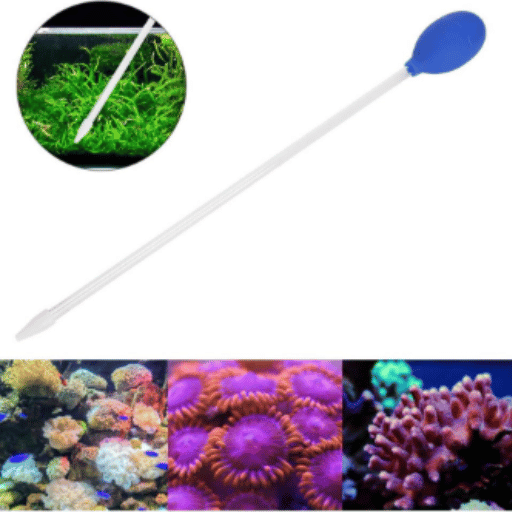
Coral feeder tubes function by simply and accurately supplying the necessary nutrition to corals, thus avoiding waste to the minimum. Usually these tubes are long and thin, and they have a bulbing or pumping mechanism that enables the user to quickly and easily draw up and dispense liquid coral food. The design of the feeder allows liquid coral food to be applied very close to the corals’ mouths, which means that the corals will receive the nutrients they need and there will be no tank animals taking away from that. This focused feeding not only helps to keep the water clean but also reduces the amount of food that can cause the proliferation of nitrate and phosphate as they are the main agents of that process.
Design and Operation of Coral Feeding Tubes
Coral feeding tubes allow for precision and efficiency in aquarists’ hands, with direct targeting of specific corals during feeding. They work by pulling liquid coral food into a reservoir through a bulb or pump mechanism and the tube is usually filled with the food close to the coral’s polyps which guarantees minimal waste and optimal nutrient delivery. This simple process not only helps with coral growth but also keeps the water parameters stable, which is essential for a successful reef tank.
🔄 How Coral Feeder Tubes Deliver Nutrients
- Precision Feeding: Aquarists deliver food directly to coral polyps using controlled dispensing
- Waste Reduction: Food is targeted, ensuring corals receive proper nourishment without dispersal
- Optimal Growth: Corals get the best possible nutrition leading to colony health and growth
- Water Stability: Controlled method prevents unconsumed food from spreading throughout the tank
Effectiveness of Different Feeding Mechanisms
💡 Expert Tip: Each approach has its pros and cons, and combining methods can frequently yield the highest quality results for a flourishing reef atmosphere.
Types of Coral Feeder Tubes Available
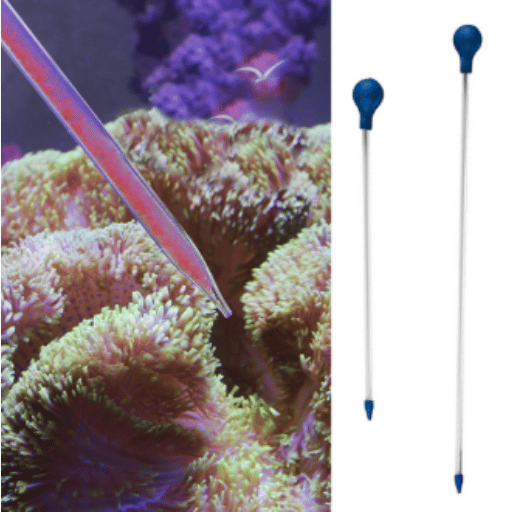
1. Manual Coral Feeders
Very elementary tools, operated by hand, which enable aquarists to target-feed corals with great precision. They frequently feature a soft tip to safeguard coral tissues from being damaged.
2. Extended Length Feeders
They are made for deep or big tanks and longer tubes are fitted so as to reach the corals that are located far from the surface of the water and thus ensure that all corals have an equal access to the nutrients.
3. Multi-Use Coral Feeders
These feeders can be used for many purposes like feeding corals, anemones, or delicate inverts thus giving versatility in the reef tank maintenance.
4. Syringe-Style Feeders
With a syringe system, these feeders allow utmost control regarding the amount of food and the accuracy of the feeding, suitable for small or fragile corals.
5. Airline-Style Feeders
The feeders use very thin tubes to transport the food right to the coral polyps thus providing the very subtle and accurate feeding method that is appropriate for target feeding.
Each of the types addresses a different feeding need thus giving aquarists the opportunity to pick the most suitable one for their specific tank configuration and the types of corals.
Comparing Features of Various Coral Feeders
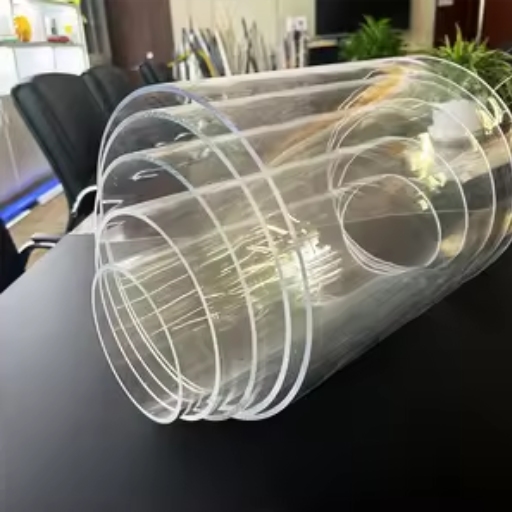
Materials Used in Coral Feeder Tubes: Acrylic vs. Others
✅ Acrylic
- ✓ Almost imperceptible clarity
- ✓ Unbreakable and durable
- ✓ Very lightweight
- ✓ Easy handling
- ✓ Best visibility for precision
⚠️ Glass
- ✓ Full interior view
- ✗ Very delicate
- ✗ Not convenient for daily use
- ✗ Breakage risk
- ✗ Heavier to handle
💰 Plastic
- ✓ Economical option
- ✗ Less durable
- ✗ Lower transparency
- ✗ Shorter lifespan
- ✗ May degrade over time
🏆 Conclusion: Acrylic, in general, presents the perfect combination of factors and therefore it is the first choice of the majority of the aquarists.
Choosing the Right Tube for Your Aquarium Setup
In making the choice for the perfect tube for your aquarium setup, it is important to think about durability, material, and the compatibility of the tube with your specific aquarium needs. Among all the tubes, Acrylic is the best choice, because of its toughness, transparency, and lightness, providing the user with the best visibility and user-friendliness. In the case of an aquarium that is heavy-duty or requires a special setup, it might be glass that is the best choice, even though it is brittle. Plastic tubes are an economical option, but they might not be the same in terms of quality (transparency and life span) as the others. The best and most practical solution can be achieved by doing a thorough evaluation of your tank’s needs and your goal for maintenance.
Guidelines for Selecting a Coral Feeder Tube
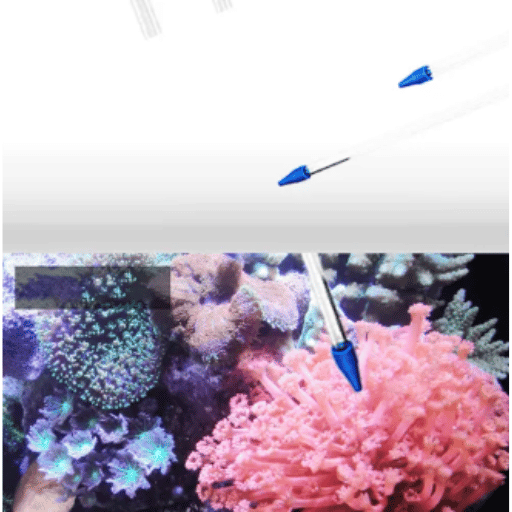
📋 Key Selection Criteria
✨ Remember: By considering these factors, you will select a coral feeder tube that not only increases feeding efficiency but also promotes coral health.
Factors to Consider: Tank Size and Coral Species
🏊 Tank Size Considerations
When it comes to tank size, you should pick a coral feeder tube that is long enough for you to easily reach every corner of the tank, thus making it possible to feed even the corals that are difficult to reach.
- ►
Large Tanks: Use extendible or longer tubes - ►
Small Tanks: Shorter tubes work perfectly
🐠 Coral Species Needs
Base your feeder selection on the type of corals you have, since some corals need very precise feeding.
- ►
Delicate Corals: Fine-tipped feeders essential - ►
Adjustable Options: Deliver food without disturbance
🎯 Key Insight: The more the feeder suits the specific needs of the tank, the better the feeding and the healthier the corals.
Budget Considerations for Coral Feeding Tools
When picking coral feeding tools on a budget, give priority to durability and functionality so that long-term value is guaranteed. The basic feeding syringes or small pipettes are excellent for small tanks as they provide precision feeding at very low cost. In case of larger tanks, the mid-range extendable feeders that are both affordable and versatile can be chosen. Also, the multipurpose tools for feeding and tank maintenance can help reduce the number of purchases. To avoid excessive spending, check product reviews and prices first to find the most reliable options that fit your aquarium’s specific requirements.
💵 Budget-Friendly Options
Industry Insights and Resources
📚 Reference Sources
Reef2Reef – Spot Feeding Tool Recommendations
Discusses the application of coral feeders in the spot feeding of corals and other aquatic inhabitants.
Amazon – Coral Feeder SPS HPS Short Version
Provides product information and the target group of coral feeder tubes, including baby fish and marine aquarium lovers.
Bulk Reef Supply – Coral Feeding: Target Feeding SPS
Explains coral feeding devices and their use for SPS, LPS corals, clams, and anemones.
Frequently Asked Questions (FAQs)
🐚 Enhance Your Reef Tank Care Today
Investing in the right coral feeder tube is an essential step toward maintaining a thriving, colorful reef aquarium. With precise feeding capabilities and waste reduction benefits, these specialized tools empower aquarists to provide optimal nutrition while preserving water quality.
Whether you’re just starting your reef-keeping journey or you’re an experienced aquarist looking to optimize your coral care routine, choosing the right feeder tube will make a significant difference in the health, growth, and vibrant colors of your underwater ecosystem.