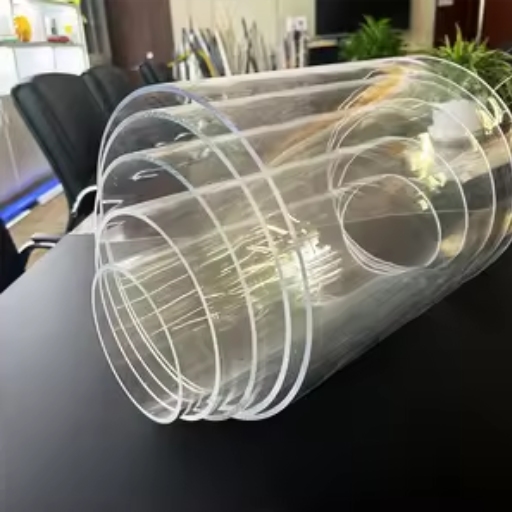

Holes can be drilled in acrylic sheets easily and naturally, but the task can quickly lead to imperfections without the right tools and techniques. It is very important to know the ins and outs when you are drilling holes in this plastic material that ranges from clear to translucent. Everyone who is interested in the distinctions of drilling into acrylic needs to determine the best approach for this particular challenge. This instructional material will guide you through all the processes by giving detailed explanations along with using the necessary tools, so you can create the purest and the most accurate holes. From common mistakes to professional results, this guide is set up for the purpose of giving the user the most confidence and success in the easiest and best way possible.
Understanding Acrylic and Plexiglass
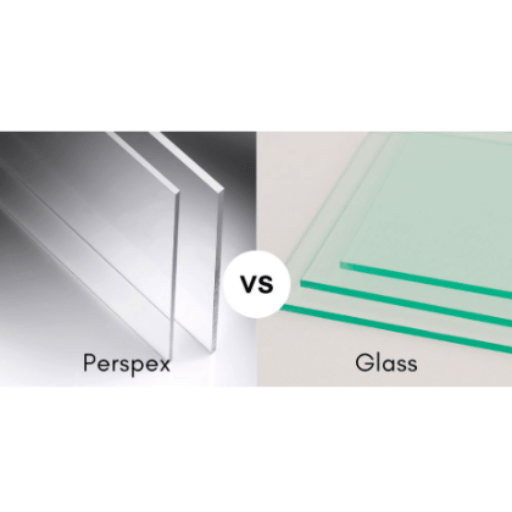
Plexiglass, which is commonly known under the trade name acrylic, is a flexible, tough and light material that is widely used instead of glass. It stems from a plastic composite called polymethyl methacrylate (PMMA), which is particularly valued for its purity, resistance to shock and being user-friendly. Unlike the usual glass, the acrylic is much softer and hence less vulnerable to breaking, so it is put to use in many various fields: from lights and shop signs through to home workshops and utility objects. The substrate of acrylic is that it is easy to work with and can, therefore, be cut, drilled, and shaped in numerous possible ways without causing a lot of trouble. To get the most out of acrylic, proper working tools and methods have to be used so that its functionality and looks are kept up.
What is Acrylic?
Acrylic is a polymer that is both versatile and very popular because of its clarity, durability and light weight as a typical thermoplastic. It is often employed as a cheaper substitute for glass, chiefly because of its ability to resist impact and be fabricated with little difficulty, which is very excellent for windows, signs, and protective barricades.
Differences Between Acrylic and Plexiglass
Acrylic and Plexiglass share very similar properties, with Plexiglass being merely an acrylic sheet brand name. However, there are slight discrepancies, among which quality and manufacturing processes are the main ones. Plexiglass is usually a sign of extraordinary clarity and good quality due to the very construction process that is different from that of standard acrylics. It is also worth noticing that not all acrylics are Plexiglass. It sometimes happens that acrylics are not up to the standards of the brand, and as a result, the product may correspondingly be less effective in one or the other application.
Applications of Acrylic Sheets
The versatility, durability, and clarity of acrylic sheets make them applicable in different spheres of industry. A few of the most common applications include:
- ✓ Signage and display cases
- ✓ Architectural glazing
- ✓ Furniture design
- ✓ Construction of fish tanks
- ✓ Protective barriers
- ✓ Do-it-yourself projects and crafts
Choosing the Right Tools for Drilling Acrylic
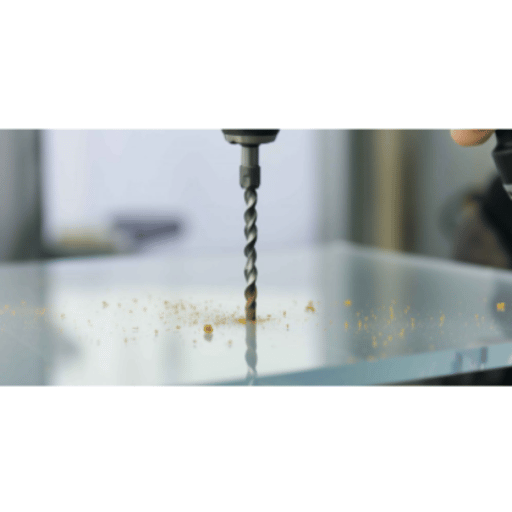
It is absolutely vital to have the right set of tools when it comes to drilling acrylic so that cracking or chipping is minimized. Drill a hole using only acrylic or plastic bits as these will have a sharper edge and a more gradual cutting angle than the traditional ones. If you cannot find plastic-specific bits, then High-Speed Steel (HSS) bits are also a good option. Among other things, make sure the drill is running at slow to moderate speed and that the acrylic sheet being drilled remains securely in place with no movement. In addition, the user could apply light pressure with one hand and use a backing material, for example, scrap wood on the other side to lessen the effect of vibrations and make clean and precise holes.
Essential Drill Bits for Acrylic
The most effective way to drill acrylic so that the outcome would be neat and accurate is to use special acrylic drill bits or brad-point bits. These types of bits are meant to eliminate the causes of scratching and breaking the material by cutting it at a slow angle.
If you don’t have access to plastic bits, the high-speed steel (HSS) ones work just as well. However, it’s the best and safest practice to go for the correct kind of bit to achieve the best drilling results.
Power Tools vs. Hand Tools: What to Use
Decision Factor: The choice depends on the size and type of your project, where the decision-making process should always weigh efficiency against precision.
Best Methods to Drill Acrylic Sheets

Acrylic sheet drilling is a task that needs effective methods and skills to prevent cracks or damages. One of the first steps to take is to mark the drill site where the drilling point will be located using a non-permanent marker in a visible manner. At the same time, the sheet should be clamped securely in place. Placing scrap wood backing underneath will prevent chipping. Drill bits, which are made specifically for plastics or that are to be used for a standard bit but should be modified for acrylic, could be used in this case. The drill should be run at a low to moderate speed with a little and even force. If you pause or use coolants to clean the hole, it will also prevent overheating and leave a clean, precise hole. By following this guide, you can safely drill the acrylic sheet. Wearing protective eyewear and gloves is a must for safety.
Step-by-Step Guide to Drilling Acrylic
Prepare the Acrylic Sheet
Clamp the acrylic sheet down firmly and make sure it will not move. Put a piece of scrap wood underneath in order to prevent chipping.
Choose the Right Drill Bit
Get a specific bit for plastic or make the modifications needed if a simple metal bit is the only one in the drill box.
Adjust the Drill Speed
You must drill at a slow to low speed to stay away from cracking or melting the material.
Apply Light Pressure
Drill with light, steady pressure ensuring the same amount of pressure every time.
Prevent Overheating
Stop occasionally to let the drill bit cool. Otherwise, use a coolant to provide the necessary cooling for the drill.
Focus on Safety
Don’t forget to put your protective gear on such as eyewear and gloves so you can avoid any dust or accidents.
Tips for Drilling Clean Holes
- ●Use the Right Drill Bit: Go for specific bits that are intended for the material, like brad-point bits for wood or metal bits for harder surfaces.
- ●Clamp the Material: Put the material in a clamp or use some other way to fasten it really tightly in order to prevent it from moving around and causing problems during drilling.
- ●Pilot Holes: Make a starting hole smaller than the usual size in order to control the path of the main drill bit and to maintain the accuracy of the hole.
- ●Consistent Speed: Keep the drill turning at a constant speed that is appropriate for the material to avoid creating rough edges or heating up the tool too much.
- ●Clean as You Go: To get rid of fragments and make the drilling easier, clear the hole of debris as you proceed drilling.
Techniques to Prevent Cracking
Safety Considerations When Drilling Acrylic
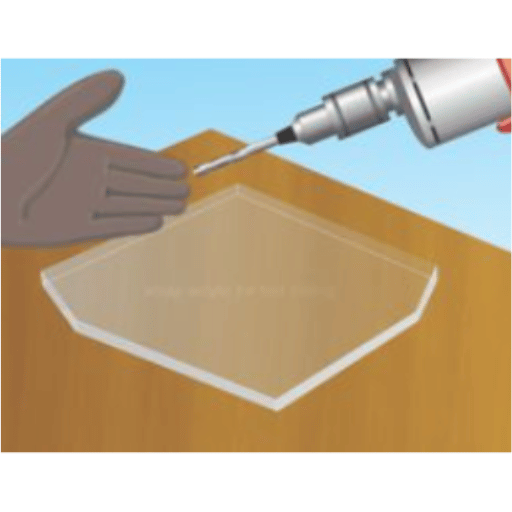
⚠️ Safety First: When drilling acrylic, it is important to always consider the matter of safety. Never drill without first putting on a pair of safety glasses to prevent any injuries to the eyes that may be caused by flying shards or debris. Put on gloves to guard your hands against sharp edges and accidental slips. Clamp the acrylic sheet so tight that vibrations may not move it while drilling—this movement could cause damage or injury. Proceed to work in a well-ventilated area because fine dust may be released into the air. At last, make sure that the drill is functioning and well maintained so that accidents will be minimized.
Protective Gear You Should Use
🥽 Protective Eyewear
Shielding from small shards or debris
🧤 Gloves
Protecting against sharp edges and accidental slips
😷 Dust Mask
Protection against inhaling fine particles
👔 Apron/Protective Clothing
Against debris or accidental scratches
👟 Closed Toe Shoes
Protection against falling objects
Working in a Safe Environment
A well-lit workstation is safe, while a messy one poses hazards and barriers from tripping. Secure loose cords or tools, then use a steady surface for whatever the task is. Be sure any equipment used is appropriate for the job at hand and check it periodically for any damages. Always keep your first aid kit within reach for any emergency treatment.
Common Hazards and How to Avoid Them
Slips, Trips, and Falls
Prevention: Maintain a neat and tidy workspace. Attend to spills immediately, and keep walkways free from obstructions at all times. Anti-slip mats should be laid down in oil-prone areas.
Electrical Hazards
Prevention: Look out for evidence of damage in all cord and equipment inspections. Never overload extra heavy-duty plugs. Always keep grounding tools grounded, and power off when repairing or inspecting an electrical device.
Chemical Exposure
Prevention: Chemicals must be stored in correctly labeled containers that are secured. Always wear materials that give adequate protection when handling them, such as gloves and face masks. Try to work in a perfectly ventilated area or employ an adequate ventilation mechanism.
Repetitive Strain Injuries
Prevention: Try to take breaks regularly and stretch when performing long tasks. Posture or tools should be considered ergonomic to ease the strain on muscles and joints.
Fire Hazards
Prevention: Do not allow flammables to be close to any heat sources. Thereshould be fire extinguishers in the vicinity, and every employee must be trained in the evacuation procedures in the event of an emergency.
💡 Key Takeaway: By identifying and addressing these hazards, one very much reduces risks and brings about a safer working environment.
Common Issues and Solutions When Drilling Acrylic

1. Cracking or Splitting the Acrylic
⚠️ Cause: Too much pressure or a dull drill bit.
✅ Solution: Use a really sharp drill bit that is made for plastics, such as either a step bit or spur-point bit. Apply gentle and consistent pressure, letting the bit do the cutting.
2. Chipping Around the Hole Edges
⚠️ Cause: Drilling at high speeds or uneven surface contacting the bit.
✅ Solution: Drill slowly. Clamp the acrylic on a flat surface. Put masking tape where you are drilling to provide some chipping protection.
3. Melting the Acrylic
⚠️ Cause: Heat generated because of drilling.
✅ Solution: Drill on a low speed, stopping often to allow the piece to cool. Consider lubricating the drill bit with water or an appropriate cutting fluid.
4. Drill Bit Slipping
⚠️ Cause: Starting the drill on a smooth surface with no pilot point.
✅ Solution: Mark the drilling point with a small indentation using an awl or nail. Then, begin drilling at an angle and straighten the drill once the bit has taken hold.
5. Drill Bits that Have Acrylic Attracted on Them
⚠️ Cause: Heat caused by friction tends to soften acrylic, causing it to stick.
✅ Solution: The drill bits should be cooled off as much as possible when drilling, and periodical cleaning should take place to wipe off the acrylic debris. Also, using the appropriate drill bits for acrylic can prevent sticking.
Dealing with Cracks and Splinters
Cracks and splinters on acrylic usually happen due to improper handling and excessive pressure during drilling. So, always use sharp, good-grade drill bits intended for acrylic and apply gentle, steady pressure. Meanwhile, putting the workpiece on a rigid backing will help spread the forces evenly and reduce stress. Should you notice any cracks or splinters, you can sand these with fine-grit sandpaper or polish the surface to refinish it cleanly.
Fixing Mistakes: How to Correct Errors
To correct mistakes in acrylic, start by assessing the damage carefully. Small cracks or splinters should be sanded with fine-grit sandpaper to smooth the edges, then polished to restore clarity. For larger cracks, you could apply specialized acrylic glue to hold the pieces together and stop the splitting further. Always work slowly and gently.
When to Seek Professional Help
🔧 Professional Assistance Required: If the acrylic damage is extensive, it means large cracks or breaks, or if someone has already tried repairing it and only managed to exacerbate the problem, it is best to call in the experts. The professionals are equipped to really do the job right in restoring the acrylic surfaces without further harm.
Frequently Asked Questions (FAQs)
Can acrylic sheets be drilled?
Yes, the acrylic sheets can be drilled with the proper tool and technique to prevent cracking or chipping.
What type of drill bit is to be used?
A plastic or acrylic drill bit is preferred as it prevents cracking and smooth initiation of drilling.
Does the drilling speed need to be set?
Yes, drilling should be done at slow speeds so as not to overheat or melt the acrylic.
How do I prevent the acrylic sheet from cracking while drilling?
Use a sharp drill bit, apply light pressure, and make sure the sheet is properly supported so that it lies flat on a surface.
Would I use lubricant for drilling?
A lubricant such as water can reduce heat and facilitate smoother drilling.
Reference Sources
WeeTect – Drilling Acrylic: The Ultimate Guide
Covers both basic and advanced methods for drilling acrylic sheets along with the tools used for the job or methods to do the drilling.
Sheet Plastics – How To Drill Acrylic Sheets
Explains the procedure for drilling acrylic sheets and gives points depending on different thicknesses.
China Acrylic Sheet – How To Drill Holes In Acrylic?
Gives a step-by-step guide to drilling holes into acrylic sheets in the safest and most effective manner.
YouTube – Drill Bits For Drilling Plastic Acrylic Plexiglas Perspex
A guide on how to use special drilling bits for acrylic and other materials.
Reddit – Best Method For Drilling Holes in Acrylic Panel
A discussion on the methods and tools for drilling acrylic panels, especially for PC modding.