
Understanding Acrylic Tubes in Wind Tunnel Testing

What is the Definition of an Acrylic Tube?
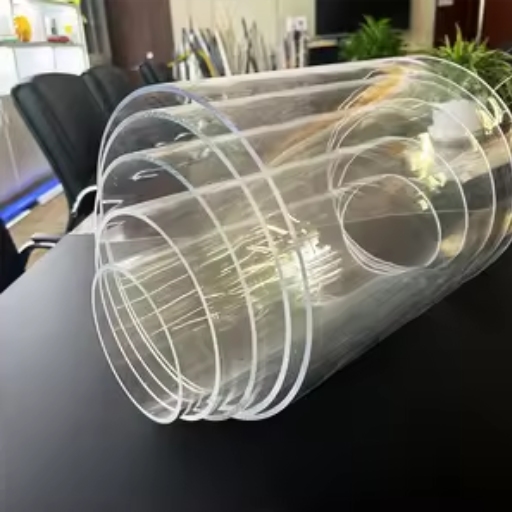
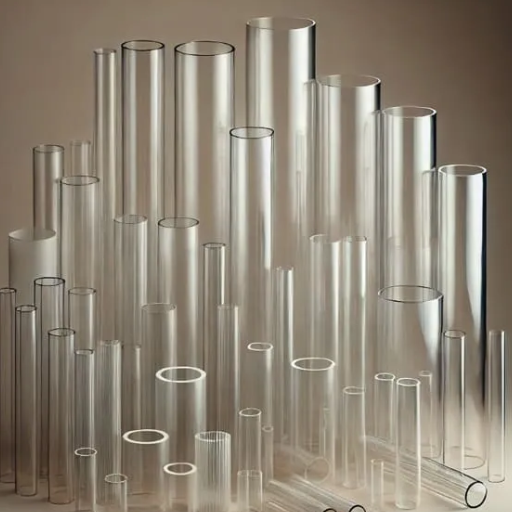
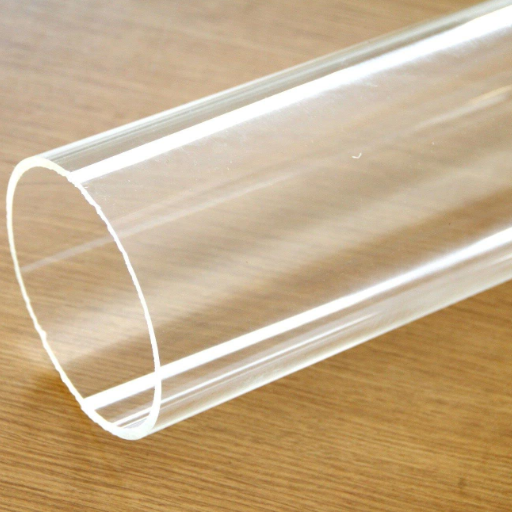
An acrylic tube is a round object that is crafted out of PloyMethyl Methacrylate (PMMA), which is a tough, and lightweight plastic. The fact that the object is quite transparent licitates a perfect imagination inside the tube and is common in situations where one needs to monitor in details or make plans even after designing or modifying the correct object. Acrylic tubes, on the other hand, have shielding good resistance under accidental effects and climatic conditions due to the ever increasing demand to accommodate the tubes in various industrial and scientific applications. Acrylic tubes possess the properties of not breaking or bending under high loads. This attribute is highly significant when talking about wind tunnel tests that are conducted in order to observe and analyze airflow dynamics in a highly precise manner. Further to this, they can also come in many different sizes and thicknesses to account for any particular project implementation needs, thus making them a practical option for both engineers and scientists.
Benefits of Using Acrylic for Wind Tunnel Applications
One of the most significant benefits that acrylic offers in Wind Tunnel experiments is its unique nature. The enhanced see-through quality this material possesses allows Wind Tunnel researchers to easily view the flows of air, thereby enabling them to make out any pockets of turbulence as well as other responses of the structure with relative ease. The other reason acrylic stands out from other materials such as glass and metal is weight. It is not hard to figure out that dealing with even a medium size plate of glass or any form of metal the scientist would easily break their back in comparison to similar size of acrylic. Moreover, one key advantage of acrylic is its exceptional strength and resistance against impact. The way it holds up regardless of how much it is stretched is very important enhancing how long and efficient the wind tunnel can be used. In addition to this ability, in a wind tunnel, acrylic is unwavering, in terms of steady resistance to deformation or rupturing, remaining efficient for aerodynamic and structural testing. Moreover, the absence of geometric restrictions in the utilization of warm products such as soft rocket in wind tunnel provides unlimited possibilities. The above factors justify why the acrylic technology is some of the best when it comes to wind tunnel research.
Acrylic Tubes or PVC Tubes? A Professional’s Opinion
When comparing acrylic tubes to PVC tubes in construction, the efficiency, clarity, costs and finally the processing resistance must be taken into account. Acrylic pipes are very clean and transparent, so they are the best choice for reconstruction purposes. They are more likely to be resistant to deformation, which means the larger the project, the better the material. For instance, wind tunnels should be constructed in a very precise way which will never allow them easily deformed by any force. However PVC tubes are proved to be the best when we speak about specifically cost of construction and the resistance to chemical action especially to mineral acids and their bases. And because of this, they are considered ideal for industrial environments where the use of fierce substances is unavoidable. Unlike acrylics, the major drawbacks of PVC are that they are not as clear, not as hard and they are susceptible to yellowing over time. Also PVC is easier to work with in terms of cutting and putting into position, but it is not designed to withstand a lot of pressure usually given if under long term exposure to abnormal pressures or temperatures. Obviously, the decision whether to use acrylic or PVC pipes depends singularly on the aims of the work to be done. When aesthetic considerations and materials such as strength are very important factors, acrylic is versatile, while applications requiring less- expensive or resistant to chemicals may find PVC more fitting.
Building Your Own DIY Wind Tunnel with Acrylic Tubes

Simple Materials and Disposables for the Programmable Sewing Machine in the Home
Quilting machines are so much more versatile. For example, more advanced model options can only be easily programmed and controlled. Basic programmable sewing machine is much closer to a machine for making an applique or a non-finished pattern than a simple ‘push the pedal and see the thread running’ machine. Thus, this machine can be easily controlled without unnecessary fear of ruining your project. The person can only focus on holding the fabric and driving the machine. As a result, you can learn to sew flats very fast and which serve as easy comfortable options for trimmings. And then, you will require a powerful fan in order to force the air through the wind tunnel while testing. However, the airflow must be continuous and steady, and the fans must be of appropriate ratings and sizes depending on the size of the wind tunnel. Therefore, it is recommended that you install some kind of a flow straightening insert (F. S. I. ) or normally more effective aperture type flow conditioner or dissipative honeycomb made from cheap and lightweight materials such as fabric or thin walled aluminum. The mounting and connecting of these items as well as the other components will call for screws or bolts and some mounting brackets along with a good adhesive that works with the acrylic. This in turn would also be helpful in sealing the gaps thereby avoiding or minimizing air leaks. It is also possible to incorporate tools such as smoke/steam generators (which allow to track the flow), manometers (for pressure drop), velocity vortices or anemometers (to measure flow rates). Such devices not only help achieve the objectives in the structure of the wind tunnel, but also provide more accurate measurement results. With all these materials and with skill in folding given components, you will be able to carry out testing of specimens or designs in all dedication. Creating an entire wind tunnel system appeals to some people as well and is full of beauty and knowledge of how air flows and how things go together.
A Detailed Explanation on How to Build a Wind Tunnel at Home
- Collect Necessary Materials: In order to build a wind tunnel, additional stuff needs to be purchased such as strong yet lightweight custom frame (wooden planks, PVC piping or aluminum), a test section without too many obstructions, a strong fan to generate a flow, and mesh or chopped honeycomb made of acrylic plastic to rectify the flow direction. Also aside from the aforementioned, one will need squirrel cage fan and optional sensors for such tests as air flow rate.
- Structure Process and Steps: The design of a tunnel should be based on the size of the test article. The optimal position, diameter and length of a wind tunnel, will help in a more efficient air flow through the tunnel. The layout of the tunnel includes an settling chamber, contraction cone being mounted on top of it to accelerate flow to the mid portion of the pipe and then a diffuser is being located on the tail end to diffuse flow (remove turbulence).
- Building the Side Wall: Proceed to construct a stable frame to accommodate all wind tunnel components. The test section should be fixed; impermeable and clear of molding elements. But in case there are visual programs; make use of acrylic with clear frames to facilitate the programs.
- Install The Fan And Flow Straighteners: In the design, locate the fan at the intake or exhaust, whichever it may be. In the settling chamber place mesh, honeycomb or straightening sections to remove the turbulence of these areas before the flow is delivered to the test section.
- Seal and Perform Air Leak Test(s) in the Wind Tunnel: Look out for any kind of leaks in and around the structure and block them up using the sealer or tapes for complete sealing. Leakage jeopardizes the flow and hence could have an adverse effect on the test results.
- Calibrate The Wind Tunnel: In case you have sensors including pitot tubes or anemometers, it is important that you calibrate them to get the exact readings. For example, there should be a test where the air flow has to be tested at different velocities to check any abnormalities of the test section.
- Testing: Put your model inside the testing part and fasten it properly. In the outcome, switch the fan on and oversee hence how the air travels collecting data through the measuring tool. After that, change the given factors for instance airspeed or the angle of the structure to view the various conditions.
Challenges Faced in Wind Tunneling and Solutions to Them
Yes, absolutely! Creating your own wind tunnel is indeed commendable on one hand and quite a demanding task on the other. Just as one would expect, several adversities are encountered in the course of construction but either way they can always be dealt with.
- Maintaining a Steady Airflow: To take precise measurements, it is important that the air stream remains constant, uniform and undisturbed by other factors. For instance, even slight turbulence or imperfections in the flow can affect the outcomes hence distort the production of valid data. One possible solution is to use a honeycomb structure or an equivalent air rectifying device (such as a mesh grid) at the entrance to straighten the stream of air. It can often be advantageous to position the fan not too close to the inlet mechanically.
- Placing Model or the Place of the Object of the Study Properly: And in some cases, putting the model in the incorrect position can especially well skew the results making them much less credible. So, to cope with this problem, the model shall be better placed on a firm base that allows a proper tilt to rig such model on depending upon the height of the point of interest.
- Noise and Vibration Control: Fan activity, especially when it is fast, typically produces considerable sound and some amount of stress-causing vibrations which can bear on the data recorded and on the tunnel’s construct. Many of the issues concerning noise and vibrations can be mitigated by the use of isolators or by applying rubber fabrics to the fan and its frame.
- Ensuring Accurate Measurement Tools: Accurate information is based on the correctness of metering devices, like anemometers and pressure transducers. Use corrected and reputable measuring devices in survey practices and analyze them for correctness on a regular basis to ensure effectiveness.
- Dealing with Limited Space or Resources: More often than not a full scale Wind tunnel is not possible due to limited space. Adapt to this situation by earlier choice of a small or compact type of equipment.
Conducting Experiments with Your Wind Tunnel
Preparing a test environment appropriately
When you want to create a working test environment in your wind tunnel, it is only necessary that you begin by setting conditions to ensure homogeneous airflow in the test section at the same flow rate. It is essential to avoid any disruption of incoming flow and improve it by installing a wire mesh prior to the working section of the wind tunnel. Equally important is the ability of encasing the objects being tested upon a structure yet in such a way that will not hamper the flow regime. In such situations, it is useful to employ some techniques such as pitot tubes, digital anemometers, and smoke countries that enable the experimenters to see and record air housing in space. Research these instruments in order to accurately measure the results as this is fundamental. Finally, ensure that the test area is as clean and free from any physical obstructions that could lead to interferences in airflow as this may also affect the results after testing. These tactics can also help execute any experiments with the wind tunnel in a highly restricted manner.
Experiment Types You Can Perform
Depending on the needs encountered, wind tunnels can serve a variety of purposeful research and development areas from such fields as aerospace, automotive industry, and environmental research, among others. One interesting exercise, for example, includes investigating the aspects of aerodynamic lift and drag acting on airplanes, or car bodies and other technical objects for the purpose of improvement. The next practical exercise, which is also known as flow observation, brings together the techniques of visualization and provision of smoke trails or dye penetration – generally to look at the effects of flow patterns and interference. Moreover, wind tunnels constitute crucial instruments for safety protocols and deteriorative behavior tests under unfavorable weather conditions, offering a logical reasonable range of cases as well as structures like buildings or bridges. There are also some experiments concerning heat distribution and the possibilities of which emanate from using cooling systems in industrial installations. In addition to computer allows, experience and manual methods with the use of contemporary sensors can be used for design and analysis of wind tunnels to obtain highly accurate data and to help engineers in seeking the compute solutions to the complex problems that crop up in designing.
Tips for Interpreting the Results of Your Wind Tunnel Experiments
The presence of numerical data in wind tunnel tests implies that it is necessary to interpret this data. Foremost is dissecting important performance measures such as what affect the object under consideration has on lift, drag, and pressure distribution when subjected to controlled wind flow. To visualize the result, it is crucial that correlation patterns in relation to changes in the values of the parameters are explained and rationalizing the principle. This will include making use of advanced tools like computation in order to make the data more complex and clear. If one compares wind tunnel generated data with that of actual experimental conditions and theory the results are much trustworthy then one is confident to make design modifications that are aimed at improving efficiency. Most importantly, these interpretations are used in decision making so that engineers and scientists can test and adjust the experimental hypotheses or production formats, such as prototypes, with accuracy and speed.
Pricing and Availability of Acrylic Tubes for Wind Tunnel Projects

Purchasing Acrylic Tubes: Providers and Costs
In relation to the procurement of acrylic tubes for wind tunnel systems, for example, I suggest that you look at such well-known providers as McMaster-Carr, TAP Plastics or Professional Plastics as a first step. The materials are of superior quality and there is a wide selection of various parameters and color specifications. In particular, McMaster-Carr’s vast range of available products and easy-to-understand pricing online is beneficial given that they redefine an extensive database of engineering as well as research aids. Also, TAP Plastics is noticeable mainly for its handiness and tailoring of smaller specialist purchases which can work with projects that rely on specialized stockings. Acrylic tubes come at different price points dictated by their sizes, quality, and volume. In the context of sizes, the prices span between $5 and $50 for standard thickness while a bit quality is larger and more expensive. When people buy more, they always receive some discount which is more significant for constructions or activities that require a lot of the products. Furthermore, shopping is purchasing stuff online from online shops like Amazon, or eBay where users find good prices. However, one need to make sure that the ratings and reviews of the products are legit. In case one would like to purchase something in specific colors, materials, sizes etc from the custom orders, keep in mind that the production time may take longer but is well with all the projects goal requirements. Lastly, do not ignore local hardware stores or regional distributors. Both Home Depot as well as Lowe’s offer acrylic tubes as finished products to a certain extent that can serve for rapid prototyping or small tests. Nevertheless, when it comes to building wind tunnels for serious research or testing how to overcome aerodynamic drag on an object in fast moving air flows for instance; it is plastics engineered for these that is precisely the recommended material. Caution is also needed when deciding on how to allocate the required funds to meet high standards as well as performance, and this is the reason why it’s logical to look for different options before making a final decision as well as committing one’s self financially.
Costs Analysis: Acrylic Versus Different Materials
Usually, the cost is an important aspect whenever comparing acrylic with any other material, including the cost of the execution. Rather generally, they rarely cost high as temper glass, polycarbonates, or aluminium, and can therefore be exploited in numerous places. For instance, a significant size of acrylic sheets would be a convenient choice for people doing projects, especially ones that need a lot of strengths even when they are see-through, and which is cheaper in the market than polycarbonates, althought these too like the latter, offer more than sufficient resistance to impact and greying of the sheets for every day purposes. However, the tempered glass can resist scratches and temperatures well, but is adjusted with an advanced protection such as pvb film that lowers the risk of breakages. On the contrary, acrylic is an excellent alternative, as it is not as costly as the tempered glass and hence more affordable. In the same way, it must be emphasized that, even though benefits of polycarbonate in impact resistance and flexibility are great, it invariably comes with a higher composite material as a cost. Even in terms of the ability to transport and handle, how their respective weights differ also states that acrylic is more preferred.
How to Sketch A Wind Tunnel Cost Estimate to Your Do-It-Yourself Wind Funnel
When sketching a wind tunnel cost estimate for one’s DIY wind funnel project, it is a crucial step to split the cost into numbered segments to ensure all the costs have been evaluated. The first step should be what materials are required, such as the acrylic, plywood, or the metal for the tunnel frame. Acrylic is commonly used because it allows the operator to see through with little distortion which is beneficial for some experiments, it is not too weighty too which enables its ease of implementation; however, if higher costs and/or more stringent specifications are considered, options such as polycarbonate or tempered glass can be used as well. After that discussion, there is a need to think of the cost that will come about with the air circulating fan or blower of the tunnel, which is the most powerful and keeps the air in the tunnel. Look for cost-effective alternatives that do not sacrifice too much in terms of design and complexity. One might also need to remember to budget for any necessary (velocimeters, pressure gauges, or flow meters, Inrover et al.) measuring equipment that will be needed to ease the test process. There is creating the need for these factors as well as other associated costs which are like bondable materials, connections and paints for attaching and finishing the parts, respectively.
Alternatives to Acrylic Tubes in Wind Tunnel Testing

Considering Other Materials Besides Acrylic Tubes for Wind Pipes
Natural wind conditions for a flying machine or model may use normally closed arrangement. Thus when designing windtunnels cost effectiveness, durability, as well as application related performance consideration necessitate use somebody else than acrylic tubes for the main construction purposes. Again, when high impact is important we can opt to use polycarbonate material due to its higher impact strength and clarity that is however not as efficient as encapsulating acrylic. Glass on the other hand might be provided where precision in optical matters would be required although breakage may be relatively higher than that warranted in the procurement of glass. In cases where extra strength and heat dissipation are required, metal such as aluminum or stainless steel can be used. True these materials might not be clear, but there is an opportunity to include sections of clear materials enabling buildings to be constructed whilst still enabling natural light to penetrate through them. These types of high-speed applications utilise more available flexible materials like pvc or polyethylene that are relatively cheap and easy to use compared to other categories of high-speed applications.
Merits and Demerits of Using Other Materials as Compared to Steel
Whenever doing a survey on the material to be used as an alternative for wind tunnels, inclusion of the advantages and disadvantages of each type of material should be highly considered so that, these do not work outside the goals of the project. For instance, composites such as fiberglass and carbon fiber are favorable for the reason of being lightweight, possessing a favorable extent of its weight coverage, and the situation when the bond is formed prefabricated part – the part with designed delineation. These composites also resist corrosion and reduce maintenance which reduces cost advantages over a period of time. Nevertheless, they can be very expensive compared to conventional materials like steel and aluminium especially during the time of introduction. Besides, these relatively expensive materials are labor demanding and require working formulation only for dumping them. Nonetheless, plastic materials such as acrylic and polycarbonate are also noted for their excellent clarity, which are very well aimed at visual studies and observations inside the wind tunnel. Moreover plastics feature high machinability and are often less expensive than composites. Still, plastics might not be durable enough against damages by scratching, and highpressure or high temperature extreme of operating conditions in certain experimental environment. Commonly used metals like aluminium and steel are great for maintaining an aerospace component’s strength as well as its thermal capability when fully loaded, but their weight and possible occurance of corrosion in adverse conditions can be of concern.
Times you Should Prefer Acrylic over Other Options
While considering finish level of transparency, how affordable it is and how versatile it can be, acrylic is usually the number one choice. Its all-time low weight in particular plays a longstanding role in its clear favour. In designs for devices; to be easily carried and in compact designs for assembling things together i.e. is utilized, the lighter the material used the better. Besides, the use of acrylic is transparent (the degree of A values is opacity in it) thus a very useful material for those looking to get a clear unprompted view of the culture’s elements. Materials coated with acrylic or displays are preferred in most cases in presence of occlusion transparent insulating windows or illuminated signs mounted on similarly working walls, e.g., display panels. What makes this material excellent for outdoor use due to the exposure to direct sun is its resistance to ultra-violet radiations, therefore Acrylic, is indeed good for uses outside. Unlike when using glass, for example, it is not overexposed to the risk of breakage rendering it not only breakage free but also with a high purpose in places where stress or toughness is needed for example in public places. Not only that, it can also be easily worked and engineered to any shape or from any finish, acryl lowers two in cost and is thus the first type of material that is used in the developments that demands a unique design or specific dimensions of parts. However, all advantages come with some weaknesses and in this case, it may include having a low heat resistance and being susceptible to scratching among others. Choosing acryl is normally recommended in cases where there is a need to strike a perfect balance between effectiveness for purpose, visual appearance and available finance.
Reference Sources
-
Low-Speed Wind Tunnel Testing
Discusses various applications and components used in wind tunnel testing, including the role of materials like acrylic. -
Wind Tunnel Test Section Design Active Flow Control Implementation
Explores the design of wind tunnel test sections, highlighting the use of acrylic components and tubing for airflow control. -
Design and Wind Tunnel Testing of Funnel-Based Wind Energy Harvesting System
Examines experimental setups involving wind tunnels, including the use of pipes and materials for airflow acceleration.
Frequently Asked Questions (FAQs)
How can I effectively ready a transparent acrylic pipe for very specific results while performing aerodynamic wind tunnel experiments?
In understanding the concept of having optical clarity for visualization and measurement, look for surface defects such as scratches or fog as the first step of acrylic tube preparation. Apply an appropriate non-abrasive solvent to remove wash and other machining oils and secondary particles that are inconclusive to any test. Ensure that one places the tube in position on a rigid structure so as to prevent vibration during interactions and avoid any flow visualization interference due to shift in static pressure. Place the sample in an efficient and protective cushioning method keeping it away from any craft handling influence such as using a film in a hood. Finally, ensure that the laboratory setup is free of error by checking azimuth with a calibration run and a simple video to record the normal state.
What acrylic pipe diameter should I use for my homemade wind tunnel?
For any home-made tunnel, in which a wind-generator is constructed, it is better to select an acrylic pipe with a thick wall, so that it lasts when subjected to water or air pressure; the range being 6-10mm approximately, depending on diameter. The more the walls thickness, the less the walls will tend to shift thereby interfering with the internal fluid flow, Static pressure, and hence the conditions to be maintained for reproducible results. An effective rack and stroke upon reinforcement is essential for retaining the tube in its shape when fans or pipes are attached. If one is going to work with much more weighing models, then the thickness of the walls will have to be increased; also it would be reasonable to use additional plates for reinforcement. Shooting a video after the preliminary run, will make it possible for you to detect such effects as the bending of the pipe, or the oscillation that you need to remove.
Is it fine to use regular plastic tubes from the arts and crafts shop in experiments with aerodynamics in a physics lab?
Low speed, non-calculated experiments may use regular plastic tubes bought from a crafts store, however, the tube often lacks precise dimensions and high-quality surface finish needed for actual physics research. The nature of the craft plastic, is that it can be brittle, unevenly shaped and may contain other unnecessary elements such as bubbles that are not conducive to the proper flow of the liquid, and thus provide skewed results during tests. For higher standards, it is advised to choose acrylic tubes that are made for use in laboratories which are durable and fully fledged and come with supporting thickness and materials data for perfect layering and transparency in testing. In case of using art tubes, add sturdy supporting materials and introduce pressure and simple visual examination technique of liquid motion to ensure the tube is not a defect. It is also recommended to assess the function of the material in its use by documenting its appearance before disappearance and comparing the results.
How can pressure and flow samples be taken in an acrylic tube without interrupting the reception of the air?
One can use thin-walled tubes and small flush-mounted fittings to reduce disturbances while sampling static pressure or velocity profiles inside an acrylic tube. While installing the ports, put them on the surface where the boundary layer effects are less thus providing a more or less uniform flow regime within the duct. With appropriate flow rates installation of curved tubes can help in suppressing wake effects otherwise precautionary measures must taken to avoid such wakes such as use of internal baffles or different arrangement of any pipe bends. It is very important when installing sample lines inside a tube to make sure the lines are not so long that they can be suspended which will definitely cause vibrations. When push comes to shove there are no any other available options to deal with the tube that could not vibrate, one may have to hang the tube in question in the air with a suitable locking system Calibrate each probe in the known flow before actually using it and record the video or any time-synchronized data of any transient activity. With lots of thin ports at close radial levels more detailed profiles of the material can be obtained without disturbing the flow so drastically.
What would be the best way to describe all graphical representations of binders and scroll bars in the characteristics of an acrylic wind tunnel?
Smoke or fog can be better dispersed using a fog smoke generator and a high-powered function such as a laser light to create an obvious plane of steam flow to show the so-called boundary layers, separation, vortices in the field of vision when used on the acrylic tunnel. Murine or dust tracer particles while doing so as it is essential to consider the floe physics pert near to this control. 39.1 A very light layer of steady smoke or a very small amount of opacified liquid is ideal for longer dynamics. For instance, for high speed movies to be accompanied with import of the images far away from the object or particle in the form of camera drives. Even now, exist able techniques to do close up flat wall visualization by using explicit image-any distortion with the aid of a dye or high resolution oil film while avoiding any motion. Lab where imaging is done must have exits for ventilation and an exhaust in order to keep the image quality and avoid build up of contamination on the walls of the tunnel in the course of many experiments.