
Understanding Plexiglass and Its Applications
What is Plexiglass?
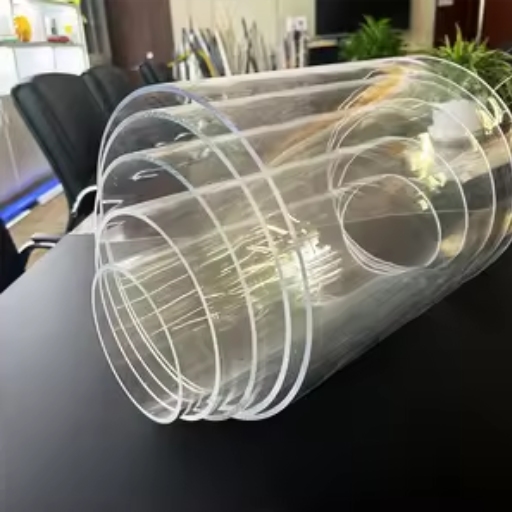
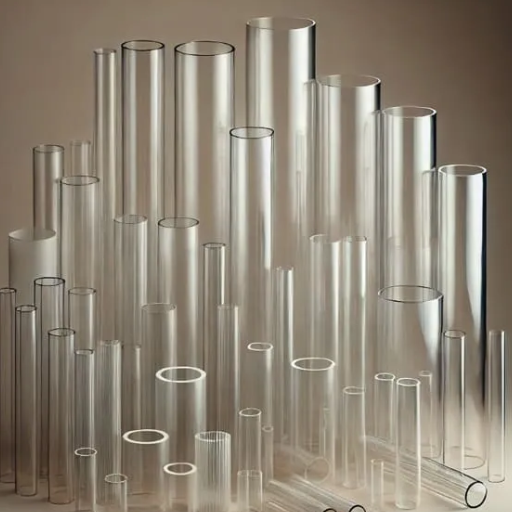
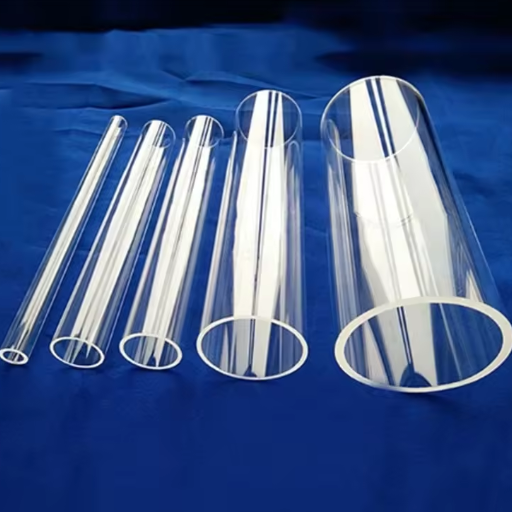
Plexiglass, which scientists refer to as polymethyl methacrylate (PMMA), serves as a lightweight transparent thermoplastic that manufacturers use to create shatterproof products which replace glass. Its exceptional durability and optical purity enable plexiglass to function effectively in all indoor and outdoor environments because it withstands all weather elements and ultraviolet radiation. The material finds application in various industries which include building construction and automotive production and medical device manufacturing and artistic exhibitions. The material provides designers with the ability to create custom projects through its simple process of shaping cutting and drilling. The company achieves its sustainable production model through its ability to recycle materials and produce products with low energy consumption.
Benefits of Using Acrylic Tubes in Renewable Energy
The durability and versatility of acrylic tubes combined with their ability to transmit light enables their use as essential components for developing renewable energy systems. The material serves as an excellent choice for outdoor applications because it provides protection against weather elements and ultraviolet radiation which makes it suitable for solar panel components and protective covers used with photovoltaic systems. The use of acrylic tubes in renewable energy systems extends operational life while providing durable performance against extreme environmental conditions. The lightweight characteristics of acrylic make it simple to move and install which results in lower energy use and reduced labor expenses during equipment setup. The material’s optical transparency provides special benefits for solar energy systems because it allows light to pass through which increases solar panel energy production. The circular economy model receives support from acrylic because it can be recycled which helps renewable energy projects achieve their sustainability objectives. The complete set of properties present in acrylic tubes functions as a fundamental resource which drives the development of environmentally friendly energy solutions that will sustain future generations.
| Feature | Plexiglass (Acrylic) | Polycarbonate |
|---|---|---|
| Optical Clarity | Exceptional optical performance; better than polycarbonate. | Can yellow over time; lower scratch resistance. |
| Impact Strength | Lightweight and rigid; tends to crack under stress. | Exceptional impact resistance; 250x stronger than glass. |
| UV Stability | Naturally UV resistant; maintains clarity outdoors. | Needs UV-resistant coatings to prevent yellowing. |
The two transparent plastics Plexiglass and polycarbonate possess different characteristics which make them suitable for various uses. Plexiglass also known as acrylic becomes the best material for glass-like applications because it weighs less than glass and provides better optical performance. The material exhibits rigidity and scratch resistance while maintaining its outdoor performance capabilities because it protects against UV radiation. Plexiglass shows a higher tendency to crack under stress than polycarbonate because the latter material exhibits better stress resistance. Polycarbonate material demonstrates exceptional impact resistance because it can withstand impacts that are 250 times greater than glass. The material functions as an optimal choice for high-security applications because it protects against bullets and secures areas through safety guards. The material maintains its flexible strength but proves to develop yellow coloring after extended exposure to ultraviolet light unless it receives protective treatment through UV-resistant coatings. The material of polycarbonate provides lower scratch resistance compared to plexiglass yet its high strength and durability make it suitable for use in challenging conditions. The decision to select either plexiglass or polycarbonate depends on the specific purpose which the material will serve. The material plexiglass serves as the primary choice for projects which need both aesthetic appeal and strong structural support. The better choice for applications that need extreme strength and resistance to impacts is polycarbonate.
The Manufacturing Process of Acrylic Tubes
Overview of Tube Production Techniques
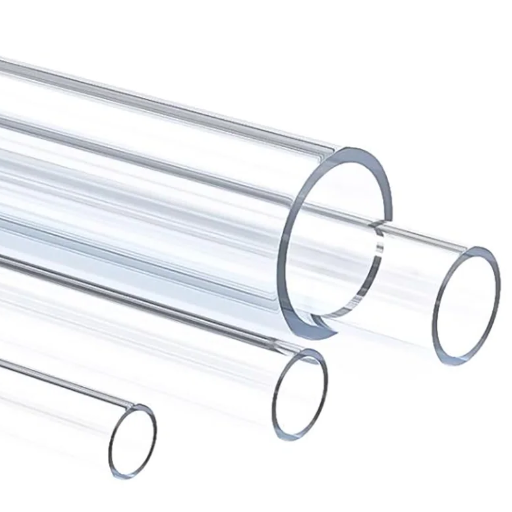
The production process for acrylic tubes requires advanced manufacturing methods which together enable manufacturers to create products that meet precise quality standards. The two most frequently used methods for this process are extrusion and casting. Extrusion functions as an efficient method where operators melt acrylic resin before pushing it through a cylindrical die which produces tubes with different diameter and length specifications. This method produces tubes with standard dimensions for a manufacturing process which requires high output at minimal production costs. Casting process requires operators to pour acrylic liquid into tube-shaped molds which they let to solidify. The method produces better optical clarity which enables users to choose custom features that include different wall thicknesses and special finishes. The development of modern manufacturing technologies has improved the methods used in production which leads to better results when making acrylic tubes. The decision to use extrusion or casting methods depends on the particular needs of the project which include required clarity and required mechanical characteristics and financial limitations.
Extrusion Process of Acrylic Tubes
The extrusion process requires hot molten acrylic to be pushed through a specifically designed die which produces continuous tubes that maintain standard measurements. The method enables efficient production of large amounts of acrylic tubing which meets demands for accurate measurements and affordable solutions. Modern extrusion technologies enable precise operation with minimal material waste through their implementation of automated control systems and real-time system monitoring capabilities. The development of die design improvements and advanced extrusion methods allows manufacturers to produce customized tubes with various attributes including different diameters and wall thicknesses and unique surface finishes. The mechanical strength and smooth surfaces of extruded acrylic tubes provide excellent performance but their optical clarity falls short of cast tubes which makes them more appropriate for structural and utility applications instead of aesthetic use.
Quality Control in Acrylic Tube Manufacturing
Quality control in acrylic tube manufacturing works to verify that final products achieve both industry standards and customer specifications. The process starts with inspecting raw materials to guarantee that only top-grade acrylic resins will be used. The production process uses advanced monitoring systems to track three variables which include temperature and extrusion speed and material consistency. The systems control three aspects of production which are dimensional accuracy and uniform wall thickness and optimal surface finishes. The testing process measures mechanical properties to evaluate the tensile strength and impact resistance and optical performance of cast acrylic tubes, which require higher optical standards for performance testing. The quality management teams use non-destructive testing methods, such as ultrasonic scanning, to find hidden defects and structural irregularities in their products. Through the implementation of strict quality standards manufacturers achieve reliable production of durable acrylic tubes which meet the specific needs of various industrial applications.
Innovative Uses of Transparent Tubes in Green Technology
Solar Energy Applications of Plexiglass Tubes
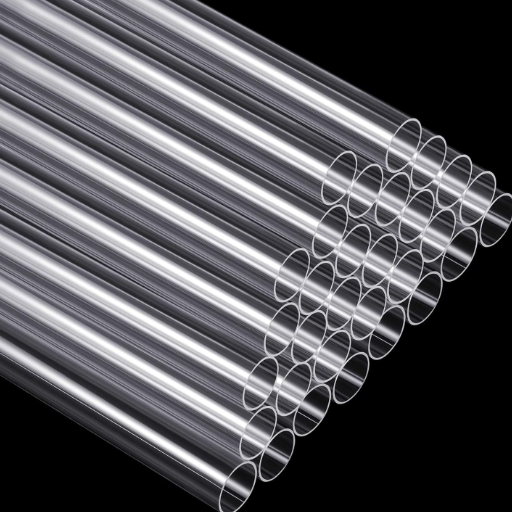
Plexiglass tubes have emerged as a popular choice for solar energy applications because they deliver high performance while offering versatile design options. The technology combines optical functions with solar concentrators through their deployment as light guides which direct sunlight toward photovoltaic cells to achieve maximum energy output. The outdoor suitability of plexiglass material arises from its exceptional transparency and strong durability which enables it to endure UV radiation and severe weather conditions without losing its original properties. Plexiglass tubes found their application in modern daylighting systems which help buildings achieve better energy efficiency by transmitting natural sunlight from outside to their indoor spaces. Engineers and researchers are testing their performance in advanced solar thermal systems which use the tubes to enclose heat transfer fluids for effective heat absorption while controlling energy waste. The applications demonstrate how plexiglass tubes function as essential components for developing environmentally friendly technologies which support sustainable energy practices.
Wind Energy: How Acrylic Tubes Enhance Efficiency
Acrylic tubes have become essential materials for building advanced wind energy systems which need new solutions to produce renewable energy efficiently. The construction of aerodynamic turbine blade designs benefits from these tubes because their lightweight and durable properties create better performance and extended lifespan. The sensitive monitoring equipment in wind turbines can be protected from severe weather through acrylic tubes which maintain visibility for maintenance and inspection purposes. The high optical clarity and wear resistance of acrylic tubes enable better energy capture and turbine performance, which serves as essential components in developing sustainable and efficient wind power systems.
Water Purification Systems Utilizing Acrylic Tubes
Modern water purification systems now use acrylic tubes because these tubes provide both durability and transparent properties which enable the development of new technologies. The tubes serve a common purpose in ultraviolet (UV) water purification systems because their superior optical properties permit maximum UV light transmission which effectively destroys dangerous microorganisms. The material’s resistance to corrosion and chemicals enables it to handle different types of water including high salinity and acidic solutions. The lightweight nature of acrylic tubes also simplifies installation and maintenance processes, offering cost and logistical advantages. The use of acrylic tubes in water treatment systems improves system performance and system reliability which helps provide safe drinking water to people around the world.
Eco-Friendly Aspects of Plexiglass Tubes
Sustainability in Material Sourcing
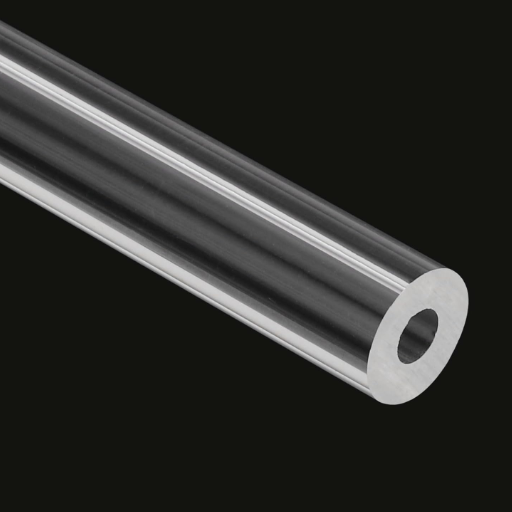
Plexiglass tubes have gained popularity because manufacturers can create them through environmentally friendly production methods and use sustainable materials. Manufacturers need to choose their raw material suppliers based on the suppliers’ commitment to environmentally friendly production methods which include waste reduction and carbon emission control. The material plexiglass can be completely recycled which allows it to be transformed into new products while maintaining its original quality. The practice of circular material usage decreases the need for non-renewable resources and reduces total environmental effects. The eco-friendly production of plexiglass tubes shows its environmental advantages because the material’s sustainability gets applied throughout all steps of material selection and manufacturing.
Recyclability of Acrylic Tubes and Environmental Impact
The lightweight and durable and recyclable properties of acrylic tubes which are similar to plexiglass make these tubes a sustainable option that surpasses multiple other materials. The ability to recycle acrylic into high-quality products demonstrates its capacity to decrease waste. The current recycling methods enable complete disassembly and recycling of used acrylic tubes which results in reduced landfill waste. The research demonstrates that acrylic production requires fewer materials than traditional production methods which leads to decreased energy use and reduced greenhouse gas emissions. The new methods for producing acrylic develop methods which decrease environmental effects through the use of recycled materials for manufacturing new tubes. The implementation of these advancements enables acrylic-dependent industries to adopt sustainable practices which focus on their environmental obligations throughout the future.
Future Trends in Eco-Friendly Tube Production
The future of eco-friendly tube production will advance through two main factors which include sustainable material developments and technological advancements. The most important present trend shows how people change their materials to bio-based plastics and renewable resource-based alternatives which include plant-based polymers. These materials show promise in reducing dependency on petroleum-based products while maintaining the durability and clarity required for many applications. People increasingly show interest in biodegradable and compostable materials because these materials help reduce waste which occurs when items are used only one time. The growth of recycling technology now enables organizations to recycle acrylic materials while maintaining their original production quality. The practice of closed-loop systems now operates in more industries because it allows organizations to gather their used products and transform them into fresh manufacturing materials. The process decreases waste production while it helps save energy together with resources which creates benefits for the circular economy system. The industry undergoes transformation through research efforts which focus on developing manufacturing processes that decrease production waste and adopt energy-efficient production methods. The 3D printing technology reduces material waste because it produces customized designs which reduce material waste. The future of eco-friendly tube production will become sustainable through material innovations together with recycling improvements and advanced production methods. The environmental priorities of today will keep influencing how businesses develop their operations to satisfy both consumer needs and regulatory standards.
Design Considerations for Acrylic Tubes in Renewable Energy Systems
Aesthetic and Functional Design Elements
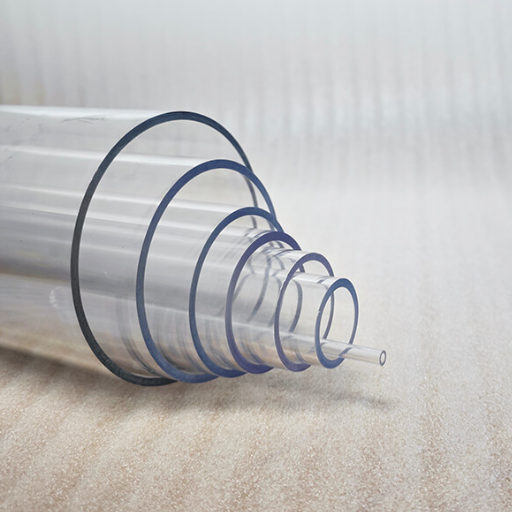
The design process of renewable energy systems requires designers to use acrylic tubes which need to achieve both aesthetic and functional requirements for optimal system performance and visual attractiveness. The natural optical properties of acrylic make it suitable for applications that demand high optical precision in solar concentrators and light guide systems. The application of surface treatments through UV-resistant coatings and anti-scratch layers establishes product durability which withstands extreme environmental conditions. The application of innovative shaping techniques permits the creation of custom geometric designs that enhance system efficiency by improving light capture and energy transfer processes. The complete integration of these elements creates visual harmony which enhances the technological performance of renewable energy systems.
Customization Options for Different Applications
Renewable energy solutions need customization because different sectors require distinct solutions. Homeowners can choose from solar panel designs that include sleek black frames and rooftop tiles which match their exterior home design. Commercial applications, on the other hand, use modular systems to create expandable systems that match their business growth needs while advanced mounting systems handle their energy demands through system optimization. Industrial solutions develop systems which sustain performance through extreme operational conditions because they require both long-lasting and effective functioning. High-capacity panels with reinforced materials ensure robust performance in harsh environments, while customized tracking systems can follow the sun’s movement for maximum energy harvest. The renewable energy technologies offer multiple adaptable solutions which enable their successful deployment in numerous real-world applications.
Case Studies: Successful Implementations of Acrylic Tubes
My research investigates real-world uses of acrylic tubes to demonstrate their capability to function effectively in multiple industrial environments. The manufacturing industry serves as the main demonstration of how acrylic tubes function in flow monitoring systems together with process visualization applications. The tubes permit engineers to perform visual tracking of fluid and gas movements throughout industrial facilities because they exhibit excellent optical transparency and chemical resistance. The use of acrylic tubes enables companies to enhance their operational performance because the material helps them detect and fix flow blockages at a faster pace.
The development of contemporary architectural and interior design spaces represents another interesting case study. Designers use acrylic tubes to develop cutting-edge lighting systems which include LED-embedded structures and decorative light installations. The lightweight and shatter-resistant characteristics of these materials make them the ideal option for designers who want to achieve both practical use and visual appeal. Acrylic tube designs function as ambiance-enhancing elements which provide durability in commercial spaces such as hotels and retail stores.
Acrylic tubes have found their way into medical and healthcare settings where they serve as essential components for laboratory tools and medical instruments. The tubes find use in centrifuge machines and respiratory devices because of their non-toxic properties and their ability to withstand temperature changes without losing their original structure. The products demonstrate their value in cleanroom settings which require both sterile conditions and accurate measurement capabilities. The various uses of acrylic tubes demonstrate their essential role in different scientific domains.
Reference Sources
- Renewable Energy Options for Buildings: Case Studies – Discusses innovative approaches and materials, potentially including plexiglass, for renewable energy applications in building systems.
- Solar Energy Power Systems as Renewable Energy Technique of the Future – Examines the role of materials like receiver tubes in solar energy systems, highlighting their importance in renewable energy technologies.
- A Hands-On Laboratory Experiment on Concentrating Solar Power in a Renewable Energy Sources Course – This study explores the use of tubes in solar concentrators, a clean technology for renewable energy harvesting.
Frequently Asked Questions (FAQs)
What are the advantages of using extruded plexiglass or extruded acrylic tube for solar-powered applications?
Solar-powered collectors and light guides find their best solution through the use of extruded plexiglass and extruded acrylic tube because these materials deliver superior optical clarity at lower production costs than most specialty glass options. The lightweight design of these materials enables easier transport which results in decreased carbon emissions during transportation while supporting sustainable installation and modular construction methods. Manufacturers produce multiple UV-resistant grades of extruded acrylic materials that provide ultraviolet protection to maintain optical transparency and material strength throughout their operational life. The suppliers of clear and colored extruded acrylic tubing provide customization options which enable customers to achieve optimal light capture and diffusion effects for their photovoltaic and thermal systems. The design team should evaluate mechanical loads for turbine housings and mounting systems because PMMA-based polymers exhibit good impact resistance but require this analysis to confirm their performance during extended use.
What chemical resistance and durability capabilities do acrylic tubing display when compared to PVC and other plastic tubing materials?
Acrylic tubing provides better optical clarity than PVC and most other transparent plastic materials. PVC allows better protection against specific solvents and industrial fluids than other clear plastic materials. For applications involving exposure to liquids or solvents, review the raw material compatibility and consult suppliers about chemical resistance and degradation risks to select the right polymer. Acrylic (PMMA) provides clear materials with good impact resistance. Users who need to achieve maximum toughness should choose different polymers or protective systems that will stop their materials from cracking. Sustainability studies show that both acrylic and PVC provide recycled content and bio-based alternatives which help decrease environmental impact and advance circular economy objectives. Materials must be selected to achieve the necessary balance between visual transparency and structural integrity while maintaining environmental protection and operational upkeep requirements for their specific industrial applications.
Is plexiglass tubing suitable for protective barriers and display cases in clean energy facilities?
Plexiglass tubing and clear acrylic tubes serve as effective materials for protective barriers and display cases because their transparent design enables equipment protection while maintaining display visibility. The lightweight nature of their modular design facilitates installation work for both public educational displays and retrofit projects that showcase clean energy and renewable technology. The UV-resistant grades provide display protection against yellowing which occurs in sunlit areas while they also reduce display damage during extended exposure to UV radiation. The safety requirements for high-traffic areas which need impact protection should use thicker-walled acrylic tubing or other polymer materials as their specified solution. The process of working with a reputed supplier allows you to obtain extruded plexiglass products which meet your needs for both visual appearance and protective capabilities.
What applications exist for plexiglass cylinders and cylindrical extruded tubes in turbine systems and sensor housings used for renewable energy monitoring?
Cylindrical extruded acrylic or clear plastic tubes can function as housings or sight-glasses for sensors, enabling visual monitoring of liquid levels or flow inside the tube without affecting instrumentation. The material enables inspection through cameras, which connects to automatic systems that require visual access. The design uses lightweight elements to create an easy system, which prevents any weight increase on the rotating parts and base structures. The material needs to demonstrate impact resistance and chemical resistance for turbine usage because it will face environmental conditions that include salt spray and solvents and lubricants. The combination of sealing techniques with solvent-free joints enables material protection because it maintains transparency while preventing chemical degradation that can result in damage to the polymer. Organizations that operate production facilities with experience in PMMA extrusion enable businesses to achieve their performance requirements through precise control of their product dimensions and tolerances.
What role do material selection and supplier capabilities play in scaling widespread adoption of plexiglass tube solutions for renewable projects?
The performance of renewable energy projects depends on material selection because it determines both lifecycle impacts and costs of plexiglass tube usage throughout these projects. Organizations need to select materials which offer sufficient durability and UV protection and recyclability for their specific needs because these factors determine their long-term operational expenses and environmental impact. The supplier functions which include custom extrusion and quality control together with their provision of recycled materials and bio-based raw materials determine whether organizations can implement their solutions through large-scale operations and basic economic installations. Companies now use production facilities combined with automated systems which reduce production costs while creating products that meet industrial and medical device standards, thus expanding their technology options to various fields like aerospace and biotechnology. Organizations achieve their sustainability objectives through clear environmental data communication which also provides end-of-life options and safety certifications for stakeholders to use in their operations. Designers, suppliers, and regulators establish partnerships which help organizations to move away from traditional materials while developing solutions that decrease fossil fuel use and help lower greenhouse gas emissions.