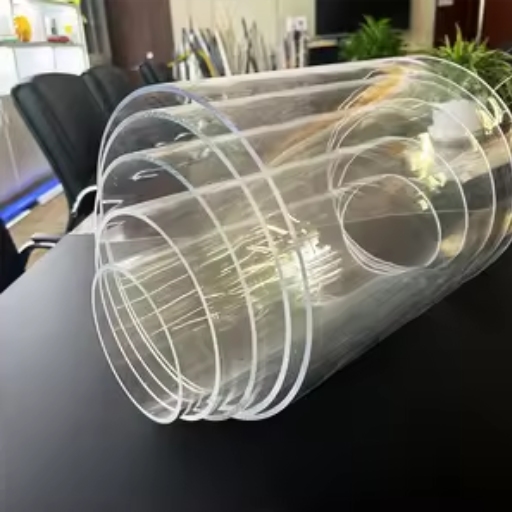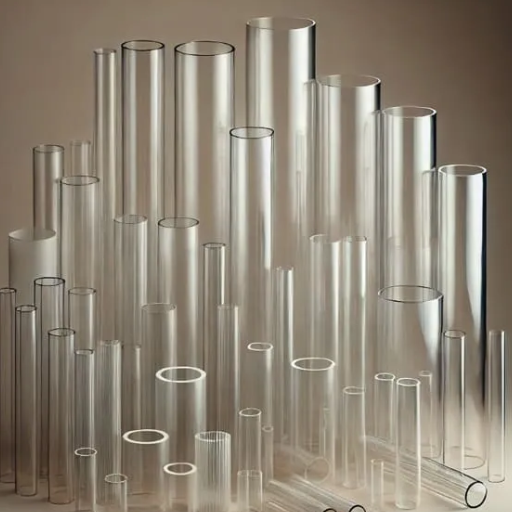

Fast Protein Liquid Chromatography (FPLC) systems are imperative to any lab that needs precision, reproducibility, and reliability in protein purification. The most important part of these systems is their chromatography columns, with their kinds and materials playing a major role in enforcing optimal function. In a choice among the variously available columns, clear view acrylic chromatography columns emerge as highly suitable and effective solutions for FPLC applications. This article will present the unique aspects of these columns, which go beyond transparency for visual monitoring: durability in laboratory conditions, acceptance of any purification protocol, and multiple other features. Learning about the advantages associated with an acrylic chromatography column is vital to making one’s lab work more effective and precise, regardless of whether testing, upscaling production, or purifying processes is underway. Consequently, it is a good idea to go through this article to derive enlightenment on how these expertly designed columns will revolutionize your protein purification methodologies.
Key Takeaway
Acrylic columns provide a unique balance of high transparency for real-time monitoring and rugged durability for both high and low-pressure FPLC applications.
Understanding Acrylic Chromatography Columns
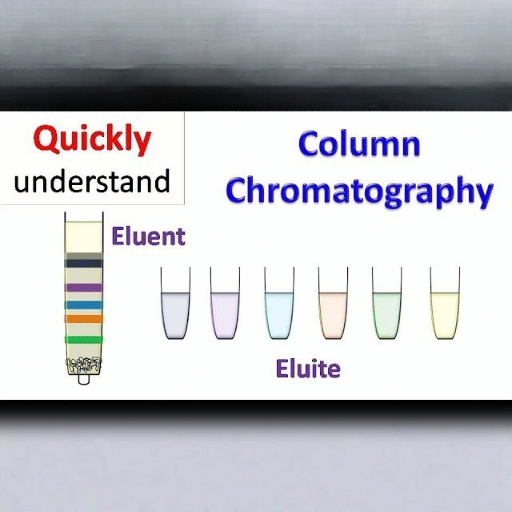
Acrylic columns are well known in the lab for the pair of durability and hardiness and the general balance between transparency. They are relatively light and have been designed for use in both high- and low-pressure applications and are good for all variations of techniques for separation and purification, whereas the transparency also provides the means to visually monitor sample flow in real time necessary to maintain precision. Furthermore, acrylic materials are compatible with a range of standard buffers and reagents, establishing their level of diversity in applications varying from protein purification through biomolecule separation.
Definition of Acrylic Chromatography Columns
These acrylic columns used for chromatographs are specialized laboratory instruments intended to collect and separate biomolecules. They are made of acrylic, a glassy and durable polymer that is amazingly hardy, harmless to chemicals, and ultralight, providing a quick and robust means to work in both high-throughput industrial and small laboratory settings. The clarity of acrylic means that one can look into the column and watch elution taking place to guarantee all values are exact and reproducible. Its compatibility with numerous buffers and reagents makes these columns indispensable for the entire range of chromatography workflows, especially protein purification, enzyme isolation, and many other bacterial separations.
Components of Acrylic Columns
Acrylic columns mainly consist of primary parts engineered for high performance and flexibility. This includes the column body made from transparent acrylic material, which provides durability while remaining easy to observe, and usually includes chemically resistant inlet/outlet connectors to accommodate a wide range of solvents and reagents. Frits or filters that incorporate the proper means to retain the stationary phase while ensuring sufficient bond length are also part of the design for unobstructed flow of the mobile phase. Moreover, adjustable end caps and flexible tubing are components that facilitate various experimental conditions, ensuring the hassle-free integration of the columns into different chromatography systems.
Types of Acrylic Columns
Acrylic columns are classified according to application, design, and performance. Examples include gravity flow columns usable for fast separations requiring low operating pressure; pressurized columns, which accept high flow rates and pressures to process demanding separations; and preparative columns, which have a larger diameter to handle large sample quantities. Besides, there are specific columns for ion exchange, affinity chromatography, or gel filtration, allowing for customization to fulfill particular experimental goals or industrial processes. All those columns are designed for best performance, great durability, and compatibility with most solvents and reagents.
Applications of Acrylic Chromatography
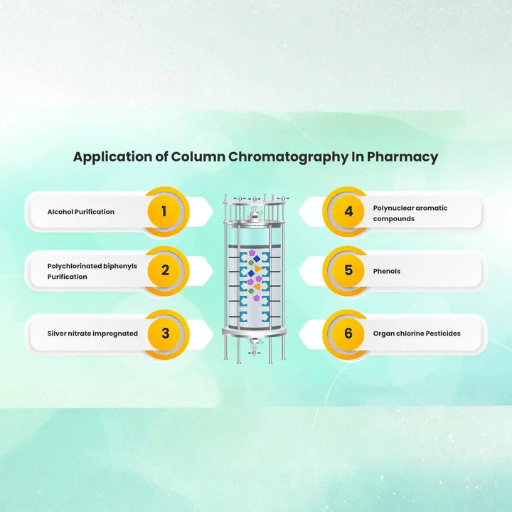
Acrylic chromatographic columns are omnipresent across scientific fields due to their usefulness. Here are some of the significant impressions they have made:
- ✓
Protein Purification: Faster separation and purification of proteins for pharmaceutical and biochemical research. - ✓
Enzyme Isolation: Employed for industrial and research-based purification of enzymes. - ✓
Biomolecule Analysis: Precise analysis and separation of nucleic acids and other biomolecules. - ✓
Industrial Bioprocessing: Purifying biologics for large-scale manufacture of therapeutic compounds.
Use in FPLC (Fast Protein Liquid Chromatography)
FPLC systems use packed columns to efficiently separate and purify proteins, peptides, and other biological macromolecules. Their design ensures controlled flow rates and reproducible results, which are very important for protein characterization and downstream applications. The columns, compatible with a wide selection of buffers and detection methods, offer high-resolution fractionation without perturbing delicate structures. Packed columns are thus indispensable for workup—whether analytical or preparative—conducted in research or in industrial bio-processing.
Biochemical Applications
When aiming for biological applications, the packed column’s ability to separate and purify molecules can be more precise. For example, applications include protein purification, enzyme isolation, isolation of nucleic acids, and utilizing applications for fragile biomolecules while keeping sensitivity and activity in focus. Packed columns exhibit richness in chromatographic applications, such as ion exchange, size exclusion, and affinity chromatography, satisfying the need for individual solutions from laboratory research to industrial biomanufacturing scale. Their strength coupled with smooth performance is imperative to achieving desired reproducibility and efficiency over diverse biochemical workflows.
Industrial Applications
Packed columns are crucial devices in multiple industrial applications, especially in the pharmaceutical, biotechnological, and chemical manufacturing sectors. These highly efficient and scalable systems play a vital role in biologic purification, encompassing the purification of monoclonal antibodies, recombinant proteins, and vaccines. Sometimes, packed columns form the heart and soul of fine chemical production and raw material refinement, where consistency and precision are everything. They are designed with regulatory validation in mind, ensuring compliance, optimal throughput, and product quality.
Manufacturing of Acrylic Chromatography Columns

Acrylic chromatographic column production is an exercise in precision to ensure consistency, durability, and performance. The process begins by choosing reputable acrylic materials known for optical clarity and resistance to chemicals. From these acrylics, the columns are molded or machined into desired dimensions, tailored to application-specific requirements. Internals are polished to reduce resistance on their surface, thus reducing drag in chromatographic operations. Columns are fitted with compatible seal-valve systems or fittings to prevent leaks and maintain column integrity. Before delivery, columns go through extensive checks, ensuring they can handle pressure, flow rates, and chemical compatibility.
Materials Used in Production
The manufacture of chromatography columns makes use of precision-engineered materials chosen for durability, chemical resistance, and compatibility with an array of solvents and analytes. Stainless steel of a 316L grade is one of the primary materials utilized for its fabulous corrosion resistance and structural strength. For better chemical resistance, inert polymer materials such as PTFE or PEEK are used in fittings, seals, and tubing components. In addition to these, silica of high purity or specialized resins are used as stationary phases designed specifically for separation requirements. With these materials, changes in separation requirements will maintain accuracy and longevity for reliable performance to meet the more stringent requirements of many challenging analytical and preparative problems.
Manufacturing Processes
Manufacturing chromatography components requires precision engineering, stringent quality control, and advanced technology. Metal components, usually produced from stainless steel, are machined on CNC machine tools, adding techniques such as electropolishing to improve quality and attain required tolerances. Polymer material is processed through injection molding or extrusion methods to ensure dimensional accuracy and chemical stability. The production of stationary phases often involves solid-phase synthesis, high-temperature sintering, or chemical bonding techniques to optimize separation properties. Each stage of the manufacturing workflow undergoes stringent process controls in accordance with performance and purity requirements defined for chromatography applications.
Quality Control Measures
Quality control is done from the beginning to the end of chromatographic material fabrication to maintain strict compliance with common industrial standards. Main procedures include particle size measurements through laser diffraction, surface area analysis by BET (Brunauer-Emmett-Teller) methodology, and purity checks by spectroscopic techniques like FT-IR and NMR. In addition, thermal stability and chemical resistance characteristics are checked, along with mechanical properties to support performance in different operating conditions. Batch-to-batch consistency is proven through chromatographic performance parameters, such as the reproducibility of retention times and resolution efficiency. The claim of reliability for rigorous precision is established through these procedures.
Advantages of Using Acrylic Columns

| Feature | Benefit |
|---|---|
| Clarity and Visibility | Easy monitoring of contents and processes without extra instrumentation. |
| Chemical Resistance | Suitable for various laboratory and field applications. |
| Lightweight Design | Approximately 50% lighter than glass or metal, simplifying installation. |
| Durability | High-impact resistance reduces the chance of breakage. |
| Customizability | Can be molded into specific shapes and sizes for operational needs. |
| Cost-Effectiveness | Affordable function due to lower production and replacement costs. |
Transparency and Visibility
In regard to transparency and visibility, acrylic offers an exceptionally clear optical view and a light transit of nearly 92%. This makes it far superior to other widely used materials, like glass. For instance, where visibility is a top priority, this material should be used. In addition, its capacity to resist yellowing and weathering further ensures vision performance in environmental conditions. Acrylic, therefore, finds greater application in sectors demanding precision and clarity, such as aerospace, medical devices, and architectural applications.
Cost-Effectiveness
Cost-effectiveness of acrylic is a result of its durability, flexibility, and lower production costs compared to alternative materials such as glass or polycarbonate. Its lightweight nature, in turn, reduces transportation and installation costs, while the long life of the material ensures that replacement of the acrylic need not be considered too often. Further, the ease of forming artificial materials means that their roll out is made most efficient, rendering these materials the optimum choice in industry where performance and cost are paramount.
Customizability
The quality of customization in acrylic certainly plays a significant role in its being widely used. The material can be easily cut, shaped, or molded in any way, giving manufacturers a chance to make a product to their preference. Its accepting dye and paint increases aesthetics for applications that may demand specific colors or finishes. Finally, acrylic can undergo advanced fabrication processes like laser cutting and CNC, ensuring quality, precision, and uniformity in production while meeting the requirements of many industries.
Maintenance of Acrylic Chromatography Columns
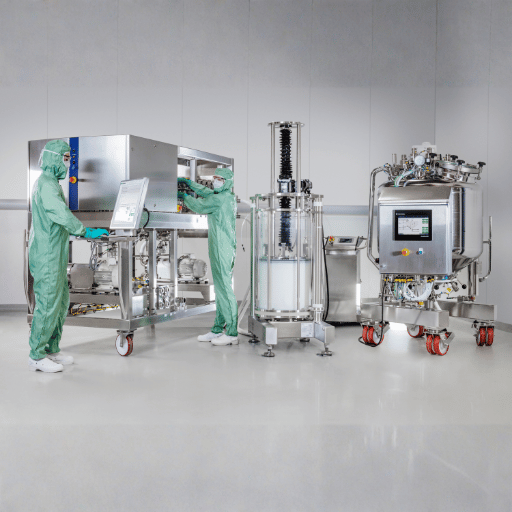
To take advantage of columns made of acrylic resin, developers have to execute proper maintenance. The main procedures for maintaining acrylic chromatography columns are as follows:
- 1
Regular Cleaning
Using mild non-abrasive solutions helps dislodge residues and prevents buildup. Avoid harsh chemicals that damage acrylic surfaces and rinse with deionized water. - 2
Inspection for Damage
Perform routine physical examinations for scratches or cracks. Attend to wear-and-tear immediately to prevent column failure. - 3
Proper Storage
Store the column in a dry, clean unit away from direct sunlight to protect from UV degradation and warping.
Cleaning Procedures
Cleaning for optimal performance and extended life requires care based on typical materials processed. Initially, the column must be rinsed using an adequate buffer or detergent compatible with the resin and acrylic composition. This should be circulated at a controlled flow rate to avoid pressure spikes. For deep fouling, specific agents like sodium hydroxide or ethanol may be used, provided concentrations do not exceed recommendations. Thoroughly rinse the column with deionized water to remove leftover agents and monitor effluents until conductivity returns to baseline levels. Confirm integrity before fitting back for usage.
Storage Recommendations
For long life and best performance, storage must adhere to manufacturer guidelines. Typically, this entails a preservative solution, usually a low buffer or alcohol-based solution to prevent microorganism growth. Prevent drying of media by securing end caps. Ensure the columns stay in an upright position at temperatures specified (typically 2-8°C). Do not subject them to direct sunlight or rapid temperature fluctuations.
⚠️ Important Note
Avoid chemical exposure to substances known to damage acrylic. Rapid cleaning is essential if accidental contact occurs.
Common Troubleshooting Tips
- Uneven Flow Rates: Air bubbles or clogged valves can cause issues. Degassing buffers and proper equilibration help prevent this.
- Decreased Column Efficiency: Changes in ionic strength or pH can affect the resin. Periodic washing removes fouling material.
- High Backpressure: Look for solid accumulation. Filter samples and buffers before loading to avoid debris.
- Poor Separation Results: Ensure sample loading, flow rate, and buffer composition match the method. Adjust gradient profiles if needed.
Reference Sources
- Straits Research: Pre-packed chromatography columns in pharmaceutical and biotech.
- Blanson Corporation: Biocompatibility of acrylic columns in food and pharma.
- Alfresco Pharma: Acrylic compatibility with ethanol and process chromatography.
Frequently Asked Questions (FAQs)
What is an acrylic chromatography column?
A transparent column made of acrylic material used to separate and purify chemical compounds in industrial and laboratory setups.
What are the benefits of using acrylic chromatography columns?
They offer high transparency, lightweight structure, and cost-effectiveness compared to other materials.
Which industries use acrylic chromatography columns?
Pharmaceutical, biotech, food and beverage, and environmental science industries are primary users.
How do acrylic chromatography columns compare to columns made of glass?
Acrylic columns are much more impervious to impact and considerably lighter, though they may have lower resistance to certain specific solvents.