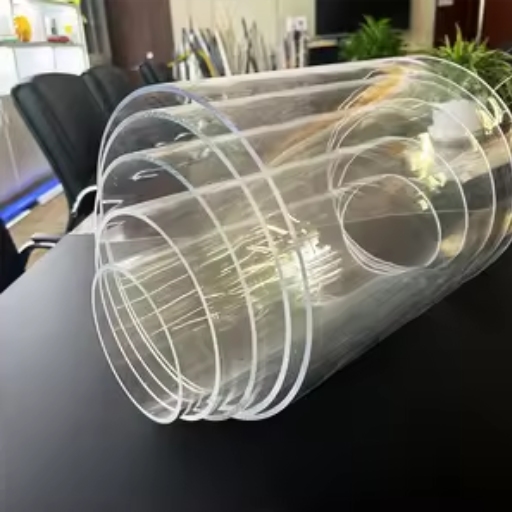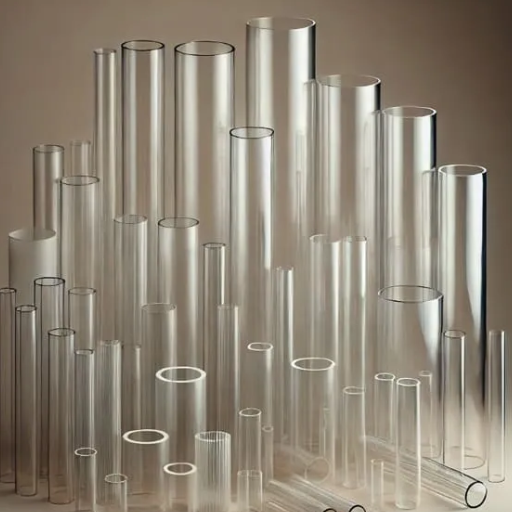

When it comes to sustainable and innovative solutions for microalgal biotechnologies, the material selection, and types for the culturing systems are both crucial for growth optimization and maintaining sustainability over the long term. Among these materials, the use of clear acrylic tubes has been found to be very promising for the purpose, with their unique traits of being durable, transparent, and adaptable. The article deals with the scientific mechanics of clear acrylic tubes when used in algal cultivation, detailing functional advantages, their applications in lay out and cultivation, and ways to improve productivity by employing these materials. Understanding the role of the plastic tubes and the principles that govern them would add some value to the discussion on successful and sustainable algae farming, whether by designing photobioreactor prototypes or using them on an industrial scale.
Key Takeaway
Acrylic tubes offer a 92% light transmission rate and superior UV resistance, making them the gold standard for high-yield photobioreactors in both experimental and industrial settings.
Introduction to Acrylic Tubes for Algae Cultivation

Acrylic tubes are essential in algae cultivation because they are long-lasting, clear, and inexpensive. Due to their clear visibility, light penetrates better through the tubes. Sufficient illumination is a crucial factor in algal growth through photosynthesis. Furthermore, acrylic tubes guarantee effective resistance against UV radiation, ensuring concrete durability under prolonged direct sunlight. Lightweight tube structure means easy change from one design to another and safe enclosures in various engineering systems. Simple cleaning and maintenance also enhance these properties to make them the first choice for photobioreactors, experimentally as well as in industrial-scale algal bioreactor applications.
What are Acrylic Tubes?
Acrylic tubes are cylindrical components made of polymethyl methacrylate (PMMA), a thermoplastic material known for its optical clarity, durability and versatility. Acrylic tubes find wide use in industry for applications needing high clarity, UV resistance, and structural integrity. Acrylic tubes are further advantageous when employed in systems exposed to harsh environmental conditions—they are resistant to chemical corrosion and physical degradation as they age. Being lightweight and possessing good mechanical strength and ease of fabricability, these tubes are essential for the design of photobioreactors, fluid systems and various architectural or industrial applications.
Advantages of Using Clear Acrylic Tubes
Clear acrylic tubes offer remarkable optical clarity that surpasses many other plastics with an approximate light transmission rate of 92%, crucial for various applications that require visual clarity. Their good resistance to UV radiation ensures longevity and minimal yellowing when exposed to sunlight. Good UV resistance properties are thus critical in outdoor and highly exposed environments. High chemical resistance enables it to discourage a vast range of substances, prolonging its lifetime in chemical processing systems. Besides being lightweight, acrylic tubes are extremely durable, exhibiting excellent tensile strength and impact resistance capacities while performing commendably in the face of mechanical stress. Manufacturability and thermal formability are other strengths, meaning that they can be tailor-made to satisfy specific application requirements, thereby confirming the versatility of these tubes in countless industrial and commercial designs.
Light transmission rate of clear acrylic, facilitating maximum photosynthesis.
Applications in Microalgae Cultivation
Advanced polymer tubing has become a revolution in the industry by drastically enhancing its efficacy and size. These tubes are planted within photobioreactors for the optimal exchange of nutrients and gas flow, even when continually exposed to UV light and high moisture and varying temperatures. Systemically quite resistant to biofouling and chemical degradation, they run minimal contamination risks and ensure longer operational durations. Their lightweight construction and ease of flexibility allow the tubes to be integrated within closed- or open-type cultivation systems, making them an essential component in achieving large quantities of biomass in varied environments.
Types of Acrylic and Plastic Tubes

There are various types of acrylic and plastic tubes, each suited to meet certain applications:
- 1. Clear Acrylic Tubes: Noted for superior optical clarity and UV resistance. Used in visual displays, aquariums, and photobioreactors.
- 2. Polycarbonate Tubes: Known for impact strength and rack resistance. Used in machine guarding and protective covers.
- 3. PVC Tubes: Excellent for handling acids and bases. Common in fluid-transport and industrial piping.
- 4. PETG Tubes: Balanced clarity and cost-effectiveness. Used in packaging and medical devices.
- 5. ABS Tubes: Best mechanical properties and impact resistance. Used in structural applications and prototyping.
Polycarbonate vs. Acrylic Tubes
| Feature | Polycarbonate | Acrylic (PMMA) |
|---|---|---|
| Impact Resistance | 200x Glass (Very High) | Moderate |
| Optical Clarity | Moderate | Superior (92% Transmission) |
| UV Resistance | Requires Coating | Inherently High |
Polycarbonate and acrylic are very important materials that excel in different areas, depending on the application requirements. Polycarbonate has shown great strength against impact, with over 200 times a glass’s capacity, which allows use in high-end settings where durability comes first. Other features include a high degree of heat resistance and fire-retardant properties in systems primarily used in the industry and safety-critical applications. Acrylic, on the other hand, has good optical clarity and UV resistance, making it ideal for aesthetics and applications where weathering or visibility is critical. Although polycarbonate is more durable, acrylics offer the best price tag and are lighter. The choice between two can depend on environmental conditions, application of various mechanical stress, and desired aesthetic outcomes.
Different Diameters and Wall Thickness Options
Large selections of diameters and wall thickness are available to meet a host of application needs. For special engineering requirements, smaller diameters with thin walls are usually used—for example, in applications where issues of weight and accuracy are significant considerations, such as in medical devices or instrumentation. Conversely, the larger diameters with robust walls improve strength and impact resistance, making them more suitable for structural components or industrial uses. Material selection should examine mechanical properties of any given material, together with loading requirements, thermal performance, and specific environmental requirements in order to assure the appropriate working performance and durability of the equipment.
Transparent Tubing for Optimal Lighting
Transparent tubing plays a decisive role in optimal lighting applications, by being efficient in diffusing and transmitting light properly. Critical considerations include the need for high optical clarity, low refractive index, and material stability causing due to extensive exposure to light and increased heat. Thus, acrylic or polycarbonate tubing is favored for their distinct transmitrality and durability. Also, the appropriate wall thickness, surface finish, and UV stabilizers greatly improve the desired characteristic, ensuring consistent and always well illuminated applications without early aging.
DIY Algae Bioreactor Setup

These are the outlined steps to set up a DIY algae bioreactor:
1. Materials
- ✓ Transparent acrylic or polycarbonate tubing
- ✓ Air pump and air stone
- ✓ CO2 source (optional for faster growth)
- ✓ Nutrient solution (fit for algae cultivation)
- ✓ Algae starter culture
- ✓ Tubing for circulating air
- ✓ Light source (natural sunlight or artificial grow lights)
2. Assembling
Pick a well-lit area and orient the transparent tubing either vertically or horizontally and mount securely. Plant the pump connect (through pipes) to the air stone, keep the air stone within the bioreactor for the maintenance of oxygen flow. Fill the bioreactor with nutrient solution and place the algae starter culture in it. If a CO2 source is installed to speed up photosynthesis, involve it in the system.
3. Operation and Maintenance
Ensure ambient aeration of your algae for upward growth. Maintain your lighting at a fair ambient level, still much needed for photosynthesis. Regularly monitor temperature and nutrients to sustain positive growth. Embarking upon such guidelines will ensure that you build an efficient miniature system for algal bioproduction for your experiments or small-scale applications.
Materials Needed for Building Your Algae Reactor
The following items are vital to have for the successful management of an algae bioreactor:
- Bioreactor Vessel: A transparent material either of glass or clear plastic material that permits light to penetrate through it.
- Air Pump and Tubing: These are for continuous aeration as well as to ensure proper mixing up of the cultures.
- Light Source: LED grow light or fluorescent lamps that will support photosynthesis through proper light generating systems.
- Nutrient Solution: Balanced media containing necessary macronutrients (e.g., nitrogen, phosphorus) and micronutrients.
- Temperature Control System (if applicable): To maintain environmental conditions that favor growth in harsh environmental conditions.
- Sterilized Equipment: Top-notch pipettes, filters, and sterilizing equipment to keep contamination types to a minimum.
- pH and Temperature Monitors: Tools to detect and maintain the best growth parameters.
These, if combined effectively, will not only cultivate algae but allow to study it within a controlled environment.
Step-by-Step Guide to Constructing a Bioreactor
- 1
Design Parameters Definition
Define primary functions, including microorganism types, nutrients, and output volume. Choose the bioreactor type (e.g., stirred-tank, airlift) and construction materials. - 2
Materials and Component Selection
Select vessels, aeration systems, stirrers, inlets/outlets, and sensors for pH and dissolved oxygen. Ensure chemical resistivity and sterilizability. - 3
Core Structure Assembly
Assemble the main vessel. Integrate sampling ports, gas infusion, and stirrer mechanisms while ensuring airtight seals to prevent contamination. - 4
Installation of Monitoring Systems
Attach and calibrate pH probes, temperature sensors, and dissolved oxygen monitors to track growth parameters. - 5
Sterilization Protocol
Clean and sterilize all components using autoclaving or chemical sterilization depending on material compatibility. - 6
Test and Validation
Verify mixing, aeration, and temperature systems under normal operating conditions before introducing cultures. - 7
Introduction of Media and Culture
Fill the bioreactor with sterile medium and inoculate with the desired algae culture under aseptic conditions. - 8
Operational Checks and Monitoring
Utilize automation for real-time data collection and adjustments to maintain peak cultivation conditions.
Best Practices for Tube Arrangement and Lighting
To ensure the uniform distribution of nutrients and penetration of light, it is important to maintain a uniform structure of tubes in the bioreactor. Minimize the shadowing effect by keeping the tubes in good positions, which also permits excellent fluid circulation for the creation of a feasible biomaterial. The more optically clear the materials, the more the radiated light captured for the good supply of power and creation, thus reducing energy losses. For better lighting, use LEDs that strongly optimize the light spectra according to photosynthetic or production requirements of produced organisms. Ensuring that all lights are properly exotic and oriented to the right angles and intervals, it offers standard results of homogeneously exposed light in an altogether improved process efficiency. Regular cleaning and maintenance of both tubes and lighting systems are essential for the performance efficiency and prevention of biofilm accumulation, or light barrier to the system.
Maintenance Tips for Optimal Algae Growth
💡
Pro Tip
- Regular Monitor pH: Check culture medium (optimum pH 7-9).
- Appropriate Light: Maintain high exposure for photosynthesis.
- Temperature Control: Keep within 20-30°C for most strains.
- Prevent Contamination: Use routine cleaning and disinfection.
- Monitor Nutrients: Supplement nitrogen, phosphorus, and micronutrients.
- Agitation: Use stirring or bubbles to prevent algae settling.
Regular Cleaning and Care of Acrylic Tubes
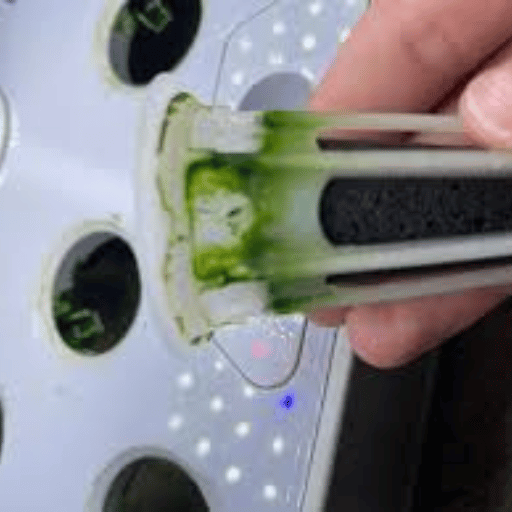
To clean the acrylic columns well and keep clear of any fouling, allowing the most sunlight exposure for algae growth, a very detailed inspection of the tubes should be done to see if there are any dirt, miscellaneous buildup of algae and especially their residues or other signs of biofilms from microbial life. Use mild-cleaning agents that will not react with acrylic or damage its surface so as not to scratch or damage them. Use soft-bristle brushes and sponge wipers that will remove all dirt and grime without damaging the acrylic. Rinse well with deionized water to ensure that all chemicals are properly washed away that might have those harmful effects on the growth of algae. Making a cleaning schedule that considers your maintenance requirements and environmental requirements will go a long way in keeping the condition of the tubes and serving as backup for your system efficiency.
Monitoring Water Quality and Nutrient Levels
The management of water quality and nutrient levels is critical in algal cultivation systems because it will need fine-tuned control to ensure optimum performance. Key parameters in water quality, such as pH, dissolved oxygen, temperature, and salinity, should be regularly tested with the use of appropriate sensors and meters which are necessary for quickly assessing the water quality. Implement automatic monitoring of nutritive elements including Nitrogen, phosphorous, and trace elements, and make sure they are maintained in the proper range to avoid eventual deficiency or toxic accumulation. Where these parameters are out of range, they must be adjusted quickly for the system to remain stable and productive.
Adjusting Lighting for Maximum Yield
Optimizing light intensity, spectrum, and photoperiod according to crop preference is of high impact on maximum yields. Use full-spectrum LED grow lights as a feasible option that will mimic natural sunlight besides saving a lot of energy. The intensity must not only vary but also must be made to attain appropriate PPFD levels. PPFD may vary from stage to stage of growth like seedlings, which typically require PPFD values differing from mature plants. On top of that, a properly scheduled photoperiod practically regulates the expression of essential photomorphogenic responses according to the duration of light; for instance, long-day plants will benefit with prolonged light intervals, while short-day plants require reduced exposure. It is essential to frequently monitor lighting uniformity and system calibration as it will surely prevent inconsistencies and assure equal growth rates across all sectors.
Reference Sources
- ACRYLITE® Acryltubes for Efficient Cultivation of Microalgae: High UV transmission for microorganism growth.
- Efficient Microalgae Culture in PLEXIGLAS® Tubes: Optimized for bioreactor efficiency.
- SME Acrylic-Algal Cultivation Application: Transparent acrylic benefits for light optimization.
Frequently Asked Questions (FAQs)
What are acrylic tubes specifically used for in algae cultivation?
They are used as an element in photobioreactors to offer the optimum environment for algal growth by providing the maximum exposure of light.
Why is acrylic used preferentially in algae cultivation?
Because it has low light permeability, is rugged and UV resistant with all environmental imitations, making it most suitable for algae applications.
What types of algae can be cultured in acrylic tubes?
Cultivable algae from different types, namely those employed for biofuels, pharmaceuticals, and food supplements.
How are acrylic tubes modified to guarantee maximum algae growth?
With a light transmittance rate of up to 92%, they allow optimal light penetration while the acrylic is transparent to UV rays to guarantee algae obtain their light requirement through photosynthesis.
Can the acrylic tubes be customized for algae cultivation?
Yes, it is possible to change dimensions, shape, and design to match particular needs of specific photobioreactor systems.