
Introduction to Plexiglass

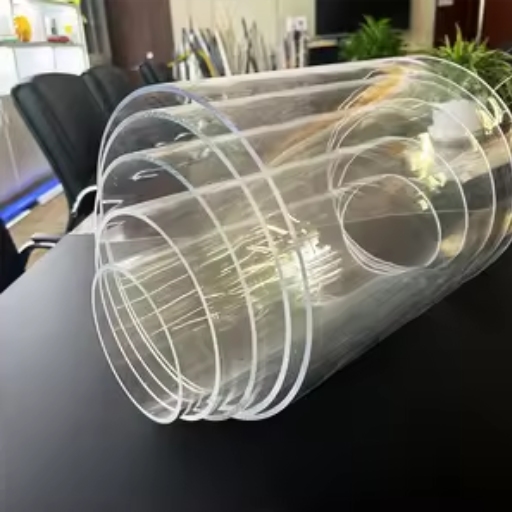
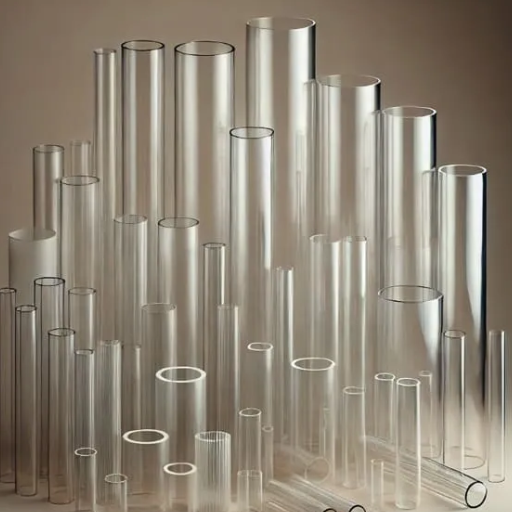
Plexiglass, or acrylic glass as it may be called, is a transparent material that is light and very durable. Traditionally considered an option against a glass window, it is made from polymethyl methacrylate (PMMA), a synthetic polymer that imparts good optical properties and impact resistance. While ordinary glass might shatter into sharp pieces, plexiglass resists such a manner of breakage, thus finding applications varying from windows, protective screens, display cases, and signage. The versatility of the product, together with its low price and facile fabrication, promotes its choice in many industrial and even domestic projects.
What is Plexiglass?
Plexiglass, aka acrylic or acrylic glass, is a synthetic polymer derived from polymethyl methacrylate. According to the newest trends in the market, being an uncommonly lightweight transparent material, it has never seen backward: With a 93% transmission of light, it is even superior to most forms of glass. In impact resistance, it provides that of almost 10 times over regular glass, so from the criterion of durability, it fits the requirements of a shatterproof material.
Moreover, plexiglass is highly flexible. One of the most outstanding characteristics is that it is easy to cut, mold, and thermoform into almost anything imaginable. This would invariably place it in the industries of construction, aerospace, advertising, and health for its use in protective shields, skylights, medical equipment, or advertising displays.
Importance of Weight in Plexiglass Applications
- Ease of Transportation: Being lightweight, plexiglass makes transportation cheaper, with fewer logistics problems from the sites or long-distance transfers.
- Installation Efficiency: Lighter than glass, plexiglass is easier to handle and install, thus requiring less labor and time during I. C. or assembling.
- Structural Support Requirements: Lighter materials exert lesser stresses on the supporting structures, such as frames or fixtures, thereby saving cost in the design and development of these support systems.
- Versatility in Design: The very low weight of plexiglass permits architects, interior designers, and other users to experiment with designs that are more intricate and complex and would otherwise impose heavy demands on the underlying structures.
- Energy Savings in Aerospace Applications: For aerospace applications, the weight advantages of plexiglass make it the most favored material, as the reduction of component weight has a direct bearing on fuel efficiency and performance.
- Portability in Medical Equipment: Plexiglass finds extensive use in portable medical devices and apparatuses, wherein weight consideration is paramount for easy mobility and operation.
Safety Enhancements: The risk of injuries is substantially lessened owing to its light weight, compared with accidents caused by misuse or falls involving conventional glass materials.
Target Audience and Their Interests
End users for plexiglas solutions very often consist of professionals and companies working in aerospace, healthcare, architecture, and manufacturing. Their major concerns revolve around material durability, weight, and cost. Other concerns are related to high-grade clarity of plexiglass, resistance to impacts, and ease of fabrication for application. These are interested in solutions that enhance performance, boost safety, and are dependable in the long run, especially under severe environmental conditions.
Key Factors Affecting the Weight of Plexiglass

Plexiglass Thickness and Its Impact on Weight
The plexiglass weight depends on its thickness. The greater the thickness, plexiglass would have more material and hence more weight per square foot to reflect in comparison with thinner ones. Basically, a 1/4-inch sheet is heavier than a 1/8-inch sheet of the same size. This relationship is one of those things that makes picking out weight-dependent thickness very important in design terms. Having this balance means an acceptable thickness will be chosen for strength and durability without those considerations being weighed down unnecessarily by more weight.
Density Variations in Acrylic Sheet
The density variation in acrylic sheets is minimal since acrylic sheets are manufactured through a uniform process. Essentially, acrylic has essentially uniform density in all standard sheets-a density of about 1.18 grams per cubic centimeter (g/cm³). Consistency of the sheets must be ensured for predictable performance in the various applications. Any differences in densities are rare and might be due to special acrylic compositions or additives that confer the acrylic with special properties, such as increased impact resistance or a particular optical effect.
Different Types of Plexiglass: Cast vs. Extruded
| Parameter | Cast Acrylic | Extruded Acrylic | Continuous Cast |
|---|---|---|---|
| Manufacturing | Molded in glass molds | Extruded through rollers | Between steel belts |
| Thickness Range | Up to 100mm | Up to 20mm | Up to 16′ long |
| Optical Clarity | Superior | Good | Consistent |
| Scratch Resistance | High | Low | Moderate |
| Cost | Higher | Lower | Moderate |
| Chemical Resistance | High | Moderate | Moderate |
| Applications | Signs, aquariums | Windows, displays | Skylights, forming |
| Durability | High | Moderate | High |
| Color Options | Wide range | Limited | Moderate |
Comparison with Other Materials

Plexiglass vs. Glass: Weight Considerations
The two materials, Plexiglas and glass, having the same thickness, do differ in weight for the reason that Plexiglas is much lighter on its feet at about 50% of the given weight, which makes Plexiglas very easy to deal with.
| Parameter | Plexiglass | Glass |
|---|---|---|
| Weight | 50% lighter | Heavier |
| Transport | Easier | More effort |
| Installation | Simpler | Requires support |
| Fragility | Less fragile | More fragile |
| Thickness | Equal comparison | Equal comparison |
Plexiglass vs. Other Plastics: Weight and Strength
Plexiglass (acrylic) is lighter and less expensive but less impact-resistant than polycarbonate, which is stronger and more durable.
| Parameter | Plexiglass | Polycarbonate |
|---|---|---|
| Weight | Half of a glass | Half of a glass |
| Impact Strength | 17x stronger than glass | 250x stronger than glass |
| Cost | Less expensive | 35% more expensive |
| Scratch Resistance | Higher | Lower |
| UV Resistance | Does not yellow | Can yellow over time |
| Transparency | 92% light transmission | 88% light transmission |
| Flexibility | Heat-bendable | Cold-bendable |
| Drilling | Can crack | No cracking |
| Fire Resistance | Burns easily | Thickness-dependent |
| Applications | Displays and windows | Bulletproofing, guards |
Applications Where Weight Matters
- Aerospace components, including aircraft windows and interior panels
- The automotive industry, which includes lightweight windshields and sunroofs
- Portable protective gear, such as riot shields and face visors
- Greenhouses and agricultural structures requiring benched light transmission
- Lightweight signage and displays for retail or exhibitions
- Sports equipment and performance gear utilizing durable, lightweight materials
- Marine uses, including windows for boats and protective covers
Practical Applications of Plexiglass
Weight of Acrylic in Signage and Displays
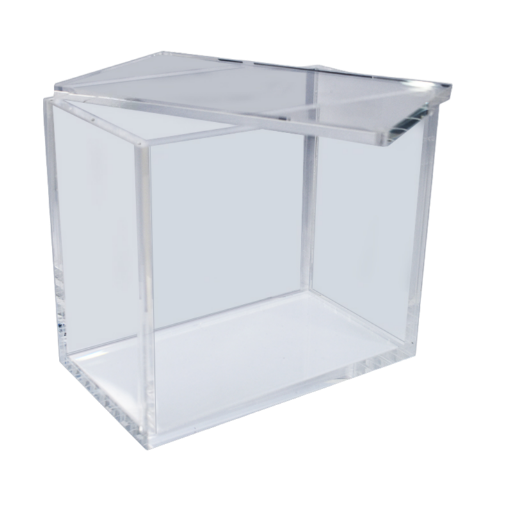
Acrylic offers lightness, being approximately half the weight of glass of the same size. With this cutback on the weight, acrylic is an extraordinary choice for signage and displays, the less it implies for structural support and for installation-easier with laser-cut edges. With the weight on one end of the scale, the acrylic has made sure to remain wonderful with durability and optical clarity for efficient and long-lasting application.
Plexiglass in Architecture: Weight Tolerance in Design
Plexiglass has a substantial weight tolerance, making it a highly versatile architectural material. It allows for significant load-bearing capability with a much lighter weight compared to glass, enabling innovative architectural designs not constrained by structural systems. Plexiglass maintains an excellent balance between strength and flexibility, allowing it to absorb stresses and impacts without damage to safety or visual integrity. It finds ideal applications in skylights, wall partitions, and largescale windows where both weight and strength matter.
Use of Plexiglass in Automotive and Aviation
The automotive and aviation industries have considerably gained from the lightweight and impact-strength properties of plexiglass. In the automotive sector, it is used for windshields, side windows, and sunroofs that are more resistant to impact or that have added safety layers as compared with traditional glass. In aviation, it finds use in cockpit canopies, passenger windows, and instrument panels. The clarity, strength, and lightweight nature of plexiglass add to the performance and fuel efficiency of an aircraft. Thus, these properties of plexiglass uphold the intricacies in the design of modern vehicles and aircraft.
Common Questions About Plexiglass Weight

How Much Does Plexiglass Weigh per Square Foot?
The weight of plexiglass per square foot varies by thickness-ranging from this approximation … at 1.16-inch thick to this one … at 1/2 inch.
Is Plexiglass Stronger Than Glass?
In terms of impact resistance, plexiglass is stronger than traditional glass. In other words, it can withstand more force before shattering, thus rendering it safer to utilize in many applications. In instances of scratches, however, it possesses greater impact strength than common glass, thereby requiring higher maintenance or eventually special coating, depending on the intended use.
What Factors Influence the Weight of Acrylic Sheets?
The following are the factors affecting the weight of acrylic sheets:
- Thickness: The thicker the sheet, the heavier it becomes, as it has more volume.
- Dimensions: Weight depends directly on overall dimensions, meaning width and height.
- Acrylic Type: Different acrylics, including cast acrylic versus extruded acrylic, might weigh slightly differently.
- Additives or Coatings: Specialized additives, including UV protection or anti-scratch coatings, may marginally increase weight.
- Cutouts or Modifications: Any cutouts, holes, or other modifications will reduce the weight of the sheet.
It is vital to understand these factors in selecting the proper acrylic sheets for certain uses, particularly where weighing is a restriction.
Frequently Asked Questions (FAQs)
Q: How much does plexiglass weigh per square foot?
A: The weight of plexiglass is not constant per square foot; rather, it depends on the thickness of the plexiglass sheet used. For instance, a 1/8 inch typical plexiglass weighs around 0.5 lbs per square foot, while on the contrary, a 1/4 inch thick sheet would weigh up to about a pound per square foot.
Q: Is acrylic heavier than glass?
A: Acrylic is a very light material compared to glass. Acrylic, for example, is approximately 17 times lighter than glass, which allows its application as display cases and protective screens in environments where weight is an issue, especially when using 3mm thickness.
Q: What are all the determinants of the weight of a plexiglass sheet?
A: The Weight of a plexiglass sheet will be determined by the size of the sheet, the thickness of it, and also the material that is usedwhether it is a cast acrylic or extruded acrylic. Naturally, the thicker and larger ones take more weight.
Q: Is there a difference in weight between extruded acrylic and cast acrylic?
A: The physical characteristics of extruded and cast acrylic are principally the same, with only a difference in their weight from time to time, owing to how they are made. Because cast acrylic is known to have a more compact structure, it can be slightly heavier than the extruded one of the same size, affecting its properties of acrylic.
Q: What is the average weight of a 12×12-inch acrylic sheet?
A: One square foot acrylic sheet, i.e., 12×12 inch, carries an average weight according to its thickness. For instance, if the sheet is1/4 inch thick, then its weight will be 1 lb. Similarly, if the sheet is 1/8 inch thick, then its weight will be approximately 0.5 lbs.
Reference Sources
1. Effect of Geofoam Cushion Density Variations on Seismic Behavior of Retaining Walls: Lab Test
- By: Aycan Edincli & B. S. Demirt Kaşlı
- Periodical: E3S Web of Conferences
- Year of Issue: 2025
- Location in Text: (Edinçliler & Demirtaş, 2025)
Application:
- This paper focuses on variations in the retaining walls’ seismic performance in relation to geofoam density in a rigid-sided plexiglass soil box. It is often claimed that since geofoam is very light, it enhances a structure’s resistance to seismic waves, which, of course, does not exclude the weight of the materials use,d such as the weight of plexiglass slabs.
- Coursework: The analysis was performed by carrying out shaking table tests on wall models with varying geofoam ratios.
2. Formation of a monolithic plexiglass accessible chamber for implantation beneath the skin fold at the back of the mouse
- Authors/Editor: H. Axelsson et al.
- Name of Publication: International Journal of Microcirculation, Clinical and Experimental
- Year of Publication: 1997 (technically not recent, but of great importance)
- Reference Token: (Axelsson et al.,1997; p. 328-329)
Description:
- A specified technical note to the applications in belle anatomy or physiology techniques, such as specifically light transparent corrugated chamber design, with a corresponding manner as in the title for engrafting in case of mouse and biospecimen, likewise illustrations. This report does not consider the weight of plexiglass itself as a priority, but rather their light as a measure of uses in the biomedical field.
- Methods: The research entailed making a plexiglass chamber and installing it to test its viability for experiments.