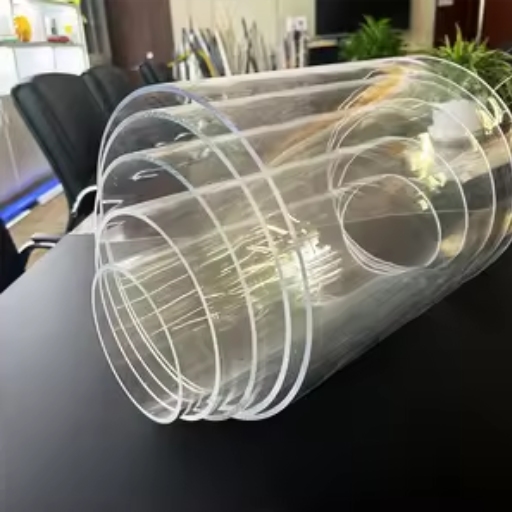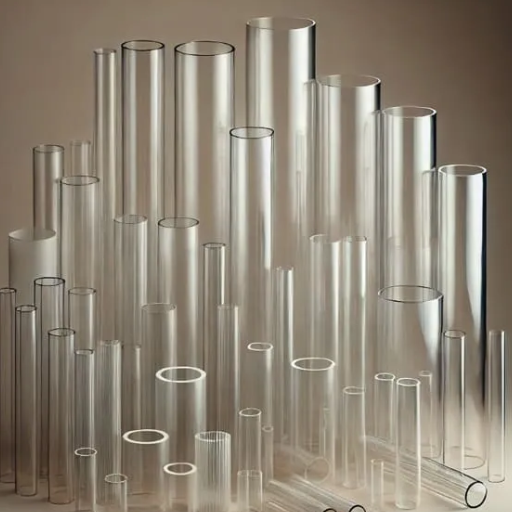

Acrylic sheets have quickly become known as one of the most versatile and practical materials for a wide range of uses, from small DIY projects to high-end professional designs. Known for their durability, clarity, and flexibility, craft acrylic sheets offer artisans, hobbyists, and industry experts numerous opportunities. From custom home décor to protective barriers and laser-cut intricate designs, the sheets offer high-performance solutions that balance both functionality and appearance. This article provides an in-depth look at the specialty of craft acrylic sheets, their diverse applications, and essential tips to help you maximize the material’s potential in your next project.
Understanding Craft Acrylic Sheets
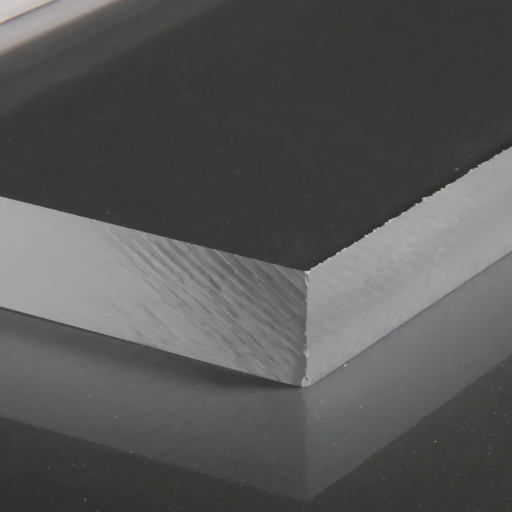
Craft acrylic sheets constitute lightweight, durable, and versatile materials having numerous creative and industrial applications. Made from polymethyl methacrylate, these sheets are prized for their clarity, impact resistance, and ease of fabrication. They can be cut, engraved, or shaped, making them useful for decorative art, signage, and various crafts. Craft acrylic sheets are available in multiple colors, finishes, and thicknesses, allowing users to select the most suitable type for their specific application. Their utility and aesthetic appeal make them the preferred option for both beginners and pros.
What are Acrylic Sheets?
Acrylic sheets, also known as Plexiglas or acrylic glass, are lightweight, crystalline thermoplastics made from polymethyl methacrylate (PMMA). They are often considered an alternative to glass, boasting superior clarity, durability, and resistance to weather. Compared to glass, acrylic sheets offer a high level of impact resistance, which contrasts with their fragile nature, making them suitable for numerous safer applications. However, recent manufacturing practices have allowed increased UV protection, scratch resistance, and specific coatings that improve the quality of acrylic glass. There are diverse applications for acrylic sheets, including construction, automotive, medical, and interior decorating, and they come in a variety of finishes, from colors to thickness. The ability to adapt and the stereochemical properties of acrylic sheets position them as prime materials for both industrial and creative design applications.
Types of Acrylic: Cast vs. Extruded
Cast and extruded acrylic are the two primary types, differing in production processes, durability, and applications.
Benefits of Using Craft Acrylic Sheets
🔧 Versatility
Craft acrylic sheets can be used for a wide range of applications, from DIY projects to signage, artistic displays, and home décor, depending on their specific properties.
⚖️ Light in Weight
Compared to glass, these sheets are incredibly lightweight, making them easy to handle, carry, and install in any project.
🛡️ Durability
These sheets are highly resistant to impact and have less propensity to shattering, which means they will be there for you for a long time, even if some heavy weather sets upon them.
💎 Clarity
Acrylic sheets offer high optical clarity with a transparent finish that is equivalent to glass, providing both functional and decorative beauty.
✂️ Ease of Customization
Craft acrylic sheets can be cut, shaped, engraved, or painted with ease, ensuring an extensive range of possibilities for creative expression tailored to the specific needs of any project.
Applications of Craft Acrylic Sheets
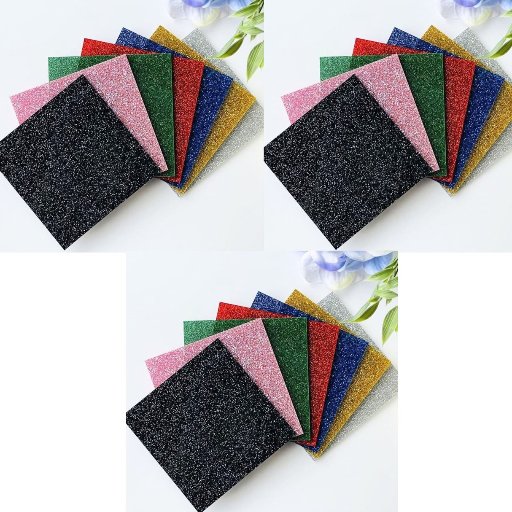
- Signage and Displays: They are used for producing signs, displays, and point-of-sale materials, owing to their durability, transparency, and ease of customization.
- Home Decor and Furnishings: They are excellent for producing decorative panels, highlighting furniture, and other interior design features, primarily due to their versatility and contemporary look.
- Industrial Prototyping: These are used in model and prototype development, especially when one wants to cut and mold them with precision for a specific use.
- Artistic and DIY Projects: Acrylic is widely used in various creative endeavors, including painting, laser engraving, and sculpting, due to its lightweight and flexible properties.
- Protective Barriers: For the manufacture of sneeze guards, protective covers, and partitions, they are frequently used when the application requires clear visibility and physical durability.
DIY Projects: Crafting with Acrylic
When working with acrylic, precision and preparation are key. Select the appropriate type of acrylic and thickness that best suits your specific needs. Use a saw with fine teeth or a plastic cutter for clean cuts; then smooth the edges with sandpaper for a final polish. You can drill, shape, and even bend acrylic pieces when they are heated, bringing life to various designs. In joining the pieces, an acrylic adhesive can produce a strong, stain-free bond. Mask the surface with tape when cutting or drilling to avoid scratches. With the right tools and techniques, acrylic makes an excellent material, FDA-approved for both functional and aesthetically pleasing DIY crafts.
Home Decor: Innovative Uses of Clear Acrylic
It is becoming increasingly popular in modern home decor due to its minimalist style, durability, and versatility. One really innovative use is custom furniture. Acrylic coffee tables, dining chairs, and shelving convey a sleek, very contemporary appearance, so much so that the sheer transparent clarity of these materials often blurs the concept of open space. Transparent acrylic sheets are frequently featured in innovative lighting projects, such as LED-lit panels or pendant fixtures, which add a modern ambiance to a space.
Smaller-scale options include acrylic organizers for kitchen utensils, makeup, or workspace accessories. Protecting artwork or photographs is yet another apt application, as the design offers conservation with a minimum aesthetic statement. Since its possibilities span a wide range of different shapes and styles adapted to a specific interior theme, it is on the path of modern interior design.
Professional Applications: Signage and Retail Displays
Acrylic is a material that many professionals use for signage and retail displays, mainly due to its versatility, durability, and optical clarity. Due to its lightweight nature, handling acrylic materials becomes easier, with alluring fabrication, transportation, and installation when compared to a traditional material like glass. Precision laser-cutting is a common feature in acrylic signage, allowing every brand to achieve logos, lettering, and graphics of exceptional detail that significantly contribute to their visual identity. The natural properties of acrylic, resistance to UV exposure and weathering, ensure that the product remains intact for many years, maintaining its functionality whether indoors or outdoors.
Transparent acrylic retail displays with polished finishes will accentuate products in a clean, contemporary style. Customization using colored or frosted acrylic presents unlimited possibilities to meet specific branding guidelines. At the same time, the display’s high impact resistance assures it won’t be damaged from heavy use in commercial settings. Acrylic can also be combined with various lighting systems, such as LED backlighting, that further enhance the ambiance within retail environments. This combination of utility and aesthetics explains why acrylic remains an admirable option for signage and retail display needs.
Comparing Acrylic Sheets to Other Materials
Acrylic sheets are often compared to materials such as glass, polycarbonate, PVC, and aluminum. Below is a clear summary of their differences and advantages in a concise tabular form:
Note: This table provides a quick and easy-to-read reference for comparing materials on crucial metrics, such as weight, durability, and clarity, to help users select the best option for their specific needs.
Durability and Versatility of Acrylic
Acrylic, also known as polymethyl methacrylate (PMMA), is regarded as one of the most durable and versatile materials for various applications. Its impact resistance is considered 17 times better than glass, thus providing security in situations where shatterproof materials are needed. Being about half the weight of glass, the lighter nature of acrylic improves the quantity that can be fitted and poses fewer restrictions during the manufacturing and transportation processes.
In addition to its numerous uses, this product boasts far superior optical clarity. It is capable of transmitting approximately 92% of visible light and is more resistant to weather damage than most competing plastics. A diminished yellow tint, noticeable after prolonged exposure to UV radiation, is hardly noticeable in acrylics, thus maintaining its beauty for a very long time when used outdoors. Adaptability is the name of the game when it comes to acrylic, which allows it to be cut, bent, and polished to a delicate precision in the design and fabrication process.
Modern manufacturing techniques, such as laser cutting and CNC machining, are ideal for working with acrylic, which can also be recycled. Therefore, the construction, automotive, signage, and consumer industries are all interested in this product. The characteristic performance of this material also speaks to why acrylic is the leading choice in industrial and commercial markets.
Cost-Effectiveness of Acrylic vs. Glass and Other Plastics
When it comes to cost efficiency, acrylic offers several advantages compared to glass and other plastics. In fact, acrylics would generally be much cheaper to produce and process, with a lower density and more flexible manufacturing options. For example, the relatively lighter mass of acrylic can save considerable money on its supply, whereas glass, being heavy and extremely fragile, would incur high transportation costs. Additionally, the fact that acrylics are known to resist shattering contributes to further cost savings, as they require less frequent replacement in industries where durable yet lightweight materials are needed.
Acrylic offers a better price-performance balance than competing plastics, such as polycarbonate. While polycarbonate may offer superior crush resistance, it is often more expensive; hence, acrylic is used when higher clarity with moderate durability is sufficient. An environmental plus for acrylics is that they are recyclable, ensuring continued and cost-effective sustainable production cycles – increasingly an essential element for companies hoping to avoid environmental setbacks and consumers demanding eco-friendly payoffs to consider. In short, the meaning of cost-effectiveness is overshadowed by the economy, versatility, and longevity of acrylic.
Environmental Impact Considerations
Acrylic’s environmental impact primarily affects the production and post-consumer processes. The manufacturing of acrylic involves petrochemicals, thus putting carbon into the atmosphere and depleting nonrenewable resources. Although acrylic can be recycled, the process is virtually inaccessible to the general public and must be undertaken in specialized facilities. Such a disadvantage thus limits the beneficial aspect of sustainability. Furthermore, when improperly discarded into nature or landfills, they become plastic waste forever.
To minimize these impacts, corporations can research applications for recycled acrylic, advocate for closed-loop recycling systems, and invest in the further development of environmentally friendly acrylic products.
Choosing the Right Craft Acrylic Sheets
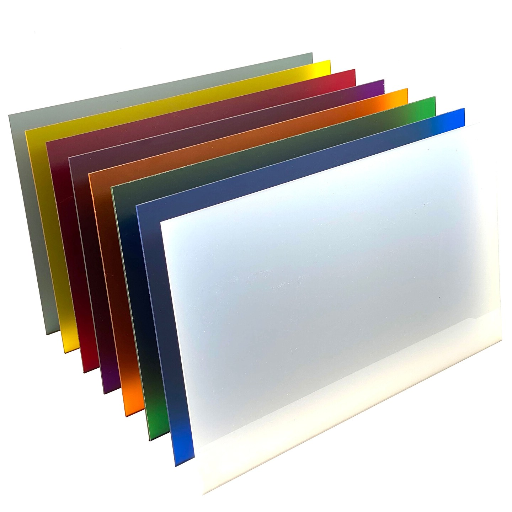
Depending on your project requirements, several critical factors must be considered when selecting craft acrylic sheets. Firstly, thickness must be inspected, as it affects durability and flexibility. Thinner sheets are suitable for lightweight projects, while thicker ones provide extra strength. Next, the finish may be evaluated as clear, frosted, or colored, depending on its treatment and intended use. Also, assess how the material might withstand impact or extreme temperatures if your project will be outdoors or involves heavy stress. Finally, verify that these sheets are compatible with your cutting tools and adhesives to avoid any issues during the fabrication process. By making these selections consciously, the performance and ultimate sustainability of the acrylic sheets selected can be maximized.
Factors to Consider: Thickness and Size
A thorough examination of the acrylic sheets’ thickness and size is the two parameters that directly determine the performance of the material and its suitability for a particular application. Sheet thickness determines the amount of structural strength, rigidity, and weight it can sustain. The thicker it is, the heavier it is to take in applications, such as for shelving or protective barriers. Its thinner alternative is best suited to decorative applications or lightweight mounting. Then another factor to consider is the size required for its intended application so that there will be minimal waste and easy cuts made during fabrication. They are sizes that can be minimized through customization, reducing post-processing work and consequently optimizing price efficiency. Assessing these factors jointly would enable you to make a well-informed, cost-effective decision.
Color and Finish Options
The choice of color and finish plays a crucial role in determining both the ultimate aesthetic and practical applications when considering craft acrylic sheets. Acrylic sheets are available in a variety of colors, ranging from transparent or translucent options to fully opaque-colored variants. The transparent variety is used for projects that require complete visibility or light transmission, as it is comparable to glass in clarity. Translucent sheets allow light to pass through by diffusing it and are therefore used either as backlight panels or decorative panels. Completely opaque sheets would not allow translucency and are generally used in signage and displays where the boldest and brightest color must come forth.
In addition to color, the finish of an acrylic sheet is also noticeable. Standard finishes include gloss, matte, and frosted textures. A glossy finish appears sleek and reflective, enhancing the beauty of the surface, but scratches and fingerprints easily mar it. A matte finish reduces glare and provides a diffused appearance, making it suitable for professional and minimalist designs. For frosted finishes, they offer a great compromise between total transparency and total privacy, lending a classy look to a decorator’s project or an interior partition. One can maximize functionality and design impact by grouping color and finish with the project’s functional needs and aesthetic requirements.
Recommended Types for Specific Projects
🏛️ Display Cases and Covers
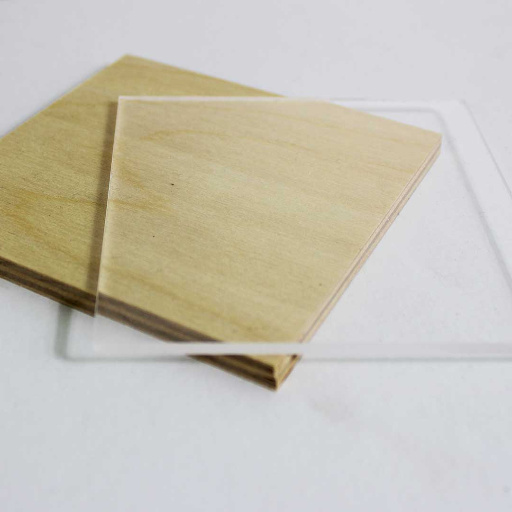
Transparent acrylic sheets are ideally suited for display cases, protective covers, or enclosures due to their excellent transparency, durability, and impact resistance. A glossy finish will heighten transparency and lend that polished look.
🪧 Signage and Advertising
Colorful acrylic sheets are best suited for signage and displays, especially those of bright shades or with an ultraviolet fluorescent effect. These sheets capture one’s attention, offering a blank canvas to be cut or engraved with custom designs.
🏠 Interior Decoration and Privacy Screens
Frosted or matte acrylic sheets are excellent choices for internal partitions, decorative panels, or privacy screens. These provide great options for diffusing light while ensuring privacy, in style.
🎨 DIY Craft Projects
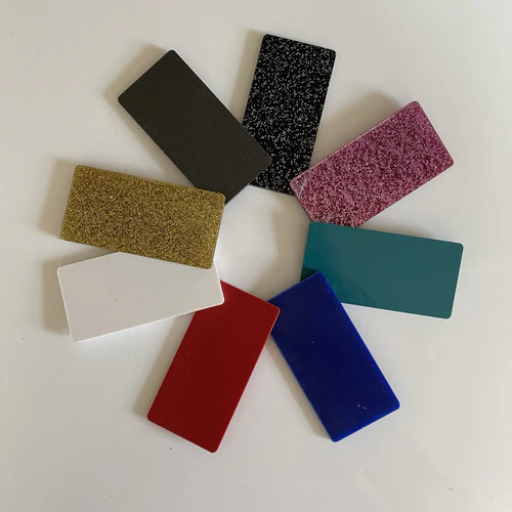
Thin, lightweight acrylic sheets with a multitude of colors and patterns provide limitless opportunities for crafting, model building, and personalized gifts. Conventional instruments make shaping and manipulating them very easy.
🌞 Outdoor Applications
It is best to use UV-resistant acrylic in outdoor projects, such as signage, greenhouse panels, or protective barriers, due to its resistance to sunlight exposure without yellowing or degradation.
Pro Tip: Selecting the proper acrylic for every project ensures durability, technicality, and aesthetic value to meet specific needs.
Care and Maintenance of Craft Acrylic Sheets
For optimum quality and durability of craft acrylic sheets, one needs to upkeep them. Clean by wiping with a fine, soft cloth or sponge and mild, soapy water that does not contain ammonia to prevent scratches or surface damage. Avoid depositing any abrasives on them; otherwise, it will ruin the finish. In cases of less severe scratches, a suitable acrylic polish or a scratch-removal kit can help restore clarity. By all accounts, handle with care-if they drop, they get cracked, and if you drop them again, they chip. They should be stored in a cool, dry place, away from direct sunlight, to prevent warping and discoloration. With regular attention, they will preserve their aesthetics and structural integrity.
Cleaning Tips for Acrylic Surfaces
- Always clean acrylic surfaces with a soft cloth, as abrasive materials can cause scratches.
- For cleaning, use mild soap or detergent and mix it with lukewarm water. Never use ammonia-based cleaners, as they can cause clouding.
- Use clean, lukewarm water near enough so that the residue of soap or cleaning solution is rinsed off.
- Wipe instantly with a soft cloth, as this will remove the spot, leaving no streak.
- If stubborn smudges or fingerprints remain, try using a cleaner suitable for acrylic surfaces. Ensure the cleaner is safe for plastic surfaces.
Handling Precautions to Prevent Damage
Improper handling can cause cracking or fracturing; therefore, it is essential to ensure proper handling to maintain the longevity and clarity of the material. Always hold acrylic sheets from both sides so that the load-bearing weight is shared and undue pressure is avoided on the material. Prevent the sheets from coming into contact with sharp objects, or an abrasive grinding surface might cause surface scratches. While moving or storing, lay the sheets atop a soft, non-abrasive surface, and the protective padding should cushion from all impact or pressure points. Additionally, avoid exposing acrylic sheets to extreme temperatures or direct sunlight for prolonged periods, as this can cause thermally induced gravitational interaction or UV-initiated degradation, leading to warping or discoloration. Thus, this ensures the preservation of craft acrylic sheets with time in terms of durability and optical clarity.
Storage Recommendations for Longevity
Craft acrylic sheets, when stored, should be placed horizontally on a smooth, level surface to prevent bowing or distortion over time. Then should not be used as a surface to stack heavy objects because extreme pressure will create stress points, potentially leading to cracking. I try to use acid-free or protective paper between individual sheets for surface protection against abrasions. The storage area should be pretty constant in humidity with temperatures between 60°F to 85°F, for severe fluctuations can harm the integrity of the material.
Reference Sources
-
Uses of Acrylic Sheets: 10 Surprising Applications You’ll Love – This article explores various applications of acrylic sheets, including crafting and professional uses.
-
The Many Uses of Acrylic Plastic Sheets – A detailed blog discussing how acrylic sheets are used in both residential and commercial settings.
-
Acrylic Sheets for Crafts and More Applications – This source highlights the versatility of acrylic sheets in crafting and other creative applications.
-
Can Acrylic Sheets Be Used For Arts And Crafts – A guide on how acrylic sheets can be utilized for various artistic and DIY projects.
- Guide for Patterned Acrylic Sheets
Frequently Asked Questions (FAQs)
🎯 Conclusion
Craft acrylic sheets represent a perfect blend of functionality, durability, and aesthetic appeal for both DIY enthusiasts and professionals. Their versatility, combined with excellent optical clarity and impact resistance, makes them an ideal choice for a wide range of applications. By understanding the different types, benefits, and proper care techniques, you can maximize the potential of acrylic sheets in your next project.