
Understanding the Role of Acrylic Tubing in Wind Turbines
Acrylic Tubing And Its Uses
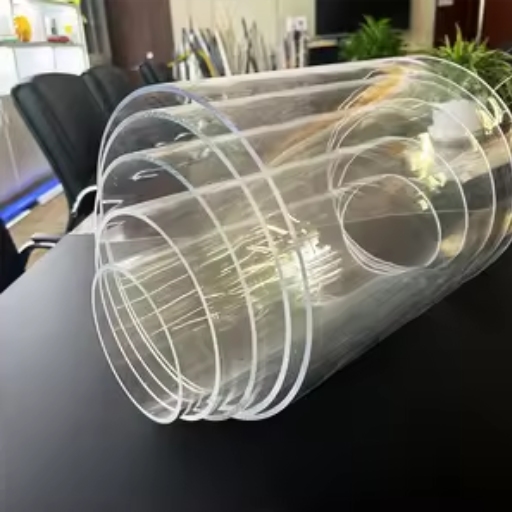
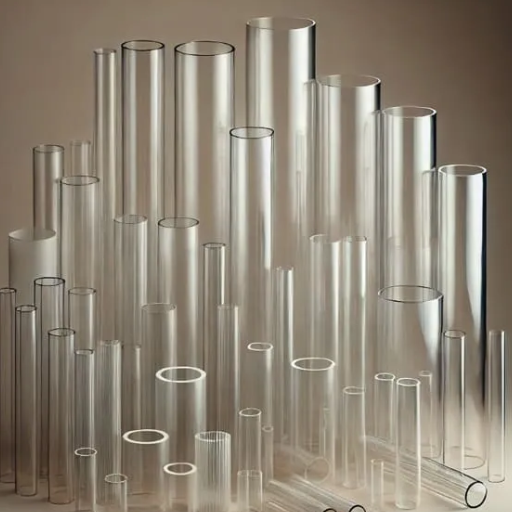
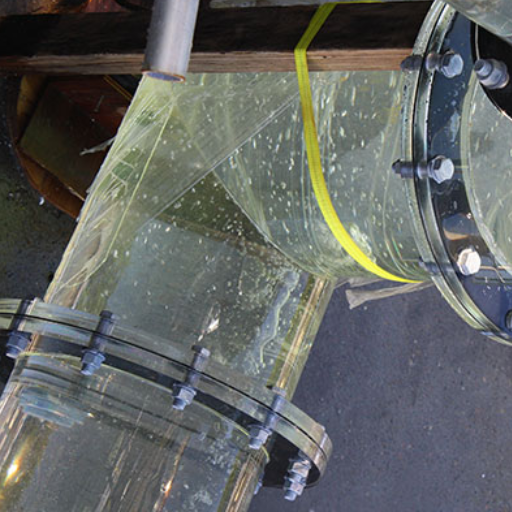
The material known as acrylic tubing consists of lightweight transparent plastic which manufacturers create from polymethyl methacrylate (PMMA) because of its high durability and diverse applications. The material finds applications across multiple industries because it provides exceptional visual clarity while withstanding outdoor conditions and being easy to manufacture. The application of acrylic tubing for wind turbine infrastructure delivers various benefits to the system. The material functions in three distinct ways which include electrical component protection through its use in protective enclosures and its function as structural supports and aerodynamic elements. The material proves suitable for outdoor usage because it can endure extreme environmental conditions which include high temperatures and direct sunlight exposure. The design process benefits from acrylic tubing because designers find it simpler to mold and combine with advanced turbine systems than they do with traditional glass and metal materials. The renewable energy technology system gains enhanced operational capacity and maintenance-free performance through its ability to operate in different conditions.
How Acrylic Tubing Improves Wind Turbine Operational Effectiveness
The combination of acrylic tubing’s three properties which include durability and weather resistance and design flexibility establishes its essential function as a key element that boosts wind turbine performance. The outdoor conditions of wind turbine sites which encounter extreme weather and ultraviolet radiation require acrylic tubing to maintain its functionality through extended time periods. The system achieves cost efficiency through its capacity to decrease maintenance needs while protecting against structural failures. The lightweight nature of acrylic enables easier handling compared to traditional materials such as glass and metal which leads to streamlined assembly processes during transportation and installation thus improving operational efficiency. Acrylic tubing improves wind turbine efficiency through its combination of design elements that assist in creating optimal aerodynamic performance. The smooth surface of the material creates a pathway which enables air to move freely while it reduces overall drag against the system. The system can create precision-molded components which transform into specific shapes that match turbine requirements without creating performance issues. The system becomes suitable for advanced turbine applications because it captures energy through all wind conditions. The combination of structural strength and aerodynamic efficiency in acrylic tubing enables renewable energy technology advancements which result in more efficient and environmentally friendly wind turbine operations.
| Property | Acrylic Tubing | Traditional Materials (Steel/Glass) |
|---|---|---|
| Corrosion Resistance | Better than steel; protects from humidity/salt. | Steel requires high maintenance; prone to damage. |
| Weight | Lightweight; easier transportation/installation. | Heavy; increases logistical complexity. |
| Impact Resistance | Resists shattering; improves safety/longevity. | Glass is brittle; prone to shattering under stress. |
Building DIY Wind Turbines with Acrylic Tubing
Essential Materials and Tools Needed
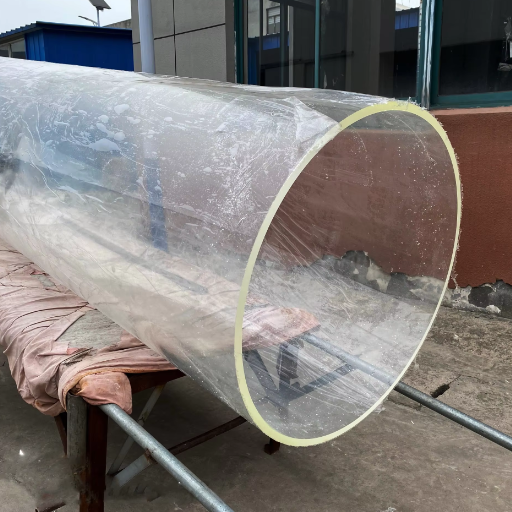
To construct a DIY wind turbine using acrylic tubing, it’s important to prepare all the necessary materials and tools beforehand. Here are the key items you’ll need for this project:
- Acrylic Tubing: This material serves as the main structural element which provides both strength and light weight for the turbine blade and outer frame construction.
- Generator or Motor: The small DC motor or stepper motor functions as a generator which converts mechanical energy into electrical power.
- Metal or Wooden Rod for the Shaft: The rod serves as a stable connection between the generator and the blades which enables smooth rotational movement.
- Fasteners and Screws: These components serve as essential tools which secure tubing and shaft elements in their designated positions.
- Base Mounting Materials: The base structure which is constructed from wood or metal provides a stable foundation that prevents tipping while securing the turbine in its position.
- Bearings: The system uses bearings to lessen friction which enables the turbine to spin without resistance thus achieving efficient energy transfer.
- Electrical Wiring and Connectors: The system requires wiring and connectors to establish connections between the generator and external batteries which store and distribute power.
- Tools: The essential equipment for component cutting and assembly includes a drill screwdriver pliers and saw.
Step-by-Step Guide to Constructing a DIY Wind Turbine
- Step 1: Design the Turbine – Begin your wind turbine project by developing an initial design blueprint. The design requires you to select rotor dimensions and blade quantity and determine the desired power capacity. A personal-use small-scale turbine generates power within the range of 100W to 500W. The design should match the average wind patterns of your area and the available space for your complete setup.
- Step 2: Prepare the Blades – Use PVC pipe to create lightweight yet strong blades which you will cut according to your design requirements. Shape them carefully to ensure they can capture wind effectively. The surface needs sanding and smoothing because it will create drag which decreases efficiency during the rotation process.
- Step 3: Assemble the Hub and Blades – The blades need secure attachment to the hub which serves as their central point for rotation. The hub design needs to maintain blade balance by keeping them at a uniform distance which stops the turbine from wobbling during operation.
- Step 4: Install the Generator – Choose a generator which can transform the rotor’s spinning motion into electrical power. The device needs to be attached to the turbine base which exists under the rotor. For a DIY wind turbine project a permanent magnet DC motor serves as an effective generator solution.
- Step 5: Mount the Turbine on a Tower – The turbine assembly should be attached to a tower or pole which provides sufficient height for capturing wind at optimal wind speeds. The tower needs construction with strong materials which include metal poles and scaffold components that must be securely anchored to the ground to resist high winds.
- Step 6: Connect Electrical Wiring – The generator needs to be connected to outside batteries and inverters through electrical wiring and connectors. A charge controller must be installed to control battery charging and power distribution according to system requirements.
- Step 7: Test the System – You should test your wind turbine system when all components of the system have been installed and a windy day occurs. The operating system needs to be monitored while testing power output to confirm proper functioning of the system. The team will implement changes which reduce energy losses during operation.
Common Mistakes to Avoid
Acrylic tubing serves as a durable and versatile solution for multiple purposes, yet users make errors which result in operational problems and equipment damage. The most common error involves users who apply more power than necessary to cut or bend the tubing material. Acrylic material exhibits strong properties, yet it becomes brittle because excessive force leads to cracking and breaking. The second mistake occurs when people forget to consider thermal expansion because acrylic needs proper fitting space to handle temperature-related expansion and contraction. The system integrity suffers because the tubing becomes damaged when people use adhesives or solvents that do not match its specifications. The bonding process requires surface preparation which includes cleaning the tubing to remove dust and oils because neglecting this step results in weak adhesion that fails when under pressure. Your projects will achieve optimal performance and durability when you track these three factors about acrylic tubing usage.
Recycling and Sustainability in Wind Energy
The Benefits of Using Recycled Acrylic Tubing
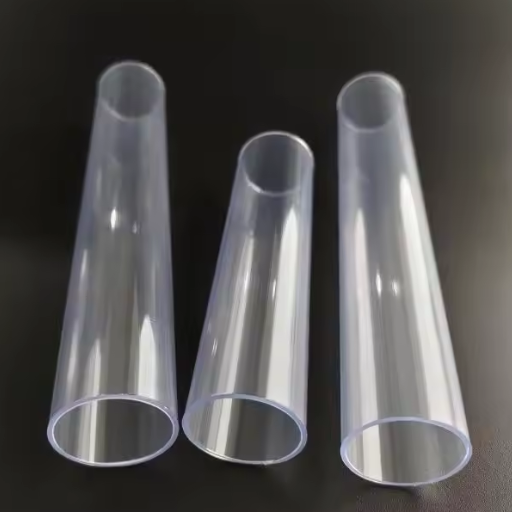
The use of recycled acrylic tubing provides multiple benefits which support sustainable development and environmental stewardship. The reuse of existing materials decreases the requirement to extract new resources which results in reduced raw material consumption and decreased carbon emissions during manufacturing. The recycled acrylic tubing maintains most of its original properties from the new acrylic material which includes strength and durability and transparency, thus serving as an environmentally sound option for multiple uses. Wind energy industries experience significant advantages through the use of recycled acrylic tubing because it enables them to practice sustainability while meeting their operational performance requirements. The practice of using recycled materials establishes a circular economy which minimizes waste and promotes the ongoing reuse of important materials. Recycled acrylic tubing serves as an innovative material option which architects and designers can use to create future-oriented building designs.
Environmentally Friendly Practices in Wind Turbine Development
The development of wind turbines now requires the use of recyclable and sustainable materials for all turbine components which work as essential environmentally friendly practices. The designers of modern wind turbine blades create their products with materials that enable disassembly and recycling after their operational life ends which helps to reduce landfill waste. The development of new manufacturing processes has resulted in reduced energy requirements during production which results in lower carbon emissions from turbine manufacturing. The first vital task requires engineers to use advanced engineering and aerodynamics methods to enhance turbine efficiency which results in decreased material needs and increased energy production. The strategic selection of turbine installation sites helps to minimize environmental damage because it helps to choose locations that create the least ecological disturbance. The wind energy industry demonstrates its increasing commitment to sustainability through these operational methods.
Case Studies: Successful Use of Recycled Materials
The successful implementation of recycled materials in wind energy operations is demonstrated through the operations of Siemens Gamesa, which stands as a top renewable energy company. They have developed the world’s first fully recyclable wind turbine blades, known as the RecyclableBlade. The blades feature a specialized resin design which enables material separation and reuse after the turbine reaches its operational end. Through this innovation Siemens Gamesa addresses the most significant industry waste problem which comes from non-recyclable turbine parts while establishing an environmentally sustainable standard which other companies must follow. Vestas aims to design wind turbines which generate no waste as their main environmental project in this field. Vestas established a circular economy system through their implementation of advanced recycling systems which use chemical methods to extract and recycle fiberglass materials from used turbine blades. Their partnership with the DecomBlades consortium demonstrates their commitment to developing industry-based solutions that effectively manage material waste. The case studies demonstrate how shared vision among people enables them to create valuable innovations which help both their organizations and the natural world. The research funding and recycled material implementation initiatives demonstrate their complete necessity for developing sustainable wind energy systems. The industry establishes a direct connection between its recycling efforts and worldwide environmental objectives while achieving its renewable energy targets without generating new ecological problems.
Innovations in Wind Tunnel Testing with Acrylic Tubing
How Acrylic Tubing Improves Wind Tunnel Designs
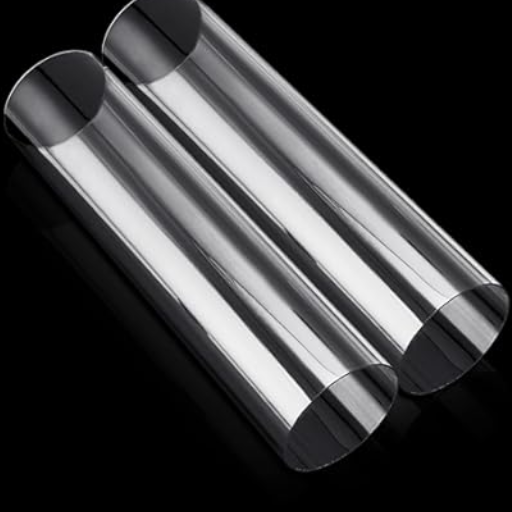
The testing of wind tunnels has been revolutionized by acrylic tubing because it provides scientists with both flexible testing options and clear visual testing results. The material’s see-through properties permit scientists to track how air moves through the tunnel while observing the creation of turbulence which helps them to obtain accurate visual information for their research. The lightweight yet durable characteristics of acrylic tubing also make it a practical and efficient material for constructing wind tunnels, which enables engineers to build strong structures with lower material requirements. The material maintains its reliable operation across testing environments because it withstands both extreme temperature and pressure changes. The new developments help researchers to improve their aerodynamic models which leads to new technological discoveries that benefit both the aviation and automotive engineering sectors.
Future Trends in Wind Tunnel Testing Technologies
The future of wind tunnel testing depends on three main factors which include simulation technology improvements and hybrid testing development and sustainability research initiatives. The current trend in wind tunnel testing involves scientists using wind tunnels together with computational fluid dynamics (CFD) systems to develop hybrid testing systems which combine real tests with computer-based simulations. This testing method enables accurate data acquisition while decreasing the need for lengthy testing procedures and extensive testing resources. The testing process now uses automated systems together with artificial intelligence (AI) technology to enhance operational efficiency. The AI system processes the test data which enables it to discover patterns and create design improvements during the testing procedure. The system increases operational productivity while enabling engineers to create design solutions which achieve better aerodynamic performance and reduced energy consumption. Sustainability efforts have become a primary objective for researchers who develop wind tunnels that require less power and use environmentally friendly construction materials. The wind tunnel industry is experiencing a rise in interest for renewable energy sources which researchers use to power their testing facilities. The new technological developments demonstrate a deep dedication to innovation while they tackle environmental problems which will lead to wind tunnel testing methodologies that satisfy both industrial requirements and environmental needs.
Exploring Vertical Wind Turbines and Acrylic Tubing
The Advantages of Vertical Wind Turbines
Vertical wind turbines provide multiple benefits which make them an effective solution for environmentally friendly energy systems. Vertical turbines function properly under the turbulent wind conditions which exist in urban areas because of their different design from conventional horizontal-axis wind turbines. Their small size enables them to be installed on rooftops and suburban locations because they need no extra support structures for installation purposes. The system produces decreased noise and vibration which helps minimize its effects on both local communities and animal populations. Vertical wind turbines become simpler to maintain because their parts are easy to reach and their design uses basic elements which result in decreased operational expenses throughout their lifespan. The system provides various benefits which enable it to function as an environmentally responsible energy solution that meets energy requirements in various locations.
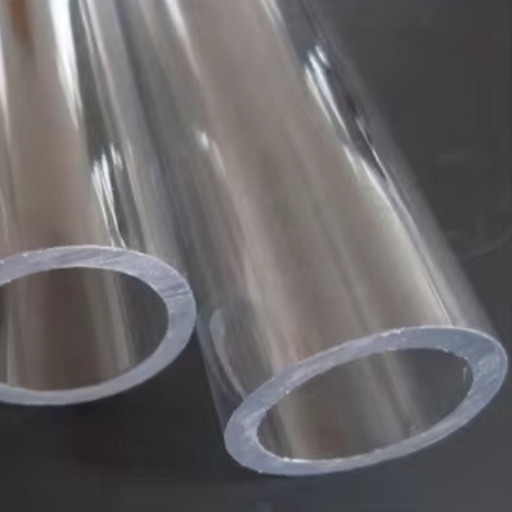
The process of using acrylic tubing in vertical wind turbine designs.
Acrylic tubing provides distinct benefits which architects use to create functional vertical wind turbine designs that maintain visual attractiveness. The lightweight yet durable nature of acrylic tubing makes it suitable for use as protective enclosures and structural components which create minimal extra weight for the turbine system. The material’s high transparency enables visual monitoring and embedded sensor systems to operate simultaneously, which provides real-time performance tracking and maintenance assessment capabilities. The material maintains its structural integrity because acrylic tubing withstands several environmental factors including UV radiation and moisture and extreme temperature conditions. Designers achieve material efficiency and reduced material fatigue through the application of these innovative materials together with advanced turbine technology, which results in visually impressive systems that match their environmental context. The system demonstrates how current materials science techniques combine with renewable energy development through their material integration process.
Market Trends and Future of Vertical Wind Turbines
Vertical wind turbines have emerged as a popular choice among residential and commercial users because of their compact design and their ability to function in urban areas. The vertical wind turbine operates in wind turbulence while needing less operational space than traditional horizontal turbines which makes it suitable for areas with high population density and unpredictable wind conditions. The rising demand for sustainable energy and the worldwide decarbonization initiatives have increased funding for renewable energy technologies which encompass vertical wind turbine systems. The analysts expect continuous demand growth because of government incentives and the clean energy policy development and the turbine efficiency progress. Turbines achieve increased durability through innovative material integration which combines lightweight composites with corrosion-resistant alloys to decrease maintenance requirements. The future development of hybrid energy systems will integrate vertical wind turbines with solar panels and energy storage systems. The systems produce power through multiple energy sources which creates more dependable energy generation. The research field of predictive maintenance has two main elements which use artificial intelligence and machine learning to enhance both operational performance and turbine longevity. Vertical wind turbines will play a vital role in building sustainable energy systems that rely on decentralized power sources.
Reference Sources
Liquid Acrylic Resin-Based Composites for Marine and Renewable Energy Applications
This study explores the use of acrylic-based composites in renewable energy systems, highlighting their potential applications in wind turbines.
Manufacturing a 9-Meter Thermoplastic Composite Wind Turbine Blade
Discusses the use of acrylic thermoplastic materials in the manufacturing of wind turbine blades, showcasing their benefits in renewable energy systems.
Manufacturing of a Fiber-Reinforced Thermoplastic Composite Micro-Generating Wind Turbine Blade
Examines the use of acrylic resin systems in the production of micro-generating wind turbine blades, emphasizing their efficiency and durability.
Frequently Asked Questions (FAQs)
How do I make a simple wind turbine using acrylic tubing?
To create a basic wind turbine model builders need to obtain a transparent acrylic tube which will function as the central stem and hub for their fan blades and custom blade attachments. The team needs to learn effective methods for installing the tube and blades which will result in decreased drag and better aerodynamic performance. The guide offers cut plans which users can access through hobby shop websites and Instructables-style tutorials which demonstrate blade root shaping and covering methods for part attachment. The generation system requires lightweight components because any excess weight will prevent it from rotating during light breezes and designers should choose plastic materials for the blades and hub. The team needs to protect bearings and electrical connections through weatherproofing methods which require both covers and seals for essential areas of protection.
Is acrylic tubing the same as plastic tubing for wind turbine blades and hubs?
Acrylic is a type of plastic which provides transparent viewing and sufficient stiffness for small research projects yet it behaves differently under impact and turbulent conditions compared to other plastic materials. The material serves as a cost-effective home building solution because of its light weight and easy availability through supply stores but users must verify its strength according to their specific tube diameter and round pipe dimensions. Instructables and shop guides present a comparison of different plastic materials which demonstrates the process of cutting and attaching components to achieve optimal power generation and structural strength. For outdoor operations that require higher power output or experience extreme weather conditions you will need to select different plastics or reinforcement materials which will help control both drag and weather effects. The selection of appropriate project materials requires you to study the physics behind load conditions and wind patterns.
What tube diameter and length should I choose for a small home wind turbine?
The size of the pipe you need to select depends on the dimensions of your blades and the torque-speed ratio which you want to achieve because wider pipes enable larger blade systems to generate power but those systems will experience increased weight along with aerodynamic resistance. For a small experimental turbine, choose a round acrylic tube with a diameter that fits your hub and bearings while allowing a clear airflow path to the blades. The tube needs to be positioned so the blades receive uniform wind flow while staying clear of any objects that could block airflow and generate wind turbulence which would decrease operational performance. Shop guides and instructables often suggest incremental builds so you can learn by adjusting angle and blade shape. The process of cutting the tube needs to be done accurately while maintaining proper alignment of the stem which will lead to better performance results and decreased wobbling.
How do I ensure maximum power generation from an acrylic tubing-backed rotor?
Engineers should use three design elements between airfoil shape and blade angle measurement and round tube hub placement to achieve maximum power generation through reduced drag and enhanced laminar flow movement. Light blades should be used with tip weight reduction to achieve higher rotational speed while maintaining operational stability across different weather conditions. Blade cover and small fan testing will show airflow patterns which demonstrate that tube surface turbulence has been successfully decreased. You can learn about lift and drag from Instructables and physics tutorials which will help you adjust the angle of attack and diameter relationship. The supply of precise measurements together with properly executed cuts will enable you to recreate successful design outcomes.
Can I use acrylic tubing for both the hub stem and blade parts in a DIY shop project?
The home project project can use acrylic tubing as both the hub stem and blade components. People must cut and join the parts carefully because acrylic material breaks when force is applied through its sharp edges. The system needs gradual curves and round connections to distribute load together with critical joints that should be reinforced through stronger materials or protective covers to withstand turbulence and gusting winds. People can learn proper cutting and finishing techniques through instructables-style resources which help them create clear edges while avoiding stress concentrators. The system needs weight distribution monitoring because it impacts round hub balance during rotation which results in wobble that decreases generation efficiency. A light protective cover can extend the life of acrylic parts that face outdoor weather conditions.